Key Takeaways
- 1For execution, our Crush makes and launches Meta ads; research options include AdSpy; Pipiads focuses on TikTok, according to Trendtrack; Dropship.io supports store tracking, according to WinningHunter.
- 2Match search filters to your store's recurring research questions instead of paying for broad features that do not serve the work you repeat.
- 3For Meta-first stores, investigate messaging through TikTok ads' intended product use, opening message, demonstration, and offer, distinguishing observations from expectations that identical creative works on Facebook or Instagram.
- 4Build a creative brief from research that fills a specific gap, and check your product and offer before converting research observations into ad copy.
Compare Minea alternatives by research focus, purchase terms, and limitations, with options for ad searches, TikTok research, and Meta campaign automation.
The best Minea alternatives depend on the task: Crush, our own tool, for Meta (Facebook and Instagram) ad creation and automation; AdSpy for ad-text and advertiser searches; Pipiads for TikTok-focused research, as described by Trendtrack; and Dropship.io for store research, as described by WinningHunter. Pick according to whether you need product ideas, competitor ads, or help making and launching your own ads.
Minea alternatives compared for small stores
Compare Minea alternatives by their research or ad-production role, platform focus, purchase terms, and limitations before choosing one for your store.
The table separates research from execution. Finding an interesting competitor ad and having software make and launch your own campaign are different purchases.
| Tool | Best for | Platform or research focus | Purchase terms | Main limitation |
|---|---|---|---|---|
| Crush (our platform) | Making and launching your Meta ads | Meta only: Facebook and Instagram ads | Paid plans, 14-day money-back guarantee | Runs no paid ads on other platforms |
| Minea | Finding winning products | Product search for e-tailers and dropshippers | Starter $49, Premium $99, Business $199 per month (checked October 25, 2026) | Built for product and ad research, not for running your campaigns |
| Pipiads | TikTok-focused product and creative research | TikTok-focused, as described by Trendtrack | Free trial with 500 credits; Basic $69 per month, $49 in a current sale (checked October 25, 2026) | Support and billing complaints reported by WinningHunter |
| AdSpy | Detailed competitor-ad searches | AdSpy lists searches by ad text, URL, page name, and advertiser name | AdSpy advertises $149 per month | Budget for the research subscription separately from advertising |
| Dropship.io | Store-level competitor research | Store tracking, as described by WinningHunter | Review subscription terms before purchase | WinningHunter raises metric reliability and recurring billing concerns |
Use these starting points to narrow your shortlist:
- Pick AdSpy when your research needs include ad text, advertiser names, URLs, or page names.
- Consider Pipiads when TikTok product and creative research is the main reason you would replace Minea.
- Consider Dropship.io when understanding competing stores matters more than searching individual ad messages.
A sample requirements list could read: “Primary platform: Facebook and Instagram. Research need: search competitor ad text and advertiser names. Purchase condition: confirm platform coverage.” Write your own version before comparing subscription tiers.

Why consider a Minea alternative?
Consider a Minea alternative when your main need shifts toward focused ad searches, store-level research, or help creating and launching your own ads.
A subscription should match the question you repeatedly need answered. “Which products deserve attention?” differs from “What language are competitors using?” and “Who will turn this idea into an ad?” Avoid paying for breadth when your recurring work is narrower.
For product research, you need enough context to assess the product and seller. For creative research, meaning research into an ad's visual material, you need relevant advertising references. For copy research, you need searches that surface the language used in ads.
The key features to look for are relevant platform coverage, useful search filters, a clear billing commitment, and an output you can use. AdSpy's documented searches include ad text, URL, page name, advertiser name, likes, and media type.
Write down the filters you actually need before buying. Searching an advertiser you already know calls for different capabilities than browsing an unfamiliar product category. A long feature list is less useful than a search that answers your recurring question.
Also separate a tool's strengths from its commercial terms. Check renewal, cancellation, and billing details before subscribing, especially when a public review raises concerns. Treat “winning products” as a research label, not a promise about your store.

The alternatives and where each fits
Use this detailed overview of each alternative tool to compare research features, ad-production tasks, purchase terms, and limitations.
According to Minea, Minea is a product-search tool intended to help e-tailers and dropshippers find products to sell. Minea says its Business Plan gives direct access to trends in “winning products” as soon as they hit the market. It also discusses ad filters for finding products and says its additional features distinguish it from competing tools.
For a Shopify store, use Minea's product searches to investigate items that might fit your assortment and offer. For sellers comparing Shopify workflows, Gempages describes BigSpy's Shopify App Store integration as useful for connecting stores and automating workflows.
Crush: our alternative for Meta ad execution
Crush is listed first among the alternatives because it is ours, not as a ranking. It is an artificial intelligence (AI) Facebook-ads platform that creates ad visuals and copy for a store and launches campaigns in the store's own Meta ad account.
Its advantage over Minea's product-research focus is the work after research: making and launching ads. Consider it if your store needs help creating, launching, and managing Meta ads.
Autopilot is the optional hands-off mode that runs testing. The platform can also generate ad-creative iterations from a winning reference ad, meaning new versions based on that reference.
The real limitation is platform coverage: it runs paid ads only on Facebook and Instagram. For TikTok-focused research, consider Pipiads as Trendtrack describes it; for ad-text and advertiser searches, examine AdSpy's listed search fields.
Paid plans, 14-day money-back guarantee. There is no free plan, and you can cancel anytime.
Choose this direction when production and campaign execution are the work you want software to handle. If the wider automation question matters to your purchase, the discussion of AI in ad automation offers another perspective.
Pipiads: the TikTok-focused research option
Pipiads is best suited to TikTok-focused product and creative research, according to Trendtrack's Pipiads review. It lists searches by keyword, advertiser, product category, target country, ad format, and engagement measures such as audience interactions.
For a Meta-first store, use TikTok research as a source of questions about your own messaging. Note the product's intended use, opening message, demonstration, and offer you want to investigate. Keep those observations separate from any assumption that the same creative will work on Facebook or Instagram.
According to WinningHunter, public reviews regularly mention issues with Pipiads' support responsiveness and billing clarity.
AdSpy: searches by ad text, advertiser, web address, and page name
AdSpy lists searches by ad text, URL, page name, and advertiser name; check platform coverage before choosing it for Facebook and Instagram research.
AdSpy also lists filters for likes and media type. For a small store, start with the searches tied to the product, advertiser, or wording you need to investigate.
AdSpy advertises virtually unlimited usage for $149 per month. Its practical limitation for a small store is the subscription commitment: treat that research expense separately from the money available to run ads.
For copy development, search a phrase connected to a product feature or intended use. Turn search results into questions for your own copy, rather than treating competitor wording as ready-to-publish material.
For visual research, AdSpy's listed media-type filter is an option to test. Decide what you need from the session before browsing, such as a clearer demonstration idea or a different way to explain the offer.
The AdSpy features and pricing review gives this option a closer look.
Dropship.io: store-level competitor research
WinningHunter's review describes the interface as clean and beginner-friendly and praises its store-tracking capabilities. It also raises concerns about metric reliability and recurring billing. Consider this option when the seller and product assortment are central to your research question.
Compare the plan terms against the store-research work you expect to repeat. Treat numerical estimates cautiously when deciding what inventory or advertising commitment your own store can support.
For Meta creative development, use store research to sharpen the product comparison you want your ad to explain. Look for questions about positioning, product choice, and the offer that you can answer truthfully for your own store.
For instance, your brief might need to explain why your product belongs in a particular use situation.
BigSpy: database scope and Shopify connection
Gempages says BigSpy monitors more than one billion ad creatives across social media and eCommerce channels.
Winninghunter recommends BigSpy's free plan for early exploration, describing access to ads across platforms but warning about limited filters and less reliable data. It considers that plan better suited to exploration than serious product research.
Before paying, check which search filters and store-connection functions the plan includes. Ask the support team how it connects to your store and which actions you would perform manually.
What useful research adds to a Meta creative brief
Useful research should leave you with a specific product question, message, or visual idea to examine in your own advertising.
A saved competitor reference is only useful if you can explain why you saved it. Record the product use it demonstrates, the product benefit it emphasizes, the visual explanation, and the offer language. Keep observation separate from your interpretation of why the ad exists.
Your brief can stay short. Include the product being advertised, a product benefit you can substantiate, the message you want to communicate, and the material needed to support it. Keep draft copy focused on what the product does and how it is used. Add the research reference only where it clarifies that instruction.
Match the research source to the gap in that brief. Ad-text searches are relevant when wording is unclear. Store-level research is relevant when the product's positioning needs attention. TikTok-focused research is relevant when that platform is part of your advertising plans.
Before turning an observation into copy, check it against your actual product and offer. Do not carry a competitor's claim into your own ad merely because it appears repeatedly in research.
How should you evaluate your shortlist?
Evaluate your shortlist against a written requirements list, then check billing terms and the work you would still handle yourself.
Separate research fees from advertising spend. Before paying, read renewal and cancellation terms and list the searches you need to repeat.
Consider our Meta automation option if you need help creating and launching ads. Choose a research-focused subscription instead when you want to control production yourself and mainly need better search tools.
Keep Minea if its product-search focus already answers your recurring questions. Switching makes sense when you can name the work the replacement will support more directly, not simply because another subscription has a longer feature list.
If Meta ad production and automation are your priority, build your ad plan with Crush.
Frequently Asked Questions
Common questions about this topic
1What does Minea do?
2How much does AdSpy cost?
About this article
This article was written with AI assistance and researched against the sources listed below. It was reviewed by our automated editorial checks before publishing.
Sources
- AdSpy (adspy.com)
- Pipiads Review: Pricing, Features, and More | Trendtrack Blog (trendtrack.io)
- Dropship.io Review (2026): Features, Pricing & Honest Verdict (winninghunter.com)
- Mastering Minea for efficient dropshipping: Detailed guide (minea.com)
- trustpilot.com (trustpilot.com)
- PipiAds Review 2026: TikTok Ad Spy Tool Tested & Honest Verdict (winninghunter.com)
- 15 Best Shopify Spy Tools for Competitor & Product Research, GemPages (gempages.net)
- 7 Best Minea Alternatives in 2026 (No Credit Limits) (winninghunter.com)
Written by

Rokas Steponavičius
Founder, CEORokas is the Founder and CEO of TryCrush.ai, an ex-IBM professional turned entrepreneur focused on building AI-driven growth platforms. With a strong background in ecommerce, performance marketing, media buying, and artificial intelligence, Rokas specializes in creating scalable, data-led systems that drive measurable revenue. His mission is to help modern businesses leverage AI to optimize acquisition, conversions, and long-term profitability.
Stop Guessing.
Start Crushing.
AI Ad Manager trained by world-class media buyers to generate your creatives and optimize your ads 24/7.
Learn more
Related articles
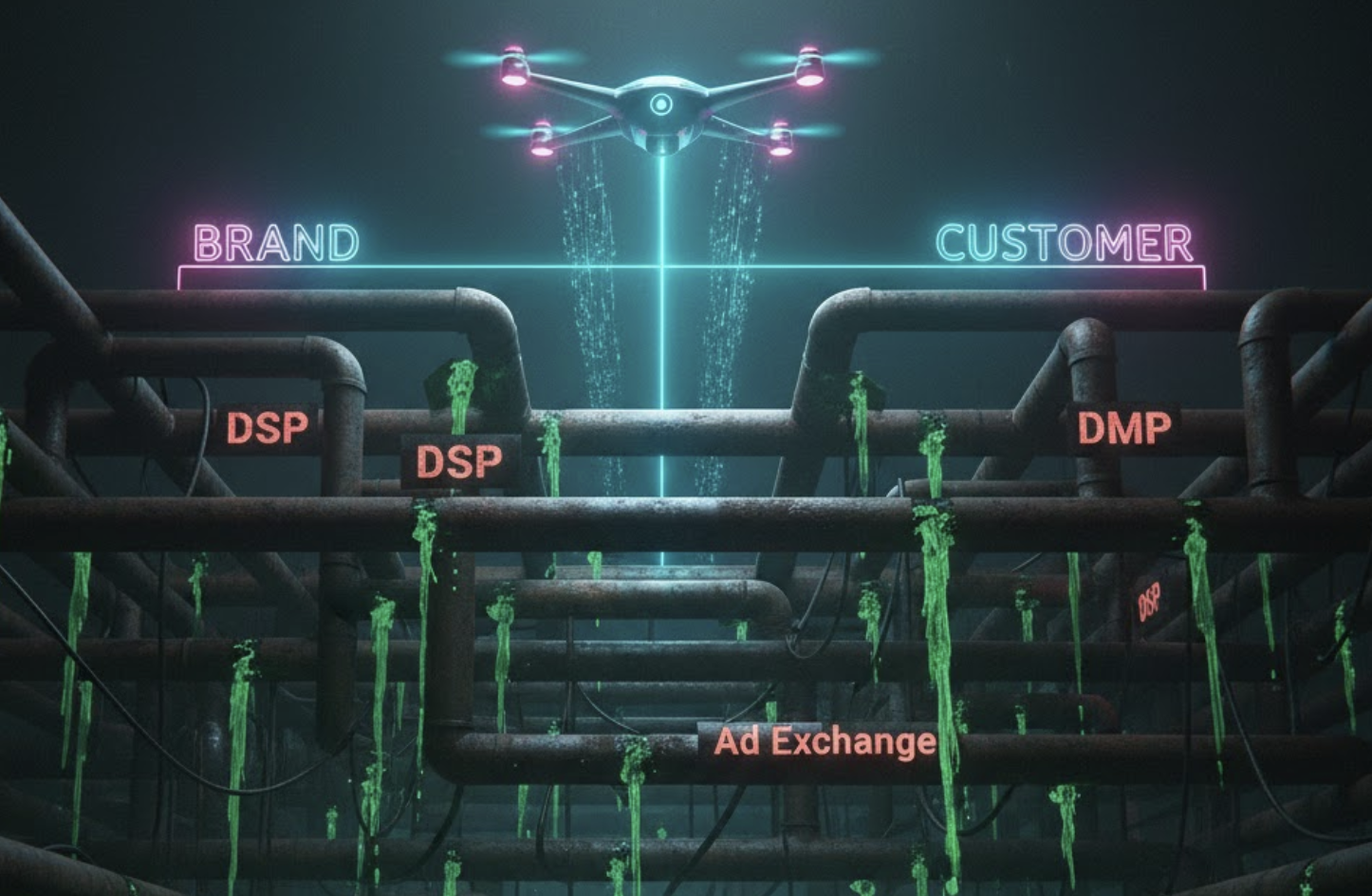
Programmatic Advertising is a Scam (Unless You Use AI)
Traditional programmatic advertising is broken, with up to 50% of your budget lost to middlemen. Learn how programmatic advertising AI flattens the supply chain, stops ad fraud, and gives you direct access to premium inventory.
Holo AI Review: What Small Stores Should Check
Holo AI is worth shortlisting for brand-led ads, social posts, and emails. Match its proposed service to your store's workload, budget, and publishing controls before buying.
Street Interview Ads: Creative Rules for Small Stores
Street interviews turn product questions and reactions into ad creative. Plan product-specific questions, a lean shoot brief and a purchase-cost review.
Black Friday Ads: Examples for Small Stores
See real Black Friday ads with their exact copy, offers, formats, and buttons. Borrow useful creative patterns without copying misleading deadlines or unsupported claims.