
Active· since May 17, 2026
- 117
- days running
- 0
- relaunches
Ad copy
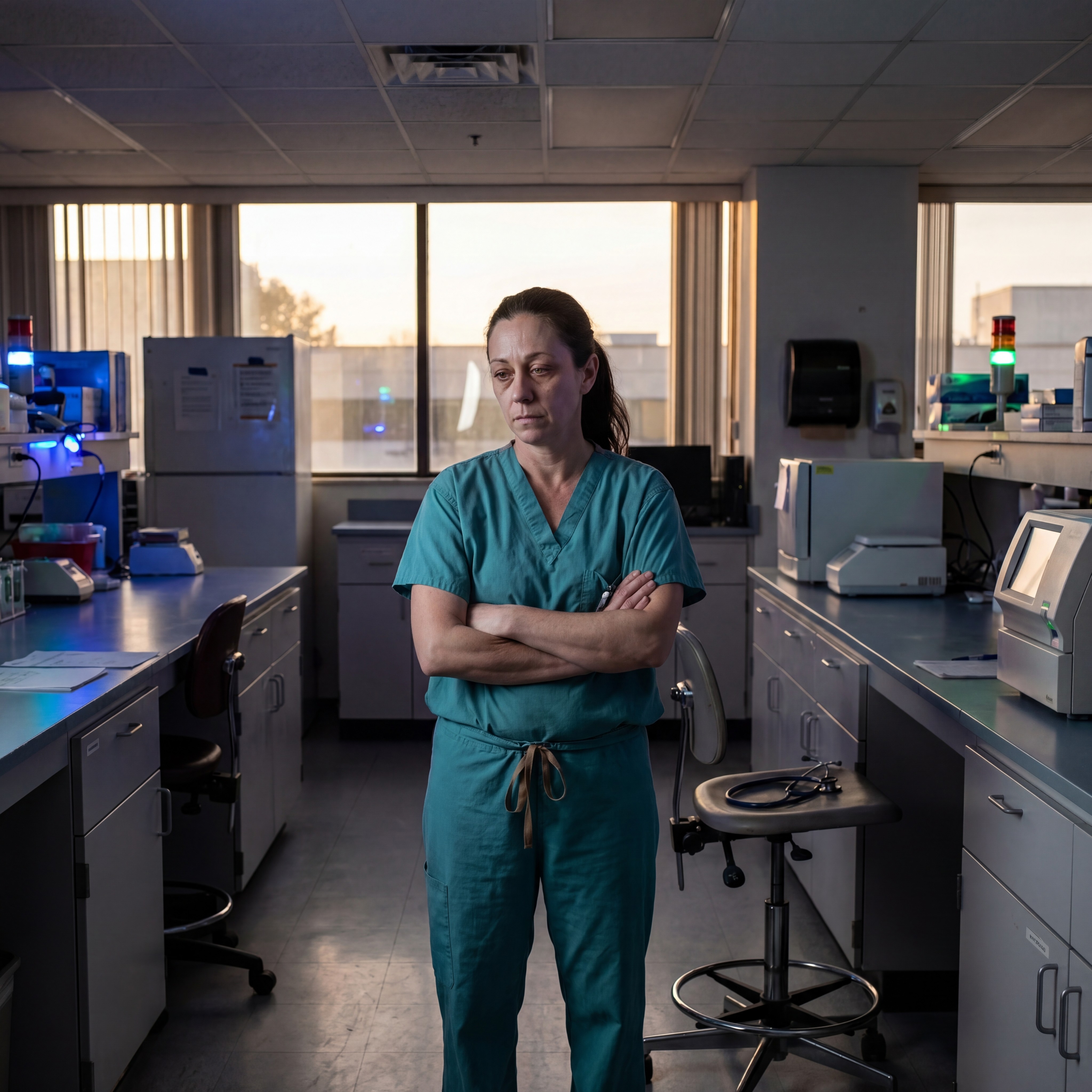
47 people in liver failure this year. Every single one had "normal" labs six months before it happened. Every single one was doing exactly what their doctor told them to do. I've been a medical lab technician for 18 years and I see this pattern every month. I run the bloodwork. I see the numbers. AST at 52. ALT at 48. Bilirubin at 1.1. Technically normal. Doctor writes "WNL" on the chart. Patient goes home thinking everything's fine. And then 8 months later, that same patient ID comes back through my system with numbers I can't ignore. AST at 340. ALT at 280. Bilirubin at 4.8. I print the report. I send it upstairs. And I already know what's happening on the other end of that phone call. For 18 years I kept my head down and did my job. I run the tests. I flag abnormals. I don't treat patients. It's not my place to question the protocol. Then last April, my own results came across my desk. AST: 52. ALT: 49. GGT: 67. I stared at my own patient ID number on that printout for a full minute. Technically within range. Technically normal. But I've seen this exact pattern 47 times in 18 years. I knew what I was looking at. I knew what happens next. The woman who made me quit staying silent was named Carol. 58 years old. Married 32 years. Two daughters. Four grandkids. She'd been taking ibuprofen every day for 6 years for knee pain. Nothing crazy. Just 400mg twice a day. The bottle says you can take up to 1200mg. She was well under that. She went on Lipitor 4 years ago when her cholesterol hit 240. Added Lisinopril 3 years ago for blood pressure. She had wine with dinner maybe 4 nights a week. Two glasses. Sometimes three on weekends. Her husband drank the same amount. They weren't problem drinkers. Just normal people living a normal life. Her liver enzymes had been trending up for three years. Year one: AST 34, ALT 38. Year two: AST 41, ALT 44. Year three: AST 48, ALT 52. Every year her doctor said the same thing: "Still in normal range. Let's keep an eye on it." She came into the ER on a Thursday morning confused and disoriented. Her daughter brought her in. Carol couldn't remember her daughter's name. Couldn't remember where she lived. Kept asking the same questions over and over. Her skin was yellow. Her eyes were yellow. I ran her bloodwork that morning. AST: 312. ALT: 298. Bilirubin: 5.2. Ammonia: 180. Acute liver failure. Hepatic encephalopathy. Her liver couldn't clear the ammonia from her blood anymore and it was poisoning her brain. She died 11 days later waiting for a transplant that never came. Her husband sat in the waiting room repeating the same thing to anyone who would listen: "But she barely drank. She did everything they told her to do. Her labs were normal last year." Her labs were normal last year. That's the sentence I can't stop thinking about. Because he was right. Her labs WERE normal. And that's the problem. The standard liver panel doesn't measure what actually went wrong inside Carol's liver for the three years leading up to that Thursday morning. It only measures the aftermath. By the time AST and ALT are elevated enough to scare a doctor into action, the damage has been running for years. And Carol wasn't the first person I watched this happen to. She was the 47th. The 52-year-old man who'd been on daily aspirin and Advil for chronic back pain for 8 years. Added blood pressure medication. Added a statin. His enzymes crept up every year. "Still normal," they told him. He came in jaundiced and confused on a Tuesday. Gone within two weeks. The 61-year-old woman who took Tylenol PM every single night for insomnia. For 12 years. Her liver panel was "fine" at every checkup. Until it wasn't. Acute liver failure. No warning. Just gone. The 49-year-old guy who thought he was doing everything right. Exercised four times a week. Took his medications. Had a few beers on the weekend. Nothing excessive. His doctor never said a word about his liver. AST was 46. ALT was 51. Technically fine. He collapsed at his daughter's soccer game. Hepatic encephalopathy. Didn't make it off the transplant waitlist. All of them compliant. All of them "normal" on paper. All of them dead. And every single time, the family asks the same question: "How did this happen? The doctor said everything was fine." After the 47th time I printed a report I knew would end the same way, I realized something that changed everything for me. Let me be clear about what I'm NOT saying. Medications are necessary. I'm not anti-medication. I've seen what happens when people don't take their blood pressure medication or their cholesterol medication. That's dangerous. I would never tell anyone to stop taking what their doctor prescribed. But here's what I started seeing in the pattern: If your liver enzymes are creeping up every year, even if they're still "in range," and you're on multiple medications, and you're doing everything your doctor told you to do, and nobody is addressing WHY the enzymes are climbing—Then "normal range" isn't protecting you from anything. Something is breaking down inside your liver while everyone stares at numbers that don't tell the whole story. And by the time those numbers cross into "abnormal," you've been running damage for years. I carried that realization with me for months. Until last April when I ran my own annual bloodwork and saw my own patient ID number on a printout I didn't want to look at. AST: 52. ALT: 49. GGT: 67. I sat in the break room staring at my own numbers. I'm 46 years old. I take ibuprofen for headaches maybe three times a week. I'm on no other medications. I have wine with dinner twice a week, maybe three times if it's a rough week. I'm not a heavy drinker. I don't even fit the profile of the people whose bloodwork I've been flagging for 18 years. But my numbers were telling me the same story I'd seen 47 times before. The attending physician pulled me aside the next day after the results hit the system. "Jennifer, your liver enzymes are slightly elevated. Not concerning yet, but let's recheck in six months. Maybe cut back on alcohol and NSAIDs." I was already barely drinking. I was already barely taking painkillers. And I knew what "let's recheck in six months" meant. It meant: wait and see if it gets worse. It meant: we'll address it when the numbers force us to. It meant: by the time we take this seriously, the damage will already be done. I nodded. I thanked him. I went home. And I started digging. Because I knew something he didn't. I knew that waiting six months for my AST to hit 58 and my ALT to hit 54 wasn't a plan. It was just watching the same pattern I'd seen 47 times play out with my name on the chart instead of someone else's. I wasn't going to become patient #48. So I went home and I did what any lab tech would do when they don't trust the protocol. I read everything I could find about what actually happens inside the liver when enzymes start climbing. And what I found in two weeks of reading made 18 years of bloodwork suddenly make sense. Here's what they taught us in training: The liver processes toxins. When liver cells are damaged, enzymes leak into the bloodstream. Elevated enzymes mean liver damage. Simple. And that part is true. Elevated AST and ALT DO mean liver cell damage. But here's what they didn't teach us. Here's what nobody talks about in the break room. Here's what you won't hear at your annual physical. They didn't teach us WHAT damages those liver cells in the first place. And once you understand that, once you see what's actually happening inside your liver while your doctor stares at "normal" numbers on a report, everything about watching 47 compliant patients die makes sense. Here's what's really going on. Your liver processes everything. Every medication you take. Every glass of wine you drink. Every painkiller. Every chemical in processed food. Every pesticide on produce. Every bit of environmental exposure. All of it flows through your liver. Your liver's job is to break all of that down into something your body can eliminate. It does this in three phases. Phase 1 is run by enzymes called cytochrome P450. Phase 1 takes everything (medications, alcohol, toxins) and breaks it down into smaller pieces called intermediate metabolites. Here's the part nobody tells you: Those intermediate metabolites are often MORE TOXIC than what you started with. Phase 1 doesn't neutralize anything. It just breaks things into smaller, more reactive pieces that need to be dealt with immediately. Think of it like this: Phase 1 is a wood chipper. You throw in a log (medication, alcohol, toxins). The chipper breaks it into sharp, jagged splinters (intermediate metabolites). Those splinters are more dangerous than the log. They're smaller. They're sharper. They can do more damage if they're not cleaned up right away. Phase 1 runs 24/7. Every medication you take gets chipped. Every drink gets chipped. Every painkiller gets chipped. Your liver has no choice. It HAS to process what comes through. That's the job. But here's where the system either works or fails: Phase 2 is supposed to neutralize those toxic intermediate metabolites immediately. Phase 2 is called conjugation. It attaches molecules (glutathione, sulfate, glycine, glucuronic acid) to those toxic splinters to make them water-soluble and safe so your body can flush them out. When Phase 2 is working properly, the toxic intermediates get neutralized within seconds. They get packaged up. They move to Phase 3. Phase 3 pushes the neutralized waste into your bile and urine so it leaves your body. That's how it's supposed to work. Phase 1 breaks it down. Phase 2 neutralizes it. Phase 3 flushes it out. The system worked perfectly when you were 25. But after years of daily medications, after years of ibuprofen and Tylenol and statins and blood pressure pills, after years of wine with dinner and processed food and stress and aging— Phase 2 can't keep up anymore. It runs out of glutathione. It runs out of sulfur compounds. It runs out of the molecules it needs to neutralize what Phase 1 keeps handing it. And when Phase 2 can't keep up, here's what happens: The toxic intermediate metabolites don't get neutralized. They float through your bloodstream. Your liver tries to process them again. Phase 1 breaks them down further. Creates even more intermediates. Phase 2 still can't neutralize them. Not enough glutathione. Not enough conjugation capacity. The intermediates recirculate. They pile up. They float through your blood hitting every cell in your body. That's not "toxin buildup" the way some wellness influencer means it. That's a traffic jam of compounds YOUR OWN LIVER CREATED that are now poisoning you from the inside because Phase 2 couldn't finish the job. The brain fog you've been blaming on age? That's neurotoxic intermediates crossing the blood-brain barrier. The fatigue that hits you by 2 PM every single day no matter how much sleep you got? That's your mitochondria drowning in oxidative stress from intermediates that should have been cleared hours ago. The bloating that makes you look six months pregnant by the end of every day? That's your gut getting hit with bile that's thick with unprocessed metabolites because Phase 2 couldn't neutralize them and Phase 3 dumped them anyway. And the worst part? Your standard liver panel doesn't test for ANY of this. AST and ALT measure liver cell death. By the time those enzymes are elevated, you've been running a Phase 2 bottleneck for YEARS. You've been recirculating toxic intermediates while your doctor looked at your "normal" panel and said "everything's fine, keep doing what you're doing." Carol's AST was 34 three years before she died. It was 41 two years before she died. It was 48 one year before she died. "Still in normal range," they told her. But Phase 2 had been overwhelmed for years. The intermediates had been piling up for years. Her liver cells had been getting shredded by oxidative damage for years. By the time her AST hit 312, the damage was irreversible. The enzymes didn't lie. They just showed up too late. That's what I realized sitting at my kitchen table staring at my own AST of 52. My Phase 2 was already falling behind. I wasn't in liver failure. But I was on the same path Carol was on three years before she collapsed in the ER. And if I didn't do something to support Phase 2 NOW, before my AST hit 58, before it hit 64, before it crossed into "concerning" territory— I was going to become the next printout someone else stared at in the break room. I wasn't going to let that happen. So I kept digging. And that's when I found the research on milk thistle. I'd heard of milk thistle before. It's one of those supplements people take when they're trying to "detox" after a weekend of drinking. I'd always dismissed it as wellness nonsense. Another trendy herb that shows up in liver cleanses and gets recommended by people who don't understand how the liver actually works. But I kept seeing it come up in actual medical literature. Not blog posts. Not alternative medicine websites. PubMed. Peer-reviewed studies. So I started reading. And what I found changed everything. Milk thistle contains a compound called silymarin. Silymarin is a flavonoid complex extracted from the seeds of the milk thistle plant. And here's what silymarin does that nothing else I'd ever read about does: It directly supports Phase 2 conjugation. Not Phase 1. Not Phase 3. Phase 2. The exact bottleneck that's causing the recirculation. Here's how it works: Silymarin increases glutathione production inside liver cells. Glutathione is the primary molecule Phase 2 uses to neutralize toxic intermediates. When you run out of glutathione, Phase 2 stops. The intermediates pile up. Silymarin tells your liver cells to make more glutathione so Phase 2 can keep working. Silymarin also protects liver cells from oxidative damage while they're processing those intermediates. Remember: those intermediates are highly reactive. They cause oxidative stress. Oxidative stress damages the liver cells trying to neutralize them. Damaged cells can't produce glutathione. Can't run Phase 2 efficiently. The cycle gets worse. Silymarin acts as an antioxidant shield around the liver cells so they can keep doing their job without getting shredded in the process. And here's the third thing silymarin does: It directly supports the conjugation enzymes (GST, SULT, UGT) that attach glutathione and other molecules to the toxic intermediates. In other words: Silymarin gives Phase 2 MORE of the molecule it needs (glutathione), protects the cells doing the work (antioxidant shield), and supports the enzymes performing the neutralization (conjugation support). It doesn't "detox" your liver. That's not a real thing. It doesn't "cleanse" or "flush" anything. That's wellness language that doesn't mean anything. What it does is give Phase 2 the resources to keep up with Phase 1. The toxic intermediates get conjugated. They get neutralized. They get flushed. The recirculation stops. The traffic jam clears. Your liver keeps doing its job, but now it has what it needs to FINISH the job instead of leaving half-processed poison floating through your bloodstream. Then I found the clinical study that made me order it that night. Researchers took patients with non-alcoholic fatty liver disease. Elevated liver enzymes. Oxidative stress. The same pattern I'd been seeing for 18 years. They split them into two groups. One group got standard care (diet modification, exercise recommendations). One group got standardized silymarin extract alongside standard care. After 12 weeks: The silymarin group saw significant reductions in AST and ALT. The silymarin group showed improved markers of oxidative stress. The silymarin group showed better liver function across the board. The standard care group saw minimal change. A plant extract. Going head to head with the standard protocol. Showing measurable improvement in liver enzyme levels and oxidative stress markers. In 12 weeks. I sat at my kitchen table staring at that study thinking about Carol. Thinking about the 52-year-old man on daily NSAIDs. Thinking about the 61-year-old woman on Tylenol PM. Thinking about every single person whose bloodwork I'd flagged as "trending up" while their doctor said "still normal, let's watch it." There was something that could support Phase 2 this entire time. Something that could give the liver what it needed to neutralize the intermediates instead of letting them recirculate for years while the enzymes crept higher. And nobody told them. Nobody. But here's the thing about milk thistle supplements: Most of them are garbage. I spent three days reading labels and comparing products before I found one that met the standard I needed. Most milk thistle supplements are low-quality powder with degraded nutrient content. Some are contaminated with heavy metals. Some use fillers to cut costs. And most of them contain 50-65% silymarin concentration. That matters. Because the clinical studies showing results used 80% silymarin concentration. If you're taking a supplement with 50% silymarin, you're getting half the active compound the studies used. You're not going to see the same results. The product I found was Uvora Milk Thistle Detox. 80% silymarin concentration. The same concentration the clinical studies used. Sourced from New Zealand. Organic. Third-party tested for purity and potency. No fillers. No binders. No heavy metals. Made in small batches to preserve potency, which means they sell out regularly and you have to wait for the next batch if you miss the window. I ordered it that night. I didn't tell my doctor. I didn't tell anyone at work. I just added it to my routine. One capsule every morning with water before my shift. I want to be honest about what the first few days felt like. It wasn't a caffeine rush. It wasn't some dramatic transformation 20 minutes after swallowing a pill. Milk thistle doesn't work like that. It's not a stimulant. It's not masking symptoms. What it does is support Phase 2 conjugation at the cellular level. That kind of repair takes time to show up on a blood panel. But what I noticed was quieter than that. And more real. Within the first week, my energy was different. Not jittery. Not fake. Just stable. Like my body was finally getting clean fuel instead of running on half-processed sludge. By week 2, the brain fog I'd been blaming on long shifts started lifting. I could finish sentences without losing words halfway through. I could remember patient ID numbers without checking the chart three times. By week 3, the bloating that hit me every afternoon was gone. I'd been blaming it on sitting too long. On bad lunches. On getting older. It wasn't any of those things. It was my gut getting hammered with unprocessed bile because Phase 2 couldn't keep up. And now it could. At 8 weeks, I ran my own bloodwork again. I didn't tell anyone I was doing it. I just added my ID to the morning batch and ran it through with everyone else's samples. I pulled my results an hour later. AST: 38. ALT: 34. GGT: 42. I stared at that printout for a full minute. Down from 52. Down from 49. Down from 67. In 8 weeks. On a plant extract I'd started taking because I refused to become patient #48. I ran it again two days later to make sure the first result wasn't a lab error. AST: 36. ALT: 33. GGT: 41. It held. I sat in the break room looking at my own numbers with tears in my eyes. Because I knew what those numbers meant. Phase 2 was working again. The intermediates were getting neutralized. The recirculation had stopped. My liver cells weren't getting shredded anymore. I wasn't on Carol's path anymore. I didn't tell anyone at first. Just kept taking it. Kept working my shifts. But you can't keep something like that to yourself when you've spent 18 years watching people die from something you now know was preventable. So I told my sister. She's 53. She's been on Lipitor for 6 years. Takes ibuprofen for arthritis pain every single day. Has wine with dinner 5 nights a week. Her last physical showed AST at 48, ALT at 51. Her doctor told her the same thing they told Carol: "Still in normal range. Let's keep an eye on it." I told her what I'd found. Told her what silymarin does to Phase 2. Told her what it did for my numbers. She started taking it three weeks later. Then I told Lisa, one of the phlebotomists on my floor. She's 49. Daily Tylenol for chronic headaches. Blood pressure medication for 4 years. Her enzymes have been creeping up every year. She's two months in now. Last panel showed AST dropped from 54 to 39. Then Maria, one of the nurses in the ER. She's 44. Takes Advil almost every shift for back pain. Her enzymes were 46 and 49 last year. Retested at 12 weeks. Down to 33 and 36. Word spread the way it always does in a hospital. Quietly. Tech to tech. Nurse to phlebotomist. In the break room over bad coffee. I know of 14 people on my floor taking it now. Not one of them stopped their medications. That's important. Because I need to say this clearly, and I need you to hear it: I am NOT telling you to stop taking your medications. I would never tell you that. I'm a lab tech, not a doctor. I run tests. I don't prescribe treatment. What I AM telling you is this: If your liver enzymes are creeping up every year, even if they're still "in range," and nobody is addressing WHY they're climbing, there is something you can do to support the pathway that's actually struggling. You can take it alongside your medications. You can recheck your bloodwork in 8-12 weeks. And if your numbers come down the way mine did, the way my sister's did, the way Lisa's did, you can have that conversation with your doctor about what the results mean. That's how it should work. I know what some of you are thinking. "I've tried liver supplements before. They didn't do anything." Most liver supplements don't address Phase 2. They're random blends of herbs that sound good on a label but don't target the actual bottleneck. Dandelion root supports bile flow. That's Phase 3. Doesn't help Phase 2. Turmeric reduces inflammation around the liver. Doesn't support conjugation. Activated charcoal binds toxins in the gut. Doesn't help Phase 2 neutralize what's already in your bloodstream. Artichoke extract supports digestion. Doesn't touch glutathione production. All of them do something downstream or upstream. None of them support the step where the system is actually breaking down. Silymarin is the only compound I found in the research that specifically supports Phase 2 conjugation. Increases glutathione. Protects liver cells from oxidative damage. Supports the conjugation enzymes. That's why it worked when nothing else did. It's called Uvora Milk Thistle Detox. One capsule every morning with water. That's the whole protocol. Uvora offers a 90-day money-back guarantee. Full refund, no questions asked, even on empty bottles. I asked before I recommended it to my sister. I wouldn't have told her about it otherwise. Ninety days is enough time to see what I saw. If you don't see your numbers move, you send the bottles back. You're out nothing. But here's what I need you to understand: If your liver enzymes have been climbing every year, even if your doctor says "still normal," that climb isn't going to reverse on its own. Phase 2 isn't going to suddenly start producing more glutathione because you waited another six months. The intermediates aren't going to stop recirculating because you cut back from three glasses of wine a week to two. The bottleneck is running right now. Every day it runs without support, the intermediates pile up. The oxidative damage gets worse. The liver cells get weaker. The enzymes climb higher. And one day, maybe six months from now, maybe two years from now, you'll be sitting in your doctor's office hearing the words Carol's husband heard: "We need to talk about your liver." By then, the damage will already be done. I think about Carol every single day. I think about her sitting in that ER chair confused and disoriented while her daughter tried to explain to the intake nurse that her mom wasn't making sense. I think about her husband in the waiting room 11 days later repeating "but she did everything right" to a hospital chaplain who had no answers for him. I think about the printout I ran that morning. AST: 312. ALT: 298. Ammonia: 180. I think about the three years of bloodwork before that. The slow climb from 34 to 41 to 48 while everyone said "still normal." I became a lab tech because I wanted to catch things early. I wanted to see the patterns before they became tragedies. For 18 years I ran the tests and flagged the numbers and watched people die anyway. Now I finally have something that addresses the problem before the numbers force everyone to pay attention. If you're on daily ibuprofen, if you're on a statin, if you're on blood pressure medication, if you take Tylenol PM to sleep, if you have wine with dinner a few nights a week, if your liver enzymes have been creeping up and your doctor keeps saying "let's watch it"— Please don't wait for the numbers to get worse. Don't wait for "still normal" to become "we need to talk." Don't wait until you're sitting in a doctor's office hearing words you can't unhear. Support Phase 2 now. While your liver still has time to recover. 👉 https://getuvora.com/pages/liver-support-women P.S. I pulled Carol's records again last week. I shouldn't have. But I needed to see the timeline one more time. Year one: AST 34, ALT 38. Doctor's note: "WNL, recheck next year." Year two: AST 41, ALT 44. Doctor's note: "Mild elevation, still acceptable range, lifestyle modification discussed." Year three: AST 48, ALT 52. Doctor's note: "Trending upward, will monitor closely." Eleven months later: AST 312, ALT 298. Acute liver failure. Three years of "watching it" while Phase 2 collapsed. If your last panel showed ANY upward trend, even if it's still "in range," please don't wait another year to see if it gets worse. P.P.S. I just checked the link before I posted this. Uvora had stock when I clicked. I don't know how long that holds once this reaches people. If it says "in stock" when you get there, don't wait.
Why your liver enzymes are climbing even though you "barely drink" (it's not the alcohol)
During hormonal transitions, your liver may need extra support. That may be why you still feel stuck despite trying to do everything right. But you can now give it the support it needs.
LEARN MORELike this ad? Make it yours.
Crush rebuilds this exact creative around your product — your brand, your colors, your offer — in about a minute.