
Inactive· since Jun 2, 2026
- 11
- days it ran
- 0
- relaunches
Ad copy
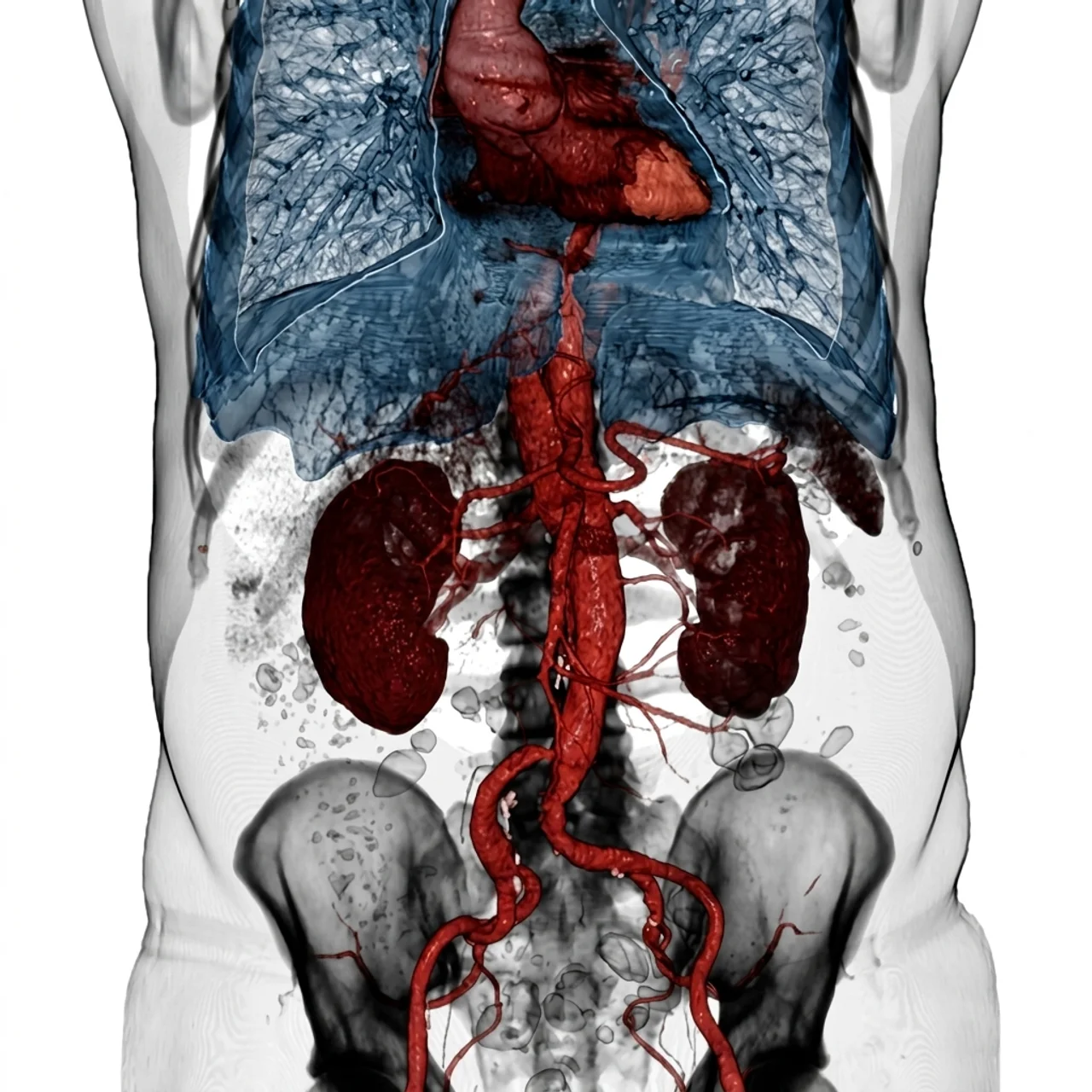
When a man who has been on TRT for ten years dies of a cardiovascular event at 58, the coroner writes "cardiac arrest" or "stroke" on the death certificate. He doesn't write "the TRT protocol elevated his hematocrit by 12 points over a decade and nobody intervened until it killed him." He doesn't write "his testicles atrophied to half their original size and his fertility was gone by year three." He doesn't write "the standard protocol was applied to a man whose underlying problem was vascular, not glandular, and the consequences were locked in within twelve months of his first injection." There is a reason for that, and it has nothing to do with paperwork. It has to do with what low T actually is in middle-aged men with total T between 350 and 500. And once you understand what it actually is, you understand why the standard TRT protocol — gel, injection, HCG, anastrozole — has never once addressed the underlying mechanism in millions of men who have been on it for years. I want to tell you what low T actually is in middle-aged men. Not the textbook definition. The real one. Low T is a disease of testicular microvascular failure disguised as a disease of glands. Your Leydig cells are not exhausted. They are starved. The standard model says your testes are "aging out." That the cells that produce testosterone are wearing down and need to be replaced with exogenous hormones because they can no longer keep up. This model is wrong for the vast majority of middle-aged men presenting with total T between 350 and 500 ng/dL. The Leydig cells are still alive. They are still structurally intact. They are still capable of producing testosterone if their environment supports it. The reason your total T has dropped is not that the cells failed. The reason your total T has dropped is that the blood vessels feeding those cells have failed. Your testes are supplied by some of the smallest, densest microvascular networks in your body. The testicular arteries branch into spiral arteries which branch into capillaries which thread through the seminiferous tubules and around the Leydig cells. Every Leydig cell sits within a few microns of a capillary. Every Leydig cell depends on that capillary for oxygen, glucose, and the substrate molecules it uses to synthesize testosterone. When the microvascular endothelium of those capillaries becomes dysfunctional — from elevated insulin, from chronic inflammation, from oxidative stress, from the same vascular damage that is happening simultaneously in your coronary arteries, your penile arteries, and your retinal arteries — the blood flow to the Leydig cells drops. The oxygen drops. The substrate drops. The cells are still alive. They are just not receiving what they need to produce testosterone at the levels they could produce. Your total T drops. Your free T drops. Your estradiol may stay normal or drop in parallel. Your LH and FSH from the pituitary may initially climb (trying to compensate) and then normalize at lower output (compensation exhausted). The whole HPG axis settles into a new, lower equilibrium that the standard medical model interprets as "your testes are aging." It's all the same disease. Low T. ED. Fatigue. Muscle loss. Metabolic syndrome. Cardiovascular event. They are not six separate problems. They are six faces of one — failing microvasculature in the smallest, most metabolically demanding tissues in your body. ED is the first warning. Low T is the second. Visceral fat and insulin resistance are the third. The cardiovascular event is the outcome. Now here is the part that should make you angry. The standard TRT protocol addresses none of this. Exogenous testosterone replaces the output your Leydig cells aren't producing. It does not repair the vascular damage that caused the cells to be starved in the first place. It does not restore the microvascular endothelial function. It does not reverse the underlying insulin resistance and inflammation driving the entire cascade. It also does something the protocol literature rarely emphasizes: it actively suppresses your endogenous production. Within four to eight weeks of starting TRT, your hypothalamus stops releasing GnRH at normal levels. Your pituitary stops releasing LH. Your testes stop receiving the signal to produce testosterone. The cells that were "just starved" now become "no longer signaled" — and within six to twelve months, your testes begin to atrophy from disuse. You cannot come off TRT after six months without months of crash. You cannot come off TRT after two years without a year-long recovery attempt that may or may not succeed. You cannot come off TRT after five years in most cases — your Leydig cells have atrophied enough that endogenous production cannot recover. That is the standard protocol. That is what is being prescribed to millions of middle-aged men whose underlying problem was vascular and reversible six months before they got the prescription. I have been calling it the TRT protocol treadmill — and once you are on it, you are on it. You started with topical gel. Worked moderately. Total T climbed from 380 to 520. Your endocrinologist switched you to injection because absorption from gel is inconsistent. 100mg weekly. Total T climbed to 700. Then estradiol started climbing as the body aromatized the extra testosterone. Anastrozole added. Then LH and FSH suppressed. HCG added to preserve testicular size and fertility. Year 2, fertility testing showed sperm count down by 80%. Year 3, you tried to come off and crashed — total T dropped to 180 within three weeks. You restarted. By year 5, you were on testosterone, HCG, anastrozole, and possibly a sleep medication for the hematocrit-elevation-driven insomnia. The whole time, the underlying microvascular dysfunction has been progressing. Not slowing down. Not stabilizing. Progressing. The same disease that drove your low T in the first place is also driving your rising blood pressure, your climbing LDL, your decreasing flow-mediated dilation. TRT did not address any of it. TRT just kept your testosterone number in range while everything else got worse. That is not treatment. That is a sophisticated form of avoidance. Your endocrinologist is not the one who is going to step you off this treadmill. I want to say that carefully, because I respect endocrinologists. Most of them are good people working inside a broken machine. But I have to be honest about how the machine works. Your endocrinologist has 15 minutes with you. The online TRT clinic has less. They were trained to evaluate low T as a hormonal output problem, prescribe replacement, and manage the cascade of secondary effects. They were not trained to think of low T as a presenting symptom of microvascular failure that has implications across every organ system in your body. In 2023, Dr. Peter Attia published "Outlive" — the longevity book that spent a year on the New York Times bestseller list. Dr. Attia is a Stanford and Johns Hopkins-trained physician who founded Early Medical and hosts The Drive podcast. He is one of the most influential voices in modern longevity medicine. He prescribes TRT himself when it is genuinely warranted. He has also publicly stated, repeatedly, that the threshold for prescribing TRT in middle-aged men has crept downward over the last decade without corresponding evidence that men in the 350-500 ng/dL range benefit long-term — and that the long-term cardiovascular safety profile of TRT in this population remains genuinely uncertain. Dr. Attia is one of the few longevity physicians publicly questioning the protocol creep. He is, however, a single physician with a single platform. There are roughly 8,000 endocrinologists practicing in the United States, and the booming online TRT clinic industry now reaches millions of additional men through clinics like Hone Health, Maximus, Marek Health, and Defy Medical. Most of these protocols start TRT at total T thresholds where Attia would recommend addressing the underlying lifestyle and vascular factors first. I'm telling you this because there aren't enough Attias to go around. You are not going to walk into your local endocrinology clinic or your favorite online TRT clinic and have someone evaluate your low T as a vascular problem instead of a hormonal one. You are going to get the doctor who has 15 minutes for you and a TRT protocol in a drawer. So you are going to have to take the lead. Not by firing your doctor. Not by skipping evaluation. Not by doing anything reckless. By learning what the system was never set up to teach you — how to address the actual disease underneath the symptom you noticed. The microvasculature. In October of 2021, a researcher named Dr. David Julius was awarded the Nobel Prize in Physiology or Medicine for the discovery of TRPV1 — a molecular doorway on the surface of human cells that responds to capsaicin, the active compound in cayenne pepper. It won a Nobel Prize because of what TRPV1 does inside the lining of your blood vessels — including the testicular microvasculature that feeds your Leydig cells. A team led by Dr. Dachun Yang published a landmark paper in Cell Metabolism in 2010 titled "Activation of TRPV1 by Dietary Capsaicin Improves Endothelium-Dependent Vasorelaxation and Prevents Hypertension." In plain English: chronic, low-dose dietary capsaicin activates TRPV1, which triggers a cascade ending in increased nitric oxide production by endothelial cells throughout your body. It was the same molecule — nitric oxide — that had already won the 1998 Nobel Prize in Medicine. The molecule that, when produced by your testicular microvascular endothelium, allows the small vessels feeding your Leydig cells to dilate, deliver oxygen and substrate, and support testosterone synthesis. A 2024 study in Aging and Disease confirmed that sustained TRPV1 activation triggers continuous nitric oxide synthase activity and upregulates SIRT1 — a protein that protects endothelial cells from accelerated aging. Multiple animal studies have demonstrated restoration of testicular vascular function with sustained TRPV1 activation. I want to be careful and honest with you here. This research is not a substitute for TRT in men whose testicular function is genuinely beyond repair — Klinefelter patients, post-surgical castration, pituitary failure. For those men, TRT is the right answer. But for the vast majority of middle-aged men presenting with total T between 350 and 500 — men whose Leydig cells are starved rather than exhausted — there is a real, scientifically validated, Nobel-recognized molecular pathway for repairing the microvasculature before the prescription closes the door behind them. Anybody who tells you a softgel "boosts T to 1000" or "replaces TRT" is lying to you, and you should close their page immediately. This is not a T-booster. This is an upstream vascular intervention. This is where Aurivita Capsaicin Power comes in. I'm not going to insult your intelligence with a "T-booster" pitch. You've seen too many of those. TestoPrime. TestoFuel. Nugenix. Hims-T. The "ancient Spartan ritual" angle. The "boost T by 380% in 30 days" claim. The "secret amino acid your endocrinologist won't tell you about." You've been burned. So have your friends. I'm going to do the opposite. I'm going to tell you exactly what's in the bag, exactly how much, and exactly why. Aurivita Capsaicin Power is built around 3 milligrams of standardized capsaicin per serving — extracted from cayenne pepper and delivered in a softgel format. Three milligrams is a thoughtful, low daily dose — enough to engage the TRPV1 pathway without GI upset. But capsaicin alone is only one piece. The endothelium has multiple input pathways for nitric oxide production. So we built a stack of nine companion ingredients. Beetroot — dietary nitrate converts to nitric oxide through a separate pathway. Supports endothelial function across the vascular system. Berberine — improves insulin sensitivity. Critical for the TRT-curious use case because insulin resistance is one of the primary drivers of testicular microvascular dysfunction in middle-aged men. Cinnamon — supports glucose handling and insulin sensitivity. Turmeric, paired with BioPerine — anti-inflammatory mechanism complementing TRPV1 activation. Hawthorn — supports vessel wall integrity. Korean Red Ginseng — multiple trials have shown improvements in erectile function and modest effects on testosterone levels, primarily through adaptogenic and vascular mechanisms. Vitamin D3 paired with K2 — D3 deficiency correlates with low T in multiple cohort studies; supplementation supports both hormonal and vascular health. Vitamin E as the antioxidant capstone. That is the formula. Nine ingredients. Each one published. Each one disclosed in milligrams. Three softgels a day. I want to draw a hard line. Aurivita Capsaicin Power is not a testosterone replacement. It does not deliver testosterone to your body. It does not "boost T by 380%" or any other marketing number. It supports the testicular microvasculature that may be the underlying cause of your low T. If your Leydig cells are starved rather than exhausted, repairing the microvasculature gives your body the opportunity to recover endogenous production. If your Leydig cells are genuinely exhausted — which is true for a minority of low-T cases — then TRT is the right answer and Aurivita is not a substitute. Get baseline labs before you start. Total T, free T, estradiol, LH, FSH, SHBG, fasting insulin, hs-CRP. Retest at 90 days. The data will tell you whether the underlying mechanism was vascular and reversible. It is not instant. Microvascular repair takes weeks and months. That is why our guarantee is 120 days, not 30. It is not a license to skip evaluation. If your total T is below 300, you may genuinely need TRT and you need a proper endocrine workup. Aurivita is built for the men in the 350-500 range whose decision point is "should I start TRT or is there something underneath I should address first." That is the line. Now let me tell you what the men using Aurivita have started to notice. Results not typical, individual results may vary, statements not evaluated by the FDA, not intended to diagnose, treat, cure, or prevent any disease. The first thing most men notice is morning wood and libido. The morning erections that have been intermittent for two years start showing up more consistently. Spontaneous libido — the kind that arrives unprompted during the day — comes back gradually over the first six to eight weeks. The second thing is sleep. Specifically, deep sleep. Many men report waking up actually rested for the first time in years. The third thing is energy. The afternoon crash that drove the testosterone consultation in the first place starts to fade. Men describe walking past the coffee machine at 3pm and not needing it. The fourth thing is mood and cognitive sharpness. The flat affect, the brain fog, the feeling-old sensation — many men report it lifts. The fifth thing — and this is the one that takes 2 to 4 months — is the hormone panel. Total T climbs. Free T climbs. Estradiol may rise modestly into the normal range as well. LH normalizes. Many men come back from their next appointment with hormone numbers they have not seen in years, on no exogenous hormone. The deepest piece of feedback we ever got was from a man in Texas who wrote to us nine months in: "My dad started TRT at 50. He died of a stroke at 63. I had low T at 47 and was scheduled to start TRT in a month. I cancelled the prescription. My total T is now 720 — back where it was when I was 38. I think I just avoided my father's path." That letter is on the wall. I know you're skeptical. The TRT supplement industry has earned every ounce of your distrust. So let me be plain. The mechanism is real. TRPV1 won a Nobel Prize in 2021. Nitric oxide won a Nobel Prize in 1998. The vascular-driver-of-low-T framework is published, validated, and increasingly mainstream in longevity medicine via voices like Attia. The label is transparent. Every milligram of every ingredient listed. No proprietary blends. The guarantee is 120 days. Get baseline labs. Take Aurivita for four months. Retest. If your hormone panel hasn't moved and you don't feel the difference, return whatever's left — full or empty — for a full refund. I want you to picture two different futures. In one future, you start TRT next month. Within twelve months your endogenous production is suppressed. Within twenty-four months your testes have atrophied measurably. Within five years coming off requires a 6-12 month crash you'll never voluntarily endure. Your hematocrit climbs steadily. Your blood pressure creeps. Your cardiologist eventually notices and asks about the TRT. By 60 you are on testosterone, HCG, anastrozole, an SSRI for the mood swings, an antihypertensive for the elevated BP, and a sleep medication for the hematocrit-driven insomnia. And eventually — somewhere between 60 and 70 — you have the cardiovascular event the protocol's safety profile warned about, and the coroner writes "cardiac arrest" instead of "ten years of iatrogenic hematocrit elevation." In the other future, you spend the next 120 days finding out whether your low T is actually vascular and reversible. You watch morning wood return. You watch energy improve. You watch your hormone panel come back with numbers you haven't seen in a decade — on no exogenous hormone. You preserve your fertility. You preserve your endogenous machinery. You outlive your father by ten years. By fifteen. By twenty. You walk your daughter down the aisle. You hold your grandchild. You break the family pattern. That is not a guarantee. I am not allowed to make that guarantee. But it is what is possible. And it is what is not possible if the TRT prescription closes the door behind you next month. If you've read this far, you already know. You knew before you started reading. You knew when your morning wood became inconsistent. You knew when the afternoon crash got worse year over year. You knew when your urologist or endocrinologist or telehealth doctor first said "your T is low, let's start a protocol." You don't need another piece of evidence. You need 120 days before the door closes. This is both. Tap below to claim your bottles of Aurivita Capsaicin Power, backed by our 120-day money-back guarantee. Three softgels a day. One pathway your endocrinologist was never trained on. One Nobel Prize you almost never heard about. One chance — at 45, 50, 55 — to find out whether your Leydig cells were starved rather than exhausted before the prescription locks the door behind you for the rest of your life. I'll see you on the other side of 120 days. https://aurivita.co/products/cayenne-pepper-softgels
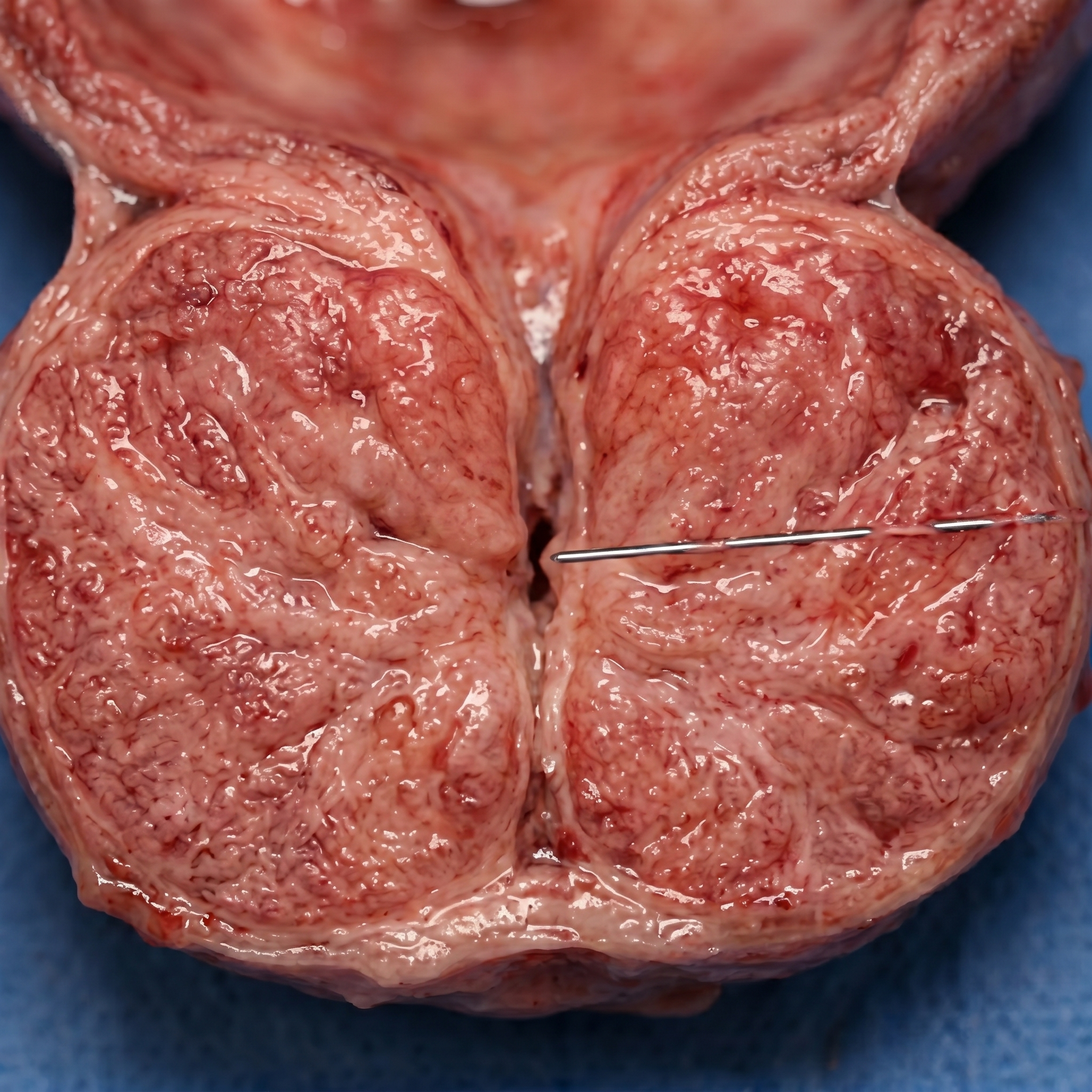
TRT Atrophies Your Testicles by Month 6
Support strong circulation today with our powerful cayenne pepper formula. 180 softgels and 60 servings per bag.
LEARN MORELike this ad? Make it yours.
Crush rebuilds this exact creative around your product — your brand, your colors, your offer — in about a minute.