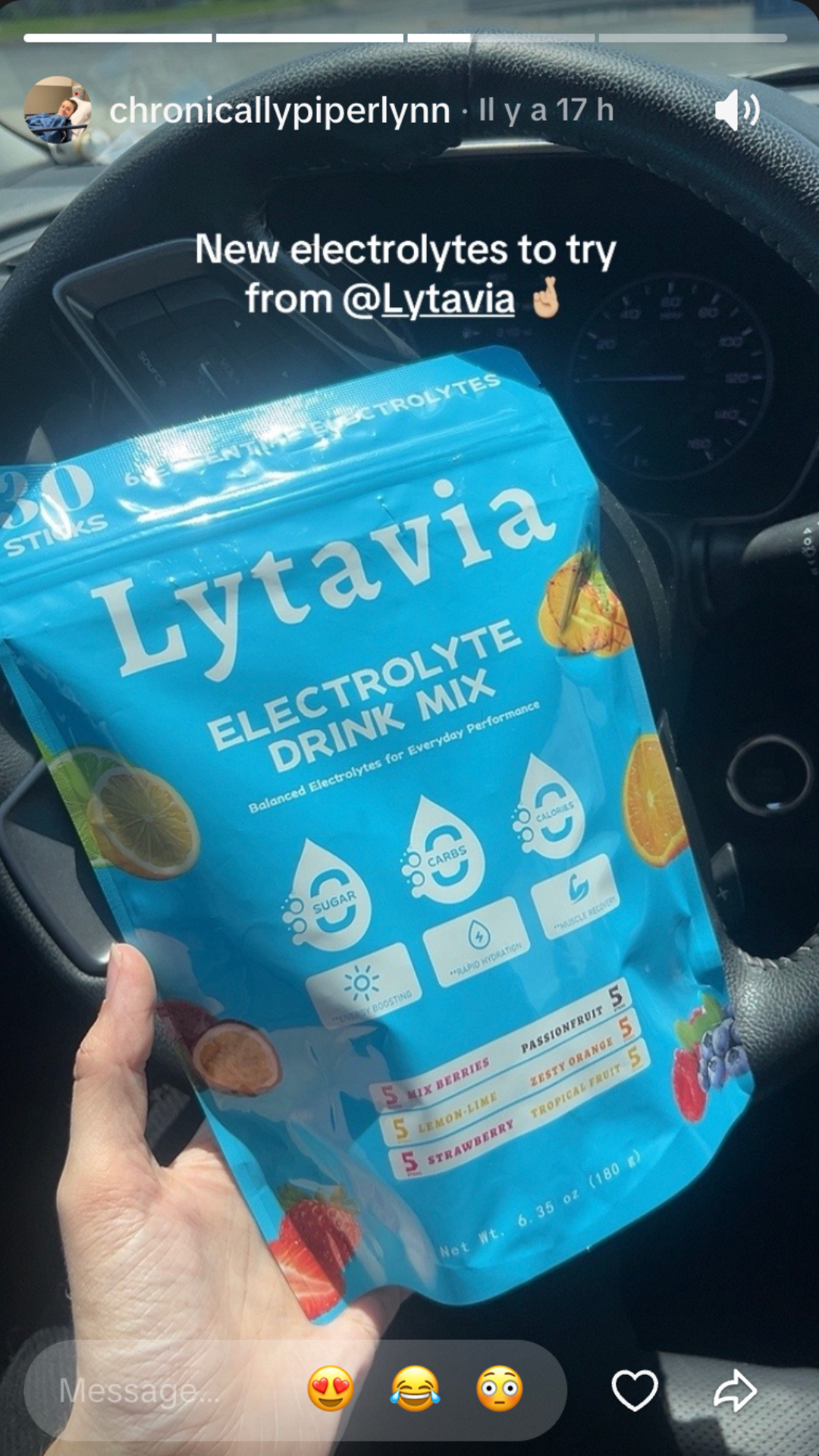
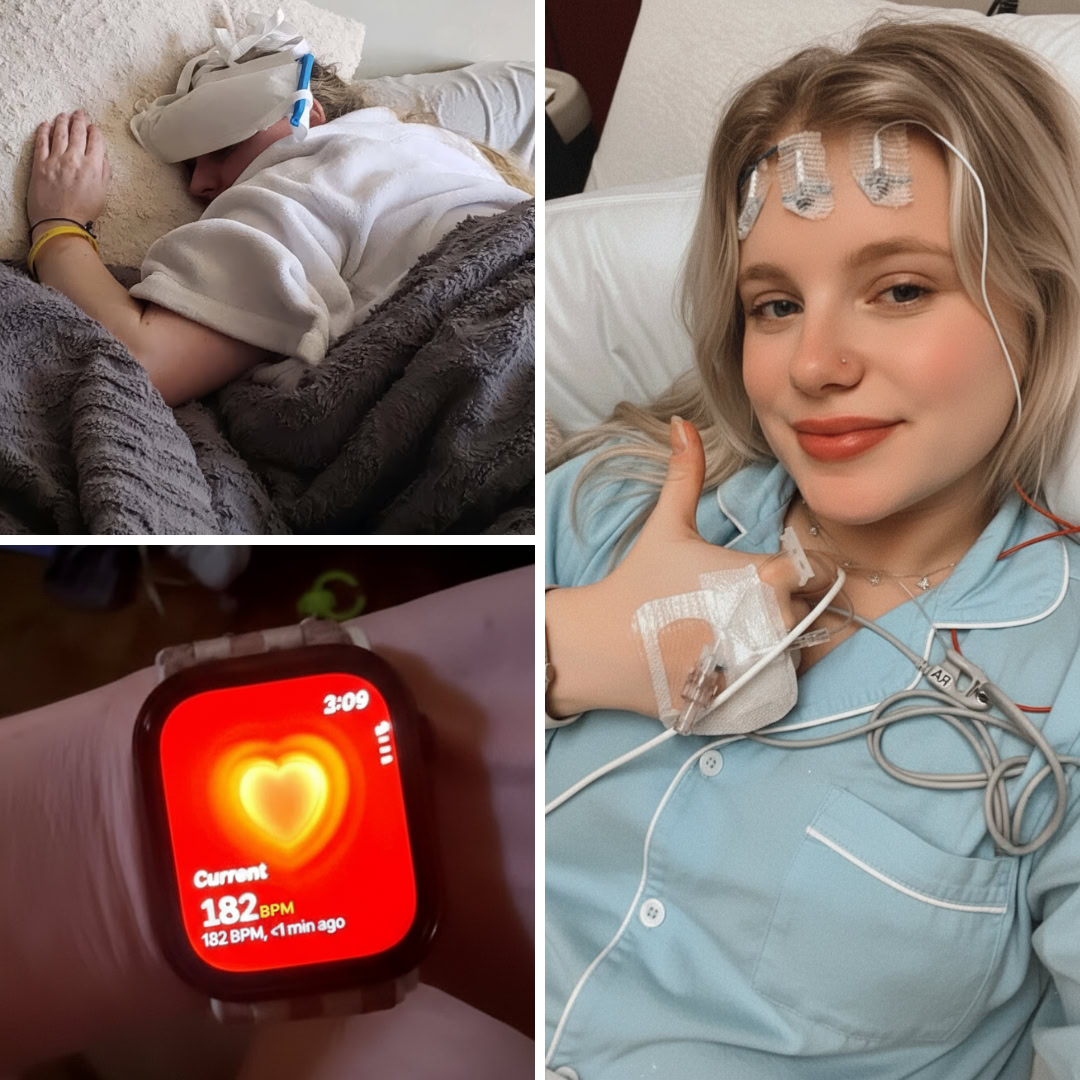
Lytavia
Lytavia Facebook ad: “POTS? Read this”
Ran for 12 days, from July 2 to July 14, 2026, the last day Crush saw it.
Run by Lytavia on Facebook. Crush is not the advertiser and does not verify its claims. See this ad in Meta's Ad Library(opens in a new tab)
Want an ad like this for your product?
Crush makes new ad images for your product from this ad: your logo, your product photo, your offer.
Trials from $19.95 USD, then $79.95 USD a month. Cancel anytime.
About this ad
- Meta Ad Library ID
- 1003535035617978
- Platforms
- Facebook, Instagram, Audience Network, Messenger and Threads
- Relaunches
- 0
Ad text
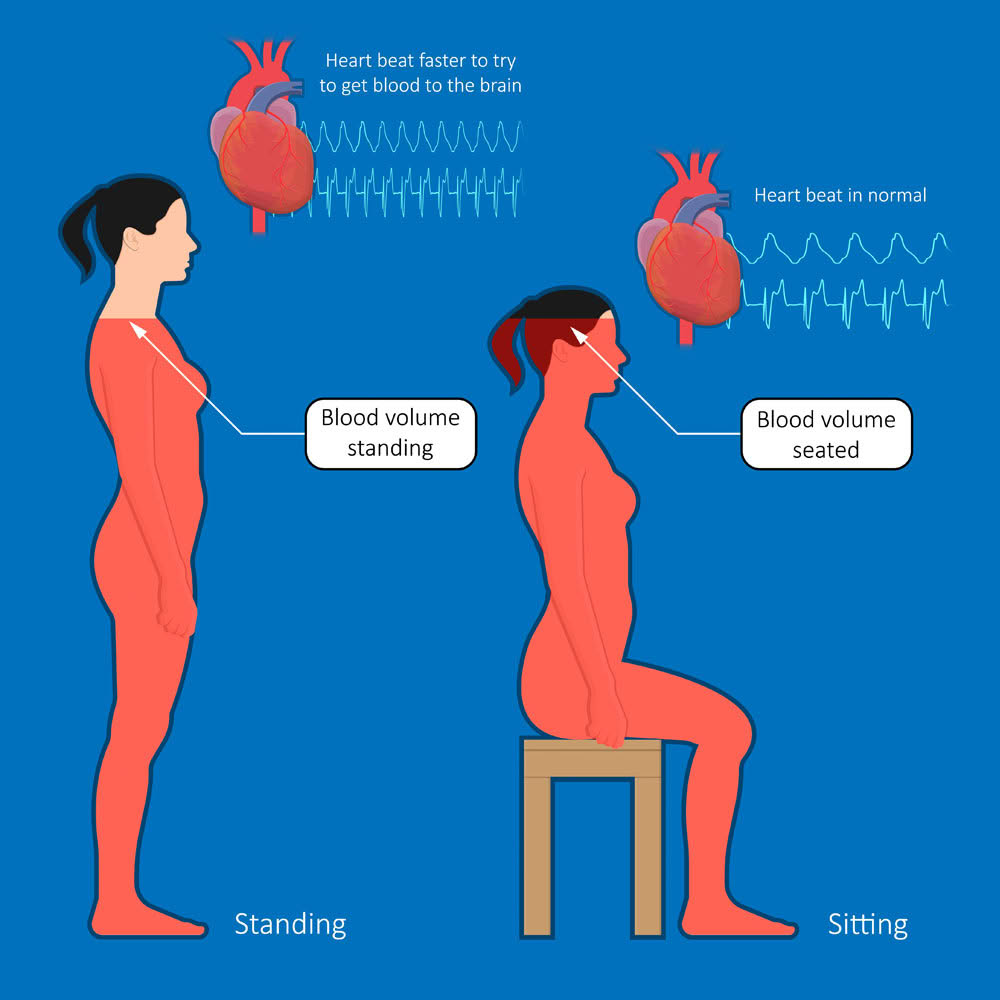
My 22-year-old daughter, who is autistic, almost wasn’t able to move abroad to start her master’s because of POTS… and no doctor seemed to take her seriously. They kept telling her it was just anxiety. Just anxiety… while, day after day, she was losing her freedom. And yet, she had everything planned out. Her move abroad. Her studies. Her new life. Like any other young woman her age. But little by little… everything started slipping away from her. At first, it was almost invisible. She would stand up… and have to sit right back down. Her heart would sometimes start racing for no reason. She often felt dizzy, weak, like she was about to faint. But we didn’t worry right away. Because for months, doctors had told us it was “normal.” That some of her symptoms were related to her autism. So we trusted them. We thought that was just how things were. That she simply had to live with it. And she kept moving forward. Adapting. Compensating. Pretending everything was fine. But her body wasn’t keeping up. And very quickly, simple things became difficult. Standing for too long became unbearable. Waiting in line anywhere… a nightmare. Going grocery shopping… a huge effort. She constantly had to sit down. Rest. Recover. And what broke my heart… Was that she was only 22. At that age, you’re just starting to build your life. You shouldn’t have to ask yourself: “Am I going to be able to stay standing today?” Then the brain fog started. She would forget what she was saying in the middle of a sentence. She would walk into a room and forget why she went in there. She had trouble focusing for more than a few minutes. We went back to the doctors. She explained her symptoms all over again. But once again… The doctors flat-out denied that anything else could be going on and insisted she was simply suffering from panic disorder. Then they prescribed propranolol for anxiety and high blood pressure. But after only two doses, she fainted in the bathroom and hit her head on the sink. So she stopped taking it immediately. And as the weeks went by, her symptoms became more and more extreme. Random tachycardia episodes, extreme fatigue to the point where she couldn’t function, a constant feeling of suffocation, panic attacks where she felt like she was dying. Her condition was becoming truly alarming. Her blood pressure rarely dropped below 130. And unfortunately, it started taking her life away. She couldn’t drive anymore. Going out alone became terrifying. Even simple things took a huge amount of effort. Little by little… Her plans were put on hold. Her move abroad was thrown into question. And while other young women her age were moving forward… She felt stuck. Trapped inside a body she didn’t understand. We kept going to appointments, trying to get answers. Trying to put words to what she was feeling. But every time… The answer was the same. “Anxiety.” Again. And again. And at one point, I remember her saying to me: “I feel like no one believes me.” And that… is probably what stayed with me the most. Because even if her illness wasn’t visible, it was very real. So I started doubting everything. Wondering if we were heading in the wrong direction. Starting to distrust doctors. And that’s when I started looking elsewhere. On forums, on blogs, and in Facebook groups. That’s where I came across story after story. Women. Mothers. Young girls. And they were all describing the exact same symptoms. The dizziness. The racing heart when standing up. The brain fog. The crushing fatigue. And most of all… Almost all of them were saying the same thing: “Doctors told me it was anxiety.” I got chills. Because that was exactly what my daughter was going through. And one condition kept coming up over and over again: POTS. Postural Orthostatic Tachycardia Syndrome. I had never even heard of it. But the more I read… The more everything matched. One scientific article explained it this way: “When a person with POTS stands up, blood has trouble returning properly to the brain. So the heart pumps faster to compensate. Heart rate increases by more than 30 beats per minute within seconds. And that’s when it all begins: dizziness, palpitations, nausea, and sometimes even fainting. That is Postural Orthostatic Tachycardia Syndrome (POTS).” “But it’s often confused with anxiety, because the sensations are similar. But the cause is completely different.” What surprised me most… Was what I discovered next. Because once I understood what POTS really was… I realized something. We had spent months trying to treat the wrong problem. It wasn’t anxiety. It wasn’t “all in her head.” It was her body. And more specifically… A circulation problem. So naturally, another question came up: “So what are we actually supposed to do for that?” So I kept looking. Again. And again. I went back to the forums. I reread dozens of stories. And this time, I wasn’t reading them the same way. I wasn’t looking for “what does she have?” I was looking for: “what actually helps?” And I quickly realized that a lot of people were talking about electrolytes. But not in the way people usually talk about them. Not as some “wellness” thing. Not as a drink you have after a workout. But as something essential. As a way to help the body function day to day. At first, I didn’t really understand. So I kept digging. And I came across several explanations… Including this one from a dysautonomia specialist: “We have very few specialists in this field — around 55 in the United States — and limited research. What we do know is that increasing blood volume with sodium works better than most solutions. So we recommend electrolytes.” “But most electrolyte products are designed for athletes who lose minerals through sweat, not for patients trying to increase blood volume against gravity. The ratios are backwards. Athletes need replacement. POTS patients need a specific sodium-to-potassium concentration that pushes fluids into the bloodstream and prevents the heart from overcompensating. A 2:1 ratio.” After reading that several times, I realized that people with POTS can’t just drink any electrolyte product. Because according to this specialist, standard electrolyte drinks are made for athletes. For people losing minerals through sweat. Not for people whose bodies are struggling to keep blood flowing to the brain when they’re standing up. So I didn’t go looking for the most popular electrolyte drink. I looked for something specific. An electrolyte drink made specifically for people with POTS, with the right sodium / potassium ratio. And that’s how I found Lytavia. The website said they created the formula based on feedback from the POTS community — real patients working with doctors, not just another sports nutrition company. The label had everything the cardiologist described: 500 mg of sodium per serving (clinical-grade, not the 200 mg you find in sports drinks) and a 2:1 sodium-to-potassium ratio. It also included high-quality magnesium glycinate at therapeutic levels to support the heart and help prevent cramping. Every order came with a 30-day money-back guarantee, because it had already worked for more than 7,000 people living with POTS. And if it didn’t work, we could keep the bag and still get a refund. So I ordered it. The day the package arrived… My daughter wasn’t feeling well. Like usual. Tired. Weak. Nauseous. I made her a packet. Without expecting much. Without expecting a miracle. She drank it slowly. And then she left for class. When she came home that evening… Something was different. She was tired… But not as tired as usual. It was slight. Subtle. But real. The next day, she had it again. She felt good all day, with no major symptoms. Then, after a week… Things started to change. She started driving again. And staying later in the evening to study with her friends. Not overnight. But gradually. She wasn’t coming home completely exhausted anymore. Her days were becoming a little more livable. And for the first time in months… I was seeing progress. After three weeks… She seemed to be living normally again. And she started thinking about the future again. Her plan to move abroad for her master’s suddenly felt possible again. “I think I’ll be able to go,” she told me. Today… My daughter is not “cured.” And I would never say that. She still has to be careful. She still has to listen to her body. But she got something back that she had lost: Her freedom. She can drive again. She’s no longer afraid to go out on her own. She can grocery shop again. And live an almost normal life. For the past several weeks, she’s been preparing for her move abroad. And for the first time in a long time… I’m not scared anymore. So if your daughter is going through something similar. If people keep telling you it’s just anxiety. If you feel like no one truly understands what she’s going through. Please know this. Very few doctors understand POTS. It’s still a little-known condition, and it’s still very under-researched. But if no anxiety treatment seems to be helping your daughter… It may simply be because anxiety isn’t what she’s actually dealing with. She may have POTS. We lost months of my daughter’s life fighting the wrong illness. That’s time she will never get back. Moments of her life. Opportunities. A part of her youth. I can’t get back the months my daughter lost. But you… You may still be able to prevent that for yours. Lytavia comes with a 30-day money-back guarantee. If it doesn’t work, you get your money back. But if it does work — if your daughter starts living again, going out again, and making plans again— Then you’ll know it was worth trying.
Where the ad sends people
lytavia.com
POTS? Read this 👆
See details: lytavia.com(opens in a new tab)