
Inactive· since Jul 22, 2026
- 10
- days it ran
- 1
- relaunches
- 5,510
- EU reach
Ad copy
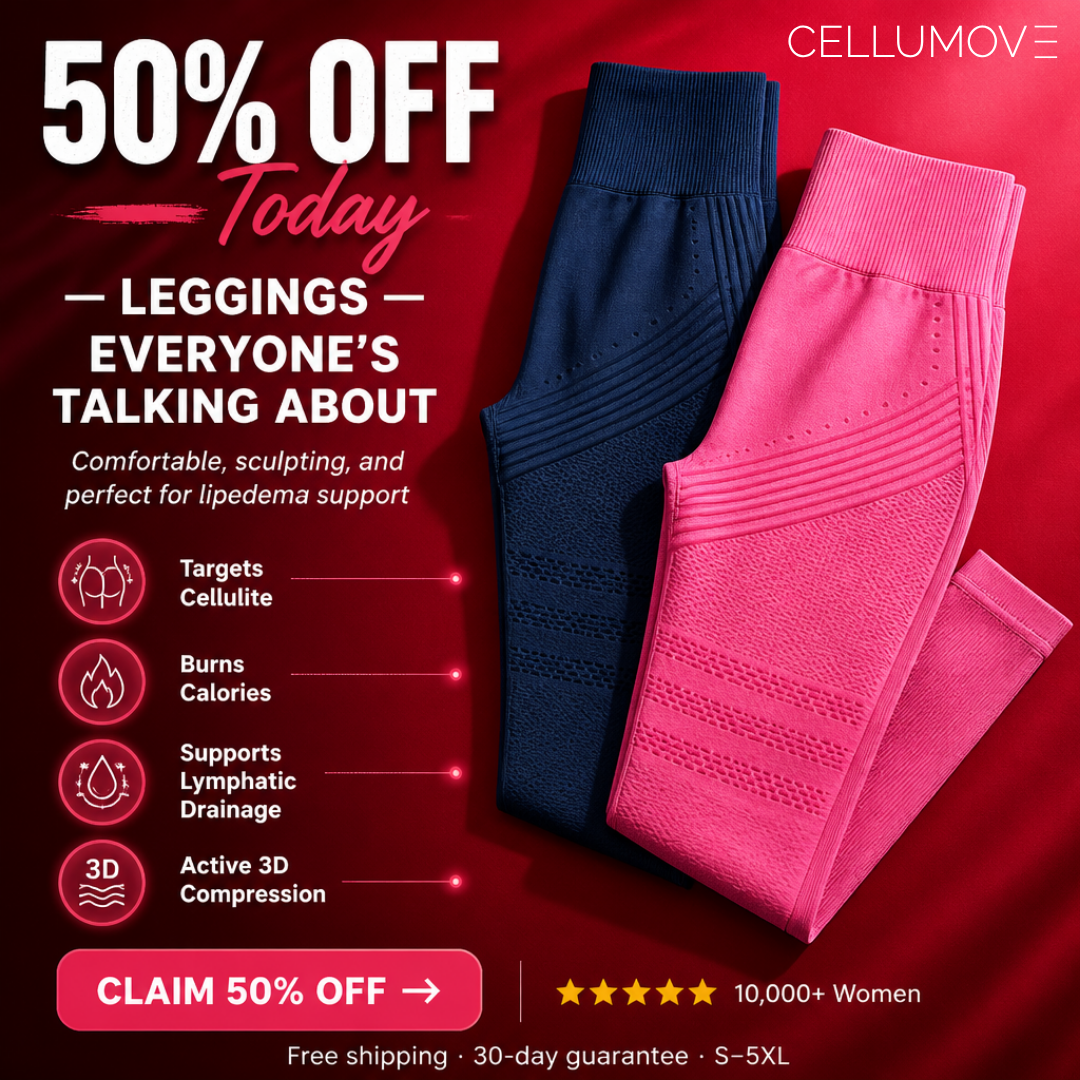
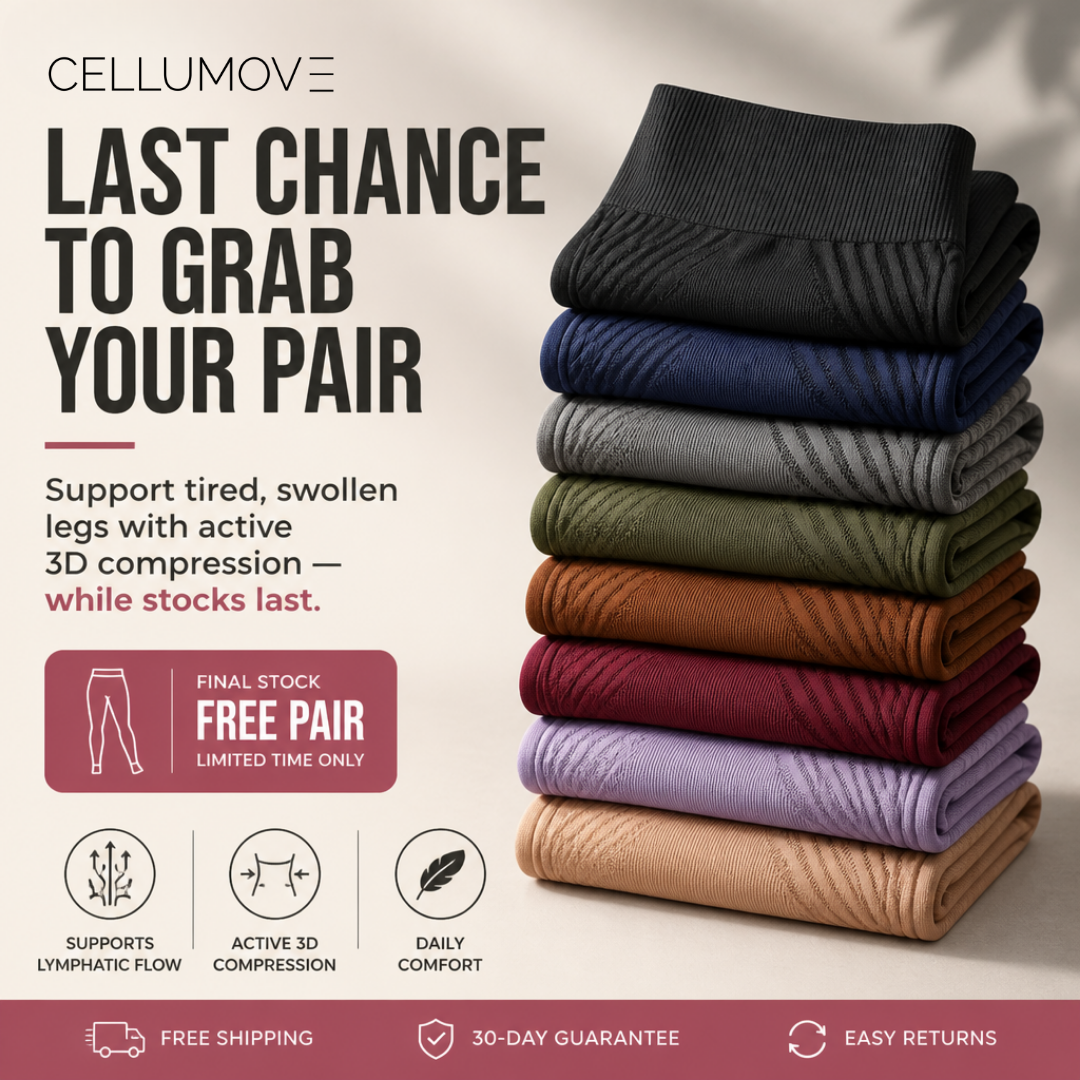
If one of your legs is bigger than the other and nothing your doctor's given you is something you can actually wear every day, this is for you. There's a reason your lymphedema keeps getting worse even when you're "doing everything right." It's not your fault. And it's not in your head. The moment a vascular nurse pulled me aside and told me what was actually happening, everything changed. If you've ever stood in front of the mirror looking at one leg that's visibly bigger than the other… if you've ever pressed your thumb into your calf and watched the dent stay there for thirty seconds… if you've gotten through the day with that heavy, full, throbbing feeling that doesn't go away no matter how much you elevate… if you've ever pulled on a pair of medical compression stockings, sat in your car, and cried because you couldn't face another day in them… This is for you. Because I was you. For seven years. The lymphedema controlled everything. What I wore. Where I went. Whether I sat or stood. Whether I crossed my legs at a dinner. Whether I let anyone see my ankles. Whether I got on a plane. Whether I went hiking with my kids. I had a hysterectomy at 41. Cancer. They caught it early, they took the lymph nodes in my pelvis, and they sent me home with a clean scan and a five-year survival rate I should have been grateful for. A year later, my left leg started swelling. By month two, my left calf was an inch bigger than my right. By month six, two inches. My foot had this puffy, doughy look. My ankle disappeared into a sock-line indent every night. Shoes I'd worn for years didn't fit on that side. The lymphedema clinic told me what I already knew. The surgery took out the drainage. My lymph fluid had nowhere to go. It was pooling in my leg, and it was going to keep pooling in my leg for the rest of my life. They gave me a prescription for Class 2 medical compression stockings. 30-40 mmHg. Beige. Thick. The kind that go up to your thigh and grip you like a tourniquet at the top. "Wear them every day from the moment you get up until you go to bed," the therapist said. "Daily compression is the single most important thing you can do to manage this." I tried. God, I tried. The first pair cost $120 and took me 25 minutes to put on. I had to use rubber gloves to grip the fabric. I sweat through my shirt before I'd even gotten dressed. By 10am the band at the top had rolled down and was cutting into my thigh like a wire. By noon my whole leg was itching. By 3pm I was hiding in the bathroom at work, peeling them off, because I literally couldn't sit through one more meeting. I tried four different brands. Knee-highs, thigh-highs, pantyhose-style. Open toe, closed toe. Custom-fitted at the medical supply store by a woman who measured me with a tape and charged me $340. They were all unwearable. All of them. So I stopped wearing them. I'd put them on for the lymphedema clinic appointments. I'd put them on for long flights. The other 350 days a year I went without, and I told myself the manual lymph drainage massage twice a week was enough. It wasn't. My leg kept getting worse. By year three, the skin on my left ankle had thickened. Fibrosis. The texture had changed. The therapist did a measurement and told me my leg volume was 38% larger than the right. She didn't say it. But I knew what she was thinking. She's not wearing her compression. I felt like a failure. I felt like I was watching my own body slowly become unrecognizable and I didn't have the willpower to do the one thing that would have stopped it. But here's what I didn't understand at the time. And what no one really said out loud. Daily compression doesn't work if you can't actually do it daily. You can have the best Class 2 stockings on earth. If you can't get them on, if you can't sit through a workday in them, if you can't wear them under clothes without looking like you're wearing surgical equipment, if you can't bring yourself to put them on in the morning… they don't help you. The medical world acts like wearing compression is a willpower problem. Like the women who skip it are being non-compliant. Like we just need to be told one more time how important it is. It's not a willpower problem. It's a product problem. The standard medical compression garment was designed in the 1950s for post-surgical hospital wear. Not for a 43-year-old woman trying to wear it under jeans, in summer, while running her actual life. That's why the compliance rate for daily compression is somewhere around 40% in most lymphedema studies. Less than half of women prescribed compression actually wear it daily. Not because they don't care about their health. Because what they were given is unwearable. The fluid keeps building. The fibrosis keeps thickening. The leg keeps growing. And the woman gets blamed for not trying hard enough. That conversation with the vascular nurse changed everything for me. She was the one who told me the truth. That compression itself works — graduated pressure pushes the fluid up and out, the muscle pump moves it through the tissue, daily use prevents the fibrotic changes from progressing. The science is real and it's well-established. The problem was the garment. Not me. Not my discipline. The garment. She told me to look for medical-grade graduated compression in a form factor I'd actually wear. Not pharmacy beige. Not surgical thigh-highs. Something that looked like clothes. Something that went on like leggings. Something I could put on in the morning and forget about until I took them off at night. That's when I found CELLUMOVE 3D Compression Leggings. They look like fashion leggings. Sleek black, smooth waistband, flatlock seams — the kind of leggings you'd expect to pay $90 for at a high-end activewear boutique. I can wear them to brunch, to school pickup, under a dress, with boots. Nobody clocks them as anything but a nice pair of leggings. But the compression inside is the same as those beige medical socks from the pharmacy. 20-30 mmHg, graduated from the ankle up — the exact pressure class my lymphedema clinic was prescribing. The same therapeutic squeeze, just hidden in something that doesn't scream "I have a medical condition." I was skeptical at first. I'd been burned by "shaping" leggings before — the department store kind that promise compression and deliver a polite squeeze that's gone by lunch. CELLUMOVE was different the second I pulled them on. The grip at the ankle is unmistakable. The gradient up the calf is real. Same feel as my pharmacy stockings, minus everything I hated about them. The 3D part is what actually makes them different. Standard compression stockings are knit flat — same pressure, same texture, all the way up the leg. CELLUMOVE is knit with anatomical 3D compression zones: tighter at the ankle and over the calf where the muscle pump needs the most help moving fluid, slightly looser behind the knee so the fabric doesn't pinch when you bend, contoured through the thigh. The knit itself has a raised micro-channel texture that flexes against your skin every time you move. Walking, standing, even just shifting in your chair — it creates a gentle, continuous self-massage on the tissue. Same principle as the manual lymph drainage your therapist does at appointments, just happening every step you take. The fabric is a four-way stretch knit that pulls on like normal leggings — no 25-minute battle with rubber gloves. The waistband sits flat and doesn't roll. The seams are flat-locked so they don't dig in when you sit. Most importantly, they're black. They look like leggings. I can wear them under a dress, under jeans, with boots, with sneakers. Nobody at the grocery store knows I'm wearing medical compression. Nobody at work knows. I just look like a person wearing leggings. The first day I put them on, I expected the worst. I'd been through so many compression garments by that point that I assumed by 11am I'd be hiding in a bathroom peeling these off too. I forgot I was wearing them. I wore them for ten hours. I drove. I sat through a long meeting. I walked the dog. I cooked dinner. I took them off at 9pm because it was time for bed, not because I couldn't stand them another minute. The next morning, the heaviness in my left leg was less. Not gone. Less. I wore them the next day. And the next. For the first time since the surgery, I was actually doing the thing the doctors had been telling me to do for seven years. After three weeks of consistent daily wear, my therapist measured my leg at her routine appointment. The volume difference between my legs had dropped from 38% to 29%. She looked at the chart, then at me, and said, "What are you doing differently?" I told her. She wrote down the name. It's been fourteen months. I wear them every day. The volume difference is now 18%. The fibrosis at my ankle has softened. I can wear shoes I haven't worn in five years. I went on a six-mile hike with my husband over the summer and didn't pay for it the next day with a leg the size of a small log. I don't cry getting dressed anymore. The lymphedema isn't cured. It will never be cured. The lymph nodes are gone and they're not coming back. I will wear compression for the rest of my life. But there's an enormous difference between "wearing compression for the rest of my life" when the garment is a surgical stocking that makes you want to die, and "wearing compression for the rest of my life" when the garment is a pair of black leggings you forget you're wearing. That's the whole game. That's the only thing that matters with lymphedema management. Getting yourself to actually wear it. Every day. For decades. If you've been struggling with this, if you've been silently failing at daily compression because what they gave you is unwearable, I want you to know it's not you. The garment was never going to work. You need something you can actually live in.
Like this ad? Make it yours.
Crush rebuilds this exact creative around your product — your brand, your colors, your offer — in about a minute.