
Inactive· since Aug 11, 2026
- 7
- days it ran
- 0
- relaunches
Ad copy
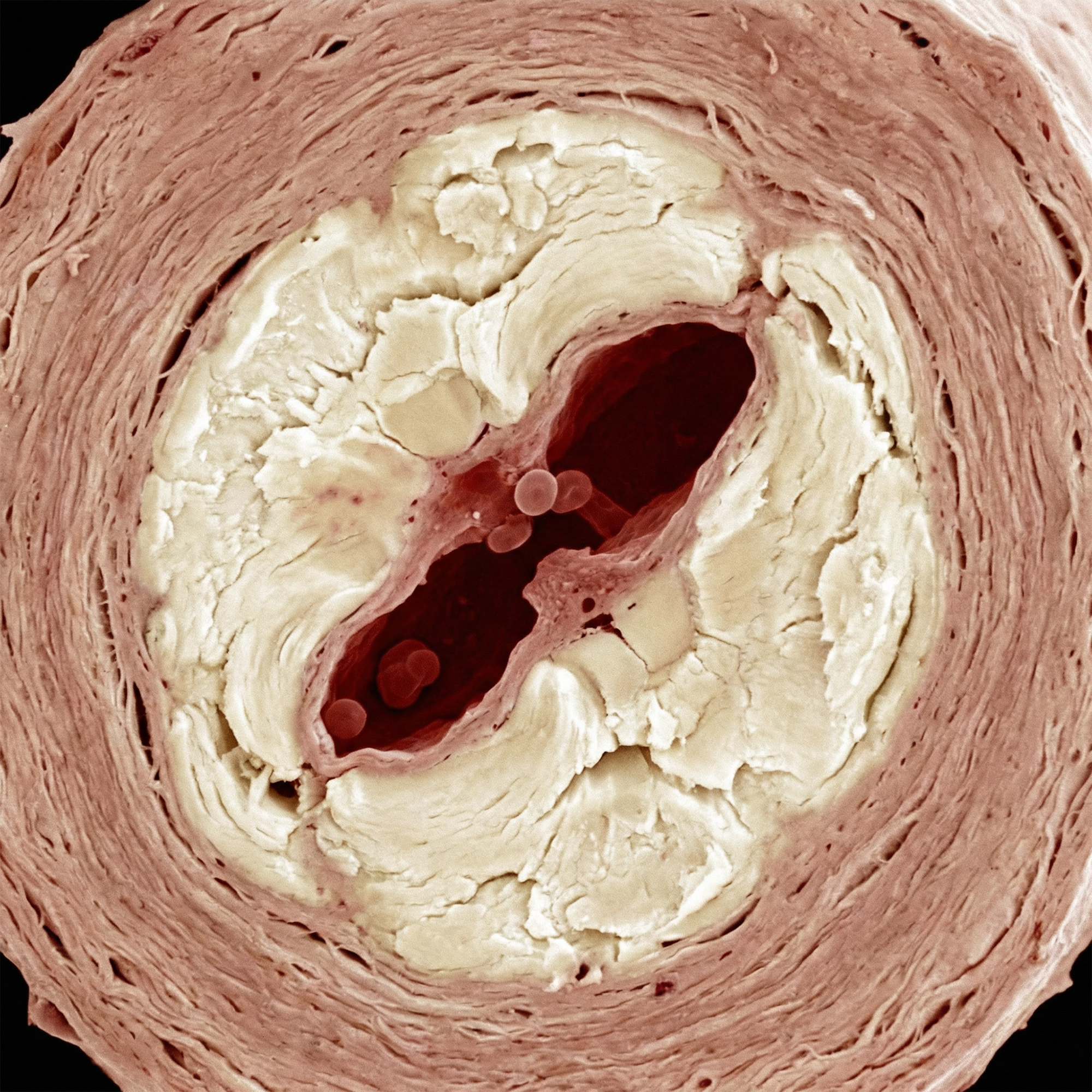
My fourth cardiologist contradicted everything the previous three had told me, and that's when I realized nobody actually knew how to fix my atherosclerosis that was slowly killing me, and my now constant fear of heart attack or stroke. "It's manageable - just watch your diet and exercise," said the first. "You need aggressive statin therapy to stop progression," said the second. "We should consider interventional procedures - this is advanced," said the third. "Have you ever checked your fibrinolytic enzyme capacity?" said the fourth. Four specialists. Four completely different answers. 3 expensive treatments, 1 affordable. One of them had to be wrong. Or maybe all of them were. That's what terrified me most. Six months earlier, it started gradually - not a sudden event, just a diagnosis that changed everything. I knew my family had atherosclerosis. My father had triple bypass at 63. My uncle died from complications at 67. But I never imagined it would come for me this soon. The mornings came heavier. The diagnosis haunted me. By noon, I'd feel chest discomfort, wondering if this was the day. By 3 PM, the anxiety consumed me. Figured I'd get screened before symptoms appeared. My GP ordered a calcium score test. Results came back three weeks later. Score: 347. Moderate to severe atherosclerosis. "You have significant arterial disease," the report said. "Immediate cardiology referral." My GP referred me to a cardiologist. Took three weeks to get in. He reviewed my calcium score, ordered stress test, checked my lipids. "It's manageable," he said. "Watch your diet - Mediterranean style. Exercise daily. We'll monitor progression every year." Twenty-minute consult. Diet handout. Generic lifestyle advice. But I had a calcium score of 347 showing calcified plaque throughout my arteries. And he wanted to just... watch it grow? Thirty days later - chest discomfort increasing, fear growing. Back to the GP. New referral. Preventive cardiology specialist this time. Full lipid panel, inflammatory markers, genetic testing. Results showed elevated LDL, high inflammation, family history confirmed. "You need aggressive statin therapy to stop progression," she said. "Your atherosclerosis is advancing. High-dose statins, add ezetimibe, possibly PCSK9 inhibitors. We need to halt this before you have an event." She wrote multiple prescriptions right there. Hundreds of dollars later. Started the aggressive protocol. Within two weeks - severe muscle pain, complete exhaustion, cognitive fog. Follow-up tests three months later showed cholesterol dropped but inflammation barely changed. Statins weren't reversing the atherosclerosis. Just "slowing progression." By now, I was different. Shorter energy. Shorter hope. My partner said, "You're either obsessing over your arteries or pretending the disease doesn't exist - there's no in-between." Third referral. Interventional cardiologist. He reviewed everything - calcium score, stress test, angiogram results. "We should consider interventional procedures," he said. "Your atherosclerosis is advanced. Multiple vessel disease. We're looking at possible stents, maybe bypass down the line." That's when I lost it. "How can three experts have three completely different explanations?" He shrugged. "Atherosclerosis is complex." Complex. Or was nobody actually understanding the root cause? That night I couldn't sleep - the reality of calcified arteries kept me awake. Sitting at my kitchen table at 2 AM, searching "reverse atherosclerosis, natural treatments, avoid bypass surgery" hoping for clarity. My partner found me at 6 AM, still scrolling. "You can't keep living like this," she said. "The statins aren't reversing anything, and you're terrified." "What am I supposed to do? Stop everything and wait for a heart attack?" "Then get another opinion. A real one." "What's the point? They'll just tell me something different." But she made me go. Different clinic. Younger cardiologist. Research background. And he did something none of the others had done. He didn't start with statins or talk about surgery. He asked for my calcium score, all imaging, inflammation markers, even my family's atherosclerosis history. Then he ordered something called a fibrin degradation product test - checking how well my body breaks down clotting proteins. Results came back severely abnormal. He pulled up my calcium score images on his screen. "Everyone's been treating symptoms," he finally said. "But look - you've changed your diet, you're on maximum statins, they're planning procedures. Yet the disease progresses. These test results show why. Atherosclerosis isn't just cholesterol deposits. It's fibrin-based arterial degeneration." He sat back. "The atherosclerosis isn't the problem. It's the end result of the real problem." "What causes it?" I asked. "Fibrin," he said. "Everyone thinks atherosclerosis is about cholesterol sticking to artery walls. But that's only part of it. The foundation of every atherosclerotic plaque is fibrin - the protein your body uses to repair arterial damage. Your body creates it naturally when arteries get damaged - from inflammation, oxidative stress, high blood pressure, even normal wear and tear. It's supposed to be temporary. A biological bandage that dissolves once healing is complete. But here's the problem - your body also makes enzymes to dissolve that fibrin once the repair is done. And those enzymes? They weaken dramatically as you age." Then he explained something I'd never heard before. "When you're young, your enzyme production is strong enough to keep up with fibrin creation. But by age 50, those fibrinolytic enzymes - the ones that break down fibrin - decline by up to 60%. So you have an arterial system that keeps depositing fibrin to repair microscopic damage, but you're trying to clear it with an enzyme system that's half as strong as it used to be. Fibrin that should dissolve in weeks stays there for months, becoming the scaffolding for cholesterol, calcium, and inflammatory cells to attach - creating what we call atherosclerotic plaque." He explained it like this: "Statins lower cholesterol. Lifestyle changes reduce new damage. But neither dissolves the fibrin matrix that's already formed the foundation of your plaques. Think of atherosclerosis like a coral reef. Cholesterol and calcium are like the shells and debris that build up, but fibrin is the actual reef structure holding it all together. You can stop new shells from arriving - but the reef structure keeps growing because nothing's breaking down the foundation. You're treating cholesterol numbers while the fibrin scaffolding sits there unchanged, continuing to expand your atherosclerotic burden." "Fish oil reduces inflammation. Statins lower cholesterol - but they don't dissolve the fibrin matrix forming the structural base of atherosclerotic plaques." Finally - someone making sense. "So what actually works?" I asked. He pulled out his phone and showed me a research article. "Can't prescribe it directly," he said. "But this enzyme's been studied for over 30 years. There's even a Japanese study that followed nearly 29,000 people - showed significant cardiovascular benefits. It triggers direct fibrinolysis - basically, it breaks down the fibrin scaffolding - and can actually regress atherosclerotic disease. More than half of the patients I mention this to avoid procedures and see improvement on follow-up imaging." Nattokinase. Not a statin. Not bypass surgery. An enzyme that dissolves the fibrin matrix holding atherosclerotic plaques together. "Think of it like this," he said. "Everyone else has been treating symptoms, cholesterol levels, calcium scores, planning interventions, when the real issue is fibrin accumulation forming the structural foundation of atherosclerosis." He paused. "But there's no money in simple solutions." That hit me. "No money in simple solutions?" He smiled faintly. "Not the kind that work." $45 dollars for a month's supply. After spending thousands chasing hope - statins, consultations, imaging, preparing for procedures… I ordered in the parking lot. Received it on a Tuesday. Day one: Felt… different. Not cured. Not "fixed." Just better. Like my body started fighting back. Day four: Chest discomfort less frequent. Anxiety easing. Coworker asked if I'd scheduled my procedure yet. "Something like that," I said. Week one: Time to increase statin dose or try something different. I called the pharmacy. "I need to reduce my statin refill." "Would you like us to hold the higher dose?" "Yes. I'm trying a different approach." Long pause. "But the doctor said maximum therapy was-" "I know what he said. I'm addressing the root cause." Week two: Boxed up half my supplements. Got a partial refund on subscriptions. Support asked, "Reason for cancellation?" "Found something that actually addresses atherosclerosis at the source." Week three: Chest feels lighter. Walking without fear. Haven't felt this hopeful in over a year. My buddy asked what changed. "No procedures," I said. "Just fibrin breakdown." Month one: Stopped obsessing over my calcium score. Realized I hadn't worried about having a heart attack all week. That's when I knew. Month two: Follow-up imaging scheduled - dreading confirmation of progression. Results came back: inflammatory markers down significantly. Follow-up calcium score recommended in one year instead of six months. The cardiologist looked surprised. "Whatever you're doing, keep doing it." Month three: Pharmacy. Saw one of my old doctors picking up prescriptions. He spotted me. "Hey! When are we scheduling your intervention?" "Don't need it," I said. "What? Your atherosclerosis was significant. What treatment protocol are you on?" "No protocol. Just fibrin breakdown support. 2 capsules a day." He frowned. "Nattokinase? That doesn't reverse atherosclerosis." "My inflammatory markers say otherwise. No procedures needed. And I feel better than I have in years. Your maximum statin therapy made me miserable and didn't stop progression. This is actually breaking down the disease." He shook his head. "That's not how it works." "My latest imaging shows stabilization. My cardiologist said keep doing what I'm doing. You said I'd need intervention. But here I am." He walked away shaking his head. Still arguing with reality. Here's what I learned. Each expert only sees through their training. Cardiologists see cholesterol targets. Specialists see calcium scores. Surgeons see procedures. Nobody sees the whole picture. Except the one who admitted the truth. Atherosclerosis isn't just cholesterol deposits. It's fibrin accumulation forming the disease foundation. But my fourth doctor told me something before I even ordered nattokinase - if you get this wrong, even nattokinase won't help. When you're choosing a nattokinase supplement, potency is everything. Most people think any nattokinase works the same, but that misses the critical difference. Clinical-grade nattokinase at the right dose can trigger fibrin breakdown, but underdosed products are too weak to make any real impact. When you give your body verified clinical-grade nattokinase at proper potency, something remarkable happens. Your atherosclerotic arterial system wakes back up. It starts breaking down fibrin matrices. It begins dismantling the scaffolding holding plaques together. It begins healing like it did when you were younger. Here's why most nattokinase products don't work - and waste your money. The difference isn't purity. It's potency. Most supplements contain 2,000 FU per serving - maybe 4,000 FU at most. But cardiovascular research uses 10,800 FU daily doses. That's not a small difference. That's the difference between taking something that helps and taking something that does nothing. You can't break down years of fibrin-based atherosclerotic disease with an underdosed enzyme. What you need is clinical-grade nattokinase at 10,800 FU potency - the dosing used in actual cardiovascular research protocols. That means you're not just getting "pure" nattokinase - you're getting properly dosed, verified, research-grade nattokinase that actually delivers results. My doctor told me there's only one brand that meets all those standards - Healthletic. It's the only research-focused supplement company he trusts, because they verify every batch through third-party testing for both purity and potency. They manufacture in FDA-registered, cGMP-certified facilities, verify each lot with Certificate of Analysis from independent labs, deliver clinical 10,800 FU potency per serving, confirm pharmaceutical-grade purity with no fillers, maintain proper storage and handling protocols, and align their formulation with published fibrinolysis research from major cardiovascular institutions. I've taken the right kind every day since I visited the 4th doc. He recommends it to people battling atherosclerosis, facing possible interventions, and that constant terror of progressive arterial disease. When you use clinical-grade nattokinase, it commands your body's fibrinolytic cascade. It helps replace multiple expensive treatments by addressing the root fibrin problem instead of just managing disease progression. Just 2 capsules a day can help you: 💧 Replace 3-5 different atherosclerosis supplements with one solution 💧 Wake up without fear of heart attack 💧 Stop aggressive statin protocols and side effects 💧 Support actual disease regression, not just management 💧 Avoid invasive procedures like stents or bypass 💧 Feel physically capable without constant terror 💧 Save thousands per year on failed treatments It's backed by over 30 years of published research. It's scientifically validated. And when it's done right, it works. No blood thinners. No invasive procedures. Just real support for your body's natural fibrin breakdown. One critical note before you buy anything: most nattokinase products fail because of underdosing, not impurity. A product can have perfect purity but only contain 2,000 FU - which is nowhere near the clinical threshold. I've seen beautiful certificates attached to products with impressive purity scores but pathetically weak potency. To ensure you're getting active, clinical-grade nattokinase, look for 10,800 FU daily dose, third-party verification of both purity AND potency, FDA-registered manufacturing, and research-grade formulation - not just purity claims. My coworker Tom had a calcium score over 400 when I told him about nattokinase. Same story - each doctor saying something different about his atherosclerosis. He tried Healthletic's nattokinase instead of scheduling an intervention. Six months later he messaged me: "Follow-up imaging shows stabilization. My cardiologist is shocked." My brother-in-law had tried every atherosclerosis supplement on the market. Five different stacks. Five different disappointments. He switched to the fibrin breakdown approach. Canceled all subscriptions six weeks later. Even my old friend, who was running a successful business - the one scheduled for bypass surgery - called me one morning. "Did you send me those capsules?" he asked. "Yeah, why?" "I postponed surgery indefinitely... latest angiogram shows improvement my surgeon can't explain." Even my cardiologist admitted it when I told her my results. "We make atherosclerosis reversal too complicated," she said. "Half the time it's just fibrin scaffolding that needs to be dissolved." "Why don't more doctors talk about that?" I asked. She shrugged. "There's no money in dissolving fibrin. Only in managing disease and performing procedures." The medical industry wants you to believe atherosclerosis needs endless statins, perfect lifestyle, and eventual surgical intervention. But what if they're all looking at it wrong? What if the disease, the fear, the progressive decline - are just your body's way of saying it can't dissolve fibrin anymore? What if the solution isn't more symptom management, but actual fibrin breakdown? Three experts told me to maximize statins, change everything, or prepare for surgery. One admitted the truth. It was never just cholesterol. It was fibrin accumulation forming the foundation of atherosclerosis. Healthletic's Clinical-Grade Ultimate Nattokinase at 10,800 FU proved him right. Independently verified. Research-grade potency. Properly dosed, third-party tested, effective. Two capsules. Free circulation. Repeat. My four specialists cost me thousands in appointments, scans, and preparations. Healthletic's bottle cost less than one calcium score - and it worked. Other solutions created more dependency, more fear, more decline. This one restored hope. If you've been told to "maximize statins," "prepare for procedures," or "just manage progression," stop. They're treating symptoms through a narrow lens. The real issue is fibrin accumulation - the scaffolding forming the foundation of every atherosclerotic plaque. Dissolve the fibrin, and atherosclerosis can finally regress. No blood thinners. No invasive procedures. No dependency. Just biochemistry that dissolves fibrin, not masks it. Four experts. Four different answers. Thousands of dollars. Only one was right. One fibrin breakdown solution in 2 capsules. I know which one actually worked. They're still arguing about why. I'm just living freely, with healing arteries, letting them debate. Your arteries don't need another statin or surgical procedure. They need clinical-grade nattokinase at 10,800 FU - the dose that actually works. Every expert I saw missed that, except one. Don't let yours miss it, too.
Ultimate Nattokinase
Reverse arterial damage, lower blood pressure, and prevent blood clots with a clinical-grade 10,800 FU nattokinase formula proven in studies on 30,000+ people
LEARN MORELike this ad? Make it yours.
Crush rebuilds this exact creative around your product — your brand, your colors, your offer — in about a minute.