
Inactive· since Jul 4, 2026
- 53
- days it ran
- 0
- relaunches
Ad copy
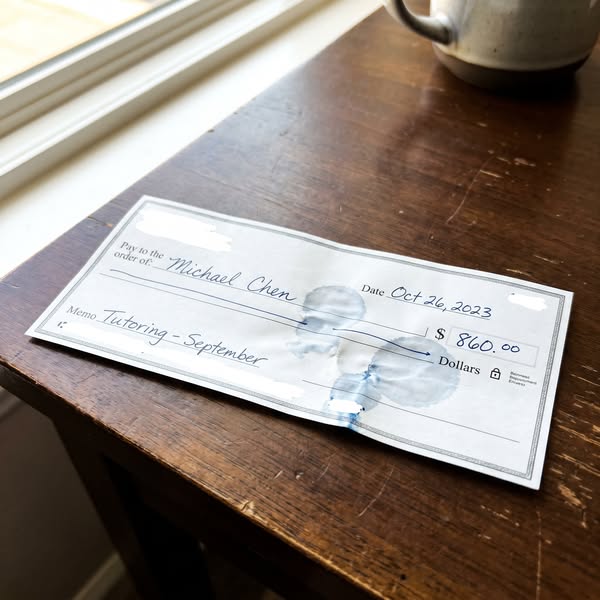
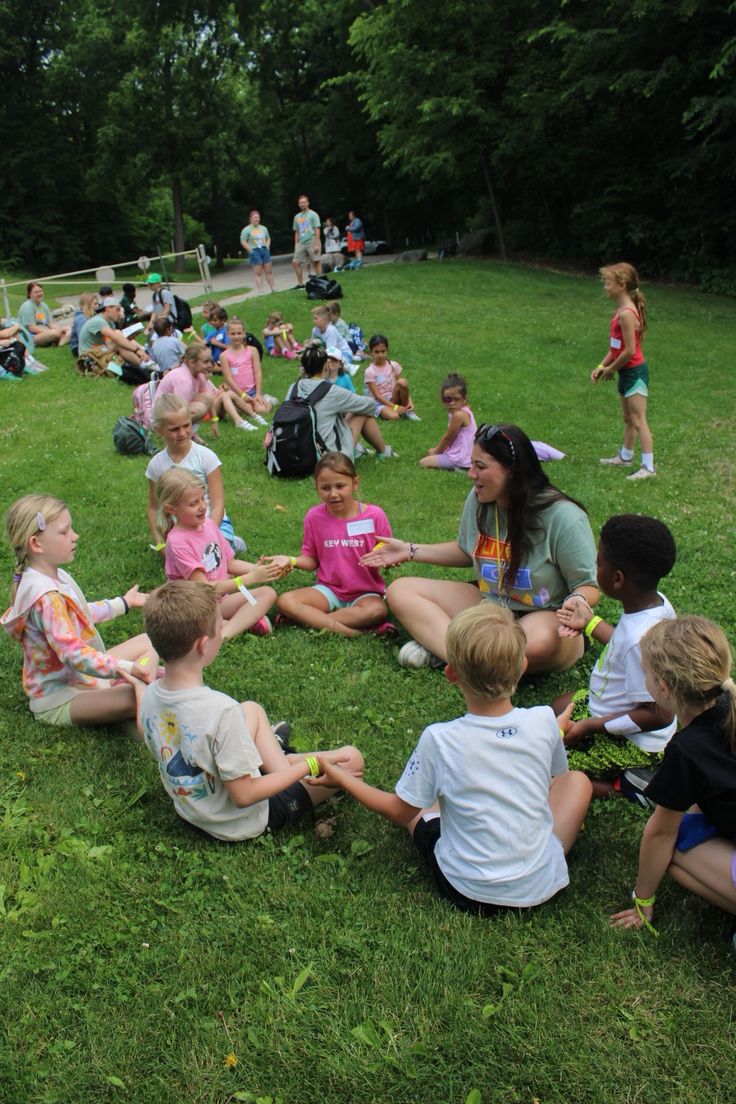
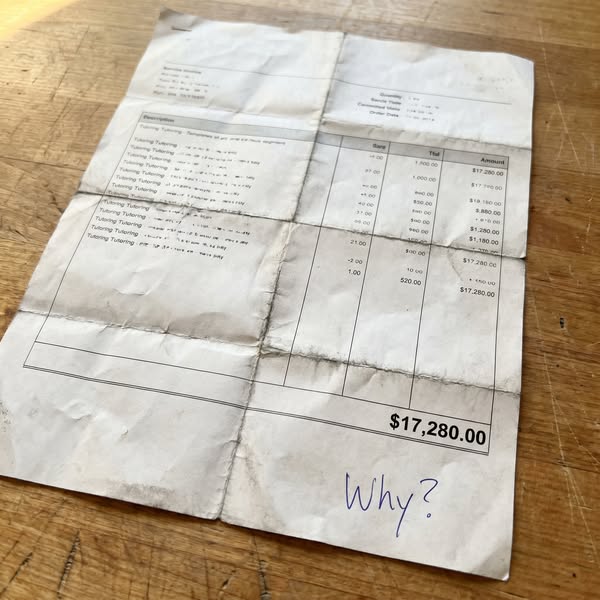
I've been a private tutor for 8 years. Last November I told 14 families — each paying me $17,280 a year — that a $39 encyclopedia was teaching their children something I couldn't. I sat with my finger over the send button for eleven minutes. Then I sent it. This is what happened before that email. And what happened after. My name is Mike. My clients are professionals. Doctors. Engineers. Business owners. People who understand that investment in childhood compounds. They pay me $180 per session, twice a week, forty-eight weeks a year. $17,280 per child per year. They trust me because I tell them I know how children learn. That's what I told them. For eight years. I have a son of my own. Sam. He's 8. Last October I was sitting across from Connor Mitchell. Ten years old. Straight A's. Private academy. Two years of tutoring. $34,560 in my fees. Before the session I put the material aside. "Connor. Why do things fall down instead of up?" "Gravity." "Right. But WHY does gravity pull things down? What is it actually doing?" Seven seconds. "I don't know. Does that matter for the test?" I looked at the table. $34,560. Connor could solve equations I'd need paper for. He knew the capitals of countries I couldn't find on a map. He was, by every measurable standard, exactly what his parents had paid for. But he couldn't think about why things fall for thirty seconds. I drove to my brother Tom's house for dinner that evening without telling him why. Tom is a plumber. His son Danny is 9. Public school. Hand-me-down clothes. One iPad shared between three kids. Tom used to apologize at family dinners for not being able to give Danny what Connor had. He stopped apologizing after October. Danny came through the front door from school. Dropped his backpack. Looked at me. "Uncle Mike. If gravity pulls everything down — why doesn't the moon fall into the Earth?" I put my coffee down. "What do you think?" He didn't pause. "I think it's because it's moving sideways so fast that it keeps missing. Like if you throw a ball really hard it goes far before it falls. The moon is going so fast sideways that by the time gravity would pull it toward Earth, the Earth has curved away underneath it. So it just keeps falling around the Earth forever." Tom was washing dishes. Not even turning around. This was a Tuesday evening for them. I set my mug down very carefully. This 9-year-old in hand-me-down clothes had just explained orbital mechanics from first principles. Spontaneously. Walking in from school. Without being asked. Connor — $34,560 — had asked if it would be on the test. "Danny. Where did you learn that?" He shrugged. "A book Grandma got me. We read two pages before bed. It explains why everything works." He went to his room. Came back with it. Thick. Colorful. Worn at the spine. 100,000 Whys. "Forty-five dollars," Tom said. "His birthday. He doesn't ask for the iPad anymore. He wants to understand things." I drove home that night. Sam was on the couch. I sat next to him. "Sam. Why do things fall down instead of up?" "Gravity." "Right. But WHY does gravity pull things down?" He reached for his iPad. My 8-year-old son. The child of a professional tutor who had spent eight years teaching other people's children to think. He couldn't sit with a question for four seconds. I had been doing to Sam what Connor's parents had paid me to prevent. Without once noticing. I went to the kitchen. Stood with both hands flat on the counter. And asked myself something I hadn't asked in years. When was the last time I actually wondered about something? Not taught it. Not explained it. Not prepared a session about it. Wondered. I knew every answer I gave my clients. Chlorophyll. Gravity. Ocean color. Orbital mechanics. I had recited all of them dozens of times. But standing in my kitchen at 9 PM I understood something that made my stomach drop. I didn't care about any of the answers. I could recite them. I had built a career reciting them. But I couldn't remember the last time an answer had landed somewhere real. I had become Connor. I just had better vocabulary. I sat at the kitchen table at 11:52 PM. Searched for what I thought I already knew. "When do children stop asking why?" "What happens when children are trained to perform instead of think?" The research was clinical and precise and made my coffee go cold. Developmental researchers tracking children from age 5 through adolescence had documented something consistent and uncomfortable. At age 5, children ask an average of 70 to 80 spontaneous questions per day. By age 9, fewer than 25. By age 12, fewer than 5. By 14, some children had stopped asking spontaneous why questions almost entirely. The mechanism was the same every time: when correct answers become the goal, the state of not-knowing — which is where all genuine curiosity lives — becomes failure rather than invitation. Children trained to perform intelligence learn that not-knowing is a problem to hide. The window for building the habit of wondering: ages 6 to 13. After 13, it doesn't come back. Connor was 10. Sam was 8. I had two years with Connor. Three with Sam. I ordered the book at 1:17 AM. It arrived Thursday. Sam came home at 3:30. I was at the kitchen table. He dropped his bag. Looked at the book. "What's that?" "Something I'm reading. About why the moon doesn't fall into the Earth." He stopped walking. "Wait. Why doesn't it?" "What do you think?" He stood in the doorway. Actually thinking. Not reaching for a memorized answer. Not checking whether this would be graded. Thinking. "Because it's going sideways?" "Keep going." He came and sat next to me. We worked through it. Together. The geometry of falling around a curved surface. The fact that every satellite is technically falling forever — just fast enough to keep missing. Sam sat with both elbows on his knees. "So the moon is always falling. It just keeps missing." "Yes." He looked up. "That's the most incredible thing I've ever heard." He had never said that about anything we've talked about. About anything at all. Week 3. Monday morning. Before school. Before the iPad. Before anything. Sam came downstairs and sat across from me. "Dad. If space is a vacuum and sound can't travel through a vacuum — what do explosions in space actually sound like?" He had been lying in bed wondering about this. "What do you think?" "Nothing? Completely silent? So every space movie ever made is wrong?" "Every single one." He sat back. "That means if the sun exploded right now we'd see it in eight minutes. But we'd never hear it. We'd watch it in complete silence." He stared at the table. "That's the most terrifying thing I've ever thought of." He was 8 years old reasoning through the silence of a dying star before breakfast. Three weeks earlier he'd reached for his iPad when I asked him why things fall. Week 4. Connor's session. Twenty minutes into algebra. Connor stopped mid-problem. "Mr. Mike. Why do ice cubes float? Solid things should sink. But ice floats. I was thinking about it last night." Last night. Outside the session. Outside anything I'd assigned. Eleven minutes. Uninterrupted. Molecular structure. Water's expansion when it freezes. The lattice that makes ice less dense than liquid water. Two years. $34,560. First time I had ever heard Connor think. Week 6. Connor's mother called. "Mike. His science teacher emailed me. She asked what changed. Connor raised his hand and explained why the sky is blue. Wavelengths. Atmospheric scattering. She asked if we'd hired a science tutor." "Same tutor. Different starting point." Pause. "Whatever it is — thank you. He asks questions at dinner now. Real ones." "Mrs. Mitchell. For two years I've been teaching Connor how to pass tests. A $39 encyclopedia is teaching him how to think. Keep the tutoring. But the book is doing something I can't replicate in a $180 session." Silence. "Thirty-nine dollars?" "Yes." Week 8. Connor's father pulled me aside. "Last week Connor asked me how computers think. Why ones and zeros. I've worked in tech for twenty years. My son has never asked how anything I do actually works." He looked at me. "We spent an hour at the whiteboard. Best conversation I've ever had with him." He paused. "I've been paying you seventeen thousand dollars a year thinking that was how you build a brilliant child. But he was always brilliant. He just needed permission to wonder." That night I wrote the email. Subject: Something I need to tell you about your child. I told 14 families what Danny explained at the dinner table. What Connor did with fractions. What Sam said about the silence of the sun dying. I told them a $39 encyclopedia was teaching their children something I couldn't teach in a $180 session. I told them to keep the tutoring. But to buy the book. Eleven minutes. Finger over send. Sent it. Eleven of fourteen ordered within 48 hours. Eight called within six weeks. Every single one said the same thing in different words. Not grades. The child. One grandmother called crying. She'd been paying $860 a month for her grandson's tutoring. A year. $10,320. "I bought him the book you mentioned. Last Sunday he explained ocean currents to me for twenty minutes. He has never explained anything to me before. In his entire life. I've been spending nearly a thousand dollars a month." A long pause. "$39 did what $10,320 couldn't." She wasn't angry. She was relieved. Because it meant her grandson had been capable the entire time. He just hadn't had a reason to wonder. $17,280 a year taught Connor to perform. $39 taught him to wonder. A professional tutor built his grades. A birthday gift built his mind. There is a difference. If you are paying for tutoring and watching your child get better at tests but not better at thinking... If your child can recite facts but goes silent when you ask them why those facts are true... If you've never heard your child wonder out loud about something nobody assigned them to wonder about... If you've heard the words: "I don't know. Does that matter for the test?"... Your child is not behind because they aren't smart enough. Your child has been trained to perform intelligence instead of practice it. There is a window. Between ages 6 and 13, children build the habit of curiosity or they don't. After 13 that window doesn't close slowly. It closes. Connor is 10. He has three years. Sam is 8. He has five. I sent an email that almost ended my career. I'd send it again. The encyclopedia is called 100,000 Whys. Over 200 topics. More than 1,000 illustrated entries organized by questions children actually ask. Why doesn't the moon fall. Why do ice cubes float. Why is the sky blue. Why is space completely silent. Two pages. Fifteen minutes. Ages 6 to 13. Available worldwide. $39. I make my living teaching children. This taught my own son to wonder before breakfast. Don't wait for your tutor to send you that email. https://seluric.com/products/childrens-encyclopedia-100k-whys-build-your-childs-ultimate-brain
Like this ad? Make it yours.
Crush rebuilds this exact creative around your product — your brand, your colors, your offer — in about a minute.