Nikki Harrison
Nikki Harrison Facebook ad: “I Watched My Child Suffer for 5 Years”
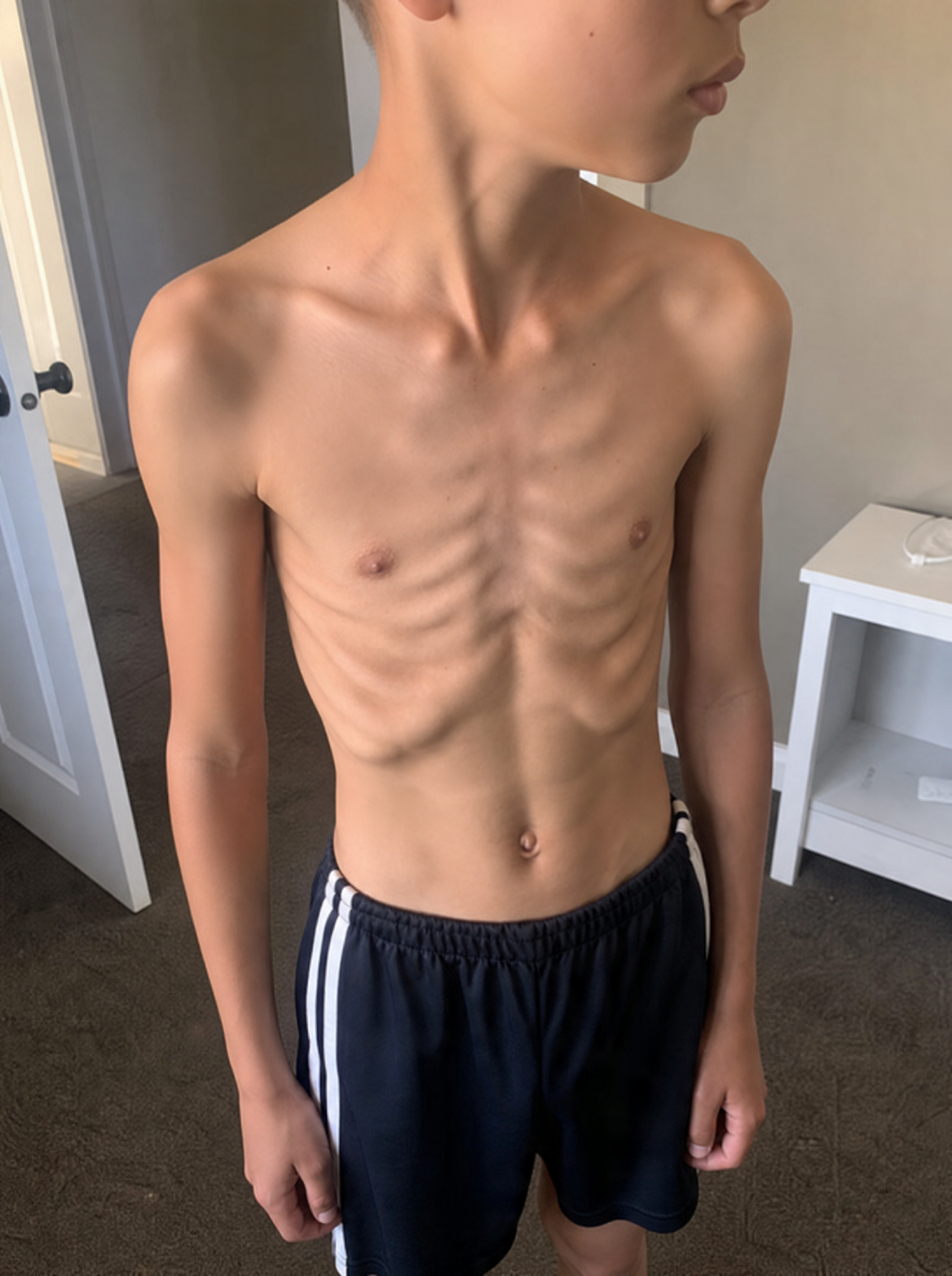
Ran for 18 days, from June 26 to July 14, 2026, the last day Crush saw it.
Run by Nikki Harrison on Facebook. Crush is not the advertiser and does not verify its claims. See this ad in Meta's Ad Library(opens in a new tab)
Want an ad like this for your product?
Crush makes new ad images for your product from this ad: your logo, your product photo, your offer.
Trials from $19.95 USD, then $79.95 USD a month. Cancel anytime.
About this ad
- Meta Ad Library ID
- 1011140737993413
- Platforms
- Facebook, Instagram, Audience Network, Messenger and Threads
- Relaunches
- 0
Ad text
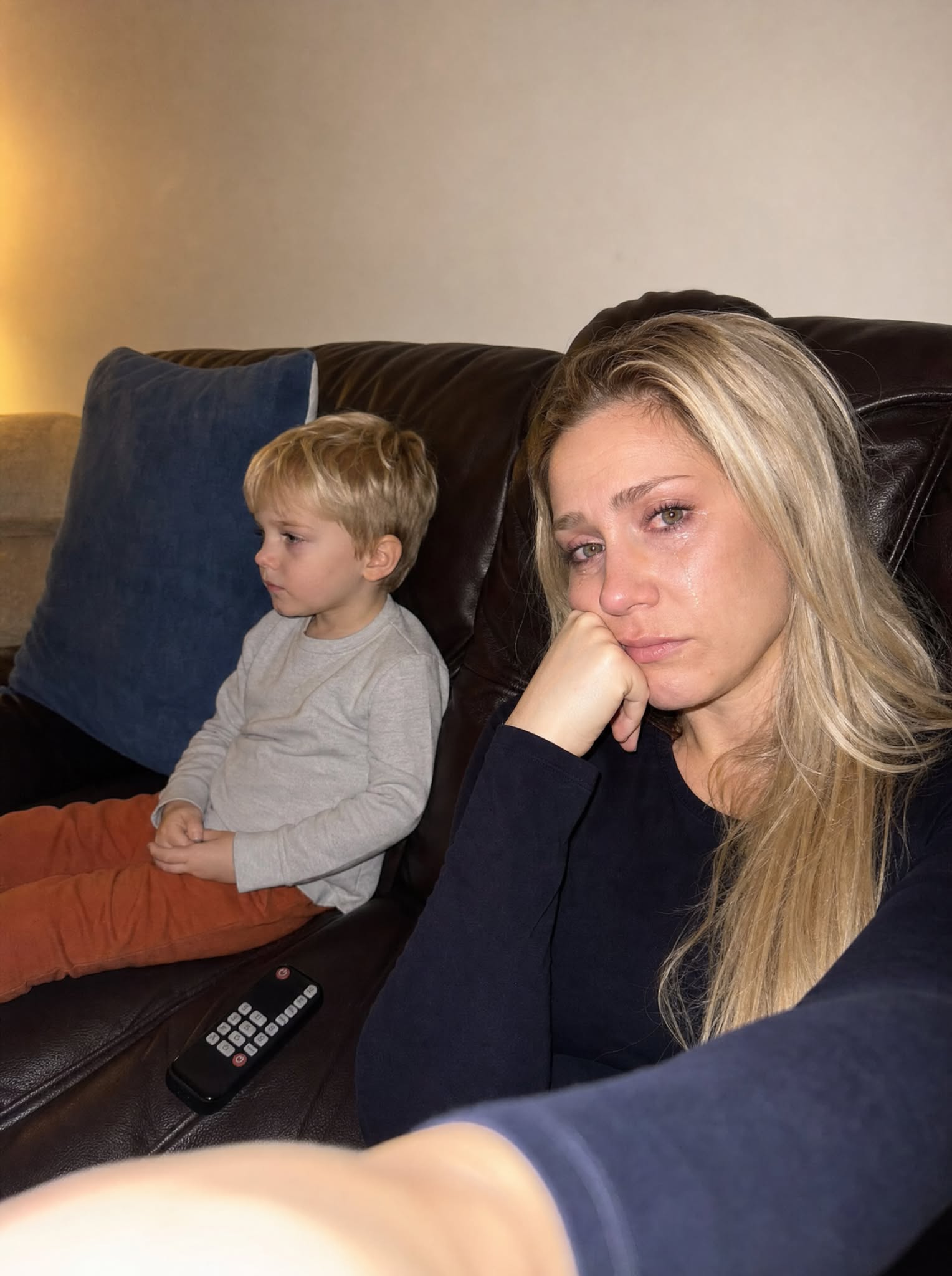
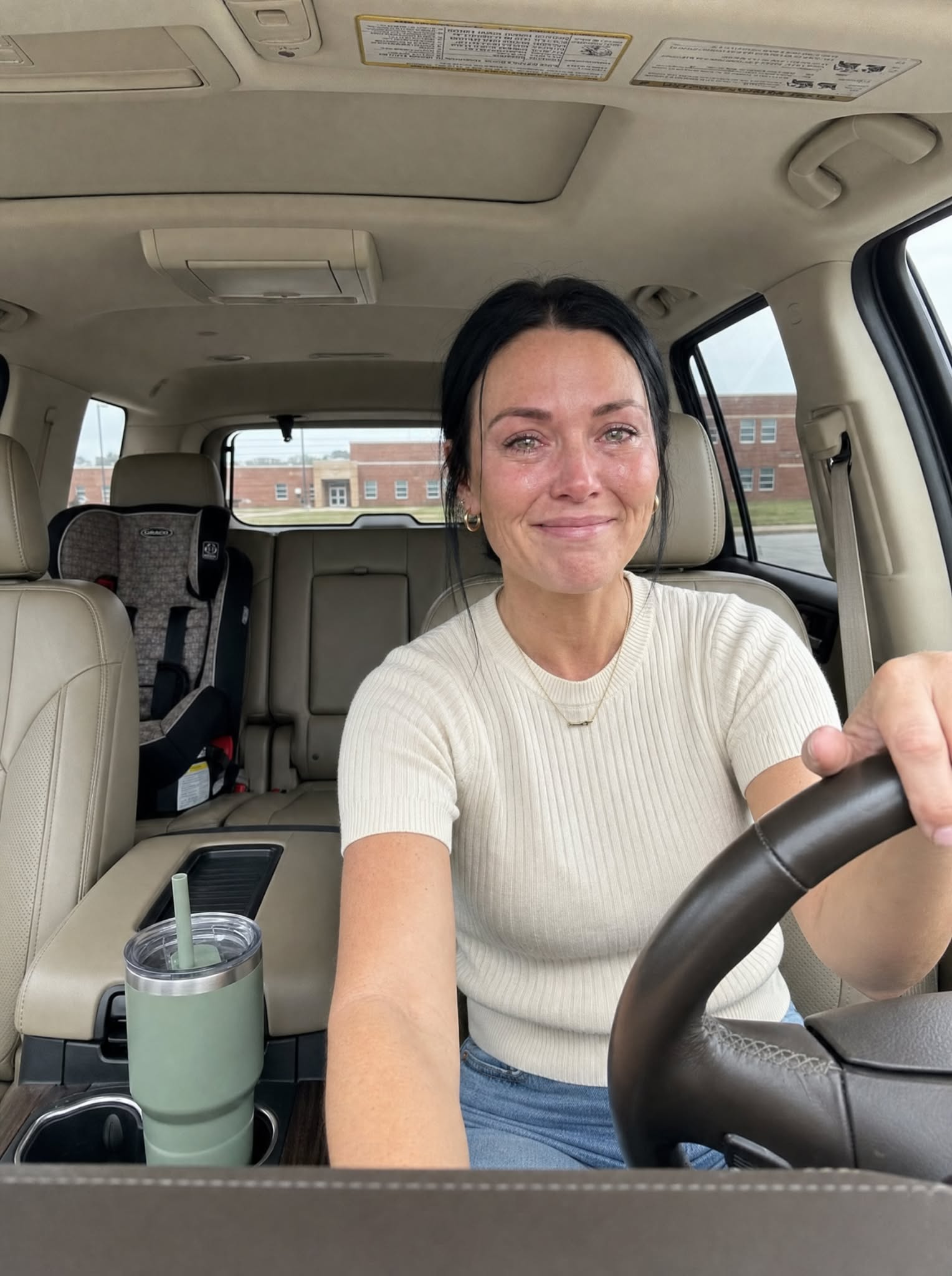
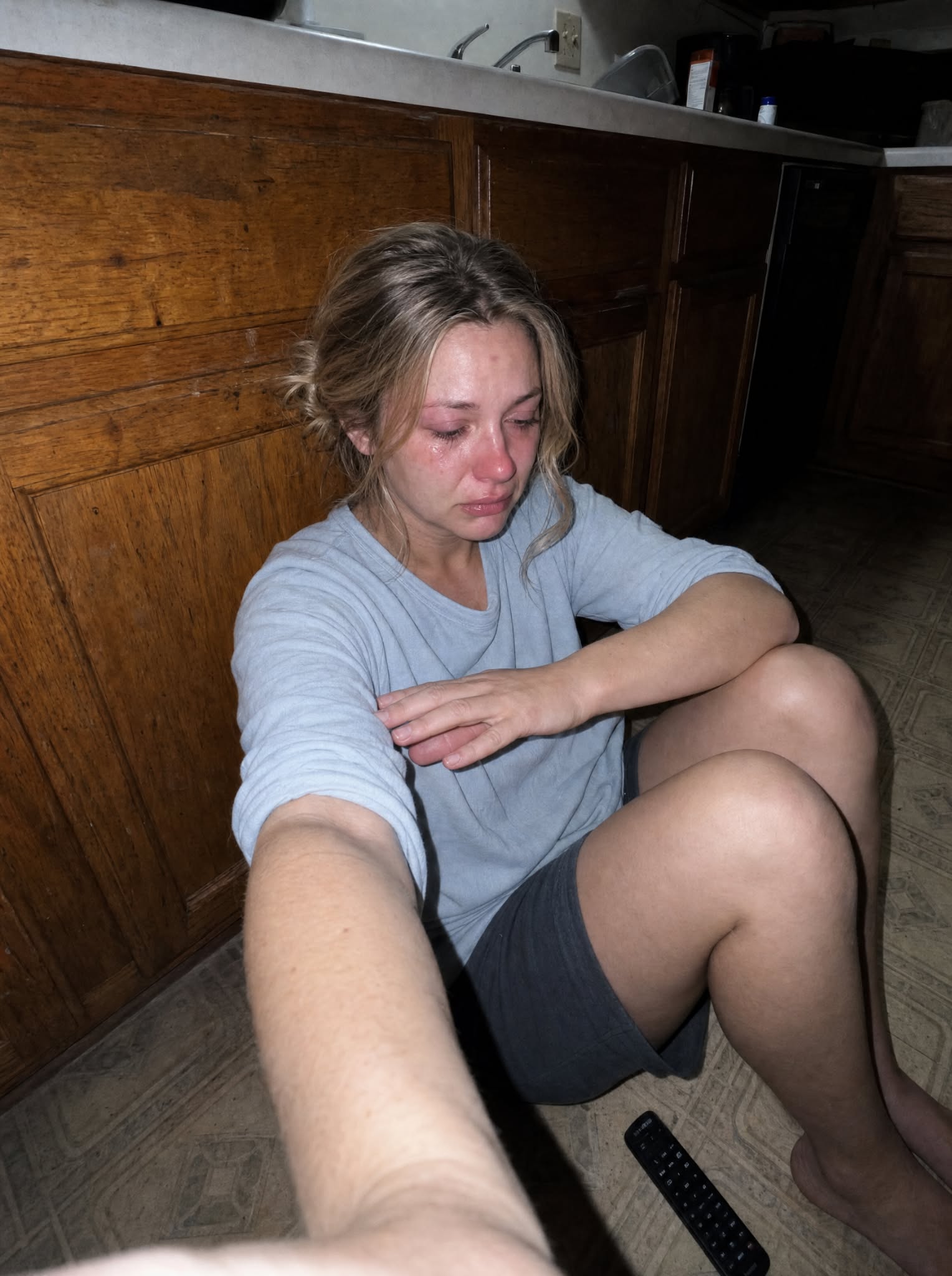
My oldest kid has been on ADHD Medication for 5 years. The weight he lost in the first three months. The nights he couldn't fall asleep until 2am. The heart palpitations that sent us to the emergency room twice. The growth chart that stopped moving. The depression that came out of nowhere. And then the worst thing happened. Last month my youngest got the same diagnosis. The doctor wanted to put her on prescription stimulants. I refused to follow that path again. And by the end of this you're going to be furious that nobody told you this sooner. --- Because there are three things happening right now. One — Your child's brain is running on empty every single day and the prescription stimulants they're offering manage the behaviour but never touches what's actually causing it. Two — The supplement graveyard in your cabinet is real — and there's a specific reason why everything in it didn't work. Three — There's a clinical study from 2019 that put a natural compound head to head against the most commonly prescribed ADHD medication in children. The results were comparable. And nobody in the medical system will ever mention it to you. Let me tell you about my oldest. Because his story is why I spent every night for two months researching before I considered filling that prescription for my youngest. My oldest son Caleb was diagnosed with ADHD at five years old. I agreed to try medication because the doctor said it was safe. Because the school said it would help. Because every person around me said it was the right thing to do. Within six weeks, Caleb stopped eating. Not picky. Not just off his food. He would sit in front of a full plate and stare at it like it had nothing to do with him. I tried everything. Plain pasta. Crackers. Dry cereal. Whatever he might possibly eat just to get something into him. He lost eleven pounds in three months. He was five years old. You could see his ribs. The paediatrician said it was a common side effect. That most children adjust. Caleb didn't adjust. I was cutting his food into tiny pieces and sitting next to him for forty minutes at every meal just trying to get him to take three bites. I was lying awake at night googling "child not eating ADHD medication" and reading horror stories about kids who dropped off the growth charts entirely. Then the sleep went. He couldn't fall asleep before 1am. Sometimes 2am. He would lie in his bed completely wired, eyes open, heart racing, unable to switch off. I would sit on the floor next to him for hours. Get up at six to get him ready for school. He was running on three hours of sleep a night. He was five. Then came the night I found him sitting on the edge of his bed at 3am with both hands pressed against his chest. "Mum. My heart won't stop banging." I took him to A&E. His resting heart rate was 142. The cardiologist on duty said it was a known cardiac side effect of prescription stimulants in children. He had an ECG. He was monitored for six hours. We were told to speak to his paediatrician first thing in the morning and to come straight back if it happened again. It happened again five weeks later. Another A&E visit. Another ECG. Another six hours waiting while my five year old had electrodes on his chest. We changed medications. The heart settled. The appetite came back slightly. But by then Caleb had fallen two years behind on the growth chart. Two years. His paediatrician said it at his annual check like it was a minor administrative note. Stimulant medications suppress growth hormone in some children. We would monitor it. We would hope he caught up. My son was seven years old and we were hoping he would catch up. And then the depression. Nobody warned me about the depression. It started with crying. Not tantrum crying. Something quieter and worse. He'd cry at breakfast because his toast was slightly too dark. He'd cry in the car because a song came on he didn't recognise. He'd cry at bedtime and when I asked him why he'd say he didn't know. Then the things he started saying. "I don't want to be here anymore." "I wish I wasn't me." "What's wrong with me, Mum? Why am I always the broken one?" He was seven years old. I took those sentences to his paediatrician and read them out one by one. She listened carefully. She said emotional dysregulation and low mood were documented side effects of prescription stimulants in some children. She said we could try adjusting the dose. Try a different formula. We tried four different formulas over eighteen months. And through all of it — the eleven pounds, the A&E visits, the ECGs, the growth chart, the depression, the "I don't want to be here anymore" — through all of it, his teacher sent home glowing reports. He was focused. He was calm. He was no longer disrupting the class. The school got the version of Caleb they needed. I watched mine disappear in front of me. He is eleven now. He has been on medication for five years. He eats better. His heart is stable. But he is still two years behind on the growth chart. He still has days where the sadness comes out of nowhere and I find him sitting alone and he cannot tell me why. Last month he told me he does not want to go to school anymore. Not because of the work. Because he feels different from everyone else and he does not know how to explain it. He still doesn't laugh the same way he used to. I know because I remember exactly how he used to laugh. Before. It would take over his whole body. You couldn't be in the same room and not laugh with him. That laugh is gone. Last month my youngest, Mia, was diagnosed with ADHD. I sat in the doctor's office and listened to exactly the same words I had heard six years ago with Caleb. Same diagnosis. Same explanation. Same recommendation. She said the next step was prescription stimulants. — both stimulants, both commonly prescribed for children Mia's age. She said most children respond well. She said the side effects were manageable. I knew exactly what prescription stimulants did. Caleb had been on prescription stimulants for five years. It was the drug that gave him a heart rate of 142 at 3am. It was the drug that took eleven pounds off a five year old in three months. It was the drug his doctor called "well tolerated" while he sat at the dinner table staring at a full plate. I thought about Caleb pressing his hands against his chest in the dark. I thought about "I don't want to be here anymore." I thought about how his teacher had glowing reports the entire time. I looked at the doctor and said I needed time to do my own research before we made any decisions. She nodded. She said she understood. She said not to wait too long. And that night I started looking. What I found made me angrier than I have been in a long time. Not at the doctors. Not at the school. At the fact that nobody had ever told me this. ADHD is not one problem. It is four. Your child's brain runs on neurotransmitters — chemical messengers that control focus, mood, calm and impulse control. In children with ADHD, four specific pathways are all underperforming at the same time. Dopamine. That is what makes a task feel worth starting. Without enough of it your child cannot initiate. That is not defiance. That is neurochemistry. The shoes. The worksheet. The instruction you gave fourteen times. All of it is a dopamine problem, not a behaviour problem. Serotonin. That is what keeps emotions stable. Without it something small becomes something enormous in seconds. The meltdown over the toast. The crying that comes from nowhere. That is serotonin, not manipulation. GABA. The brain's natural quietening signal. Without it every sound and movement and passing thought arrives at exactly the same time with equal urgency. Sitting still is not a choice your child is making. It is something their brain is genuinely not equipped to do. Norepinephrine. That is what sustains attention once it starts. Without it focus disappears the moment something stops being new. Four pathways. All four underperforming simultaneously. Now look at what I had tried for Mia in the months before that appointment. A reward chart on the fridge. Stars for getting dressed without a battle, stars for finishing her homework, stars for staying in her seat at dinner. The first three days were brilliant. By day six she had stopped looking at it. Time-outs that turned into screaming matches that ended with me crying in the hallway and her crying in her room and neither of us knowing what we were even punishing anymore. I tried communicating. I tried punishment. I tried rewards. None of it touched the thing underneath any of it. Six months of behavioural therapy. Two hundred dollars a session. A folder full of strategies that worked for about ten minutes each. Three weeks of cutting food dyes. No red 40. No yellow 5. No artificial anything. I read every label in the supermarket like I was about to sit an exam. Nothing changed. And then the supplements. The supplement graveyard in my cabinet was real and I can list it for you because the bottles are still in there. Omega-3 fish oil — the expensive children's liquid. She gagged on it every morning for a month. General brain health. Not specifically one of the four pathways. A focus-formula gummy from the supplement aisle that promised everything on the label. Six weeks of two gummies a day. A spectrum of nutrients at decorative doses. Nothing changed. Iron after her blood work came back borderline low. Linked to dopamine in deficient children — one pathway, and only when there is actually a deficiency. Her ferritin came back up. Her behaviour did not. Ashwagandha gummies someone in a Facebook group swore by. Cortisol support. Stress regulation. Not specifically one of the four pathways involved in ADHD. A B-complex chewable a naturopath recommended at fifty dollars a bottle. Twelve weeks. A bottle and a half. No change in anything I could measure at home. Melatonin for the bedtime battles. It put her to sleep faster. It did not touch anything else during the day. Magnesium glycinate someone in another Facebook group swore by. Supports GABA — the calming pathway. One of four. Three weeks of capsules I had to crush into yoghurt because she would not swallow a pill. A slightly calmer hour before bed. Nothing on the focus. Nothing on the meltdowns. Nothing on the calls from school. Every single thing I tried was hitting one piece of a four-piece problem. Or no piece of it at all. That is why none of it worked. Not because I hadn't tried hard enough. Because I had the wrong tools for the actual problem. Then I found the study. A randomised double-blind clinical trial published in 2019. Researchers compared high-potency saffron extract to prescription stimulants — in children with ADHD. The results were equivalent to the most prescribed ADHD medication in the world. Same level of focus improvement. Same reduction in hyperactivity. Without a single prescription. No appetite suppression. No sleepless nights. No cardiac side effects. No growth concerns. No depression. No child pressing their hands against their chest at 3am. I read the mechanism research for three hours. The active compounds in saffron — crocin and safranal — support dopamine, serotonin, GABA and norepinephrine. All four pathways. Simultaneously. In one compound. And then I understood why I had never heard of this. You cannot patent a plant compound. Think about what that means for a second. Every prescription stimulant Caleb was ever given — each one is a patented drug. Each prescription is revenue. Every follow-up appointment to monitor side effects is billable. Every dose adjustment is another visit. Every new formula when the last one stops working is more money. Caleb was a customer for five years. The pharmaceutical companies that make ADHD medication spend billions funding research, training doctors, sending sales reps into clinics with samples and studies and branded pens. They sponsor the conferences where paediatricians learn what to prescribe. They fund the journals that publish the guidelines doctors follow. Saffron is a plant. Nobody owns it. Nobody can charge a premium for it forever. There is no sales rep walking into a doctor's office with a briefcase full of saffron samples. There is no pharmaceutical company funding a trial that would land saffron on a prescription pad. So the research sits in databases. Peer-reviewed. Published. Cited. And the doctors never see it. Not because they don't care. Because the system that educates them is funded by the people who make money when they prescribe medication. Caleb spent five years on ADHD medication. Eleven pounds in three months. Two trips to A&E. Two years behind on the growth chart. A seven year old saying he didn't want to be here anymore. And the entire time there was published clinical research showing something that might have worked without any of it. That is not an oversight. That is how the system is designed. They don't want to fix your child. They want to manage your child. For years. For decades if necessary. Because a managed patient is a paying patient. I was done being managed. I was not going to buy the first saffron product I could find. The shelf in my kitchen had already taught me what happens when you trust a label. I looked into why most saffron products produce no results. Wrong species. True saffron — Crocus sativus — is the compound in the clinical research. Most products cannot verify species at batch level. You have no way of knowing what you are actually taking. Wrong dose. The clinical trials used standardised extract at a specific therapeutic concentration. Most products contain raw powder at a fraction of that dose. Raw powder is not extract. That difference is the difference between a therapeutic dose and a decoration on the label. Wrong format. The active compounds are fat-soluble. They need a fat carrier to cross into the bloodstream. A dry capsule has no fat. The compounds pass straight through without ever reaching the cells that need them. I posted in a forum asking if anyone had found something that actually worked. One mum replied with a link to HealthyRoot and their Saffron Bears. She said her daughter had been on them for eight weeks. She said the difference was visible by week three. She said her daughter now asks for them every morning like they are sweets. That last part stopped me. Because getting Caleb to take his medication every day had been a battle since day one. Pills. Crushed into food. Hidden in yoghurt. Chased down with juice. Every single morning a negotiation. Every single morning a reminder that something was different about him, that he had to take something other kids didn't have to take. A gummy bear that a child asks for like sweets. I read the label twice before I ordered. Twenty milligrams of affron-standardised saffron extract per serving — the same standardised extract used in the 2019 clinical trial. Plus L-theanine for the calm-focus piece. Passion flower for the dysregulation. Zinc, magnesium biglycinate, vitamin B6 and vitamin D3 at the cofactor doses a developing brain actually uses. Third-party tested. Made in the USA. No fillers, no artificial dyes, no stimulants, no sucrose syrup pretending to be a supplement. Two gummies a day. That was the whole protocol. I ordered Saffron Bears that night. Getting Mia to take any pill or liquid had always been a war. She had refused the magnesium capsules I'd been crushing into yoghurt. She had spat out the omega-3 liquid the second morning. The only things she had ever tolerated were gummies — and the gummies I had tried had not worked. The first morning I gave her a Saffron Bear she looked at it, looked at me, and ate it before I had even put the bag away. "Can I have another one?" I gave her the second one — two gummies is the daily dose. She asked for a third. I said no, that was today's lot, two in the morning, that was the protocol. She asked again the next morning before I had poured my coffee. That was the first thing that felt different. Week one. Nothing dramatic. The mornings were still hard but something felt slightly less sharp. I told myself not to read into it. Week two. She sat down after school and opened her reading book without me asking. I stood in the doorway of the kitchen watching it happen and did not say anything in case I broke the spell. No bribe. No timer. No battle. Just her, sitting, reading. Week three. I realised I hadn't had a single call from school. I kept checking my phone. Nothing came. Week four. Homework. She sat down and did it. Not without complaint — she is seven, not a different child. But it was done in twenty minutes and nobody cried. Before this it was a two hour war every single evening. Week five. I watched her eat a full dinner. Plate cleared. Without me sitting next to her coaxing every bite. She just ate. And I thought about Caleb — how his appetite disappeared on medication, how I spent two years chasing him around the kitchen with crackers. Mia's appetite problem was never medication. It was dysregulation. And it was getting better. Week six. She came home and said school was fine. Not "fine" the way kids say it to end a conversation. Fine the way it sounds when they actually mean it. Week seven. A full week with no meltdowns. Not one. The crying over small things, the explosions in the afternoon when she came through the door — gone. Just gone. Caleb at week seven was on his fourth medication formula and still telling me he didn't want to be here anymore. Mia at week seven asked if we could bake something together after dinner. Week eight. Her teacher stopped me at pickup. She was smiling. "I don't know what you've done at home. But Mia has had her best two months all year. She's focused. She's kind to the other children. She put her hand up three times yesterday." She squeezed my arm. "Whatever you started — keep going." Week ten. Mia came home, dropped her bag by the door, looked at me and said: "Mum. I had a good day. I feel like I have a new brain." I walked to my car. Sat down. Thought about Caleb at 3am pressing his hands against his chest. Thought about eleven pounds in three months. Thought about "I don't want to be here anymore." And I cried for a long time. Not because something was wrong. Because it didn't have to be this way for him. It never had to be this way. I know what you are thinking. Because I thought it too. You have spent money on things that didn't work. You have had hope built up and disappointment delivered, reliably, every single time. You are not naive. You are protecting yourself. That fear is reasonable. Which is why the guarantee matters. Saffron Bears comes with a 30-day money-back guarantee. No questions asked. If you don't see a change — in the mornings, in the school reports, in the child who comes home — every penny back. Not store credit. Your money back. The real shift happens between weeks two and four. The 30-day guarantee covers that window entirely. With nothing to lose. You risk nothing except staying on the path you are already on. You are at a crossroads right now. One path: Fill the prescription. Start the prescription stimulants. Watch the appetite disappear. Sit on the floor next to your child at midnight because they cannot switch off. Take them to A&E when their heart starts racing. Explain to their paediatrician that they said they don't want to be here anymore. Watch their teacher send home glowing reports while you grieve the child you know is in there somewhere. Become what Caleb became. Another path: Address the actual cause. Support all four brain pathways simultaneously. Give your child's brain what it has been running without. Watch the mornings get quieter. Watch the teacher stop you at pickup — smiling for once. Watch your child come home and say "I feel like I have a new brain." Become what Mia became. I watched what happened to Caleb for five years. I refused to let it happen to Mia. My daughter went from a child the school had concerns about to a child her teacher couldn't stop praising. No prescription stimulants. No appetite loss. No midnight A&E visits. No "I don't want to be here anymore." You don't have to put your child through what Caleb went through. You don't have to follow that path. 👉 Try Saffron Bears risk-free at https://tryhealthyroot.com/pages/5reasons 30-day money-back guarantee. No questions asked. This is who they were always meant to be. P.S. — Caleb is eleven now. He is still on medication. He still doesn't laugh the same way he used to. His doctor calls it managed. I call it five years I can't give back. I found this too late for him. I was not going to find it too late for Mia. The system was never going to tell you about this. You found it yourself. Now try it. tryhealthyroot.com P.P.S. — Every month you wait is another month your child's brain runs without what it needs. Another month of mornings that don't have to be this hard. Another month of calls from school that don't have to keep coming. The window to do this naturally is open right now. Don't make the same mistake I made with Caleb. https://tryhealthyroot.com/pages/5reasons
Where the ad sends people
tryhealthyroot.com
I Watched My Child Suffer for 5 Years 👉🏼
The side effects destroyed him, i refuse to follow this path again for my daughter.
See details: tryhealthyroot.com(opens in a new tab)