
Inactive· since Jun 23, 2026
- 21
- days it ran
- 0
- relaunches
Ad copy
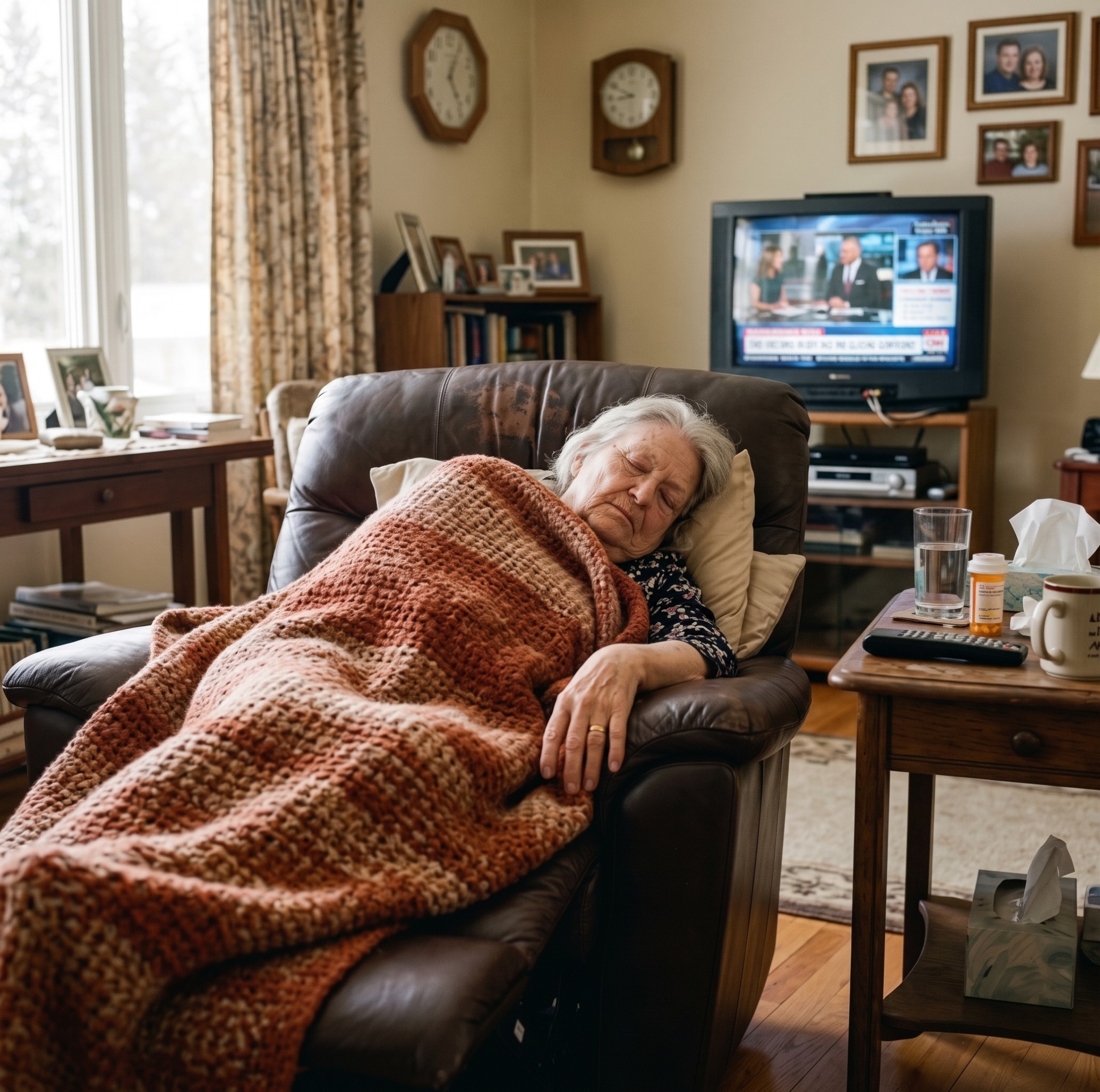
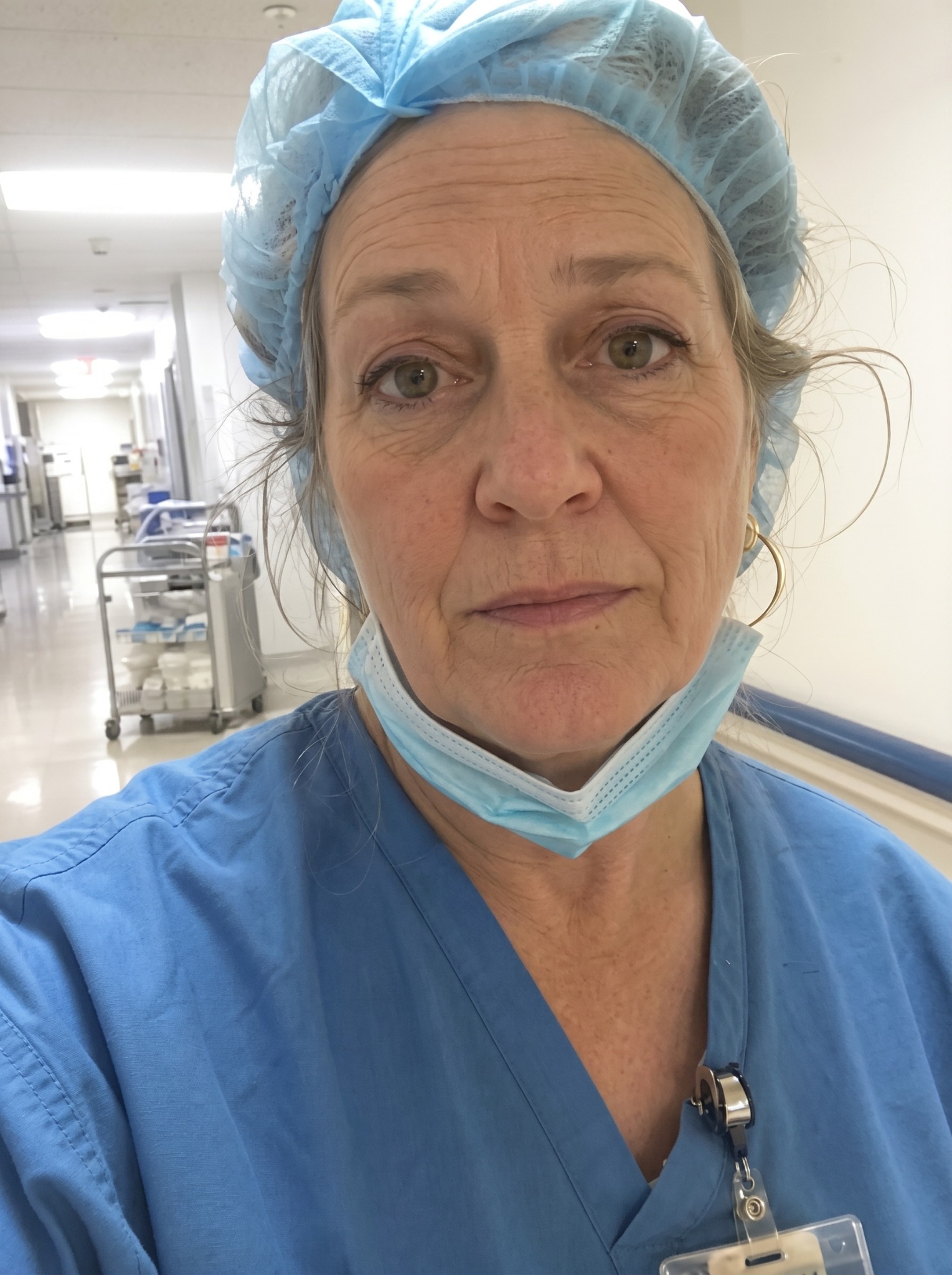
I am going to say something that nobody going through perimenopause wants to hear and I don't give a f*ck if it upsets you. Adjusting your hormones is not going to give you your brain back. Not estrogen patches. Not progesterone. Not bioidentical hormones. Not the third protocol your gynecologist wants to try next. NONE OF IT IS GOING TO WORK. I know because I watched my mother try ALL of it. Every hormone. Every dose. Every combination. For twenty-two years. And she never came back. She lived to 71 but she stopped being my mother at 46. Because she spent twenty-two years adjusting hormones that were never the problem. And now I'm going through the same thing. Same fog. Same age. Same doctor telling me it's "just my hormones" and to "give it time." And the HRT did handle the hot flashes. It just didn't handle my mind. I can't hold a thought. My children are watching me disappear. And I'm watching myself become the woman searching for words I grew up with. I'm done being polite about this. If you're going through perimenopause and you still can't think clearly and you're in here asking whether you should try a different HRT protocol or increase the dose, you are wasting time you do not have. Read this entire post. Every word. Because the answer is in here and it is NOT another hormone adjustment. --- My name is Laura. I'm 44. I live in Ohio with my husband James and our two kids. Lily is 8. Caleb is 5. My mother's name was Diane. She was a high school English teacher. Married to my father for 32 years before he couldn't take it anymore. Loved crossword puzzles. Used to sing in the car with the windows down. She was sharp. Quick. The kind of woman who could command a room with one sentence and finish the Sunday crossword in ink. That's what my older sister tells me, anyway. I don't remember that woman. I was three when she disappeared. --- My mother hit menopause at 46. The fog started within months. Her doctor said it was just hormonal. Said it would settle once her hormones stabilized. Said to give it time. The hot flashes settled. The night sweats settled. The mood swings settled. The fog did not settle. What I grew up with was a woman searching for words. That's where my childhood lives. My mother mid-sentence with nothing coming out. Present in the room. Absent from everything happening in it. My sister Claire remembers the before. The quick wit. The crosswords in ink. The car rides with the windows down. She was seven when the fog started. Old enough to remember who our mother used to be. I never had that. The mother I grew up with was the foggy version. I thought that was just what mothers were. Distracted. Trailing off. There but not there. I didn't know I was missing something because I'd never had it. Claire knew. She'd tell me about the crosswords sometimes. The sharp tongue. The way Mom used to throw her head back and laugh so hard she'd cry. I'd listen and try to picture it and I couldn't. Because the woman she was describing wasn't anyone I'd ever met. My father tried. God, he tried. For years he did everything. The scheduling, the bills, the decisions she used to make without thinking. He'd finish her sentences when she trailed off at dinner. He'd cover for her when she forgot names at school events. "Mom's just tired." He said that so many times it became the family's background noise. He left when I was eleven. Not because he stopped loving her. Because he'd spent eight years loving someone who couldn't find her way back to a conversation. He told Claire once, years later, "I could handle her being foggy. I couldn't handle watching her not be able to feel that I was trying to reach her." She stayed on hormones. They adjusted the protocol. Switched to estrogen patches. Then bioidentical progesterone. Then compounded hormones. Then added DHEA on top. She saw four doctors over twenty-two years. Every one of them adjusted the hormones. Not one of them ever asked why a woman who'd been on HRT for over two decades still couldn't finish a sentence at the dinner table. She didn't die dramatically. She died the way women after decades of untreated fog die. Quietly. In a recliner. In a room she'd barely left for three years. She was 71. Her body was fine. Her heart was fine. But her mind had been draining for twenty-two years until there was nothing left. They called it cognitive decline. But I watched it start with the fog at 46. And nobody stopped it. Claire flew in for the funeral. She stood at the casket and cried because she remembered who our mother used to be. The sharp wit. The quick mind. I stood next to her and felt nothing. Not because I was cold. Because I didn't know what I'd lost. I'd never had her. I was three when the fog took her and I grew up with the version the hormones left behind. --- Two years ago, the fog started for me. I was 42. Not sleeping through the night. Losing words mid-sentence. The feeling of my mind sliding off thoughts like water off glass. I'd start a sentence and feel the word right THERE and it would vanish before I could reach it. My doctor told me it was just perimenopause. Normal. My hormones were "in transition." "Give it time." I heard the words and something cold moved through me. Because I knew those words. Not from a memory. From the family story. The same words. Said to a different woman. At the same age. By a different doctor. I was watching it start. Forty-two years later, I was sitting in the same chair. Hearing the same dismissal. For the same reason. Within the first few months on HRT, the hot flashes improved. The night sweats eased. The mood swings calmed. The HRT worked. Exactly the way it worked for my mother. It handled the hot flashes. It did not handle my mind. --- By month six, I couldn't hold a thought. Not because I was emotional. The HRT had handled the mood swings. I wasn't crying. I wasn't irrational. I just couldn't think. I could start a sentence. I could feel the word right there. But it wouldn't come. The knowing was there. The reaching was dead. Like the thought got sent from somewhere in my brain and died somewhere before it reached my mouth. Lily asked me about her homework. I started explaining fractions. Mid-sentence the concept just vanished. Not on the tip of my tongue. Gone. I stood there with my mouth open and nothing came out. Lily waited. Then finished my sentence for me. The way you finish a sentence for someone you've stopped expecting to finish their own. I lay in bed that night staring at the ceiling. And I heard my mother's voice in my head. Not a memory of words she said. A memory of silence. The silence of a woman mid-sentence with nothing coming out. The silence I grew up inside. And I was making it for my children. Caleb had a school concert. I went. I was there. I sat in the middle section. But I couldn't track what was happening on stage. My mind kept sliding. I realized I'd missed two songs without registering them. He asked me afterward, "Did you see when I did the solo?" I said, "Of course I did, honey." I hadn't. I was looking right at him and my brain wasn't processing what my eyes were seeing. My daughter stopped telling me the long version of her day. She used to run to me after school. Climb on my lap. Tell me everything. The boy who picks his nose. The teacher with the funny sneeze. Whether cats dream. She gives me two sentences now. The short version. Doesn't bother with the details. She's eight years old. I was three when my mother disappeared behind the fog. I never knew what I was missing. Lily is eight. Old enough to remember what I used to be. Old enough to know I'm gone. Old enough to stop expecting me to follow the conversation. She's Claire. She's becoming Claire. Growing up with a mother who is present in the room and absent from everything happening in it. And one day she'll stand at a casket and cry because she remembers who I used to be. While Caleb stands next to her and feels nothing. Because he never had me sharp. Just like I never had my mother sharp. I am watching the exact thing that happened to me happen to my children. From the other side. And I can't think clearly enough to stop it. --- I was doing everything they told me to do. And I need you to pay attention because you've probably tried all of this too: HRT — estrogen and progesterone for eighteen months. Hot flashes managed. Fog didn't clear. Protocol adjusted twice. No improvement in clarity or ability to hold a thought. Bioidentical hormones — switched after standard HRT plateaued. Four months. Same pattern. Slightly better sleep. Same inability to think. DHEA added on top — supposed to help with cognitive function and energy. Six weeks. Made me jittery. I could feel wired AND unable to think at the same time. Therapy — weekly for eight months. Gave me language for what I was feeling. Didn't give my brain the power to hold a thought through a conversation. I'd leave sessions understanding exactly what was happening. Then go home and not be able to remember what we discussed. Exercise plans — walking, yoga, the full recommendation. Eight months. Better sleep. Fog unchanged. Vitamins — B12, D, iron, magnesium, omega-3. The full stack. Six months. Nothing changed. Between the hormones, the therapy, the supplements, the copays, and the specialist appointments — I spent over $4,800 in two years. Still foggy. Still unable to think. Still losing words mid-sentence. Still becoming my mother. --- Then I found a comment that changed everything. Buried in a perimenopause support group at 2 AM. I almost scrolled past it. Someone wrote: "Has anyone looked at whether the neurons actually have the energy to process thoughts during the hormonal transition? My nurse practitioner told me it's a power problem, not a hormone problem." Power problem. Not hormones. I'd never heard anyone frame it that way. I immediately went on Amazon and bought an ashwagandha supplement. $26. Five stars. Thousands of reviews. "Clinically proven to reduce cortisol and support cognitive function." Every health blog called it the gold standard for natural brain support during menopause. I started taking it every day alongside my HRT. Week one: Maybe slightly calmer. Nothing measurable. Week two: Sleeping slightly better. Still losing words. Still unable to track a conversation with my children. Week three: Same. Slightly less on edge. No change in the fog. Week four: I was sitting at the kitchen table while Lily told James about something that happened at school. Talking fast the way she used to talk to me. Her voice rising and falling. And I was sitting right there and couldn't follow it. Not upstairs behind a door. Right there at the table. Behind a fog. The ashwagandha had made me slightly calmer. That was it. The fog was exactly the same. My daughter was telling her father the stories she used to tell me. And I was sitting three feet away. Behind a wall I couldn't see. Becoming my mother. --- My neighbor Mrs. Hernandez came over that evening to return a baking dish. She's 72. Retired nurse practitioner. Worked in women's health clinics for 34 years before she retired. She saw my face and stopped in the doorway. "Laura? What is it?" I told her everything. About my mother. Twenty-two years of fog that never lifted. The crosswords that stopped. The quick wit that stopped. The conversations she couldn't finish. The cognitive decline. The recliner. My father leaving because he couldn't reach someone who couldn't follow the conversation. Growing up thinking that's what mothers were. And now me. Same fog. Same age. Same glazed look while my children talk to me. My daughter giving me the short version now because she's learned what I learned — that the performance of tracking isn't the same thing as tracking. "I found something online about it being a power problem," I said. "Not hormones. I bought ashwagandha. It's supposed to support cognitive function and reduce cortisol. Four weeks. Nothing. I'm still foggy. My daughter stopped telling me the long version. I'm becoming my mother and I can't stop it." Mrs. Hernandez set the baking dish on the counter. Her face changed. "Oh, honey. Ashwagandha is not going to fix this. No wonder nothing changed." She sat down at my kitchen table. "Can I tell you something? Something I learned in 34 years of working in women's health?" "Please. Anything." "You were right to look at it as a power problem. That's exactly what it is. But ashwagandha is the wrong tool." "But every blog says—" "I know what they say. Ashwagandha modulates cortisol at the adrenal level. Helps you feel slightly calmer. Slightly less reactive. That's real. But it's like putting a dimmer switch on a lamp when the problem is the wiring in the walls. The light gets a little softer. The wiring is still dead." She folded her hands on the table. "Your problem isn't that you feel too much stress. Your problem is that the neurons in your brain don't have the power to complete the thoughts you're starting. You can start a sentence. You can feel the word right there. But the neuron carrying that word doesn't have the energy to deliver it. Because the generators inside those neurons — the mitochondria — are depleted. They're not producing enough fuel to carry the thought from formation to expression." "Generators?" "Every neuron in your brain is powered by tiny generators called mitochondria. They produce ATP — the fuel your brain needs to do everything. Think. Remember. Hold a thought. Find a word. Follow a conversation. Track your daughter's story about school. When those generators are working, the thought forms and completes. The word arrives when you reach for it. When they're depleted, the thought forms and dissolves. The word sits right there and you can't reach it. The signal dies in transit." She looked at me. "That's why you can FEEL the word right there. Can SENSE the thought forming. But can't reach it. It's not hormones. It's not aging. It's not early dementia. The neurons carrying your thoughts don't have the energy to complete them." "And HRT doesn't touch the generators." "No. HRT adjusts the hormones flooding your system. It manages the hot flashes. It stabilizes the mood. But if the neurons don't have the energy to process those hormones into clear thought, the hormones don't matter. It's like upgrading the software on a phone with a dead battery. The software is perfect. The phone is off." My chest tightened. "That's what happened to my mother." "Yes. For twenty-two years. Her doctors kept adjusting the hormones. Nobody ever checked the generators. And the generators drained for twenty-two years until there was nothing left. They called it cognitive decline. It was generators failing in a brain that ran out of power while every doctor adjusted the hormones." "And ashwagandha?" "Ashwagandha helps you cope with stress. It operates downstream. It cannot rebuild mitochondria. It cannot restart generators that have structurally failed. It cannot give neurons the power to complete the thoughts the brain is trying to form. It made you feel slightly calmer. It did absolutely nothing for the power supply." She paused. "There's one compound I've found in 34 years that actually rebuilds the generators. Not manages the stress. Not adjusts the hormones. Actually triggers the construction of new mitochondria inside the neurons." "Rhodiola Rosea. Specifically, the active compound salidroside." I'd never heard of it. "Now — I need to warn you before you go buy this off Amazon," she said. "Because if you do what most people do, you'll waste your money and conclude it doesn't work. And your children don't have time for that." She leaned forward. "There are two active compounds in Rhodiola. Rosavins and salidroside. Completely different molecules. Completely different effects. Rosavins produce mild calming. That's it. Same problem as ashwagandha — downstream, doesn't touch the generators. Every Rhodiola product on Amazon uses the same standardization: 3% rosavins, 1% salidroside. The calming compound front and center. The compound that actually rebuilds the generators is present at a trace amount that does nothing." "Salidroside is the compound that activates AMPK — the master power switch inside every cell. When AMPK activates, the cell starts building new mitochondria. Not patching old ones. New ones. From scratch. Fresh generators. Full capacity. Real power — not like caffeine that tapes over the warning light and crashes you harder. This is the neurons actually producing fuel again." "If you buy standard Rhodiola, you'll take it for six weeks, feel slightly calmer from the rosavins, and conclude Rhodiola doesn't work. And meanwhile your daughter will be another six weeks deeper into learning to give you the short version. The way you learned to stop telling your mother about your day." My eyes burned. "You need high salidroside concentration. The actual compound. At the concentration where AMPK activation and mitochondrial biogenesis were measured in clinical research." I asked her what she recommended. "The only one I've found with the salidroside concentration that actually rebuilds the generators is called Restine. Over my 34 years, I watched dozens of women in perimenopause and menopause try standard Rhodiola. Every single one who took the standard ratio got nothing. The only ones whose clarity actually came back were the ones taking high salidroside. Restine is the only product I've found that delivers it at clinical concentration." "Third-party tested. No proprietary blends. Every amount listed." "And this will clear the fog? I'll be able to think again?" "If we're not too late — if your generators aren't too far gone — yes. One capsule per day. The AMPK switch activates. New mitochondria start being built. The neurons that have been too depleted to carry a thought from formation to expression — start producing fuel again. The word arrives when you reach for it. The sentence finishes. The fog lifts. Not because the hormones changed. Because the hardware running your brain was rebuilt." She looked at me. "During perimenopause, the hormonal upheaval places more demand on the brain's energy supply than at any other time in a woman's life. The neurons need more power to function during the transition. And the generators producing that power are being depleted faster than they can rebuild. That's the fog. That's the lost words. That's the glazed look at dinner. It's not the hormones. It's that the brain doesn't have the power to manage the hormones." She reached across the table and took my hand. "Don't blame yourself. Your mother's doctors should have known. They should have checked the generators decades ago. There was no protocol for it. There still isn't. But you don't have to be the fog your daughter remembers. And Caleb doesn't have to grow up the way you did — not knowing what he's missing because he never had you sharp." --- I ordered Restine that evening. $38 for two months. One capsule a day. After $4,800 on hormones and supplements that did nothing, what was $38? I started taking it. Changed nothing else. Same HRT. Same routine. For the first few days, nothing changed. I was still foggy. Still losing words. Still watching my children's stories slide off my mind like water. I was terrified it wasn't going to work. That I was too late. That my generators were already too far gone. That Lily was going to grow up the way I did. But then, around day five, something shifted. I was in a meeting at work and someone asked me a question. And the answer was just THERE. I didn't have to search for it. I didn't feel the word hovering just out of reach. It was just there. Like something that had been standing between me and my own thoughts had moved a few inches. I sat at my desk afterward in a kind of quiet shock. Because I'd forgotten what it felt like to have my own mind work properly. Lily was at the kitchen table after school eating a snack. She looked up. "Mum, did you know Mrs. Patterson gave Tyler a detention today?" Not the two-sentence version. A full opener. Testing whether I was going to track it. I tracked it. The whole story. She kept going. After eight days? Lily was doing her homework. Fractions. She asked for help. I sat down next to her. Explained the concept. Clearly. Start to finish. Without trailing off. Without losing the thread. Without that look — the one where my eyes go somewhere else and the sentence dies. She looked up at me. Didn't say anything. But something shifted in her face. Like she was seeing someone she hadn't seen in a long time. I stood at the counter afterward crying. Because that's what normal used to feel like. Helping with homework. A thing mothers do without thinking. And I'd just done it without the fog in between. After two weeks? Lily started telling me the long version again. Not the two-sentence summary she'd been giving for months. The FULL version. The boy in her class who picks his nose. The teacher with the funny sneeze. Whether cats dream. Fast. Excited. Trusting that I was tracking. She told me everything. The way she used to. And I followed every word and felt every single one of them land inside my chest like small warm things I'd been locked away from. I didn't cry in front of her. I cried after she left for school. Standing in the kitchen. Holding my coffee. Because my mother never tracked my stories. She was on the couch searching for words. And nobody ever fixed the generators. And I grew up thinking that's what mothers were. And I had just followed my daughter's entire story about cats dreaming. And I was there for every word. After three weeks? Caleb had a thing at school. A little show. Parents invited. I showered. Got dressed. Put on actual clothes. Drove there. Walked into the room. Found a chair. He was in the front row with his class. He looked around the room. Scanning. He found me. And this time I was THERE. Not just my body. My mind. I watched every song. I heard every note. I saw the solo. I remembered it afterward. Every detail. He said on the way home, "Did you see when I did the solo?" "I saw it. You were incredible. You came in a half-beat early and corrected it and nobody noticed but I did." His face broke into the biggest smile I have ever seen. Because his mother didn't just say "of course I did, honey." His mother described it back to him. Detail by detail. Because she was actually there. I sat in the car afterward and couldn't breathe for a minute. Because I knew what that scan looked like from the other side. I grew up on the other side of that scan. Talking to a mother who was nodding but not tracking. Telling stories to a woman who was searching for a word while I was searching for her attention. And Caleb got all of me. Because the generators had power. Because the thought didn't die in transit. It arrived. And I processed. And I remembered. And I could tell him exactly what I saw. After six weeks? The fog was almost gone. The words were there when I reached for them. I could hold a conversation through dinner without trailing off. I could follow Lily's stories — the long ones, the detailed ones, the ones that go sideways and come back. I could read a book again. Actually read it. Track the plot. Remember the characters. James wasn't finishing my sentences anymore. His shoulders had come down from around his ears for the first time in two years. "There she is," he said one night. Two words. Quiet. Into my hair. Because the woman he'd been watching search for words for two years was talking the way she used to talk. Quick. Sharp. Present. Not because the hormones between my cells had changed. Because the neurons finally had the power to use them. After twelve weeks? I went back to my gynecologist. Same office. Same chair. "How are we doing with the perimenopause symptoms?" "The fog is gone." Long pause. "The cognitive symptoms cleared?" "Completely. Twelve weeks ago I couldn't finish a sentence at dinner. I couldn't follow my daughter's homework. I sat at a concert and couldn't process what I was watching. I went through two years of hormone adjustments and the fog never moved." She pulled up the last notes. Looked at me. Looked at the notes. Looked at me again. "Laura. You're... sharp. Your recall is different. Your affect is completely different. When did this start?" "When I stopped adjusting the hormones and rebuilt the hardware they run on." She typed notes slowly. "Whatever you're doing — your cognitive presentation has improved more in twelve weeks than it did in two years of hormonal management. Keep doing it. I want to see you in six months." Not another hormone adjustment. Not another protocol change. --- My children have their mother. Not her body. They always had her body. Her MIND. Not a version. Not a performance. Their mother. Sharp. Present. Tracking. Cognitive function restored — following conversations, finishing sentences, helping with homework, reading books, remembering details, tracking stories, being present in moments that used to dissolve before I could hold them. Clarity sustained through the evening instead of dissolving by afternoon. Bad days reduced from months-long stretches to occasional single days that resolve by the next morning. James no longer finishing my sentences. Lily tells me long stories again. She's testing it. Still careful sometimes. But she's coming back. She sits on my lap now and talks for twenty minutes straight. She didn't do that for a year. Caleb asks "did you see it?" and I can describe it back to him in detail. Every detail. Because I was actually there. Not from another hormone adjusting another signal. From rebuilding the generators that give the brain the power to think during the most demanding transition of a woman's life. --- And I think about my mother every single day. Twenty-two years. Four doctors. Estrogen patches. Progesterone. Bioidentical hormones. DHEA. Every combination. Every protocol. Every adjustment. And every single one of them was adjusting the hormones on a brain with dead generators. For twenty-two years. While the generators drained to zero. While her marriage ended because her husband couldn't reach someone who couldn't follow the conversation. While Claire grew up remembering who she used to be and missing her every day. While I grew up never knowing her sharp at all. She could have had this. If anyone had told her about the generators. If any of those four doctors had checked whether her neurons had the power to process the hormones they kept adjusting. If anyone had said "the hormones aren't the problem — the hardware is dead." She'd have finished her sentences. She'd have followed Claire's stories. She'd have done the crossword. She'd have felt my father trying to reach her. She'd have been at the kitchen table sharp and quick instead of on the couch searching for a word that was never going to come. I would have known her. Not the foggy version. Her. The woman with the quick wit. The woman who could command a room. The woman I only know from stories my sister tells me about someone I never met. Twenty-two years. And nobody checked the generators. Not once. --- So I'm writing this. Not because I want to sell you anything. Because if you're reading this, you are sitting where I sat. Where my mother sat twenty-two years before me. In perimenopause. Hot flashes managed. Mind gone. Knowing without reaching. Words you can feel but can't find. Thoughts you can start but can't finish. Children who are learning to give you the short version. You have every single one of my qualifiers. Every single one of my mother's. And nobody is checking whether your neurons have the power to process the hormones they keep adjusting. Please. Don't be my mother. Don't let your children grow up the way I did. Not knowing what they're missing because they never had you sharp. Or worse — the way Claire did. Remembering exactly who you used to be and watching you disappear behind the fog. Your children know the difference. They already know. The little one doesn't understand yet. But the older one does. She's already giving you the short version. She's already measuring whether you're going to track the story or glaze over halfway through. I know because I was Caleb. And Claire was Lily. And our mother was you. Your husband doesn't want to spend the next twenty years finishing your sentences. Your kids don't want to grow up wondering what you were like before the fog. You are still close enough to who you were to get her back. My mother wasn't. By the time anyone could have fixed the generators, twenty-two years of depletion had drained them past the point of recovery. Don't give it twenty-two years. Don't give it two. --- Restine. High salidroside Rhodiola Rosea. The compound that activates AMPK and triggers mitochondrial biogenesis — rebuilds the generators — not ashwagandha, not the standard Rhodiola relaxation ratio every other brand uses. The actual compound that rebuilds the hardware. Clinical concentration. Third-party tested. No proprietary blends. Every amount listed. $38 for two months. One capsule a day. 60-day money-back guarantee. Use every capsule. If the fog doesn't start lifting, if the words don't start coming back, if you don't feel the clarity returning — full refund. No questions asked. 👉 https://restine.store/pages/rhodiola --- 📢 EDIT: A lot of people messaged me saying they tried Rhodiola and it didn't work. I asked which brand. Every single one was the standard 3% rosavins, 1% salidroside ratio — the calming compound. That is NOT what Mrs. Hernandez recommended. That is NOT what rebuilt my generators. Standard Rhodiola is loaded with the relaxation compound. Almost none of the compound that actually activates AMPK and triggers new mitochondria. You need HIGH SALIDROSIDE. Restine is the only product I've found with the concentration that matches what the clinical research was conducted on. Don't waste time on the wrong compound. Your generators can't wait. P.S. The ashwagandha I took for four weeks was supposed to "support cognitive function and reduce cortisol." It made me slightly calmer. I was still foggy. My daughter still stopped telling me the long version. My generators were still dying while I was taking a supplement that couldn't reach the system that needed to be rebuilt. Five days on Restine and I answered a question at work without searching for the word. Six weeks and the fog had nearly cleared. Don't waste time on downstream supplements. Your neurons need the generators rebuilt. That's salidroside. That's Restine. P.P.S. My mother was told "it's just menopause" for twenty-two years. I grew up on the other side of her fog. I didn't know what I was missing because I never had her sharp. Claire did — she remembered the crosswords in ink, the quick wit, the woman who used to command a room. I only knew the searching. The knowing without reaching wasn't "just menopause." It was generators failing in neurons that were running out of power while four doctors adjusted the hormones. Don't let your children grow up the way I did — not knowing their mother sharp. Don't let them grow up the way Claire did — remembering her and missing her every day. Start high-salidroside Rhodiola today: https://restine.store/pages/rhodiola
Like this ad? Make it yours.
Crush rebuilds this exact creative around your product — your brand, your colors, your offer — in about a minute.