
Active· since Jun 13, 2026
- 97
- days running
- 0
- relaunches
Ad copy
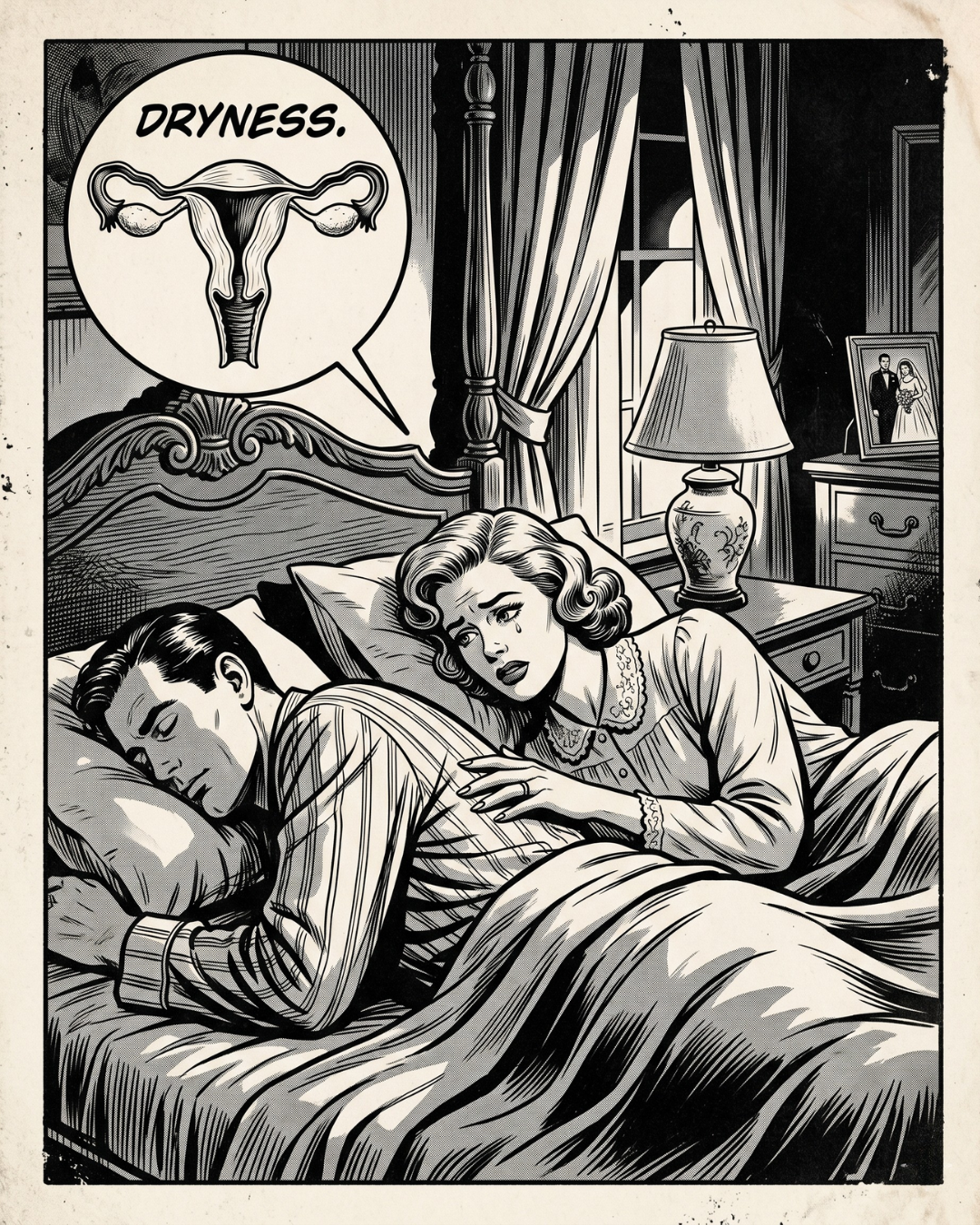
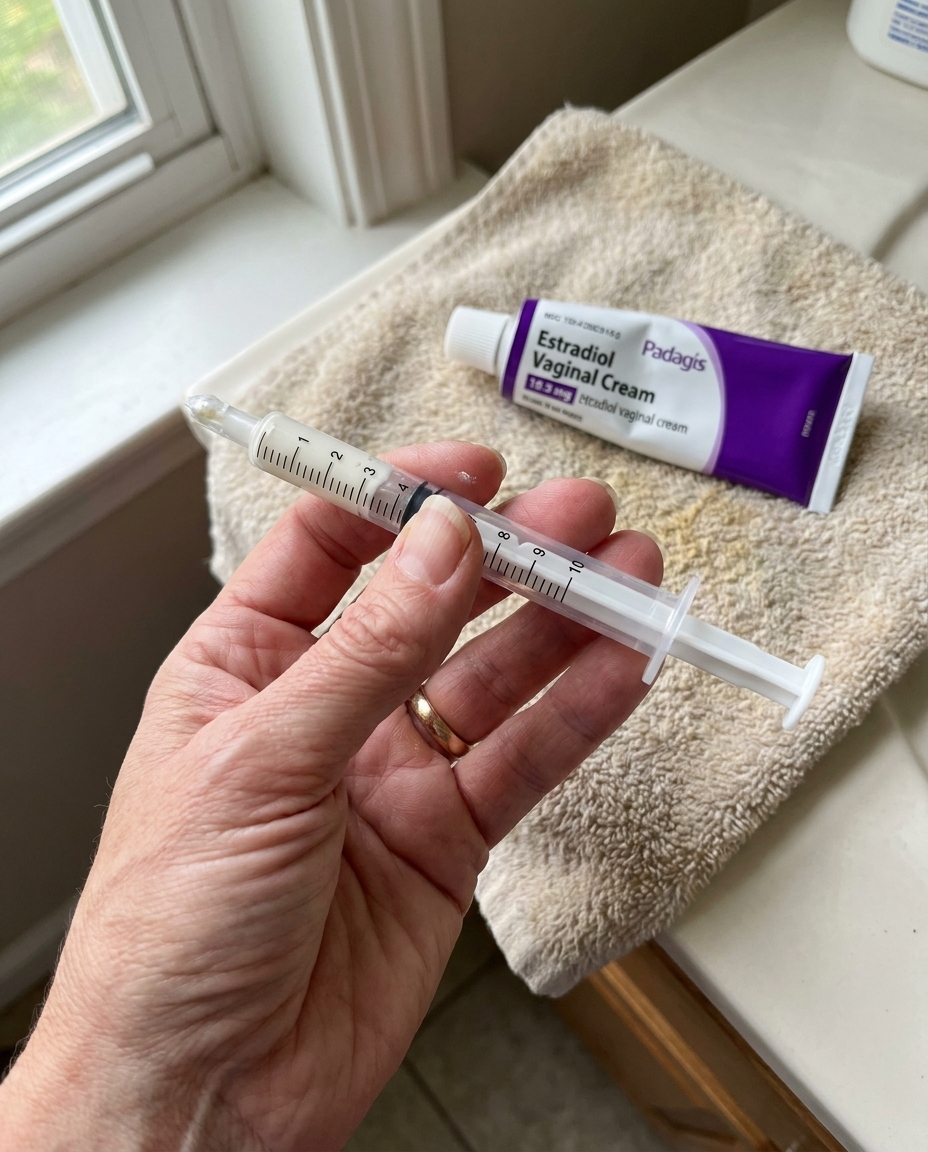
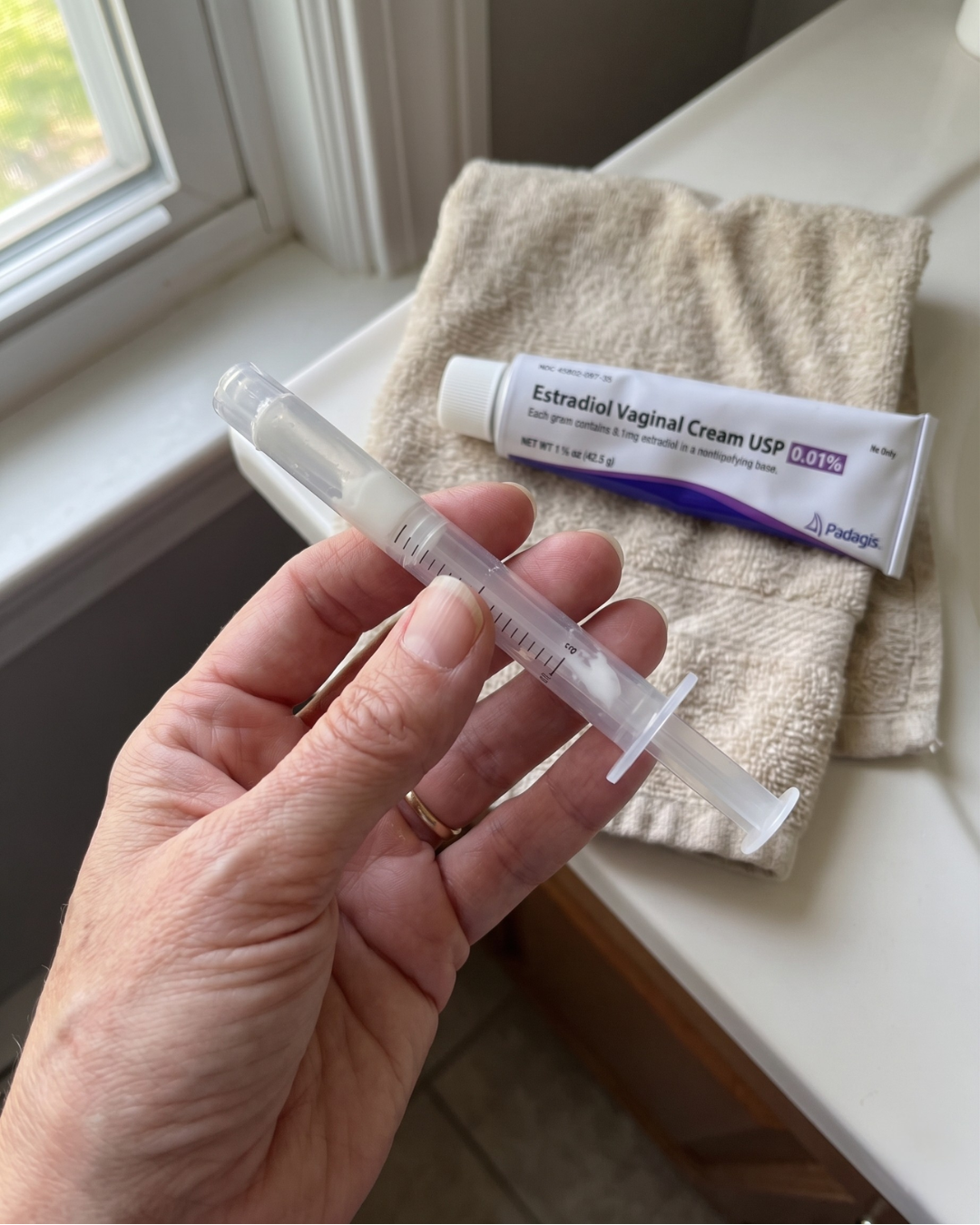
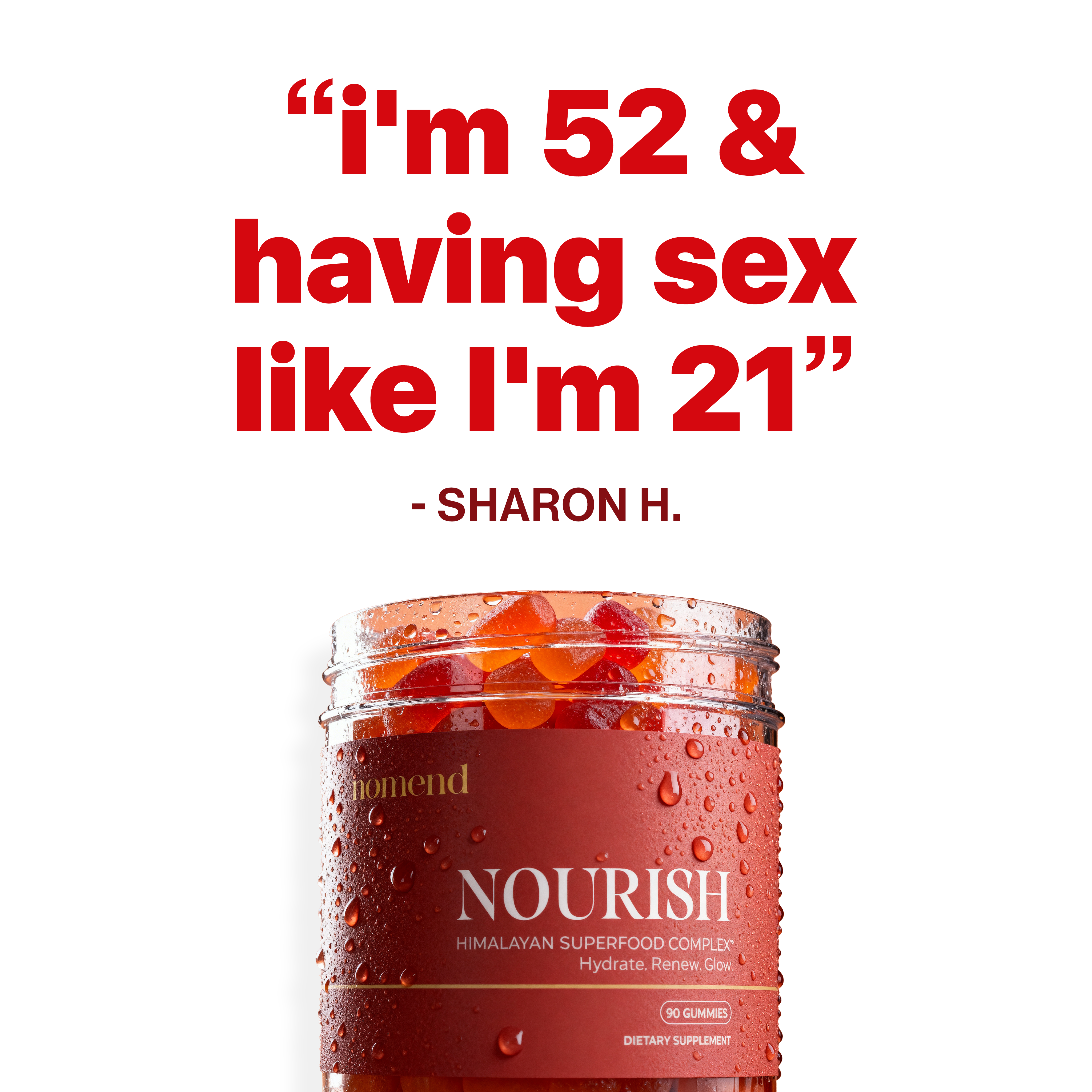
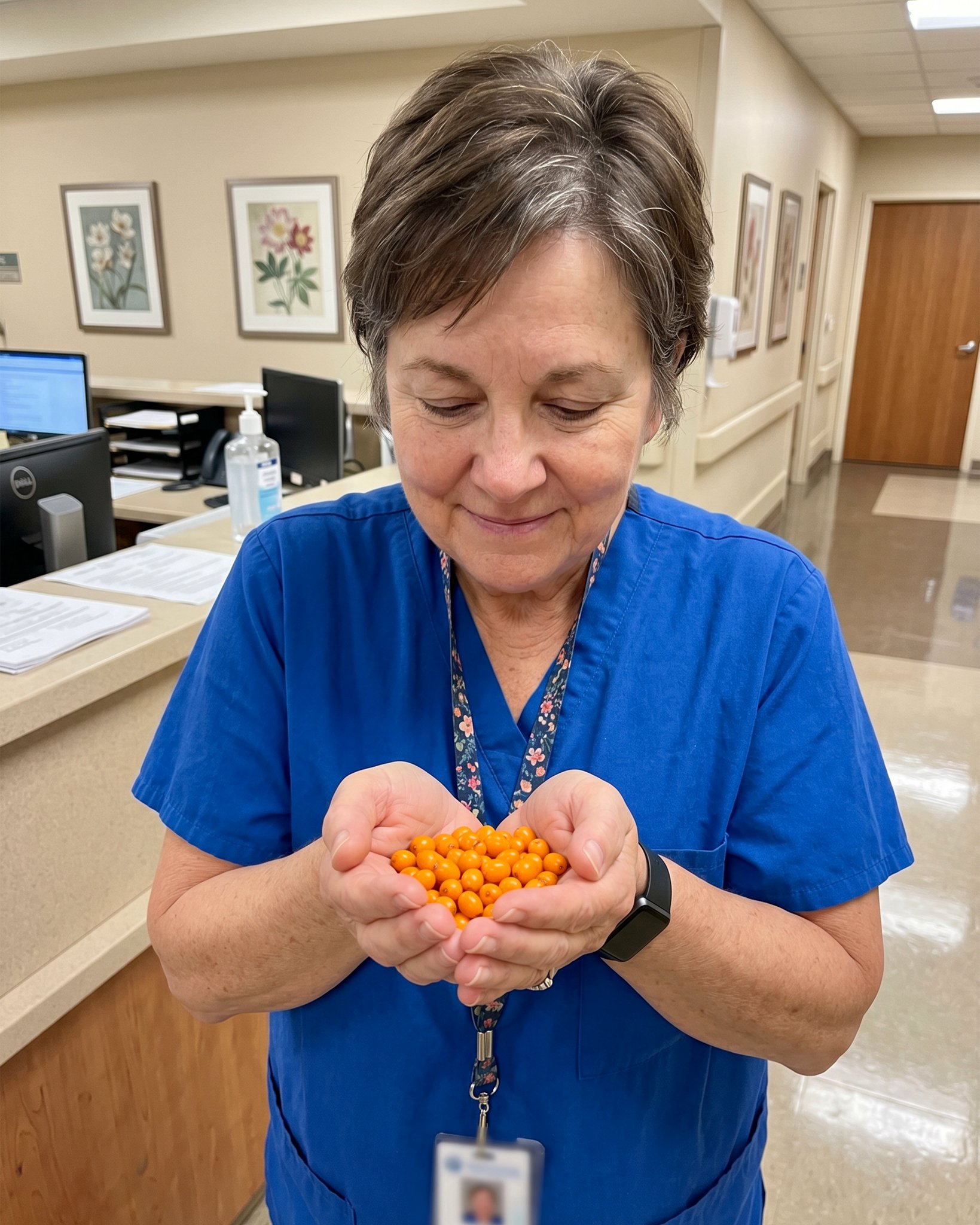
I'm a gynaecologist, and last month a patient told me something I hadn't heard in 28 years of practice. Not that she was quitting her estrogen cream. Not that she'd given up on sex. She told me she was throwing away the entire drawer. The lubes. The creams. The suppositories. The "hyaluronic acid menopause complex" capsules. All of it. For good. I've been treating vaginal dryness and GSM for almost three decades. I can tell within a minute of looking at a chart where a woman is in her decline. The thinning. The burning. The marriage quietly cracking under the weight of "not tonight." Last week I couldn't tell. Because what I was looking at didn't match anything I knew. She came in for her annual. Five years of dryness. Sex that felt like sandpaper. Three years of basically no intimacy with her husband. She'd tried Replens. KY. Coconut oil. Vaginal estrogen for eight months. Suppositories. She had that look I know — exhausted, embarrassed, resigned to it. Except she didn't. Not this time. Her tissue exam looked different. Plumper. Pinker. Actually hydrated, not just coated. She was smiling. Not the polite smile women give their gynaecologist. A real one. I sat back. "What have you changed?" "Nothing crazy. My sister sent me something she read about on Reddit." I didn't believe her. "Are you back on the cream? New prescription? Did you start HRT?" "No. I stopped all of that. I'm just taking one thing now." One thing. Not a stack. Not a regimen. Not a 23-ingredient "women's renewal complex." One thing. And her tissue looked five years younger than it had at her last visit. I sat there for a long time after she left. Here's what bothers me. I've been in women's health my whole adult life. I know every cream, every ring, every protocol the textbooks teach. And I see the same thing in my office every day. Women in their 40s, 50s, 60s, who can't have sex without crying. Who plan intimacy around a tube of lube and still feel like sandpaper. Who stop initiating. Who stop wanting to be touched at all. Who watch their husbands stop reaching for them and don't know how to fix it. Who feel betrayed by their own bodies. And what do we offer them? Estrogen cream. With a 14-page warning insert. Lube that lasts five minutes. Suppositories that melt and leak through their underwear. Or — and this is the part that gets me — a "menopause support" supplement with 27 ingredients on the label. You know the ones. The big shiny jar at the wellness store. "Women's complete renewal blend." Black cohosh. Dong quai. Maca. Ashwagandha. Wild yam. Chasteberry. Soy isoflavones. Twenty more ingredients listed in tiny font under "proprietary blend." Which means you don't get to know how much of anything is actually in there. It's a magic trick. Pinch of everything. Dose of nothing. And it costs $65 a bottle. I see women come in clutching these jars like they're holding hope. They've been taking them for six months. A year. Two years. Their dryness hasn't changed. Their tissue hasn't changed. Their sex life hasn't changed. But the label said "menopause support" so they kept buying. That's what bothers me. We've trained women to believe more ingredients means more help. When the truth is the opposite. More ingredients means smaller doses of each one. More ingredients means more places to hide what's not really in there. More ingredients means a label designed to impress, not to work. And these blends have made the whole natural category feel like a scam. So women either keep paying for fancy fairy dust, or they go back to the estrogen cream they didn't want to be on in the first place. There's a third option. Nobody talks about it. That's what my patient found. I called her that evening. "I know this is unusual. But I have to ask. What's the one thing?" She laughed. "You're going to think it's too simple." "Try me." "Sea buckthorn. That's it. One berry. One ingredient." I'd heard of sea buckthorn. Vaguely. In passing. The way you hear about a lot of plant compounds that show up in wellness circles and never quite cross over into medicine. I'd dismissed it. She kept going. "There's a real study. Finnish researchers. 116 women. Placebo-controlled. Published in Maturitas." I looked it up that night. Larmo et al., 2014. University of Turku. Three months. Significant improvement in vaginal epithelial integrity. Real measurements. Real journal. Not a "studies show" hand wave. An actual randomized controlled trial. And not on a blend. On one ingredient. Sea buckthorn oil. Rich in omega-7. Omega-7 is a rare fatty acid. Most foods don't have it. But the body uses it specifically to build and repair mucous membrane tissue. The vaginal wall is mucous membrane. When estrogen drops, that tissue thins. The cells stop turning over. The natural lubrication stops being produced from within. Lube doesn't fix that. Lube sits on top of dead tissue. Estrogen cream rehydrates the surface, sort of, as long as you keep applying it. Stop applying, problem returns. Omega-7 does something different. It feeds the cells that build the tissue itself. You're not coating the sponge. You're growing a new sponge. That's the mechanism. That's why one ingredient outperforms a 27-ingredient "renewal blend" — because the blend doesn't have enough of the one thing that actually does the work. I called the manufacturer the next day. Not the brand my patient was using. A different one I'd been told about. Asked them point blank: how much sea buckthorn is in your "women's complete formula." They wouldn't tell me. "Proprietary blend." I asked again. They sent me a marketing email. I called my patient back. "What brand are you on?" "Nomend. It's just called Nourish. Open the bottle and it's literally orange because it's actually sea buckthorn. Not because they added food coloring." I ordered a bottle. Read the label first. One active ingredient: concentrated Himalayan sea buckthorn. Standardized for omega-7 content. That's it. No "proprietary blend." No hidden doses. No mystery herbs. Whatever was on the label was in the bottle. Nothing else. I almost couldn't believe how short the ingredient list was. After 28 years of reading labels that look like a chemistry textbook, holding something that simple felt almost suspicious. But that's exactly the point. The simplicity is the product. I started taking it myself. I'm 58. Postmenopausal four years. I'd been on vaginal estrogen the whole time. Worked fine. But I didn't love being on a daily hormone. I'd quietly wanted off it for a while. I just didn't trust anything else. Day six: nothing dramatic. A little less of that tight feeling at the end of the day. Week two: I forgot to apply my cream one night. Usually by the next morning I'd feel it. I didn't. Week three: I forgot for three days. Still nothing. Week four: I had sex with my husband without lube for the first time in four years. Just to see. It didn't hurt. I almost cried in bed afterward, which he found confusing. Week six: I stopped the estrogen cream completely. Week eight: my exam showed tissue I hadn't seen on myself since my early 50s. Plumper. Pinker. Actually producing moisture again. Not surface moisture. The real kind. From within. Not from a cream I had to remember to apply. Not from a 5-minute lube ritual before sex. From one capsule a day of a single berry that my body actually knew what to do with. Here's the part that should make every woman reading this angry. This isn't new science. Sea buckthorn has been used in northern European and Himalayan medicine for centuries for exactly this. The Maturitas trial was published in 2014. Twelve years ago. It's just that nobody profits much from selling one ingredient. There's no patent on a berry. There's no margin in honesty. So the supplement industry built kingdoms on "proprietary blends" — 20 ingredients at sub-clinical doses, slapped with a "menopause" label, marked up 400%. And the pharmaceutical industry kept selling the cream, because that's what they have. And women paid. And kept paying. And kept being dry. And kept losing intimacy with the men they loved. And kept thinking it was just what happens. It's not just what happens. It's what happens when nobody addresses the actual tissue. If you're 50 or 55 or 65 and sex hurts… If you've stopped initiating because you can't face the sandpaper feeling one more time… If you sit across from your husband and feel a distance neither of you has the words for… If you've tried Replens and Astroglide and coconut oil and the silicone-based stuff and the warming kind and the unflavored kind and the one your friend swore by… If you've been on estrogen cream for years and still don't love being on a daily hormone… If you've spent hundreds of dollars on "menopause complex" gummies that did absolutely nothing… It's not because you're broken. It's not because menopause is the end of your sex life. It's because nothing you've tried has actually rebuilt the tissue. Lubes coat. Creams replace. Suppositories melt. None of them feed the cells that make the wall of your vagina in the first place. That has to come from inside. From a nutrient your body uses to build mucous membrane. Omega-7 from sea buckthorn does that. By itself. Without 26 other ingredients muddying the water. That's why one ingredient at a real dose outperforms a "proprietary blend" of twenty. That's why the women I see who switch to this stop coming back with the same complaint. That's why my own tissue, at 58, looks healthier than it did at 54. Most "menopause support" supplements are designed to look impressive on the shelf. Nourish is designed to actually work in the tissue. No proprietary blend. No 14 herbs you can't pronounce. No hidden doses. No marketing-driven kitchen sink. Just the one ingredient with the actual study behind it. At a real, standardized, omega-7 dose. That's the whole product. That's the whole point. I'm a gynecologist. I spent 28 years writing estrogen prescriptions and sympathetic notes in charts. I spent 28 years watching women try the same five things and accept that this was their life now. I never thought the answer would be one capsule of a Himalayan berry. I was wrong. If your "all-in-one menopause complex" hasn't done one thing in six months… If you're tired of reapplying lube every time you want to be close to your husband… If you want off the cream but don't know what's safe to switch to… This is what changed it for my patient. This is what changed it for me. If you want to try what we're using: → Try Nourish : https://trynomend.com/products/nourish-menopause-dryness It takes 6–8 weeks to feel the difference in the tissue. 12 weeks for the full shift. But you'll know by week four whether it's working. Most women do. I spent almost three decades treating the surface. Twelve weeks ago I started repairing the tissue from the inside. I felt the difference first when I forgot the cream and nothing happened. Then with my husband, when nothing hurt for the first time in four years. Not because I changed my prescription. Because I finally took the one thing my body needed instead of twenty things it didn't. That's all.
Like this ad? Make it yours.
Crush rebuilds this exact creative around your product — your brand, your colors, your offer — in about a minute.