
Active· since Apr 21, 2026
- 154
- days running
- 0
- relaunches
Ad copy
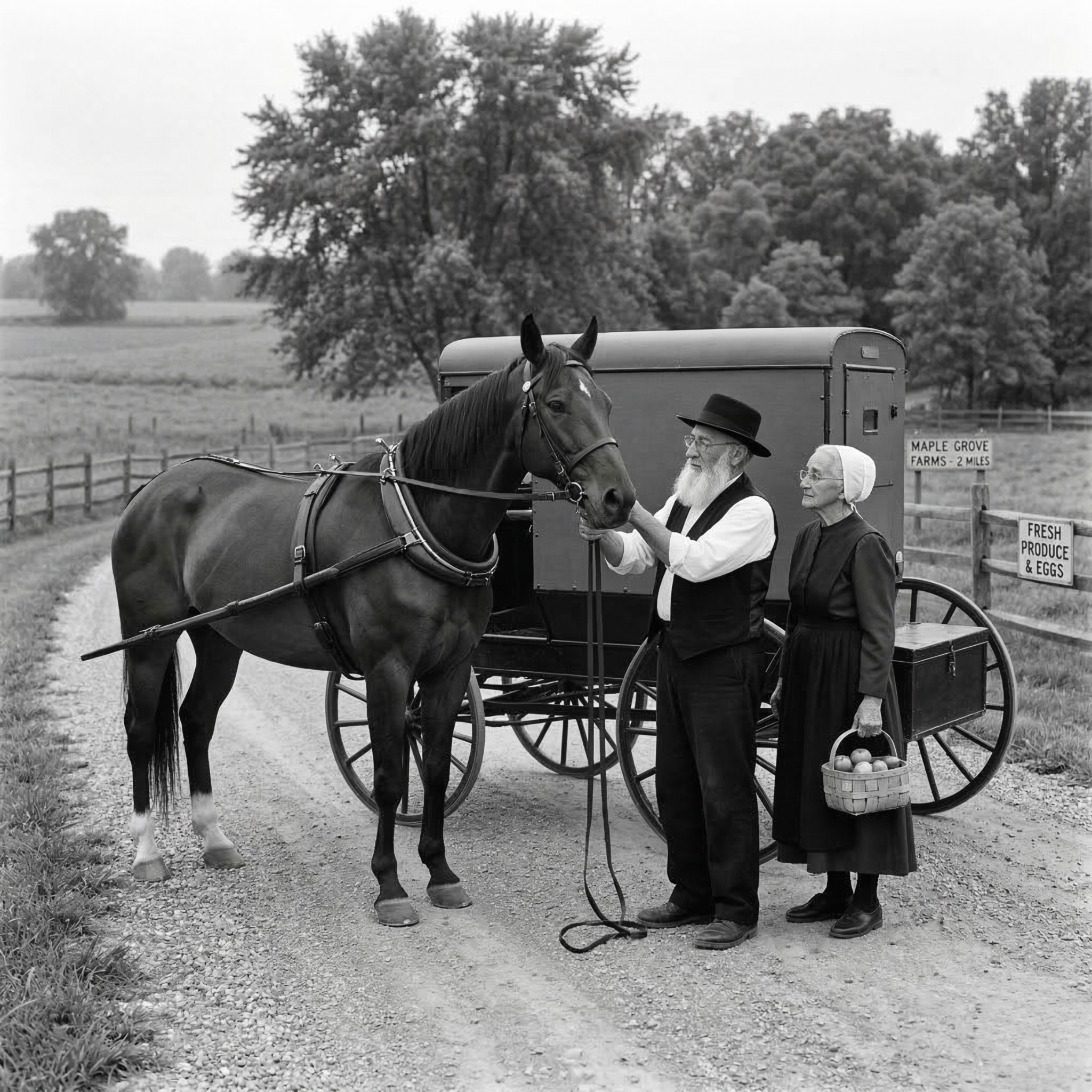
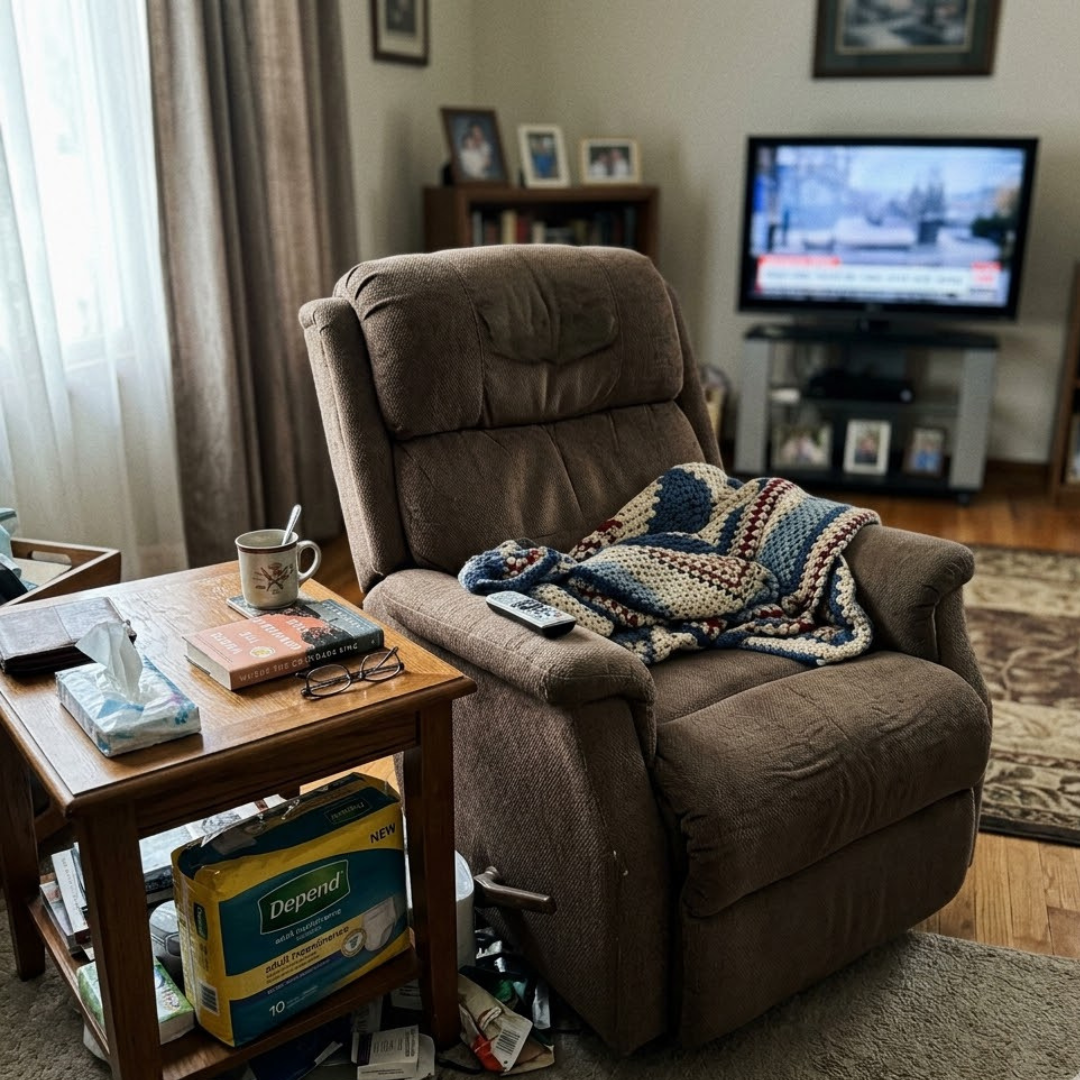
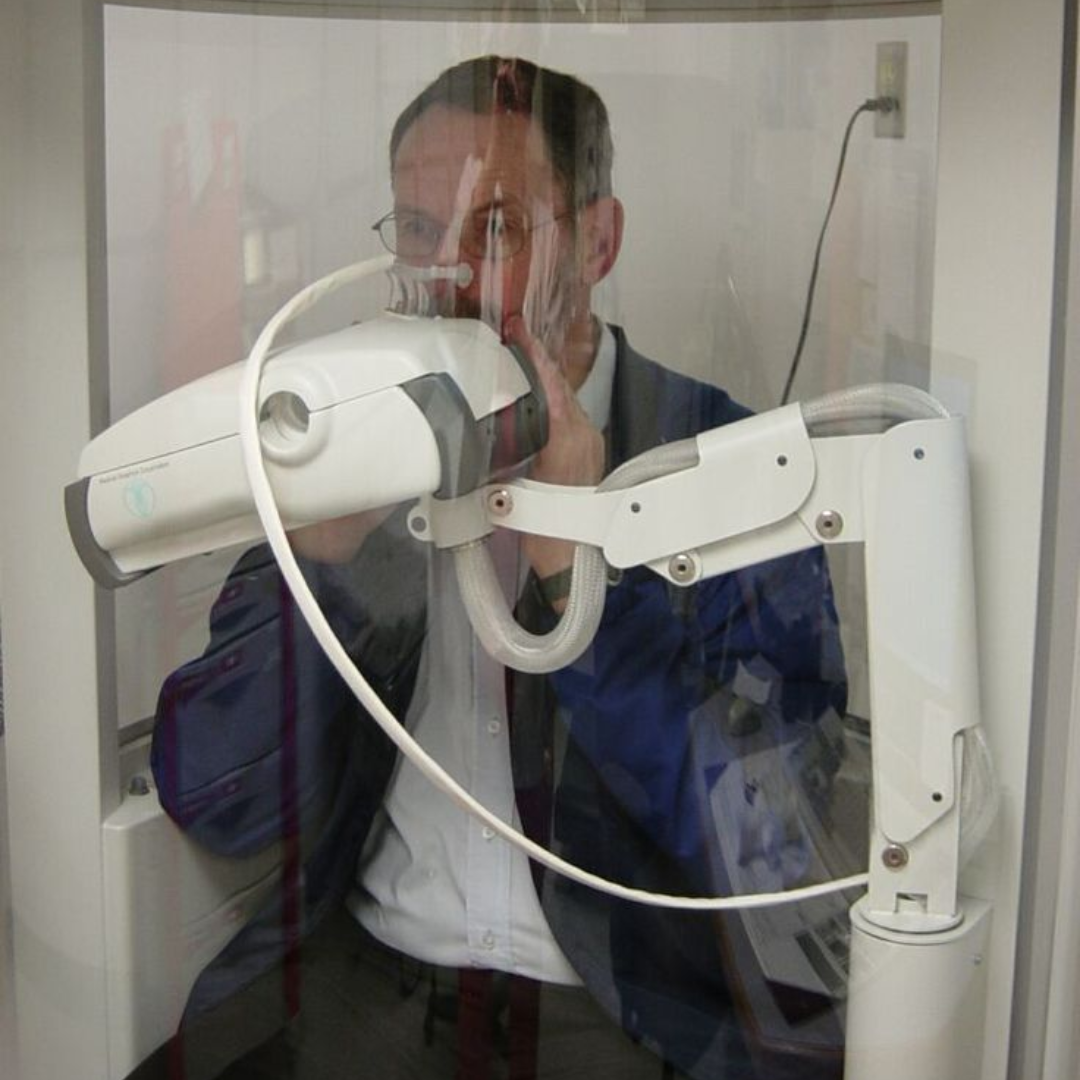
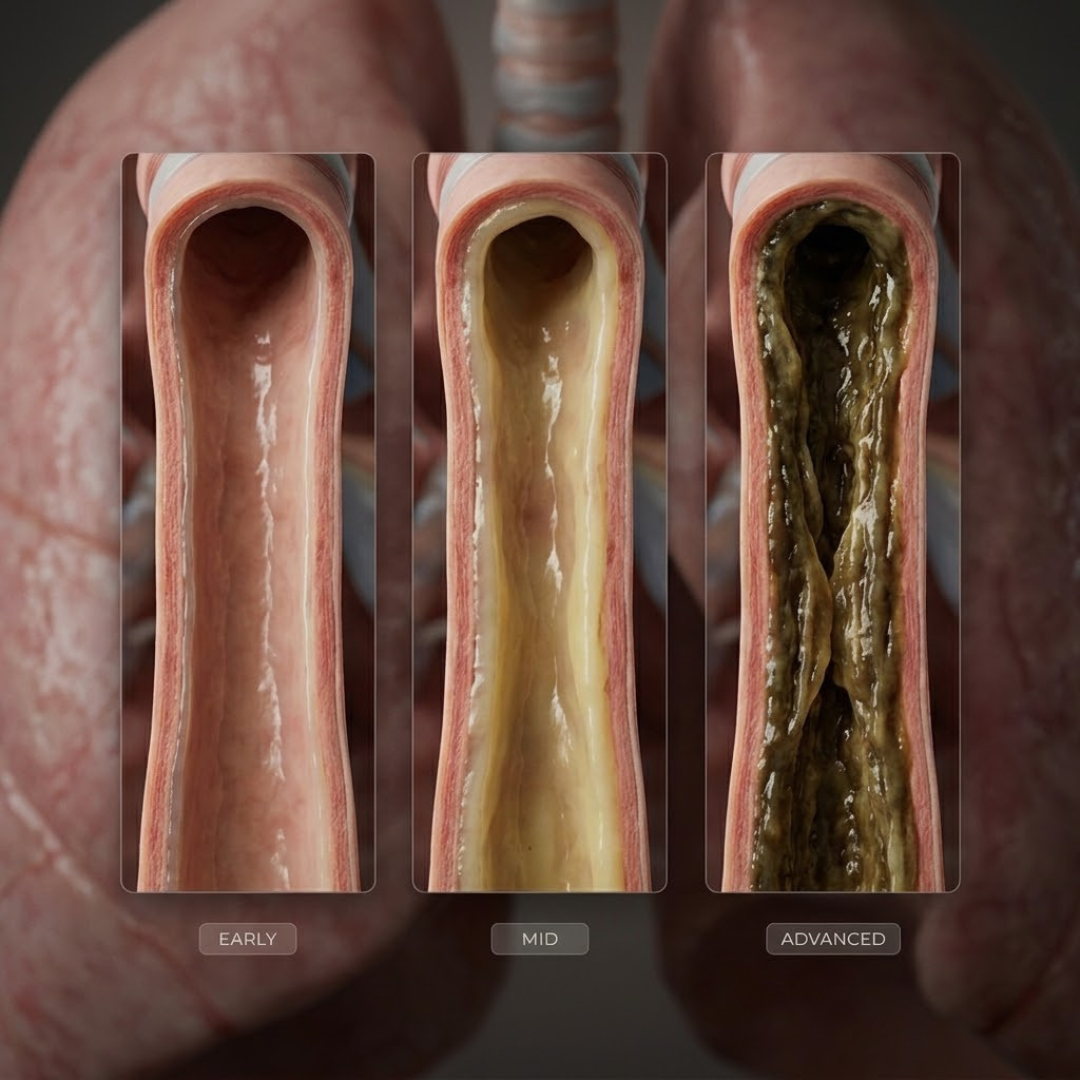
If you're coughing every morning but nothing comes up — if you can feel it stuck in there but Mucinex won't reach it... this is for you. My wife had that same cough for 12 years. Thick mucus lodged so deep no medication could clear it. She was on Spiriva, Symbicort, and Mucinex the entire time. She died choking in her recliner at 69. When my doctor tried to put me on the same drugs, I refused. And what I found instead — in an Amish settlement in Lancaster County, Pennsylvania — cleared mucus from my lungs that had been cemented in place for years. Dark brown. Almost black. Dense as tar. But to understand why I was desperate enough to drive five hours to an Amish farm at 5 AM, you have to know what I watched those medications do to my wife. For 12 YEARS — and I mean over a decade straight — my wife was trapped on COPD medication. She did everything right. Every inhaler. Every pill. Every nebulizer session. Never missed a dose. Never skipped a pulmonology appointment. Never questioned the doctors when they added another drug or adjusted her treatment plan. Her pulmonologist called Spiriva "the gold standard for maintenance." Said Symbicort would "control the inflammation." Said Mucinex would "keep things moving." Said if she just stayed on the regimen, she'd be fine. So she stayed on it. And she dealt with what came next. The recliner came first. Couldn't lie flat anymore — said it felt like drowning in slow motion. So she slept sitting up. Every single night. For twelve years. I slept alone in our bed. Reached over in the dark sometimes and touched her empty pillow. The isolation came next. She stopped going to church. Stopped meeting her friends for coffee. Stopped coming to our grandson's baseball games because walking from the parking lot to the bleachers left her wheezing so badly people stared. Then the fear. The 3 AM episodes. She'd jolt awake gasping — that terrible wet, gurgling sound — and I'd run in from the bedroom and find her gripping the armrests of the recliner, face red, eyes wide, trying to cough up something that wouldn't come. She accepted all of it. Because that was the deal, right? You take the inhalers. You swallow the Mucinex. You do the nebulizer. And in exchange, the medications keep you breathing. Twelve years of side effects. Twelve years of shrinking life. Twelve years of trusting the system. And then the night came anyway. A Thursday. January. Cold. I woke up at 4 AM and something was wrong. The house was too quiet. No coughing from the living room. No wheezing. No recliner creaking. I found her in the chair. Head tilted back. Lips blue. She was 69 years old. Twelve years of doing everything right. Every inhaler. Every pill. Every appointment. Every adjustment the pulmonologist recommended. None of it mattered. The medications didn't clear her lungs. They just kept her comfortable while the real problem got worse underneath. I was sitting in the funeral home when my brother put his hand on my shoulder and said: "She took everything they gave her. Every single thing. And it wasn't enough. If this happens to you, Frank — find another way. Promise me." So fast forward to two years ago. I'm 66 years old. Quit smoking 16 years ago. Walk when I can. Watch what I eat. Take my vitamins. Do my breathing exercises every morning. I go to my pulmonology check-up. Nurse hands me the spirometer. FEV1: 58% predicted. Down from 64% the year before. Doctor pulls up my chart. Looks at me. "Frank, your numbers are trending the wrong direction. We need to talk about starting you on a maintenance regimen. Spiriva, Symbicort—" My chest tightened. "What else?" "Mucinex twice daily. And I'd like to schedule nebulizer—" I stopped hearing her. Spiriva. Symbicort. Mucinex. My wife's face flashed in my mind. The recliner. The blue lips. The empty chair at Christmas dinner. My brother's voice: She took everything they gave her. And it wasn't enough. "No," I said. She blinked. "Excuse me?" "I'm not going down that road. My wife was on that exact combination for twelve years. Did everything the doctors told her. Took every medication." I looked her in the eye. "She still died in her recliner at 69. The medications didn't clear her lungs. They just managed the decline." She gave me that look doctors give difficult patients. "I understand your concern, but without maintenance therapy—" "What's the point of the medication if it doesn't actually clear what's stuck in there?" She didn't have an answer. I told her to give me three months. I'd try everything else first. She wasn't happy. Wrote something in my chart. Probably flagged me as non-compliant. I didn't care. For three months, I did everything I could find. Mullein tea twice a day. NAC supplements — 1200mg daily. Steam inhalation every night. Postural drainage. Huff coughing technique from YouTube. Three months later, I went back. FEV1: 56% predicted. Still dropping. Doctor pulls out her prescription pad. "Frank, I really think it's time. Spiriva, low dose, plus—" I stared at that prescription pad. My wife did everything right for twelve years. Every inhaler. Every pill. Trusted the system completely. And the system failed her. "Give me three more months." "Frank, we really shouldn't wait—" "Three more months." She sighed. Made another note. I wasn't going to end up in that recliner. That night, I couldn't sleep. I kept thinking about my wife. Twelve years of compliance. Twelve years of trust. And where did it get her? At 2 AM, I gave up. Went to the kitchen. Opened my laptop. I started researching everything. Why COPD mucus hardens. Why expectorants lose effectiveness. What actually happens in the deep airways over years of buildup. Every mainstream site said the same thing: Take your inhalers. Use Mucinex. Do breathing exercises. Manage the decline. I'd done the first three. I refused to accept the fourth. So I kept digging. Looking for people who'd actually cleared the deep stuff. Not managed it with drugs. Cleared it. That's when I found the thread. A Reddit post with over 1,200 comments. The title: "Amish farmers exposed to grain dust and barn particulates their whole lives — so why don't they get COPD?" I almost scrolled past. Sounded like nonsense. But something made me click. Lancaster County, Pennsylvania. Amish farming communities. Exposed to organic dust, mold spores, and particulate matter every single day for generations. Their rate of severe respiratory disease? A fraction of the national average. Not slightly lower. Dramatically lower. Person after person in the comments confirming it. Linking university studies. Sharing data from the Amish Health Study. Someone posted a name. An Amish farmer. Eli Graber. Eighty-one years old. Had been making traditional herbal lung remedies his family brought from Switzerland two hundred years ago. I looked at the clock. 2:31 AM. By 5 AM, I was in my car. By 10 AM, I was in Lancaster County. I didn't have an address. Just a road name from the thread. Drove until the strip malls turned to farmland. Turned down a dirt road when I spotted a hand-painted sign: "Honey & Herbs." First farm I came to, there was an old man splitting firewood beside a barn. Bringing the axe up and down in a steady rhythm. No mask. No inhaler on the fence post. No oxygen tank anywhere. He had to be in his eighties. But he was breathing like a man half his age. In a dusty barn lot. Surrounded by hay. "Excuse me," I said, still catching my breath from the walk across his yard. "Are you Eli?" He set the axe down. Looked at me with sharp, clear eyes. "I am. You sound like you need to sit down." I stood there — 66 years old, winded from walking fifty yards, watching my lung function drop every year — and this man nearly twenty years older was splitting wood in a dusty barnyard like it was nothing. "My wife had COPD," I said. "Was on every medication for twelve years. Spiriva. Symbicort. Mucinex. Died in her recliner. She was 69." He nodded slowly. Like he'd heard this before. "You came here for a reason," he said. "Come inside. I want to show you something." We walked toward his farmhouse. He moved easily over the gravel; I struggled to keep up. He disappeared into a back room and came out carrying two glass jars. One held a clear amber liquid. The other — something dark and thick. Almost black. "You see this?" he said, holding up the dark jar. I nodded. "That came out of a man's lungs. Ezra Stoltzfus. Seventy-two years old. Worked in a sawmill for forty years. Doctors in town told him his lungs were finished." He set the jar on the table. "Your medications," he said, looking right at me. "They're painting over rust." I didn't understand. He sat down across from me. "Painting over rust," he said again. "You know what happens when you paint over rust?" I shook my head. "Looks clean for a while. Fresh coat. Looks like you fixed it. But underneath, the rust is still there. Still eating through the metal. Still spreading. You can paint over it for twelve years. Doesn't matter. Until you strip the rust off, the metal keeps rotting." He pointed at my chest. "Your Mucinex thins what's on top. The new mucus. The fresh layer. That's the paint. But underneath that fresh layer, there's a second layer. Old mucus. Hardened. Cemented to your airway walls like rust on iron. Been building for years. Maybe decades." He held up the dark jar again. "This is that layer. It's not regular mucus anymore. It's like calcium deposits. Dense. And it's smothering the tiny hairs in your airways — the cilia — that are supposed to sweep everything out." I felt something cold run down my spine. Because he'd just described exactly what I'd been feeling for years. "Your inhalers can't reach it," he said. "Your Mucinex slides right over it. Your nebulizer can't penetrate it. Because it's not fresh mucus. It's cement. And you can't dissolve cement with water." He picked up the amber jar. "What you need are compounds that break the bonds holding the cement together. Turn it back into liquid so the lungs can finally push it out." He opened the jar. Sharp eucalyptus hit me first, then peppermint underneath. "My grandmother knew this. Her mother knew it before her. Eucalyptus breaks down the hardened mucus. The bonds that hold it together like glue. Licorice root calms the inflammation that's been choking the airway walls shut for years. Peppermint opens the passages wide. And calendula — that's the one the English never learned about — it wakes up the cilia. Once those little hairs are uncovered and moving again, your lungs start cleaning themselves. The way God designed them to." "Where can I get this?" I asked. He smiled. A small smile, but real. "My grandson. He's been working with one company — only one. Took him two years to find people who would do it the right way." "What do you mean, 'the right way'?" "Most companies wanted to make pills. Capsules. Put it in tea bags." He shook his head. "Swallowing something and hoping it reaches your lungs is like swallowing eyedrops and hoping they reach your eyes. The stomach destroys it. Almost nothing gets through." He started clearing the jars from the table. "This company — Naturva — they made it into a spray. Goes directly into the airways. Same delivery the hospitals use for their sickest patients. No stomach acid. No digestion. The compounds go straight to where the cement is." He looked at me. "Look them up. Naturva. Tell them Eli sent you." I pulled out my phone right there. Found the website. Four concentrated botanicals. Direct airway spray. Eucalyptus, licorice root, peppermint, calendula. Designed to dissolve the hardened mucus layer standard treatments can't reach. I ordered it sitting at that farmhouse table. The bottle arrived three days later. I took the first spray that evening. Sat in my living room. Waited. Within the hour, I felt something shift. A loosening. Deep in my chest. Like someone was slowly releasing a clamp that had been tightened behind my ribs for years. The heaviness that had been there so long I'd forgotten what "normal" felt like — it moved. I went to the bathroom mirror and took a deep breath. Deeper than I'd taken in months. Small. But something was happening. Day five: I coughed something up that made me sit down on the bathroom floor. Dark brown. Thick. Almost like a piece of rubber. I'd never seen anything like it come out of my body. I took a picture and texted it to my brother. He called me immediately. "That's what was stuck in there?" It was. Week two: The 3 AM choking stopped. I woke up. Took a breath. A real breath. Deep. Full. No rattle. No gurgling. No panic. I lay there in the dark and realized I was in my bed. Not the recliner. My bed. Week three: I walked to the end of my street and back without stopping. First time in over a year. I started walking every morning. Not because I was supposed to. Because I wanted to. Because I could. Week five: I drove to my grandson's baseball game. Walked from the parking lot to the bleachers. Sat through all nine innings. Stood up and cheered when he got a hit. Cheered. Full voice. Without coughing. Without wheezing. Without leaving early. My follow-up appointment was at the end of month two. Nurse hands me the spirometer. I blow. She frowns. Does it again. A third time. "FEV1: 71% predicted," she said. Dr. Walsh pulled up my chart. Looked at the numbers. Looked at me. Back at the numbers. "Frank. What did you change?" I told her. The Amish farmer. The cemented mucus layer. The direct airway spray. She typed notes. Nodding slowly. "Well," she said, closing her laptop. "Whatever you're doing, keep doing it. These numbers are excellent." Then she said the words I'd been waiting to hear: "No Spiriva necessary." That was seven months ago. My breathing keeps improving. I sleep in my bed every night. I walk two miles every morning — not because my doctor told me to. Because I want to. Last month, I flew to my niece's wedding in Chicago. Three-hour flight. No panic. No supplemental oxygen. No second thoughts. Last week, my grandson wanted to race across the backyard. I won. He laughed and asked to go again. I said yes. Not "maybe." Not "go ask your uncle." Yes. I called my brother last week. Told him my numbers. Long silence. "She'd be so relieved," he finally said. "You found another way." If you're reading this, you probably see yourself in my story. Your mucus has been getting thicker. Harder to cough up. Even though you're taking everything the doctor prescribed. Your pulmonologist's mentioned adding more medications — or you're already on everything and wondering if this is just your life now. You've tried Mucinex, mullein, NAC, steam inhalation. None of it got the deep stuff out. You figured maybe nothing can. But now you know the truth: those treatments were working on the surface layer. The fresh mucus. The easy stuff. The cemented layer underneath — the one actually blocking your airways — they can't touch it. And it gets thicker every year. You weren't failing the treatments. The treatments were failing you. The link below goes to an article by Dr. Barbara Miller that explains the two-layer mucus problem better than I ever could. She breaks down exactly why Mucinex can't reach the deep layer, why pills and teas never touch your lungs, and how this spray dissolves what years of standard treatment couldn't. Read it. Track your breathing for 60 days. If you don't see improvement — if you don't feel the loosening — if you don't cough up things you didn't know were in there — Naturva offers a full refund. No questions asked. You risk nothing. You're at a crossroads. One path: Keep doing what you're doing. Watch your lung function drop every year. Add more inhalers. Hope you're one of the lucky ones who doesn't end up in a recliner full-time. Spend the next decade managing decline while the cemented layer keeps thickening. Another path: Try what I tried. Give your lungs what they actually need — a solvent, not another thinner. Track your breathing. See what happens. I chose the second path. It gave me my lungs back. The medical system isn't coming to clear your airways. They don't make money when you get better. They make money when you stay on inhalers for life. You have to clear them yourself. Because every day you wait is another day that layer hardens. Another day your cilia stay buried. Another day closer to becoming the statistic I refuse to be. You don't have years to waste. And neither do your lungs. — Frank Calloway P.S. — I felt the loosening within an hour of my first spray. Saw the dark mucus start surfacing by day five. Slept in my bed by week two. Avoided Spiriva entirely. Your timeline might be different. But you won't know until you try. P.P.S. — My neighbor Ray started using Naturva six weeks ago. He's had COPD for eight years. Last week he told me he coughed up something so dark his wife almost called 911. Two days later, he took his first deep breath in five years. He called me and couldn't even talk — he was crying too hard. That's the cement coming out. And it can come out of you too. 👉 https://naturvahealth.com/pages/listicle2
Like this ad? Make it yours.
Crush rebuilds this exact creative around your product — your brand, your colors, your offer — in about a minute.