Brandon Miller
Brandon Miller Facebook ad: “If They Can Do It, You Can Do It Too”
Ran for 9 days, from July 5 to July 14, 2026, the last day Crush saw it.
Run by Brandon Miller on Facebook. Crush is not the advertiser and does not verify its claims. See this ad in Meta's Ad Library(opens in a new tab)
Want an ad like this for your product?
Crush makes new ad images for your product from this ad: your logo, your product photo, your offer.
Trials from $19.95 USD, then $79.95 USD a month. Cancel anytime.
About this ad
- Meta Ad Library ID
- 1014958048093893
- Platforms
- Facebook, Instagram, Audience Network, Messenger and Threads
- Relaunches
- 0
Ad text
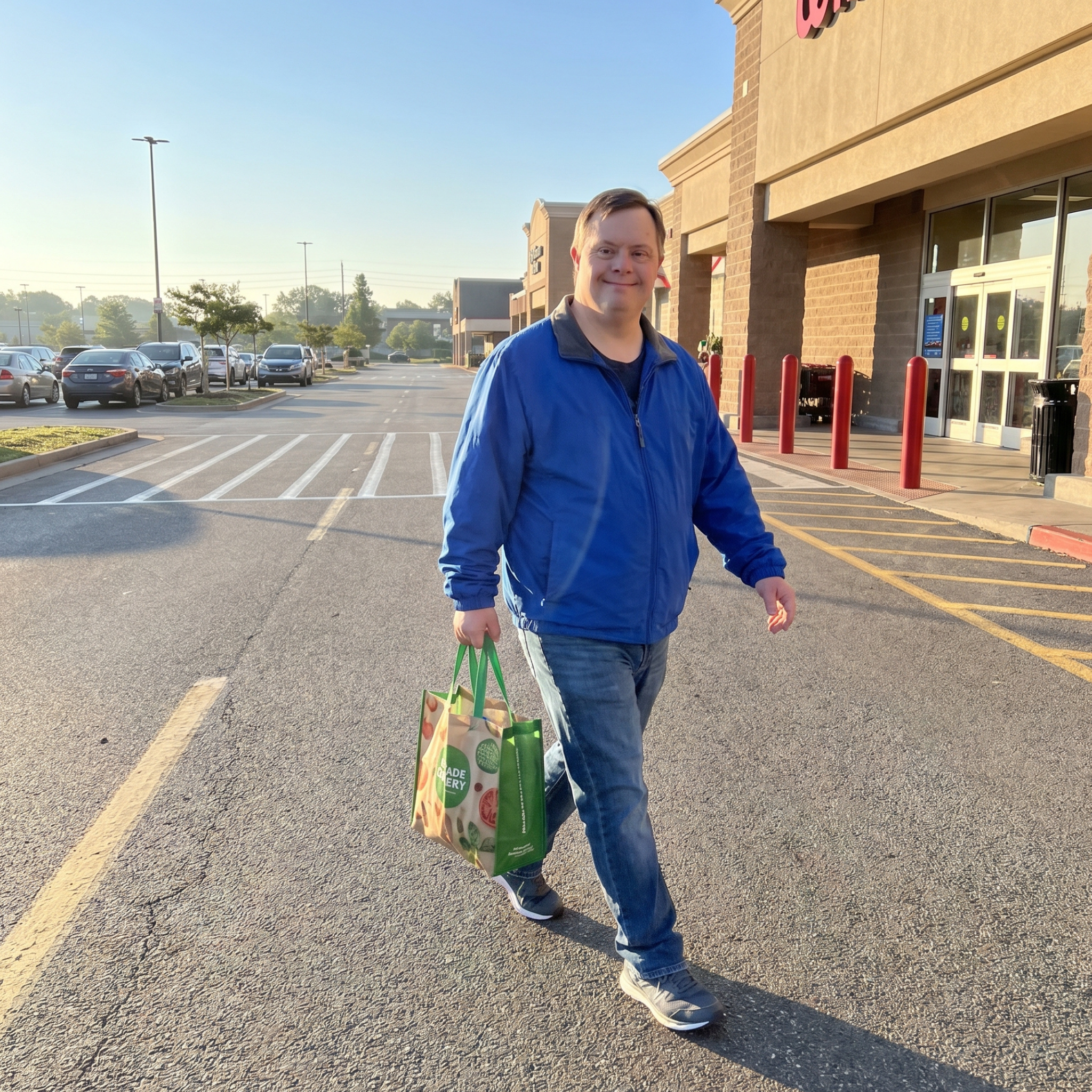
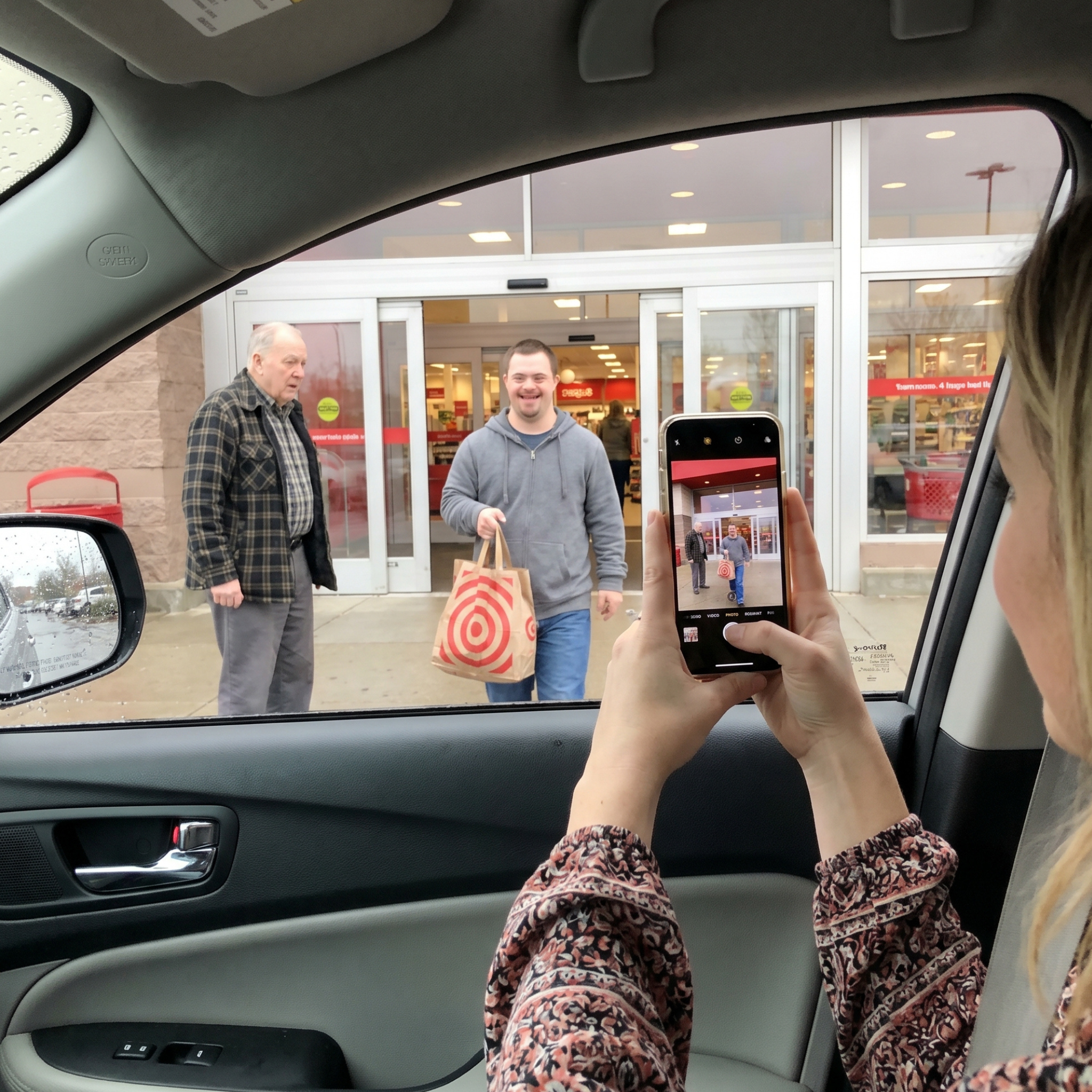
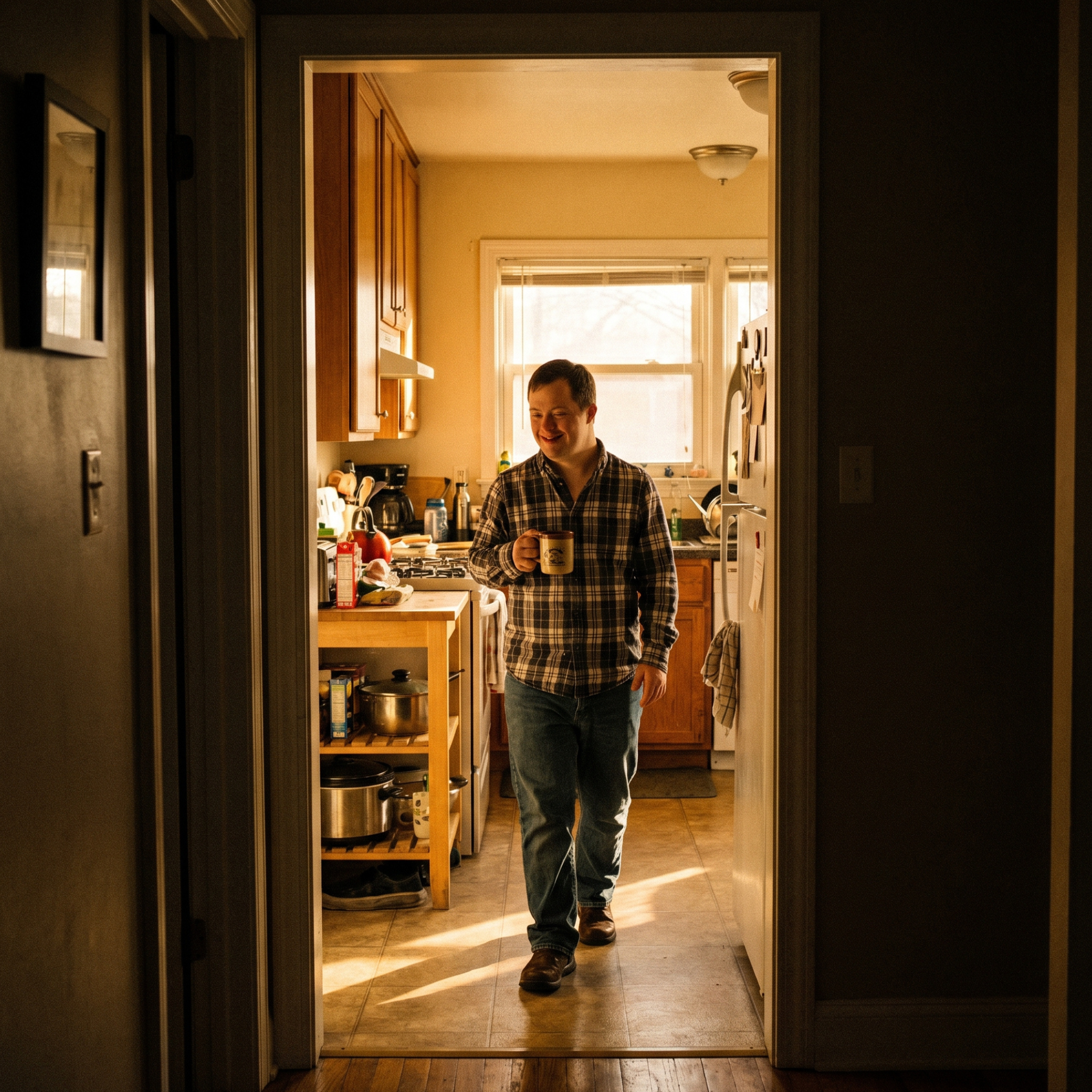
I have to be careful about how I write this because I still don't fully understand it myself. I arrange flowers for weddings and corporate events in Charlotte, North Carolina. I am not a scientist. I am not a doctor. I am a woman who has slept with one ear open for thirty-four years. Michael is my son. He's 34. He has Down syndrome. He has never — not once in his entire life — slept through the night without waking. Not as a baby. Not as a teenager. Not as an adult man who is six feet tall and makes his own breakfast and knows every word to every song from every Disney movie ever made. Thirty-four years. Every night. The doctors tried everything. Melatonin. Trazodone. Sleep restriction. Weighted blankets. White noise. By the time Michael was 25 they'd moved to a low-dose sedative that knocked him out but left him foggy for most of the next morning. Shuffling around the kitchen. Slow to speak. Not himself. His neurologist told me in 2019 what every specialist had been saying in different ways for twenty years. "Ashley, Michael's sleep architecture is different. We manage it as best we can. But this is his baseline. This is just how his brain works." I accepted that. You accept things when you've heard them enough times from enough people with enough degrees on their wall. Then fourteen weeks ago I bought something for myself. My back had been bad for six years. The kind of pain that doesn't put you in the hospital but quietly rearranges your life. A woman in my floral suppliers' group mentioned something called Frequency Drift — the idea that the body's cells, which run on electromagnetic frequency, gradually fall out of calibration. That a device could help recalibrate them. She'd used it for her knee. Swore by it. I ordered it. Not for Michael. For me. Three weeks later, I woke at 3am and looked at the monitor. Silence. I stared at it for a full minute. Michael was asleep. I checked again at 4. Still asleep. At 5. Asleep. At 6:47 I heard him moving. I hadn't given him the device. I hadn't changed his routine. His medication was the same. His diet was the same. The only thing different in that house was the device — running in my room at night, twenty feet from his door. I sat on the edge of my bed and I couldn't move. Thirty-four years of one ear open, every night, every sound, every wake-up. And it was just... quiet. I went to his door. Stood there. Just listened. Then I slid down the wall and sat on the hallway floor at 3am and just cried. Not sad crying. The other kind. The kind where your whole body lets go of something it's been holding since the night they put him in your arms. He did it again the next night. And the next. By the end of week four he'd slept through the night nine consecutive times. Nine. In thirty-four years it had happened twice. I called his neurologist. Dr. Patel has been Michael's doctor for twelve years. He's a careful man. He doesn't get excited easily. He went quiet on the phone. "You haven't changed anything else?" "Nothing." He ran a sleep assessment. Sat across the desk and looked at the readout for a long time. He had no explanation. I told Donna first. Her daughter Sophie is 28. Down syndrome. Same story — broken sleep her whole life, doctors managing symptoms, nothing touching the root cause. "Ashley. If you're wrong about this I'm going to be devastated." "I know." Sophie has been sleeping through the night for six weeks. Donna posted in our Down syndrome parents' Facebook group. That group has over 200 families. Within 48 hours, eleven families had messaged her. I am going to tell you what happened to six of them. Linda's son Aaron, 29. Three weeks. "He woke up at 7:30 and made his own coffee. He's never done that." Patricia's daughter Renee, 31. Two weeks. "I didn't set her monitor for the first time in her life. I didn't know what to do with myself." Gail's son Marcus, 26. Nineteen days. "His group home called me. They said 'Mrs. Gail, something is different with Marcus. He's calm in the mornings. What changed.'" Susan's son Derek, 33. Four weeks. "He asked me if we could go fishing this summer. He hasn't asked to do anything in two years." Carol's daughter Beth, 27. Three weeks. "She told me she had a dream. She's never told me she had a dream before." Diane's son Paul, 37. Six weeks. "He's just himself. I forgot what that looked like." Six families. Same experience. Different children. Different homes. Different cities. Now I want to say something directly. My son cannot drive a car. He cannot live alone. He cannot read the instructions on a device he has never touched. The medical system has been studying his brain for thirty-four years and never once found an answer for his sleep. He sleeps through the night now. Every night. For fourteen weeks. And somewhere tonight — as I write this — you are lying awake. Staring at a ceiling. Pain that won't leave. A mind that won't quiet. Waiting for morning the way you've been waiting for years. If they can do it, you can do it too. Just think about that. Now. I'm not going to tell you this device treats Down syndrome. I'm not making any medical claim. I'm a florist. I arrange flowers. What I can tell you is what the research says — that every cell in your body runs on electromagnetic frequency, that when those frequencies fall out of calibration the body struggles to regulate itself, and that a technology discovered in 1934 and buried for ninety years by an industry that profits from your symptoms may be giving your body back the signal it lost. That's all I know. I can't explain the rest. Last Saturday Michael and I went to Target. He wanted to pick something out himself. He does this sometimes — walks the aisles until something catches his eye, brings it to me, I tell him the price, he decides. He picked a 500-piece puzzle. National parks. He carried it to the checkout. He counted the bills himself. He carried the bag to the car. We drove home. He looked out the window the whole way. Quiet and happy. I didn't say anything because I was trying not to cry. The research — what Rife discovered, why it was buried, how Frequency Drift works, why your doctor has never mentioned any of this — is on the page below. Read it. Skeptically. With your own history in mind. Six families in a Down syndrome parents' Facebook group can't explain what happened. Eleven more are waiting to tell me the same thing. I'm a florist from Charlotte. I can't explain it either. But I know what I see every morning when Michael comes to breakfast clear-eyed, on his own schedule, carrying his own coffee. 👇 See the 5 hidden benefits they don't want you finding P.S. Dr. Patel has seen Michael twice since the first assessment. Each time the readout is different. Each time he goes quiet for a long time. He still hasn't said a word about the device. I haven't asked him to. P.P.S. The puzzle is half-finished on Michael's table. He works on it every afternoon. He says he's going to frame the finished one and hang it in his room. I believe him.
Where the ad sends people
https://tryamatro.com/hidden-benefits
If They Can Do It, You Can Do It Too
I Didn't Buy It For Him. I Bought It For My Back Pain.
Learn more: tryamatro.com(opens in a new tab)