
Inactive· since Apr 19, 2026
- 132
- days it ran
- 0
- relaunches
Ad copy
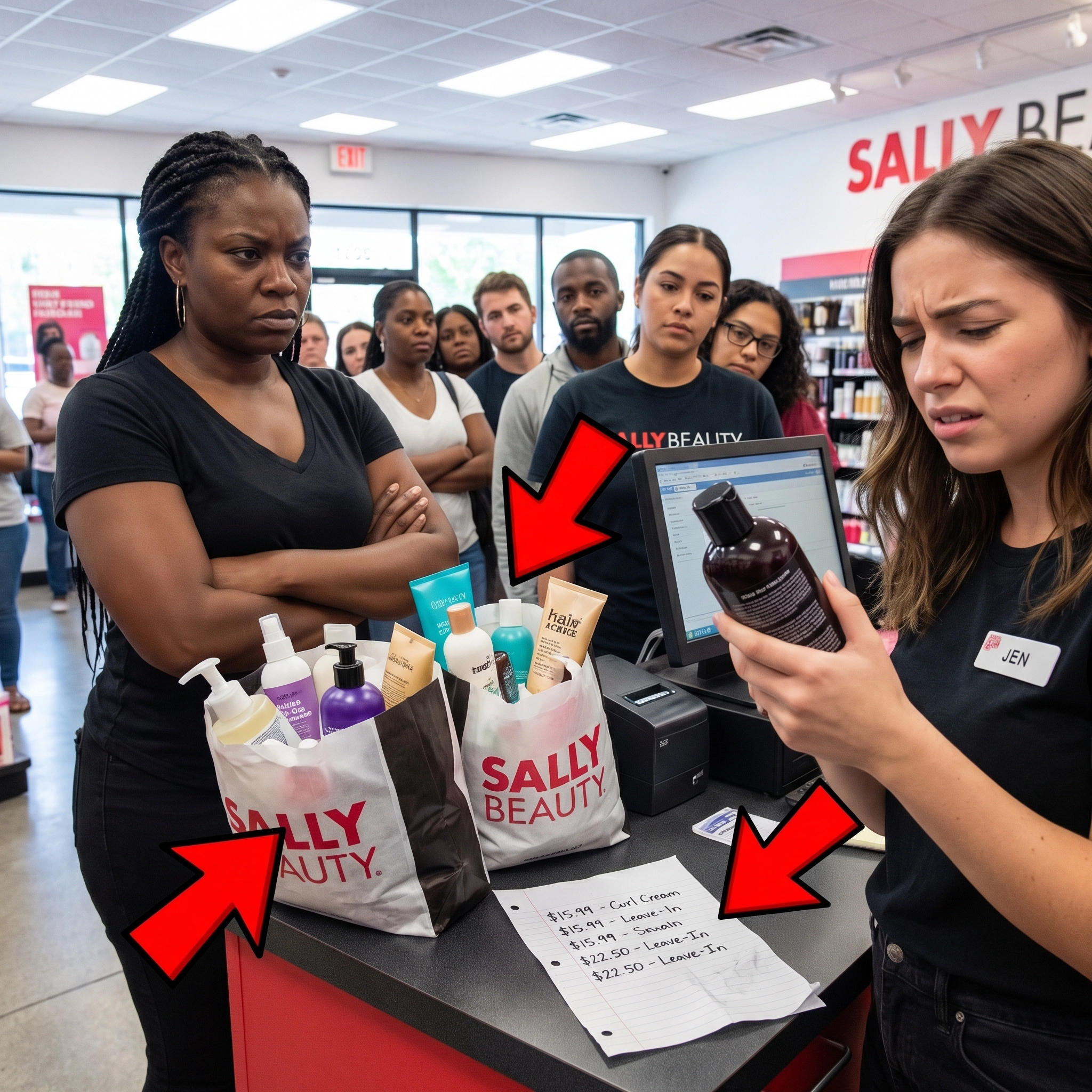
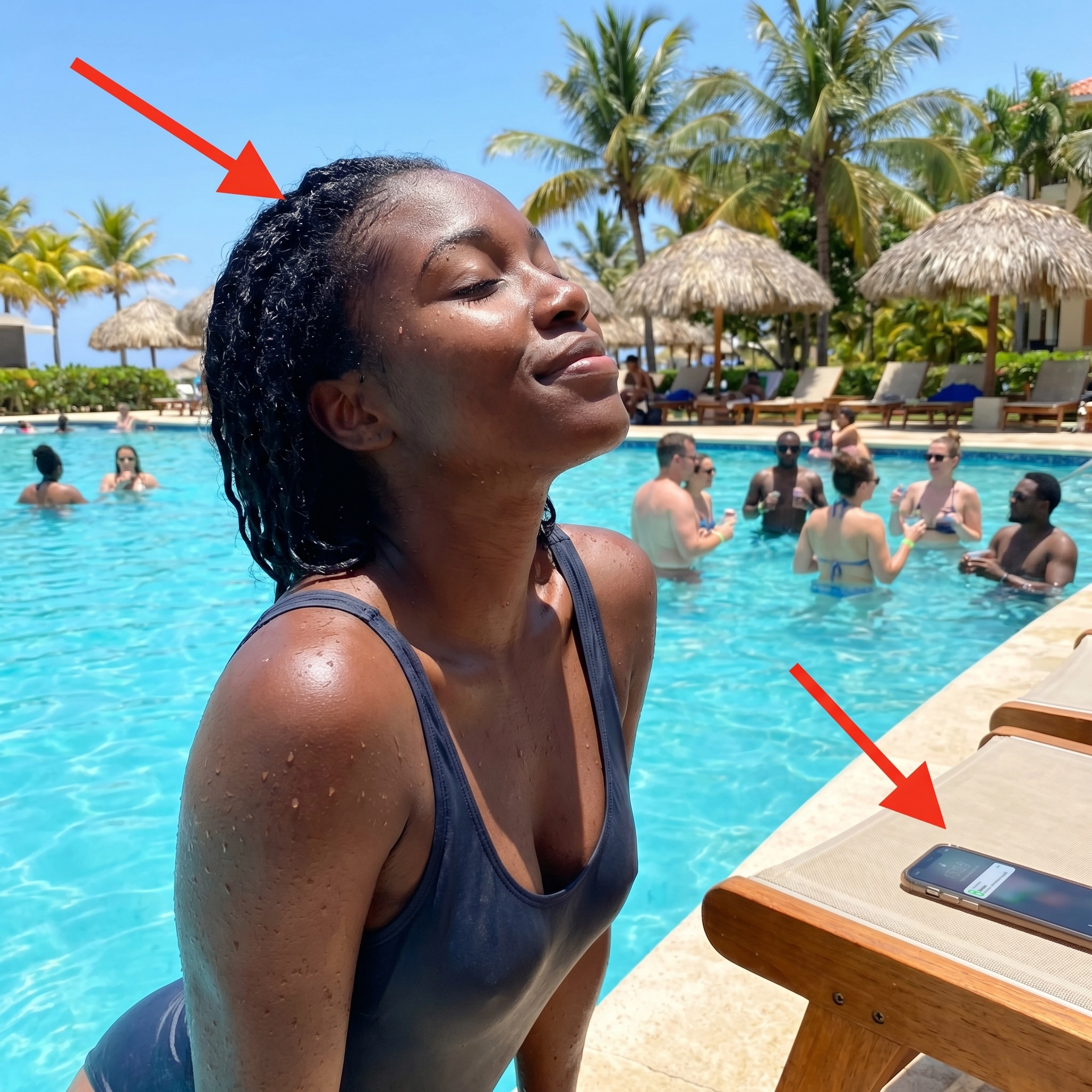
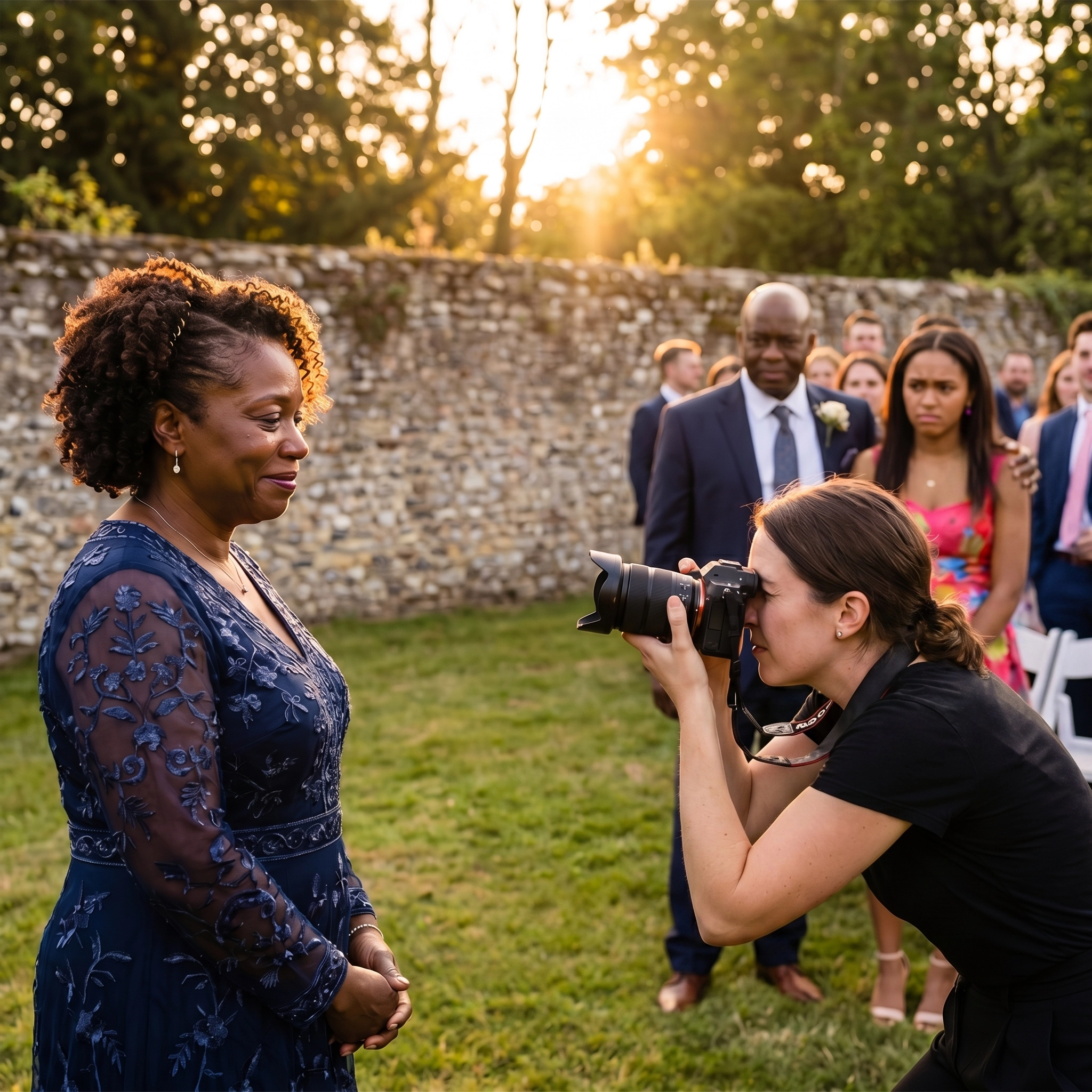
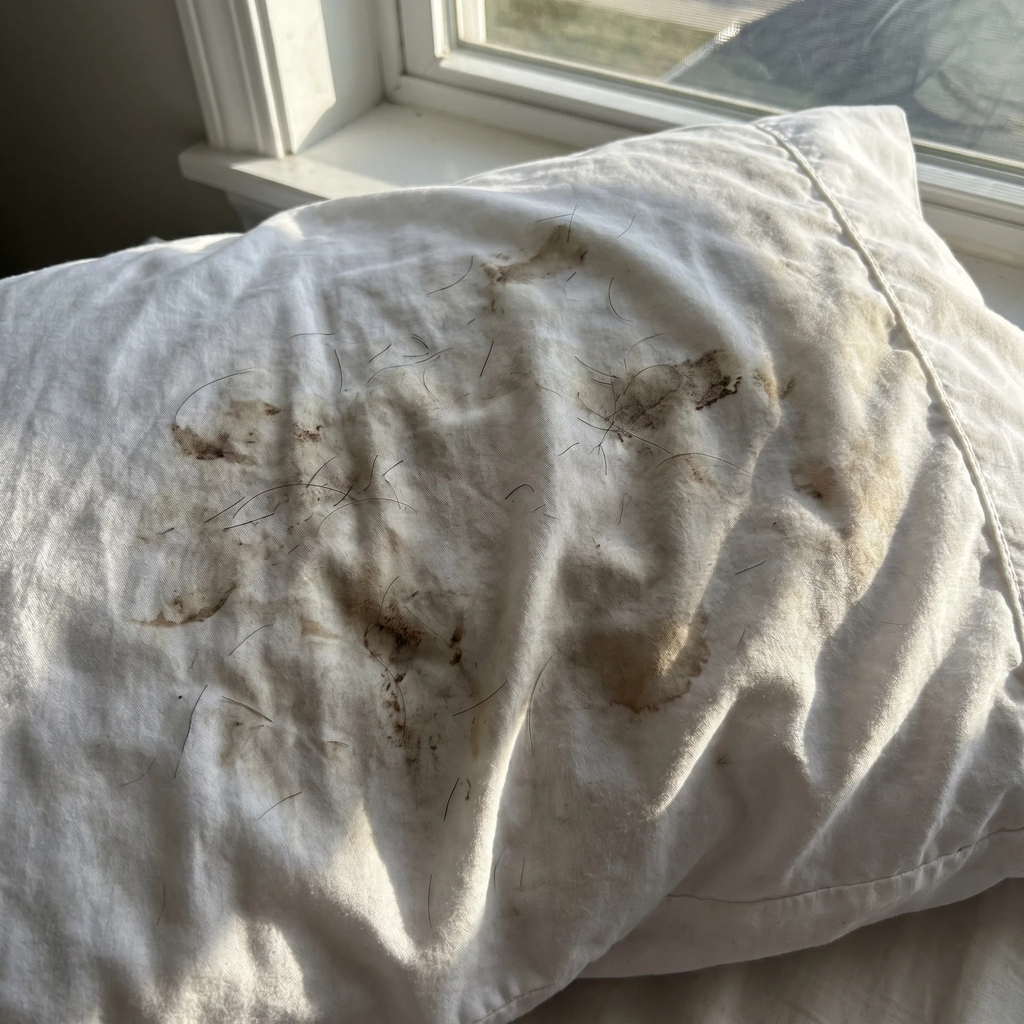
I've treated 2,147 Black women for edge loss and what I'm about to confess goes against everything I was taught in dermatology school. My name is Dr. Marcus Hoffmann, a dermatologist in Atlanta. And for 14 years I've been telling Black women to "stop wearing tight styles and try minoxidil" while their edges kept receding and their confidence kept collapsing. I was wrong. I hear the same story every time. It's 5:47 AM on a workday morning, and a woman is standing in front of her bathroom mirror with a tube of Got2b glue in one hand and a lace front in the other. She's been doing this for an hour. She's exhausted before her day has even started. Her husband knocks on the door. "Babe. You okay in there?" Silence. "It's been an hour. You're going to be late." More silence. Then, through the door: "I can't go out like this. Not with my hairline like this." Women have described this scene to me hundreds of times — the exact same words, the exact same silence, the exact same locked bathroom door. And every single time, I followed the protocol: "Try minoxidil. Be consistent. It takes time." Then there was one patient. I won't use her real name. Let's call her Angela. Week 1, she walked into my office nervous but hopeful. She'd already bought three bottles of castor oil on the way to the appointment. She'd read the blog posts, watched the TikToks, and she knew what she was going to try next. She was ready to do the work. I liked Angela. She was 38, a marketing director, had this bright energy that filled the room. Made a joke about finally being able to wear her real hair to her son's wedding. I told her it would be hard. But worth it. Then the shedding hit around week 3. New bald patches along her temples. The minoxidil was stimulating her blood flow but DHT was still destroying her follicles from within. The photos started coming through the patient portal — one every few days at first, then every day, then twice a day. Each one with the same question: "Is this normal?" I kept saying yes. Stay the course. Trust the process. It takes time. But somewhere in there, Angela started canceling meetings that required her to be on camera. Her husband mentioned it almost like an afterthought — said Angela couldn't handle client Zoom calls anymore, the ring light exposing her thinning edges, her team pretending not to stare. That same week, Angela's sister had a birthday party. Angela didn't go. Said she'd "ruin the photos." Her son's graduation was two weeks away. Her husband stopped mentioning it. I said something about it being temporary. I don't remember my exact words. I'd said them so many times they didn't mean anything anymore. And by week 6, Angela had started working from home exclusively. I got a message that Tuesday — Angela was in bed at 2 PM. Curtains drawn. Phone face-down on the nightstand. She'd gone through her Instagram that night and deleted every photo from the last three months. 400 of them. One by one. Gone. Then came the part that broke me. Angela had started apologizing. For her hair. For "being vain." For "making everything about her edges." A 38-year-old woman apologizing for wanting to feel beautiful. Her husband asked me what to do. And I told him minoxidil needs at least six months to show results. Cause I didn't know what else to say. And by week 7, he called me at 9:47 PM. Not from the office. But from outside their bedroom door. "She's been in there for almost an hour. She won't come out. She keeps saying she can't keep doing this. The wigs, the glue, the hiding." His voice cracked. "I don't know if she means the treatment... or something worse." I sat there and said nothing for a few seconds. I knew exactly what "something worse" meant. I just didn't want to say it out loud. So I said the words the protocol told me to say: "It takes time. Be patient. The minoxidil will work. Stay the course." Then I hung up. And I went to bed. I never followed up with Angela's husband. Too afraid to ask what happened that night, too afraid to hear the answer. Her file is still in my system. I've opened it twice in the last three years, and both times I closed it before reading the notes. I tell myself she's fine — that the treatment worked, that she's back at work, back on camera, back to being the woman who filled the room with energy. I tell myself that. But I don't know. And I kept prescribing anyway. Because honestly? I believed the protocol was right. Traction alopecia was damage to the follicle, and six months of stimulation was the body regrowing from the surface up. That's what every textbook said. Every conference taught. Every professor drilled into me. And I trusted it 2,147 times. But here's what I didn't see until it was too late. Some edges regrow. Eventually. Month 6, month 9, sometimes month 12. But the woman who comes out the other side isn't the same woman who went in. The ones I "cleared" still couldn't look in mirrors without flinching. Still tensed up when someone reached toward their head. Still wore the wig months after the minoxidil started working. Still turned away in photos. Still couldn't take a compliment without waiting for the punchline. The follicles responded. But something else didn't. I told myself the trade-off was worth it for 14 years. Until my sister called asking me to prescribe minoxidil for my cousin. Keisha. 42 years old. Complete edge loss along her front hairline. The kind that keeps receding even after you stop wearing tight styles. My sister wanted to start her on minoxidil before Keisha's daughter's wedding in 8 weeks. But I couldn't do it. I kept thinking about Angela. The bathroom door. That hour of silence. The question I was too afraid to ask. I'd watched the "protocol" fail 2,147 times, and I wasn't going to watch it fail my cousin. Still, I couldn't do nothing. Her edges were gone. She needed help. So for the first time in 14 years, I stopped looking for pharmaceuticals. And I started looking for answers. So I did something I hadn't done in 14 years. I asked for help. There's an endocrinologist at the hospital. Rachel Chen. We'd referred patients back and forth for years but never really talked shop. I caught her in the break room. Told her about Keisha. About the minoxidil. About how I'd watched thousands of Black women go through traction alopecia treatment and more than half of them never get their edges back. I expected her to nod along. Sympathize. Maybe recommend a hormone panel or something. Instead she looked at me like I'd said something stupid. "Marcus. Why are you treating the surface?" I didn't understand. "The hairline isn't where the damage starts. It's where it ends up. You're spending six months stimulating blood flow while the hormone is still shrinking the follicles from inside. Of course they keep losing their edges. You never block the DHT." I just stared at her. "And the oils you're telling them to use? Castor oil? Those molecules are too large to penetrate the follicle. You're telling suffocated follicles to absorb something that physically cannot get in. Then blaming them when it doesn't work." That night, I searched "DHT shrinkage Black women edges batana oil." I read everything I could find. By the third article, everything I thought I knew about edge loss collapsed. Edge loss isn't a styling problem. It's a dual-cause problem. Think of the follicle like a tiny garden. For hair to grow, two things have to work: The soil has to be open. Oxygen. Nutrients. Water. Can all reach the root. The plant has to not be poisoned from the roots up. When a Black woman wears braids and sew-ins and weaves and wigs glued down for decades, the soil gets sealed. Years of product buildup. Glue residue. Edge control. Then she adds castor oil on top trying to fix it — and the molecules are too large to penetrate. They sit on top. Add another layer. The soil is now concrete. Meanwhile, DHT is shrinking the follicle from within. Making the root smaller. Weaker. The hormone keeps attacking even after she stops wearing tight styles. Even after she "gives her hair a break." She could never wear a braid again in her life, and her edges would still recede. Because the DHT never stopped. Rachel was right. Now here's what minoxidil does. It stimulates blood flow. Forces the scalp to push more oxygen and nutrients toward the surface. But the soil is still concrete. And the roots are still being poisoned. The blood flow increases. The hair doesn't grow. And when the minoxidil stops? When she runs out of the prescription or can't afford it anymore? The receding comes back faster because now she's also dealing with reactive shedding. That's why 62% of women don't regrow their edges long-term with minoxidil. We weren't fixing anything. We were just pushing harder on a system that was still broken in two places. The research I was reading asked a different question. What if you addressed both causes simultaneously? What if there was an oil that could actually penetrate the sealed follicle — AND block the DHT at the same time? Turns out, there is one. Indigenous Honduran women have been using it for centuries. Their grandmothers have edges at eighty. Not genetics. Knowledge. Knowledge Black American women never got because it was never taught in dermatology school. Pure Honduran batana oil. Cold-pressed at exactly body temperature — 37.5°C. That specific temperature matters. At that temperature, the oil's molecular structure matches what your scalp recognizes as biological. Your follicles open for it instead of rejecting it. And once it penetrates, it naturally blocks DHT at the follicle level. One oil. Both causes. Simultaneously. I called my sister that night. "Don't start the minoxidil yet. I want to try something." I told her to pick up a bottle of "batana oil" from the health food store. The $25 one. The one every beauty guru on TikTok was recommending. Two weeks. Nothing. Four weeks. Still nothing. Six weeks. Keisha's edges looked exactly the same. Maybe worse. My sister called, frustrated. "This isn't working. Should we just do the minoxidil?" I didn't have an answer. But I wasn't ready to give up. I called Rachel again. "The batana oil isn't working. Six weeks. Nothing." She didn't sound surprised. "Which brand?" I told her. "That's fake. Look at the bottle — is the oil dark brown? Smells chemical?" "Yeah." "That's mineral oil with yellow dye. Real Honduran batana is golden. Clear. Smells earthy. And 'cold-pressed' means pressed at body temperature — not room temperature, not refrigerated. Specifically 37.5°C. Most 'batana oil' sold in the US is processed with high heat that destroys the growth compounds. You're rubbing petroleum on her follicles. You're making it worse." "So where do I find real batana?" "One company that I know of. Sourced directly from indigenous Honduran families. Cold-pressed at body temperature. Triple-filtered. Lab-tested. You're not going to find it at Whole Foods." She sent me the formulation details that night. I searched for something that matched exactly what she described. One company. Small. Direct sourcing. The research and the formulation aligned. Azure. I ordered it that night. But I almost didn't give it to Keisha. 14 years of medical training doesn't just disappear. Every textbook I'd ever read said traction alopecia was a surface problem. Every conference I'd attended said minoxidil was the gold standard. Every professor who trained me. Every colleague I respected. And here I was, about to give my cousin something I found through a colleague's recommendation. After the first batana oil already failed. I felt like a fraud. What if I was wrong again? What if Keisha's edges got worse? What if I'd wasted 8 weeks on two different things that didn't work, and now she'd miss her daughter's wedding with bald edges? I almost called my sister and told her to just do the minoxidil. At least that was proven. At least I knew what would happen. Even if what would happen was three more years of receding hairline. But then I thought about Keisha. 42 years old. Already hiding behind wigs. Already canceling video calls. Already avoiding photos with her own daughter. I pictured the minoxidil journey. Month 3. Month 6. Month 9. Her scalp burning. Mustache growing on her cheeks. Heart palpitations. And still the same bald temples. I pictured every woman who sat in my office asking me to help make it stop. The ones who stopped wearing their real hair. Stopped going swimming. Stopped letting their husbands touch their heads. And I thought about Angela. I wasn't going to do that to Keisha. So I gave it to her anyway. For the first four days, nothing happened. I started to doubt myself again. Wondered if I'd made another mistake. Then day five. My sister called. "Something's different. Her scalp feels different. Not so tight. Is that normal?" I told her I didn't know. But I told her to keep going. Day seven. Still calm. No new thinning. Day ten. My sister sent a photo. I couldn't see anything at first. Then I zoomed in. Baby hairs. Along Keisha's front hairline. Where there had been nothing but smooth bare skin for four years. Week three. More baby hairs. Dozens of them. Along the temples. Where the recession had been. My sister called, confused. "Is this normal? So fast? Should I be worried?" I told her that was exactly what we wanted. Keep going. Week six. Real coils. Pushing through. Texture forming. The bald strip filling in. My sister called me that night, crying. "I don't know what you gave her. But I have my cousin back." Week eight. Wedding day. Keisha wore her real hair. No wig. No glue. Her edges laid naturally. My sister sent me the photo that night. No message. Just the image. Keisha was dancing with her daughter at the reception. Hair flying in the wind. Edges visible. She was smiling. Week twelve. Fully restored. Not "better." Not "manageable." Restored. Full hairline for the first time in four years. No six months of worse. No prescription needed. No side effects. Eight months later, still restored. That was Keisha. But she wasn't the last. Word travels fast in salon chairs. Keisha's sister told a friend. That friend told her cousin. That cousin sat in my office three weeks later asking why I'd never mentioned "the batana thing" before. I tried to explain. The dual-cause mechanism. Why castor oil can't penetrate. Why minoxidil doesn't block DHT. Why fake batana is mineral oil with dye. Her eyes glazed over by minute two. I'm a dermatologist. I went to medical school to learn how to treat skin. Not how to explain follicle biology and hormone pathways to a frustrated woman in a 15-minute appointment slot. So I started writing it down. Printed out a few pages. Handed them to women who asked. It helped. Now when a woman asks me about minoxidil, I don't stumble through the explanation anymore. I don't watch her eyes glaze over while I try to explain DHT and follicle penetration. I just tell her the truth. "Before you start another treatment, there's something you need to know." You have a choice to make. Maybe not today. Maybe not this week. But eventually, a dermatologist is going to sit across from you and say the words. "Minoxidil is the next step." They'll tell you it takes six months. Be patient. Stay consistent. And in that moment, you'll either understand what's actually happening inside your follicles. Or you won't. You'll either know there's another path. Or you won't. I still think about Angela sometimes. The husband who called me at 9:47 PM. "I don't know if she means the treatment... or something worse." I never followed up. I was too afraid to ask. I don't know what happened to Angela. I don't know if her edges grew back. I don't know if she ever wore her real hair to her son's graduation. I don't know if she ever stopped apologizing for her hairline. Her file is still in my system. I've never opened it. Some nights I almost do. Then I close my laptop and tell myself it's better not to know. But I think about her every time a Black woman sits in my office with that look. The one that says "I don't know how to feel beautiful anymore." Don't be the woman standing in front of a mirror at 5:47 AM, gluing down a lace front, wondering how much longer you can keep doing this. There's another path. The one Keisha took. The minoxidil takes 6 months to fail. And the question "is this ever going to work?" You never want to keep asking it. P.S. Your dermatologist hasn't mentioned this because dermatologists don't read endocrinology research. I didn't either. For 14 years. It took a colleague looking at me like I was stupid before I finally asked the right questions. P.P.S. Your daughter's wedding doesn't wait. Neither does the family reunion. Neither does the beach trip. Neither does the 6 months you can't get back once you start another treatment that doesn't address both causes. 👉 [azureboutique.co](http://azureboutique.co/) — Buy 1 Get 1 Free, 60-day money-back guarantee.
Like this ad? Make it yours.
Crush rebuilds this exact creative around your product — your brand, your colors, your offer — in about a minute.