
Active· since Jul 12, 2026
- 64
- days running
- 0
- relaunches
Ad copy
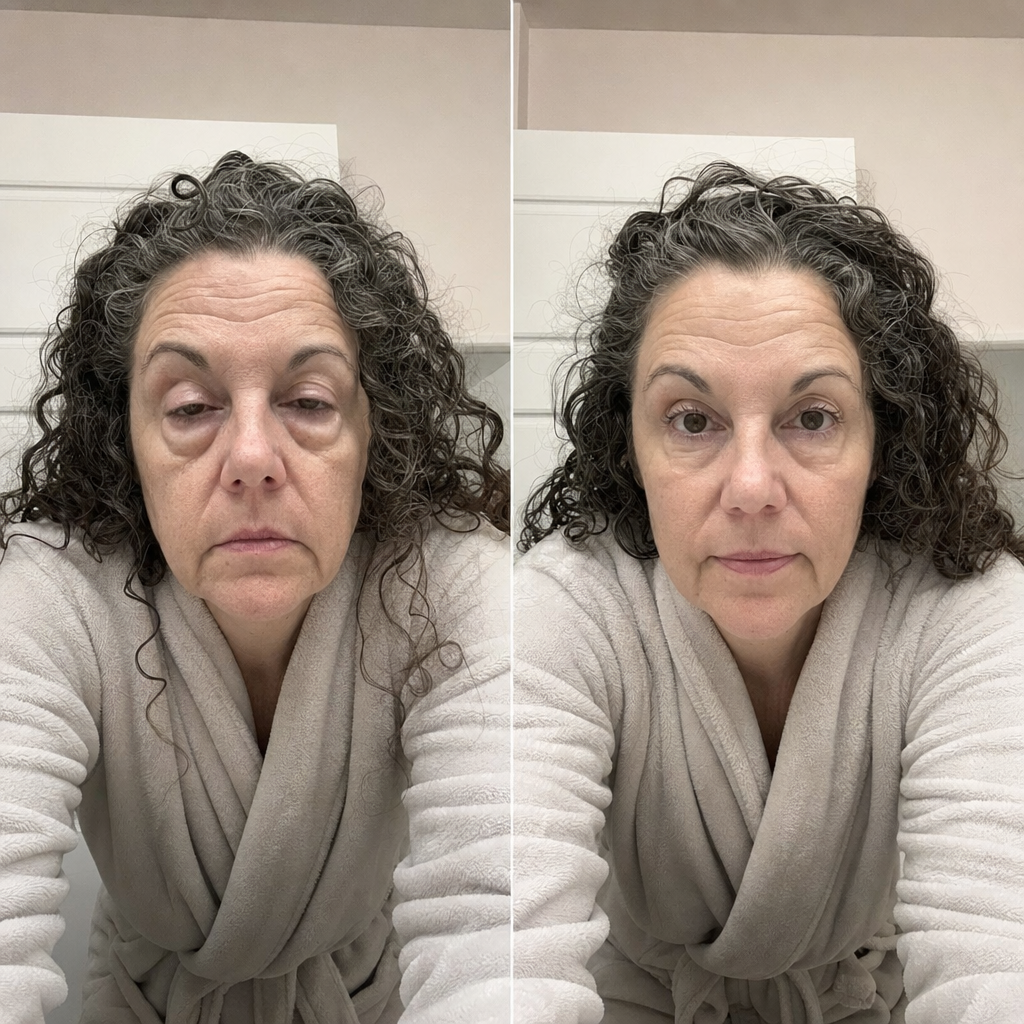
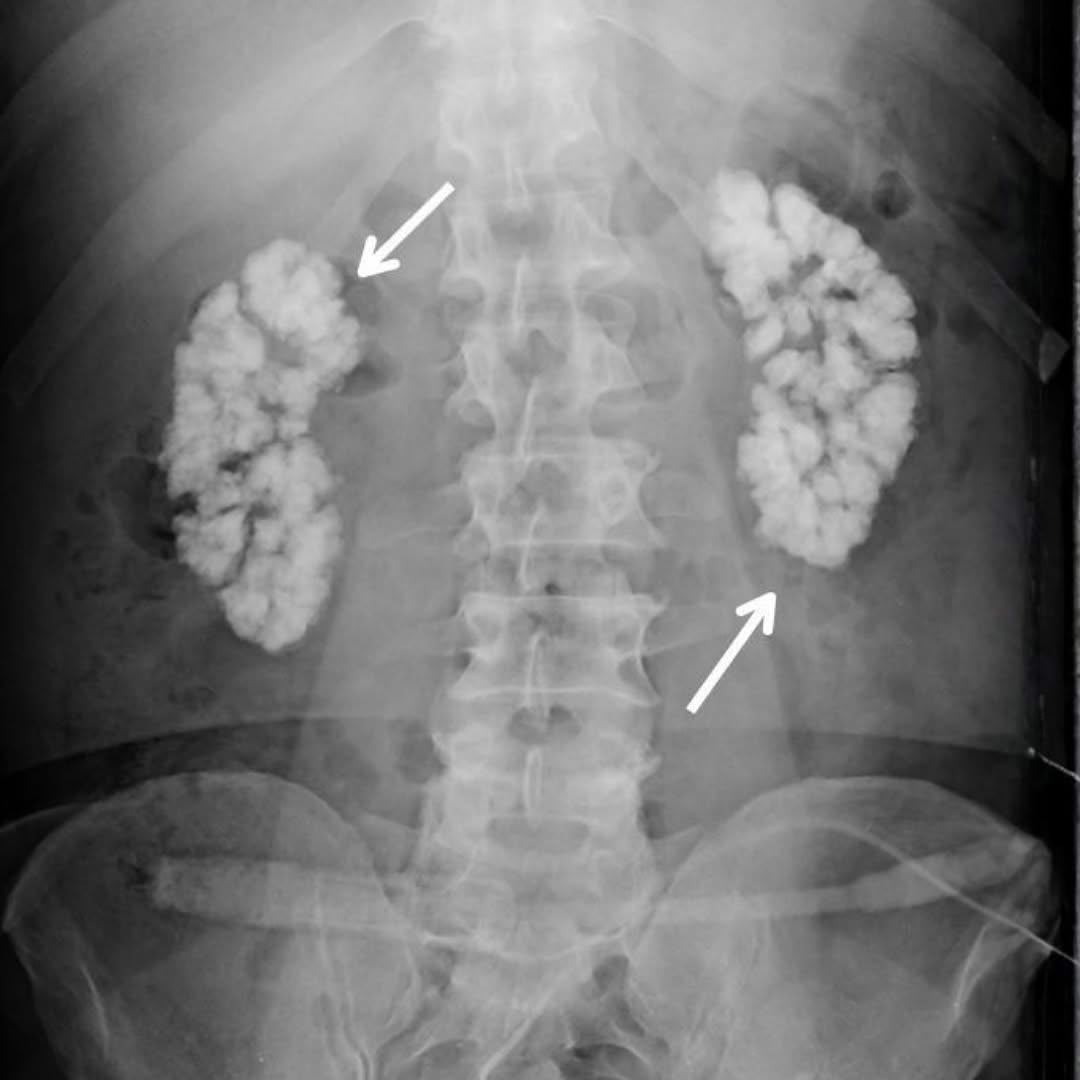
My older sister couldn't sleep. She died of a heart attack eight months ago. She was 57. I can't sleep either. Same pills. Same sleep studies that always "looked fine." Same blood pressure her doctor was "watching." After the funeral... I went looking for what killed her. What I found is the reason I'm still here. And the reason I'm writing this. ======== Her name was Ruth. She ran the front office at the elementary school for twenty-six years. Two grown daughters. A husband she'd been married to since she was twenty. Salted her food like it owed her money. Did the crossword in pen. Walked her dog every morning before the sun came up. She was the steady one. The one everyone called when something fell apart. She was 57 years old. She should still be here. ======== Ruth stopped sleeping in her early forties. Right when everything else was changing. The doctor put her on a sleeping pill. Said it was standard. Said she'd feel like herself again. Said the sleep study would tell them if anything was wrong. She didn't feel like herself. The exhaustion she blamed on the job. The words she kept losing she blamed on getting older. The 3 AM waking she blamed on stress. The racing heart at night she blamed on the coffee she'd already given up. Her blood pressure started creeping up at her checkups. Her doctor called it borderline. Said they'd watch it. Watched it for years. Ruth used to call me on her way home from those appointments. Frustrated. Saying her sleep study was "in range" but she felt like she was losing her mind. I told her the same thing every time. "If your doctor says it's fine, it's fine." I wish I could take those words back. The last symptom she mentioned to me was the stairs. She said her heart would pound walking up to her bedroom at night. She thought she was just out of shape. She was going to start walking more. Four weeks later she was gone. ======== It was a Tuesday morning. Her husband called me from the hospital. He couldn't get the words out. Just kept saying her name. I drove seventy miles in a blur. Got there too late. Massive heart attack. They worked on her for thirty-five minutes. Couldn't get her back. The cardiologist met us in the family room afterward. Tired eyes. Soft voice. Said something I'll never forget. "Blood pressure creeping up. Tired all the time. Trouble sleeping. We see this all the time in women her age. There's not much that could have been done." He said it the way you'd talk about the weather. Like my sister dying at 57 was just... what happens. There was a grocery list on her kitchen counter. She'd written "coffee filters" and "birdseed" the night before. Her dog was sitting at the front door waiting for her. She'd texted me two days earlier asking if I wanted her extra tomato seedlings in the spring. Her youngest daughter is getting married in June. Ruth had been looking at dresses. None of those things are happening now. ======== Two weeks after Ruth's funeral, I went to my own annual physical. The nurse wrapped the cuff around my arm. Frowned. Took it again. 146 over 94. Up from 132 the year before. My doctor sat down across from me. Same tone. Same words I'd been hearing for years. "Your blood pressure's borderline. We should talk about medication. And I'd like to bump up your sleeping pill and add trazodone at night. This happens to a lot of women your age." A lot of women my age. Like my sister. I sat in the parking lot afterward and couldn't turn the key. I'm 54. Same insomnia as Ruth. Same sleeping pills. Same sleep studies that "look fine." Same blood pressure creeping up. Same heart pounding when I walk up the stairs at night... a symptom I'd been blaming on being out of shape. Just like she did. I knew, sitting in that car, that I was looking at the same road. That if I did nothing, I was going to leave my husband and my kids the exact same way Ruth left hers. I drove home. Didn't fill the prescription. I was going to find out what actually killed my sister. ======== That night I couldn't sleep. Of course I couldn't. I went downstairs at 2 AM and opened my laptop. I wasn't searching for a better pill. I wasn't searching for a sleep trick. I was searching for what kills women who can't sleep. What I found stopped me cold. A study. Thousands of women, followed for years. Women with chronic insomnia have a 69% higher risk of a heart attack than women the same age who sleep. 69%. Not a few points. Not a rounding error. Almost seventy percent higher. Just from not sleeping. And the pills we're handed for it. The ZzzQuil. The Tylenol PM. The Ambien my doctor wanted to raise. None of them touch that number. Nobody had ever told Ruth. Nobody had ever told me. I kept digging. Found a Reddit thread with over 3,600 comments. The title... "Why do Amish women in their 70s sleep like the dead?" I almost scrolled past. Something made me click. Lancaster County, Pennsylvania. Sleep-disorder rates 64% lower than the rest of the state. Heart-attack death among women over 60... 66% lower. Person after person in the comments. Stories. Studies. Pictures of Amish women in their 70s. Thin. Rested. Working sunup to sundown. Someone posted a Google Maps link. An Amish farm. I looked at the clock. 3:11 AM. By 6 AM I was in my car. By noon I was in Pennsylvania. ======== I didn't have an address. Just drove until I saw farmland. Turned down a dirt road when I spotted a hand-painted sign. "Vegetables and Herbs." First farm I came to, there was an old woman on the porch. Had to be pushing eighty. Small. Thin. Gray hair pulled back under a white cap. She was shelling peas into a bowl so fast her fingers blurred. No reading glasses. No hunched back. Just easy, steady work. I parked and walked up to the porch. By the time I reached the steps I was out of breath. "Excuse me," I said. "I don't want to bother you. But how old are you?" She looked up with sharp, clear eyes. "Seventy-nine." I stood there. 54 years old. Winded from walking across a yard. And this woman 25 years older was shelling peas like she was 40. "I'm 54," I said. "I can't sleep. My older sister couldn't either. She died of a heart attack eight months ago. She was 57. Same pills I'm on. Her sleep studies always looked fine. My doctor wants to raise my dose and add another one. I'm scared I'm next." She set down the bowl. Looked at me for a long moment. "You came here for a reason," she said. "Come inside. I'll show you something." Her kitchen smelled like coffee and rising bread. She poured me a cup without asking. Pulled out a chair. "Your pills," she said. "They're fighting the wrong battle." I didn't understand. "The sleeping pill sedates your nervous system enough to call it sleep. That's all it does. But the reason you're lying awake at 3 AM. The reason you can't fall back once you're up. That part nobody's touching." She folded her hands on the table. "Your body used to make melatonin. Enough to put you to sleep before eleven and keep you there until morning. But somewhere in your forties, that starts to change. The part of your brain that makes melatonin makes less of it every year. By the time most women are in their fifties, they're running on a fraction of what they had at thirty. That's not a lifestyle problem. That's just biology." She tapped the table once. "And here's what your doctor isn't telling you. The pill doesn't restore that. It doesn't give your body melatonin. It forces your nervous system to shut down so you stop noticing how depleted you are. The deficit keeps running underneath. Every year you're on the medication, your body falls a little further behind. The pill hides the gap. But the gap keeps widening." I stared at her. "I know melatonin drops with age," I said. "I've read that. I've even tried it." She smiled. "Then you know more than most. But you don't know the last part. Because nobody teaches it. And without the last part, none of the rest matters." She looked at me. "So the reason you keep waking at 2 AM on the medication is that the pill never touched what changed. Your sleep study looks managed. But your body has been making less and less of what it actually needs to sleep. And it stays that way until something gives your body back the ability to make it again." She shook her head slowly. "And here's the part that will make you angry. The melatonin from the drugstore isn't the answer either. Synthetic melatonin just delivers it from outside. Your body doesn't restart making its own. It makes even less. Meanwhile, every night your body doesn't truly rest, it creates inflammation. That inflammation strains your blood vessels. Raises your blood pressure. Puts constant stress on your heart." She looked me straight in the eye. "That's why women who can't sleep end up with heart attacks. It's not a coincidence. It's the same deficit. Shows up in your sleep. Shows up in your heart. Same fire. Different room." My eyes started to burn. "That's why you still wake at 2 AM when your sleep hours look right. That's why your blood pressure keeps creeping up. And no sleeping pill fixes it. No drugstore melatonin fixes it. Because none of those things give your body back the ability to make its own." She reached across the table and tapped once. "That is what killed your sister. Her sleep hours were 'in range.' But her body had stopped producing what it needed to actually sleep. The inflammation kept running. And her heart paid for it every day while her doctor told her she was fine." I couldn't speak. "But I want to be clear," she said. "Your medication isn't the enemy. Don't stop it on your own. The problem is that it was never the whole answer. Give your body back its own melatonin, the way it used to make it, and the rest starts to let go." I asked her how. She smiled. A small smile. "My grandmother preserved tart cherries on this land. Her grandmother before her. Three generations of women in this family who slept through the night. We didn't need a study to tell us what we could see." Tart cherry. I'd tried the juice from the grocery store for six weeks. Did nothing. She must have read my face. "That's not what you think it is," she said. "What's in your grocery store is dust." She stood. Walked to a shelf along the wall. Pulled down a dark glass jar. Inside was a deep red concentrate. Almost burgundy. "The grocery store juice is pasteurized at high heat because it has to survive shipping and a six-month shelf life. Heat destroys the anthocyanins. Those are the compounds that give your body what it needs to start making melatonin again. The same thing that's been slowing down since your forties. By the time that bottle reaches the shelf, most of what mattered is gone." She held up the jar. "Real tart cherry has to be pressed cold. And you need a therapeutic dose. Not a splash of juice. The studies that showed results used 3,600 milligrams of anthocyanin-standardized extract. Not juice. Not a light capsule. Concentrated. Standardized. Cold-extracted." She set the jar down. "Most supplements don't list the anthocyanin content at all. Because if they did, you'd see how little is actually in there. They use heat-dried powder to keep costs down. Grind it with filler. The women who buy it get nothing. Their body never restarts. Their sleep stays broken. Their doctors keep raising the dose." She looked at me. "But get enough anthocyanins. Real ones, at the right dose. And that's where everything changes. Instead of just sedating you, they give your body what it needs to restart its own melatonin. Not from a pill. Your own. The way your body used to make it. And with real melatonin running again, the inflammation that's been stressing your heart finally starts to let up." I asked if anyone sold it the way she was describing. She nodded. "My grandson works with one company. Only one. Took them years to get it right. Wild-harvested tart cherries. Cold extraction. Clinical strength. Standardized, so you know exactly what you're getting. One dose a day." She wrote the name on a piece of paper and handed it to me. Goodgrove. ======== I ordered it from her kitchen table. Bottle arrived four days later. I took the first dose that evening. Kept taking my sleeping pill at night, the same as always. I wasn't going to stop anything on my own. Sat on my back porch after dinner. Waited. ======== Week one. The first thing I noticed was the quiet. I woke at 3 AM, the way I had for fifteen years. And then... I fell back asleep. I hadn't done that since my forties. Then one night I went up to my bedroom and realized halfway up that my heart wasn't pounding. The same stairs that had been making me stop at the landing for months. I went up. Then back down. Then up again. Just to be sure. That's when I started crying. Because that was the symptom Ruth mentioned to me four weeks before she died. And it was already gone. Week two. The afternoon fog lifted. I made it to four o'clock without losing my words. First time in over a year. Week three. I slept until six. Woke up on my own, before the alarm, rested. I sat on the edge of the bed and cried again. Week five. Walked the dog up the hill behind my house. Ruth's dog, actually. Her husband couldn't bear to keep him after, so he came to live with us. I made it to the top without stopping. I stood up there thinking about Ruth. About every night she didn't sleep. Every hill she didn't make it up. Month two. Blood pressure recheck. 128 over 82. Down from 146 over 94. My doctor looked at the cuff. Then at me. "What did you do?" I told her. Goodgrove. The tart cherry. The real kind. She wrote it down. Said keep doing whatever I was doing. Month four. Sleeping through the night, most nights. My sister-in-law pulled me aside at Thanksgiving and asked if I was okay. Said I looked like myself again for the first time in years. I cried in her bathroom for ten minutes. Somewhere in there I realized I'd stopped charging the wearable. The sleep diary I'd carried to every appointment for years. I hadn't opened it since spring. I just... slept. Month seven. Full bloodwork. Blood pressure 118 over 76. My wearable showing deep sleep I hadn't seen in a decade. My doctor cancelled the cardiac monitoring she'd scheduled. No trazodone. No dose increase. No medication changes. Just my sleeping pill at night, the same as always. And one dose of Goodgrove with it. ======== I'm alive. My blood pressure is down. My heart is safe. I sleep. My doctor told me last month that my numbers look better than they have in fifteen years. I should be celebrating. But Ruth is still gone. Thanksgiving this year had an empty chair. Her youngest is getting married in June and her mother won't be there to button up her dress. My niece called me last week and cried because she dialed Ruth's old number out of habit before she remembered. I get my life back. Ruth doesn't get hers. There is no version of this story where I get to fully celebrate. Every good night's sleep I've had is one Ruth didn't get. And the worst part... the part that keeps me up at 3 AM... she could have had this. If anyone had told her about the melatonin. If anyone had told her that her sleep study was lying. If anyone had told her that her heart was running on empty for years while her doctor said she was fine. She would still be here. ======== So I'm writing this. Not because I want to sell you anything. Because if you're reading this... you're sitting where Ruth sat. Insomnia. A sleeping pill. Sleep studies that "look fine." Blood pressure your doctor said to "watch." Heart pounding on the stairs that you've been blaming on getting older. You have every single one of her qualifiers. And nobody is checking the one thing that actually matters. Your body has stopped making the melatonin it needs. The pill only sedates you. The deficit keeps running. Your heart keeps straining. And every year that goes by it gets worse. Please. Don't be my sister. Your husband doesn't want to plan your funeral. Your kids don't want to plan your funeral. Your grandkids deserve to meet you. ======== This is what I found. 👉 GoodGrove: https://trygoodgrove.com/cherry-sleep Wild-harvested tart cherries. Cold-extracted. Clinical strength. 3,600 milligrams of standardized anthocyanins in every dose. The only formula I've found that restarts your body's own melatonin instead of just sedating you. 90-day money-back guarantee. Keep the bottle even if you return it. Over 12,400 verified reviews from women who've taken it. ======== Real reviews from women like me: "My blood pressure went from 150/96 to 122/78 in four months. My cardiologist tore up the prescription he wanted to start." "First full night of sleep in twenty years. I wake up and I don't even reach for the clock anymore." "I started this for my sleep. My blood pressure dropped almost twenty points as a bonus. My doctor couldn't explain it." "My doctor read the ingredient list and said this is exactly the kind of thing she wishes more of her patients would try." "My mother died of a heart attack at 61 after years on sleeping pills. I couldn't sleep either. I refused to go her way. Six months in. Sleeping through the night. Blood pressure normal. I'm going to be there for my kids." ======== I tried ordering another bottle last month. Backordered for two weeks. Over 31,000 bottles sold in the last 90 days. If it's in stock when you click, don't wait. ======== P.S. Last week I was at Ruth's house helping my brother-in-law clean out a closet. On her bedside table, behind a stack of books, I found an unopened bottle of a sleep supplement. She'd been trying. Looking for something. Same as the rest of us. She just never made it to the right one in time. I sat on the edge of her bed and held that bottle for a long time. If she'd known about the melatonin. If anyone had told her her sleep study was lying. If she'd had this. She'd be at Thanksgiving this year. Your family wants you at Thanksgiving.
Everyone with sleep issues needs to see this ☝️
Clean, science-backed supplements crafted without anything artificial. Vegan, non-GMO, and third-party tested, with a 90-day money-back guarantee so you can shop with confidence.
LEARN MORELike this ad? Make it yours.
Crush rebuilds this exact creative around your product — your brand, your colors, your offer — in about a minute.