
Inactive· since May 18, 2026
- 17
- days it ran
- 0
- relaunches
Ad copy
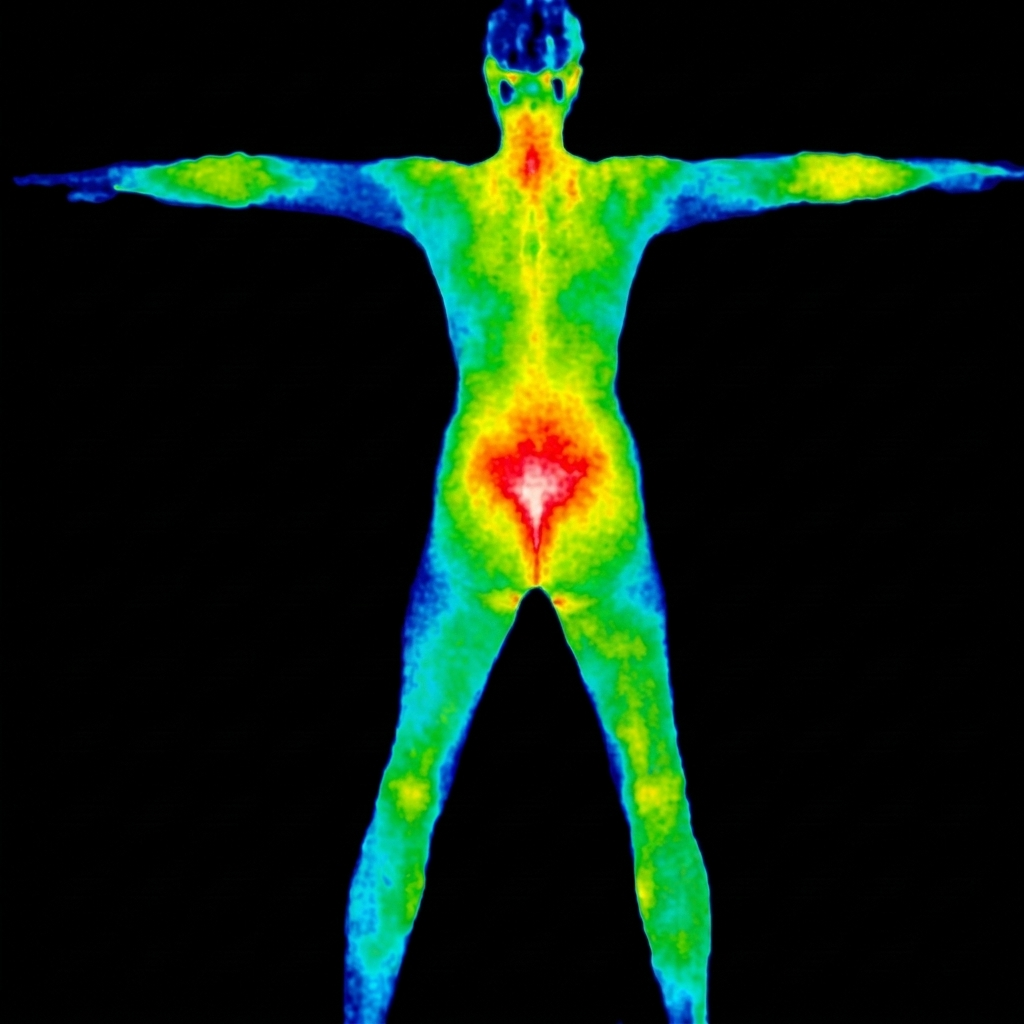
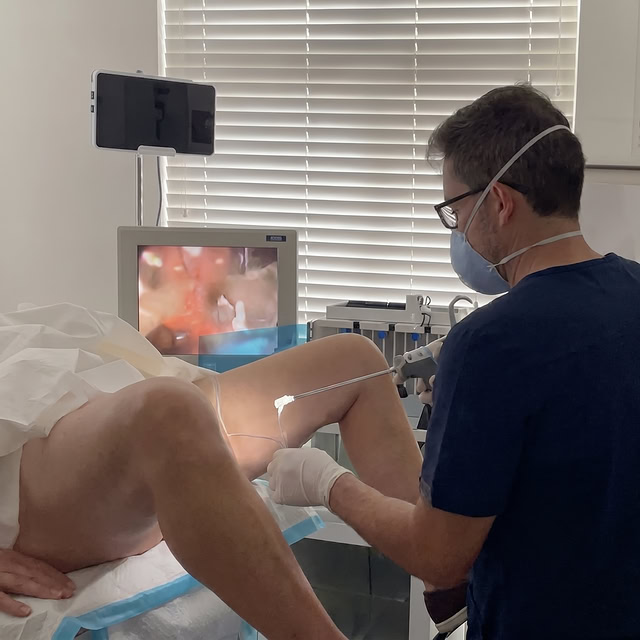
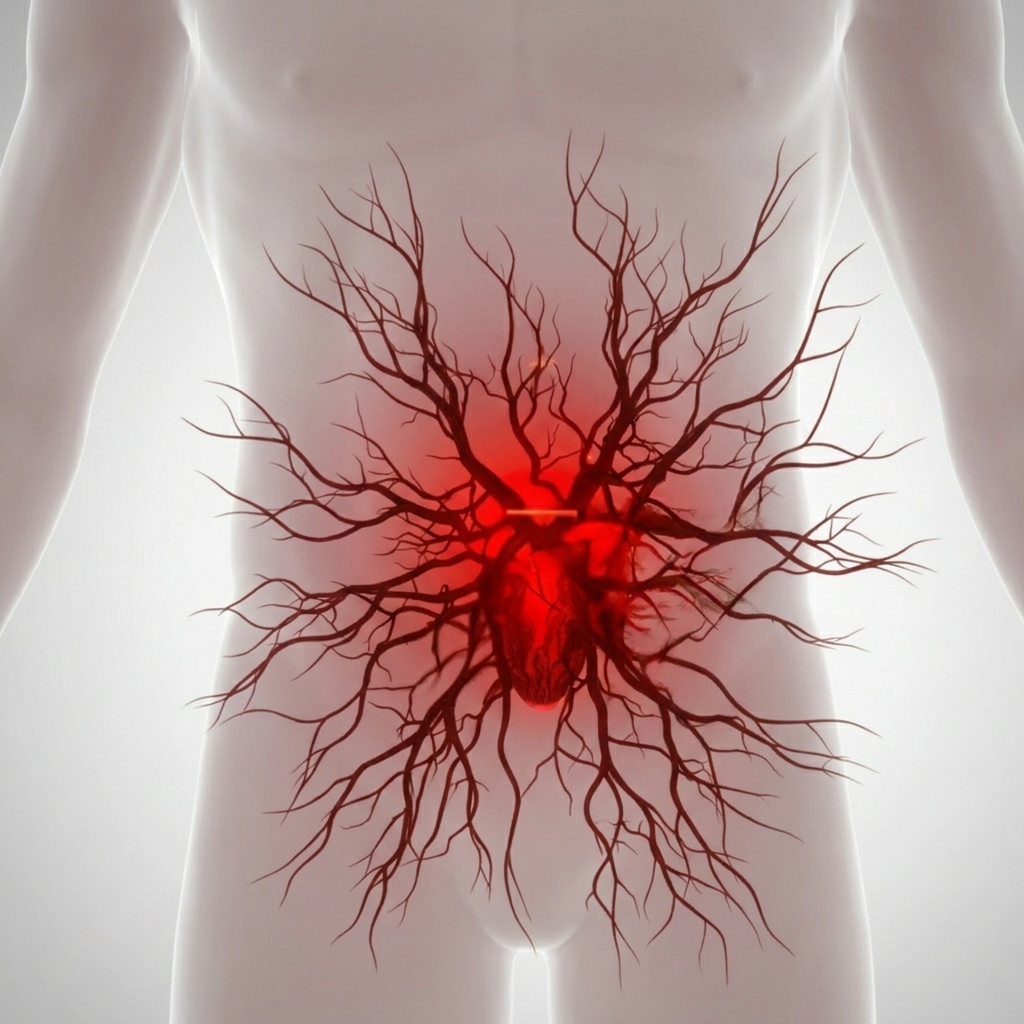
I am the on-set medical consultant for an adult film studio. I have personally examined 600 male performers over the last 14 years. About 8 percent of them age in a way the other 92 percent do not — still performing reliably in their late 40s and early 50s with no pharmaceutical help, with recovery times between scenes that match what 25-year-olds should be able to do but usually cannot. The reason that 8 percent ages differently is the same reason most men over 40 in this country are slowly losing function the rest do not have to lose. My name is Dr. Marcus Reilly. I am 56 years old. I graduated from UC San Diego School of Medicine in 1997 and completed my urology residency at Cedars-Sinai in 2002. I spent the first 9 years of my career running a conventional urology practice in West Los Angeles, treating prostate cancer, kidney stones, and the standard parade of erectile dysfunction patients that every urologist over 45 sees more of every year. In 2011 I took on what was supposed to be a part-time consulting role. A friend of a friend ran a large adult film production company in the San Fernando Valley. He needed a urologist who could provide confidential medical care to his male performers — bloodwork, vascular imaging, performance counseling, and the kind of private consultations that performers cannot get from their family doctors without raising questions they do not want raised. I took the contract because the money was good and the work was interesting. I did not expect what I was about to learn. In the 14 years since, I have personally examined and consulted with more than 600 male adult film performers, ranging in age from 22 to 67. I have ordered thousands of vascular ultrasounds, lipid panels, hormone panels, and endothelial function tests. I have followed individual performers for over a decade. I have watched some of them thrive into their late 50s with the vascular profile of men 20 years younger. I have watched others wash out of the industry at 34 with the vascular profile of men in their late 60s. And what I have learned in this unusual practice has completely changed how I understand erectile dysfunction, cardiovascular aging, and the medications the rest of the urology profession is prescribing. I am writing this because I am no longer willing to keep what I have learned inside the walls of a private studio. The pattern I have been documenting for 14 years applies to every man over 40 in this country, not just performers. And the medical profession has been treating it wrong for as long as I have been licensed. Let me start with what I see. Adult film performance is essentially a stress test for the vascular system. A male performer has to produce a full, sustained, reliable erection on demand, in front of cameras, under bright lights, sometimes multiple times in a single day, sometimes after only 90 minutes of recovery between scenes. Most men reading this could not do that even once in optimal conditions. Professional performers do it for a living. This means that performers' vascular systems are exposed to demand that the average man's vascular system never sees. And that means I get to watch vascular aging in fast-forward. A 28-year-old performer who is struggling with his second scene of the day has, biologically, the vascular response of a 45-year-old desk worker. A 45-year-old performer who is still doing reliable single-scene work has, biologically, the vascular response of a 30-year-old desk worker. The same body. The same age on paper. Completely different vascular age underneath. For 14 years I have been documenting which performers age well and which do not. I have been ordering bloodwork on them. I have been doing vascular imaging. I have been following the same individuals across decades. And I have learned three things that contradict almost everything we are taught in urology residency. The first thing I have learned is that erectile dysfunction is not a sexual disease. It is a vascular disease that happens to express itself sexually first. The penis has the smallest, most fragile arteries in the male body. When the vascular system starts failing, the penis fails first because its tiny vessels are the first to feel the loss of nitric oxide. Everything else — the heart attack at 58, the stroke at 62, the kidney decline at 65 — comes later. ED is not an embarrassing aging problem. It is the earliest warning shot from a cardiovascular system that is already in decline. The second thing I have learned is that the standard treatments are not treating anything. Sildenafil and tadalafil — Viagra and Cialis — do not repair vessels. They force them open chemically for a few hours by inhibiting an enzyme called PDE5. The underlying damage continues. The dose has to creep up over the years. Eventually the maximum dose stops working. I have watched performers go through this cycle in fast-forward, and I have watched my private practice patients go through it in slow-forward. The trajectory is the same. The drug does not heal anything. It just buys you time before the failure becomes irreversible. The third thing I have learned, and this is the thing that changed how I practice, is that there is a small group of performers — about 8 percent of the ones I have followed long-term — whose vascular function does not decline with age. They are still performing reliably in their late 40s and early 50s, with no medication, with no injections, with recovery times between scenes that match what 25-year-olds should be able to do but mostly can't. I started studying these men. I ran bloodwork comparisons. I imaged their vessels. I interviewed them about their habits, their diet, their supplement use, their training. And the pattern I found is the reason I am writing this. The performers who aged well were all activating one specific receptor inside their endothelial cells. The endothelial cells, for anyone who does not know, are the thin lining inside every blood vessel in your body. They are the cells that produce nitric oxide — the molecule that won the 1998 Nobel Prize in Medicine for being the master signal that tells your arteries to relax and your blood to flow. The receptor is called TRPV1. In 2021, Dr. David Julius at UC San Francisco won the Nobel Prize in Medicine for discovering this receptor. TRPV1 sits inside the endothelial cells of your blood vessels. When it is activated, it triggers the endothelial cells to produce nitric oxide. Activation also triggers a repair cycle — the cells clear out oxidative damage, restore their energy reserves, and prepare to produce nitric oxide again when needed. When TRPV1 is active, endothelial cells repair themselves quickly. When TRPV1 is inactive, the cells accumulate damage and never fully recover between vascular events. This is the single mechanism that separates the 8 percent of performers who age well from the 92 percent who do not. The 8 percent had active TRPV1. Their endothelial cells repaired themselves between scenes, between days, between years. Their vascular age did not match their chronological age because their cells kept rebuilding themselves on a cellular schedule that most men's cells abandon by 35. The 92 percent had inactive TRPV1. Their endothelial cells accumulated damage faster than they could repair it. By 35 most of them were already needing pharmaceutical help. By 40 most of them had washed out of the industry. Once I saw this pattern, I started looking for it in my regular urology practice. It was there. It was everywhere. Every man over 40 with ED who was sitting in my exam room had the same problem the failing performers had. Inactive TRPV1. Damaged endothelium. Collapsed nitric oxide production. The pharmaceutical pills I was writing were not addressing any of it. They were forcing the vessels open chemically while the underlying tissue continued to deteriorate. I started telling these patients about TRPV1. I started telling them about the Nobel Prize research. I started telling them about endothelial repair. And then I started telling them about the compound that activates TRPV1. The compound is capsaicin. The active ingredient in cayenne pepper. This is the part where most patients laugh, the same way I laughed when one of my long-term performer patients told me about it 11 years ago. Hot peppers? That is your medical advice? But the science is not a joke. Capsaicin is the only known natural compound that directly activates TRPV1 in the human endothelium. When capsaicin reaches your endothelial cells in therapeutic doses, it binds to TRPV1, the receptor switches on, and the endothelial cells begin producing nitric oxide and running their repair cycle. The animal research is robust. The mechanism studies are robust. The human data is growing — a 2024 study in Aging and Disease showed that 8 weeks of capsaicin supplementation restored nitric oxide production in older adults to levels comparable to men 15 years younger. Vascular function improved by 31 percent. Recovery time between vascular stress events dropped significantly. This is the mechanism the 8 percent of performers were already using, mostly without knowing the science behind it. They knew capsaicin worked. They did not know why. I figured out the why by looking at their bloodwork and their imaging across 14 years. Now here is the catch, and it is the catch that fooled me for the first 18 months I started recommending capsaicin to my regular patients. Most capsaicin does not work. I had patients who came back to me after 6 weeks of taking cayenne pepper capsules from CVS and told me they felt no difference. I was confused. The mechanism was clear. The patients were diabetic, hypertensive, classic candidates for vascular intervention. Why was it not working? I started ordering bloodwork after their 6 weeks of supplementation. Their nitric oxide markers had barely moved. Something was wrong. The answer turned out to be a delivery problem. Capsaicin is fat-soluble. It does not dissolve in water. When you swallow a dry powder cayenne capsule, your liver and gut destroy approximately 85 percent of the active compound before it ever reaches your bloodstream. You are swallowing capsaicin. Almost none of it is reaching your endothelial cells. For capsaicin to actually activate TRPV1 in any meaningful way, it has to be dissolved in oil before it enters your body. Specifically, in an oil rich in oleic acid, the monounsaturated fat that capsaicin binds to most efficiently. The performers I had been studying — the 8 percent who aged well — had all, independently, figured this out. Most of them were buying capsaicin oil from compounding pharmacies. A few were dissolving pharmaceutical-grade capsaicin powder in MCT oil at home. All of them were getting capsaicin into their bodies in fat-soluble form. None of them were taking dry powder. Once I understood the delivery problem, I started directing my regular urology patients to do the same thing. The bloodwork started moving. The symptoms started reversing. The patients who had been stuck on increasing doses of Cialis for years started reducing them under the supervision of their other doctors. And then about 18 months ago, I found a company that had finally formulated this correctly in a single product. They are called Aurivita. The product is Aurivita Capsaicin Power. It comes in a red and white bag containing 180 softgels — a 60-day supply at 3 softgels per day. The reason I now recommend it specifically is that it solves the four problems that kill most capsaicin supplementation. First, it uses pharmaceutical-grade capsaicin at 3 milligrams per serving. This is the clinically validated dose range from the human research. Most supermarket cayenne supplements contain less than half a milligram per capsule, and the content varies wildly batch to batch. Aurivita is standardized. Second, the capsaicin is pre-dissolved in cold-pressed avocado oil. Avocado oil is one of the richest natural sources of oleic acid in the food supply. The capsaicin is bound to the fat before you swallow it, which means it survives the journey through your stomach and into your bloodstream at absorption rates that approach 80 to 90 percent rather than the 10 to 15 percent of dry powder. Third, it includes BioPerine, which blocks the specific liver enzymes that try to break down capsaicin even after it has been protected by the oil. This is the same absorption enhancer used in pharmaceutical research. Fourth, the formula stacks the supporting compounds that work alongside TRPV1 activation in the endothelial repair cycle. Berberine, beetroot, hawthorn, cinnamon, turmeric, Korean ginseng, and vitamin K2. Each of these has its own peer-reviewed body of evidence for vascular support, and together they create a multi-pathway repair environment that capsaicin alone cannot produce. I take it myself. I have been taking it for the last 14 months. My vascular ultrasound last quarter showed arterial elasticity better than it was when I was 47. I am 56. I give it to my older brother, who is 63 and was facing prostate surgery. His urologist last month said the same thing my colleagues say when their patients respond to TRPV1 activation. He said, "Whatever you are doing, keep doing it." Here is what I want you to take from this letter. If you are a man over 40 and you have noticed that the response is not what it used to be — that the first attempt is not as immediate, that the second attempt in one night is harder than the first, that recovery time between sexual events is creeping up, that you need more mental focus to make things work than you used to — what you are experiencing is not aging. It is early endothelial dysfunction. It is the same thing the failing 35-year-old performers in my studio clinic are experiencing 5 years before their bodies will visibly age in any other way. Your endothelium is sending you the earliest warning signal you will ever get. The vessels in the most vulnerable part of your body are starting to fail because the receptor that keeps them repairing themselves has gone quiet. And if you do nothing about it, the same vascular decline is going to show up next in your heart, your kidneys, your eyes, and your brain. The pills the urology profession will offer you are not going to stop any of it. They are going to mask the symptom while the underlying disease compounds. But the receptor is still there. It can be reactivated. And the compound that reactivates it has been hiding in plain sight in peer-reviewed research for over 15 years. If you want to try Aurivita Capsaicin Power, you can order it from the official website at aurivita.co/products/cayenne-pepper-softgels. One bag is 60 days at $54. The company offers a 120-day money-back guarantee. You can take it for 4 full months and if you do not notice the changes I am describing — faster response, more consistent morning function, shorter recovery time between events, better stamina, a system that just works the way it used to work — send the bag back, full or empty, and they will refund every penny. Here is what I have learned to tell my patients about timing. Week 1, you will probably not notice anything. The repair process is starting at the cellular level. You will not feel it yet. Week 2 to 3, you will start to notice that morning responses are more consistent. Not necessarily stronger. Just more reliable. Every morning instead of most mornings. Week 4 to 5, you will notice that the mental-to-physical connection is faster. You think about something and your body responds in 20 seconds instead of 2 minutes. Week 6 to 8, you will notice that the recovery time between events has dropped. If you used to need 24 hours, you will need 12. If you used to need 4 hours, you will need 90 minutes. By week 10 to 12, the whole system will work the way it used to work when you were younger. Immediate response on the first signal. Fast recovery. No wondering if it is going to work. It just works. This is what endothelial repair looks like. It is what TRPV1 activation produces. It is what the 8 percent of performers who aged well were getting their entire careers, and what the other 92 percent never knew was available to them. I am 56. I have spent 14 years watching this play out in slow motion and fast motion at the same time. The men who repair their endothelium age differently. The men who do not, fail predictably. Right now, your receptor is probably off. Or it is firing at 20 percent of capacity when it should be firing at 100 percent. That is why the response is slower than it used to be. That is why recovery takes longer. That is why the second attempt is harder than the first. The receptor is not gone. It is just quiet. You can turn it back on. The 120-day guarantee means you find out whether your endothelium can still be repaired at zero financial risk. If you have noticed the early signs, do not wait. The window to repair the vessels is open right now. In 2 years it will be smaller. In 5 years it may be closed. Click the link below. Read what the company says. Order a 60-day supply or a 4-month supply. Take it every day with dinner. Pay attention to your morning function, your response time, and your recovery between events. If after 4 months you have not seen what I am describing, send the bag back. You will have lost 4 months and nothing else. If after 4 months you have seen it, you will know what I have known for 14 years. You will know what the 8 percent of performers who aged well figured out the hard way. And you will start telling the men in your life — your brother, your father, your best friend, your son — what almost no doctor in this country is willing to tell them. The link is below. aurivita.co/products/cayenne-pepper-softgels Your vessels are waiting. — Dr. Marcus Reilly, MD Board-Certified Urologist, 23 years in practice On-set medical consultant, 14 years
Why 8% Of Adult Stars Never Need The Blue Pill
Support strong circulation today with our powerful cayenne pepper formula. 180 softgels and 60 servings per bag.
LEARN MORELike this ad? Make it yours.
Crush rebuilds this exact creative around your product — your brand, your colors, your offer — in about a minute.