Shellblaster
 Facebook ad: “WHEN GUN-OWNING DADS SAY NO”
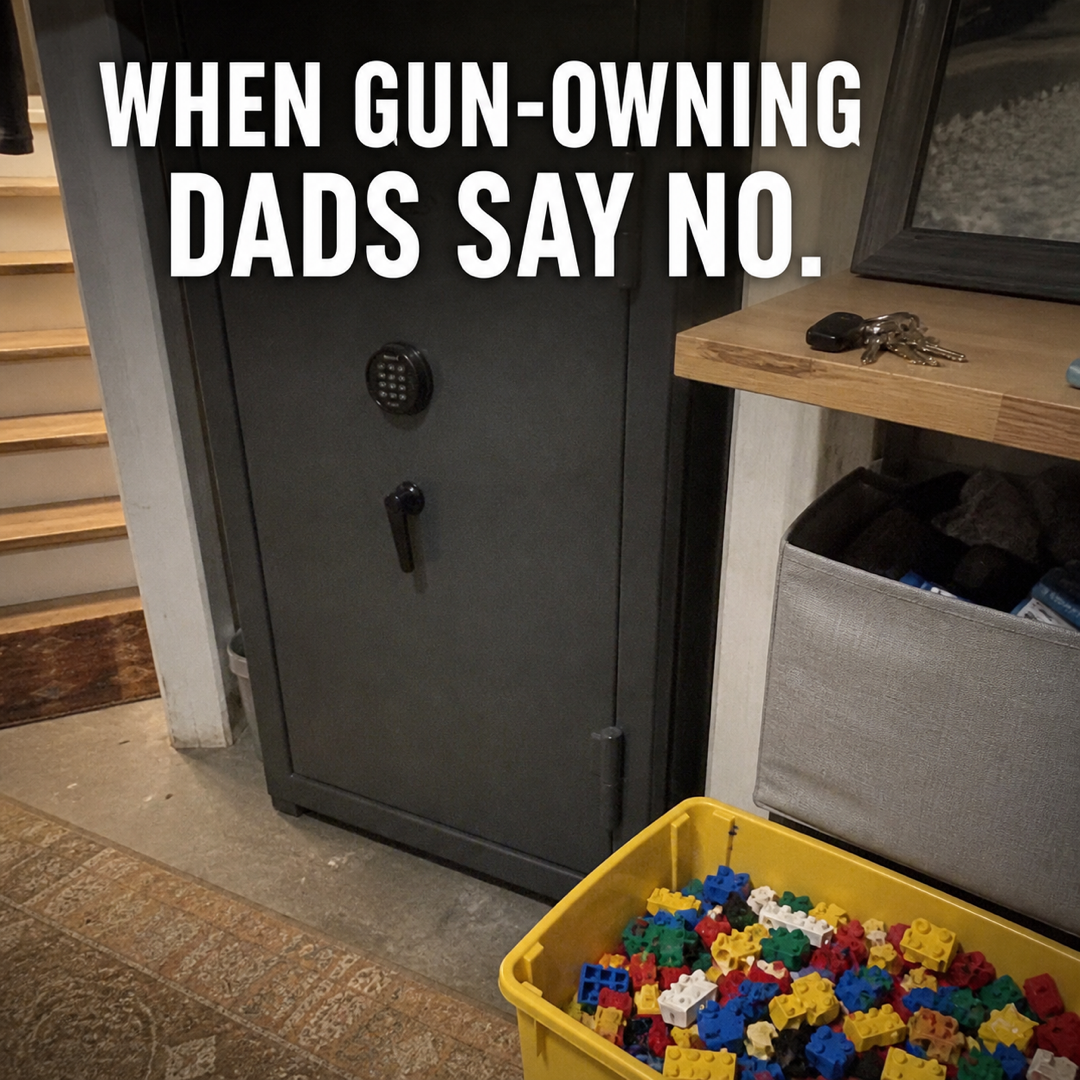
Ran for 38 days, from September 22 to October 30, 2026, the last day Crush saw it.
Run by Shellblaster on Facebook. Crush is not the advertiser and does not verify its claims. See this ad in Meta's Ad Library(opens in a new tab)
Make your own version of this ad
Crush makes it, launches it in your own Meta ad account, scales the winners and pauses the losers.
About this ad
- Meta Ad Library ID
- 1025282420478044
- Platforms
- Facebook and Instagram
- Relaunches
- 0
- Niche
- Clinics & Medical
Ad text
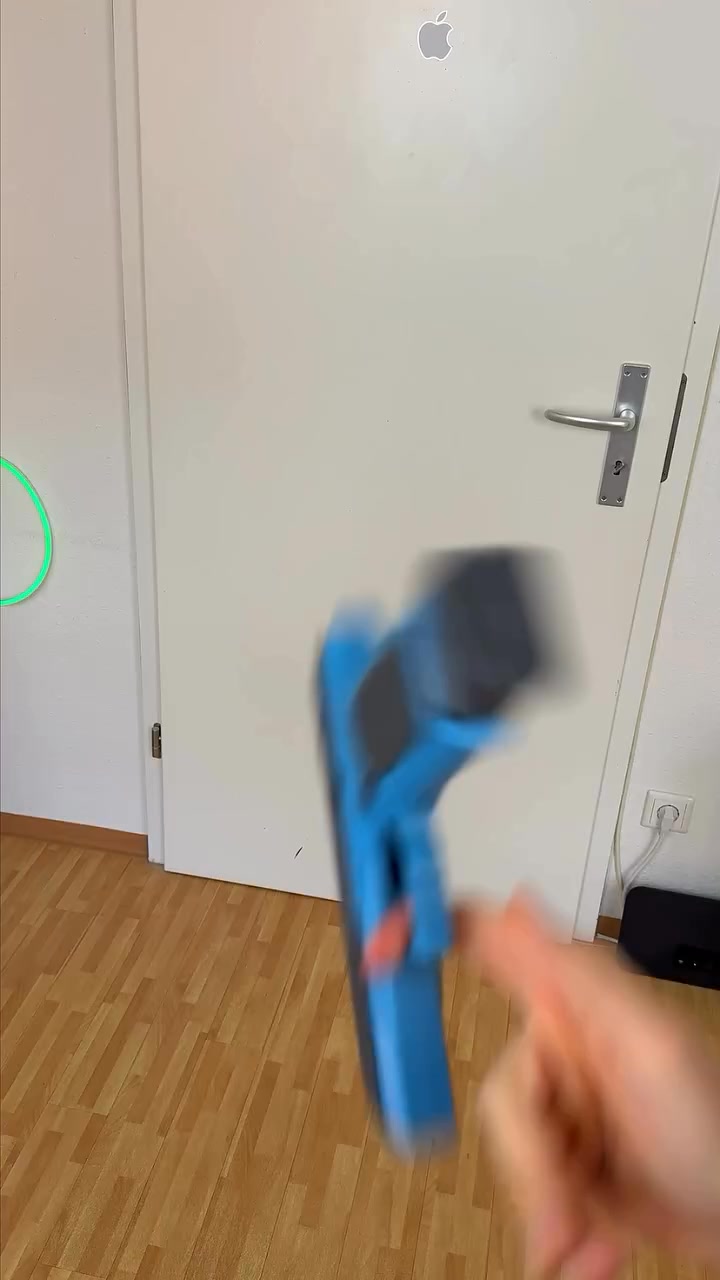
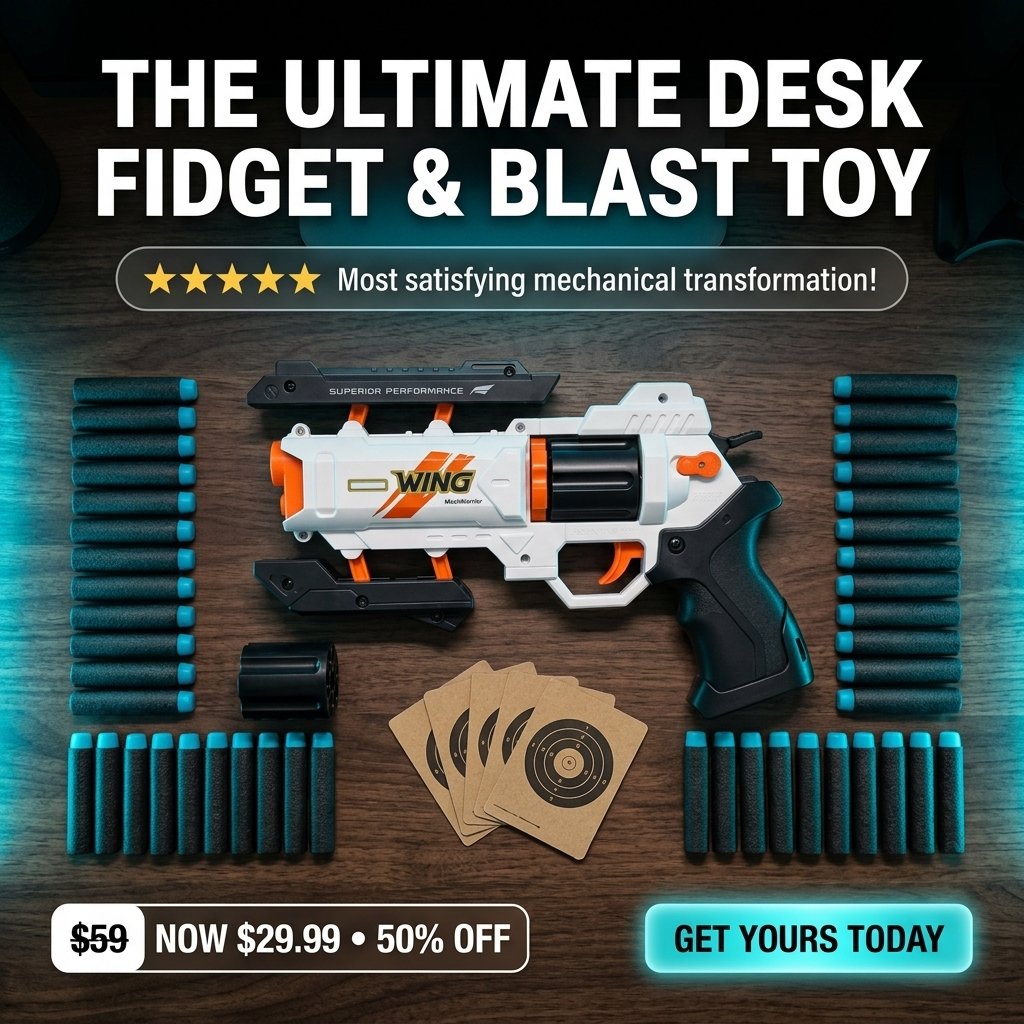
Some gun-owning dads lock every firearm in the house and still refuse to let a brightly colored toy blaster through the front door. That sounds cautious. But it leaves one hard question unanswered: if your child sees a real firearm somewhere else, will a ban have built the response you want? Secure storage is the first line of protection. Nothing replaces it. The trouble is that children do not spend every minute of childhood inside one controlled house. They visit cousins, neighbors, teammates, grandparents, and friends. They enter rooms where another adult made a different storage choice. That is the moment a parent cannot manage by moving one safe, checking one lock, or repeating one lecture from across the kitchen table. Most parents have already given the talk. Do not touch. Move away. Tell an adult. Treat every firearm as loaded. Keep your finger away from the trigger. Never point it at anyone. The words are familiar because they are important. The uncomfortable part is that knowing the words and following them during a surprise are not the same skill. A 2001 experiment published in Pediatrics placed 64 boys aged 8 to 12 in a room where a disabled .380 handgun had been hidden in a drawer. Seventy-two percent of the groups found it. Among the boys who found the handgun, 76 percent handled it and 48 percent pulled the trigger. More than 90 percent of the boys who handled it or pulled the trigger said they had already received some kind of gun-safety instruction. That does not mean the instruction was useless. It means a child can remember a rule and still fail to use it when curiosity, friends, surprise, and a real object arrive at the same time. The mouth can know the answer while the hands do something else. Think about the other things children learn. We do not teach a child to cross a road by saying one sentence once. We stand at the curb. We stop. We look both ways. We repeat the sequence until the body expects it. We do not teach a fire drill with a poster alone. We walk the route. We make the meeting point familiar. We do not teach a seat belt by describing one. We buckle it every ride until the movement becomes automatic. Firearm safety deserves at least the same respect. A rule should be more than a line a child can recite when a parent asks. It should become a practiced response to a clear situation. Stop. Do not touch. Move away. Tell an adult. When supervised toy-blaster play is allowed, a second routine can also be practiced: know the difference between a toy and a real firearm, keep the toy pointed only at a safe target, keep the finger away from the trigger until ready, follow the parent’s range rules, and stop the moment anyone breaks them. This is where some gun-owning dads change their mind about toy blasters. They do not stop respecting real firearms. They stop treating curiosity as if it can be erased by silence. They decide that a bright toy can create a supervised place to explain the difference between play and danger, correct careless habits immediately, and repeat a household routine while the parent is present. The difference matters. A real firearm is never a teaching prop for unsupervised handling. A toy is never proof that a child is ready for a real one. Secure storage, adult control, and age-appropriate instruction remain essential. But a parent can still use a clearly recognizable toy to make abstract rules visible. The child can hear why a finger position matters. The parent can stop play when the muzzle swings toward a person. The family can practice what to do if an actual firearm is found. A ban can prevent a toy from entering one home. It cannot prevent a child from seeing a firearm in a different home, a vehicle, an unlocked room, a friend’s social feed, a movie, or a game. Curiosity does not wait for permission. That is why the useful question is not simply, “Do we allow toy blasters?” The useful question is, “What response are we rehearsing before the first surprise?” Some families answer by banning every toy that resembles a firearm. That is their choice. Others allow brightly colored toy blasters but attach strict rules to them. They treat play as a privilege that ends the second a rule is broken. They separate toy storage from real-firearm storage. They repeat that a real firearm must never be touched without an authorized adult. They practice the discovery response until the child can show it, not only say it. That approach also gives parents a chance to watch what their child actually does. Does the child keep a finger outside the trigger area while moving? Does the child turn toward a person with the toy? Does excitement erase the rules? Does a friend’s presence change the behavior? A parent learns more from observed behavior than from a confident “I know” at the dinner table. A simple practice session can be short. A parent places the unloaded toy in a visible spot and tells the child to pretend it is an unknown real firearm. The child stops, keeps hands away, backs out, and gets the adult. Then the parent changes the room or adds the social pressure of another family member saying, “Pick it up.” The correct response stays the same. This role-play does not need a real firearm, and it should never use one. It gives the child a safe chance to perform the discovery routine before a surprise happens elsewhere. Supervised play is a different session with a different rule set. The parent hands over the toy, names the safe target, checks the area, and makes the privilege conditional on behavior. The child may load, build, aim, and fire only within those limits. When play ends, the toy is cleared and put away. Keeping those two situations separate teaches an important distinction: an authorized toy session is not permission to touch an unknown object. The repetition also gives the parent useful information. A child who follows every rule alone may change when a cousin starts laughing or racing. A child who remembers the discovery routine in the living room may freeze when the location changes. Practice can move to another room, another doorway, or another adult so the response is not tied to one script. The purpose is not to create a performance. It is to make the safe choice familiar enough that it is available under pressure. Parents can keep the language simple. If you do not know what it is, do not touch it. If anyone says it is unloaded, do not trust the claim. Move away. Tell an adult. During authorized toy play, listen to the supervising adult, aim only at the agreed target, and stop when told. If the child cannot keep those categories clear, play stops and the lesson goes back to the beginning. The goal is not fear. The goal is not to make a toy feel like a real firearm. The goal is to remove the mystery, make the categories clear, and give safe behavior enough repetition that it can compete with curiosity. The parent stays in charge. The real firearms stay secured. The child learns that a toy is used only under the family’s rules and that an unknown real firearm triggers a completely different response: stop, do not touch, move away, tell an adult. This is also why the details of the toy matter. A parent who wants structured, hands-on play does not need a vague plastic shape that fires once and disappears into a drawer. The object has to hold attention long enough for rules and routines to be repeated. It should look unmistakably like a toy while giving the child something mechanical to build, load, operate, and reset under supervision. Raven was made for that middle ground. The Brick version uses bright red, yellow, blue, green, and orange toy colors. It loads plastic darts into reusable toy casings. The magazine, working slide, slide release, and casing ejection make the sequence tactile. The included brick set adds a build-and-customize layer, while the stand turns it into a display piece when play is finished. That mechanical sequence is what keeps children and adults engaged. Load the plastic darts into the toy casings. Load the magazine. Rack the slide. Aim only at the safe target. Fire. Watch the casing eject. Reset. A parent can pause the sequence at any point, correct a habit, and restart. The child is not just listening to a rule. The child is operating inside a supervised routine where the rule has a visible purpose. Raven is still a toy. It does not replace a locked safe, responsible storage, direct adult supervision, or formal safety education. No toy can guarantee how a child will respond to a real firearm. What Raven can do is give a parent a bright, controlled, repeatable setting for hands-on play, build time, target practice, and immediate correction. That is the real answer to the gun-owning dad who said no. Saying no may remove one object. It does not automatically build one response. The better test is whether the child can show the family’s rules when curiosity and excitement are present. If the answer is not yet, supervised practice has a job to do. Raven currently includes the Shellblaster, 20 plastic darts, 6 reusable toy casings, a free brick set, a free stand, a manual, stickers, and a premium box. The current bundle sale saves up to 60 percent, includes free gifts, and adds free shipping when you buy 3 or more. Order today and it ships tomorrow with tracked shipping. Every Raven is backed by a 90-day money-back guarantee.
Where the ad sends people
getblaster.co
WHEN GUN-OWNING DADS SAY NO
Raven Shellblaster. Ships tomorrow. 90-day money-back guarantee.
Shop now: getblaster.co(opens in a new tab)