
Active· since Jun 18, 2026
- 91
- days running
- 0
- relaunches
Ad copy
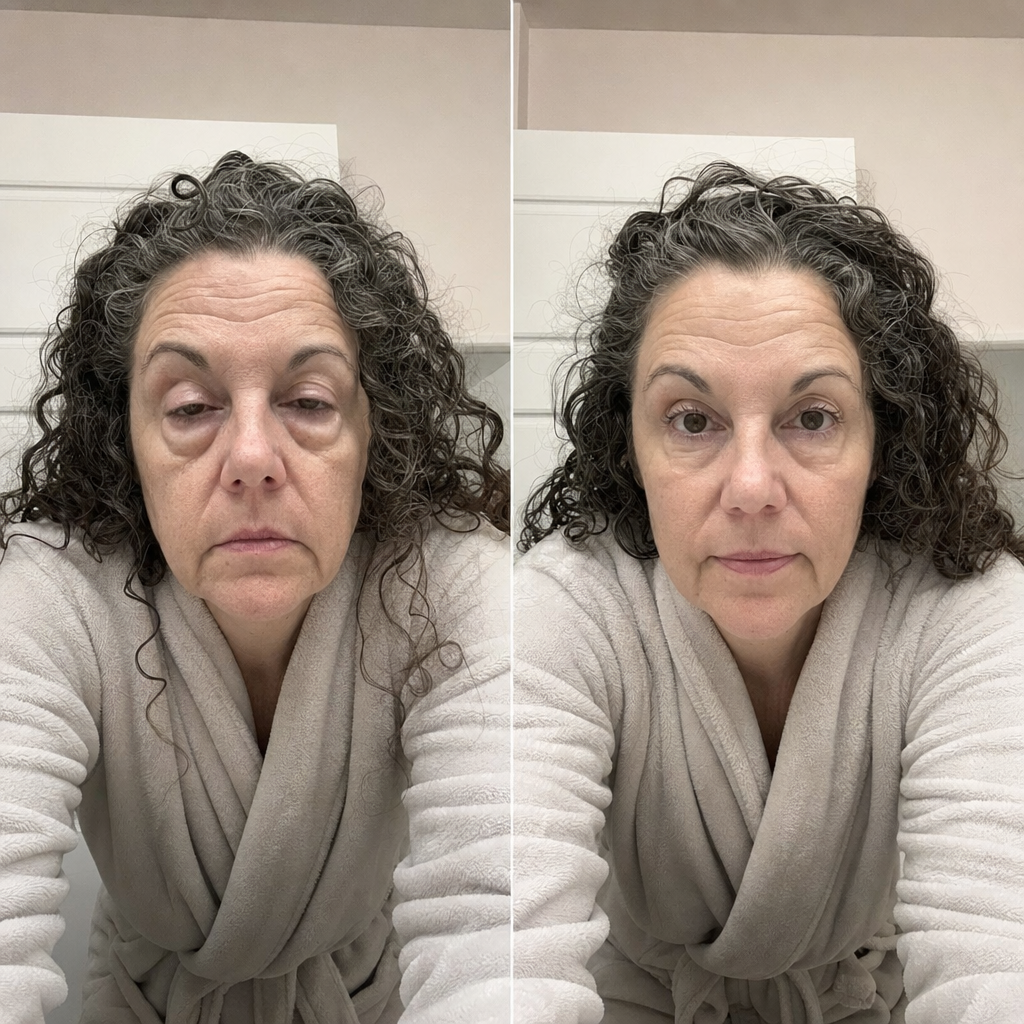
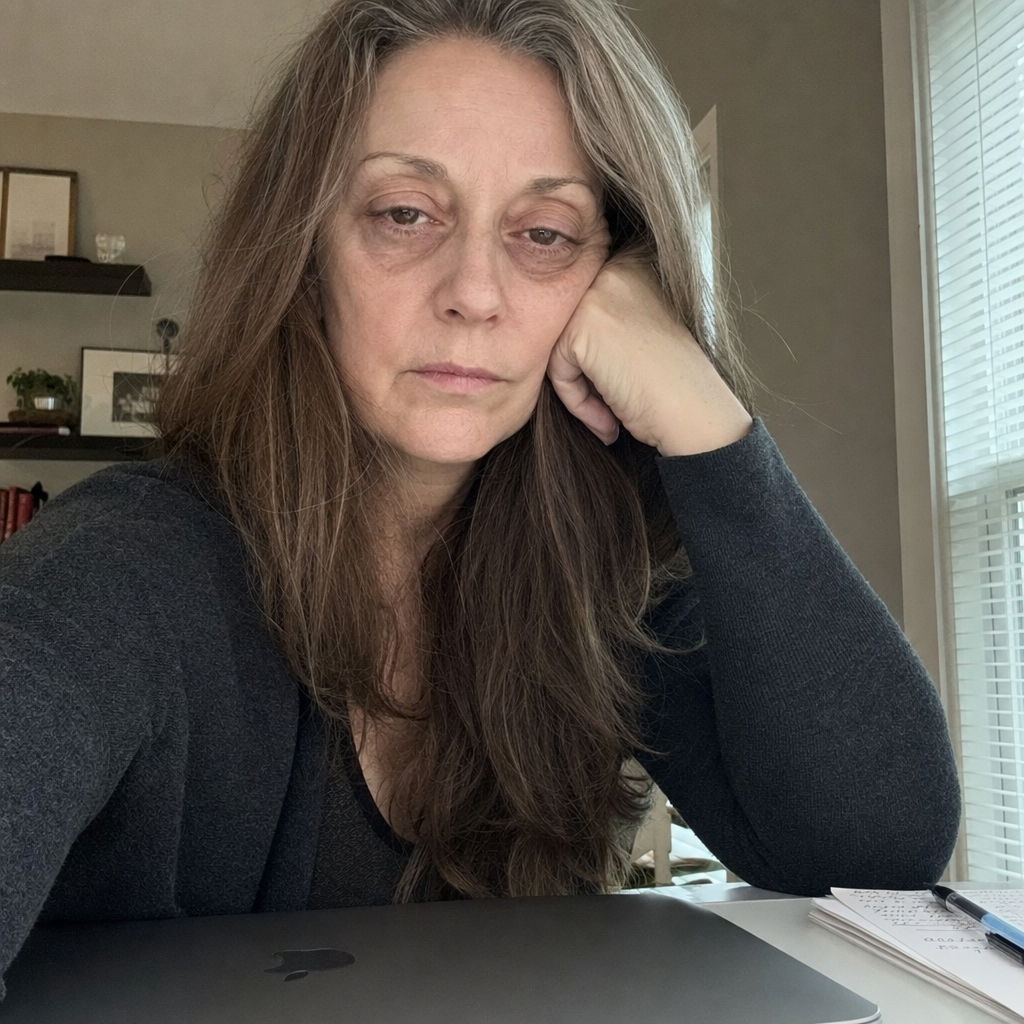
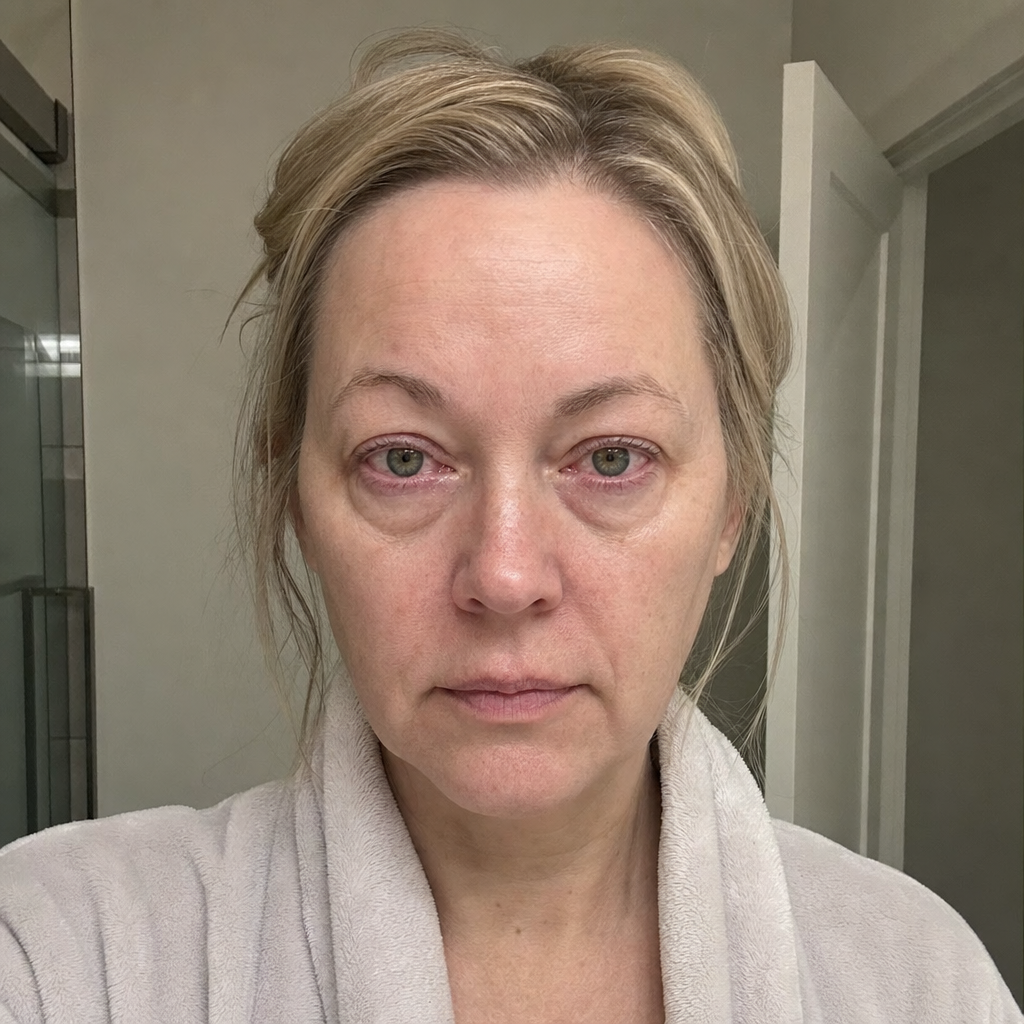
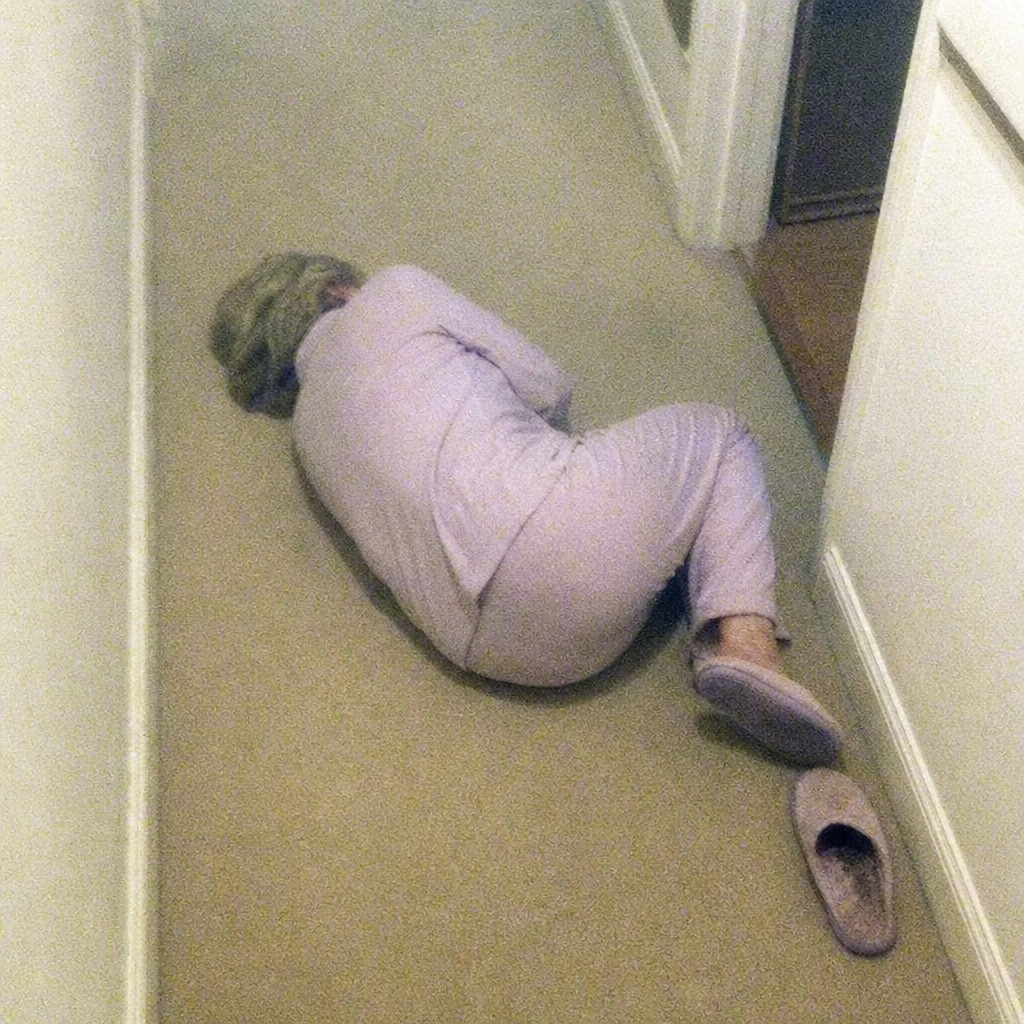
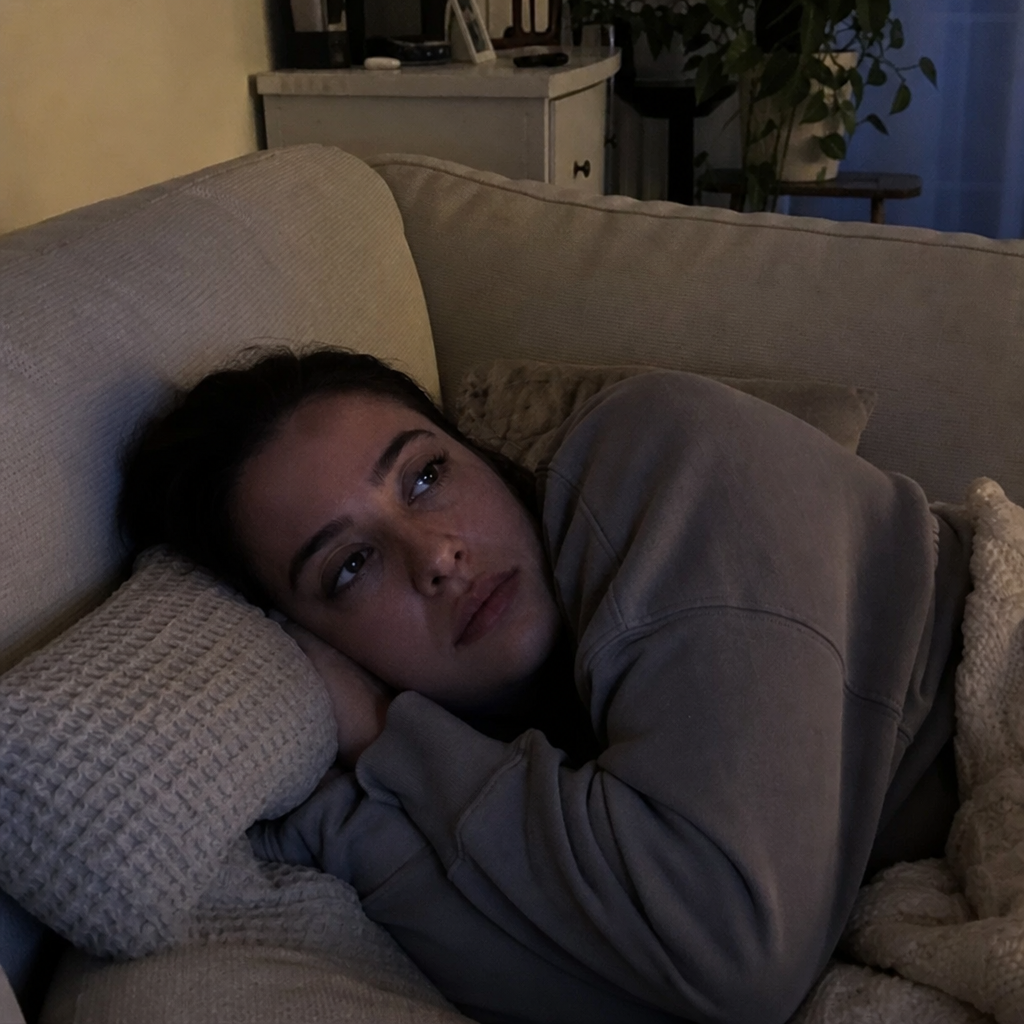
I read a number last month that made me put my coffee down. 1 in 3 women who take a sleeping pill every night for years will develop dementia before they turn 75. Not 1 in 10. Not 1 in 20. 1 in 3. The pill we swallow every night before bed... the one that's supposed to fix it... doesn't stop it. The sleep tracker says we slept fine. The doctor says the numbers look good. And then one day we forget our own daughter's name. My mother was part of that number. 12 years on a sleeping pill. The dementia took her mind first and her heart finished the job at 71. Her sleep chart looked fine the whole time. I'm 56. Last month my doctor told me my blood pressure was creeping up and I was still waking at 2 AM no matter what. She wanted to add Trazodone on top of the Ambien I'd already been on for 7 years. I said no. And what I found instead... on a Mennonite farm an hour outside Lancaster... got me sleeping through the night for the first time in 15 years, dropped my blood pressure from 148 over 92 to 122 over 78, and gave me back a mind that doesn't fog over by noon. But to understand why I drove three hours before dawn to knock on a stranger's farmhouse door, you have to know what I watched happen to my mother for 12 years. For 12 YEARS... over a decade straight... my mother lived in a body that kept slipping away from her. It started when she was 59. She'd never had trouble sleeping in her life. Then my dad got sick, and the worry kept her up, and the worry never left even after he got better. Her doctor wrote her a script for a sleeping pill. "Take one at bedtime. You'll sleep like a baby." Easy. Routine. Within a year, the fog rolled in. Not normal forgetfulness. I'm talking about a woman who ran the books for our church for 25 years... tracked every dollar, every pledge, every receipt... suddenly forgetting whether she'd eaten lunch. Asking me the same question three times in one phone call. Standing in her own kitchen holding a dish towel, not sure why. Her sharpness? Gone. She used to beat all of us at cards every Sunday. By year three she'd stopped wanting to play. Then the tiredness got worse. Not better. Worse. She'd take the pill, sleep eight hours, and wake up like she hadn't slept at all. Drag herself to the kitchen. Sit at the table just to find the energy to fill the kettle. She told me once, "Ruth, I sleep all night and I still feel like I've been hit by a truck. The pill knocks me out but it never lets me rest." She went to her family doctor. "Your sleep study came back fine. Maybe it's the change of life. Maybe it's just stress. You're getting older." She went to a neurologist. "Your scans look normal for your age. Some forgetfulness is part of getting older." She went to a third doctor. "Have you tried a different pillow?" Nobody... not ONE of them... ever said, "Maybe the pill is knocking her out without ever letting her sleep, and we need to look at that." They kept her on that pill for 12 YEARS. And every single year, the sleep chart came back fine. Year three: the forgetting got worse. She left the stove on twice. My dad started leaving notes around the house for her. Year five: she stopped driving at night. Then she stopped driving anywhere she didn't already know by heart. Year seven: she couldn't follow a recipe anymore. The woman who cooked Sunday dinner for 30 people stood at the counter and cried because she couldn't remember which came first. Year nine: my daughter Katie's high school graduation. Mom had it circled on the calendar for months. The morning of, she got dressed, sat in the car, and asked my dad where they were going. He had to remind her three times on the drive. She made it. But that night she called me and said, "I don't know what's happening to me, baby. I'm scared." Year eleven: her blood pressure started climbing. Her heart would race at night. The doctors said "let's add a pill for the pressure." She started taking it. The number came down. The fog didn't. Year twelve: she looked at a photo of herself from ten years before and asked me who the woman was. And the doctors? The whole time? "Her sleep study is normal." "It's just her age." "Some memory loss is to be expected." "At least she's still with us." NEVER ONCE did any of them say, "Maybe the pill is the problem. Maybe a pill that sedates her but never gives her real deep sleep is starving her brain of the one thing it needs to repair itself every night." Year twelve, her heart gave out in her sleep. 71 years old. Took her pill every night for over a decade. Sleep chart "fine." Blood pressure "controlled." Scans "normal for her age." Didn't save her. Just took her away from us one piece at a time first. At the funeral, my dad held my hand and said something I'll never forget. "The chart didn't save her, Ruth. It just gave everyone an excuse to stop looking." So skip ahead to two years ago. I'm 54. I'd been waking at 2 AM for years by then. Started in my early forties — a hot flash would wake me, my heart pounding, and then my mind would just start running and not stop till the sun came up. My own doctor put me on Ambien. "Take one at night. It'll help." Same pill my mother took. And I started feeling exactly the way she did. First the tiredness. The kind where you sit on the edge of the bed for ten minutes just to find the will to stand. Then the fog. Then walking into a room and forgetting why. Then losing a word mid-sentence and watching my husband wait for me to find it. I went to my doctor. "Your sleep tracker looks fine, Ruth. You're getting your hours. This is just perimenopause." I went back a year later. Same answer. I went again. Different doctor. Same answer. By 56, my blood pressure was 148 over 92. My heart raced at night. I'd forgotten my own sister's birthday for the first time in my life. Dr. Reyes pulled up my chart at my last visit. Looked at the numbers. Looked at me. "Ruth, your pressure's creeping up and you're still not sleeping through. I want to add Trazodone. 50 milligrams at bedtime, on top of the Ambien." My throat closed. Trazodone. Stacked on the sleeping pill I already took every night. Two pills. Then maybe three. Then the slow slipping-away my mother lived through. "No," I said. She blinked. "I'm sorry?" "I'm not stacking another pill. My mother was on a sleeping pill for 12 years. Her sleep chart was fine the whole time. She still got dementia. She still died. And before she died she lost her mind, her memory, and every name she loved. I'm not following her path." She gave me that look doctors give difficult patients. "Ruth, I understand the worry, but trouble sleeping in perimenopause is common. We have to manage it." "What's the point of managing the chart if women like my mother died with a chart that looked fine?" She didn't have an answer. I told her to give me three months. She wasn't happy. Wrote something down. Probably flagged me as the patient who won't listen. I didn't care. For three months, I did everything right. No caffeine after noon. No screens after eight. Room at 65 degrees. Blackout curtains. White noise. A weighted blanket. Magnesium glycinate every night. L-theanine. The grocery-store tart cherry juice everyone swears by. I ran it like a science experiment. Three months later, I went back. Still waking at 2 AM. Blood pressure 145 over 90. Barely moved. Dr. Reyes reached for her prescription pad. "Ruth, it's time." I stared at that pad and felt the anger build in my chest. I'd done EVERYTHING she told me. Everything the books say you're supposed to do. And it wasn't enough. "Give me three more months." "Ruth, we need to get ahead of this. Your mother..." "I KNOW about my mother. That's exactly why I'm not taking another pill that doesn't fix what's actually wrong with me." She sighed. Made another note. I didn't care. That night, I couldn't sleep. Of course I couldn't. I kept doing the math. My mom died at 71. The forgetting started at 60. I was 56 and already losing words. Same pill. Same path. At 2 AM, I gave up. Went downstairs. Opened my laptop. The screen's blue light hurt my eyes. I typed: "perimenopause insomnia still waking at 2am." The results loaded. Every big site said the same thing. Better sleep hygiene. Cut your caffeine. Ask about a low-dose antidepressant. I'd done it all. So I dug deeper. I typed: "why do women on sleeping pills still get dementia." That's when I found the thread. A forum post with over 2,000 comments. The title: "Why are older Plain women in Lancaster County sleeping through the night without pills?" I almost scrolled past. Sounded like nonsense. But something made me click. Lancaster County, Pennsylvania. Amish and Mennonite farming families. The rate of dementia among the older women there was a fraction of the national number. The rate of women on sleep medication was close to zero. Not a little lower. A fraction. Person after person in the comments confirming it. Linking studies. Telling their own stories. Someone posted directions to a Mennonite midwife who'd been helping sleepless women with the old methods for forty years. Lived on a small farm an hour outside Lancaster. I looked at the clock. 2:51 AM. By 5 AM, I was in my car. By 8, I was in Pennsylvania. I didn't have a real address. Just drove until I saw farmland. Turned down a dirt lane when I spotted a hand-painted sign: "Miriam Stoltzfus. Midwife. Herbs." First farm I came to, there was an older woman out by the barn stacking firewood. Splitting it, stacking it, turning back for the next log. Steady. No rest between. No strain. No pause. Just easy, steady work. I parked and walked over. By the time I reached her I was breathing hard just from crossing the yard. She had to be near eighty. But she moved like a woman half her age. "Excuse me," I said. "How old are you?" She set down the log. Looked at me with clear, sharp eyes. "Seventy-nine. Why?" I stood there... 56 years old, foggy and worn out, a prescription I didn't want waiting at home... and this woman more than twenty years older than me was splitting wood like it was nothing. "I'm 56," I said. "I haven't slept right in 15 years. My doctor wants to stack a second pill on me now. My mother took a sleeping pill for 12 years. Got dementia. Died anyway. Her sleep chart was fine the whole time." She nodded slowly. Like she'd heard this before. "You came here for a reason," she said. "Come. I'll show you something." We walked toward her herb garden. She moved easy over the rough ground. I struggled to keep up. "Your pill," she said, without turning around. "It's doing the wrong thing." I didn't understand. She stopped at the edge of the garden. Rows of plants ran out ahead of us. She bent down and brushed the dirt off a low bush, heavy with small dark cherries. "You know what your doctors watch when they say your sleep looks fine?" I shook my head. "They watch your hours. How long you were in the bed. But that's not what keeps a woman's mind whole." She turned to look at me. "A sleeping pill knocks you out. It pushes you down into a shallow sleep and holds you there. But it never lets you go down into the deep sleep — the kind where your brain washes itself clean every night and your body settles your heart. The pill steals the very thing it's supposed to give you." She rested a hand on her own chest. "And when you never get that deep sleep... two things stop happening that quietly keep you alive." She held up one finger. "First, your brain never gets its nightly cleaning. The waste it should be clearing every night just builds. Year after year. Until the forgetting starts. That's the dementia." She held up a second finger. "Second, your body never makes its own sleep signal anymore. The drugstore pill, the drugstore melatonin — they push it in from the outside. So your body stops making its own. The more you take, the less you make. Your sleep chart sees the hours. Your doctor calls it fine. But your body never gets real rest. So the inflammation never lets up. It strains your heart, night after night." I thought about my mother. Sleep chart "fine" for 12 years. Dead of a bad heart, her mind gone, anyway. "That's why women like your mother slip away even when the pill is doing its job," she said, like she was reading my mind. "The pill gives her the hours. It never gives her the deep sleep. Her brain never got cleaned. Her body never made its own signal. The pill did what it does. The damage just never stopped." She picked a handful of the dark cherries and put them in my palm. "This is tart cherry. My grandmother grew it along the south fence when I was a girl. We ate them and we dried them and we took them every evening. It's how the body remembers to make its own sleep signal again. It's how she lived to 94, sharp to the last day." She walked me deeper into the garden. "But the cherry has to be handled right, or it does nothing at all. The good is in the color — the deep red. Cook it, and the good cooks right out of it." I asked her if I could just buy a tart cherry supplement. She laughed. A small laugh, but kind. "You can try," she said. "But most of what you'll find won't work." "Why not?" "Two reasons." She held up one finger. "First, almost every bottle on the shelf is dried with high heat. It's faster and it's cheaper. But the heat cooks out the very thing that helps you. The color fades. What's left is the husk of the cherry. The label still says tart cherry extract. The good is already gone. They sell you the husk and charge you thirty dollars for it." Second finger. "Second, even the ones not cooked to death put in a pinch and fill the rest of the capsule with flour and stearate. You'd swallow twenty of them to get one real dose. You need it strong. Standardized. The same strength they used in the studies. Not a dusting." She started walking back toward the farmhouse. "My nephew's been working with one company two years now. The only one I've seen that does it right. Cold-extracted, so the color stays. Standardized to the real strength. Every batch tested and the paper published." We reached her driveway. She pointed at my phone. "Look it up. GoodGrove. Tell them Miriam sent you." I pulled out my phone right there. Found the website. Cold-extracted tart cherry. Anthocyanins kept intact. Standardized to 25 percent. One capsule a day. Certificate of Analysis published for every lot. Heavy metals screened. Made in the USA. I ordered it standing in that farmhouse driveway. The bottle came two days later. I took the first capsule that night. With a glass of water. Like Miriam said. Got into bed. Waited for nothing, because I'd given up expecting anything by then. I fell asleep. And I stayed asleep. I woke up at 6 the next morning. Not at 2. Not at 3. The sun was up. I lay there a minute, confused, doing the math on how many hours that was. Seven. Straight through. I hadn't slept seven hours straight in 15 years. I went to the bathroom and looked at myself in the mirror. For the first time in a long time, my eyes were clear. Not the woman who'd been fading. Me. I sat on the edge of the tub and cried. Week one: I slept through five of seven nights. My head was clear by mid-morning instead of fogged till lunch. Week two: my blood pressure cuff came in the mail. 138 over 86. Down from 148. I checked it three days running to be sure. 138. 136. 139. Below 140 for the first time in years. Week three: 132 over 84. And six nights of real sleep. I called my sister Sharon that evening. She'd started waking at night a couple years after I did. Same kind of pill. Same fog. Same creeping pressure. "I slept seven hours," I told her. Silence on the other end. "Ruth... how?" I explained everything. The Mennonite midwife. The deep sleep the pill never gives you. The tart cherry. The color you can't cook out. The cold extraction. "I'm sending you a bottle," I said. "Try it." Week four: 128 over 81. I woke up one morning and realized I'd remembered every name at Sunday dinner without reaching for any of them. I stopped in the kitchen. Put a hand on the counter. When was the last time my mind felt this clear in the morning? I couldn't remember. And that, finally, was a good kind of not-remembering. Week six: 124 over 79. Seven nights of real sleep, every one. My follow-up with Dr. Reyes was at the end of week eight. The nurse took my pressure. I waited. Dr. Reyes walked in with her laptop. Pulled up my chart. Stared at the screen. Frowned. Refreshed it. Looked at me. Back at the screen. "Ruth. What happened?" Blood pressure: 122 over 78. Down from 148 over 92. I told her. The Mennonite midwife. The deep sleep the pill was stealing. The cold-extracted tart cherry. The standardized strength. She typed notes. Nodding slowly. "I want to send you for one thing," she said. "An overnight study that measures your deep-sleep stages, not just your hours. We almost never order it. But given this, I'm curious how much real deep sleep you're getting now." I'd never had that test. "Most patients haven't," she said. "We watch the hours. We should be watching the stages." A week later, the results came back. My deep-sleep time had nearly doubled from the reading they'd taken two years before. "Ruth... this is remarkable," she said. "You're not just sleeping more hours. You're finally getting the deep sleep — the kind that clears the brain and settles the heart. That's the part the pill could never give you. That's the part that actually protects your mind." She closed her laptop. "No Trazodone needed. Keep doing what you're doing." I thought about Miriam. About what she said. The pill gives you the hours. It never gives you the deep sleep. Your brain never gets cleaned. Your body never makes its own signal. She was right. And now I had the numbers to prove it. No one ever measured my mother's deep sleep. 12 years of checkups. 12 years of "her chart is fine." Meanwhile her brain was going uncleaned every single night. The waste building. The signal dying. Building toward the day she'd forget who I was. They were watching the wrong thing. I walked to my car. Got in. Sat there. Then called my dad. "Pressure 122 over 78. Deep sleep nearly doubled. She said no second pill." Long silence. Then I heard him cry. "Your mother would be so proud of you, sweetheart. You didn't follow her path." That was 11 weeks ago. My blood pressure this morning? 119 over 76. My sleep last night? Eight hours, straight through. Normal. Steady. No second pill. No 2 AM. No fog by noon. No reaching for words that won't come. No heart racing in the dark. No following my mother's path. I'm not fading. Last weekend my daughter Katie asked me to drive up to her place for the whole weekend and watch the kids while she and her husband got away. A real weekend. Up at dawn with two grandbabies. Not the kind of thing I'd have said yes to two years ago. Two years ago I'd have made an excuse. Said I was too tired. That I didn't sleep well in strange beds. But I said yes. And I did it. The whole weekend. My grandson fell asleep on my chest Saturday night and I sat there in the quiet, wide awake on purpose for once, and just held him. Sunday morning Katie came home and took a picture of me on the porch with both kids in my lap, laughing. She looked at the photo. Then at me. "Mom. You look like you used to." My throat tightened. My eyes burned. Because she was right. I knew her name. I knew my name. I knew where I was and every soul I loved. I was ME again. I called my sister Sharon last week. Her pressure had been 144 over 88 when she started taking GoodGrove. Two months later? 126 over 80. And sleeping through. "I'm not going to end up like Mom," she said. Neither am I. If you're reading this, you see yourself in my story. You've been waking at 2 AM for years. It started in your forties — a hot flash, a racing heart, and then a mind that won't shut off till the sun comes up. They put you on a pill. "Take one at night. It'll help." And maybe it knocks you out. But you never wake up rested. You drag yourself through the morning in a fog. You lose words mid-sentence. You walk into rooms and forget why. Your sleep tracker says you're getting your hours. Your doctor says you're fine. You feel like you're losing your mind. Now your blood pressure's creeping up. Your heart races at night. Your doctor's pushing a second pill — a low-dose antidepressant, or a higher dose, on top of what you already take. You've watched a mother, an aunt, a sister go down this road. You've seen what it does. You're terrified you're next. You've tried other supplements. Nothing worked. You've tried the magnesium, the melatonin, the L-theanine, the grocery-store cherry juice. The sleep hygiene. The blackout curtains. The weighted blanket. Nothing changes anything. You don't know what to do. Here's what you need to know: Those other supplements didn't work because they weren't real tart cherry. Most of what's on the shelf is cooked to death and padded with filler. The heat cooked out the very thing that helps you. The label still says tart cherry extract. The good is already gone. You weren't taking tart cherry. You were taking the husk. GoodGrove is different. Cold-Extracted, So the Color Stays In Almost every tart cherry bottle on the shelf is dried with high heat. It's faster and cheaper, and it destroys up to 80 percent of the anthocyanins — the deep-red compounds that actually help your body make its own sleep signal again. Heat them and the color fades and you're left with the husk. GoodGrove is cold-extracted. The anthocyanins stay intact. The good stays in. Anthocyanins start to break down at 104 degrees, and that's exactly the line most processing crosses. Standardized to the Strength They Used in the Studies Most tart cherry supplements put in a pinch and fill the rest of the capsule with flour and stearate. You'd swallow twenty of them to get one real dose. GoodGrove is standardized to 25 percent anthocyanin content — the same strength used in the clinical research, not the 3 to 5 percent most bottles quietly contain. One capsule. Every morning. The real dose. One Capsule a Day (No Stacking, No Sedation) This isn't another pill to knock you out. It doesn't sedate you. It gives your body back what it needs to make its own sleep signal — so you go down into real deep sleep, the kind a sedative could never give you. One capsule a day. That's it. Every Batch Tested, the Paper Published Most supplement companies hide their test results. Or never test at all. GoodGrove publishes everything. A Certificate of Analysis for every lot. Exact anthocyanin content. Heavy-metal screening. You can look up the lot number on your own bottle and read the paper yourself. You know exactly what you're taking. 90-Day Money-Back Guarantee (You Risk Nothing) Try GoodGrove for up to 90 days. Track your sleep. Track your blood pressure. Notice how your head clears by morning. How the words come back. How you stop waking at 2 AM. If you don't see it... if you don't feel the difference... if you're not satisfied for ANY reason... full refund. No questions asked. You risk nothing. You're at a crossroads right now. One path: Add the second pill. Take two every night. Then maybe three. Manage the chart while the real problem keeps building underneath. Watch yourself slowly fade the way your mother did. The way her mind went a piece at a time. Lose your sleep. Your memory. Your names. Wait for the day you can't follow a recipe, then the day you forget your own daughter's face. Another path: Give your body back its own deep sleep. The way Miriam's grandmother did. The way the women in Lancaster County have done for generations. Track your sleep. Track your pressure. Give it 90 days with zero risk. I chose the second path. It saved me from a second pill. From following my mother's path. From the slow fading she lived for 12 years. It gave me my sleep back. My mind back. Myself back. The medical system isn't coming to save you. They don't make money when your body learns to sleep on its own. They make money when you stay on the pill for life... and then on a second pill when the first one doesn't fix what's actually wrong. You have to save yourself. If you catch it early enough, you still have a window. But every night you wait, that window gets smaller. Every night you wait is another night your brain goes uncleaned. Another night of a shallow, drugged sleep that isn't real rest. Another night your body forgets how to make its own sleep signal. Another night closer to the forgetting nobody's warning you about. You don't have years to waste. Neither does your family. Ruth Halvorsen https://trygoodgrove.com/cherry-sleep P.S. I slept seven hours straight the very first night. My blood pressure started dropping by week two. Hit normal by week six. Avoided the second pill entirely. My deep sleep has nearly doubled for the first time in years. Your timeline might be different. But you won't know until you try. P.P.S. My sister Sharon started GoodGrove two months ago. Same kind of pill I took. Same creeping pressure. Same waking in the dark. Her blood pressure went from 144 over 88 to 126 over 80, and she's sleeping through the night. Last week she called me and said, "I'm not going to end up like Mom." Neither am I. Neither should you.
Everyone with sleep issues needs to see this ☝️
Clean, science-backed supplements crafted without anything artificial. Vegan, non-GMO, and third-party tested, with a 90-day money-back guarantee so you can shop with confidence.
LEARN MORELike this ad? Make it yours.
Crush rebuilds this exact creative around your product — your brand, your colors, your offer — in about a minute.