Cindy Walkser
Cindy Walkser Facebook ad: “If your kid is constantly sick read this”
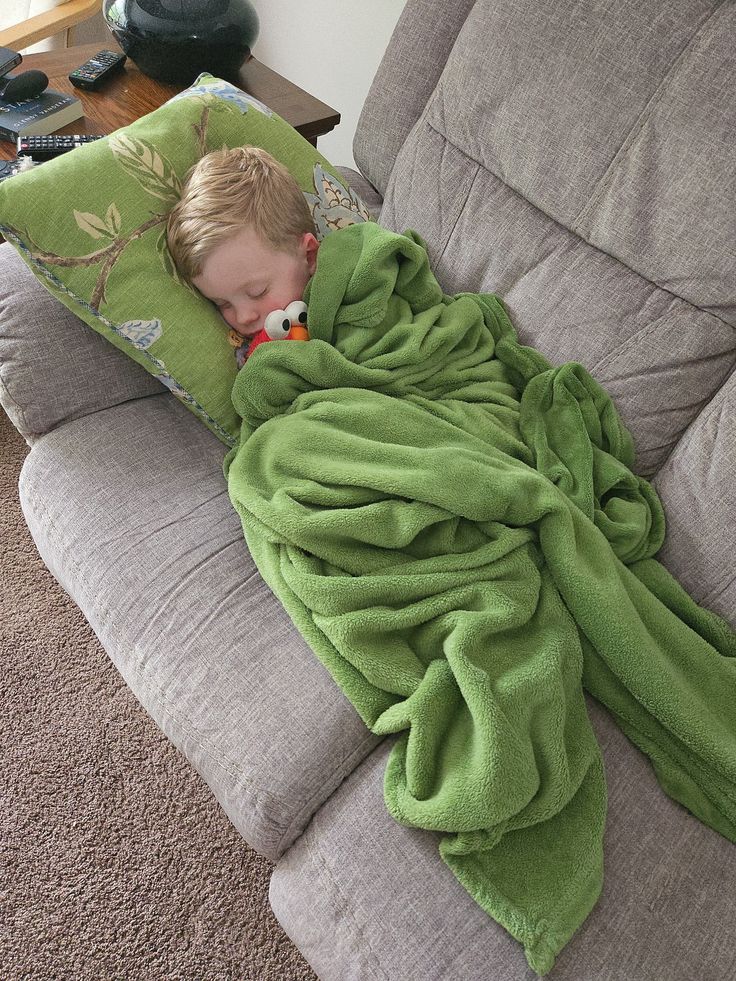
Ran for 2 days, from June 11 to June 13, 2026, the last day Crush saw it.
Run by Cindy Walkser on Facebook. Crush is not the advertiser and does not verify its claims. See this ad in Meta's Ad Library(opens in a new tab)
Want an ad like this for your product?
Crush makes new ad images for your product from this ad: your logo, your product photo, your offer.
Trials from $19.95 USD, then $79.95 USD a month. Cancel anytime.
About this ad
- Meta Ad Library ID
- 1026478830041636
- Platforms
- Facebook, Instagram, Audience Network, Messenger and Threads
- Relaunches
- 0
- Niche
- Parenting & Kids
Ad text
My son hid behind the sofa when he heard me plug it in. Three years old. Barely tall enough to see over the cushions. And he was hiding from me. From his own mother. Because he knew what that sound meant. That low, grinding hum. The compressor warming up. The mask coming out. I found him wedged between the wall and the back of the sofa, knees pulled up, hands over his ears, crying so hard he could barely breathe — which was the exact problem I was trying to fix. I sat on the floor next to him and I didn't pick him up. I didn't force it. I just sat there, holding the mask, listening to the compressor drone, and thought: We can't keep doing this. Ethan was diagnosed with viral wheeze at fourteen months. Every cold triggered it. The GP prescribed a blue inhaler with a spacer, which worked sometimes. But when the wheeze got bad — really bad, the kind where you can hear the crackle from across the room — we were given a home compressor nebuliser with salbutamol. The first time the nurse showed me how to use it in the clinic, Ethan was already upset from being examined. She strapped the mask on, turned the machine on, and he screamed so hard he almost vomited. She said, "They get used to it." He never got used to it. Every treatment was the same. I'd hold him on my lap. My husband would hold his arms so he couldn't rip the mask off. Ethan would thrash, scream, arch his back, claw at his face. Twenty minutes. That's how long a full treatment takes with a compressor nebuliser. Twenty minutes of physically restraining your own child while a machine roars next to his head and he looks at you like you're hurting him. Because from his perspective, I was. And the worst part — the part that ate at me at 2 AM — was that I wasn't even sure it was working. Because here's what nobody tells you about nebuliser treatments with a screaming toddler: when they thrash, the mask lifts. When the mask lifts, the mist doesn't go into their lungs. It goes into the air. You can see it — this expensive, prescribed medication, drifting up toward the ceiling like steam from a kettle. I'd finish a twenty-minute session drenched in sweat, Ethan hyperventilating in my arms, my husband looking at me like we'd just done something wrong, and I'd think — how much of that actually got into him? A quarter? Half? I had no idea. Some nights I'd go through the whole ordeal and his breathing wouldn't improve at all. Other nights it would improve slightly. I could never tell if the medicine was working a little or if he just wore himself out crying. I started skipping treatments. I'm ashamed to say that, but it's the truth. When he had a bad night and I should have got the nebuliser out, sometimes I'd try the inhaler and spacer instead — even though I knew it wasn't enough — just to avoid the screaming. Just to avoid my child looking at me like that. He started doing this thing where he'd hear any loud mechanical noise — the blender, the food processor, the vacuum — and flinch. My three-year-old flinching at kitchen appliances because they sounded like the machine that hurt him. I took him to the GP and said it's not working. She said the medicine is effective, he just needs to cooperate. She said it like cooperate was something a three-year-old could decide to do while a roaring machine is strapped to his face. That was my breaking point. Not the wheeze. Not the sleepless nights. The fact that the treatment existed, it was in my house, and I couldn't use it because my child was terrified of it. I had the answer and it was useless. The thing that changed everything was so small I almost missed it. Ethan had a bad episode in the spring. Bad enough that we ended up in hospital overnight. At around 4 AM, a nurse came to give him a nebulised treatment. He'd fallen asleep on my chest — genuinely asleep, that heavy, sweaty toddler sleep where they go completely limp. I tensed up. I knew what was about to happen. The second she turned on the machine, he'd wake up screaming and we'd be back in the wrestling ring. But she didn't wheel in a compressor. She took out something small. I couldn't even see what it was at first in the dim light. She held it a few centimetres from his face and I waited for the roar. Nothing. I looked at her. She glanced back at me and whispered, "Mesh. It's silent." Ethan didn't wake up. He didn't move. He didn't even change his breathing pattern. I watched a faint mist — so fine it looked like the air above a warm drink on a cold morning — drift gently across his nose and mouth. He breathed it in the way you breathe in air. Normally. Naturally. For twelve minutes, my son received a full nebuliser treatment while asleep on my chest and did not know it was happening. I cried so quietly into his hair. Not because of the medicine. Because of the silence. Because of the absence of screaming. Because my child's face was peaceful during a breathing treatment for the first time in his life. And something clicked in my head that I couldn't unclick. The problem was never Ethan. It was never his temperament or his inability to "cooperate." It was the machine. The noise. The sensation of that harsh, pressurised blast against his face. Take the roar away and the fear goes with it. Take the fear away and the mask doesn't get ripped off. The mask doesn't get ripped off and the mist actually goes where it needs to go. The mist goes where it needs to go and the medicine actually works. Every failed treatment in my living room. Every night I gave up and used the weaker inhaler instead. Every session where he screamed so hard the mist went everywhere except his lungs. None of that was because the medicine didn't work. It was because the delivery method made it impossible for a small child to receive it. I'd been blaming the treatment. I should have been questioning the machine. I asked the nurse what it was before we left. She said it was a mesh nebuliser — a vibrating plate with microscopic holes that turns liquid into a fine mist without a compressor. No motor. No noise. No pressurised air stream hitting the face. I bought one within a week. The first time I used it at home, I held it near Ethan's face while he was watching cartoons. He glanced at it, looked back at the screen, and kept watching. The mist was so fine and quiet he barely noticed. Just breathed it in like it was part of the air. No restraining. No screaming. No mask ripped off. No medicine on the ceiling. My husband walked in and watched from the doorway. After a minute he said, "Is it on?" It was on. Ethan was mid-treatment. He just couldn't tell. That was five months ago. Ethan no longer hides behind the sofa. He doesn't flinch at the blender. He doesn't look at me like I'm about to hurt him. When his chest gets tight, I hold the mesh near him — sometimes while he's playing, sometimes when he's drowsy, sometimes while he's actually asleep — and he gets his full treatment without knowing there's a treatment happening. And for the first time since his diagnosis, I feel like the medicine is actually reaching him. Not the ceiling. Not the air. Him. I think about all those months of fighting. All those nights I skipped the nebuliser because I couldn't face the screaming. All that prescribed medication that drifted away while my child thrashed. And I want to go back and tell that mother on the floor behind the sofa: it's not him. It's not you. It's the noise. If your child fights the nebuliser — if treatment time is a battle you both dread, if you've started avoiding it, if you've ever watched the mist float away while your baby screams — please hear me. Your child doesn't hate the medicine. They're afraid of the machine. Remove the noise and you remove the fight. Ask your doctor about mesh nebulisers. Look into them tonight. Because your child deserves to breathe without learning to be afraid first.
Where the ad sends people
https://seluric.com/products/breathe-easy-anytime-...
If your kid is constantly sick read this
Seluric
Shop now: seluric.com(opens in a new tab)