ADHD Parent Journal
ADHD Parent Journal Facebook ad: “The 14-minute birthday party exit”
Ran for 23 days, from August 18 to September 10, 2026, the last day Crush saw it.
Run by ADHD Parent Journal on Facebook. Crush is not the advertiser and does not verify its claims. See this ad in Meta's Ad Library(opens in a new tab)
Want an ad like this for your product?
Crush makes new ad images for your product from this ad: your logo, your product photo, your offer.
Trials from $19.95 USD, then $79.95 USD a month. Cancel anytime.
About this ad
- Meta Ad Library ID
- 1029047636670109
- Platforms
- Facebook, Instagram, Audience Network and Messenger
- Relaunches
- 1
Ad text
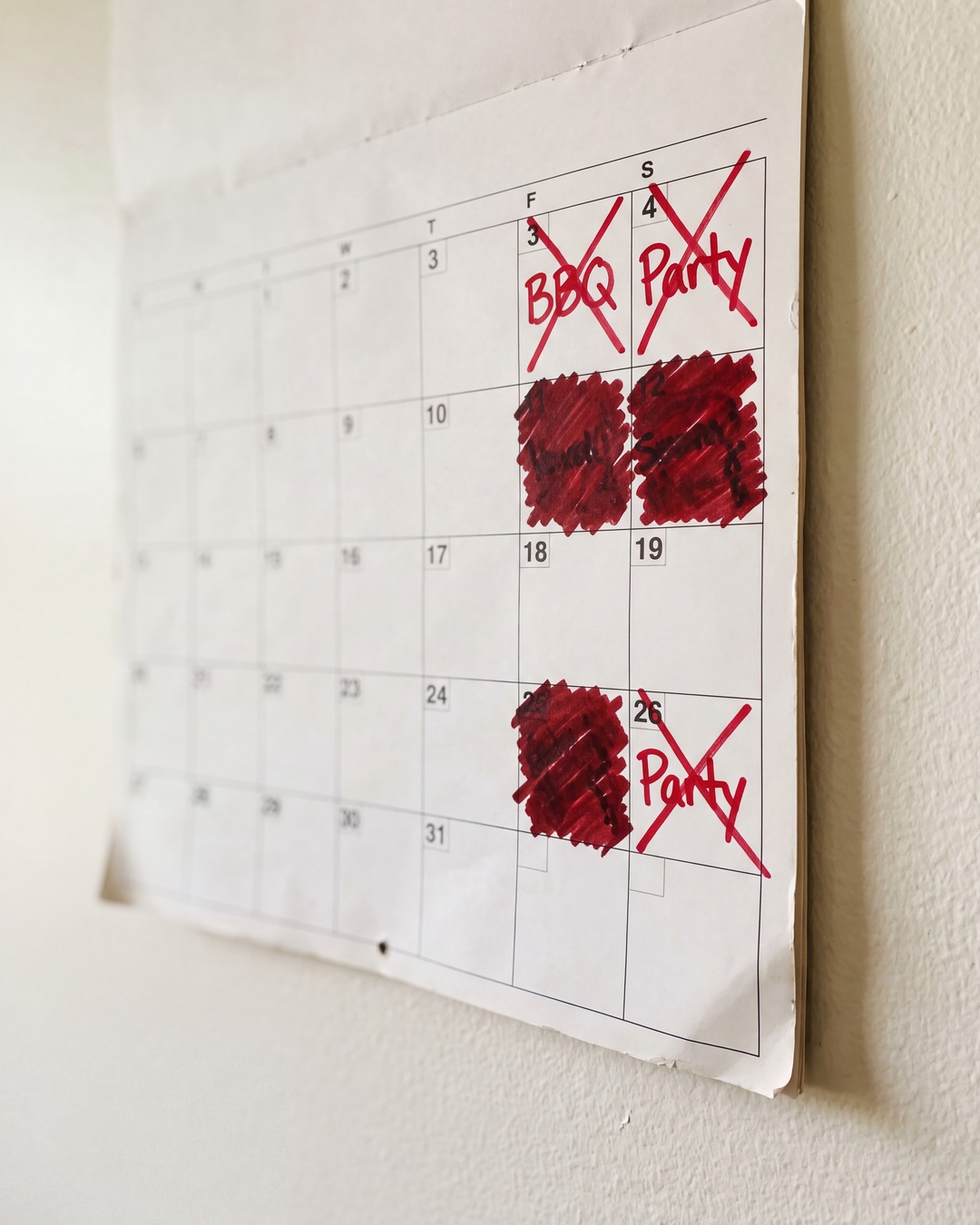
The family had not failed to prepare. Their bag contained headphones, snacks, a change of clothes, and three different calming objects. The list proved something harder: preparedness could shorten the exit, but it could not create the regulation capacity the child needed to remain. Managing escape was not the same as building recovery. This submission arrived with a photograph of a handwritten list and one sentence from the parent: “We stopped measuring whether we attended and started measuring how quickly we had to escape.” Six family events were recorded beside six exit times. The list looked ordinary until we understood that every number represented a child who wanted to stay and a family that kept practising how to leave. The submission came into our inbox on a Tuesday morning, and it was just a list of times. 14 minutes. 22 minutes. 31 minutes. 18 minutes. At first glance, it looked like a workout log or a reading tracker. But the note attached to it broke my heart. “This is how long we lasted at the last four birthday parties we were invited to,” the mother wrote. “Fourteen minutes at a trampoline park before the noise became too much. Twenty-two minutes at a backyard barbecue before the unstructured play turned into a meltdown. Thirty-one minutes at a bowling alley, which was a personal best, until the flashing lights triggered a panic response. And eighteen minutes at a quiet park gathering because the transition from the car to the grass was just too overwhelming.” She called it her “Exit-Time List.” And she wasn’t sharing it to complain. She was sharing it because she was exhausted, and she wanted to know if anyone else in our community was living their life in 15-minute increments. The comments poured in immediately. Hundreds of parents chiming in with their own exit times. “We made it 12 minutes at a family reunion before we had to leave.” “I don’t even take my coat off at playdates anymore.” “We always drive two cars to every event so one of us can escape with him when it inevitably falls apart.” This is the hidden reality of raising a child with severe regulation challenges. It’s not just about focus at school or sitting still at the dinner table. It’s about the shrinking of your family’s world. It’s the way your social life slowly evaporates because it’s just easier to stay home than to constantly manage the environment, apologise to hosts, and drag a screaming child to the car while everyone watches. This mother had tried everything. She wasn’t lazy, and she wasn’t unprepared. She detailed her meticulous pre-party routines. She would arrive early so her son could acclimate to the space before the crowd arrived. She always scoped out the exit seats so they could slip away unnoticed. She brought noise-cancelling headphones, weighted vests, and his favourite safe snacks. She tried bribery, promising extra screen time if he could just hold it together for an hour. But none of it worked. Because you can manage the environment all you want, but if a child’s internal baseline threshold for sensory input and emotional regulation is already maxed out, the slightest trigger will send them over the edge. She was trying to put out a fire by removing the kindling, but the spark was already lit inside his nervous system. The turning point in her story wasn’t a sudden miracle. It was a shift in understanding. She realised that her son wasn’t being difficult on purpose. He wasn’t trying to ruin the party. His brain was simply misinterpreting safe environments as threats, and his body was reacting accordingly. He was in a constant state of fight-or-flight, and the noise, the lights, and the unpredictable social dynamics of a child’s birthday party were just too much for a nervous system that was already running on empty. She stopped looking for behavioral fixes and started looking for physiological support. She needed something that could help regulate his nervous system from the inside out, something that could raise his threshold for sensory input so that a loud laugh or a sudden change in activity wouldn’t trigger a meltdown. That’s when she found VitaMood Munchies. She didn’t expect much. Like most of us, she had a cabinet full of half-empty supplement bottles that promised the world and delivered nothing. But she was desperate, and the science behind VitaMood made sense to her. It wasn’t a sedative. It wasn’t a quick fix. It was a targeted blend of natural ingredients designed to support the multiple pathways of emotional regulation. It included GABA to promote calm as part of a daily routine, Saffron extract to support mood stability, and a specific blend of vitamins to nourish the nervous system. She started giving them to him every morning. The first week, she didn’t notice much difference. But she kept the log going. Week two: “We went to the grocery store. Usually, this is a 10-minute dash before he loses it. We stayed for 25 minutes. He even helped me pick out apples.” Week three: “A neighbour stopped by unexpectedly. Normally, the disruption to our routine would cause a massive spiral. He hid behind my leg for a minute, then came out and showed her his dinosaur. No tears.” And then came the real test. Another birthday party invitation. She almost RSVP’d no. The anxiety of the Exit-Time List was heavy. But she decided to try. She packed the headphones, scoped out the exit, and prepared for a 15-minute visit. They arrived. The music was loud. Kids were running everywhere. She watched him closely, waiting for the familiar signs of overload—the hands over the ears, the frantic pacing, the sudden tearful demand to go home. But it didn’t happen. He found a quiet corner with some blocks. He played alongside another child. When it was time for pizza, he sat at the table. She checked her watch. 45 minutes. She texted her husband: “We are still here. He is eating pizza.” An hour passed. Then an hour and a half. The final entry in her log for that day didn’t have a minute count. It just had three words that made our entire editorial team tear up when we read them. “Stayed for cake.” It sounds so small. A piece of cake at a child’s birthday party. But for a family that has spent years living on the edge of the next meltdown, for a mother who has spent years apologising and leaving early, staying for cake is everything. It’s a return to ordinary life. It’s the feeling of belonging. It’s the relief of knowing that your child can finally participate in the joy of childhood without being overwhelmed by it. VitaMood Munchies didn’t change who her son was. He still prefers quiet spaces. He still doesn’t love loud noises. But his nervous system is no longer constantly redlining. He has the internal buffer he needs to handle the world around him. We shared her story on the page, and the response was overwhelming. So many parents are living with their own version of the Exit-Time List, and they are desperate for a way to help their children feel safe and regulated in the world. Our inbox has been full of parents asking where to find them, so we’ll leave the link right here: 👇 https://tryvitamood.com/pages/natural-ways-to-calm-a-hyper-child
Where the ad sends people
tryvitamood.com
The 14-minute birthday party exit
Why this family stopped leaving early and finally stayed for cake
Learn more: tryvitamood.com(opens in a new tab)