Michael Schmitt
Michael Schmitt Facebook ad: “A reported data-security incident involving more than…”
Ran for 20 days, from July 16 to August 5, 2026, the last day Crush saw it.
Run by Michael Schmitt on Facebook. Crush is not the advertiser and does not verify its claims. See this ad in Meta's Ad Library(opens in a new tab)
Want an ad like this for your product?
Crush makes new ad images for your product from this ad: your logo, your product photo, your offer.
Trials from $19.95 USD, then $79.95 USD a month. Cancel anytime.
About this ad
- Meta Ad Library ID
- 1030335019858393
- Platforms
- Facebook and Instagram
- Relaunches
- 0
- EU reach
- 2,528
Ad text
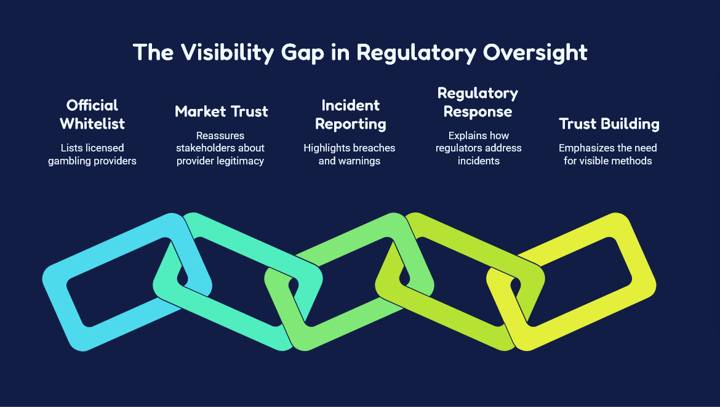
A reported data-security incident involving more than 800,000 player records should not be treated as a narrow IT problem. In Germany’s regulated online gambling market, this goes much deeper, because operators and suppliers are dealing with identity information, payment data, account histories, limit settings and other sensitive player information. The Merkur and The Mill Adventure case raises an uncomfortable question about what “reliability” actually means in practice. If a licensed gambling offer can be linked to an incident of this scale, the public discussion should not stop at whether a vulnerability was later fixed or whether a technical obligation was eventually fulfilled. Germany’s gambling regulation is built around the idea that licensed operators are safer, more controlled and more reliable than the black market. That promise only works if player protection includes the protection of player data, not only deposit limits, OASIS, LUGAS and advertising rules. The real issue is whether this kind of incident triggers a visible regulatory discussion about licence reliability, supplier oversight and operational control. Without that, the word “reliability” starts to sound like something used strongly in some cases and much more softly in others.