
Active· since Jun 9, 2026
- 48
- days running
- 0
- relaunches
Ad copy
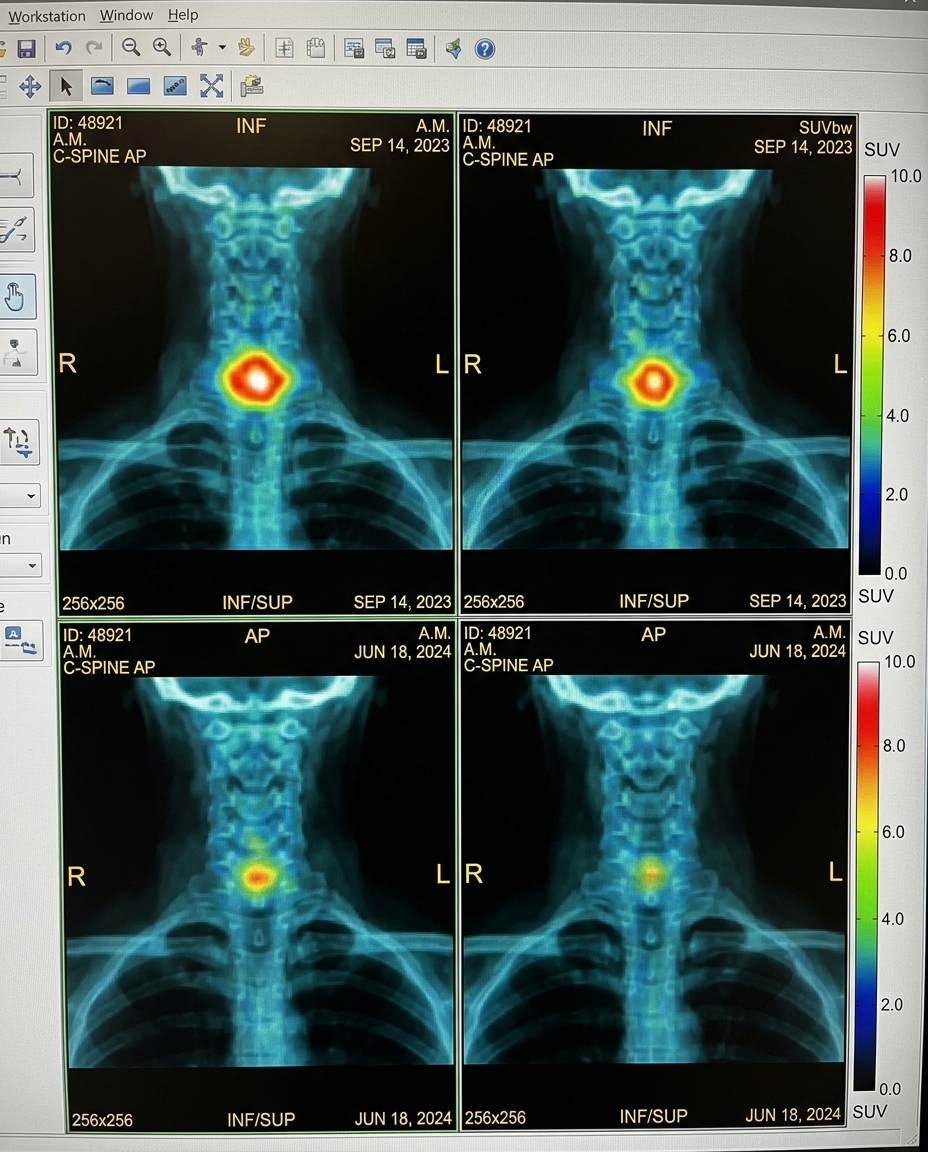
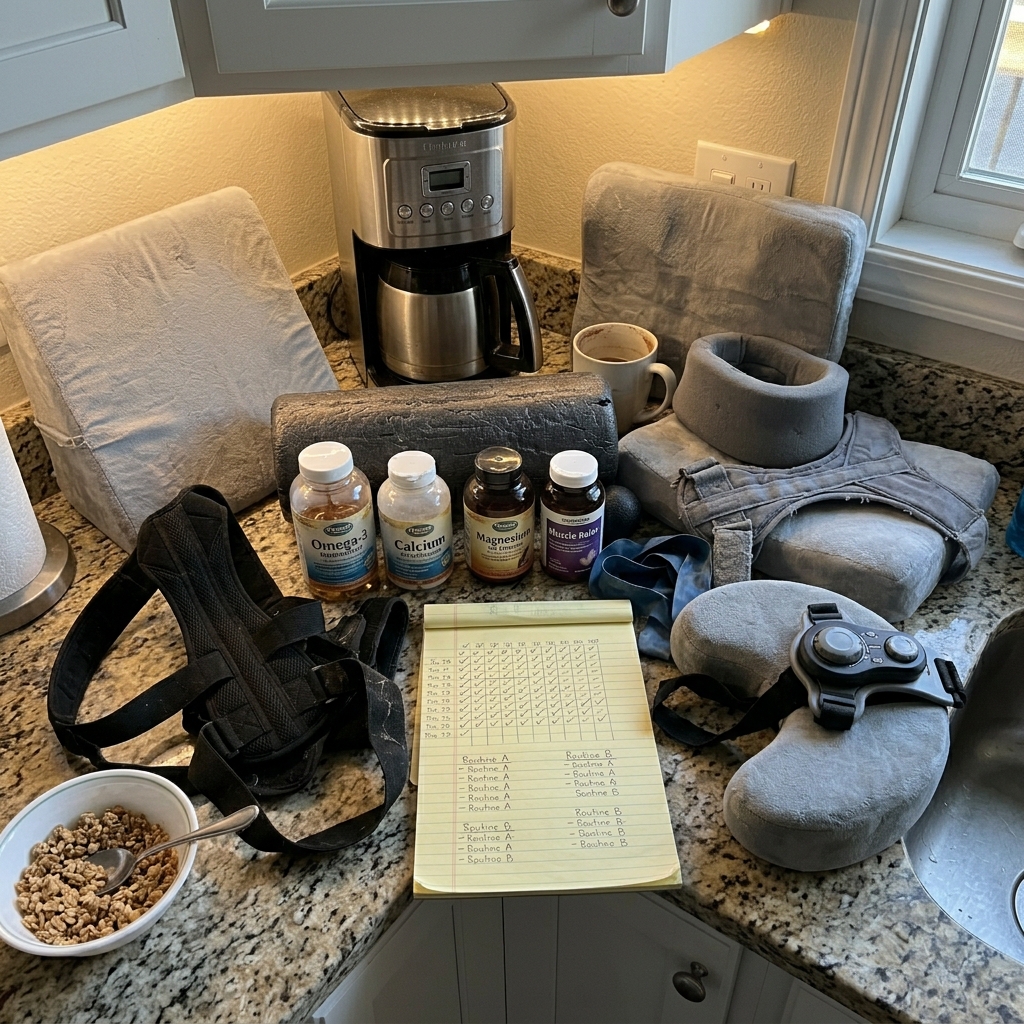
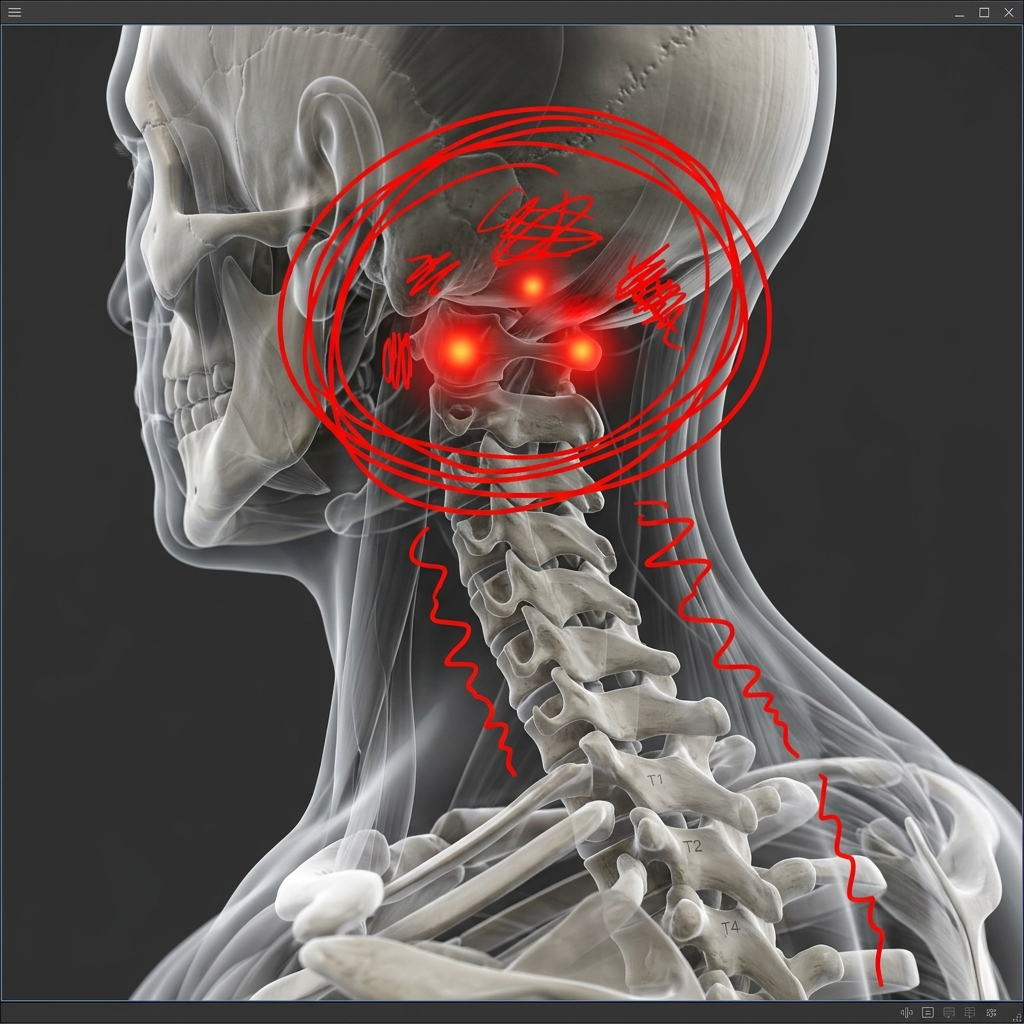
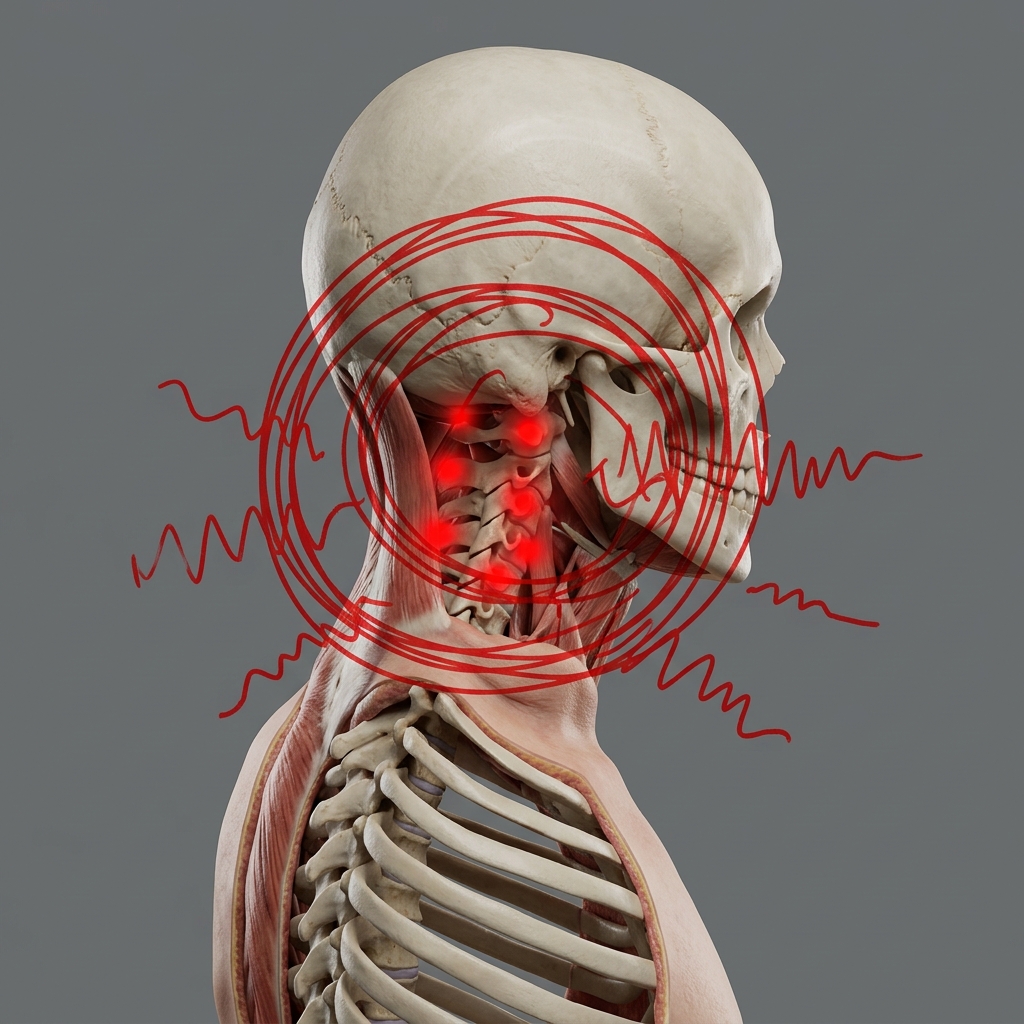
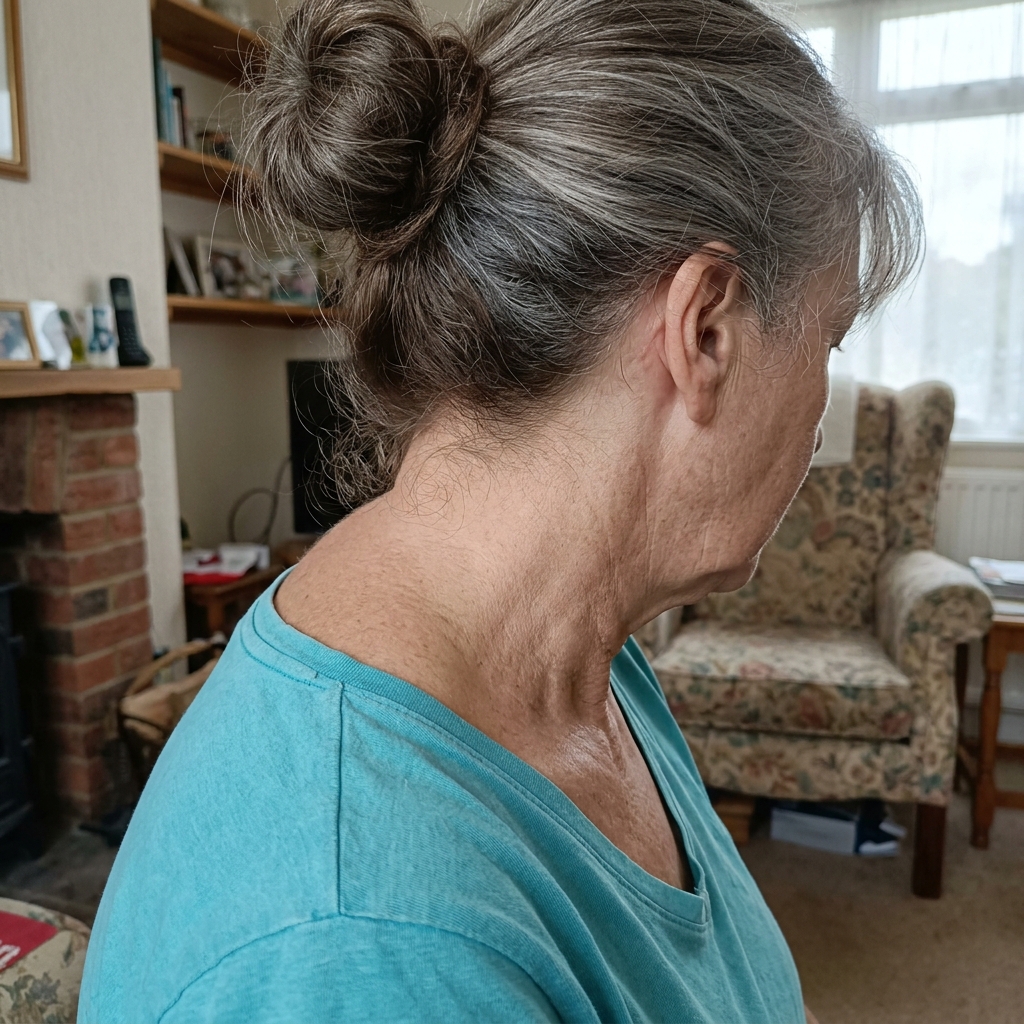
I saw a statistic that made me sick. Women who manage their neck hump with standard sessions are still building tissue ten years later in 73% of cases. Not 20%. Not 30%. Seventy-three. I didn't believe it when I read it. I'd been attending sessions for eleven years and not one practitioner had ever mentioned that the tissue was still building in the majority of their long-term patients. But here's the truth. Your manual therapist measures your translation. Your specialist assesses your tissue. Your GP sees you annually. The problem sits between all of them... and nobody is paid to look there. That's why most of us never heard this. That's why my mother never heard it either. My mother was part of that statistic. Tissue progression at 45. They put her on management. Said they'd monitor it. Seventeen years of twice-weekly sessions. She withdrew from life completely at 62. I'm 60. Last month my practitioner told me to increase my session frequency and try a new management device. I refused. And what I found instead... in a small farming community in rural Pennsylvania... took me from twenty-five minute morning calculations and stepping back from every photograph... to getting dressed in four minutes and standing at the front of my granddaughter's birthday table. No escalated sessions. No new devices. But to understand why I was desperate enough to drive six hours at 6 AM to find a woman on a porch, you have to know what I watched those sessions do to my mother. And what I didn't know they were quietly doing to me too. For SEVENTEEN YEARS... over two decades... my mother was trapped managing something that never stopped progressing. They told her the sessions would hold it. Said they'd keep the tissue stable. Said as long as she attended consistently, she'd be fine. Her assessments would stay manageable. Her assessments did stay manageable. Everything else fell apart. Within the first year she reorganised her wardrobe without saying anything. Doctor said that was normal, that she was being sensible about her presentation. By year three she had stopped suggesting plans that required cameras. They adjusted her session protocol. By year five her social world had contracted significantly. They added a home management device. Her presence? Gone. This was a woman who organised the church social committee for thirty-one years, on her feet and engaged from morning to evening. By year five she was positioning herself against the far wall before she'd even decided whether she wanted to be at the gathering. Her confidence changed. Her wardrobe changed. The way she entered rooms changed. And every time we brought it up, her practitioner said the same thing. "Your tissue index is manageable, Joan. The progression is from accumulated load. The withdrawal is just adjustment. Keep attending and use the device." She was attending every session. Using the device every morning. Doing everything right. My father said it was like watching her disappear one season at a time. They had her on that protocol for SEVENTEEN YEARS. Seventeen years of the tissue still building. Seventeen years of feeling like a stranger in her own photographs. Seventeen of "manageable" assessments. Seventeen years of appointments where they'd adjust the protocol or check the translation again... but never once... not ONE TIME... did anyone say, "Maybe something is wrong that this management isn't fixing." And then the withdrawal took her anyway. 62 years old. Sixty-two. The woman who used to walk into every room first stopped walking into rooms at all. At a family gathering my father took my hand and said something I'll never forget. "They managed the tissue, Barbara. Then they spent seventeen years missing what was actually happening to her." So fast forward to three months ago. I'm 60. Had my first tissue assessment at 49 — same progression my mother had. I've been a good patient. Attend my sessions. Do my morning exercises. Use my cervical pillow every night. No exceptions. I've tried the foam roller. Ashwagandha for stress reduction. AIP diet for eight months. Gluten-free for three years. Two different posture braces from specialist suppliers. I'm still building tissue from where I started at the assessment. I go to my annual assessment. Practitioner measures my translation. 2.9cm. Tissue index: continuing progression. Practitioner pulls up my chart. Looks at me. "Barbara, your tissue index is up. Your translation has increased. Your morning restriction is worsening. We should increase your sessions to three times weekly. And I'd like you to try this new management device." My chest tightened. More sessions. New device. Seventeen years of watching my mother attend every session, use every device, do everything right. And the tissue kept building. And the life kept shrinking. And the withdrawal came anyway. "No," I said. She blinked. "Excuse me?" "I'm not doing it. My mother had the same progression at 45. Same diagnosis. They put her on sessions. Added devices a few years in. Her assessments were manageable right up to the day she stopped living her life entirely." She gave me that look. "Barbara, we need to address the progression. The increased frequency..." "What's the point of more sessions if they didn't save her?" She didn't have an answer. I told her to give me three months. She wasn't happy. Wrote something in my chart. I didn't care. For three months I did everything right. Added a new cervical pillow. Walked an hour every day. Increased my morning routine. Reduced screen time completely. Three months later I went back. Translation 3.0cm. Tissue index up another increment. Morning calculation now at twenty-seven minutes. Practitioner pulled out her referral pad again. "Barbara, it's time." "Give me three more months." "Barbara—" "Three more months." She sighed. I didn't care what she wrote. That night I couldn't sleep. I kept thinking about my mother. Same progression. Same sessions. Same assessments coming back manageable right until she stopped showing up to things. At 2 AM I gave up. Went downstairs. Opened my laptop. I started searching. What actually happens to women with long-term neck hump progression. Why the sessions never touch the tissue in the long run. Why some of us keep building even when our assessments look stable. Why so many of us withdraw more and more as the years go on. Every site said the same thing. Keep attending. Do your exercises. Reduce forward load. Manage your stress. I'd done all of it. So I kept digging. Looking for communities where women stayed upright into their 80s. Not managed. Actually upright. That's when I found the thread. A post with over 3,000 comments. The title: "Why don't women in this Pennsylvania farming community develop progressive neck humps?" I almost scrolled past. But something made me click. Lancaster County, Pennsylvania. Cervical tissue progression rates 64% lower than the surrounding region. Not a little lower. Sixty-four percent. Person after person in the comments. Stories. Pictures of women in their 70s and 80s, upright, energetic, unrestricted. None of them on escalated management protocols. None of them withdrawing from their lives. Someone posted a location link. A farm with an herbalist. I looked at the clock. 2:51 AM. By 6 AM I was in my car. By noon I was in Pennsylvania. I didn't have an address. Just drove until I saw farmland. Turned down a dirt road when I spotted a hand-painted sign. "Herbs and Remedies." First farm I came to, there was an old woman on the porch. Had to be pushing 80. Small. Thin. Silver hair pulled back neatly. She was shelling peas into a bowl so fast her fingers blurred. No hunched posture. No forward pull. No strategic positioning. Just easy, steady presence. I parked and walked up to the porch. By the time I reached the steps I was out of breath and had already automatically calculated my angle. "Excuse me," I said. "I don't want to bother you. But how old are you?" She looked up with sharp, clear eyes. "Seventy-eight." I stood there. 60 years old. Calculating my angle before I'd even said hello. And this woman 18 years older had the cervical line of someone who had never once had to think about it. "I'm 60," I said. "My tissue has been building for eleven years. My practitioner wants me on escalated management. My mother had the same progression. She withdrew from her entire life at 62." She set down the bowl. Looked at me for a long moment. "You came here for a reason," she said. "Come inside. I'll show you something." Her kitchen smelled like coffee and bread. She poured me a cup without asking. Pulled out a chair. "Your sessions," she said. "They're addressing the wrong part." I didn't understand. "There are two parts to cervical tissue progression. The tissue you can see. And the release mechanism you can't." She folded her hands on the table. "Your sessions address the tissue. They mobilise the joint above it. They reduce the translation temporarily. That's their job. But there's a mechanism underneath — the muscles at the very base of your skull, right where the skull meets the spine. Their job is to fire a release signal after every forward movement throughout the day. To tell your cervical muscles to let go and return your head to center." She tapped the back of her own neck, right at the skull base. "That release mechanism — when it's working, your tissue stays stable. Your head returns to center automatically. The body self-corrects without you thinking about it. When it stops working — the head stays pulled forward. The tissue builds to compensate. Permanently." I stared at her. "And here's what nobody told you when that mechanism started failing. Before it failed, it was providing a small continuous release signal throughout the day. Not much, but constant. A safety net your sessions never needed to replace. The day it stopped, that safety net was gone. Now every bit of release your cervical structure needs must come from your sessions. Every single session. There's no automatic correction anymore." She shook her head slowly. "But years of forward load, and the accumulated stress of that failure itself, leave the release mechanism quiet. Dormant. And when the release mechanism is dormant, the sessions mobilise above it but never reach it. The translation improves for 24 to 48 hours. Then the mechanism re-engages exactly where it was. The tissue keeps building." She looked me straight in the eye. "And here's the part that will make you angry. No session on earth can put the release signal inside your cervical muscles. Not more frequent sessions. Not a higher dose of management. Not a different device. The only road to the release mechanism runs through three simultaneous inputs at the exact C1-C2 address. If the session is delivered above that address, no frequency your practitioner can prescribe will ever reach the mechanism." She leaned back. "That's why your assessment comes back manageable. The translation eases temporarily. Your practitioner sees it and tells you you're progressing well. But your release mechanism — your release mechanism is still dormant. And your body is compensating with tissue every single day." My eyes started to burn. "That's why the tissue keeps building. That's why the morning calculation gets longer. That's why women like you, on management for years, are still building tissue in the majority of cases. Not because of the sessions. Because of what isn't happening at the release mechanism. And no exercise fixes it. No pillow fixes it. No increased session frequency fixes it. Because none of those things reach the mechanism directly." She reached across the table and tapped her finger once on the back of my hand. "That is what happened to your mother. Not the tissue. Not the management. A release mechanism that went dormant... and a cervical structure that compensated with tissue for seventeen years while her practitioner told her she was manageable." I asked her how she knew. She smiled. A small smile. "My grandmother was a healer. Her grandmother was a healer. Every woman in our community who stays upright past 80 does the same thing every night before bed. For three hundred years." What thing? I asked. "Ten minutes. Lying back on two smooth stones wrapped in cloth, positioned exactly at the base of the skull. Right at C1-C2. The weight of the head does the work. You hold it for the full ten minutes. Every night. The release mechanism stays awake." Smooth stones. I'd seen similar things at the specialist supply shop. Tried one twice. She must have read my face. "That's not what you think it is," she said. "What's in your shop doesn't stay at the right address." She stood up. Walked to a cabinet. Pulled down a cloth-wrapped bundle. Two smooth, precisely shaped nodes. "Real release restoration requires three things simultaneously," she said. "Exact placement at C1-C2 — not approximate, not broad, exact. Gravity-assisted delivery through your own head weight — consistent, uninterrupted, not a practitioner's hand. And a minimum hold of ten minutes — long enough for the release signal to fire completely, not just begin." She held up the bundle. "The products at your shop deliver one of those three at most. Usually none. The placement shifts. The pressure varies. The hold is too short. The release mechanism never receives the full signal. The session goes in. The release never fires." She set the bundle down. "And the positioning. Once the release mechanism wakes up, your body needs the signal to be delivered at exactly the right cervical address — C1-C2, not C3, not the thoracic spine. One centimeter off and the release doesn't fire. Has to be precision-engineered. Has to be locked to the exact position." She looked at me. "Wake up the release mechanism. Deliver all three inputs simultaneously. Every night before sleep. That's it. That's all of it." I asked her if anyone made this the way she was describing. She nodded. "My granddaughter works with one company. Only one. Took them years to get the placement right. Precision foam nodes. Exact C1-C2 anatomical placement. Gravity-assisted delivery through the head's own weight. Ten-minute protocol. One use before bed." She wrote the name on a piece of paper and handed it to me. Cevera. I ordered it from her kitchen table. Tool arrived two days later. I used it for the first time that evening. Lay back. Positioned the nodes at the base of my skull. Let my head weight settle. About eight minutes in I felt it. A release at the base of my skull that I hadn't felt in eleven years. The tension I'd been carrying there so constantly I'd stopped registering it as tension — letting go. The calculation that starts the moment I open my eyes — quiet. I sat up. Ran my hand along the back of my neck. Too early to measure. Week one. Morning calculation: sixteen minutes instead of twenty-seven. I walked to the end of the driveway and back without positioning myself once. I sat down at the kitchen table and didn't check the angle first. Week two. Morning calculation: nine minutes. My usual high-collared blouse still on the hanger. I'd reached for the open-collar without thinking. My resting calculation — the low-grade background awareness of my cervical line that ran all day — was quieter. Noticeably quieter. Week three. Morning calculation: four minutes. I appeared in my granddaughter's birthday photographs without stepping to the back. Three photos. Front row in all three. I didn't plan it. I just stood where I was standing. Week four. Morning calculation: gone. I checked it three mornings in a row because I didn't believe it. No calculation. No positioning. No preparation before the mirror. Eleven years of calculating. Gone in four weeks. My follow-up was at the end of month two. The practitioner measured my translation. Checked the tissue index. Did it again. Looked at me. "Barbara. Your tissue index has reduced significantly." "Yes." "Without escalated management?" "Yes." Silence. She pulled up my history. Stared at the assessments. Looked at me again. "Barbara. What changed?" I told her. The Pennsylvania farmhouse. The woman on the porch. The release mechanism. The three simultaneous inputs. The exact C1-C2 placement. The ten-minute hold. She typed. Nodded slowly. "Let's run a full cervical assessment and tissue index at month four. If the reduction continues... no escalated protocol. No new devices." Four weeks later my forward head translation was down to 1.8cm from 3.0cm. No escalated sessions. No new devices. That was four months ago. My morning calculation this morning? Gone. Thirty-seven weeks without a single morning calculation. Without another session. Without another device added to the drawer. My tissue index at my last assessment: within manageable range and still reducing. My morning routine: four minutes. I sleep through the night. Last Saturday I took my granddaughter to the farmers market. Walked the whole thing. Appeared in every photograph she took. She said, "Grandma, you look so relaxed now." I didn't tell her I was crying behind my sunglasses. I called my father that night. Told him my numbers. Long silence. "Your mother would be proud, Barbara. You found another way." If you're reading this, you probably see yourself in my story. You've had tissue progression for years. They told you management would hold it. You attend your sessions consistently. Your tissue index is "manageable" and you still feel like you're disappearing. Your calculation gets longer. Your wardrobe gets smaller. Your social world gets more carefully arranged. Your practitioner has mentioned escalated frequency. Or a new device. Or that you should "increase the protocol." You've tried the foam roller. You've tried the posture brace. You've tried the traction device. You've tried two different cervical pillows from specialist suppliers. None of it worked. But now you know why. You weren't reaching the release mechanism. You were delivering input above it, or at the wrong address, or for too short a duration. Your release mechanism never got the signal. Your cells never received the full release. The day that mechanism went dormant, your sessions became your only source of temporary relief — and nobody has ever addressed the mechanism itself. And your tissue has been compensating every single day... just like my mother's was... building a little more each season while her practitioner told her she was manageable. Cevera is different. Precision foam nodes at exact C1-C2 anatomical placement, not approximate. Gravity-assisted delivery through your own head weight, not a practitioner's hand. Ten-minute protocol before bed, not short-duration tools that don't reach the threshold. Third-party documented mechanism specifications. One use per evening. Try Cevera for 90 days. Measure your morning calculation every week. Time how long you stand at the wardrobe. Ask your practitioner for a full assessment at day 60. If the calculation isn't shortening, if your tissue hasn't measurably reduced, if your markers haven't improved... full refund. No questions. You're at a crossroads. One path. Keep attending the sessions. Watch the tissue keep building. Add the new device when your index goes up. Add the escalated frequency when your translation increases. Add the specialist referral when the progression continues. Spend the next twenty years collecting protocols while the real mechanism never gets reached. End up where my mother did. Withdrawn from everything that mattered. Another path. Try what I tried. Wake up the release mechanism. Let your cervical structure do its job for the first time since that mechanism went dormant. Protect your presence and your confidence before the withdrawal becomes permanent. Track your numbers. See what changes in 90 days. I chose the second path. It gave me my mornings back. And it gave me my life back. The management system isn't coming to fix this. Your manual therapist isn't looking at your release mechanism. Your specialist isn't looking at your C1-C2 address. Your GP won't understand until the withdrawal is complete. Nobody is looking at the mechanism. Every year you wait is another year of tissue compensating. Another year of calculations getting longer. Another year of the wardrobe getting smaller. Another year closer to becoming the statistic I refuse to be. My mother didn't have this information. You do. — Barbara Linfield 👉 https://trycevera.com/pages/adv-womens-wellness-report P.S. I felt the first release at the skull base within eight minutes of my first session. Morning calculation gone by week four. Avoided escalated protocol and new devices at month two. Translation down from 3.0cm to 1.8cm at month three. Morning routine back to four minutes for the first time in four years. Your timeline might be different. But you won't know until you try. P.P.S. My older sister started Cevera six weeks after I did. She's 64. Also had progressive tissue accumulation. Translation reducing. Morning calculation down to seven minutes. Last Sunday she called me. "I'm not going to disappear like Mum did, Barbara." Neither am I. Neither should you. 👉 https://trycevera.com/pages/adv-womens-wellness-report
Like this ad? Make it yours.
Crush rebuilds this exact creative around your product — your brand, your colors, your offer — in about a minute.