Dr. Jennifer Walsh
Dr. Jennifer Walsh Facebook ad: “What doctors don't tell you about smoking.”
Ran for 16 days, from June 15 to July 1, 2026, the last day Crush saw it.
Run by Dr. Jennifer Walsh on Facebook. Crush is not the advertiser and does not verify its claims. See this ad in Meta's Ad Library(opens in a new tab)
Want an ad like this for your product?
Crush makes new ad images for your product from this ad: your logo, your product photo, your offer.
Trials from $19.95 USD, then $79.95 USD a month. Cancel anytime.
About this ad
- Meta Ad Library ID
- 1031668629215005
- Platforms
- Relaunches
- 0
Ad text
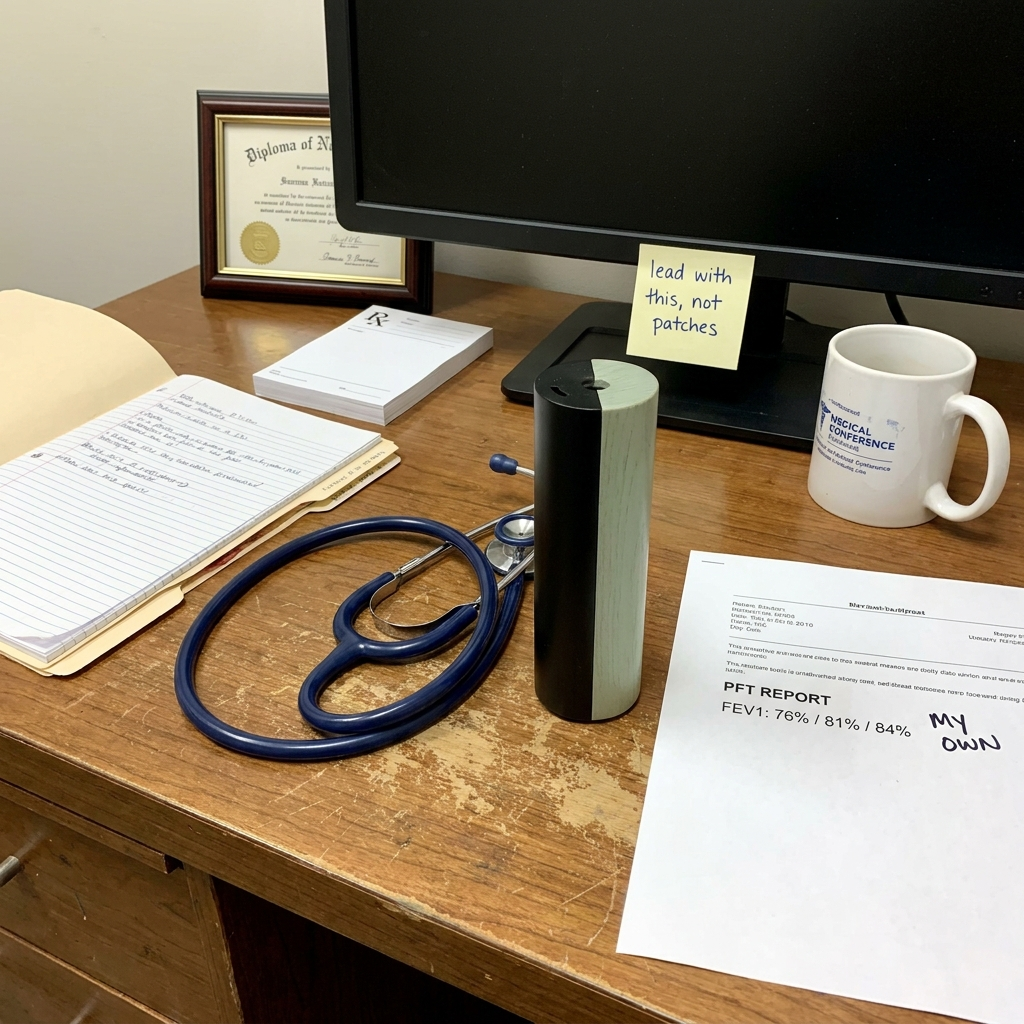
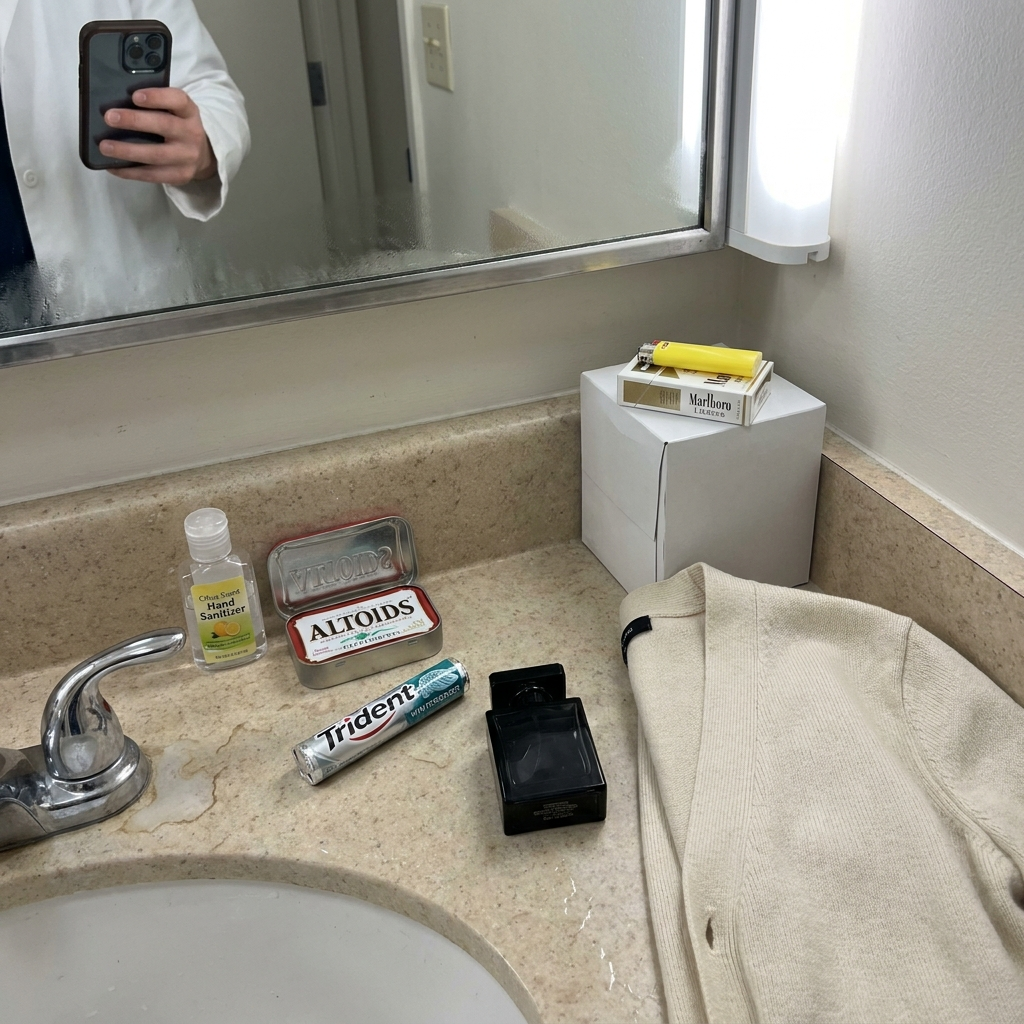
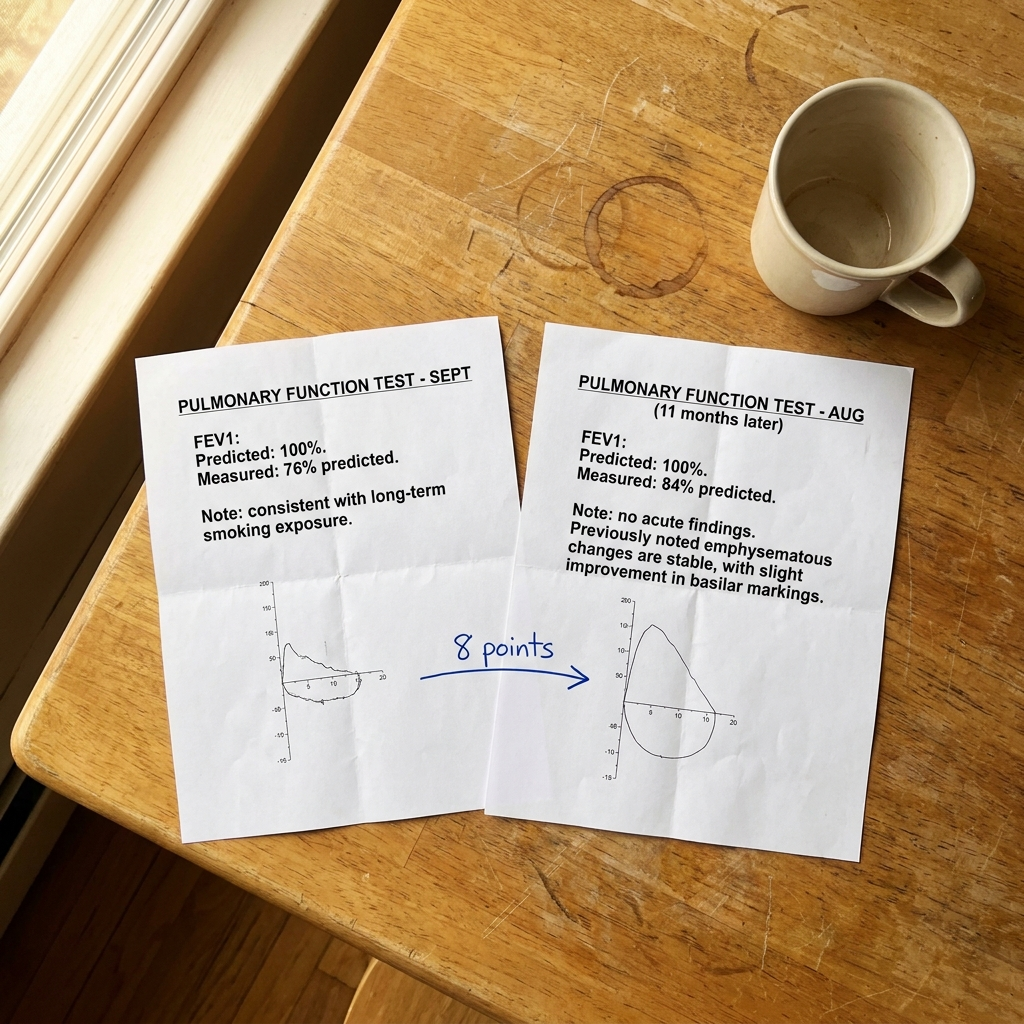
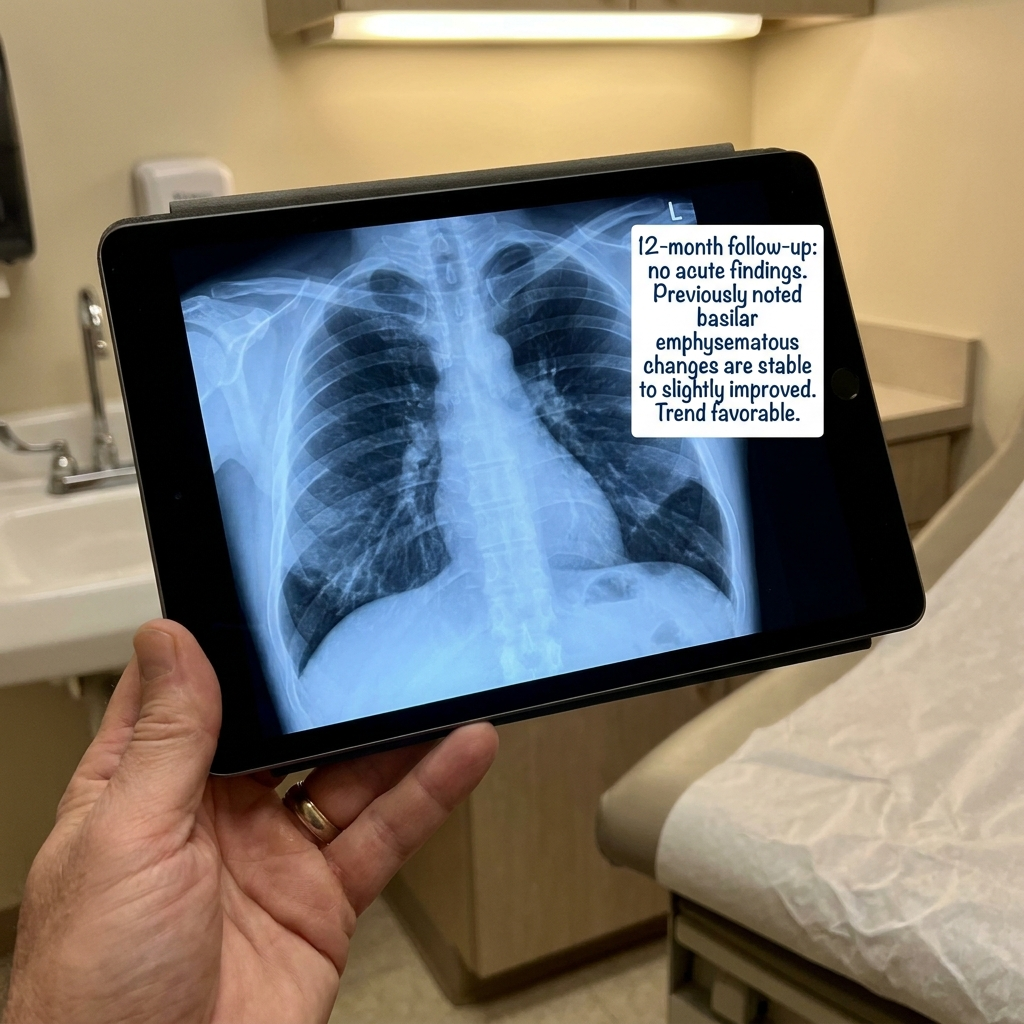
I owe an apology to every smoker I've treated in the last 14 years. I didn't know it at the time. I do now. And I can't keep quiet about it anymore. I'm a primary care doctor. 14 years in practice. In that time, I've prescribed nicotine patches, Chantix, and nicotine gum to thousands of patients. Maybe more. The protocol was always the same. Nicotine patch. 21mg, step down every two weeks. Come back in three months. That was my training. That was the standard of care. I never questioned it. Until last year, when I finally tried to quit myself. Because I'd been the smoker the whole time. I started in college. Kept it up through med school. Through residency. Through 22 years of building a practice where I told other people to stop doing exactly what I was doing in my car between appointments. I'd been hiding it for so long I'd stopped noticing the hiding. The hand sanitizer. The mints. The change of jacket between the parking lot and the building. The chewing gum walking from my car to the front door. Last September I went in for my annual physical. I'd been putting it off for two years because I knew what was coming. Chest X-ray. Early-stage emphysematous changes at the bases of both lungs. Pulmonary function test: FEV1 at 76% predicted. At 49. In a body that should still have decades of lung capacity. The radiologist's note said "consistent with long-term smoking exposure." I sat in my car for forty minutes after the appointment. Cried until my mascara ran. Then drove home and made the decision I'd been avoiding for 22 years. I was going to quit. So I did what I'd told hundreds of patients to do. 21mg patch. Step down every two weeks. Schedule the follow-up. My own prescription. The one I'd handed out a thousand times. By week two my skin was destroyed. Three rectangular burns from rotating the patch sites on my upper arm. Itching so bad I was scratching myself raw in the parking lot before going inside to see patients. The constant low-grade nausea from forcing nicotine into my body in the morning when my brain wasn't even asking for it yet. I told myself what I'd told every patient who complained. Push through. The side effects are normal. The patch is keeping the nicotine in your system at a steady level so the cravings don't spike. Six weeks later I got to the morning I was supposed to go without the patch. I broke at 11 AM. I lit up in the parking lot of my own clinic. The same parking lot I'd told patients to walk past on their way to their cessation appointments. I came back inside and sat at my desk. The same desk where I'd written hundreds of cessation prescriptions. Where I'd told women like Marcia and Donna and Patricia that the patch would work if they just gave it more time. That's when I started thinking something was wrong with me. That my brain chemistry was different. That I was the rare patient who just couldn't quit. A primary care doctor. Blaming her own brain chemistry instead of questioning her own prescription. In 14 years of practice, I know exactly what it means when a treatment fails across multiple patients. It means the treatment is wrong. Not the patient. And here I was, failing on the same treatment I'd given thousands of smokers — and my first instinct was to blame myself. How many of my patients did the same thing? That question kept me up all night. I sat at my kitchen table at 2 AM and started reading. Not the prescribing guidelines I'd memorized in residency. The actual research on nicotine cessation. What I found made me sick. Nicotine clears the body in 72 hours. 72 hours. The patch is designed to taper a chemical that's already gone by Day 3. After the first three days, the patch isn't preventing nicotine withdrawal. There IS no nicotine withdrawal to prevent. The patch is just maintaining a low-grade chemical addiction your body had broken on its own. So why do smokers relapse on Day 5? Day 9? Day 14? Because nicotine is only one part of the addiction. The other part — the part nothing in the cessation protocols addresses — is the behavioral ritual. The hand-to-mouth motion. The deep inhale. The 3-minute pause. The visible exhale. A pack-a-day smoker performs that motion roughly 20 times a day. Over 22 years that's somewhere north of 160,000 repetitions. The body has built a motor cortex pathway as deep and automatic as walking. The patch addresses the chemical pathway and leaves the motor cortex completely untouched. The motor cortex still wants the motion 20 times a day. There's nothing to deliver it. So the body breaks during the next stressful moment and reaches for the only delivery system it knows. That's why I broke at 11 AM. Not because I lacked willpower. Because my motor cortex was running a program with nothing to feed it. And it gets worse. The cessation research has known about the behavioral component for decades. Behavioral substitution — replacing the hand motion, the inhale, the pause, the exhale with something else — has been shown to dramatically improve cessation outcomes in study after study. None of it has ever made it into the cessation protocols I was taught. I called a colleague in addiction medicine the next morning. Told her what I'd found. She wasn't surprised. "Behavioral substitution is the difference between cessation that lasts and cessation that fails. We've known this for years. Primary care still leads with patches because that's what insurance reimburses. The behavioral component is what actually works. But there's no billing code for 'give them something to hold.'" That sentence broke something in me. An addiction specialist knew. Had known for years. And it never reached the doctors actually writing the prescriptions. Because the cessation protocols haven't been updated in decades. Because we spent less than three hours total on smoking cessation in medical school. Because the patch is what gets reimbursed and the patch is what gets prescribed. So smokers keep failing on patches and we keep telling them to push through because that's what we were taught. I spent the next two weeks looking at every behavioral substitution option I could find. Most had the same problem — they addressed the hand OR the breath, not both. Toothpicks. Cinnamon sticks. Sugar-free gum. Worry stones. They gave the hand something to do but they didn't give the lungs the breathing pattern they'd spent 22 years learning. I was about to give up and try to piece together my own approach when I finally found one product that had everything in a single device. The right form factor — small enough to hold in your hand, used during trigger moments. Three plant-based ingredients with actual respiratory research behind them. Mullein, documented in respiratory medicine since the 1800s as a demulcent and expectorant. It soothes irritated airway tissue while loosening years of buildup. The materia medica entries on mullein for lung recovery go back over 150 years. Thyme, with documented antiseptic properties that help clean inflamed airway tissue. And peppermint, with documented bronchodilator effects and the cooling sensation on the inhale that closes the loop on the behavioral substitution. No nicotine. No propylene glycol. No aerosolized metals. Just three herbs in vapor form, delivered through the exact same hand-to-mouth-inhale-pause-exhale pattern my body had spent 22 years learning. I cross-checked the herbs against the respiratory medicine research the next morning. The science was sound. The format was correct. The price was reasonable enough not to be a scam. I ordered it that afternoon. Week 1. The cough got worse. Months of buildup my body was finally able to start clearing. As a doctor I knew this was expected — that's what an expectorant does. Week 2. My hands stopped reaching for cigarettes between appointments. The hand pattern was being fed. Week 4. I made it through my first hard week of the new approach — three difficult patient cases, a procedural complication, my mother's annual care meeting. Used the diffuser through every trigger moment. Did not break. Week 8. I retested my PFT. FEV1 had improved from 76% to 81% predicted. Five points in eight weeks. Week 12. I went back for the follow-up X-ray. The radiologist's note: "mild improvement in basilar emphysematous changes. Trend favorable." I sat in my office and read that note four times before it hit me. For the first time in 22 years, my lungs were healing. Then the guilt came. I sat at the same desk where I'd dismissed patients and thought about every smoking patient who'd ever sat across from me. Marcia who came back three times saying the patch made her cravings worse. I told her she wasn't using it consistently enough. Donna who said Chantix gave her dreams that frightened her. I told her to push through. Patricia who came back after three months saying she'd made it through the Chantix course and started again two weeks after. I told her she lacked commitment. None of them lacked commitment. They lacked a replacement for what their bodies had been doing 20 times a day for decades. I'm not prescribing patches as a first-line cessation tool anymore. Every smoking patient in my practice is now offered behavioral substitution first. The same diffuser I used. Watched 18 patients quit using this approach in the past 5 months. My old success rate was under 8%. My current rate is over 70%. I wasn't a bad doctor. I was a misinformed one. But my patients were the ones who suffered. If you've been on patches or gum or Chantix and you keep breaking during the next stressful moment — it's not you. It's the protocol. You're being given a chemical solution for a behavioral problem. The reason it doesn't last has nothing to do with willpower. I've linked the diffuser I took — and the same one I now give to every smoking patient in my practice — below: 👉 https://quitritual.co/pages/6-reasons-why P.S. — I think about Marcia, Donna, and Patricia all the time. The patients I dismissed because the protocol I'd been taught failed and I blamed them for it. If you're one of the patients I sent home telling you to push through — I'm sorry. It wasn't your fault. You were given a treatment that addresses one-third of what the addiction actually is. P.P.S. — Give it 4 weeks minimum. That's when the hand pattern stops reaching for cigarettes. By Week 6-8 the cough clears and the breathing improves. They have a 60-day money-back guarantee if it doesn't work for you. Based on what I've seen in my own practice — you won't need it.
Where the ad sends people
quitritual.co
What doctors don't tell you about smoking...
If you struggle to quit, please read this...
Learn more: quitritual.co(opens in a new tab)