
Active· since Jun 22, 2026
- 85
- days running
- 0
- relaunches
Ad copy
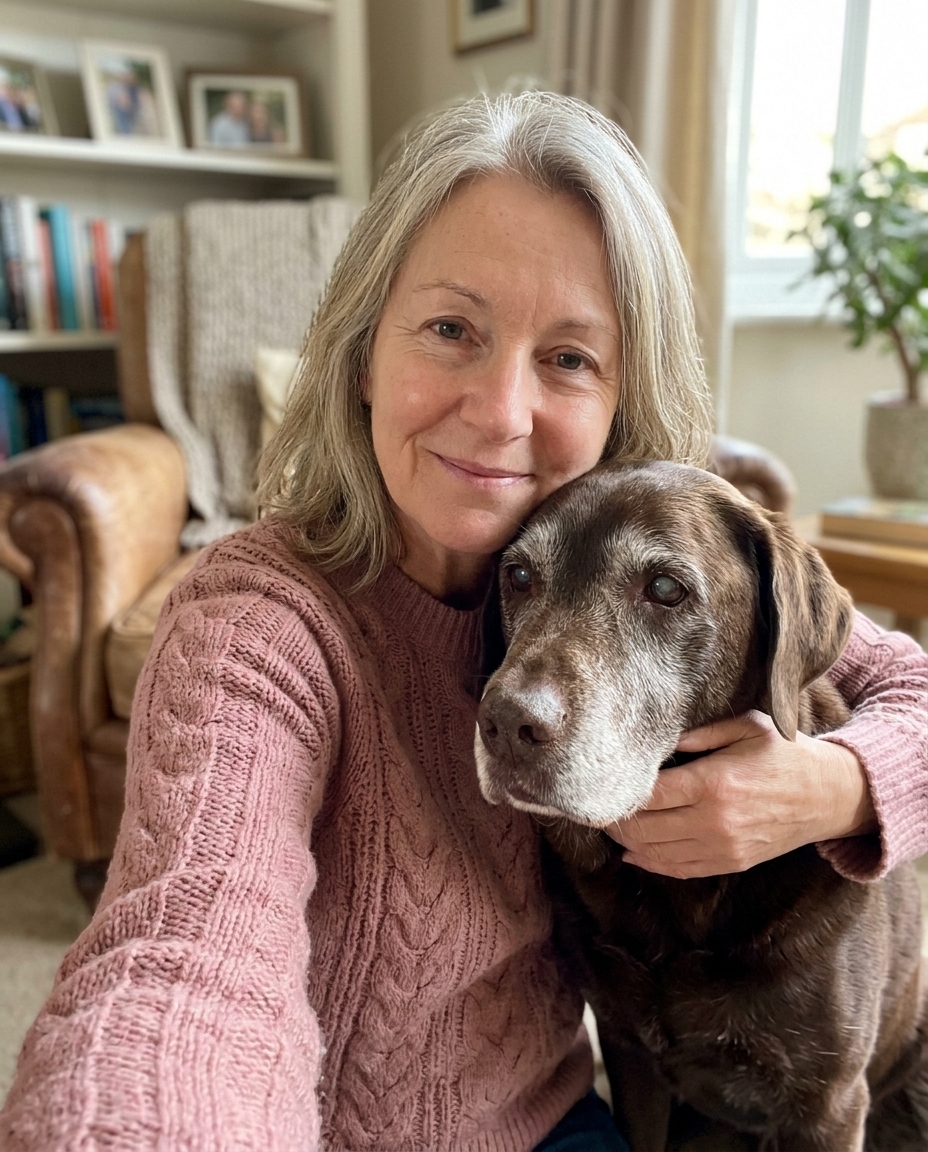
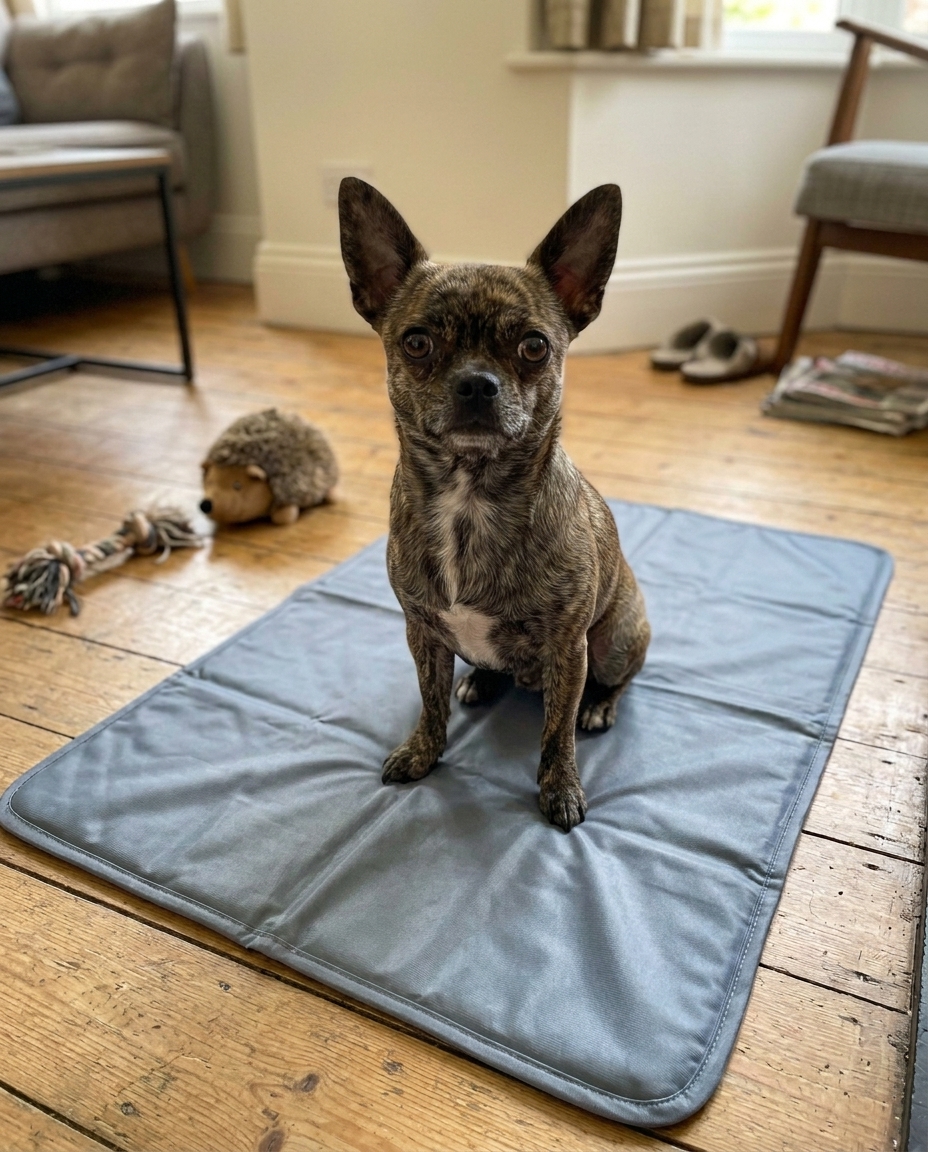
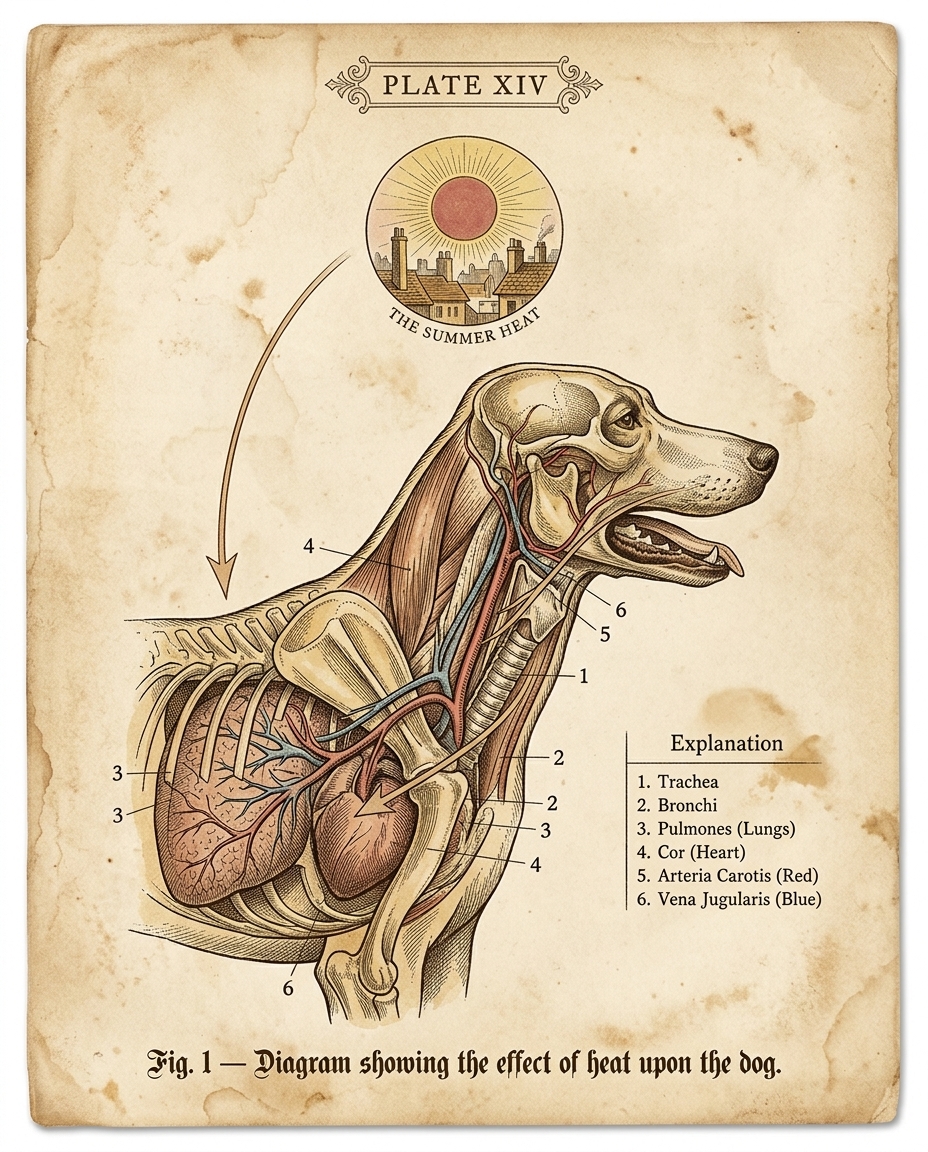
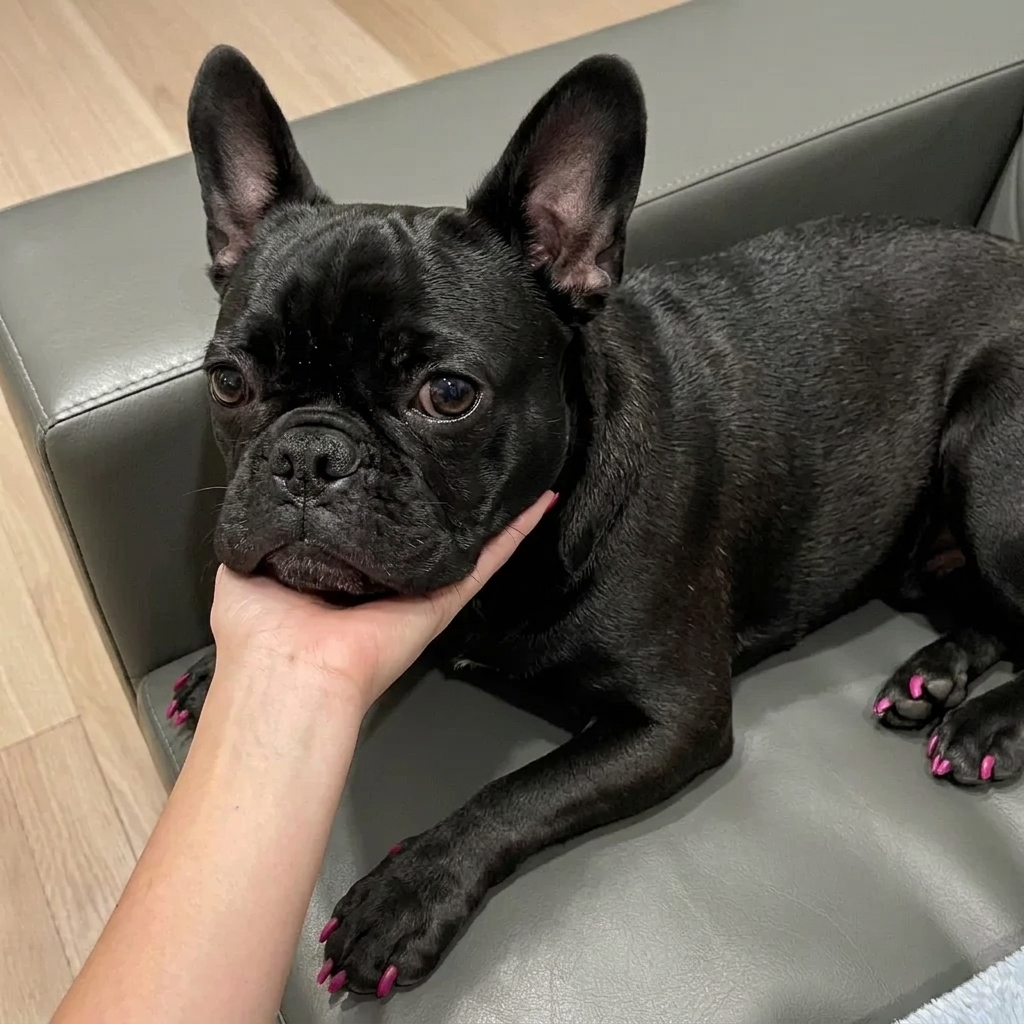
My dog had the nose surgery. The full airway operation. I did everything the specialist told me. I spent everything I had to fix his breathing. He died in the heat anyway. And I spent a year not understanding why — until I found the one thing nobody told me the surgery didn't fix. His name was Bruno. He was five. Before I tell you what happened, I need you to understand what we went through together. Because if you're reading this you probably have a flat-faced breed who's had airway surgery, or is about to. And you probably feel the way I felt the day I collected him from the specialist. Like the hard part was finally over. It wasn't over. I got Bruno at eight weeks. A French Bulldog with a white patch on his chest and a snore that rattled the windows. By eighteen months I'd noticed the breathing. Not just the snoring — the effort behind it. The way he panted after the shortest walk. The way warm days seemed to cost him something other dogs didn't pay. The way his breathing sounded like work even when he was lying completely still. I took him to a specialist. The diagnosis was exactly what I'd feared. Severe BOAS. The whole airway. She walked me through the surgery. The nostrils, the soft palate, all of it in one operation. "This will significantly improve his breathing and his ability to regulate his temperature." I asked the only question that mattered. "Will this make him safe in the heat?" "It will significantly reduce his risk. His airway will be far more functional afterwards." I booked it that week. The full operation — the nostrils, the soft palate, all of it in one go. Three and a half thousand pounds. I didn't hesitate. I'd have found the money from anywhere. Bruno came home with stitches and strict instructions. Three weeks of rest. No excitement. Keep him cool. Those three weeks were the longest of my life. I carried him everywhere. I sat on the floor by his crate so he wouldn't feel alone. I cancelled everything for a month. At week two he started snoring again — quieter than before. I cried when I heard it, because I understood what it meant. The surgery had worked. His airway was opening up. At week three the specialist cleared him. "His airway looks excellent. You should notice a real difference in his heat tolerance going forward." I drove home feeling something I hadn't felt since before the diagnosis. Relief. The hard part was over. That first summer I was careful. Not because I was worried — because I'd put too much in to be careless. Walks early. Curtains drawn. A good cooling mat, the one every French Bulldog group recommended. Four and a half stars. Thousands of reviews. Bruno was better. Noticeably better. The panting after walks settled faster. The breathing at rest was quieter. The surgery had done what she said it would. I felt safe. The next summer I relaxed. Not carelessly. Just normally — the way you relax when you believe the problem's been solved. The walks crept a little later some mornings. I stopped obsessively checking the thermostat. I still had his cooling mat. The same gel mat everyone recommended. Bruno still went to the kitchen tiles some afternoons. Less than before the surgery. But still. I posted about it in my French Bulldog group. "Does anyone else's post-surgery Frenchie still go to the cold tiles sometimes? Wondering if that's still normal." Twelve people replied. Totally normal. Some dogs just run warm. The surgery helps but they still feel it. Nothing to worry about. So I stopped worrying about it. A few months later, on a warm afternoon in July, I came home and found him on the kitchen floor. I'm not going to describe the rest. We tried everything. By the time it had started, it was already too late to turn back. Bruno died that evening. Five years old. Post-surgery. Cooling mat on the floor. Everything I knew to do, done. I sat outside the clinic for a very long time, coming back to the same question I couldn't answer. I fixed his airway. She said it would significantly reduce his risk. How did this happen. I spent the next year trying to find out. Not Facebook groups. Not product reviews. The actual research — on flat-faced breeds, on how surgery changes their breathing, on what it does and doesn't do. And one night, very late, I finally understood what nobody had told me about the surgery I'd believed was the complete answer. Here's what the surgery does. It opens the nostrils. It shortens the soft palate. It clears the airway. It significantly improves breathing. It significantly reduces heat-stress risk. Significantly. Not completely. Here's what it doesn't do. It doesn't make a French Bulldog's airway a normal dog's airway. It makes it better — meaningfully, genuinely better. But after the best possible result, a flat-faced breed still has a flat-faced breed's airway. Still narrower. Still working harder to push air through. Still generating heat from the sheer effort of panting that a long-nosed dog never has to make. Vets have a name for the trap it puts these dogs in. The harder a flat-faced dog pants, the more heat the effort itself produces — so it pants harder still. Surgery softens that loop. It doesn't switch it off. And here's the finding that broke me. A post-surgery owner who believes the surgery was the whole answer is often less watchful than a pre-surgery owner who knows the risk is still there. The pre-surgery owner stays vigilant. The post-surgery owner feels safe. They relax. They let the walks slip later. They see the dog go to the cold tiles and post about it and accept "normal" — because surely, after everything, the problem's solved. The surgery gave Bruno a better airway. It gave me a false sense of safety. And the false sense of safety was the more dangerous of the two. I thought about the three months between his clearance and the afternoon I found him. The thermostat I'd stopped checking. The tile behaviour I'd posted about and waved away. And the gel mat that had been quietly failing every single afternoon while I felt safe, because I'd done everything the specialists told me. Because here's the thing about that mat. A gel mat cools by absorbing heat from your dog's body — until it reaches the same temperature as your dog. For a normal dog that's sixty to ninety minutes. For a flat-faced dog producing more heat than it can shed, it's faster. After that, the gel doesn't just stop working. It sits there at body temperature, a warm pad holding heat against him. That's why he kept getting up and going back to the tiles. The surgery had improved the loop. The mat was handing him straight back to it ninety minutes in. And I had no idea, because I believed the surgery was the complete answer. So I started looking for the actual complete answer. Not something that quits at ninety minutes — something that keeps working through the whole afternoon. Something built knowing that even after the best possible surgery, the loop is still running. I tried everything on the market. Standard gel mat — the one he'd had. Ninety minutes, then equilibrium, then handoff. Premium gel mat — thicker, more gel, same physics, same ninety-minute window. Cooling vests — needs evaporation, needs effective panting, which is the one thing a flat-faced dog can't reliably do. Every product. Same wrong assumption. None of them built for a dog whose own cooling system can't finish the job. Then I found the Chewlax Thermal Pull Cooling Mat™. I was sceptical. I'd done everything right once before and lost him anyway. But this one didn't work like the others, and I needed to understand why. It isn't gel. There's no gel to warm up and quit. The surface is a material called Ice Silk — naturally cool to the touch. And inside is the Thermal Pull Matrix™. It's pressure-activated, which means the moment your dog lies down, it starts working. It pulls heat out of your dog's body and releases it into the air — like a sponge, but for heat instead of water. It doesn't fill up and stop. The hotter it gets, the harder it works. No gel to leak. No gel to lick. No equilibrium point where it turns into a warm pad and hands your dog back to the loop. Just heat being pulled away and let go, for as long as your dog is lying on it. I got a new French Bulldog eight months after I lost Bruno. A two-year-old. I booked his airway consultation the week I brought him home — because the surgery matters, it was the right call for Bruno and it's the right call for him. But the Chewlax mat was on the floor the day he arrived. Not after the surgery. Before it. Because I finally understood that the surgery and the mat aren't alternatives. The surgery addresses the anatomy. The mat addresses what the anatomy still produces. You need both. He had his surgery a few months later. The mat was in his recovery space from the first day home. It's been there every day since. His first summer post-surgery, I took him back for his check-up. The vet listened to his chest, reviewed his recovery, and said his breathing at rest was quieter than most of her post-surgery patients at that stage. "What are you doing differently?" I told her about the mat. About the gel mats failing at ninety minutes. About the year I'd spent reading research nobody had ever mentioned to me. She was quiet for a moment. "I tell owners the surgery significantly reduces their risk. I don't always tell them it doesn't eliminate it. I probably should." "You should," I said. "I believed it was the complete answer. It cost me Bruno." That was over a year ago. He's been comfortable through two summers now. The surgery gave him a better airway. The mat handles what the better airway still can't. I want to be honest with you about one thing, because I can't bear the thought of anyone reading this and getting the wrong idea. I'm not telling you a mat saves a dog who's genuinely overheating — if your dog is in trouble, that's the vet, that's cool water, that's now, every time. I'm telling you that the mat Bruno was lying on stopped working every afternoon, and I didn't know, and I felt safe. I'm writing this because somewhere right now there's a flat-faced breed owner who's just collected their dog from the specialist. Who feels the relief I felt. Who believes the hard part is finally over. It's not over. The surgery was necessary. It was right. It gave your dog a meaningfully better airway. It did not give them a normal one. The loop still runs — less fiercely, but it runs. And the gel mat with four and a half stars and thousands of reviews is still quitting at ninety minutes and handing your dog back to it every single afternoon. The surgery addresses the anatomy. The mat addresses what the anatomy still produces. You need both. Not one or the other. Both. Don't keep believing the surgery was the whole answer. Don't keep trusting a mat built for a dog whose breathing works — when your dog's breathing still doesn't, even after the best possible surgery. Right now the Thermal Pull Cooling Mat™ is just £27.99 — down from £39.99, 30% off — with two free gifts for summer (a cooling chew toy and a vet-written eBook on heat safety) and the 30-day "Tail-Wagging Happy" money-back guarantee. So you can try it without risk. I spent three and a half thousand pounds on the surgery and a year of grief before I understood the second half of the answer. The second half is £27.99. 👉 https://chewlax.com/products/dog-cooling-bed-mat I'd size up when you order. A post-surgery flat-faced breed still runs that residual loop. You want full coverage, and you want the mat doing the whole job from the moment they lie down — through recovery, and every afternoon after. P.S. Airway surgery significantly improves breathing and significantly reduces heat-stress risk. It does not switch off the loop. The loop still runs afterwards — less severely, but it runs. And the gel mat that quit on Bruno at ninety minutes every afternoon, while I felt safe because I'd done everything I was told, is still failing post-surgery flat-faced dogs the same way today. The surgery was necessary. It wasn't the complete answer. The Chewlax mat is the second half. Start before the heat does. P.P.S. Nobody pays me to write this. I share it because I spent three and a half grand on the surgery and a year trying to understand why Bruno died after I'd done everything right, and found the answer in research nobody had ever put in front of me. The surgery improves the loop. The Thermal Pull Matrix™ keeps working when the gel has long since quit. Together they're the complete answer. Bruno deserved both. My boy has both. So does yours.
I did everything the specialist told me.
Imagine your furry friend lounging comfortably on a specially designed surface that offers instant relief from the summer heat. This premium cooling solution is thoughtfully crafted with advanced cooling fabric and a multi-layered design that dissipates heat from your dog's body naturally—no elect...
LEARN MORELike this ad? Make it yours.
Crush rebuilds this exact creative around your product — your brand, your colors, your offer — in about a minute.