Greg Mitchell
 Facebook ad: “Top Bike Fitter: This is the Best Way to End Cycling…”
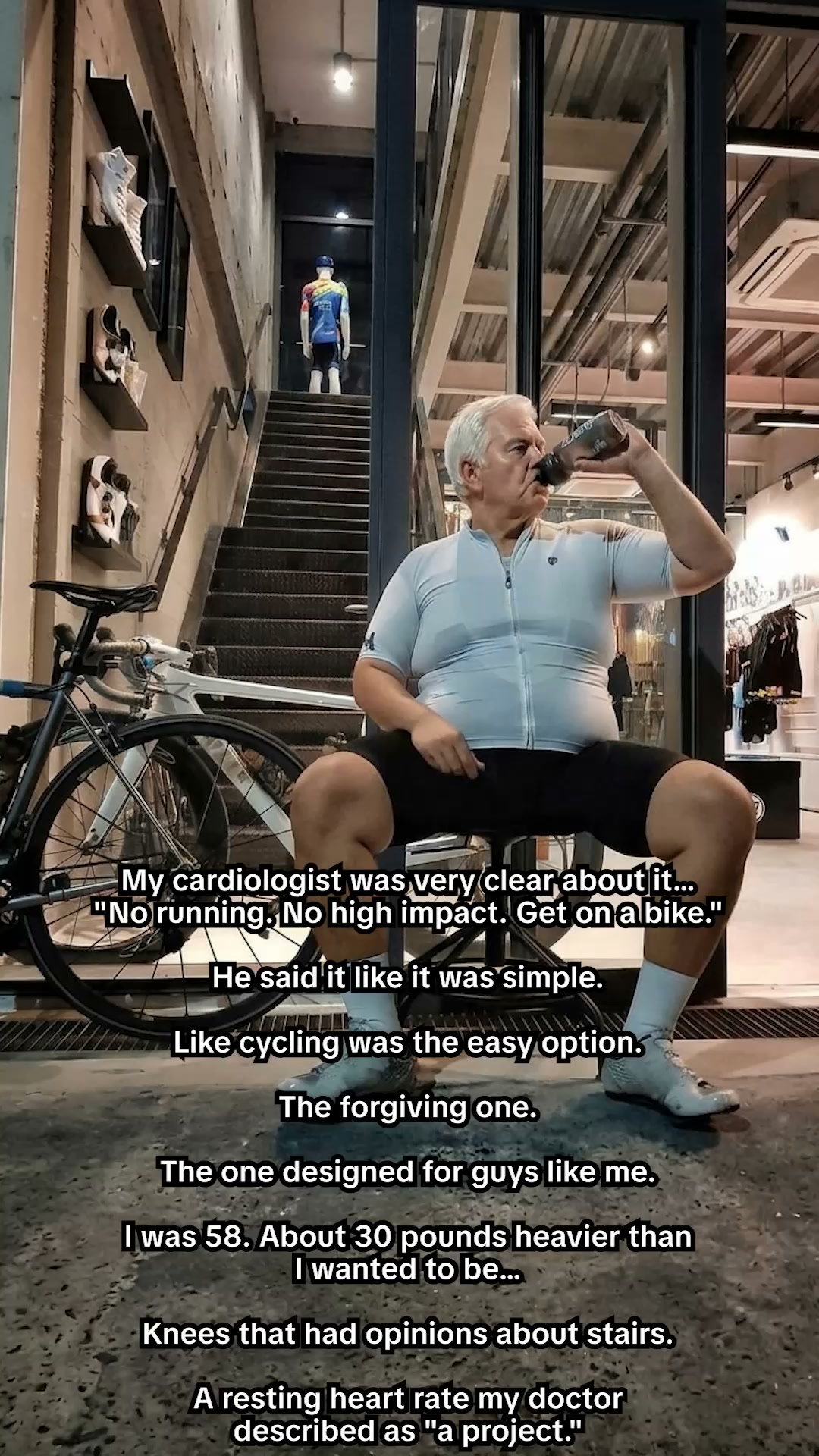
Ran for 61 days, from August 29 to October 29, 2026, the last day Crush saw it.
Run by Greg Mitchell on Facebook. Crush is not the advertiser and does not verify its claims. See this ad in Meta's Ad Library(opens in a new tab)
Make your own version of this ad
Crush makes it, launches it in your own Meta ad account, scales the winners and pauses the losers.
About this ad
- Meta Ad Library ID
- 1032786672967231
- Platforms
- Facebook, Instagram, Audience Network, Messenger and Threads
- Relaunches
- 0
Ad text
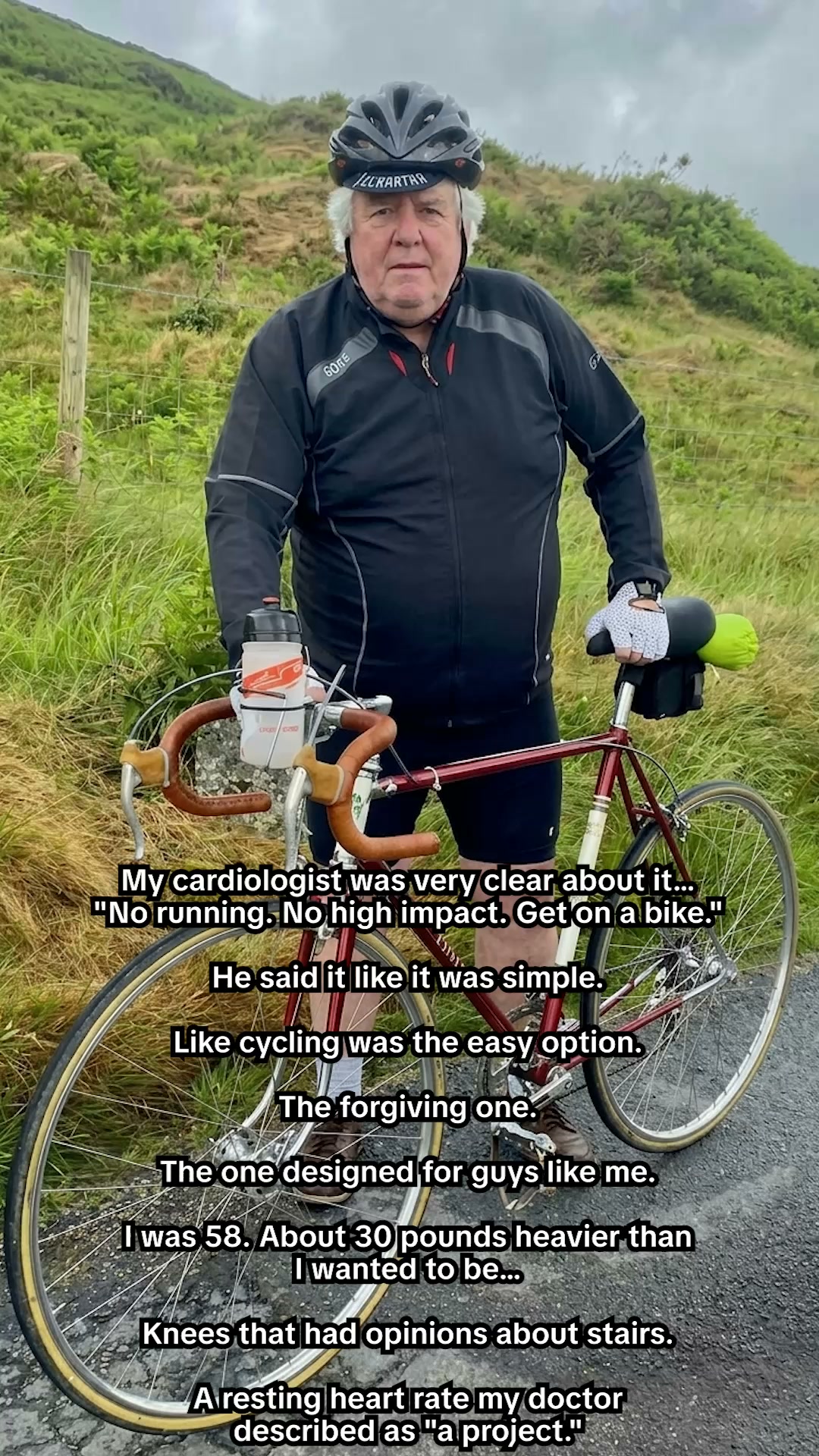
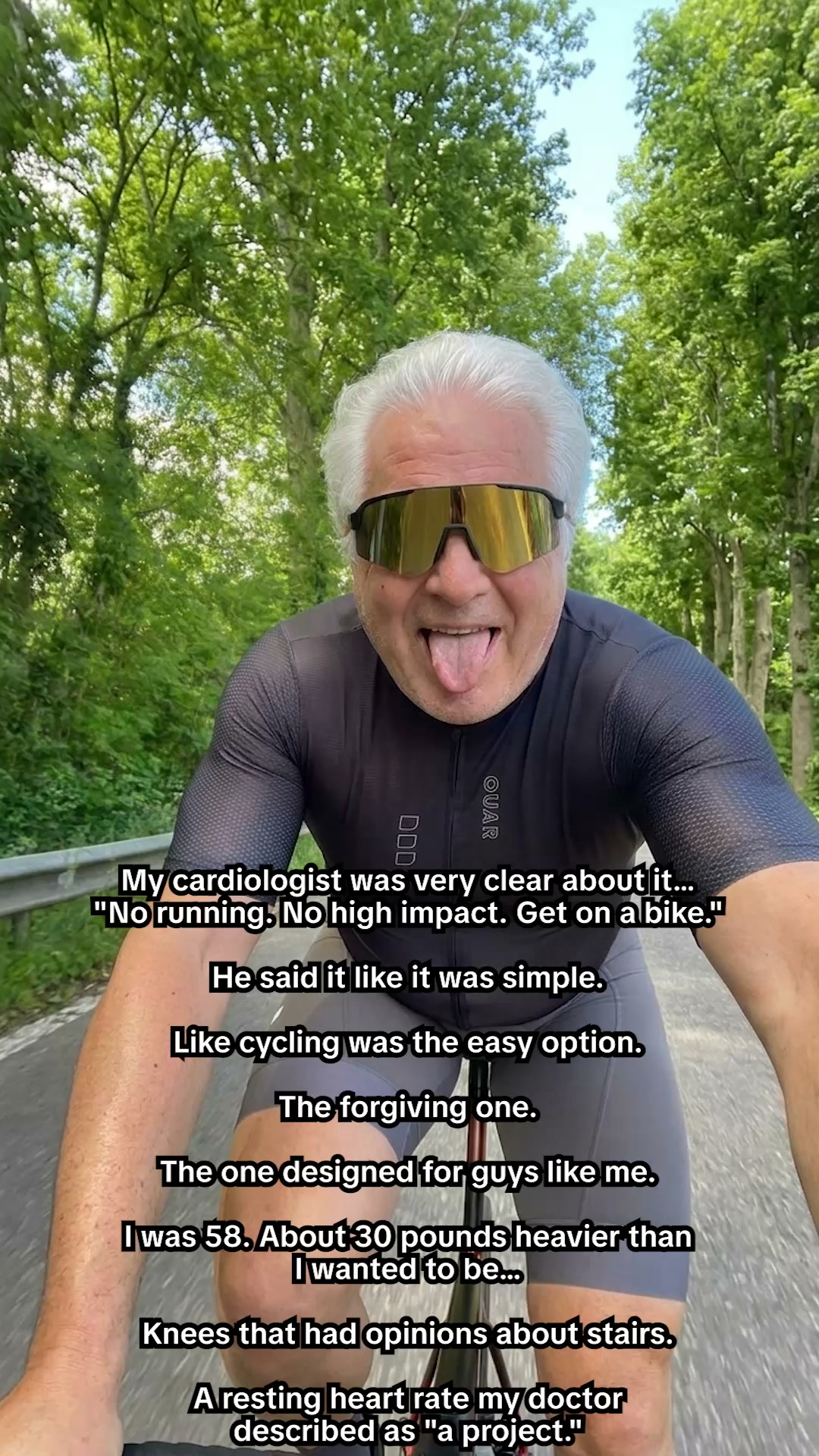
My cardiologist was very clear about it… "No running. No high impact. Get on a bike." He said it like it was simple. Like cycling was the easy option. The forgiving one. The one designed for guys like me. I was 58. About 30 pounds heavier than I wanted to be… Knees that had opinions about stairs. A resting heart rate my doctor described as "a project." Cycling made sense. Low impact. Easy on the joints. You sit down the whole time. I bought a decent bike. Got a helmet. Even got padded shorts because I read that was smart. First ride: 8 miles. I was sore in places I didn't expect to be sore. Told myself it was just getting started. Second ride: 10 miles. Same soreness. Worse, actually. Third ride: I got home and sat on an ice pack for an hour. I went back to the bike shop. The kid looked at my shorts and asked if I was using chamois cream. I was. He adjusted my saddle height. Told me to "give it time." I gave it time. Six weeks of giving it time. Six weeks of getting off the bike feeling worse than when I got on. My knees felt fine. My lungs were improving. But the saddle was making every ride something I had to recover from instead of something I looked forward to. I started Googling at night. And I found something that made me feel a lot less stupid… The heavier you are, the worse a standard saddle hurts you. Not because you're doing something wrong. Because of physics. More body weight means more downward pressure on the soft tissue between your sit bones. More pressure on the pudendal nerve. More compression of the perineal artery. More damage per mile than a 155-pound racer sitting on the same saddle. The saddle the bike shop sold me was designed for that 155-pound racer. Not for a 58-year-old man carrying extra weight and trying to follow his cardiologist's advice. Here's the cruel part. Cycling is supposed to be the perfect exercise for guys like me. Low impact. Doctor recommended. Easy on the joints. And it would be - if the equipment was built for guys like me. But it isn't. Standard saddles are designed for young, lean, aggressive riders in a forward racing position. The people who need cycling most — heavier, older, returning riders — are the ones standard saddles punish hardest. More weight means more nerve compression. Less conditioning means less ability to stand up on the pedals for relief every few miles. Less riding time means less chance of ever building the fitness that would make it easier. The saddle creates the barrier it was supposed to eliminate. There's a reason for it. A saddle has four jobs simultaneously. Hold weight on the sit bones - the actual bone, where weight belongs. Keep pressure off the pudendal nerve for the full length of the perineum. Protect the tailbone from road shock it wasn't designed to absorb. Handle vibration before it reaches the spine. A race saddle is engineered for one of those. Maybe two. And in solving one, it breaks the others. The cutout relieves the nerve but drops the tailbone into the gap. The wide cruiser saddle spreads weight but has no relief channel and no shock absorption. The gel cover moves pressure half an inch. One fix. Two new problems. For a lighter, younger rider those tradeoffs are manageable. For a heavier, older rider returning to cycling on doctor's orders? They're the reason he stops riding after six weeks and tells himself he's just not built for it. He is built for it. The saddle wasn't built for him. There's a study from 1999 most cyclists have never seen: The CDC studied healthy police officers - fit men in their 30s and 40s - on standard-issue saddles. 73% had genital numbness on regular rides. 22% had full erectile dysfunction. Fit men. Standard saddles. Devastating results. The government switched them to a wider, properly engineered design. Numbness dropped from 73% to 18%. Same men. Same roads. Different saddle. A bike fitter named Mike Keller - 14 years, over 2,000 fits in Boulder - wrote an article last spring about exactly this problem. Why the cycling industry keeps building saddles for the wrong rider. Why the men who need cycling most get punished most by the equipment they're handed. And what he found after 14 years of fitting real riders - not racers, not triathletes, but men in their 50s and 60s trying to stay on the bike - that finally solves all four problems at once. It's the most honest thing I've read about why cycling feels impossible for so many men our age. And why it doesn't have to. Link in the Learn More button below. Three minutes Read. Worth it before you buy another saddle - or give up on riding altogether.
Where the ad sends people
ascent-bicycle.com
Top Bike Fitter: This is the Best Way to End Cycling Discomfort
Learn more: ascent-bicycle.com(opens in a new tab)