
Active· since Jul 14, 2026
- 62
- days running
- 0
- relaunches
Ad copy
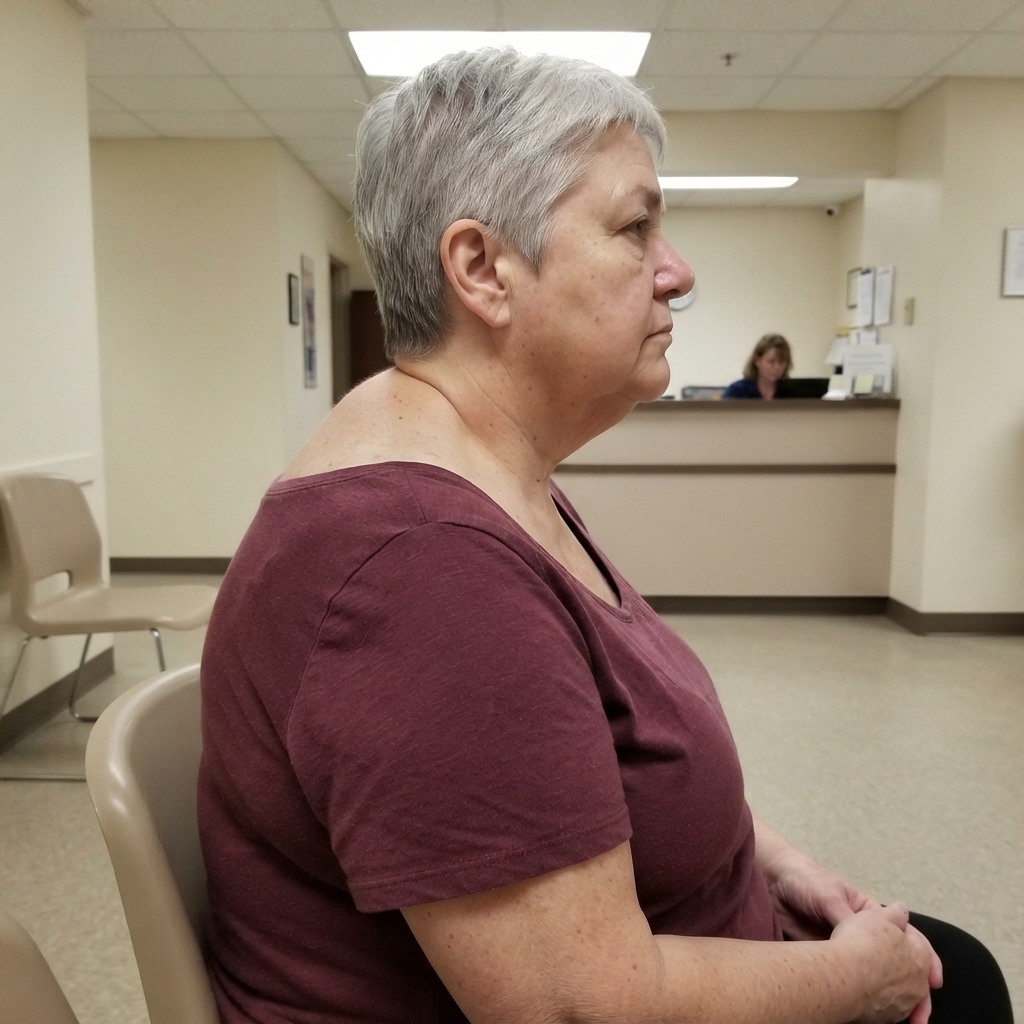
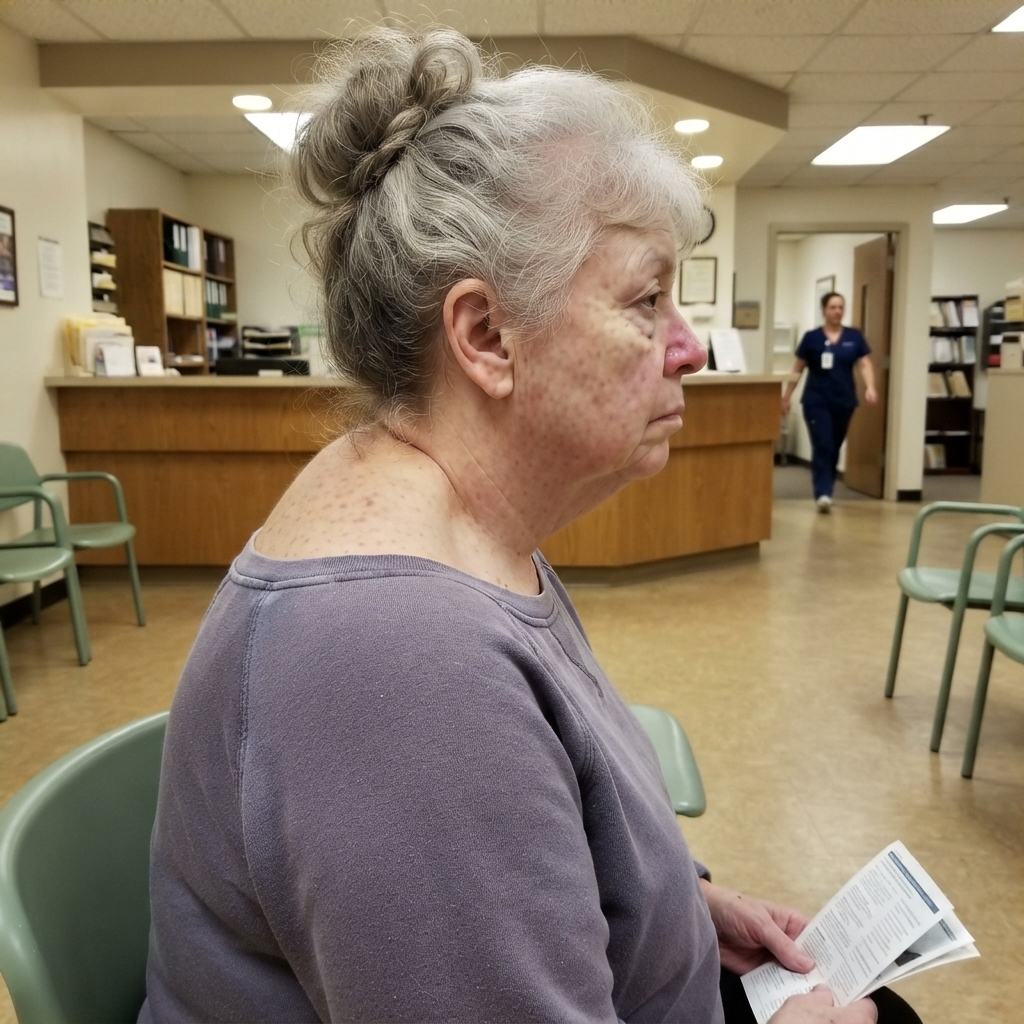
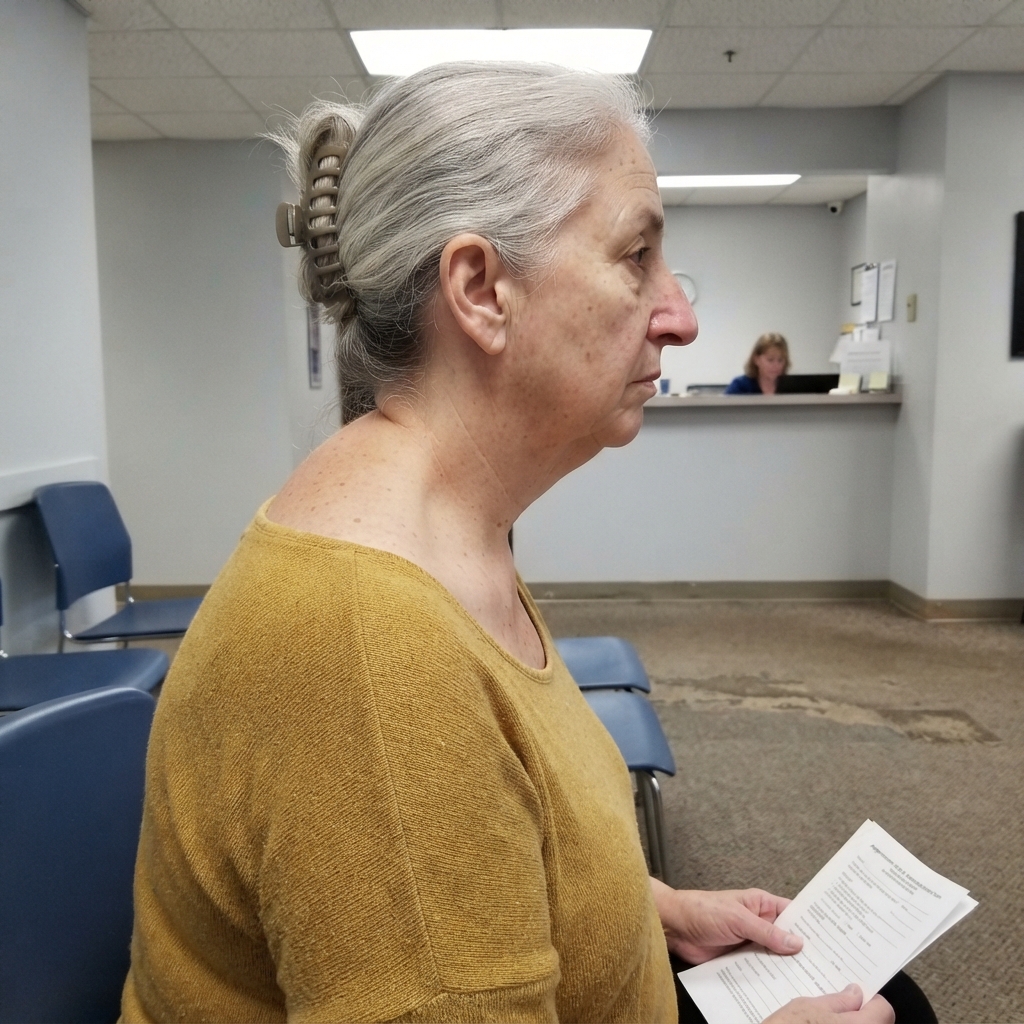
Women in Sardinia sit, work, cook, garden, and move through their days well into their 90s without developing the progressive neck profiles American women do. They exercise less than us. They see fewer specialists. They follow no protocol. Researchers have been trying to explain this for over 20 years. They said it was the Mediterranean diet. Then the walking. Then the genetics. Then the social bonds. None of it held up. Here's what they missed. I'd heard about Blue Zones before — most people have. They're the five places on earth where people routinely live past 100. Not in nursing homes. Actually healthy, sharp, and active well into their 90s and beyond. Sardinia is one of them. One of the highest concentrations of centenarians on the planet. And unlike most places where women's posture deteriorates visibly through their sixties, here the old women walk upright into their nineties. Shepherds' wives in their 80s still carrying baskets on their heads through the village. But I never thought much about it until my cousin Elena invited me to visit. Elena moved to Sardinia eight years ago. She married an Italian man she met while studying abroad, stayed, had a daughter, built a life in a small village outside Nuoro. We grew up together, same family, same build, same everything. I hadn't seen her in person since 2020. We're the same age. Both 49. When she picked me up at the tiny airport in Olbia, the contrast hit me before she even opened her mouth. She looked like a different person. Not younger exactly, just undamaged. Upright, easy in her body, carrying herself the way we both did in our mid-thirties. She was wearing a fitted dress, no strategic layering, no careful angles. I was standing there in my oversized travel top — the only kind I own that covers the base of my neck comfortably anymore — with my forward head position and the thickening at the base of my skull I'd been dressing around for three years. We hugged and I could feel the difference between our postures. Same genetics. Same build. She felt like herself. I felt like I was carrying something I hadn't put down in years. That first night, Elena and her husband Marco took me to a family dinner at his mother's house. I sat there watching the women at the table. Marco's mother, who I later found out is 82, sat upright through a three-hour dinner without once shifting her weight or adjusting her position. His aunt, 77, the same. His grandmother was mentioned in a story — she'd passed four years ago at 101. Still carrying herself into rooms without preparation until her mid-nineties. These women had spent their entire lives doing heavy physical work, carrying weight on their heads and in their arms, and they were arriving at their eighties with better cervical alignment than American women in their forties. I thought about my bathroom counter back home. The posture corrector. The foam roller. The cervical pillow. The exercise bands. The physiotherapy protocol. The specialist referrals. Six interventions in two years. Three different posture protocols. And I was getting worse every six months while an 82-year-old Sardinian woman sat upright through a three-hour dinner without thinking about it. — The next morning Elena and I walked to a café in the village. "I need to ask you something," I said. "And I need you to be honest with me." "Always." "How are you doing so well? Same family. Same genes. You carry yourself the way we used to. You look ten years younger than me. I do everything right, the exercises, the brace, the physiotherapy, all of it, and I'm falling apart. What am I missing?" She put down her coffee and looked at me for a long time. "I asked Marco's mother the exact same question my first year here. Because I moved to Sardinia still doing all the American stuff. The posture correctors, the daily exercises, the alignment protocols. And his mother would watch me do my morning routine and shake her head." "What did she say?" "She said: 'You Americans put things on the outside and think you are fixing the inside. But you cannot fix the signal by holding the position. The brace holds the muscle. The signal keeps going quiet.'" "Signal?" Elena nodded. "That's what I said too. But she wasn't being metaphorical. She was being literal. She told me that in Sardinia, the women who carry themselves into their nineties aren't the ones who do the most exercises. They're the ones who restore the signal every single night. Because they've always known what happens to the deep muscles when the signal goes quiet, and they've always known that holding the position from outside doesn't bring it back." "Restore how?" "Through direct activation. She places the device at the base of her neck every night before bed. Has done it since she was recommended it by her village practitioner decades ago. Her mother did it. Her grandmother did it. Every old woman in this village who made it past 90 with her posture intact did it." She looked at me. "When I stopped using the braces and the surface exercises and started doing the direct activation every evening, everything changed. Within two months. Everything you're dealing with right now, I had all of it. And it went away." — That afternoon Elena took me to meet Marco's mother. Her name is Lucia. She's 82 years old, lives in a stone house on a hill, tends a garden that could feed the entire village, and moves with more presence than most women I know in their forties. I asked her about the signal. She sat down across from me and folded her hands on the table. "Every night before I sleep," she said, Elena translating, "I activate the deep muscles. Directly. While the body is resting and trying to restore itself. That is when the signal rebuilds." "My mother's practitioner showed her how. She did it every night of her life. She lived to 96. Her mother did the same. Lived to 101. Every woman in this village who carried herself upright past 90 did this." "Why?" I asked. "What does it do?" "It restores what the day takes away," she said. Like it was the most obvious thing in the world. "We carry things. We work with our bodies. We cook and clean and tend and carry. The body has to hold itself through all of it. And when the deep muscles stop receiving the signal to hold, the head drifts forward. The tissue builds at the base of the neck. The presence starts to go." "Americans act like they are fixing the signal because they hold the position with a brace and do their exercises. But the brace holds the position and the signal keeps going quiet. The exercises work the surface and the deep muscles keep waiting. Meanwhile the drift just sits there. Year after year. Getting deeper." She tapped the table. "The activation goes directly to the deep muscles. Where the brace cannot reach. Where the exercises cannot reach. It wakes up what has gone quiet. And the rest of sleep after gives the signal time to rebuild while the body rests." "At night," she said. "That's when the body tries to restore itself. That's when the deep muscles are ready to receive. But if the signal never comes, the muscles can't hold what sleep is trying to give them. That's why you wake up with the forward pull already there. Your deep muscles tried to hold through the night and had nothing to hold with." Then she said something that stopped me cold. "American women do exercises every morning for a problem that happens every night. And they develop neck humps decades before women who carry heavy things their whole lives but activate the signal before they sleep. That tells you everything." I looked at Elena. She was nodding. "She told me the same thing eight years ago," Elena said. "I didn't believe her either. Not at first." — That night I couldn't sleep. Not because of jet lag. Because I was lying there doing the math. Lucia is 82. Her mother lived to 96. Her grandmother lived to 101. Three generations of women doing heavy physical work their entire lives, carrying themselves upright into their nineties, never once developing the visible cervical thickening that American women in their fifties accept as inevitable. And not just living longer. Living BETTER. No visible thickening. No forward drift. No reorganizing their wardrobes around what covers their neck. No calculating their seat before they sit down. No standing at the edge of every room. No preparing for every photo. Then I thought about my own life. 49 years old. Six posture interventions. Three protocols. Physiotherapy. Specialist referrals. Braces. Foam rollers. Cervical pillows. Thousands of dollars. And every single symptom getting worse. The thickening at the base of my neck that had been building since 46 and wouldn't stabilize regardless of what I tried. The forward drift that was worse every six months. The collar that needed to come up before I left the house. The photos I'd stopped being in. The seats I chose before anyone else sat down. The gatherings I calculated before I walked in. I'd been treating every one of these as a position problem. Thickening, stronger brace. Drift, more exercises. Photos, strategic angles. Social situations, careful preparation. One problem. Six interventions. None of them working. But what if they were never position problems at all? What if Lucia was right, and all of it was coming from the same place? — When I got home, I started researching. And everything Lucia told me lined up with the science so precisely it made me angry that no specialist had ever explained it this way. Your deep cervical neuromuscular signal is your neck's automatic holding system. It's how the deep muscles that sit below conscious control receive the continuous instruction to hold your head in position against gravity. When it works, your neck holds naturally, your posture is effortless, your presence in rooms is automatic. When it degrades, everything backs up. The instruction doesn't arrive. The deep muscles go quiet. The head drifts forward. The tissue builds at the cervicothoracic junction. That drift is not a habit problem. Not a posture awareness problem. Not a compliance problem. It's a signal problem. And once your signal degrades, the damage compounds every single day. Your deep muscles can't hold properly because they're not receiving the instruction they depend on. That's the forward drift that exercises don't fix. You're doing the exercises but your deep system can't use any of it because the signal pathway is degraded. The surface muscles that should be supporting the deep system start compensating instead. That's the tension and the tightening that follows you everywhere. Your surface is overworking for a deep system that has gone quiet. Your body is waiting for a signal that passive management was never designed to send. Your brace holds the position from outside. Your exercises work the surface. But the deep cervical signal — the automatic continuous instruction your holding system depends on — never gets restored. Lucia called it the signal going quiet. The science calls it cervical neuromuscular inhibition. Same thing. And your specialist has no idea, because neuromuscular signal degradation doesn't show up on standard postural assessments. They measure your position, find drift, and give you the same answers everyone gets: exercises, braces, physiotherapy, monitoring. That's why Lucia's village is full of women in their 80s and 90s carrying themselves upright without thinking about it. They restore the signal every night. Ours just degrades, building year after year while every assessment says we're doing fine. — Which brings me to why every protocol I tried for three years failed. And this is the part that made me angriest of all. I'd already tried cervical protocols. Multiple rounds. Braces, foam rollers, physiotherapy, pilates, specific neck exercises, cervical pillows. The full rotation. Some of them worked. For about two weeks. Thickening softened slightly. Drift reduced a little. I felt better by day ten and thought I'd finally found it. Then three weeks in, everything crashed. Worse than before. Drift back. Thickening back. Collar back up. Social calculation back in full force. I tried again six months later. Different protocol, different approach. Same pattern. Two weeks of improvement. Then the crash. Every protocol I tried followed the exact same cycle. And when I started researching why, the answer was so simple it made me furious. Your deep cervical signal has no automatic restoration. Unlike your heartbeat, which maintains itself automatically, your cervical neuromuscular signal degrades under chronic load and cannot restore itself passively. Wearing a brace does nothing for a signal that needs direct activation to return. Doing surface exercises does nothing for a pathway that operates below conscious control. Every brace session held my position while the signal kept degrading. Every exercise strengthened my surface while the deep pathway stayed quiet. And by the time any of the physiotherapy reached the level where the signal had failed, the session was over and I was back in the same passive position that had allowed it to degrade in the first place. The two weeks of improvement I kept experiencing? That was my body getting temporary surface benefit from the protocols. The crash at week three? That was the signal degradation reasserting itself. The deep pathway never restored. The signal just kept going quiet while I kept doing more things that couldn't reach it. Meanwhile Lucia has been activating her deep cervical signal directly every night for decades and has never needed a specialist. Her mother did the same and lived to 96. Her grandmother did the same and lived to 101. They weren't smarter than us. They just knew something we forgot: you can't restore a degraded signal by holding around it. You have to activate it directly, through the deep muscles themselves, while the body is doing its heaviest restoration at night. — The method Lucia uses is direct bilateral electrical stimulation — calibrated to the specific stage of inhibition, delivered to both sides of the deep cervical musculature simultaneously, the way the co-activation pattern actually works. And it's not just Sardinia. The same understanding shows up independently across clinical rehabilitation research. European rehabilitation clinics prescribing direct cervical stimulation for over two decades. Rehabilitation specialists in Germany and Austria treating cervical progression as a signal problem rather than a position problem for over a decade. Different countries. Different decades. Same mechanism. Same results. Same longevity of cervical health. And modern science explains why. When calibrated bilateral EMS is applied to the deep cervical musculature, the stimulation bypasses the degraded signal pathway entirely. Doesn't need to work through the surface muscles. No dilution through conscious recruitment. Full activation directly into the deep cervical tissue where the signal degradation has been sitting. Eight programs calibrated for different stages of inhibition mean the stimulation meets the deep muscles exactly where they currently are — not a generic pulse that misses the actual stage of failure. Nineteen intensity levels mean the activation can progress as the signal rebuilds. Bilateral delivery means both sides co-activate simultaneously, the way the holding system was designed to work. And you use it in the evening. Fifteen minutes before sleep. During the exact window when your body is transitioning into its restoration cycle. The activation rebuilds the signal while your body rests. The deep muscles receive the instruction they've been missing. And the holding that should have been automatic starts returning. The consistency also means the restoration actually holds. The signal rebuilds session by session instead of being temporarily suppressed by another passive approach that can't activate what needs to move. "American women do exercises every morning for a problem that happens every night." Lucia was right. And the women in her village have been proving it for a hundred years. — I tried the standard approaches first when I got home. Brace. Exercises. Physiotherapy referral. Three months. Three crashes at week three. Position held while I wore the brace. Drifted the moment I took it off. Signal never restored. Surface muscles worked. Deep muscles stayed quiet. Lucia's practice had been refined over generations. The timing — evening, before sleep. The consistency — every night without exception. The directness — bypassing the surface entirely and reaching the deep muscles directly. Nobody in standard American rehabilitation addresses it this way. Not anymore. That's when I found the Cevera Posture Release Pulse. Calibrated bilateral delivery that holds the stimulation at full concentration in the deep cervical tissue without passing through the surface layer first. Stays active for the full fifteen minutes. Eight programs for different inhibition stages. No mess. No passive dependency. No brace to take off and watch everything drift back. It's the modern version of what Lucia's family has understood for generations. What European rehabilitation clinics have been prescribing for decades. What the research consistently shows works when passive management consistently shows it doesn't. I ordered one that night. Used it before bed. Went to sleep. — First week something shifted. More natural head position in the morning than usual. Something was activating. No crash, no disappointment, just quiet steady signal building. The forward pull after a long day was still there but softer, less default. By day five I could walk out the front door without checking my collar. Week two the drift broke. Not the temporary correction you get from wearing a brace. Sustained reduction. I attended a family dinner, actual sitting at a table for two hours, and my neck didn't drift back to its default position afterward. I sat there waiting for the familiar pull and it just didn't come. Elena called to check in. I told her about the dinner. "Welcome to how we sit here," she said. "Every night." Week three. The week that mattered most. Because every protocol I'd ever tried crashed at week three. Two weeks of hope, then everything falls apart. That was the pattern. Nothing came back. Holding stayed. Forward drift stayed down. For the first time in three years, I passed week three without a crash. The signal was actually rebuilding. The deep muscles were actually receiving what they'd been missing. There was nothing to crash back because the pathway was being restored, not just temporarily managed. The morning mirror check stopped. I stood at the mirror one morning and my head was back where it belongs and I realized I hadn't checked my collar before walking out the door in four days. Week four my presence in rooms started returning. The edge-of-room habit just stopped. A woman at a gathering looked at me across the table and said "You look really good. Did you change something?" I hadn't changed anything. I'd just finally restored what had been going quiet for years. By week six the social calculation was gone. Photo avoidance, gone. Not gradually. Gone. My body wasn't in constant compensation mode anymore because the deep system could actually hold again now that the signal had cleared. Presence came back. Not forced upright energy. Just normal. The way I remembered feeling at 38. Down two centimeters of forward head displacement without changing my exercises. Without adding a new brace. Without doing a single thing differently except using the device for fifteen minutes before bed. All drift and compensation my body had been holding because the signal had nowhere to go. I called Elena. "It's working," I told her. "Lucia was right about everything." Elena laughed. "She's 82 and carries herself better than both of us combined. She's been right this whole time. We just weren't listening." — Here's what I keep coming back to. Lucia is 82. Her mother lived to 96. Her grandmother lived to 101. Three generations of women doing heavy physical work their entire lives. Three generations restoring their cervical signal every night before they slept. Three generations carrying themselves upright into their nineties while American women in their fifties accept the drift as inevitable. And I spent three years doing every passive protocol available, including braces and physiotherapy and specialist referrals that crashed every single time at week three, while my deep cervical signal kept degrading, my deep muscles kept going quiet, my drift kept advancing year by year with nowhere to go because the system that was supposed to hold me had been waiting for a signal that never came. I called Elena that night. "We grew up thinking the old-country practices were unsophisticated. That the direct activation approach was too simple to work." "I know," she said. "It wasn't too simple. They were restoring what the day took away. Every single night. While we were doing surface exercises that couldn't reach the signal and wondering why nothing worked." Elena was quiet for a second. "Lucia told me something once. She said: 'The women who carry themselves longest aren't the ones who hold the position best. They're the ones who restore the signal deepest. You cannot correct a degraded signal with a position. You have to reach what has gone quiet from the inside. That's why we carry ourselves when everyone else drifts.'" I think about that constantly now. — The Blue Zone researchers spent 20 years studying Sardinia. They measured the diet, the walking, the social bonds, the genetics. They wrote papers about community and purpose and the Mediterranean lifestyle. Almost nobody asked why the women of Sardinia maintain their cervical alignment through their seventies and eighties while carrying heavy loads their entire lives without ever using a posture brace or attending a physiotherapy clinic. The answer was never the pasta or the olive oil or the mountain air. It was an 82-year-old woman with a device and a consistent evening practice, activating the deep cervical signal that every brace and exercise she'd never worn could never reach. Every single night. The way her mother did and her grandmother did and her great-grandmother did. While we built a billion-dollar passive management industry around interventions that hold the position and can't restore a signal that has no automatic recovery. — The Cevera Posture Release Pulse. One purchase. Reusable indefinitely. No subscription. No monthly protocol that crashes after two weeks because it can't activate what has gone quiet. 90-day money-back guarantee. If nothing changes, every penny back. They're a small company and they sell out consistently. If you click and they're out of stock, sign up for the restock notification. It's worth the wait. I spent three years using passive protocols that gave me two weeks of hope and then crashed because they couldn't restore the one signal that actually needed to activate. Meanwhile an 82-year-old woman in Sardinia who carries heavy things every day has been doing it from the inside, through direct bilateral activation, every night before she sleeps. The women who carry themselves longest aren't the ones who hold the position best. They're the ones who restore the signal deepest. Every night you go to bed without this is another night the signal degrades. Another night your deep muscles wait alone. Another night the drift builds thicker. Stop carrying what your signal has been trying to restore for years. EDIT: Almost forgot to drop the link. Here it is for anyone that is curious about it: https://trycevera.com/pages/adv2-womens-wellness-report
Like this ad? Make it yours.
Crush rebuilds this exact creative around your product — your brand, your colors, your offer — in about a minute.