Alice Miller
Alice Miller Facebook ad: “Think You're Just Getting Old”
Ran for 9 days, from July 4 to July 12, 2026, the last day Crush saw it.
Run by Alice Miller on Facebook. Crush is not the advertiser and does not verify its claims. See this ad in Meta's Ad Library(opens in a new tab)
Want an ad like this for your product?
Crush makes new ad images for your product from this ad: your logo, your product photo, your offer.
Trials from $19.95 USD, then $79.95 USD a month. Cancel anytime.
About this ad
- Meta Ad Library ID
- 1034434816200743
- Platforms
- Facebook, Instagram, Audience Network, Messenger and Threads
- Relaunches
- 0
Ad text
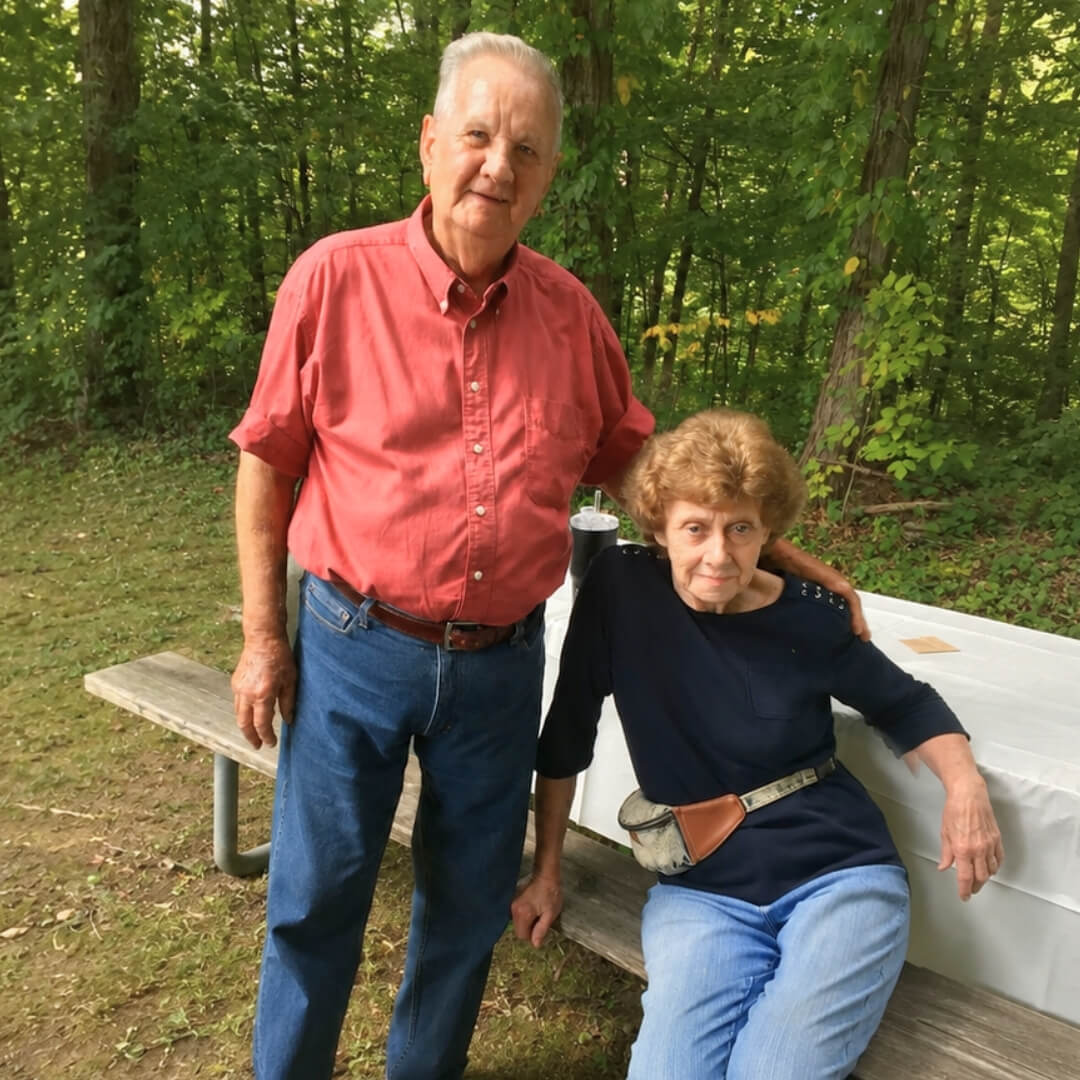
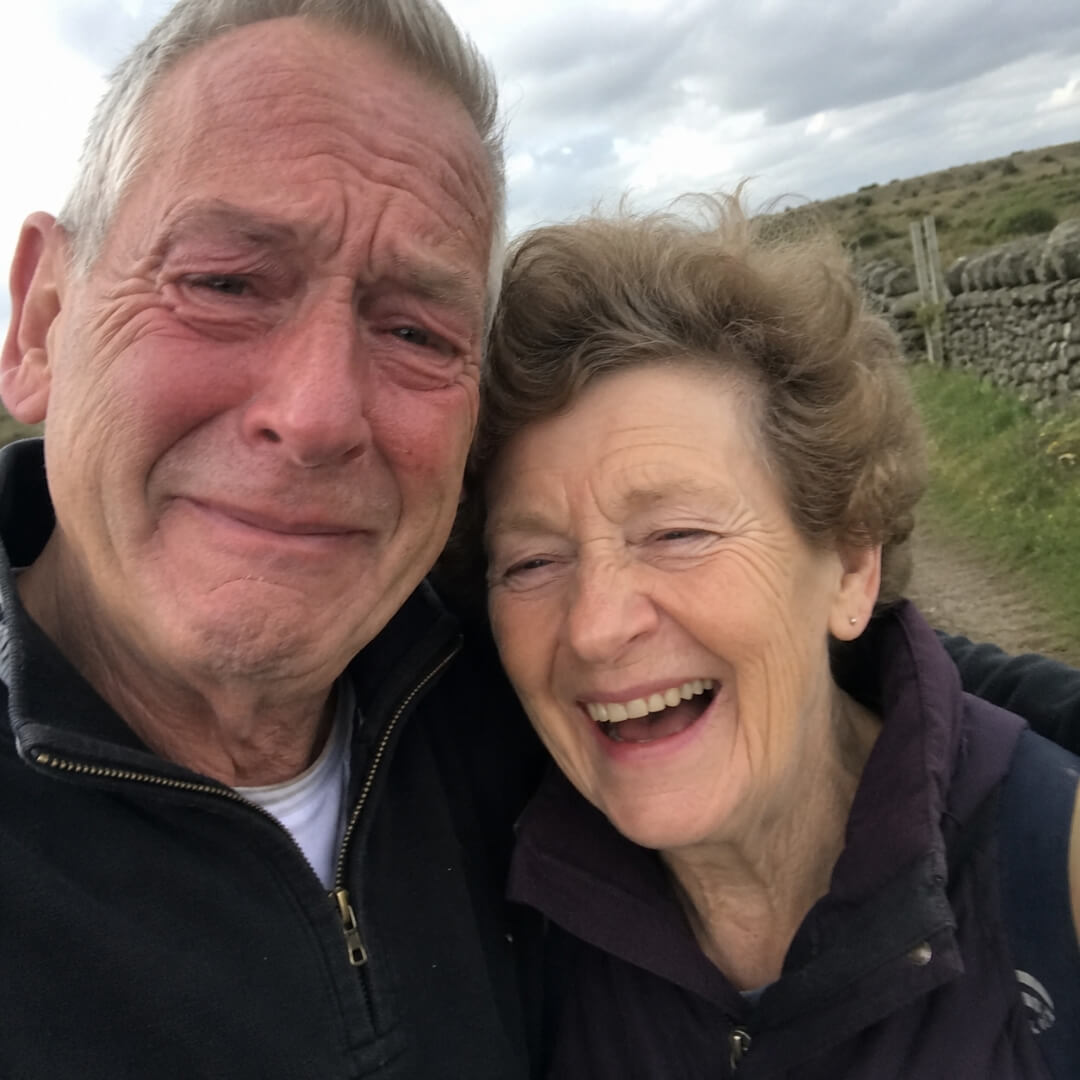
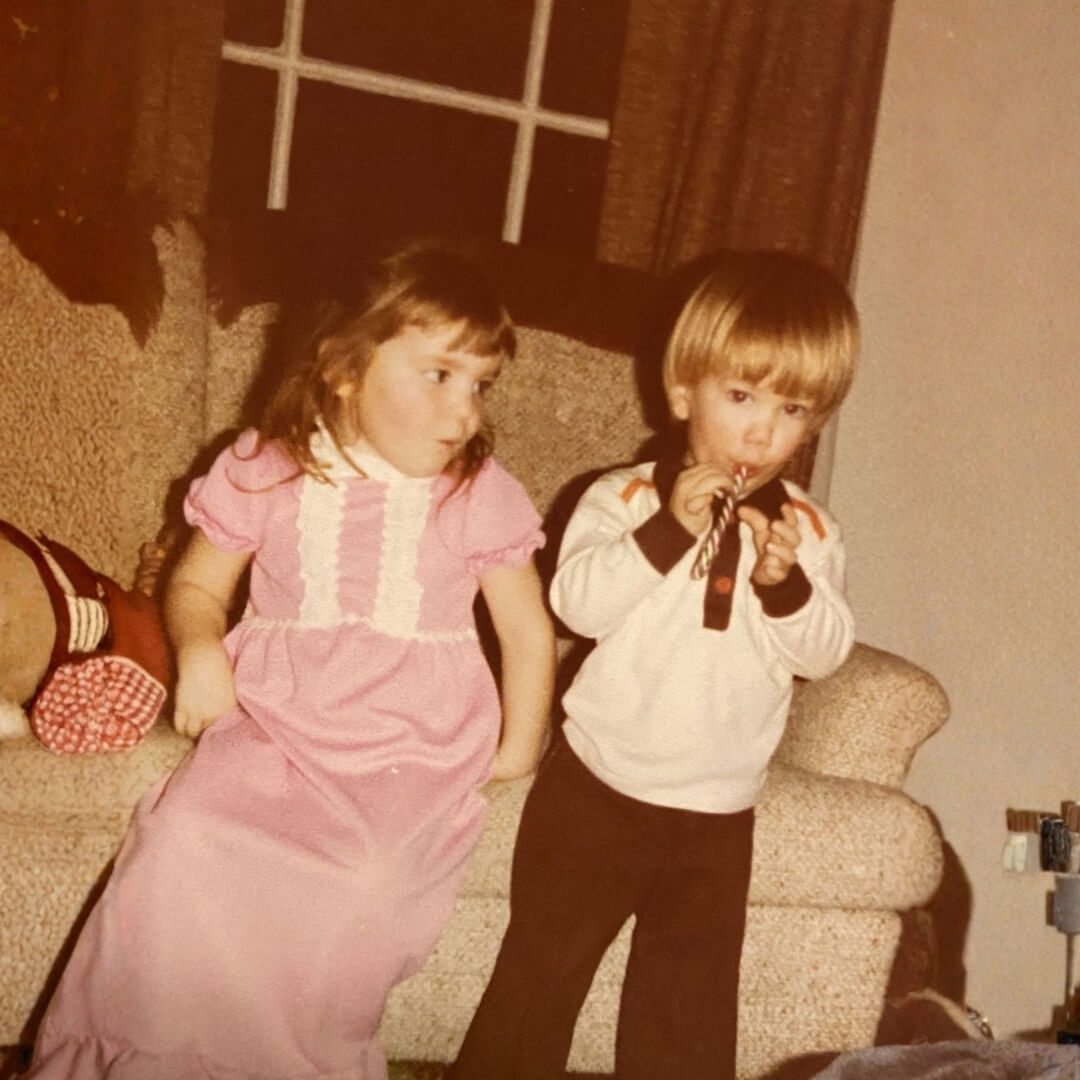
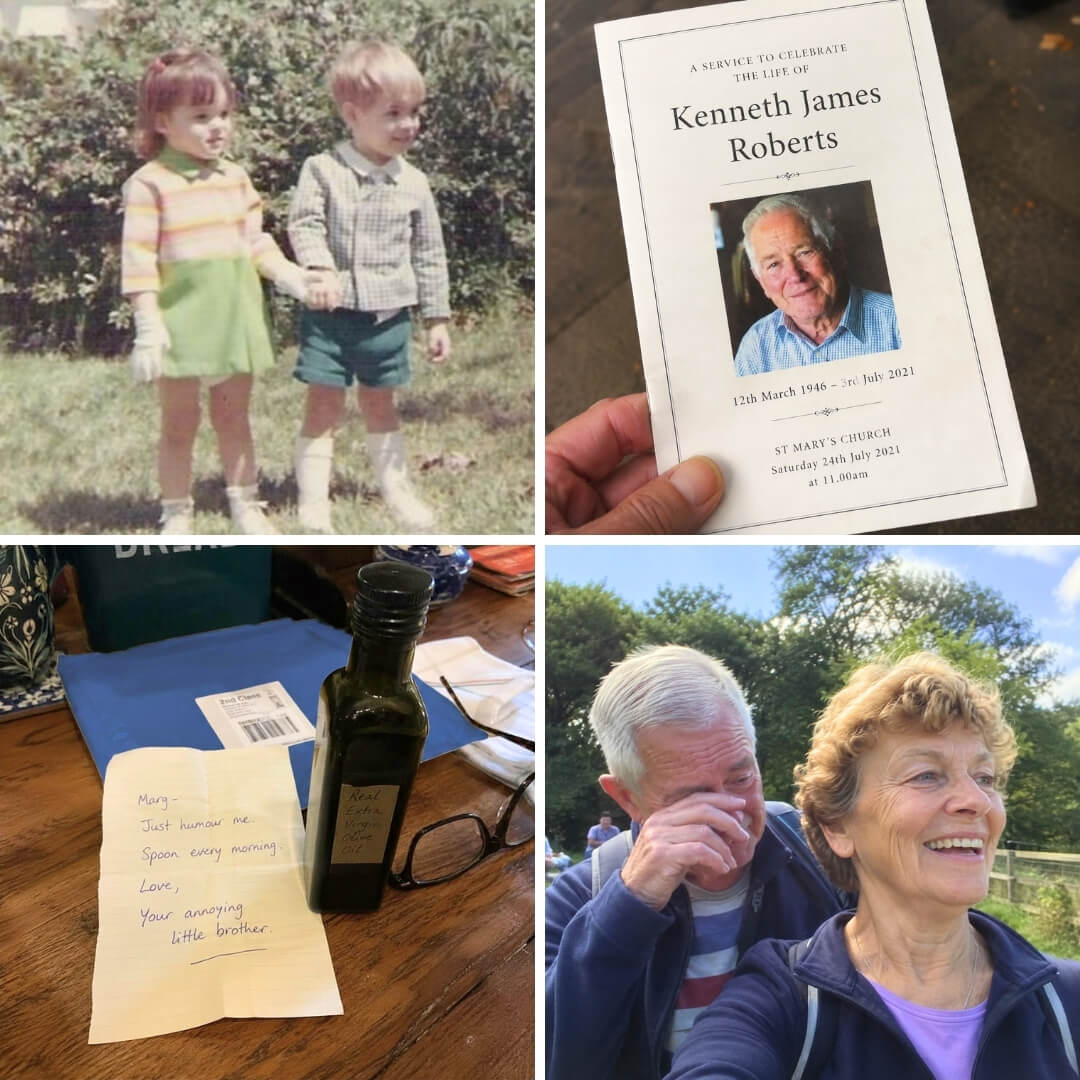
My sister is 76. She is fourteen months older than me, and she has spent all seventy-six of those years making absolutely sure I never forget it. Her name is Margaret. This spring, for the first time in about three years, she beat me to the top of the hill behind our village and stood there waiting, hands on her hips, telling me to get a move on - and I had to stop and pretend I was catching my breath so she wouldn't see that I was actually trying not to cry. I'm Alice. I'm 75. Margaret is my only sibling and the only person left alive who remembers our mother's voice, or the house we grew up in, or me as a boy. Her husband, Ken, died three years ago, and what happened to my sister after that is the reason I'm writing this. What's happened to her this last year is the reason I'm writing it now. I want to tell you what I watched, because I suspect a lot of people are watching the same thing happen to a brother or a sister, and telling themselves what I told myself for two years - that when someone in their seventies starts to fade, that's simply the way of it, and there's nothing to be done. There was something to be done. I found out almost by accident, and I've been furious with myself ever since that it took me so long. Let me go back a bit. Margaret and I have been at each other our whole lives, in the way only siblings close in age can be. She bossed me from the cradle. She told me there was no Father Christmas when I was six, purely to establish dominance. She taught me to ride a bike by pushing me down a hill and walking off. And she has also, quietly, been the great constant of my entire life - the one who turned up when our parents died, when my own marriage went through its bad patch, when I had my heart scare at sixty. She'd arrive with a look on her face that said this is ridiculous and I have better things to do, and then she'd stay a fortnight and sort everything out. That's Margaret. Sharp as a tack, tongue like a whip, heart like a furnace she'd deny having. She and Ken were married forty-eight years. He was a gentle, patient man - he had to be - and he adored her, and she him, though you'd only have known it from the way she'd straighten his collar without either of them saying a word. When he died, suddenly, three years ago, I drove straight over, and I watched my ferocious sister organise his funeral with the same brisk competence she'd brought to everything her whole life. She didn't cry in front of anyone. She thanked everyone for coming. She sent me home saying she was "perfectly fine, stop hovering." And then she started to fade. I want to describe it carefully, because it's a particular kind of dimming that I think a lot of people will recognise, and it doesn't have a proper name. She didn't stop being Margaret. She just got quieter at it. My sister's whole life was in her quickness - the fast retort, the withering aside, the way she was three steps ahead of you in any argument and enjoyed it. By the second year after Ken died, the retorts came slower. She'd start a story and lose the thread and wave it away - "oh, you know what I mean" - and the thing is, I didn't always, because the old Margaret never lost a thread in her life. She'd always been a walker. The two of us had walked the hill behind the village together since we were children - it's our thing, the one ritual that survived every decade - and she'd always set the pace and always won. By the second year she was stopping halfway, on the bench, saying she'd "wait for me there," which had never once happened in seventy years. She'd always cooked properly, big Sunday things for the family. That shrank to less and less. She napped in the afternoons, which she'd have called a sign of moral weakness in anyone else. Her hands, which had knitted a jumper for every grandchild, had got stiff, and the needles had gone in a drawer. I asked her, once, if she'd mentioned any of it to her doctor. She gave me a look I've known for seventy-five years and said, "Alice, I'm a widow of seventy-five, what exactly do you imagine he's going to say? It's my age. I don't need to pay a man to tell me I'm old." She was probably right about the doctor. She was wrong about what was happening to her. Neither of us knew that yet. And I'll be honest about my own part in this: I let it happen. I told myself, every time, that it was grief, and then that it was age, and I prepared myself, in a quiet cowardly way, for the slow loss of my big sister - the one person who's known me my whole life. I'd started to think about a future in which Margaret was still there but not really Margaret, and I was grieving her a little already, in advance, which I'm ashamed of now. Then last autumn I stumbled onto the thing that changed it, and I found it while reading about something else entirely. I'm in my seventies myself, stiff and slowing down, and I'd been reading - idly, late one night - about olive oil. About a compound in the real, fresh stuff called oleocanthal, a polyphenol that a scientist named Gary Beauchamp identified back in 1999 when he tasted fresh-pressed oil and recognised the same peppery sting at the back of his throat that he knew from ibuprofen in his lab. It was published in Nature in 2005, and it works on the body's inflammatory pathway. The bit that stopped me: the compound is fragile - heat, light and time destroy it - and almost no supermarket oil has any of it left by the time it reaches you. It talked about the slow, low-grade inflammation that builds in us over the years and sits underneath so much of what we shrug off as ageing - the stiffness, the tiredness, the fading - and how this was one of the things the body uses to hold it in check. And I sat there and thought about Margaret. The stiff hands. The tiredness. The slowing on the hill. The dimming. All the separate things I'd been mourning, and here was one quiet root that might sit beneath the lot of them. Now, you cannot say a paragraph like that to my sister. She'd have told me I'd been reading rubbish on the internet and to mind my own business. So I did the only thing that works with Margaret: I ordered her a bottle, sent it over, and included a note with almost nothing in it, because anything more and she'd have dug her heels in on principle. "Marg - read about this. A doctor in Cambridge brings it in from one farm in Tuscany. Spoonful every morning before your breakfast. Just do it, I'll explain when I see you. And yes I know you're older than me." She took it. I knew she would - not because she believed a word of it, but because underneath the ferocity my sister will do a thing her little brother asks, if he asks it plainly and doesn't make a song and dance. She took the spoon every morning. She didn't ring to interrogate me. And for a year, neither of us said one single word about it, which if you knew Margaret is itself a small miracle. Here's what I watched. October, first visit after the first bottle. Not much. She seemed a touch brighter on the walk. I put it down to a good day. November. We did the hill and she didn't stop at the bench. Just walked past it. I noticed, and then I noticed I'd noticed, and I realised she hadn't walked past that bench in nearly two years. December. Christmas at hers, and she'd cooked - properly cooked, the full spread - and halfway through the meal she made a remark at my expense so quick and so cutting that the whole table laughed, and I nearly wept into my sprouts, because that was her, the actual her, the sister who's been taking me down a peg since 1949. January. She'd got the knitting needles out of the drawer. A jumper for the newest great-grandchild. Her hands, she said, "weren't playing up so much." February. She rang me. Mid-morning, on a weekday, which she never did - mornings had become her slow time. She rang to tell me I was wrong about something I'd said at Christmas, having apparently spent six weeks preparing her case. We argued happily for half an hour. It was wonderful. March. The hill again. And this time she got to the top ahead of me and stood there, hands on hips, the wind off the tops catching her coat, and told me to get a move on, slowcoach - exactly, precisely, down to the word, the way she'd said it to me when we were children on that same path seventy years ago. I stopped partway up and made a show of catching my breath, so she wouldn't see my face. April. My daughter came with me to visit, and afterwards in the car she said, "Auntie Marg's completely back to herself, isn't she - I'd honestly started to think we were losing her." And I had to concentrate very hard on the road for a mile or so. The one we both take now is called Ancient Roots. A single family farm in the hills of Tuscany, on the dark red soil of a long-dead volcano - hard ground, which is the point, because the tree makes more of the compound when it has to fight for its life. Picked and pressed within hours of harvest, sealed in heavy dark glass so the light can't get at it. Brought into Britain by Dr Sarah Brewer, a Cambridge-educated doctor who went looking for the real thing and found that farm. It's got the things that actually matter: single farm not a blend, pressed fast, dark glass, volcanic soil. And you can test any bottle in three seconds - a spoonful neat, and if it burns at the back of your throat it's alive, and if it doesn't, it's dead, whatever the label says. I tested the stuff I'd had in my own cupboard for years. Smooth, greasy, silent. Dead. It's a food, not a medicine, and I'd never tell you it's magic, and Margaret started walking and cooking and living again alongside it, so I won't pretend I can untangle every thread. But I know what I watched. I watched my sister go quiet and slow and small, and then I watched her come back - every sharp edge, every retort, every ounce of the ferocity I've spent a lifetime on the receiving end of and would not trade for anything on this earth. There's a 60-day money-back guarantee - a spoonful a day, and if it does nothing, send the bottle back, even empty, for a full refund. But before you spend a penny, test whatever's in your kitchen tonight. Spoonful, swallow, three seconds. If it's silent, that's your answer. I'm writing this because of a morning on a hill, and a woman of seventy-six standing at the top of it telling her baby brother to hurry up. I have been hearing that voice, saying more or less that exact sentence, my entire life. Three years ago I genuinely thought I was starting to lose it. This spring I stood halfway up our hill, out of breath on purpose, listening to my big sister call me a slowcoach in the wind, and I thought: there she is. There she is. If you've got a brother or a sister you've known your whole life, and you've started, quietly, to grieve them while they're still here - go and look a little closer. It might not be their age. It wasn't Margaret's. I got my sister back. I got the girl who pushed me down the hill on that bike back. And I intend to keep her as long as I possibly can. → See the bottle and get it shipped here
Where the ad sends people
newvitalityfindings.com
Think You're Just Getting Old
Learn more: newvitalityfindings.com(opens in a new tab)