
Inactive· since Jun 2, 2026
- 25
- days it ran
- 1
- relaunches
Ad copy
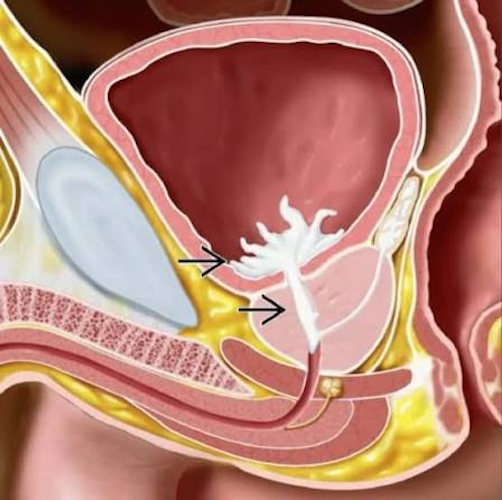
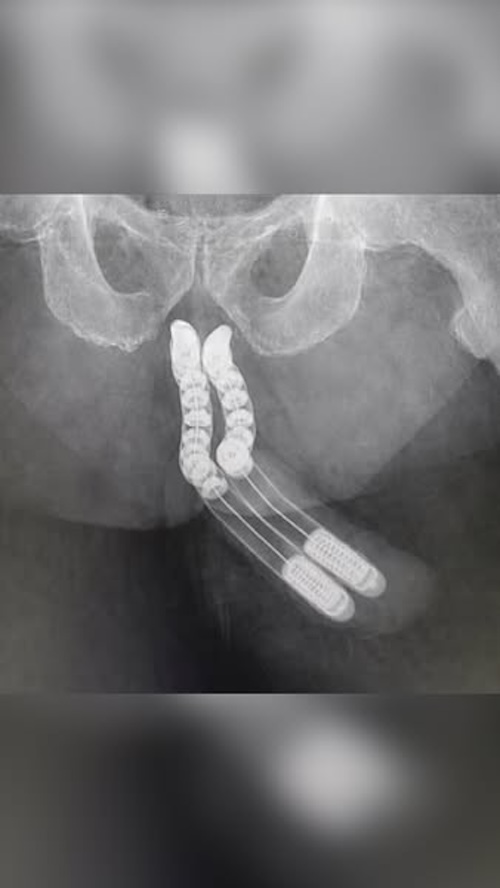
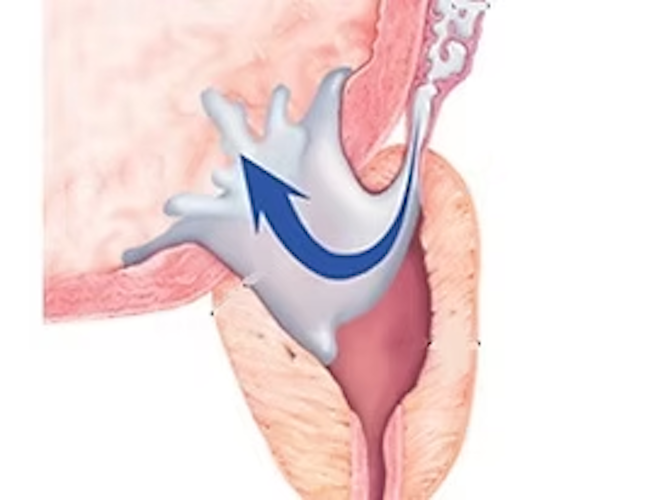
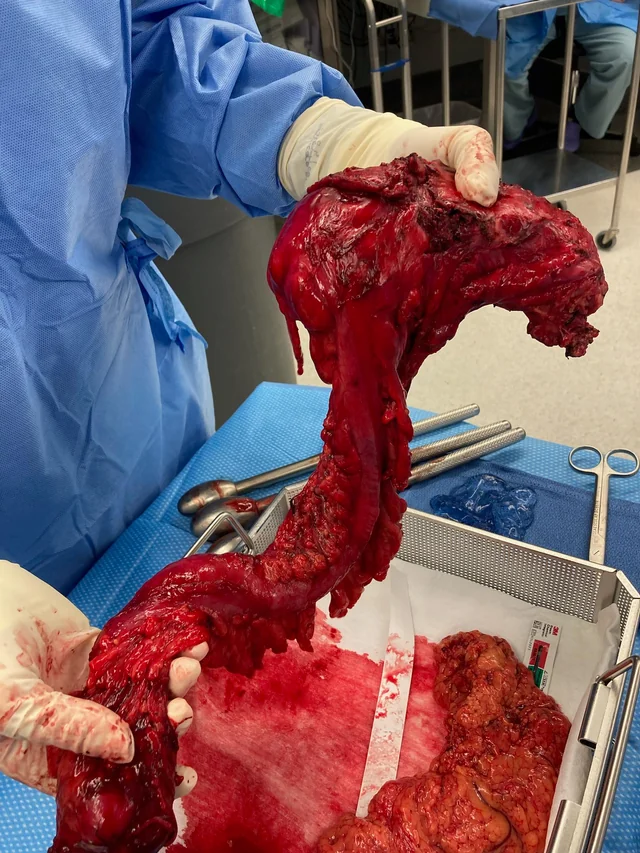
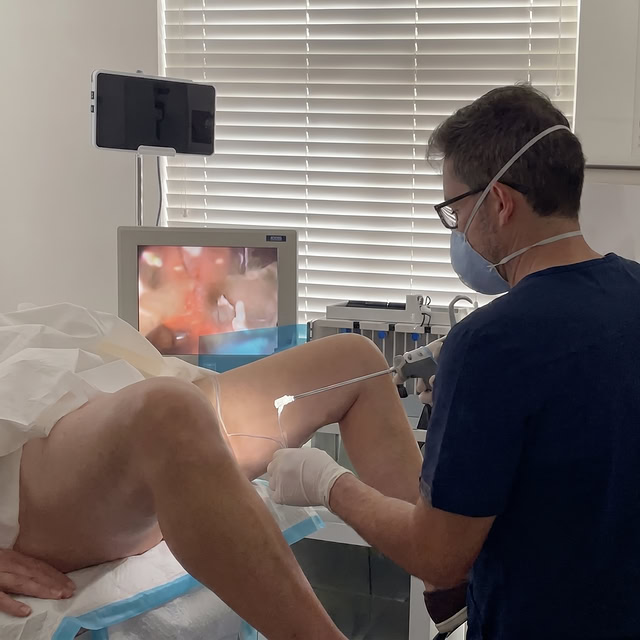
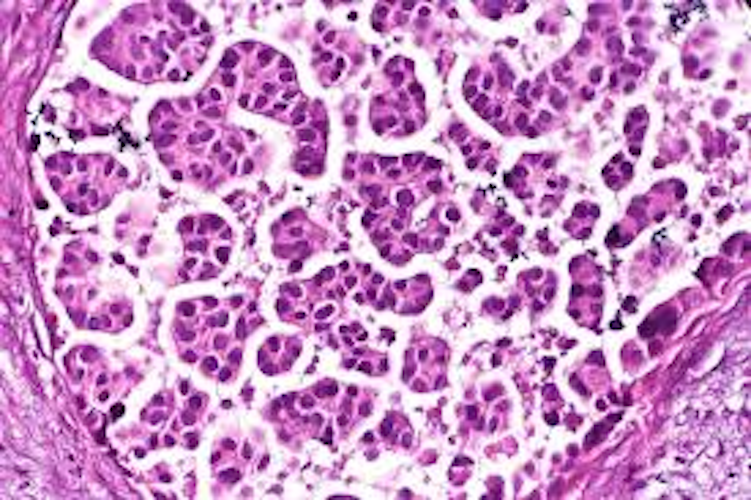
When a man dies of bladder cancer at 67, the coroner writes "metastatic bladder carcinoma" on the death certificate. He doesn't write "his Finasteride suppressed his PSA by 50% for the previous eight years and his GP's screening protocol kept clearing him on numbers that looked artificially normal." He doesn't write "the tumor that killed him was probably visible on cystoscopy three years before it was found, but he was being managed for BPH and nobody ordered the cystoscopy." He doesn't write "he had retrograde ejaculation from a TURP at 62 and Post-Finasteride Syndrome from years on 5-ARIs, but on paper his BPH was 'well-controlled.'" There is a reason for that, and it has nothing to do with paperwork. It has to do with what BPH actually is. And once you understand what it actually is, you understand why Tamsulosin, Finasteride, and TURP have never once reversed enlarged prostate tissue — and why a Nobel Prize awarded in October 2021 may matter more to you, personally, than any prescription your urologist has ever written. I want to tell you what BPH actually is in middle-aged men. Not the textbook definition. The real one. BPH is a disease of microvascular inflammation disguised as a disease of hormones. Your prostate is not "just enlarging with age." It is inflamed. And the inflammation has a cause that the standard protocol does not address. The frequent urination is the symptom you noticed. The nocturia waking you up two or three times a night. The weak stream. The urgency that ambushes you in the grocery store. The hesitation. These are what brought you to the urologist. These are what got you the Tamsulosin prescription. These are what your International Prostate Symptom Score is tracking. But the actual damage — the damage that ends in TURP, in retrograde ejaculation, in Post-Finasteride Syndrome, in masked-PSA-delayed cancer diagnoses — is happening underneath the symptom you measure. In the small blood vessels feeding your prostate tissue. In the chronic low-grade inflammation those vessels can no longer clear. In the stellate-like stromal cells that, when activated by chronic inflammation, proliferate and produce more prostate tissue. The prostate is one of the most vascular organs in the male body. It is fed by the prostatic arteries and surrounded by a dense capillary network. When that microvascular network becomes dysfunctional — from chronic systemic inflammation, from oxidative stress, from the same vascular damage that is happening in your coronary arteries and your retinal vessels and your penile arteries — the prostate tissue responds with low-grade inflammation, which drives stromal cell proliferation, which grows the prostate. The growth is the symptom. The vascular inflammation is the disease. It's all the same disease. Nocturia. Urinary retention. Recurrent UTI. TURP. Retrograde ejaculation. Post-Finasteride Syndrome. Delayed cancer diagnosis from masked PSA. They are not seven separate complications. They are seven faces of one problem — chronic prostate inflammation driven by microvascular dysfunction, plus a standard treatment protocol that addresses none of it. The Cleveland Clinic admits the inflammation connection on their own patient pages. Urology textbooks acknowledge it. The phrase "chronic prostatic inflammation" appears in the foundational BPH literature. Your urologist knows this. Your urologist has known this since residency. Now here is the part that should make you angry. There is not a single intervention in the standard BPH protocol that targets the prostate microvasculature or the underlying inflammation. Tamsulosin (Flomax) relaxes the alpha receptors at the bladder neck and prostatic urethra. It improves urinary flow. It does not shrink the prostate. It does not reduce inflammation. It does not address the underlying mechanism. It is a smooth-muscle relaxant that masks the obstruction symptoms while the prostate continues to enlarge underneath. Finasteride (Proscar, Propecia) and Dutasteride (Avodart) block the conversion of testosterone to DHT. DHT contributes to prostate growth, but it is not the dominant driver of inflammatory BPH in middle-aged men. The 5-ARI medications shrink the prostate modestly — and do so at the cost of sexual function in 5-15% of users, persistent sexual dysfunction (Post-Finasteride Syndrome) in 4-14% of long-term users, and PSA suppression by approximately 50% — which can delay diagnoses of prostate and bladder cancer for years. TURP and other surgical procedures cut tissue out mechanically. They do not address the inflammation. They cause permanent retrograde ejaculation in roughly 70-90% of patients. They cause stress incontinence in a meaningful minority. They are last-line interventions presented as inevitable. The standard protocol manages flow and shrinks tissue mechanically while the underlying inflammation continues to drive growth. The protocol does not address the actual mechanism. I have been calling it the urology pharmacy and procedure treadmill — and you have been on it for years. You started with Tamsulosin 0.4mg at night. Worked. Nocturia dropped from three times to once. Six months later it crept back. Increased to 0.8mg. Then your urologist mentioned Finasteride. You added it. Sexual side effects started — softer erections, lower libido, smaller ejaculate volume. Most men attribute these to aging. Three years in, the prostate had grown despite the 5-ARI. The urologist mentioned TUNA. Then TURP. By 62, you were on the OR table. By 63, you were living with permanent retrograde ejaculation. By 67, your PSA-monitored bladder cancer was diagnosed too late because the Finasteride had been suppressing the PSA elevation that would have triggered earlier workup. Every step of this is documented as "successful BPH management." Every step is moving you further from a prostate that could have shrunk naturally if the inflammation had been addressed. Your urologist is not the one who is going to step you off this treadmill. I want to say that carefully, because I respect urologists. Most of them are good people working inside a broken machine. But I have to be honest about how the machine works. Your urologist has 12 minutes with you. He was trained on guidelines that update on a 20-year lag. He was trained to manage BPH symptoms with the medication cascade, escalating up to surgical procedures when the medications fail. He was not trained to think of BPH primarily as an inflammatory condition driven by microvascular dysfunction — even though that framing is now well-established in the published literature. Dr. Mark Moyad is the Jenkins/Pokempner Director of Preventive and Alternative Medicine at the University of Michigan Medical Center's Department of Urology. He holds a joint appointment in the Medical School and the School of Public Health. He has been publishing peer-reviewed urology research and advocating for integrative approaches to BPH for over 25 years. He has appeared on national television, including The Dr. Oz Show, specifically to argue that the standard Tamsulosin-plus-Finasteride-plus-TURP protocol over-medicates a condition that often responds to inflammation reduction, vascular support, weight management, and lifestyle modification. Dr. Moyad is still practicing at one of the most prestigious urology departments in the country. He is, however, a single physician with a single platform. There are roughly 11,000 urologists practicing in the United States, and most of them are still writing the standard prescription cascade for the first BPH patient who walks into their clinic complaining of nocturia. I'm telling you this because there aren't enough Moyads to go around. You are not going to walk into your local urology clinic and have someone treat your BPH as an inflammatory and vascular condition. You are going to get the urologist who has 12 minutes for you and a Tamsulosin sample in a drawer. So you are going to have to take the lead. Not by firing your urologist. Not by stopping your medications. Not by doing anything reckless. By learning what the system was never set up to teach you — how to address the actual mechanism the standard protocol is not targeting. The prostate microvasculature and the chronic inflammation it can no longer clear. In October of 2021, a researcher named Dr. David Julius at the University of California, San Francisco was awarded the Nobel Prize in Physiology or Medicine. His discovery was a tiny molecular doorway on the surface of human cells called TRPV1 — the transient receptor potential vanilloid 1 receptor. TRPV1 responds to capsaicin, the active compound in cayenne pepper. It won a Nobel Prize because of what TRPV1 does inside the lining of your blood vessels — including the prostate microvasculature. A team led by Dr. Dachun Yang published a landmark paper in Cell Metabolism in 2010 demonstrating that chronic dietary capsaicin activates TRPV1, which triggers a cascade ending in increased nitric oxide production and reduced tissue-level inflammation. It was the same molecule — nitric oxide — that had already won the 1998 Nobel Prize in Medicine. The molecule that, in prostate microvasculature, supports healthy perfusion and reduces the chronic inflammatory environment that drives stromal proliferation. Multiple studies have specifically examined TRPV1 activation in prostate tissue. A 2020 review in Prostate Cancer and Prostatic Diseases summarized over a decade of research showing capsaicin-induced anti-inflammatory effects in prostate tissue, with documented reductions in markers of chronic prostatitis and BPH-associated inflammation. I want to be careful and honest with you here. This research is not a cure for BPH. It is not a replacement for the medical evaluation your urologist is providing. The strongest evidence is in mechanism studies and animal models, with maturing but not definitive human clinical-trial evidence for BPH-specific endpoints. Anybody who tells you a softgel "shrinks the prostate by 60%" is lying to you, and you should close their page immediately. But what this research does support is something far more important than another miracle claim. That there is a real, scientifically validated, Nobel-recognized molecular pathway for supporting the prostate microvasculature and reducing the inflammation that drives BPH — a pathway your urologist was almost certainly never trained on. This is where Aurivita Capsaicin Power comes in. I'm not going to insult your intelligence with a "prostate miracle" pitch. You've seen too many of those. Prostadine. ProstaStream. Prostagenix. FlowForce Max. Saw palmetto knockoffs with the same proprietary blend in fancier packaging. The "secret Tibetan prostate ritual." The "drainage trick" angle. You've been burned. So have your friends. I'm going to do the opposite. Aurivita Capsaicin Power is built around 3 milligrams of standardized capsaicin per serving — extracted from cayenne pepper and delivered in a softgel format designed not to burn your stomach. Three milligrams is a thoughtful, low daily dose — enough to engage the TRPV1 pathway without GI upset. But capsaicin alone is only one piece. The prostate tissue has multiple inflammatory input pathways. So we built a stack of nine companion ingredients, each chosen because there is published human research on its role in either nitric oxide signaling, anti-inflammatory mechanism, or prostate-relevant biomarkers. Turmeric, paired with BioPerine for absorption — this is the lead supporting ingredient for the BPH use case. Curcumin has multiple published trials demonstrating reduction in prostate inflammation markers, with specific relevance to BPH and chronic prostatitis. BioPerine increases curcumin absorption by approximately 20 times. Berberine — supports glucose handling and reduces systemic inflammation, both of which feed into the chronic inflammatory state driving BPH growth. Cinnamon — anti-inflammatory effects and supports metabolic health. Beetroot — dietary nitrate supports endothelial function, including in the prostate microvasculature. Hawthorn — supports vessel wall integrity throughout the cardiovascular system. Korean Red Ginseng — multiple urological studies have shown modest effects on sexual function and urinary symptoms. Vitamin D3 paired with K2 — D3 deficiency is associated with worse BPH severity in observational studies; K2 directs calcium away from soft tissues, including prostate stroma where calcification can drive symptoms. Vitamin E as the antioxidant capstone. That is the formula. Nine ingredients. Each one published. Each one disclosed in milligrams. Three softgels a day. I want to draw a hard line. Aurivita Capsaicin Power is not a cure for BPH or prostate enlargement. It is not a "60-day prostate shrink" miracle. It is an upstream intervention supporting the prostate microvasculature and the inflammatory environment that drives BPH growth. It is not a replacement for the medications your urologist has prescribed. Do not stop Tamsulosin, Finasteride, or any prescription without your urologist's involvement. When you start to see your IPSS improve — and many men do — bring that data to your urologist and ask about adjusting the protocol. It is not instant. The prostate has been responding to chronic inflammation for years. The fastest-acting ingredients engage the relevant pathways within days. The deeper work of supporting prostate health happens over weeks and months. That is why our guarantee is 120 days. That is the line. Now let me tell you what the men using Aurivita have started to notice. Results not typical, individual results may vary, statements not evaluated by the FDA, not intended to diagnose, treat, cure, or prevent any disease. The first thing most men notice is sleep. Specifically, nocturia. The two-or-three-times-a-night bathroom trips drop to one, or zero. This is the most consistent feedback we get in the first three to four weeks. Sleeping through the night for the first time in years is, for many men, the single most life-changing improvement. The second thing is urinary stream. Stronger flow. Less hesitation. The "is there going to be anything coming out" feeling at the urinal goes away. The third thing is energy. Sleep recovery has its own cascading effects on daytime energy. Many men report the afternoon crash they had attributed to "just aging" lifts within six to eight weeks. The fourth thing is the bedroom — and this is critical. Unlike Finasteride, which destroys sexual function in 5-15% of users and causes Post-Finasteride Syndrome in 4-14% of long-term users, the TRPV1 pathway supports both urinary and erectile function simultaneously. Many men on Aurivita report sexual function actually improving while their BPH symptoms also improve. This is the opposite of what the 5-ARI cascade does. The fifth thing — and this is the one that takes 2 to 4 months — is the IPSS score and prostate volume on imaging. Many men come back from their next urology appointment with an IPSS score 6-10 points lower than the previous reading, and some with measurable reduction in prostate volume on ultrasound or MRI. Their urologist looks at the chart and asks what they've changed. They tell their urologist. Some urologists are intrigued. Some are skeptical. Almost all of them say, keep doing whatever you're doing. The deepest piece of feedback we ever got was from a man in Oregon who wrote to us six months in: "My dad had a TURP at 62. He lived the next 15 years with retrograde ejaculation and stress incontinence. He hated it. I had moderate BPH last year and my urologist was talking about adding Finasteride. My IPSS this month is back in the mild range and my prostate volume is down 11cc on ultrasound. My urologist deferred the medication. I think I just avoided my father's path." That letter is on the wall. I know you're skeptical. The prostate-supplement industry has earned every ounce of your distrust. So let me be plain. The mechanism is real. TRPV1 won a Nobel Prize in 2021. Nitric oxide won a Nobel Prize in 1998. BPH as an inflammatory and microvascular condition is published, validated, and endorsed by Moyad at one of the top urology departments in the country. The label is transparent. Every milligram listed. No proprietary blends. The guarantee is 120 days. Get a baseline IPSS score. Take Aurivita for four months. Retake the IPSS. If the score hasn't dropped meaningfully, return whatever's left — full or empty — full refund. No interrogation. I want you to picture two different futures. In one future, you keep doing what you're doing. The Tamsulosin keeps masking the flow obstruction. Your urologist adds Finasteride at the next visit. Within four months, sexual side effects you write off as aging. Year three, the 5-ARI hasn't stopped progression and the urologist mentions a procedure. TUNA. Then TURP. Then permanent retrograde ejaculation. Then the sexual side effects from the 5-ARI don't reverse when you stop it. Then your PSA stays artificially low for years until a bladder cancer is diagnosed too late. Then maybe — somewhere between 65 and 75 — a coroner writes "metastatic bladder carcinoma" on the certificate. The actual disease that killed you — the inflammation nobody treated, the screening biomarker that was suppressed by the medication, the procedures that managed symptoms while leaving the mechanism untouched — will not appear on it. In the other future, you start a program today that targets the actual inflammation driving your prostate growth. You give it 120 days. You watch nocturia drop from three times to one. You watch your stream strengthen. You watch your IPSS score come back lower than it has been in years. You watch your prostate volume reduce on follow-up ultrasound. You go to the urologist and have the conversation about deferring or stopping the medications they were going to escalate. You preserve your sexual function. You preserve normal PSA screening that catches things if they appear. You break the family pattern. That is not a guarantee. I am not allowed to make that guarantee. But it is what is possible. And it is what is not possible if the 5-ARI prescription gets filled at your next appointment. If you've read this far, you already know. You knew before you started reading. You knew when nocturia got worse last year. You knew when the urologist said "let's add another medication." You knew when you watched your father live the last 15 years of his life with the consequences of his TURP. You don't need another piece of evidence. You need 120 days before the 5-ARI prescription closes another door. This is both. Tap below to claim your bottles of Aurivita Capsaicin Power, backed by our 120-day money-back guarantee. Three softgels a day. One pathway your urologist was never trained on. One Nobel Prize you almost never heard about. One chance — at 55, 60, 65 — to be the man who addressed BPH inflammation upstream of the medication cascade instead of the man whose TURP recovery defined his last fifteen years. I'll see you on the other side of 120 days. https://aurivita.co/products/cayenne-pepper-softgels
1 in 7 Long-Term Finasteride Users Develop Post-Finasteride Syndrome.
Support strong circulation today with our powerful cayenne pepper formula. 180 softgels and 60 servings per bag.
LEARN MORELike this ad? Make it yours.
Crush rebuilds this exact creative around your product — your brand, your colors, your offer — in about a minute.