
Inactive· since Jul 2, 2026
- 13
- days it ran
- 0
- relaunches
Ad copy
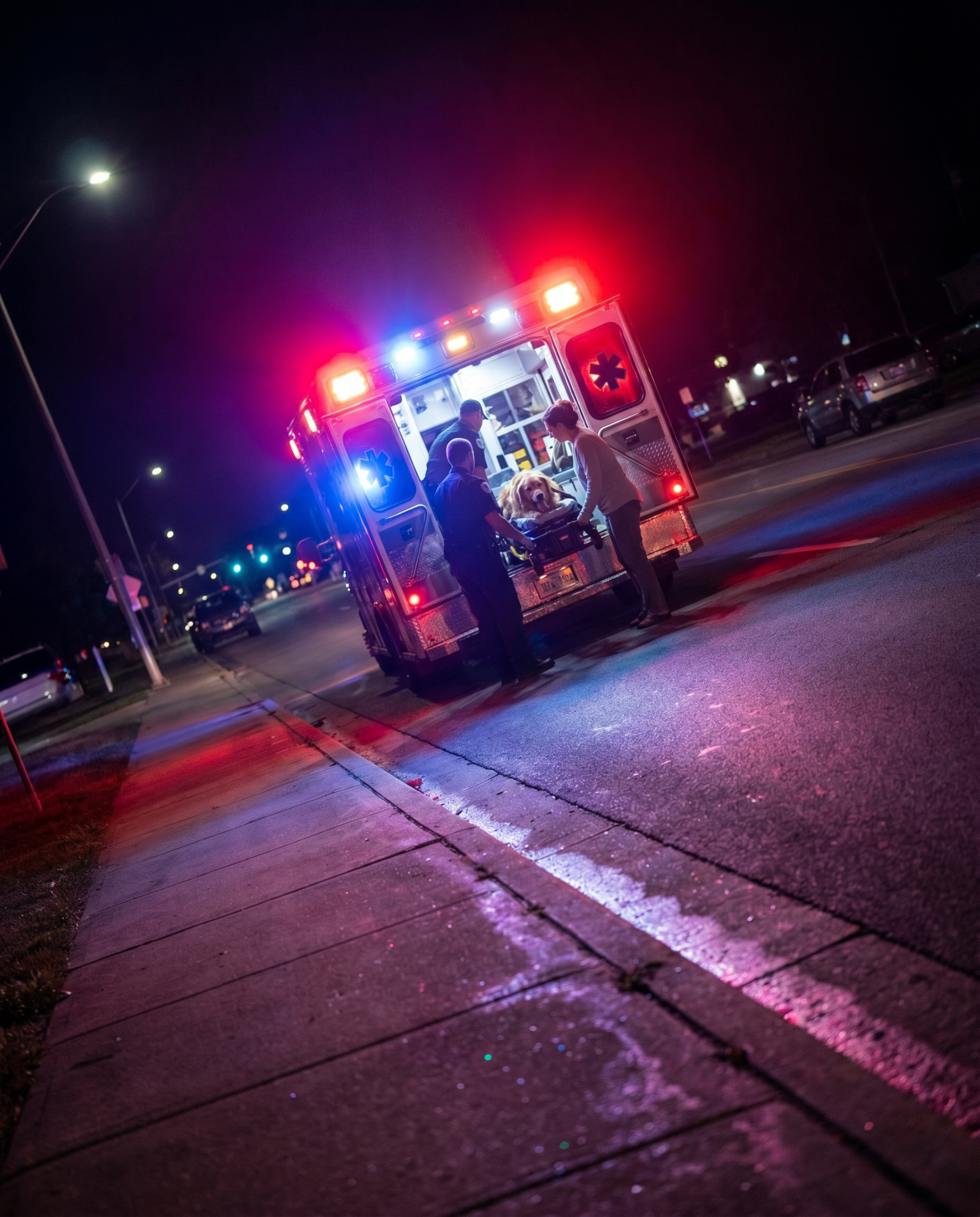
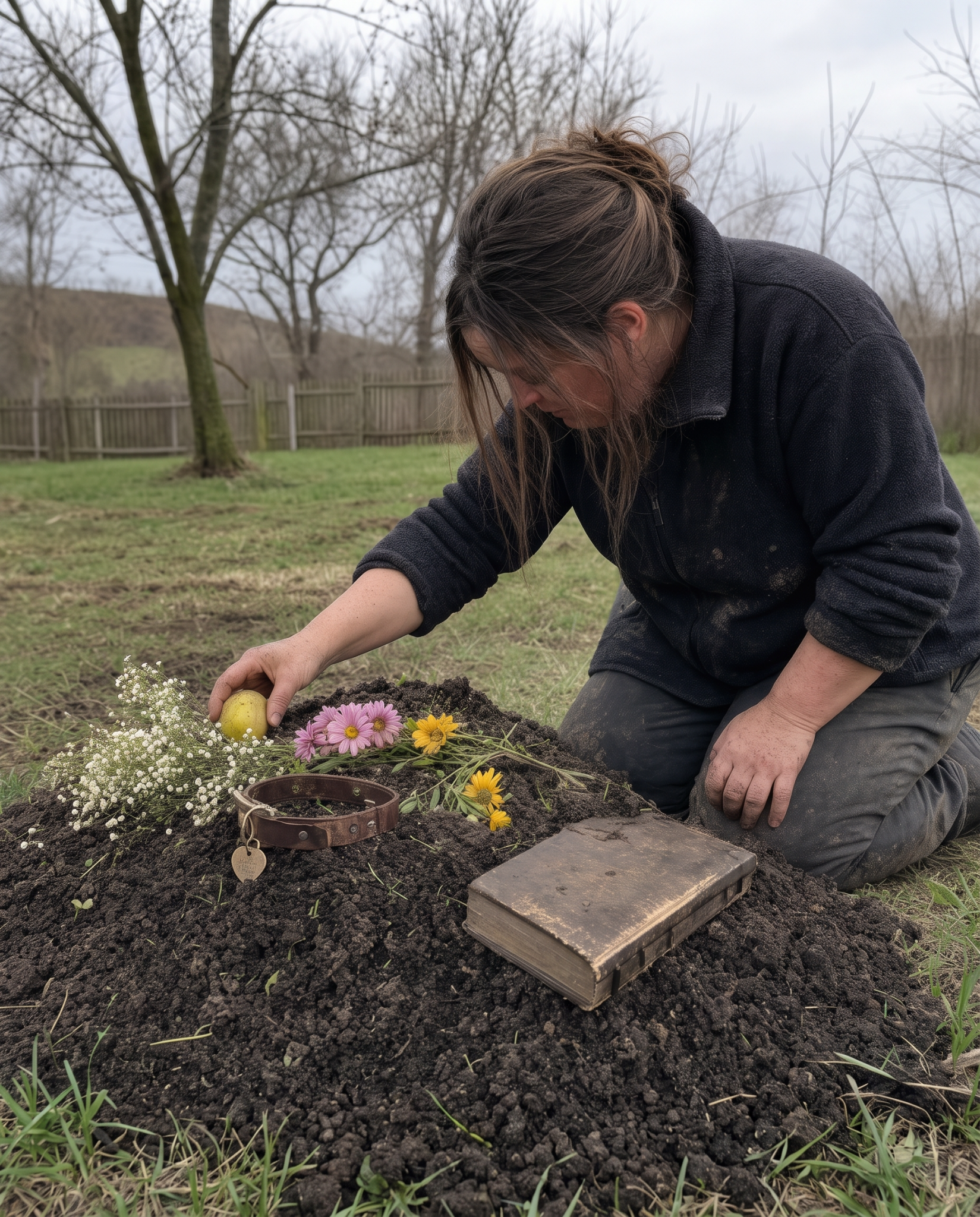
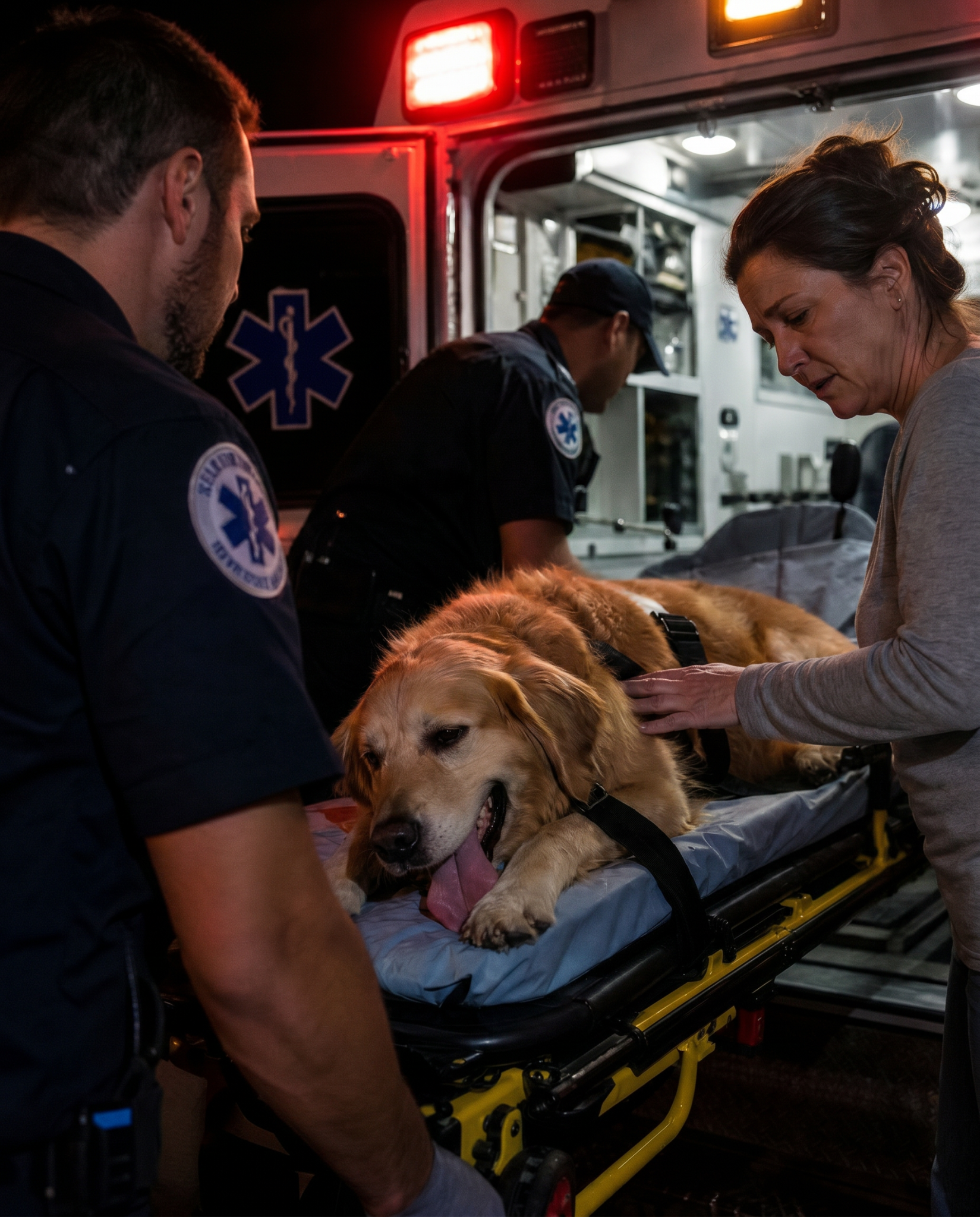
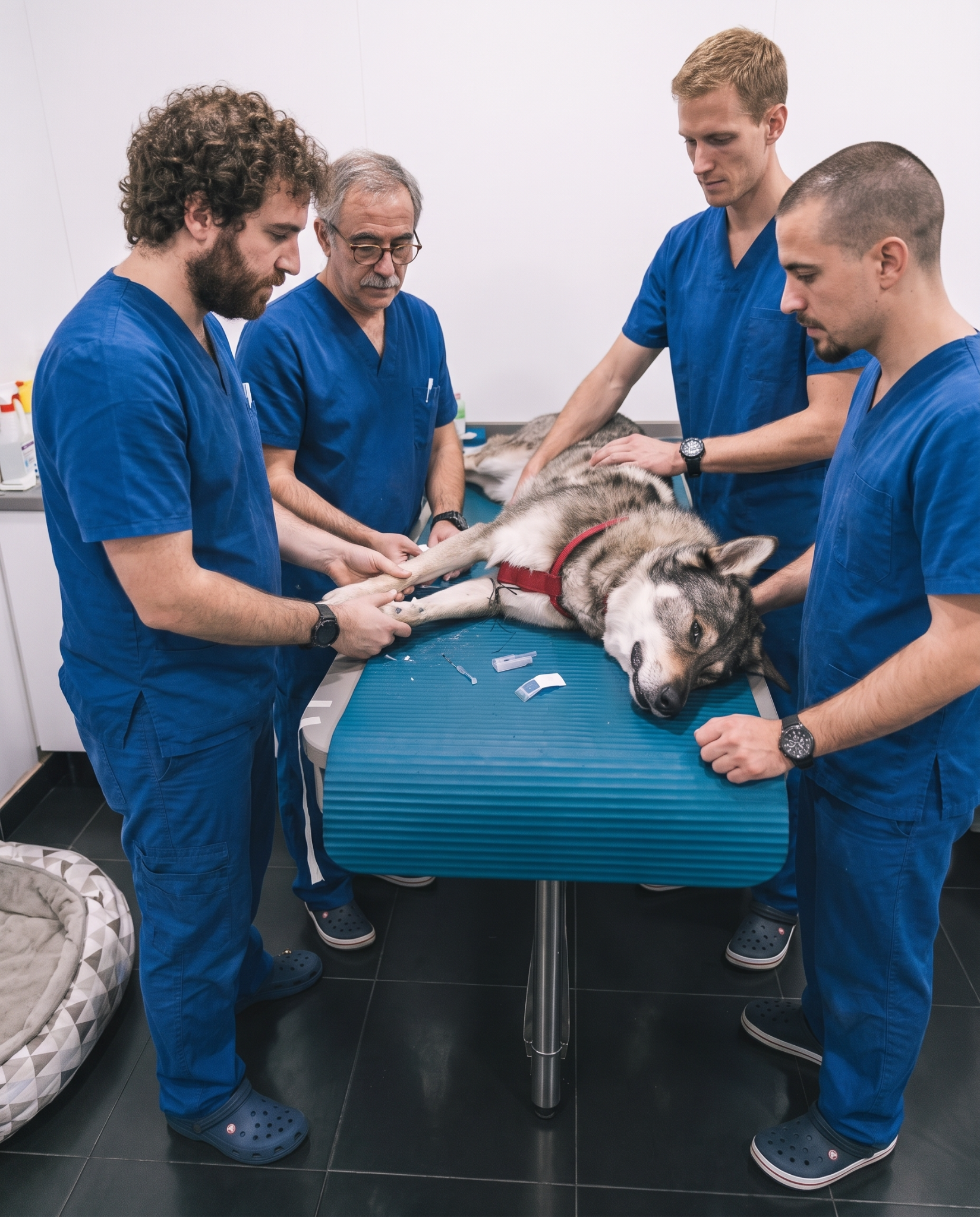
I read a statistic that made me sick. Dogs are 17 times more likely to die in July than in any other month of the year. Not twice as likely. Not five times. Seventeen. Here's the part that should scare you. I'm an emergency vet. I've worked overnight ER shifts for sixteen years. That number should not have shocked me. I'm the person on the other side of it. But I sat at my kitchen table and read it three times. Because I could put a face on every one of those numbers. And the longer I thought about it, the angrier I got. You've never heard that statistic. Almost no dog owner has. Your breeder never mentioned it. The pet store doesn't put it on a sign. Your regular vet sees your dog in February for shots and says "see you next year." The information is out there. It just sits on the wrong side of the tragedy. The only people who ever hear my July speech are the ones sitting in my grief room. The ones who no longer have a dog. Nobody is paid to tell you before. So I'm going to tell you now. Last July, a woman came through my ER doors carrying a 70-pound golden retriever mix. She was still in her walking shoes. She was still holding his water bottle. It was empty. She had poured all of it over him on the sidewalk, trying to cool him down. Max was 3 years old. Perfectly healthy. No heart problems. Nothing. It was 78 degrees that evening. She took him on the same shaded route they had walked hundreds of times. Same time as always. Water, like always. Halfway through, he slowed down. He started panting in a way she had never heard. He threw up. Then he went down. From "seems a little tired" to unconscious took less than fifteen minutes. His temperature when he hit my table was 106.4. We did everything. Cooled IV fluids. Fans. Ice packs. His temperature came down, and I walked out to the waiting room and told her I thought he would be okay. I believed it when I said it. An hour later his organs started failing anyway. Heatstroke doesn't just make a dog hot. It cooks the machinery inside. Sometimes the damage doesn't show up until after you think you've won. Max died at 9:40 on a Thursday night, on a padded table, while his owner sang to him. Afterward, she asked me the question they all ask. Word for word, they all ask it. "What did I do wrong?" I gave her the answer I have now given more times than I can count. "Nothing. That's the problem." Here is what sixteen years of July nights have taught me. I need you to really hear it. The owners who lose dogs to heatstroke are almost never the careless ones. They're not the people who leave dogs in hot cars. They're the ones trying hardest to be good dog parents. The evening walkers. The water bottle carriers. The ones who never skip a day. They do it out of love. And every July, love walks a few of them right into my ER. Same route as always. Same time as always. Cooler than most days, even. I have that exact conversation every July. Every single July. For sixteen years. Then I asked her the question I ask every heatstroke owner. The one that tells me everything. "In the last week or two, had Max started sleeping on the bare floor instead of his bed?" She went white. All week. He had left his bed and was lying flat on the kitchen tile. She noticed it. She even joked about it to her sister. "He thinks he's a lizard now." He wasn't being cute. He was overheating in his own living room, days before the walk that killed him. Lying on the coldest spot in the house was the only word he had for it. He was saying it every single night. Nobody speaks the language. I wish I could tell you I only know this from work. Two summers ago, at 2 AM, I got up for water and found my own dog, Gus, my 9-year-old lab, off his soft bed and flat on the bathroom tile, panting. He had been doing it for a week. I stepped over him every morning on my way to work. I am a vet. I had seen this exact pattern in other people's dogs a hundred times. And I stepped over it in my own hallway. Because at home I wasn't a vet. I was just a tired dog mom who thought her old boy liked the cool tile. That's the night I stopped believing that knowing things keeps you safe. And it's why I don't judge any owner who misses it. So let me explain what is really happening. Once you see it, you can't unsee it. Dogs can't sweat. You know this. But no one has ever told you what it means. You have millions of sweat glands. Your whole skin cools you down. A dog has two tools: panting, and a little heat loss through their paw pads. That's it. A fur coat, and two tiny vents. So a dog doesn't cool down the way you do. A dog works to stay cool. All day. Quietly. And that work builds up like a debt. Here's the one sentence I want you to remember. Heatstroke doesn't start on the walk. It starts at home, hours before, while your dog is just lying around looking normal. Your house is 76 or 78 degrees. Comfortable for you. For a dog in a fur coat who can't sweat, 76 isn't comfort. It's work. He's been panting lightly all afternoon just to hold his temperature steady. His cooling system is already running on empty before you ever clip the leash on. Then you take him out and ask his body for more than it has left. Imagine you sat in a sauna all day. Then someone turned the sauna up and asked you to jog a mile inside it. How would that go? That's what happened to Max. The walk didn't kill him. The walk was just the last straw. Dogs are fine, fine, fine... until suddenly they're NOT. By the time you see the heavy panting, the gray tongue, the wobble, they're already past the tipping point. You're not watching the start of the problem. You're watching the end of it. And now the statistic makes sense. Why July, seventeen times over? It's not just that July days are hot. July is the first month the house never fully cools down at night. Your dog starts every morning still carrying yesterday's heat. The debt grows day after day, and you see none of it. Then one normal evening, at a temperature that never once scared you, the bill comes due. The dogs I lose in July were overheating at home for days first. The bed-to-floor shuffle. The restless nights. The tile, the bathroom, the hardwood. Owners think it's a cute quirk. It's a cry for help. So real prevention is not checking the weather five minutes before a walk. It's making sure your dog never builds up that heat debt in the first place. A cold place to lie down, at home, all day. So their cooling system never starts the day half empty. After the night I found Gus on the bathroom tile, I went through every option, the same way I would for a client. Here's my honest take: Kiddie pools. Cheap, and if you have a yard and a dog who loves water, they're not nothing. But they're outside, you have to watch the dog the whole time, and most overheated dogs won't choose to lie in one. Not an all-day fix. Elevated mesh beds. They lift the dog up so air flows underneath. Two problems. Good ones cost over $250. And airflow is not cooling. They keep the floor's heat off the dog, but they don't pull heat out. On a hot day, moving warm air is still warm air. Fans. This one surprises people. Fans cool you by drying your sweat. Your dog doesn't sweat. A fan mostly just stirs hot air around a fur coat. The CDC even warns that above about 90 degrees, a fan can make things worse, not better. Gel cooling mats. Most cooling mats in stores are gel. I'll say this as plainly as I can. I do not allow gel mats in my house, and I tell every client the same thing. Dogs chew. Dogs puncture things. I have treated dogs who ate the gel out of a torn mat. Even the ones labeled "non-toxic" are still gel, and you do not want it inside your dog. A product made to prevent one emergency causes another. What I actually recommend, and what is under my own dog right now, is a fabric cooling mat. No gel. No water. No plugs. The fabric itself pulls heat away from whatever touches it, so it stays several degrees colder than the room, all the time. The dog lies down and the mat pulls the heat right out of their body. No debt. No tipping point. Relief the moment they start to feel warm, hours before you would ever see a symptom. And for older dogs, it fixes the cruelest trade-off I see. Old joints need a soft bed, but soft beds trap heat. That's why your old dog keeps leaving the bed he needs for the hard floor that hurts him. A cooling mat on top of the soft bed ends that shuffle. Soft and cold at the same time. It's the only thing I've found that does both. Since most of what's sold out there is gel, and I don't want your dog on my table, I'll just name the one I use and recommend to my clients: https://trybarkly.com/products/dog-cooling-mat Here's what happened when I brought one home. Night one, Gus sniffed it, stepped on it, and lay down mid-step. Like his legs decided before he did. He slept on it, on top of his soft bed, the whole night. The 2 AM bathroom-tile shuffle stopped. Completely. That first week, he slept through the night for the first time all summer. So did I. He's 11 now. Last July, the month that's supposed to be seventeen times deadlier, he spent sleeping like it was April. But my house is one house. So I did something bigger. I wrote a one-page summer guide. The warning signs, the walk rules, and a cold resting spot at home at the top of the list. My clinic started handing it to every dog owner who walked in, starting in May. The July before that guide, my hospital saw 27 heatstroke cases. We lost 8 dogs. Last July: 9 cases. We lost 1. A dog left in a car. The one thing no mat can fix. I pulled the charts twice because I didn't believe the drop. 27 down to 9. Our overnight tech asked me why July suddenly felt like April. The weather didn't change. The only thing that changed is that people got the speech before instead of after. So here's where you are. Two paths. You keep doing what most good dog parents do. The daily walks, the water bottle, the shade, all the right things. Meanwhile your dog lies on the bare floor every night and you call it a quirk. Maybe you get lucky for years. Or maybe one normal evening, at a temperature that never once scared you, your dog crosses a line you didn't know was there. And someone like me walks into a waiting room to tell you what I had to tell Max's owner. Or you learn the language tonight. You look at where your dog is sleeping. And you give them a cold place to lie down at home, so they never start a single day of this month on empty. Max's owner didn't have this information. It cost her everything. You have it now. It cost you five minutes. Samantha Thorne, DVM Emergency veterinarian, 16 years P.S. I'm writing this in the first week of July. The seventeen-times month has already started. If your dog has started leaving their bed for the tile, the hardwood, or the bathroom floor, that is not a cute habit. It is the only sentence they know how to say. P.P.S. Max's owner bought one the week after he died. She didn't even have a dog anymore. She gave it to her sister's senior lab. Three days later her sister texted her. He hadn't left the mat, and for the first time all summer he was sleeping through the night without panting. She read that text and cried. Then she told me to put her story in the guide. Every share of it helps. SHORT SUMMARY, what every dog owner should know for July: 1: Dogs are 17 times more likely to die of heatstroke in July than any other month 2: Heatstroke starts AT HOME, hours before the walk. The walk is just the last straw 3: Dogs can't sweat. A 76-78 degree house is work for a dog, and the heat builds up day after day in July 4: A dog sleeping on bare tile is overheating, not being quirky. It's a cry for help 5: Fans barely help (dogs don't sweat) and gel mats are a chew hazard. Vets recommend fabric cooling mats 6: It happens in minutes. Fine, fine, fine... until suddenly they're NOT
Like this ad? Make it yours.
Crush rebuilds this exact creative around your product — your brand, your colors, your offer — in about a minute.