
Inactive· since Aug 4, 2026
- 11
- days it ran
- 0
- relaunches
Ad copy
If you've got tinnitus that won't go away… And you've tried every white noise app on your phone, dripped olive oil into your ear because the woman in your WhatsApp group swore by it, bought every "ear health" supplement at Holland & Barrett, sat through three GP appointments where you were told it was probably "just the menopause talking"… And it's STILL there — and worse, getting louder… I'm about to tell you exactly why nothing has worked, what's actually happening inside your ear that nobody explains to women like us, and why the one thing that finally gave me my quiet back after FOUR YEARS of suffering cost less than a Sunday roast at the local pub. And by the end of this, you're going to be furious. Because there are three things happening right now: One — Your ears are trying to tell you something, and every "treatment" you've been offered has been ignoring it. Two — The reason tinnitus keeps getting worse has nothing to do with "the menopause" or "anxiety" or whatever your GP fobbed you off with. Three — There's a reason the advice women our age are given has a shocking failure rate — and it's not because we're imagining things. So let me tell you what happened to me, because if you're a woman over 45, I'm almost certain you're going to recognise yourself in this. I'm 52. I'm a normal woman. Two grown-up kids. Three grandchildren under seven. Husband of twenty-eight years. I work part-time at the local primary school. I do yoga on Tuesdays. Book club on Thursdays. I'm not someone who makes a fuss. But for about four years, I've had this ringing in my ears. A high-pitched whine. Both sides. Twenty-four hours a day. It started somewhere around my forty-eighth birthday. Which, with hindsight, makes perfect sense — because that's when the perimenopause started too. The hot flushes. The broken sleep. The anxiety that came out of nowhere. The mood swings that had my husband walking on eggshells. And underneath all of it — this ringing. At first I ignored it. "It's just the change," I told myself. "It'll settle when my hormones do." That's what my best friend said. That's what the women in my WhatsApp group said. And eventually — that's what my GP said. I went to her in tears one morning after another night of zero sleep. I told her about the ringing. The exhaustion. The racing thoughts at 3am. She nodded sympathetically and said the words I will never forget: "It's probably just perimenopause anxiety, Sarah. Have you tried mindfulness?" Then she prescribed me sertraline. Sertraline. For tinnitus. I didn't take it. Something in me knew that wasn't the answer. But I didn't know what was. So I tried to "live with it." And it didn't fade. It got WORSE. I started turning the radio up while I was cooking just to drown it out. I'd be in the supermarket and ask the cashier to repeat the total twice. I stopped reading in bed at night because I'd just lie there listening to the whine in my head instead of focusing on the words. I started sleeping in the spare room because I was up half the night and didn't want to wake my husband. I stopped going to book club. The café we meet at has this echoey high ceiling and the moment I sat down, the ringing would scream over the conversation. I couldn't follow what anyone was saying. After three meetings of nodding along and pretending I knew what we were discussing, I made up an excuse about being too busy and just… stopped going. I stopped yoga. The whole point of yoga is the quiet. The breathing. The stillness. And the moment I lay down on that mat, the ringing was deafening. It got so bad I'd cry quietly through the savasana at the end. I just stopped booking the classes. And here's the thing that really broke me: my grandchildren. My youngest granddaughter is four. She's at that age where she whispers everything. She'd climb up onto my lap and cup her tiny hands around my ear and whisper a secret. And I couldn't hear her. The ringing was louder than her little voice. I'd have to ask her to say it again, louder. And again. And one Sunday she pulled back, looked at me with these enormous serious eyes, and said: "Granny, why don't you listen anymore?" I held it together until she went home. Then I sat in my kitchen and cried for an hour. My daughter rang that night because she'd noticed. She said, very gently, "Mum, you're not really there when we're together anymore. Is everything okay?" That's when I knew this wasn't just "perimenopause anxiety." This was eating my life. My friendships. My peace. My time with my grandchildren. So I tried to fix it. I tried EVERYTHING. The white noise apps. Every one of them. Rain sounds. Brown noise. Ocean waves. The one that's supposed to be a fan but actually just sounds like someone hissing at you. I'd fall asleep to them every night. The moment they stopped, the ringing was right back. Louder than ever. It's not a fix. It's a distraction. And distractions wear off. The Holland & Barrett supplements. Ginkgo capsules. B12 tablets. Magnesium glycinate. Zinc. Some "ear health complex" that cost £32 and tasted like grass. I took them religiously for three months. Nothing. The Boots ear drops. I thought maybe it was wax build-up. The pharmacist sold me three boxes of Otex, looked at me sympathetically, and said her aunt had tinnitus too and "you just learn to manage it." Softened my wax beautifully. Did absolutely nothing for the ringing. Ear candling. A woman at my Pilates class swore by it. She came round with one of those hollow candles, sat me on a kitchen chair with a towel over my shoulders, and lit it. The smell was horrendous. The candle dripped wax on my neck. The ringing didn't budge. I've never let her near my ears again. Apple cider vinegar in cotton wool. Mumsnet. Stung like mad. Did nothing. Acupuncture. £55 a session. I went six times. She was lovely. I felt very calm during the sessions. The ringing was identical when I left. My second GP appointment. I went back to a different doctor. He listened patiently. Then he said the exact same thing. "Tinnitus is incurable. It's often linked to perimenopause and anxiety in women your age. Have you considered HRT? Or counselling?" That was it. A lifetime of paying my taxes and the answer is "have you tried HRT and counselling." The private audiologist. I went private. £95 for the consultation. She tested my hearing. It was almost perfectly normal for my age. Then she tried to sell me hearing aids with a built-in masking sound. £2,800. For hearing aids I didn't need. To drown out a noise she couldn't actually treat. I walked out. Tinnitus retraining therapy. I read about something called TRT. £180 per session. Six to twelve sessions recommended. And the entire point of it is to teach your brain to ignore the sound. Not get rid of it. Just ignore it harder. I did the maths. £1,080 to £2,160 to be taught how to ignore a noise that was wrecking my life. Hypnotherapy. A friend from book club had quit smoking with it. £90 a session. Three sessions. Lovely woman. Very soothing voice. Ringing? Identical. Mindfulness apps. Calm. Headspace. Insight Timer. I sat in my conservatory at 6am, in the dark, listening to a woman with a gentle voice tell me to "notice the noise without judgement." The noise didn't care that I wasn't judging it. It just kept ringing. Four years. Hundreds of pounds. Sleepless nights, withdrawal from my own life, and a cabinet full of supplements and pill bottles that did nothing. And that's when I started asking the question nobody else seemed to be asking: Why is this so hard to fix? And why does everything only treat the symptom — the noise itself? So I went down a rabbit hole. And I mean a DEEP rabbit hole. Because I couldn't understand how something so common — affecting one in seven UK adults, and disproportionately women in midlife — could be so badly treated. And here's what I found out — and this is the part that's going to make everything click for you. Tinnitus isn't really a sound. That high-pitched whine, the buzz, the hiss — it's not coming from outside. It's not even really coming from inside your ear. It's a neural signal. Your brain perceiving sound where there is no sound. And here's how it happens. Inside your inner ear, there are tiny hair cells in a curled-up structure called the cochlea. These hair cells pick up sound waves and convert them into electrical signals that travel up the auditory nerve to your brain. Your brain decodes them as sound. That's how hearing works. But the hair cells are FRAGILE. Loud noise damages them. Ageing wears them down. Hormonal shifts — particularly the oestrogen drop in perimenopause — affect inner-ear circulation and nerve function directly. (This is the part no GP will tell you, but it's documented in the research.) Inflammation around the cells disrupts them. Poor blood flow to the inner ear starves them of oxygen. When those hair cells get damaged or stressed, they send FAULTY signals up the auditory nerve. Your brain doesn't know they're faulty. It just hears them. So it "hears" a ringing, a whistling, a hum — that has no external source. AND on top of that, the auditory nerve itself becomes hypersensitive — inflamed and overactive — firing when it shouldn't. Now here's where it gets interesting. That ringing you're hearing? That's just the alarm going off. Think of it like a smoke alarm wired into your wall. What you hear — the ringing, the whistling — that's the alarm screaming. But the alarm isn't the problem. The faulty wiring behind the wall is. And THIS is why white noise apps, hearing aids, mindfulness, and HRT don't actually solve tinnitus. Because all of them are just putting a pillow over the alarm. They muffle it. They train your brain to notice it less. They don't fix the wiring. And here's the worst part: the longer the wiring stays faulty, the MORE sensitive the alarm gets. That's why tinnitus gets worse over time, not better. That's why a noise that started as a whisper around the perimenopause turns into a constant scream four years later. That's why YOUR tinnitus has been creeping up while you've been told to just "manage it" with mindfulness and HRT. And here's the really frustrating part: Your GP knows this. The medical establishment knows that masking doesn't fix the underlying problem. But they keep recommending it. Because it's the standard protocol. Because tinnitus is dismissed as "psychological" in women our age. Because the NHS doesn't have a real answer. And there's no pharmaceutical drug that's been developed to repair auditory nerve dysfunction and calm the inner ear directly, topically, without side effects. Until recently. Well — not a drug. Something better. So I'm deep in this research. I'm reading audiology journals at midnight. I'm on PubMed instead of sleeping. I'm looking at what integrative ENT specialists and functional audiologists are actually recommending for stubborn tinnitus — especially in women in midlife. And I keep seeing the same plant mentioned over and over again. Ginkgo biloba. One of the oldest tree species on the planet. Fossils date back 270 million years. Its leaves have been used in traditional Chinese medicine for centuries to treat ringing in the ears, hearing loss, and circulation problems — particularly in women going through "the change." But here's what caught my attention: Modern research has started to back up what traditional practitioners have known for generations. Ginkgo biloba extract has been studied in multiple randomised clinical trials for tinnitus. Standardised ginkgo extracts have been shown to reduce tinnitus loudness and annoyance in chronic sufferers. It works by improving microcirculation to the inner ear, calming overactive nerve signals, and protecting hair cells from oxidative stress. Not just muffling the alarm — actually working on the wiring. And when I read that, I thought: Why on earth isn't this mainstream? Because you can't patent a plant. There's no blockbuster drug to sell. No £2,800 hearing aids to fit. No HRT prescription to renew every three months. So I started looking for a product that actually used ginkgo properly. Not some watered-down capsule from Holland & Barrett. Not some random Amazon listing from a seller I'd never heard of. I needed something that delivered the active compounds DIRECTLY to the ear — not swallowed as a pill, where most of it gets broken down in the stomach before it ever reaches the inner ear. I'll be honest with you: I looked at a LOT of products. Most were rubbish. Tiny amounts of active ingredients. No clinical backing. No third-party testing. Generic ear drops with ginkgo listed as the fifteenth ingredient behind a dozen fillers. And then I found Tinnilux™ Tinnitus Spray. It's made by Tinnilux Health, based in Europe. When I looked at what was actually in this spray, I nearly cried with relief. Because it wasn't just ginkgo. It was a complete formulation designed around the exact biology I'd been researching. **Ginkgo biloba leaf extract** — the hero extract that targets the structural root. This is the star ingredient — the one that goes after the wiring, not just the alarm. It restores microcirculation to the inner ear and calms the misfiring nerve signals from within. Without needing pills, surgery, or hearing aids. **Verbascum thapsus (mullein) extract** — one of nature's most respected ear-soothing botanicals. It's been used for centuries to soothe the ear canal and protect against inflammation while the active ingredients work. Think of it as the key that opens the door for the ginkgo to penetrate properly. **Lavandula angustifolia (lavender) oil** — this is what separates Tinnilux from every harsh, ineffective treatment you've tried before. While the active ingredients are working deep inside, lavender oil is calming the surrounding tissue and the nervous system itself. No irritation. No soreness. No "is this making it worse" feeling. Your ears and your nerves are soothed while the ringing fades. **Hamamelis virginiana (witch hazel) extract** — a natural antioxidant and astringent that protects the auditory nerves from oxidative stress. This is why people report not just a reduction in ringing, but a lasting calm — like the nerves themselves are healthier afterwards. **Sophora flavescens extract** — this is the one nobody has heard of. It's a botanical that's been used in traditional Chinese and Asian medicine for centuries to calm overactive nerve signals and reduce inflammation. Modern research suggests it targets the inflammation around the auditory nerve — the very pipeline keeping the tinnitus firing. Calm the nerve, and the false signals stop. This is the killer combination for tinnitus specifically. Because tinnitus IS misfiring of the auditory nerve. Calm the nerve, restore the circulation, protect the hair cells — and the whole problem collapses. So you've got a spray that: Restores microcirculation to the inner ear with ginkgo biloba… Soothes the ear canal so actives can penetrate with mullein extract… Calms the surrounding nerves and tissue with lavender oil… Protects against oxidative stress with witch hazel… And shuts down the inflammation feeding the auditory nerve with sophora flavescens. Five mechanisms. One spray. Zero side effects. Compare that to a white noise machine, which uses ONE mechanism — sound masking — and doesn't touch the wiring at all. When I saw this, I immediately understood why this formula was getting the results it was getting. Because it's not just covering up the noise. It's working on every level of the problem simultaneously. So I ordered a bottle. I was sceptical. After four years of disappointment, who wouldn't be? But I figured: what did I have to lose? **Day 1:** I sprayed it morning and evening. Two gentle mists into each ear. It felt like a fine mist. No sting. No burn. No "is this acid being poured in my ear" feeling. Just a soft spray. I almost didn't believe anything was happening. **Day 2:** Something subtle. I was making my morning coffee and realised I'd stopped noticing the ringing for a few minutes at a time. I thought I was imagining it. I asked my husband to test me — to talk to me at a normal volume from the next room. I could hear him clearly for the first time in months. **Day 3:** The volume had clearly dropped. The high-pitched whistle that had been a 7 out of 10 for years was suddenly a 4. I could hear the clock ticking in the hallway for the first time in I don't know how long. **Day 4:** I slept through the night. PROPERLY. Eight hours. I came down for breakfast and just stood at the kitchen window, watching the garden, smiling. My husband walked in and asked what was wrong. I said, "I can hear the kettle without the whine." He put his arms around me. I cried into his shoulder for ten minutes. Because a small spray bottle had done in four days what hundreds of pounds and four years of suffering couldn't. **Day 5–6:** Background. The ringing was a faint hum, only noticeable if I really concentrated. Like a memory of a sound rather than the sound itself. I went back to yoga that week. Lay on the mat at the end and actually felt the savasana for the first time in years. **Day 7:** I sat in the conservatory in the morning with a cup of tea and just listened. Birds. The kettle clicking off. My husband's slippers on the kitchen floor upstairs. Nothing else. No whine. No hiss. No ringing. I cried that morning too. And here's the part that really got me: my granddaughter came over the next Sunday. She climbed onto my lap, cupped her tiny hands around my ear, and whispered a secret. I heard every single word. I asked her to whisper it again, just to make sure. She did, and giggled. And I just held her and tried not to cry into her hair. That's the difference. Tinnilux™ Tinnitus Spray doesn't just mask the noise. It works on the underlying cause so the noise actually fades. And now? It's been six months. The ringing hasn't come back. I'm at book club every Thursday. I'm at yoga on Tuesday mornings. I sleep in my own bed next to my husband. I read in bed at night without a single distraction. My grandchildren whisper secrets in my ear every Sunday. THAT'S what this spray did. And I'm not some one-off case. When I started telling other women about this, I found out thousands of us across the UK were already using it quietly. Over 14,000 verified customers. A 4.8-star rating. Audiologists actually recommending it. Women in perimenopause. Women in their sixties. Retired teachers. Grandmothers. Office workers. Mums whose tinnitus started after pregnancy and never left. Women who'd been told it was "anxiety" and "hormones" — finding relief in days from a plant-based spray. Women who'd spent thousands on hearing aids that didn't fix the underlying problem — and this spray, for less than £40, did what the hearing aids couldn't. That's the part that made me angry. Not that the spray exists. But that it took me FOUR YEARS to find it. Four years of broken sleep, missed book clubs, missed yoga classes, missed whispered secrets from my granddaughter. Because nobody was looking for a root-cause solution for women like us. Because the system is built around treatments that need to be repeated, not solutions that actually work. Because tinnitus in midlife women is dismissed as "anxiety" or "hormones" and packed off with an SSRI prescription. And the best part? Using it is almost stupidly simple. You clean around the ear gently. You spray two mists into each ear. Morning and evening. You don't insert anything into your ear for thirty minutes after. That's it. No therapy sessions. No hearing aid fittings. No mindfulness apps. No SSRIs you didn't need. Most people notice a difference by day two or three. By day five to seven, the ringing has typically dropped to a fraction of what it was. However — and this is important — TinniluxHealth recommends continuing use for at least a month to make sure the underlying inflammation and circulation issues are fully addressed and to stop the tinnitus creeping back. This is the part most treatments get wrong. They stop the moment the symptom fades. Tinnilux keeps working to repair the wiring, not just muffle the alarm. That's why two to three bottles is the sweet spot for most women. Now here's what I need you to understand: Tinnitus doesn't get better on its own just because you want it to. The damage and inflammation that cause it are still there. And every week you wait, the wiring gets MORE sensitive, not less. Louder. More intrusive. Harder to sleep through. Harder to drown out at book club. Harder to ignore in the yoga studio. Harder not to notice when your grandchildren are trying to whisper to you. This isn't going to magically resolve because you're "just managing it." That advice from your GP — "it's probably perimenopause, have you tried mindfulness" — is the medical equivalent of "have you tried turning it off and on again." Tinnilux™ Tinnitus Spray is available right now. But I'm going to be straight with you: they run out. Regularly. Because when something actually works, word spreads — especially among women our age, who tell each other everything. And this company isn't a massive pharmaceutical corporation with unlimited supply. They're a specialist European health company that prioritises quality over mass production. The price right now is honestly surprising. When I was quoted for hearing aids, it was £2,800. When I added up four years of supplements, ear drops, private consultations, acupuncture, hypnotherapy, and the TRT sessions I never started — it was well over £1,200. Tinnilux Tinnitus Spray starts from around £30–40 per bottle. For something that actually addresses the underlying problem. That's less than a Sunday lunch out. Less than a single private audiologist consultation. Less than the supplements and apple cider vinegar and mindfulness app subscriptions sitting unused in your bathroom and on your phone. And here's the thing that removes every possible excuse: They offer a 365-day money-back guarantee. Read that again. Three hundred and sixty-five days. A full year. If it doesn't work for you — for any reason — you get a complete refund. No questions, no hassle. What hearing aid brand offers that? What private audiologist gives you your money back when their £2,800 aids don't fix your tinnitus? What HRT prescription comes with a guarantee? None of them. So if you're lying awake at 3am listening to a noise no one else can hear… If you're turning the radio up too loud while you cook… If you're avoiding book club, yoga, coffee with friends — because the background noise makes the ringing scream… If you've stopped reading in bed because you can't focus through the whine… If you've sat in front of a GP who told you it was probably just "the menopause talking"… If you're tired of being dismissed by a medical system that doesn't take women our age seriously… This is your moment. Not next month when it's louder. Not after another GP appointment that ends in another shrug. Not after spending another £2,800 on hearing aids that mask the noise without fixing it. Right now. I put the link below. Go look at it. Read the reviews — from women like you. See what 14,000+ people are saying. And then grab two or three bottles — because you want to complete the full protocol and make sure the ringing never comes back. Because the NHS isn't coming to save your hearing. The hearing aid industry profits from masking, not fixing. The medical system has spent decades dismissing women like us. You have to take this into your own hands. Go get it. Your ears will thank you. And so will your granddaughters, when they can finally whisper their secrets into them again.
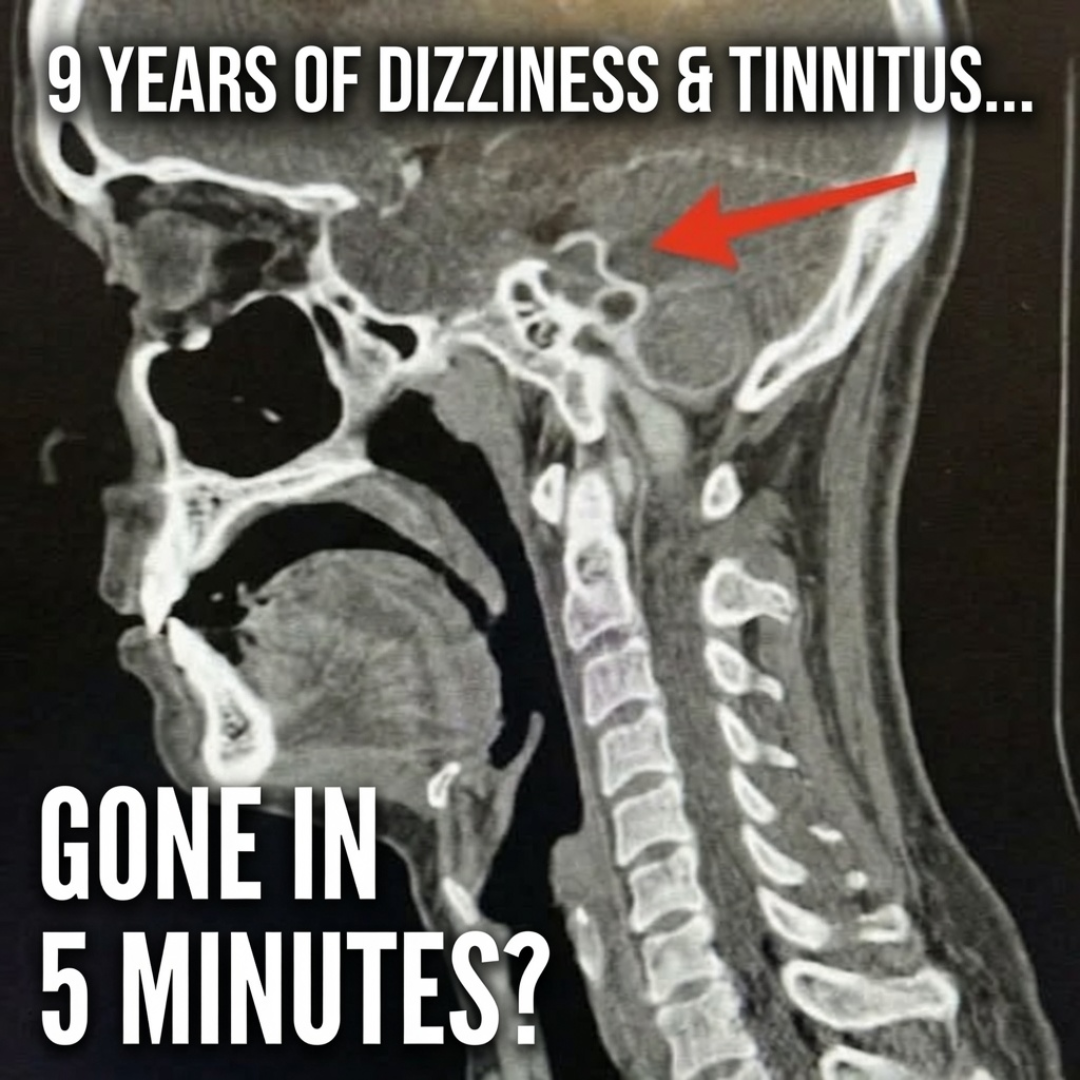
Learn why surface treatments can't silence tinnitus
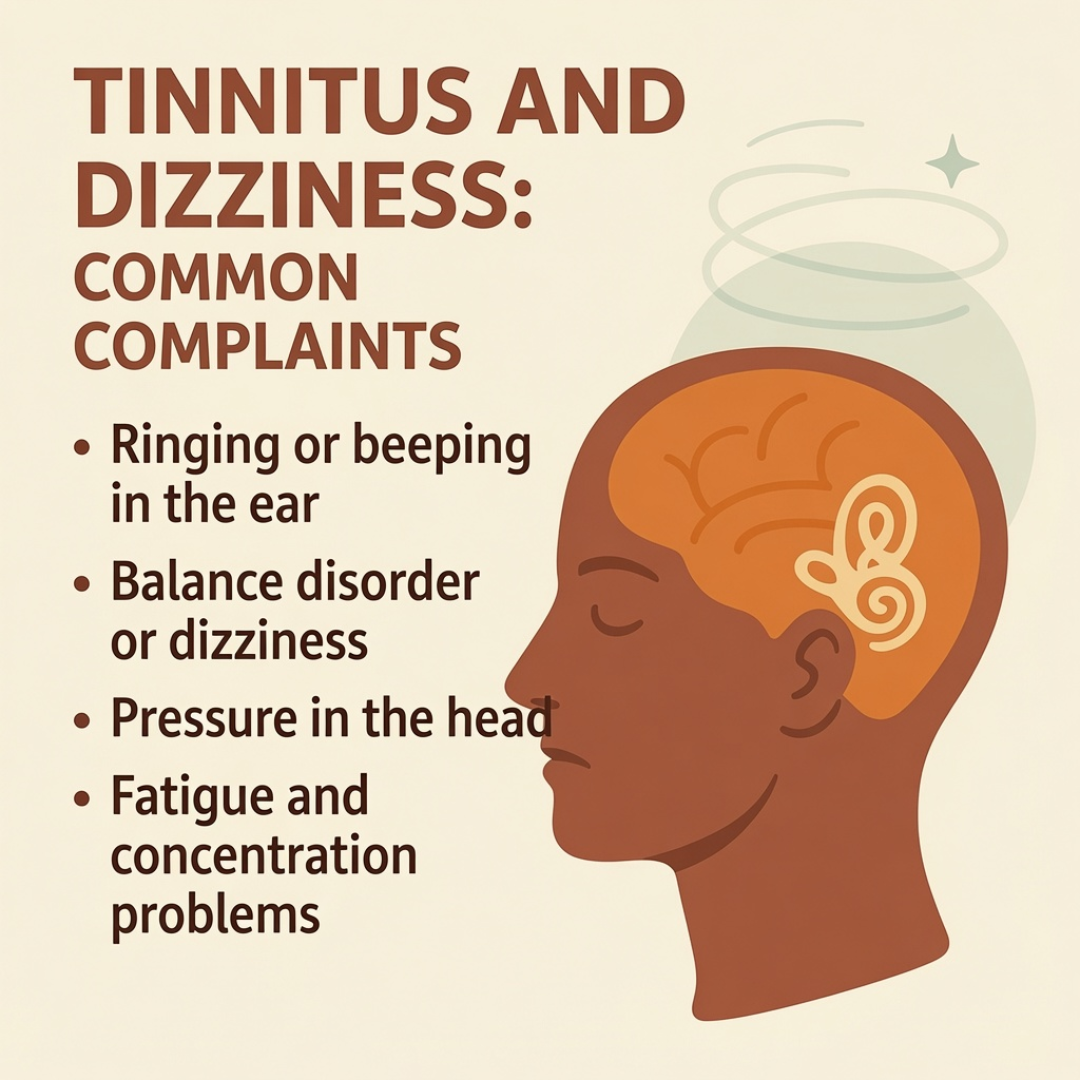
Tinnitus, ringing in the ears and that constant high-pitched whistling are more common than you might think and they don’t just affect your hearing.
LEARN MORELike this ad? Make it yours.
Crush rebuilds this exact creative around your product — your brand, your colors, your offer — in about a minute.