Carol Foster
Carol Foster Facebook ad: “The Reason Your DEXA Numbers Won't Move”
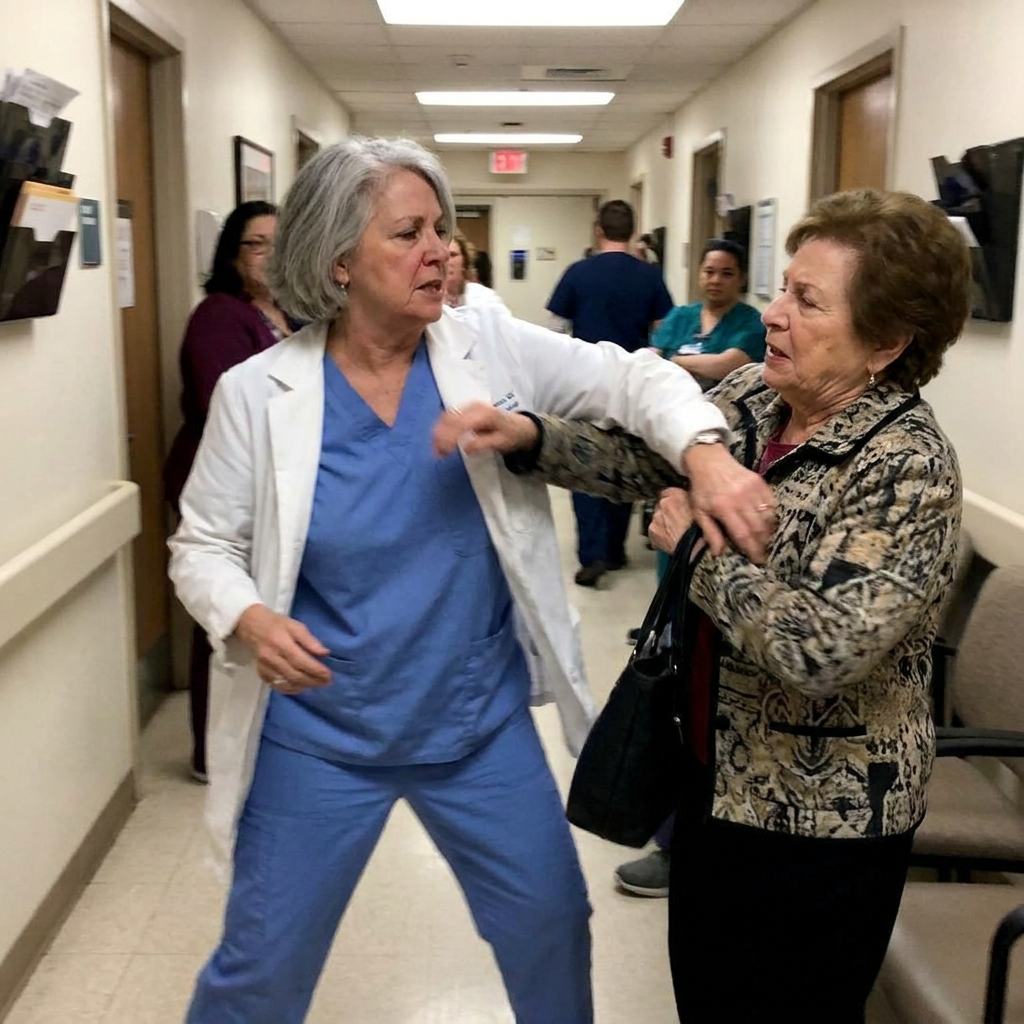
Ran for 20 days, from June 26 to July 15, 2026, the last day Crush saw it.
Run by Carol Foster on Facebook. Crush is not the advertiser and does not verify its claims. See this ad in Meta's Ad Library(opens in a new tab)
Want an ad like this for your product?
Crush makes new ad images for your product from this ad: your logo, your product photo, your offer.
Trials from $19.95 USD, then $79.95 USD a month. Cancel anytime.
About this ad
- Meta Ad Library ID
- 1036634185379642
- Platforms
- Facebook, Instagram, Audience Network, Messenger and Threads
- Relaunches
- 0
Ad text
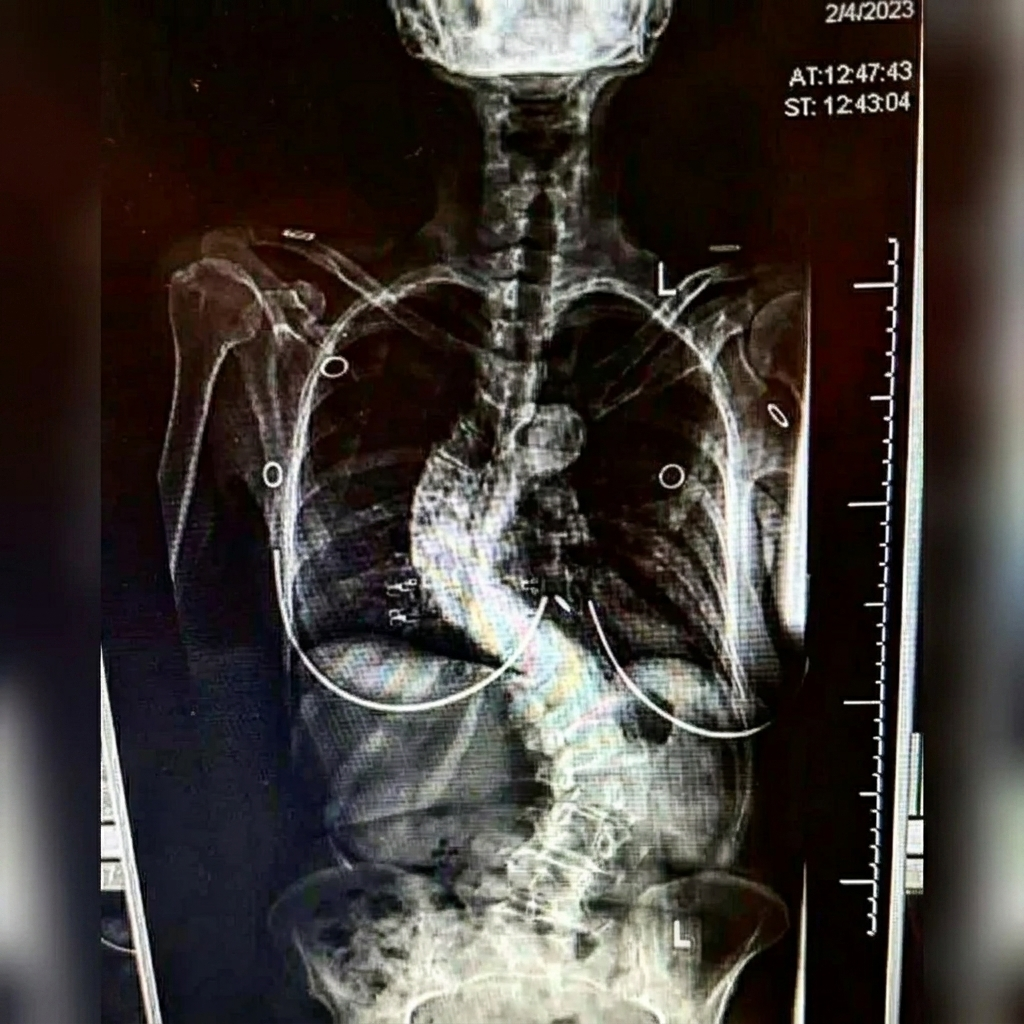
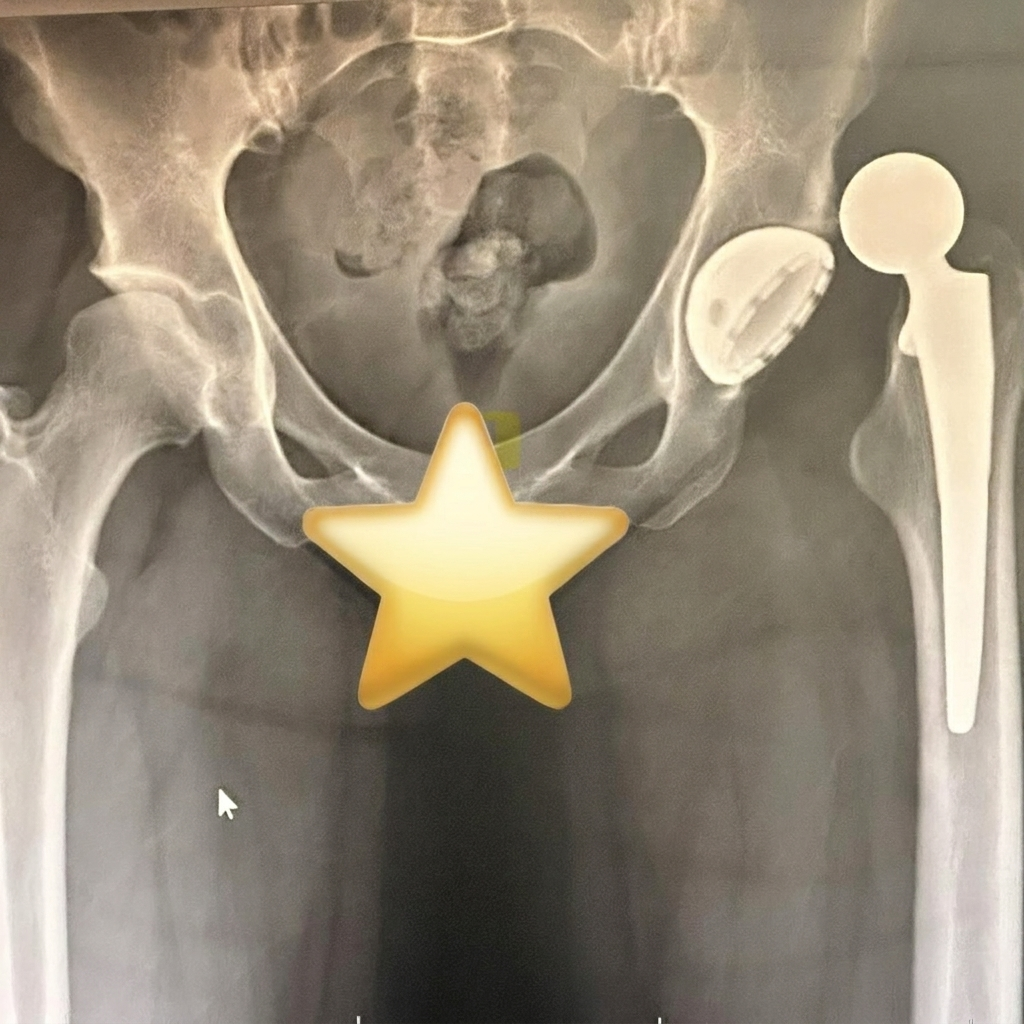
My doctor said if I refused Fosamax, she'd document it in my chart as non compliance against medical advice. I had thirteen minutes with her. She'd never met me before. Dr. Halloran's retirement letter came on a Tuesday. Standard form letter. "After 35 years of practice, I'm stepping away effective March 1st. Your care will be transferred to Dr. Lena Voss." I sat at the kitchen table staring at it. Thirty years. I'd been seeing Dr. Halloran for thirty years. He knew my history, knew what Fosamax had done to my mother, knew my fear of going down the same road, and he'd always worked with me, always said the same thing — "let's keep working at it, Margaret, we'll try lifestyle first, you're doing the right things." Now he was gone. My first appointment with Dr. Voss was March 21st. Routine physical. Transfer of records. Meet the new doctor. I sat in the exam room, the same room I'd been in for decades, same posters on the wall about bone health and falls, different doctor. Dr. Voss walked in. Young. Maybe 37. Laptop in hand. "Mrs. Whitaker." Firm handshake. All business. "I've been going through your file." She sat down, pulled up my records, scrolled, and her expression changed. "Your DEXA history." She turned the screen toward me. "2021, spine –2.5, hip –2.3. 2023, spine –2.7, hip –2.7. Today, spine –2.7, hip –3.1." She looked at me. "Five years of progressively worsening osteoporosis. Severe osteoporosis in your hip now. No medication on file." "Dr. Halloran and I had a plan. The lifting, the supplements, diet, he was monitoring..." "For five years?" Her voice was sharp. "Mrs. Whitaker, your hip is in the severe range. I don't know what your previous doctor was thinking, but this should have been addressed with medication years ago." My stomach dropped. "Dr. Halloran knew my history. My mother died on Fosamax. He knew that." "Your mother's history doesn't change your numbers. –3.1 in the hip — you could fracture from a fall, and that's often the beginning of the end at your age." She was already typing. "We're starting Fosamax. 70 milligrams, once weekly." "I'd rather..." "This isn't a discussion. Your bone density is dangerous. If you refuse treatment, I'm required to document it in your chart as non compliance against medical advice." The printer hummed. She handed me the prescription. "Follow up in twelve weeks. We'll check your numbers and assess your response." She stood. Left the room. The whole appointment took thirteen minutes. I sat there holding the prescription, hands shaking, the words "against medical advice" and "non compliance" rolling through my head like a verdict. In the parking lot, I called my husband James. "How was the new doctor?" "She says Dr. Halloran should have put me on Fosamax years ago. She wants me on it now." Silence. "What?" "She said thirty years of doing it naturally was irresponsible." "But Dr. Halloran always said you were..." "I know what he said. She doesn't care. I either take the medication, or it goes in my chart as refusal." That night I couldn't sleep, just lay in bed staring at the ceiling, James's breathing steady next to me. Dr. Halloran had respected my history with my mother. We'd worked together for three decades. Lifting four-rep max sets to failure. K2 with the D3, MK-7 form. Calcium citrate, not carbonate. Magnesium glycinate at night for sleep. Collagen with Fortibone in my morning coffee. AlgaeCal for years. The weighted vest on every walk, eight percent of my body weight, then ten, then twelve. Pilates twice a week. Prunes by the bowl. Protein at every meal. My bones had kept losing, yes, but gradually. No fractures. No compression. No symptoms. Was he wrong to be patient? Was I walking around with a skeleton quietly falling apart underneath me? At 3 AM I went downstairs, sat at the kitchen table with my laptop, and started searching. is a hip t-score 3.1 dangerous osteoporosis fracture risk women 60s no medication what happens if you don't treat severe osteoporosis Every article said the same thing. Increased risk. Hip fracture. Spinal compression. The cascade. Sometimes death. Maybe Dr. Voss is right, I thought. Maybe I've been reckless. But then I searched, fosamax long term side effects. Jaw necrosis. Esophagus damage. Atypical femur fracture. Bone pain. And the rebound when you try to stop — fractures spontaneous and sudden. And my mother's face flashed in my mind. She'd been on Fosamax for two years. Two years of doing exactly what her doctor told her to do. Her T-score on paper looked stable — –2.9, then –2.9, then –2.8. The doctor used the word "holding." Holding is what he kept saying. The drug was holding it. He told her that at every appointment. The back pain had started during that second year. She'd been telling the doctor about it. He kept saying it was just age. The drug was working, he said. Her numbers were holding. Then on a Tuesday afternoon in October, she tripped on the edge of the kitchen rug and went down. Not a hard fall. She fell maybe two feet. Her hip cracked when she hit the floor. She was 69 years old. The surgery took six hours. They replaced the joint. She came home in a wheelchair, just like the doctor said she would. The pain never went away. She couldn't put weight on the new joint long enough to do anything. Couldn't get up the stairs. Couldn't walk to the kitchen without sitting down halfway. By the second month she'd stopped trying. She stayed in bed most of the day. She needed help to get to the bathroom. The strongest woman I ever knew, and at the end of it my sister and I were the ones helping her stand, helping her sit, the way you help a child. She hated it more than the pain. I could see it in her face every single time. That's what a hip fracture does to a woman my mother's age. It isn't just a broken bone. It's the start of a cascade. The hip breaks. You can't move. Your body breaks down faster than you can recover. The pneumonia, when it came three months in, was just the thing the cascade landed on. A body that hadn't moved in three months couldn't fight off an infection. She didn't have the strength. The strongest woman I ever knew, the one who'd raised four children and worked a forty-year career and never once sat down in her own life, died in a hospital bed at 69 — three months after a hip that broke when she tripped on her kitchen rug. Two years of doing everything they told her. A T-score her doctor kept calling "holding." And it didn't save her. I closed the laptop, rubbed my face, and just sat there in the kitchen with the prescription on the counter mocking me from across the room. And I thought about my own numbers. Mine had been losing slowly too. No fractures, no symptoms — the kind of slow, quiet decline a doctor watches without alarm. Stable enough. The kind of stable they're comfortable with. Stable is exactly how my mother looked on paper, right up until the morning she tripped on a rug. I didn't fill it. One week passed. Then two. Dr. Voss's office called. "Mrs. Whitaker, our records show you haven't filled your prescription. Dr. Voss wants to confirm you're taking your medication as directed." "I need more time to think about it." "Ma'am, Dr. Voss noted this as urgent, she strongly recommends..." "I said I need more time." I hung up. James found me at the kitchen table that night. "Margaret. Talk to me." "I'm looking for options." "Options? The doctor said your hip is dangerous." "She said Dr. Halloran was wrong for not putting me on Fosamax — but Dr. Halloran knew me for thirty years. He knew what that drug did to my mother. He was being careful with me." "But what if she's right? What if you..." His voice broke. "I can't lose you." "You won't. I just need to find another way." "What other way?" I didn't have an answer. That weekend I went back to the research I'd been doing for the year since my last DEXA. The things I'd added on top of what I'd been doing for twenty years. Strontium boost. Six months. Hip score moved by one decimal point. Could have been the machine. Increased my protein from 80 grams to 110 a day. Brazil nuts every morning, the way the forums said. Four months. Nothing. Switched to a different collagen, the kind that has hydroxyapatite. Three months. Nothing. And the lifting. This is the part that confused me the most. I'd been doing the LIFTMOR protocol for years — heavy lifts to failure, four reps at a weight I could barely move. A hundred heel drops a day. The vibration plate. Walking with the vest. Everything the research says builds bone. Everything they tell you actually works. And my numbers kept dropping anyway. I couldn't understand it then. I understand it now, and I'll explain it the way it was finally explained to me, because it's the whole key to this. I was running out of things to add. I was running out of time. Three weeks before my follow-up appointment I was back at my laptop at 2 AM going in circles. Reading the same Reddit threads, the same AlgaeCal forum posts, the same dead ends. I called the office and pushed the follow-up out. Told them I wanted to give my plan a fair stretch of time before another scan — months, not weeks. They weren't happy. I didn't care. If I was going to find another way, I needed long enough for it to actually show up on a scan. Then I changed the search. I stopped looking for bone supplements and started looking for the real reason a woman my age loses bone in the first place. What's actually happening inside the bone. Why my numbers kept dropping year after year no matter what I added on top. And I found something that changed the way I understood my own body. It wasn't on the bone-loss forums. It was in the U.S. National Library of Medicine. Peer-reviewed research. Most of it going back forty, fifty years. One of the studies I read that night had been first published in 1937. The science had been there. For almost a hundred years. It just wasn't sitting in a doctor's office, because there was nothing at the end of it anyone could prescribe. No patent. No drug rep. No money in it. So nobody made it into a billion-dollar pill, and nobody told us. I read for the next four nights, two and three hours at a time, after James went to bed. And the first sentence that stopped me cold was this one. The bricks were never your problem. The crew was. I read that sentence three times. Your bones are not stone. They're not a static thing. They are alive. Every single day of your life, old bone is being taken out, and new bone is being laid down in its place. Always. It never stops. The bone is built by cells. Tiny cells, inside your bones, whose entire job is to take raw material — the calcium I'd been swallowing every morning, the K2, the vitamin D — and lay it down as fresh new bone. Think of them as the construction crew on a building that is never finished. And there is a second crew. Their job is to take old bone out. To clear away what's worn down so the building crew can lay something new. They have been doing this your whole life. They are not the enemy. When the two crews are matched, your bones stay strong — some comes out, some goes back in, and the building holds. Then comes menopause. The second crew, the one that tears bone out, speeds up. Estrogen used to keep them slow. Estrogen is gone now, and they get aggressive. The first crew, the one that builds — they slow almost to a stop. Why? Because every cell in your body runs on a fuel called NAD+. And NAD+ falls as you age. When you're 30, your tank is full. By 40, you're down to half. Past 60, you're at about a quarter of what you had in your twenties. The crew that builds your bone is supposed to be running on the equivalent of a full tank. Past sixty, they are running on fumes. So the demolition crew tears bone out every single day — faster now than they ever did, with the estrogen gone that used to hold them back. And the building crew sits down on the curb, because they have run out of the energy to pick up a single one of the bricks I'd been hauling in by the truckload, every single morning, for twenty years. One crew speeding up, the other crew stopped cold. The tearing-down races ahead, and the building can't come anywhere close to keeping up. That was the whole thing. And it was the answer to the question that had confused me most — the lifting. When you lift heavy, when you load a bone, you are sending a signal. You are telling the building crew to show up and get to work. That signal is real. The science behind it is real. Every heavy lift, every heel drop, every walk in that weighted vest, I was sending the order out, loud and clear, for years. But an order only works if there's a crew with the energy to answer it. Mine were sitting on the curb. I was standing over an empty work site shouting "build," at workers who hadn't had fuel in years. The signal was perfect. There was just no one left with the energy to obey it. That's why twenty years of doing the exercise exactly right never moved my numbers. I wasn't missing the instruction. I was missing the workers. That was happening inside my mother. That was happening inside me right now. I sat back in my kitchen chair at 2 in the morning and said it out loud, because there was no other way to take it in. I had been hauling truckloads of bricks to a building site where the workers had quietly run out of the energy to lay a single one. Calcium. K2. Magnesium. Vitamin D. Twenty years of bricks. With no crew there to use them. It got worse the more I read. The less bone the builders lay, the thinner what's left becomes. The thinner the bone gets, the easier it is for the demolition crew to chew through it the next day. The more bone they take out, the more the builders are supposed to put back in. But the builders, with less fuel every passing year, can't keep up. So they fall further behind. The cycle feeds itself. That was why my numbers had kept dropping. Not because I was doing less. Not because I had stopped lifting, or stopped taking the supplements, or stopped trying. Because every year, the underlying fuel had been quietly draining out of my cells, and the gap between what was being torn down and what could be put back was widening on its own. And here is the part that stopped me cold. The drugs — Fosamax, Reclast, the bisphosphonates, Prolia, every one of them — what they actually do is slow the demolition crew. They go after the cells that tear bone out, and they shut them down, or slow them down. And that sounds like the fix. Until you remember the other crew. The drugs do nothing for the builders. Not a single thing. So the tearing-down slows, yes. But the building still never goes up. You're frozen at whatever bone you have left. That is the best a drug can do for you. And the day you stop taking it, the demolition crew comes back all at once. And here is the part that explains what happened to my mother. When you slow the demolition crew without restoring the builders, the bone you have left does not get replaced. Old bone, brittle bone, dead bone — it just sits there. The numbers on the DEXA look stable. Your file looks good. The doctor uses the word "holding." The drug is working, he tells you. Underneath that, the bone gets older and more brittle every single day. There are no new layers going in. That is why my mother's T-score "held" at –2.9 for two years. And it is why she still broke her hip from tripping over a rug. The drug was holding the demolition crew off the rest of her bone. The drug was not building anything new. The bone she had left aged underneath it, while the doctor watched the number on the page and told her she was fine. We were watching the wrong thing. I had been watching the wrong thing. The calcium, the K2, the magnesium, the lifting — I had been doing all of it right. I had every brick the building needed, and I'd been sending the build order with every heavy lift. I had never been missing materials. I had never been missing the signal. I had been missing the workers. So I started looking for something else. Something that actually went after the workers. Not the brick. Not the demolition crew. The workers. What I needed was to give my cells their fuel back. Not from the outside, the way you swallow a pill and hope it absorbs. From the inside. Where the cells actually use it. You cannot just swallow NAD+. I learned that fast. The NAD+ molecule is too big. Your stomach breaks it apart long before it ever reaches a cell. But there is a smaller piece your body uses to make NAD+ in the first place. Your cells can take it in. It is called NMN. NMN is what your body uses to build the fuel. It's small enough that your cells can pull it across the wall, and once it is inside, the cell does the rest — it builds NAD+ itself, right where the workers need it. The finished fuel can't get through the door. The smaller building block does. And then your body assembles the fuel on the inside. The science wasn't new. NAD+ was first identified in 1906. By the 1930s, scientists already knew it was the fuel the cells need to do anything at all. Ninety years of research. Sitting in journals. Nobody made it into a prescription, because there was no patent in it — your body already uses it, you can't own that. So nobody put it in a pill. Nobody told us. And the research in front of me wasn't theory. It was real. Studies on women in our age range. Women past menopause. Women who had been losing bone for years. The women in those studies who got their NAD+ back weren't just slowing the loss down the way the drugs do. Their numbers were going up. Up. I hadn't heard anyone use that word about a woman's bones in twenty years. I sat back in my kitchen chair and read that paragraph three more times before I let myself believe it. I almost stopped right there and ordered the first NMN bottle I could find. Got one off Amazon that weekend. Bare-bones capsules. Sixteen dollars. James saw the bottle on the counter. "NMN? Since when do you take that?" "Since now. Maybe." I took it for three weeks. Two capsules every morning with my coffee. You can't feel a bone the way you can feel a heartbeat, so I gave it the time. But three weeks in, there wasn't a single sign anywhere of anything happening. Not one thing I could point to. So I went back to the research. And I found three things I'd skipped past the first time. The first was TMG. NMN alone doesn't fully convert to fuel inside the cell. Your body needs TMG to make the conversion happen — and without enough, it goes stealing it from every other job it's got. You end up worse than where you started. The studies that actually worked all had TMG alongside the NMN. The second was quercetin. There's debris in the construction site — old worn-out cells your body usually clears away but starts clearing less efficiently as you age. Quercetin gets them out, so the new workers have room to actually move. The third was resveratrol. It helps slow the demolition crew naturally — gently — not the way the drugs do it, but enough that the building and the tearing-down come back into balance. Four pieces. Working together. The way your body actually uses them. The cheap Amazon stuff I'd bought was pure NMN. No TMG. No quercetin. No resveratrol. The other three pieces weren't there to do their work, and without the TMG the NMN didn't even fully convert. And there was something else about that bottle. NMN is fragile. It loses its strength sitting in a warehouse. Most of what's sold has degraded by the time it reaches your door. The bottle I'd bought off Amazon could have been on a shelf for months. The Amazon bottle was junk on both counts. The active part of it was likely gone before I ever opened the lid. And even if it hadn't been, the other three pieces weren't there. I stopped taking it that night. That explained the dead three weeks. The next problem was finding a version that wasn't junk — a full stack with all four ingredients, in the doses the studies actually used, fresh enough to still work. I spent the next two nights at the kitchen table, searching for a brand that did all four. Standardized. Third-party tested. Shipped fresh. The bricks I'd been hauling in for twenty years would finally have a crew with the energy to lay them — and the lifting I'd never stopped doing would finally have workers to answer it. If I could find the real version. One name kept coming up. Not on the wellness blogs. On a Reddit thread where women were posting their DEXA scores year over year, tracking what worked. Volera. All four ingredients. NMN with the TMG, the quercetin, and the resveratrol, in the doses the studies actually used — not a token amount of one and a sprinkle of the rest. Tested by an outside lab. NSF certification. Made in small batches in the United States. Sold only from their own site — they said NMN goes weak in a warehouse, so shipping it directly from them was the only way it reached you still strong enough to do anything. One of the women on that thread had been posting her numbers for two years. She'd started lower than me. By her third post her spine had climbed up from negative 2.9 to negative 2.4. She wasn't selling anything. She was just a woman with a scan, doing what I was trying to do, writing it down where the next woman could find it. I ordered it that night. The package arrived seven days later. Two capsules with water every morning. That was the whole protocol. I took the first dose after breakfast. Didn't expect much. I'd been wrong before. The first two weeks, I felt nothing. I want you to hear that, because every other supplement I've ever bought promised me a fast miracle. This was not that. Two capsules in the morning, and nothing I could point to. Around the start of week three I almost stopped. I stood in the kitchen with the bottle in my hand doing the math — another thing that hadn't worked, another shelf I'd wasted money on. I'd been here so many times. I came very close to throwing it in the drawer with everything else. I gave it one more week. Mostly because of how long I'd already spent, and the guarantee, and the fact that I had nothing left to lose. Then around week four, the first thing changed, and it had nothing to do with my bones. It was my mornings. For three years I'd been getting out of bed and feeling stiff for the first half hour, the way an eighty-year-old feels. That, quietly, started to lift. I was in the kitchen making coffee one Tuesday and realized my hips hadn't told me to slow down all morning. By the end of the first month, my hands didn't feel puffy in the way they had. I had energy in the afternoons I hadn't had in years. The walk back from the mailbox didn't tighten me up. James said it first one Saturday morning, watching me unload the dishwasher. "You're moving easier lately. You know that?" I hadn't said anything to him yet about how I'd been feeling. I didn't want to be wrong out loud. He was right. I was. By the second month, the lifting started to feel different. The weights I'd been afraid of, the ones I'd been backing away from for two years, stopped feeling like they might break me. I added a little back, carefully. For the first time in years the work I'd been putting in seemed to have somewhere to go — like the orders I'd been shouting at an empty work site were finally reaching someone with the energy to pick up a brick. By month three, something else had changed, and it took me a while to find the word for it. The fear was gone. For two years I had moved through my days like a woman waiting for the rug to come up out from under her. Waiting for the small, ordinary moment that would put me in my mother's wheelchair. I had stopped hiking. I had stopped reaching for the high shelf. I had started taking the stairs the way my mother used to, both hands on the rail. I had been living the last act of her life before I'd even had a fracture. And around the third month, without my noticing the day it happened, that let go. I reached up for a bowl on the top shelf one afternoon and was halfway through drying it before I realized I hadn't thought twice about it. I'd stopped bracing for the fall. I had been so afraid of ending up needing James to help me to the bathroom, the way my mother needed my sister and me — and somewhere in that third month, I stopped picturing it. That, more than any number, was when I knew. By month four, I went back to the trail behind my house — the one I'd quit walking when the fear got bad. I took it slow, watching my feet on the loose rock the way I always had. But I made it all the way up to the bench at the top, where you can see the whole valley, and I sat there a long time. Two years since I'd last been up there. I'd told myself I just hadn't had the time. By month five I was lifting more than I had the entire year before I was diagnosed. Stronger at sixty-two than I'd been at fifty. At six months, Dr. Voss sent me back for a new DEXA. The same scan that had started all of this. She pulled up the results, and she went quiet. She looked at the screen, then looked again, then looked at me. My spine had been –2.7. The new number was –2.1. My hip had been –3.1. The new number was –2.3. Both had moved. In the direction every doctor in my life had told me they couldn't. Out of the severe range in my hip. Into territory I hadn't seen since I was 55. Dr. Voss asked me — and I could tell she was choosing her words with care — if I had been doing something I hadn't told her about. I told her the truth. That I had said no to the prescription. That I had spent months reading. That I had learned the crew that builds my bone runs on a fuel that quietly drains away with age, and that I had been taking NMN with the three pieces that go with it, to give that fuel back. That I had found the research in the National Library of Medicine, not in her office. She didn't argue. "What specifically are you taking?" "Volera. NMN with TMG, quercetin, and resveratrol. Standardized doses. Third-party tested. I can email you everything tonight — the studies, the sourcing, the testing reports. I saved all of it." She typed it in. Read for a long time. Looked through the documentation. That night I sent her everything, the way I said I would. The studies. The sourcing. The testing reports. I half expected to never hear back about it, or to get a paragraph explaining why none of it counted. At my next visit she told me she'd read all of it. Every study I'd sent. She said she couldn't put it in my chart as a recommendation — it wasn't a prescription, it wasn't standard protocol — but she'd gone through the research herself and she wasn't able to argue with it. She had nothing to refute it with. Just the numbers on my scan, going the right way. "Mrs. Whitaker — continue what you're doing. Back in six months. If your numbers hold or keep moving, we'll continue quarterly monitoring. No Fosamax." I walked out of that office and sat in my car for ten minutes. Called James. "Spine 2.1. Hip 2.3." He went quiet. Then, "No medication?" "No medication. Quarterly monitoring if it holds." He didn't say anything for a moment, and when he did his voice was tight. "I knew you'd find something." That was six months ago. Last week I went in for my six-month follow-up scan. Spine 1.9. Hip 2.2. Still moving. A small move — not the jump from the first six months, the bone was already most of the way back — but moving, in the right direction, a full year now since I started. Two scans, six months apart, both going the way every doctor told me bone can't go. One good scan, you can call luck or a bad machine. Two in a row, both climbing — that's not luck. That's the workers, back on the job. No medication. No compliance flag in my chart. Just numbers she can't argue with. If you're reading this, you're probably in the same position I was. You did everything right. The supplements. The lifting. Maybe HRT. Maybe twenty years of every doctor-recommended thing — and your DEXA has gradually been getting worse anyway, and now a doctor wants you on Fosamax, or Prolia, or Reclast. Here is what I learned after a year of failing supplements and four nights of actual research. The reason most bone supplements don't work is that they aim at the wrong thing. They give you more brick. Calcium, K2, magnesium, vitamin D — all the materials are there. None of them is the problem. The problem is the crew that's supposed to lay the brick ran out of fuel decades ago, and nobody told you. Until you give those cells back the fuel they need, the brick just piles up in places it doesn't belong. The numbers don't move. The bone keeps thinning underneath you. Year after year. And the same goes for the lifting. If you've been loading your bones and watching your numbers drop anyway, you weren't doing it wrong. You were sending the order to a crew that had no fuel to answer it. The exercise was never the missing piece. The workers were. Fosamax and the rest of them don't fix the workers either. Which is why my mother's T-score "held" at –2.9 for two years, and she still broke her hip from a rug. Her doctor watched the number. The bone underneath kept getting older. And here is the part I need you to sit with, because it's the part that almost cost me everything. A "stable" scan is not a safe scan. Stable is exactly what my mother's chart said. Stable is what they tell you to keep you comfortable while the bone underneath the number quietly gets older and more brittle. If your numbers have been holding, that is not the same as your bones being safe. It wasn't for her. Volera was the only thing I found that matched the quality the studies actually used. NMN with the TMG, the quercetin, and the resveratrol, in the doses that move numbers, in a form your body can absorb, shipped fresh, third-party tested. I don't know if it's the only one out there that fits. I know it's the one that worked for me. My T-score dropped from –3.1 in my hip to –2.3, and now to –2.2. From –2.7 in my spine to –2.1, and now to –1.9. A full year. Out of the severe range entirely, and still climbing. No medication. No compliance flag in my chart. Here's something else. For twenty years I spent about a hundred and sixty dollars a month on the shelf of supplements that was quietly doing nothing — the calcium, the K2, the collagen, the strontium, all of it. Volera costs me less than that shelf did. It is not another thing to add to the pile. For me it replaced the pile, and cost less than what I was already spending to stand still. If you feel cornered the way I did, give it 180 days. Track your numbers between scans if you can. Walk into your next appointment with the data. It comes with a 180-day money-back guarantee. If your numbers haven't moved by your next DEXA scan, you get your money back. No questions. They're willing to be judged by the same scan your doctor is. Volera is a small operation. Made in the U.S., in small batches, because NMN goes weak sitting in a warehouse and they refuse to keep inventory on hand. That's also why they sell out a few times a year and you have to wait for the next batch. Numbers are the only thing that changes a doctor's mind. https://getvolera.com/products/c89b53 P.S. I felt nothing in the first two weeks. I nearly quit at week three. The stiffness started lifting around week four. The fear quietly left around month three. The number moved by month six, and it was still moving at a year. Your timeline may be different from mine, but 180 days is the window, and the guarantee follows you all the way to your next DEXA. You risk nothing. P.P.S. The research has been sitting in the National Library of Medicine for almost a hundred years. The reason it works is real. There was no patent in it, so no drug company made it a pill, and nobody told us. I did the looking. Now you have the answer. getvolera.com/products/c89b53
Where the ad sends people
getvolera.com
The Reason Your DEXA Numbers Won't Move
VOLERA
Learn more: getvolera.com(opens in a new tab)