
Active· since Jul 13, 2026
- 39
- days running
- 0
- relaunches
Ad copy
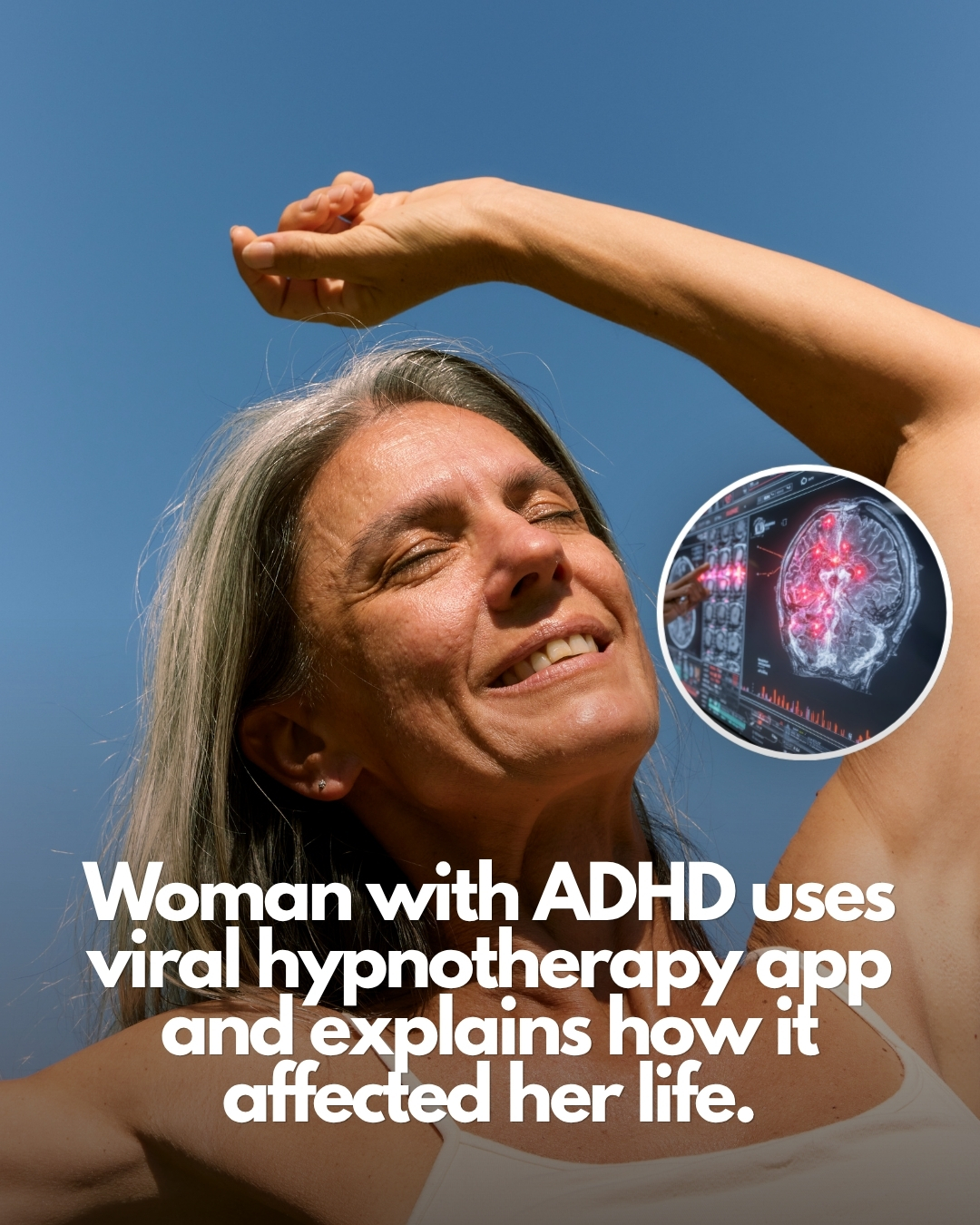
At 47, Claire from Bristol thought she was losing her mind. Not in a dramatic way. In a quiet, frightening, everyday way. She'd walk into rooms and forget why. Lose her thread mid sentence. Read the same email four times and still not take it in. She'd always been scatty, but this was different. This felt like something was slipping. "I genuinely started to worry it was early dementia," she says. "I was 47 and I couldn't hold a thought in my head." What she didn't know, what almost no one had told her, was that she'd had ADHD her whole life. She'd just been clever enough, and exhausted enough, to hide it. And now, right on cue, perimenopause had arrived and kicked the legs out from under her. Here's the part that stopped her cold when she learned it. The drop in estrogen that comes in your forties doesn't just cause hot flushes. It directly worsens the ADHD brain. Focus, memory, emotional control, all of it gets harder exactly when life expects you to hold the most together. "I burst into tears when I read that," she says. "Not because it was bad news. Because it meant I wasn't broken, and I wasn't imagining it. There was a reason." For decades she'd been white knuckling her way through life. Masking. Overcompensating. Being the woman who remembered everyone else's everything while quietly drowning. The planners. The reminders. The lists about lists. All of it worked for a while, and then stopped working at all. She'd tried the usual advice and hated it. Meditation apps that asked her to sit still for 30 minutes, which for an ADHD brain is its own special kind of torture. Productivity systems designed by people who clearly finish what they start. Then she kept seeing women online talking about a hypnotherapy app. Her instinct was to roll her eyes. But a louder part of her, the part that was tired and scared and out of options, thought, what have I got to lose. What she found was the first thing that had ever been built for a brain that won't sit still. The sessions were short. She could do them lying in bed with her eyes shut, no focus required, which was the whole point. And rather than nagging her to concentrate harder, they seemed to work underneath all of it, on the anxious, racing, never quiet engine that had been running her ragged for 47 years. The first change was sleep. Her brain actually switched off at night instead of replaying every awkward thing she'd said since 1994. Then came the mornings. That heavy, foggy dread lifted enough that she could just start. The task paralysis, that maddening state where you desperately want to do something simple and physically cannot begin, started to loosen its grip. "That alone changed my life," she says. "If you've lived with it, you know. It's not laziness. It's a wall. And the wall started coming down." The emotional side shifted too. The way one small criticism used to ruin her entire week began to fade. She stopped spiralling. She felt, for the first time in years, steady. "The noise turned down," is how she describes it. "I could finally hear myself think. I forgot what that even felt like." She's careful to say it didn't erase who she is. She still has ADHD. She still has the creativity and the spark and the racing ideas she actually loves. But the parts that were quietly destroying her, the overwhelm, the forgetfulness, the exhaustion, those got quieter. Manageable. Human. "I got fifteen years of my life explained and a way to actually cope with it, all at once," she says. "I just wish someone had handed me this sooner." That's why she can't stop telling other women about it. Because she knows how many of them are sitting where she was, somewhere between 35 and 55, quietly terrified that they're failing, when really their brain and their hormones have been working against them the whole time, and no one ever told them. The app behind Claire's turnaround is now offering a 7-day free trial, so any woman who feels like she's slowly losing her grip, the way Claire did, can feel the difference for herself before deciding anything at all. She thought she was broken. It turned out she'd just never been given the right tool for the brain she was born with.
Made for Women with ADHD.
Guided hypnotherapy sessions for ADHD to help you feel calmer, stay focused, and quiet mental noise. Start your Clear Minds journey today.
LEARN MORELike this ad? Make it yours.
Crush rebuilds this exact creative around your product — your brand, your colors, your offer — in about a minute.