Safe kitchen guide
Safe kitchen guide Facebook ad: “I spent a whole year doing everything the internet said…”
Ran for 37 days, from August 17 to September 23, 2026, the last day Crush saw it.
Run by Safe kitchen guide on Facebook. Crush is not the advertiser and does not verify its claims. See this ad in Meta's Ad Library(opens in a new tab)
Want an ad like this for your product?
Crush makes new ad images for your product from this ad: your logo, your product photo, your offer.
Trials from $19.95 USD, then $79.95 USD a month. Cancel anytime.
About this ad
- Meta Ad Library ID
- 1039890405610338
- Platforms
- Facebook, Instagram, Audience Network, Messenger and Threads
- Relaunches
- 0
- EU reach
- 1,058
- Niche
- Jewelry & Watches
Ad text
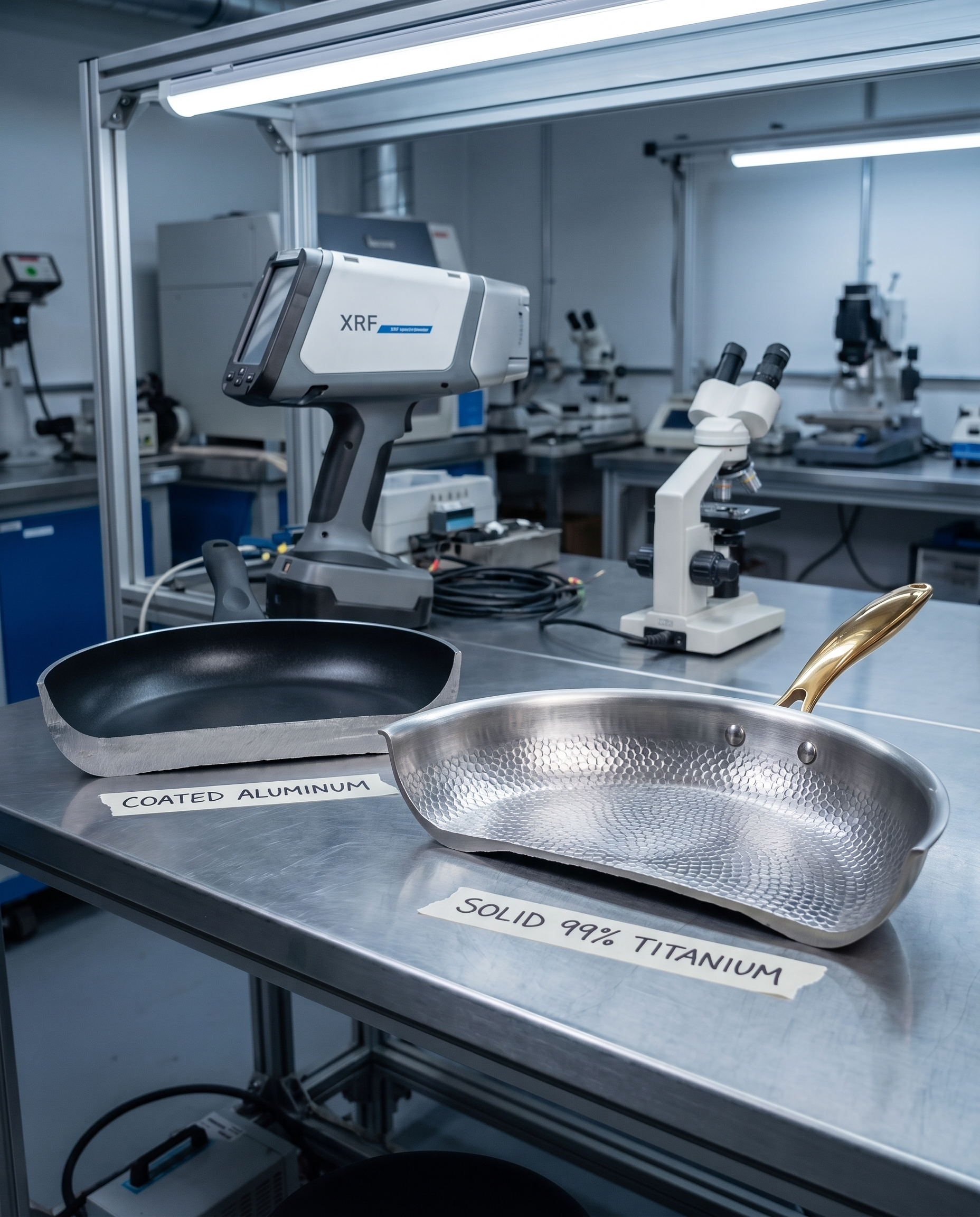
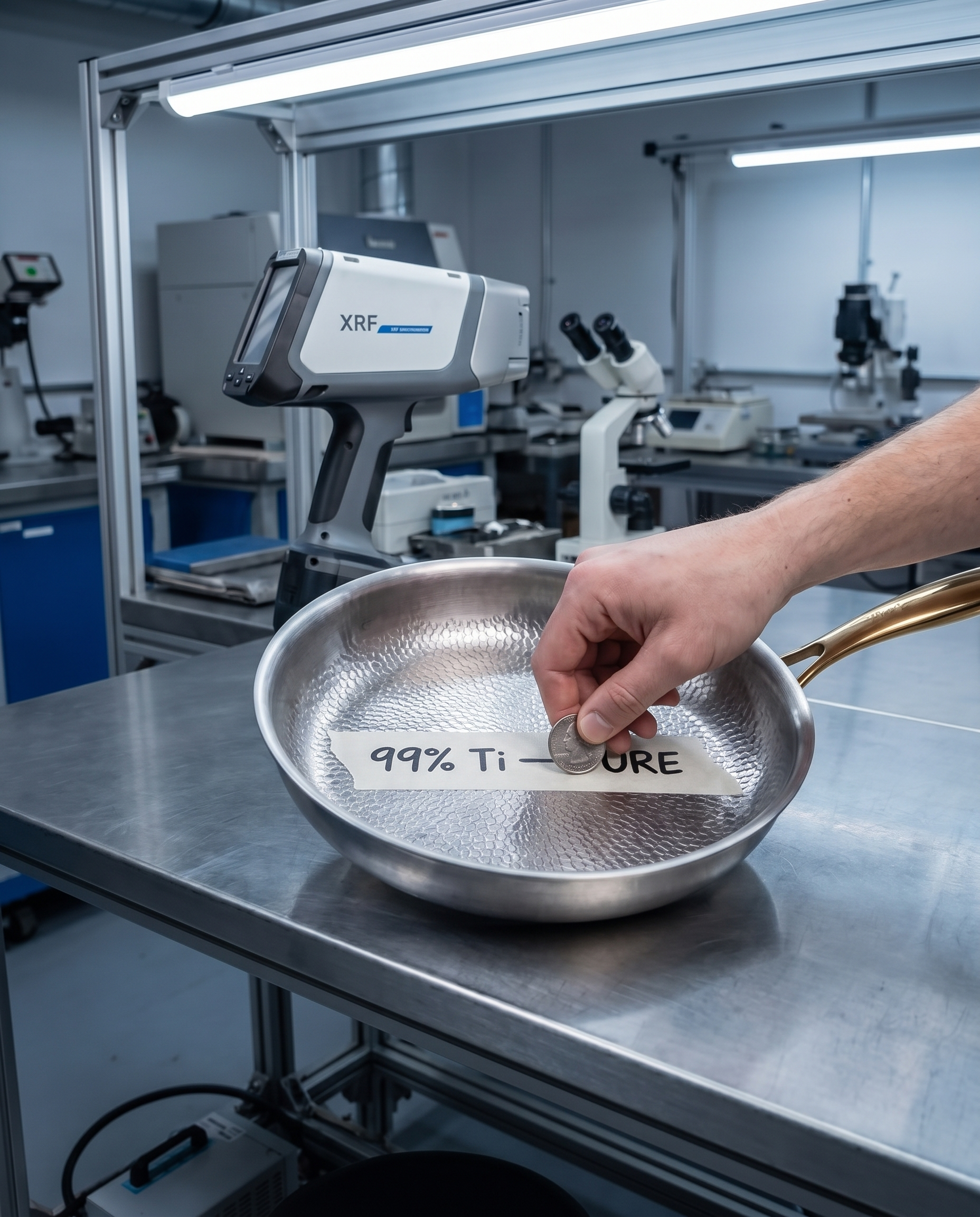
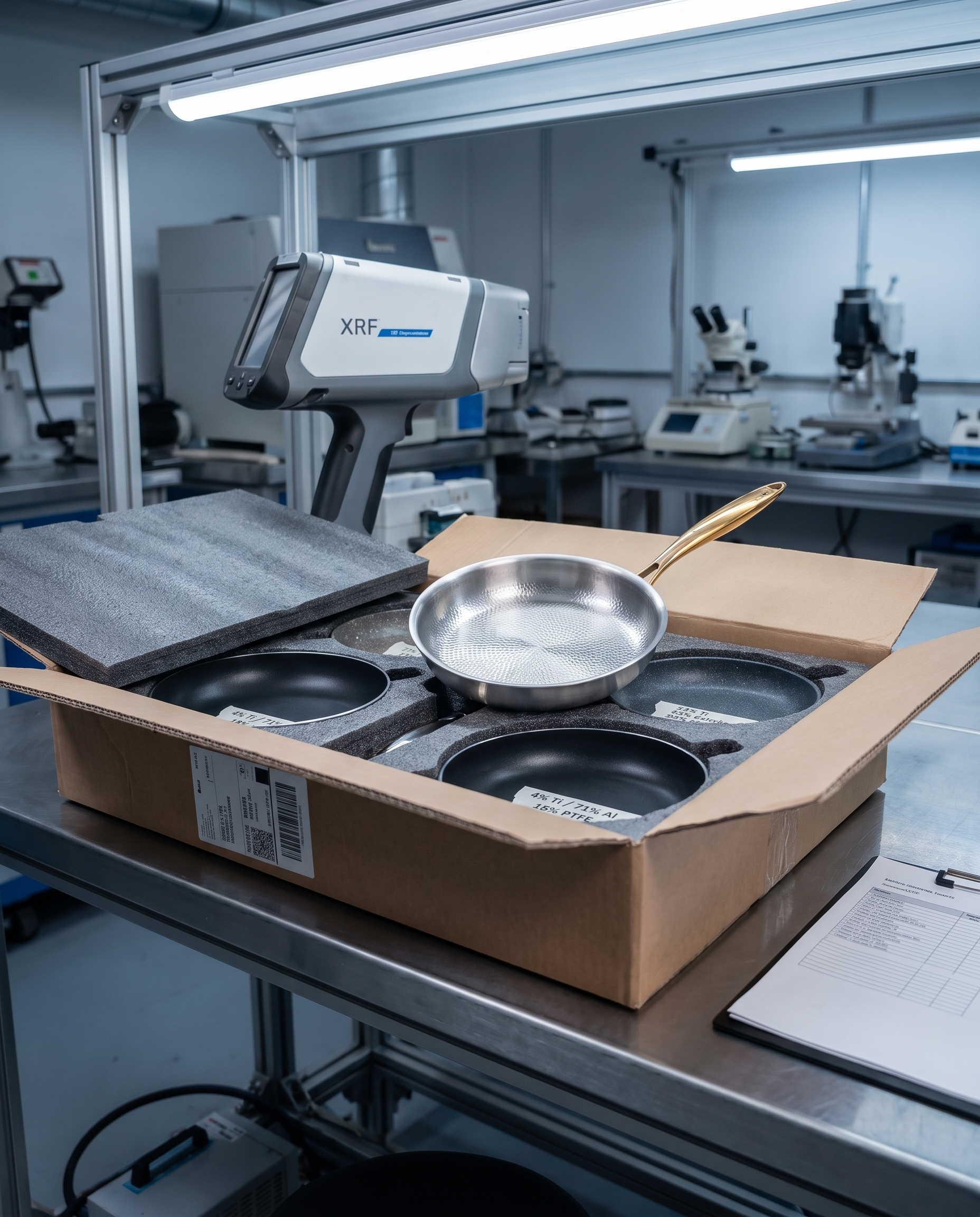
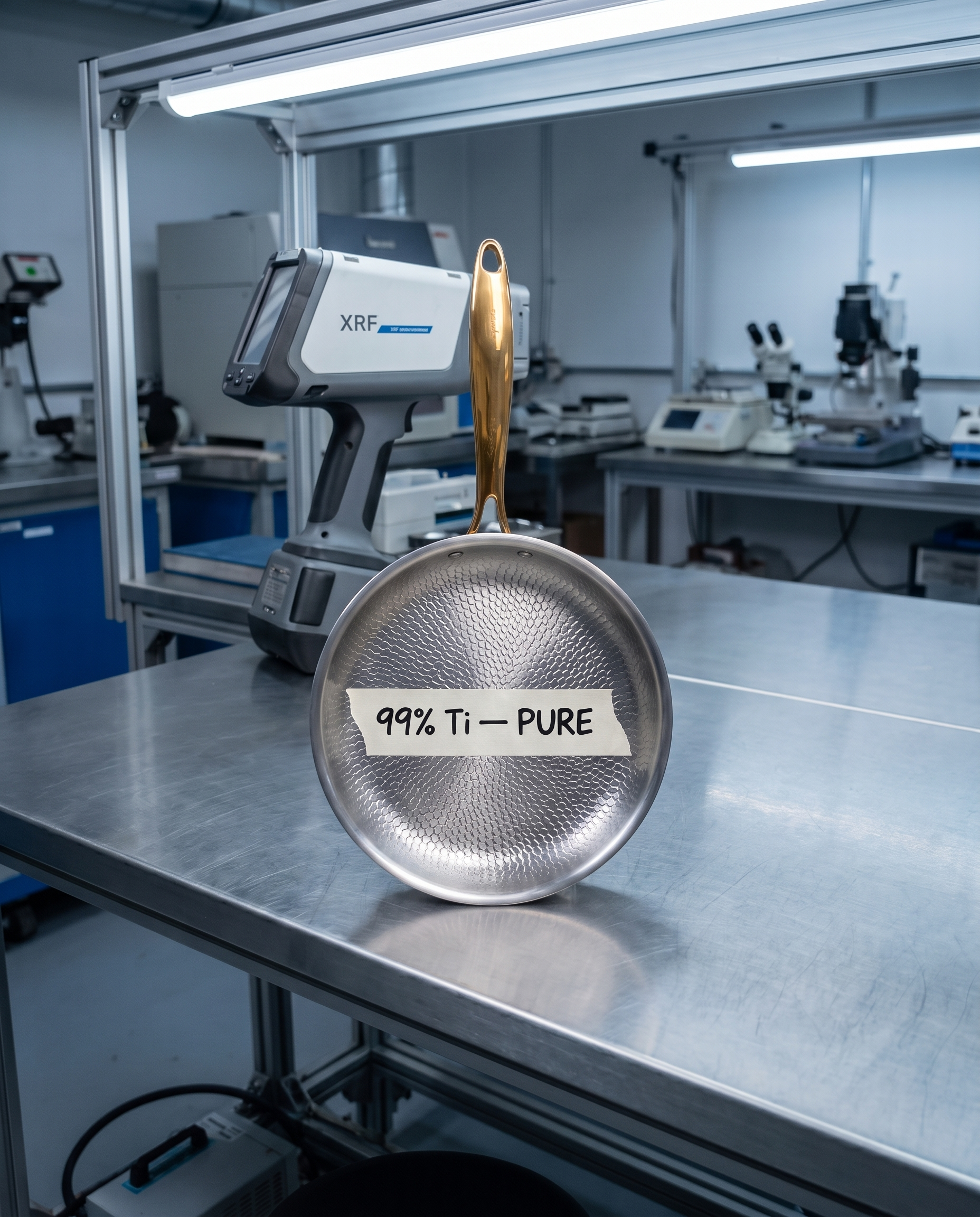
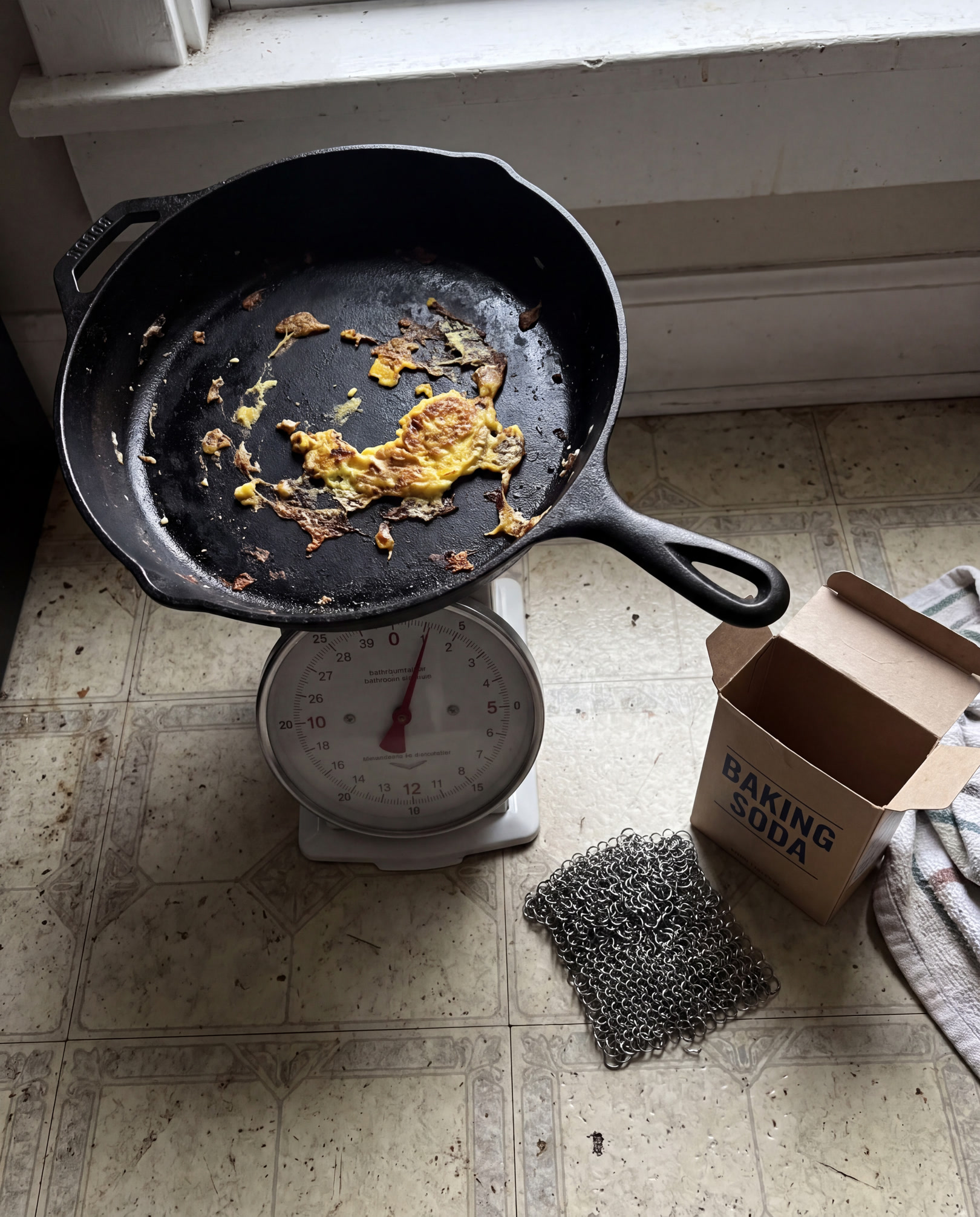
For one entire year, I owned a frying pan that weighed more than my cat. I am not exaggerating for a good opening line. I put it on the bathroom scale one night, because I needed proof it was as heavy as it felt. Eight pounds. My cat is seven and a half. And I want to tell you how a reasonably capable grown woman ended up standing at her own stove, arms shaking, near tears, trying to lift a pan she needed two hands to move, wondering if she had forgotten how to do the oldest thing humans have ever done, cook food over heat. Because here is the short version, and it still makes me a little angry to write it. I was trying to be safe. I was trying to do the healthy, responsible, non-toxic thing that the entire internet swears up and down is the answer. And it very nearly made me stop cooking altogether. If you have ever thrown out a scratched pan because you got scared of what was in it, and then felt that quiet dread of not knowing what you are supposed to replace it with, please read this all the way to the end. I went the whole distance on the advice everyone gives you. I did it properly, for a full year, and I am going to save you the year. Let me back up to how it started, because I want you to know I am not lazy and I am not stupid, which matters for the part that comes later. I am the kind of person who reads the manual. I research the car seat for three weeks, I read the reviews below the reviews, I keep the little instruction cards that come inside the box. When I decide to do a thing, I do it all the way. I mention this not to brag, because it is not a brag by the end of this, but because I need you to understand that what happened to me was not someone giving up too early. I tried harder than anyone I know. That is the whole point of the story. It began, like it does for a lot of us now, with a headline late at night. I had one of those black nonstick pans that everybody has. The good one, with the lifetime badge on the box, the one I had been babying for a couple of years. It had a scratch in the middle, in the spot where the metal underneath showed through in a little grey wound, and I had been ignoring it the way you ignore a warning light on the dashboard. Then one night I fell down the internet, the way you do at eleven at night when you should be asleep, and I read the thing that a lot of you have probably read too. That overheating one of those pans can release fumes so toxic they can kill a pet bird in the next room. That there is a name for what those same fumes do to people. They call it Teflon flu. Fever, chills, a cough that comes out of nowhere while you are standing at the stove. I read a thread where a family found both of their pet birds dead in another room and only afterward realized the nonstick pan had been left heating on an empty burner. Thousands of comments underneath, bird owners saying this is just common knowledge in their world, that you never run a nonstick pan anywhere near a bird. And one person had written, plainly, if it can kill a bird across the house in the time it takes to answer the door, what do you think it is doing to you, slowly, for years. I put the phone down on my chest and I looked at the ceiling and I thought about the scratch in my pan. The little grey wound where the coating had already gone somewhere. And somewhere was, if I let myself finish the thought, into the eggs I had scrambled for my kids that morning. I got up, I am not kidding, at half past eleven at night, and took that pan and the other coated one from under the sink out to the outside bin. In my socks. In the dark. It felt like the one clean, protective thing I could do for my family, and I went to bed feeling like a good mother for the first time in a while. That feeling lasted until seven the next morning, when I stood at the stove with eggs to make and school to get to and realized I had thrown out the only pan I actually knew how to cook on, and had no idea what was supposed to replace it. So I did what all of us do now. I asked the internet. And the internet, it turns out, has an answer, and it is the same answer over and over, delivered with total confidence from every direction. If you want to get off the toxic coated pans and cook clean and non-toxic for your family, the answer is simple. Just use cast iron. Just use stainless steel. That is the whole reply. You see it under every video, in every thread. Somebody nervous asks how to cook without the coating, and a chorus answers, almost annoyed, like it is the most obvious thing in the world. Just use cast iron. Just use stainless. That is what people did for a hundred years. Stop being dramatic and learn to cook. One comment has lived in my head ever since. Somebody wrote, I will never understand the obsession with nonstick pans, even the ceramic ones lose it after a while, just use cast iron or stainless steel. Underneath, a hundred little thumbs up. And I remember thinking, okay. These people sound like they know. I am a capable person. I read the manual. If a hundred strangers can cook safely on real metal, so can I. How hard can it possibly be. Reader, I found out exactly how hard. I want to tell you about the stainless steel first, because that is where I started, full of hope, with a shiny new pan and the naive confidence of somebody who has never welded an egg to metal before. Here is what nobody tells you in the just use stainless comment. Stainless steel is not nonstick. It is not even slightly trying to be. And an egg, a plain simple breakfast egg, the thing I make more mornings than anything else in my life, does not slide around on stainless steel. It bonds to it. Chemically. Permanently. Like it was always meant to be part of the pan. The first morning I cracked two eggs into that beautiful shiny pan the way I had my whole life, and within forty seconds they had fused to the bottom so completely that when I slid the spatula under, I was not lifting an egg, I was tearing one, leaving half of it cemented to the steel in a grey welded patch. I stood there with a torn egg hanging off my spatula, the smoke alarm doing its thing, my kids asking what was burning, and I thought, all right, beginner mistake, I will figure this out. I am a person who figures things out. I did not know yet that I had just signed up for months of figuring it out. Because here is the thing about cooking an egg on stainless. It is possible. People do it. But it is a technique, an actual skill with a temperature and a timing, and you do not have it, and getting it is not free. There is a whole world of videos about it, and I watched hours of them. The water droplet test, where you flick water into the pan and watch whether it beads up and dances or just dies, because apparently that tells you the exact moment the pan is ready. Too cold, the egg welds on. Too hot, the egg welds on differently. There is a narrow little window, and you have to hit it every single morning, while also getting three humans out the door. I got a candy thermometer. For eggs. I want you to sit with that. A grown woman, buying a thermometer to measure the temperature of a frying pan, so she could make her children breakfast without poisoning them, because that had somehow become the deal. Some mornings I nailed it. The water danced, the timing was right, the egg slid, and I felt like a genius. And the very next morning, same pan, same stove, distracted for ten seconds because somebody could not find a shoe, the egg welded down again and I was back to scrubbing grey cement off steel at seven fifteen in the morning. I found a comment during all of this that summed up my entire experience so perfectly I almost cried reading it. Somebody wrote, I can cook eggs in stainless steel and the eggs do not stick, it is not even that hard to do, but you would have to try, and that is a huge barrier for the average person. You would have to try. Every day. Forever. That is a huge barrier for the average person. And I realized, slowly, that I was the average person. I did not want to try, every single morning, for the rest of my life, just to make an egg that did not weld to the pan. I did not want cooking breakfast to be a skill I could fail at before I had even had coffee. But I was not a quitter. So I doubled down. And this is where the cast iron comes in, because everyone said, ah, if stainless is fighting you, cast iron is the real answer, cast iron is naturally nonstick once you know what you are doing, cast iron is what your great grandmother used, cast iron is forever. So I bought the cast iron. The big one. The eight pound one from the start of this story. And I fell, completely, into the cast iron religion. Because that is what it is. It is not a pan, it is a faith, with rituals and rules and a congregation online that will tell you, gently or not so gently, every single way you are doing it wrong. First there is seasoning. Seasoning is the layer of baked-on oil that is supposed to make the thing cook nicely, and you do not just get it, you build it over time, like a savings account, and you can wipe out the whole balance with one wrong move. I seasoned that pan the way the videos said. Thin layer of oil, upside down in the oven, an hour at high heat, let it cool, do it again. And again. My whole house smelled like a deep fryer for two days, and I felt very accomplished. Then I cooked something with a bit of tomato in it, because I did not yet know that acid strips seasoning, and I watched weeks of careful ritual come off into my dinner in a dull grey haze, and I had to start the whole savings account over from zero. Then there is the washing, which is its own minefield. No soap, the internet warns, so now you are scared of soap. No soaking. Do not leave it wet for even a few minutes or it rusts, actual orange rust, on your cooking surface. No dishwasher, obviously. So every single time you do a whole new washing dance. Hot water only, a special chainmail scrubber I had to order online, dry it immediately on the hot burner so no water sits, then rub a little oil in while it is warm, like tucking a temperamental pet into bed after every meal. And through all of this, the weight. The constant, ridiculous, arm-aching weight. I always thought of cast iron as sturdy and homey. I did not remember that you basically need two hands to move the thing when it is full of food. I could not flip an omelette in it, I could barely lift it off the back burner without bracing it against my body. There was a review I read later where a man who genuinely loved his cast iron admitted, the only drawback, as with all cast iron, is the weight. The only drawback. He said it so casually. For me, exhausted at the end of every long day, the weight was not a footnote. The weight was the whole thing. And still, still, food stuck. Not always. But enough. Because the seasoning was never quite right, or the heat was never quite right, or I had used a splash of wine, or I had washed it slightly wrong three days ago and did not know I had thinned the layer. So I would cook, and it would stick, and now I had a stuck-on mess baked onto a surface I was not even allowed to properly scrub or soak. Which brings me to the night I think of as the bottom. I had made a simple dinner. Nothing fancy. And it had welded itself to the bottom of that pan in a black crust that laughed at my special chainmail scrubber. I was not allowed to soak it. I was not really allowed to use soap. So I did what the desperate corners of the internet tell you to do. I boiled water in it. I added baking soda. I scrubbed. I got almost nowhere. I boiled it again. More baking soda. More scrubbing. I found a comment later from a woman who had done the exact same thing and written, I spent all day using boiling water, soap, and baking soda trying to get the burnt stuff off the pan and hardly made an impact. All day. And I knew her. I was her. And at some point that night I sat down on my own kitchen floor, with my back against the cabinet, holding a scrubber, next to an eight pound pan I could barely lift, and I very nearly cried over a piece of cookware. A grown woman. On the floor. Over a pan. And the thought that went through my head, clear as anything, was this. I do not want to cook anymore. Not this meal. Cooking. At all. I had started, honestly, ordering more takeout, buying more of the sad plastic-tray freezer things, because facing the pans had become such a source of dread that I was quietly avoiding my own kitchen. I, the person who reads the manual, who does everything all the way, had been so thoroughly defeated by the simple act of making dinner safely that I was starting to give it up. And that is the moment I want you to really sit in with me, because I think a lot of you know it, even if you have never let yourself say it out loud. I had done everything right. I had thrown out the scary pans to protect my family, which was the responsible thing. Then I had taken the exact advice that every single person on the internet gives you, just use cast iron, just use stainless, and I had followed it further and more carefully than almost anyone would. And the reward for all of that effort, all of that trying, was that I now hated cooking, my arms hurt, my mornings were a battle, and I spent my evenings scrubbing burnt crust off metal I was not allowed to clean properly. I remember thinking, this cannot be it. This cannot actually be the choice. Because when you lay it out plainly, look at the choice I had been handed. Behind door number one, there were the coated pans. Teflon, ceramic, all the pretty ones with the reassuring words on the box. Those are easy, I will give them that, an egg slides right off a brand new one. But they are a countdown. The slick part, the coating, is a thin layer sprayed onto cheap metal, and that layer is designed to wear out. It scratches, it flakes, it peels, and when it goes, it does not vanish. Some of it goes in the bin with the dead pan, some goes into your food in flecks you will never see, and some goes into the air you breathe when the pan overheats, the exact fumes that kill the birds. So door number one poisons you, slowly, on a timer, and then asks you to buy another one next year and start over. Behind door number two, there were the safe pans. The bare metal. Cast iron, stainless. And these will not poison anyone, that part is true, there is no coating to flake, and I respect that, that is why I went there. But door number two does not poison you, it punishes you. It demands seasoning rituals and technique videos and candy thermometers and chainmail scrubbers and eight pounds of iron and a level of daily effort that turns your kitchen into a part-time job you never applied for. It is safe the way climbing a mountain every morning to get to work is technically safe. It will not kill you. It will just slowly wear you down until you would rather not eat. That was it. That was the whole menu. Poison, or punishment. Chemicals, or boot camp. Pick your door. And here is the part that took me an embarrassingly long time to see, sitting on that floor. I had been so busy failing at door number two, blaming myself, buying more scrubbers, watching more videos, that I never once stopped to be angry that those were the only two doors I had ever been offered. I kept thinking the problem was me. That I was not trying hard enough, not skilled enough, not the kind of woman who could master a stainless egg. It never occurred to me that the problem might be the choice itself. That an entire industry had quietly agreed to sell me either a slow poison or a second job, and to let me believe anything in between was my own personal failure. I did not want to master a hobby. There is a shame attached to admitting that, which keeps a lot of us quiet. I did not want to become a cast iron person. I did not want a relationship with my cookware. I wanted what that nervous mother at the very start wanted, the one who threw the pans in the bin in her socks. A pan that was safe, that would not poison my kids, that I could just, cook on. On a normal Tuesday. When I am tired. Without it becoming the hardest part of my day. I found a comment, around this time, from a woman who had clearly been where I was, and she wrote, half joking, I would rather my food stick and be healthy than have a nonstick toxic egg, ha ha. And I understood exactly what she meant, and I also thought, no. No. Why are those my only two options. Why is it stick and suffer, or slide and get sick. Why has nobody built the other thing. The safe pan that a normal person can actually live with. It turned out somebody had. I just had never heard of it, because it does not come from the cookware aisle, and the people who sell you door one and door two have absolutely no interest in you finding it. There is a third kind of pan. Not a coated one. Not Teflon or ceramic or any of the sprayed-on family that slides beautifully and then betrays you. And not a raw cast iron or stainless one that you have to master and season and worship and out-muscle. A completely different thing that I did not know existed, because it lives, quietly, in a totally different world from the one I had been shopping in. It is a pan made from a single solid piece of pure titanium, with no coating on it at all. Now, I have to stop you right here and be very careful, because the moment I say titanium, some of you are going to picture the pans you have already seen with that word on the box, and I need you to know that most of those are a trick, and I nearly got fooled by it too. Walk through the pans that say titanium on the label today and almost all of them are titanium infused, or titanium reinforced, or they have titanium particles mixed into the coating. Read those words slowly. Into the coating. Which means they are still coated pans. They still have a sprayed-on layer sitting on top of cheap aluminium, and that layer still wears off exactly like every other coating, it just has a nicer word printed next to it. The word titanium has quietly become the new non-toxic, a word that sells and means almost nothing on its own. It is door number one wearing a costume. That is not what I am talking about. I am talking about pure, uncoated titanium. Where the cooking surface is not sprayed onto anything, because it is not a coating at all. There is no thin layer sitting on top waiting to blister and flake into your dinner. The surface simply is the metal, solid titanium all the way through, so there is physically nothing there to peel off, nothing to leach out when it gets hot, and nothing quietly counting down to the day it fails. You cannot scratch off a coating that was never there in the first place. Here is how you tell the real thing from the costume, and it is genuinely simple once you know. Turn the pan over. Read the back like you would read the ingredients on a food label. If it says titanium coating, titanium infused, or titanium reinforced, put it down, that is a coated aluminium pan with better marketing and it will fail like all coated pans fail. If it is solid, uncoated titanium, they will say so plainly, in exactly those words, because it is the entire point, and they will happily show you the bare metal surface. The dishonest ones talk around the coating. The honest one has no coating to hide. And here is the part that made me trust it, after door one had scared me and door two had beaten me down. Titanium is not some shiny new invention a marketing team dreamed up last spring to sell you a fresh countdown. It is the metal that serious backpackers have cooked on for decades, out in the mountains, days from the nearest shop, because it is nearly impossible to destroy, it weighs next to nothing, and it does not leach a single thing into their food. Think about who those people are. They carry their entire kitchen on their own back for a week at a time, where every ounce matters and a failed piece of gear cannot be replaced two days into the wilderness. That crowd, some of the most demanding and unsentimental cookware buyers alive, quietly settled on titanium a very long time ago and never looked back. Their reviews do not read like adverts. They read like people describing a tool they would stake their life on, a pot they have carried for fifteen years that looks the same as the day they bought it. And notice the two words that come up again and again in that world. Light. And tough. The lightest, strongest cooking metal there is. Which, if you have been reading this whole thing while nursing a sore arm from an eight pound skillet, might have just made something in your chest unclench a little. Because that was door number two's cruelest joke. Safe, but so heavy I could barely lift it. And here was a metal that was safe, with no coating at all, the same clean bare metal logic that made cast iron feel trustworthy, except it weighed almost nothing. The only thing that had never quite happened was somebody taking that metal, the backpacker's metal, and making it properly for a real home kitchen. Sizing it right, giving it a base that stays flat and will not warp on an induction hob, and, most importantly to me after everything, teaching people how to actually use it honestly, up front, instead of overselling it and setting them up to fail like everyone else had. That is the pan I finally found. The company that makes it is called Kaizen. And I am going to tell you the truth about it the same blunt way I wish someone had told me the truth before I lost a year of my life to seasoning rituals and welded eggs, because I am completely done being sold a fairy tale in either direction. A pure titanium pan is not a Teflon pan. Anyone who tells you it behaves exactly like a brand new nonstick, that you can drop a cold egg onto cold bare metal and watch it glide, is lying to you and setting you up to be disappointed. I will not do that to you. It is not zero effort magic. But, and this is the entire reason I am writing to a screen full of strangers about a frying pan, it is also nothing, absolutely nothing, like the boot camp I had been drowning in. There is a ritual, but it is thirty seconds long, and you learn it once, and then it is just how you cook. Here is the whole thing. You let the pan preheat for about thirty seconds. You add a little oil or a little butter. And then eggs slide, fish lifts off in one piece, vegetables brown instead of steaming in a sad grey puddle, and the whole thing wipes clean in seconds under the tap. That is it. That is the entire skill. Preheat, a little fat, cook. The exact simple way people cooked for generations before any of this coating business was invented, before any of us were talked into believing a bare pan was either poison or a part-time job. Let me tell you what that thirty seconds is not, because the contrast is the whole point for someone like me. It is not a water droplet test I can fail. It is not a candy thermometer, not a narrow window I have to hit perfectly at seven in the morning or ruin breakfast, not seasoning I can strip with a splash of tomato. It is not a soaking marathon, not a soap ban, not chainmail, not eight pounds of iron I brace against my hip. It is thirty seconds and a bit of oil. That is a thing a normal tired person can do on a normal Tuesday. That is the thing I had been begging the universe for while sitting on my kitchen floor. I read the reviews for the pure titanium pans the same obsessive way I had read everything else that year, and the pattern was almost funny. The only unhappy owners were the ones who expected it to be Teflon, annoyed they had to add a little oil and wait half a minute, writing things like, it is not nonstick and you have to preheat. And they are right. It is not Teflon. Nobody sensible promised them Teflon. But every person who learned the tiny ritual wrote some version of the exact same review, almost word for word. Eggs fry and slide around with a little oil on low to medium heat, nothing sticks to the pan, and it cleans easily. One woman wrote that her grown daughter was thrilled she had finally gotten off Teflon. Another just said it gave her a peace of mind she had not realized she was missing. I will tell you about my own first week, because it genuinely caught me off guard after the year I had had. The very first egg, I rushed it, cold pan, no patience, because a year of failure had made me expect to fail, and it stuck a little, and my heart absolutely sank, oh no, here we go again, another expensive mistake, another door that punishes me. Then I made myself do it properly. Thirty seconds of heat. A small knob of butter. And the egg slid across that surface like it was on ice and folded onto the plate in one clean piece, and I laughed out loud, alone in my kitchen, because it had been so long since cooking had felt easy and safe at the same time that I had genuinely forgotten it was allowed to be both. A few nights later I seared a steak in it, which I had never trusted a nonstick pan to do, because you cannot get a coated pan properly hot without wrecking the coating, and here there was no coating to wreck. It built a proper dark crust and then let go clean. A week after that I cooked fish, the thing everybody is scared to cook because it welds down and tears apart, and it lifted off whole. None of it was magic. All of it was just honest metal, hot, with a little fat, behaving the way good cookware behaved before the whole poison-or-punishment racket got started. That is the honest trade. Thirty seconds of preheating and a little oil, in exchange for the one thing that neither door had ever been able to give me. Nothing to peel into my family's dinner. Nothing to flake off. Nothing to leach into the food when the pan gets hot. No coating counting down to the day it wears through and sends me back to the shop to spend the money all over again. And on the other side, no seasoning religion, no technique videos, no thermometer, no chainmail, no soaking marathons, no eight pound arm workout, no kitchen that feels like a job. The risk is gone because there is no coating to cause it, and the labor is gone because there is no ritual to maintain. It is, finally, the door I had been told did not exist. Safe, without the hobby. It is one pan I buy once, instead of the Teflon, then the ceramic, then the cast iron, then quietly, shamefully, back to nonstick carousel that I had been riding without ever meaning to get on it. And there is one more thing, which I did not expect to care about but now think about more than any of it. A pan like this is the kind of thing you actually keep. It outlives the kitchen it sits in. I have read reviews from people who put one on a wedding registry, from grandparents buying one for a granddaughter's first apartment, from grown daughters buying one just to finally get their own mother off the Teflon she has cooked on for forty years and worried about the whole time. You cannot hand down a coating. It is gone in a year, into the food and the bin. You cannot really hand down the burden of cast iron either, you can only hand down the chore. But a single solid piece of titanium quietly outlasts everyone, and it comes with none of the homework. That is a thing you can give someone you love without also handing them a second job. I am not a cookware person, which is why you might trust me. Nobody is paying me to feel this way. I am just someone who threw two pans in the outside bin at half past eleven at night to protect her kids, then spent a whole exhausting year being punished for it by the only advice anyone would give me, and who finally, almost by accident, found the option that nobody selling the first two doors ever wanted me to know about. So here is what I would say to you, if you were sitting on your own kitchen floor tonight the way I was on mine. If you have a coated pan you keep meaning to throw out, do not replace it with another coating. Not a cheaper one, not a fancier one, not the one with the reassuring word on the box, not even the ones that now say titanium on the front while hiding a coating on the back. Every coating you buy is just the same countdown starting over. But also, and this is the part I really needed someone to tell me a year ago, you do not have to punish yourself to be safe. You do not have to become a cast iron monk, or master the stainless egg, or earn the right to feed your family clean food through months of technique and arm ache. That was never a real requirement. It was just the only other door anyone bothered to show you. There is a third door. It is a piece of solid, uncoated titanium, the same metal the toughest, most demanding cooks on earth have trusted for decades, sized for your kitchen, with a thirty second ritual instead of a lifelong hobby. The people who make it are so sure it will end the whole cycle for you that they let you actually cook on it first, for months, and if it ever peels, flakes, warps, or lets you down in any way, you send it back and get your money back. Read that promise closely and you will notice something quietly perfect about it. It promises the surface will never peel. It can promise that because there is nothing on it to peel. That is the entire idea, and it is the exact sentence I needed to hear a very long, very tired year ago. Go and see the pan with no coating. Look at the bare titanium surface for yourself. Read what the people who learned the little thirty second ritual actually say about living with it. And then do the one thing that ends the poison-or-punishment choice for good. Stop picking between two bad doors. Walk through the third one. 👉 See the no-coating pan. P.S. If you take one thing from a stranger who wasted a year on this, let it be that the failure was never you. When your coated pan wore out, that was not you using too much heat, that was a coating doing the one thing coatings are built to do. And when you could not master the cast iron or the stainless, that was not you being incapable, that was you being a normal, busy, tired human being who was handed a hobby and told it was a minimum requirement. You were never the problem. The two doors were the problem. There was always a third one. You just were not shown it, because the people selling the first two make no money when you find it. P.P.S. When you go looking, be careful, because the word titanium is now bait. You will find dozens of cheap pans calling themselves titanium that are really just aluminium with a titanium-coloured coating sprayed on top, and they fail like every coating fails and hand you right back to door number one. Solid, uncoated titanium is harder and more expensive to make, which is exactly why the fakes flood the cheap listings and the real thing is sold openly, with the bare surface shown plainly and a guarantee it will never peel. So turn the box over and read the back. If it says coating, infused, or reinforced, put it down. If there is no coating to name at all, you have finally found the third door. 👉 See the no-coating pan.
Where the ad sends people
kaizencookware.com
I spent a whole year doing everything the internet said. It almost made me quit cooking.
Getting off the "toxic" pans was supposed to make me feel safe. Instead it turned my own kitchen into a second job I never applied for. Nobody told me there was a third option.
Shop now: kaizencookware.com(opens in a new tab)