
Inactive· since May 26, 2026
- 4
- days it ran
- 0
- relaunches
Ad copy
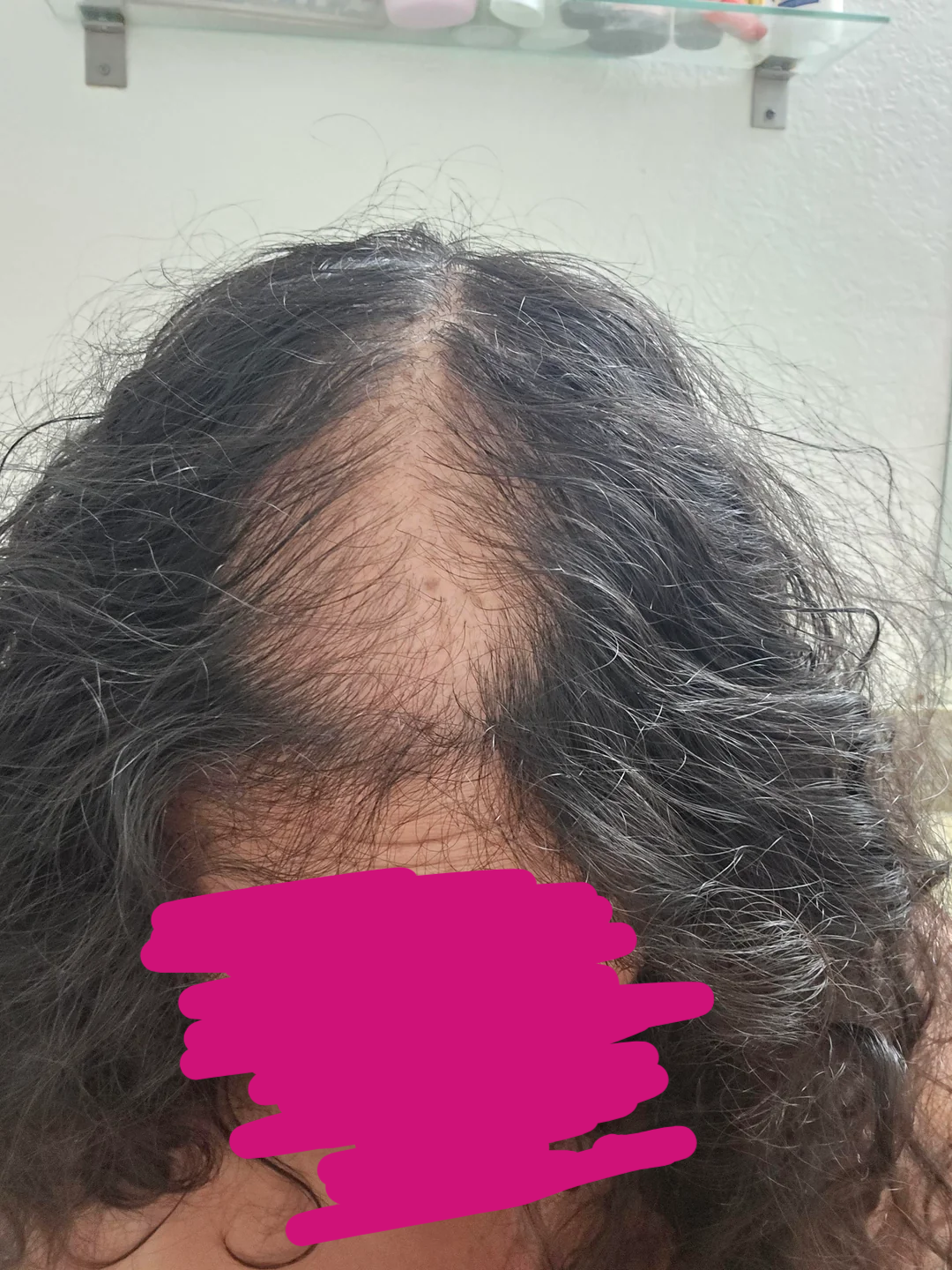
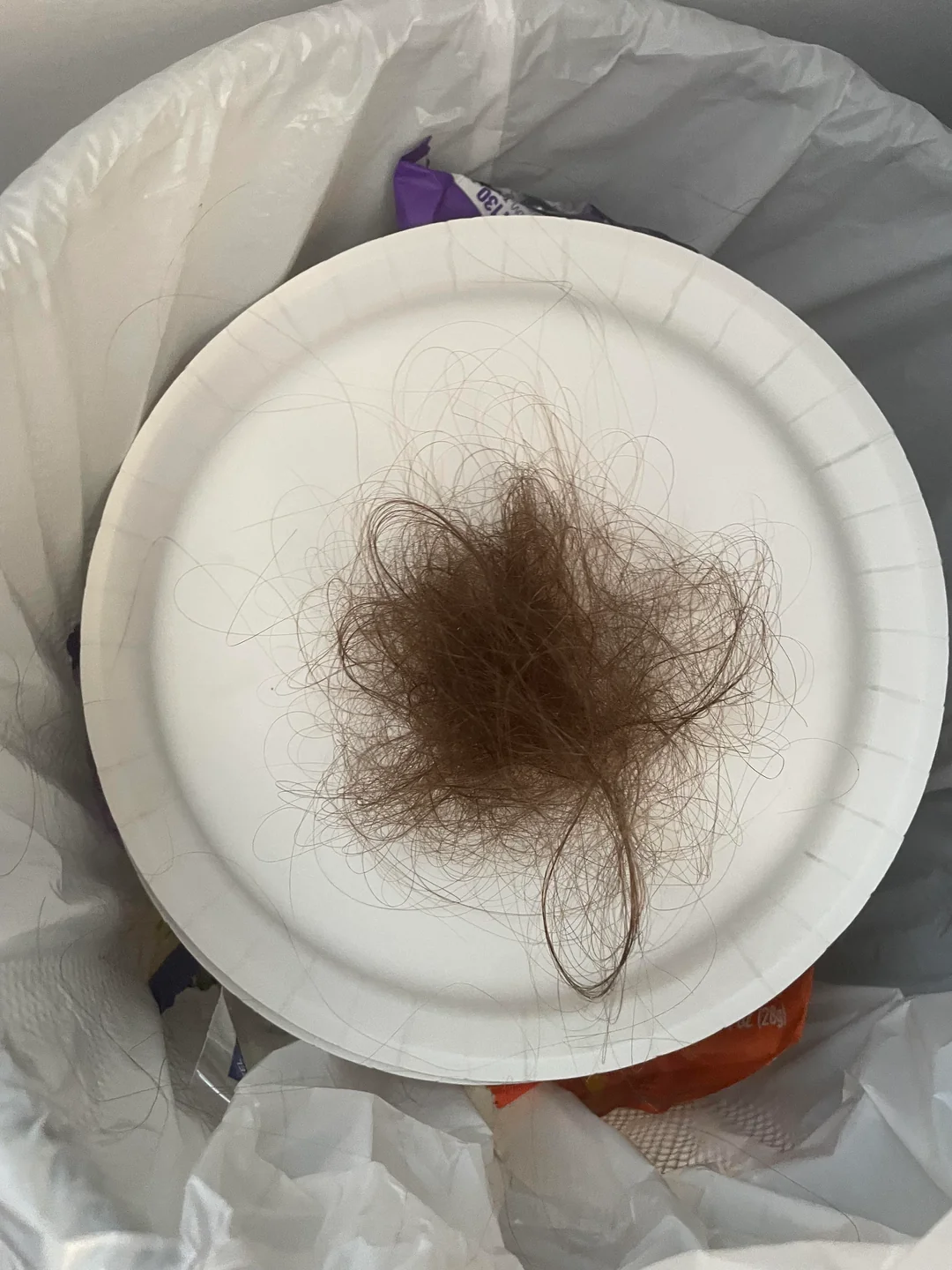
I've been a hairdresser for eleven years. And there's something I started noticing in my chair about eighteen months ago, in women on GLP-1 medications, that their doctors were completely missing. Not the shedding. They all knew about the shedding. Something quieter than that. Something that was already running while the shedding had everyone's attention. I debated whether to post this. But I've watched too many women come back to my chair after waiting and find out too late that waiting was the wrong call. I don't see you for twelve minutes every few months. I see you every six weeks with my hands in your hair, under lights that show me things your bathroom mirror hides. I have had more conversations about GLP-1 hair loss in the last eighteen months than I've had in the previous ten years combined. And I've noticed something that doesn't match the explanation most of these women are being given. Something that, if I'm being honest, took me a while to put together myself. Let me tell you about Sara. She's 49. She came in about eight months ago. Down 41 pounds on Ozempic. She should have been floating. Instead she sat down in my chair and the first thing she said was: "How bad is it?" She already knew something was wrong. She'd been finding clumps in the shower for four months. She'd wrapped a hair tie around her ponytail that morning, two extra loops where there used to be one. She was wearing a headband to cover her temples because the hair there had gone wispy and she didn't know how to explain it to her coworkers. She told me her doctor had said it was telogen effluvium. Totally normal with rapid weight loss. Temporary. Keep the protein up. Give it six months. She'd even seen a dermatologist, specifically because she wanted a real answer, not just a GP brushing her off. The dermatologist said the same thing. Just wait. She'd even gotten full bloodwork done: ferritin, thyroid, B12, iron. Everything came back fine. Which almost made it worse. Because when everything is "fine" and your hair is still falling out in clumps, you start to wonder if you're the problem. She was already doing 100 grams of protein a day even though the Ozempic had wrecked her appetite. She'd bought biotin, 10,000mcg, the one with thousands of five-star reviews. She'd started collagen in her coffee. She'd read every Reddit thread she could find. And then she said something that stopped me. She said she'd been thinking about quitting Ozempic entirely. She'd lost 31 pounds. She felt better than she had in years. But she was standing in the shower every morning watching her hair come out in fistfuls and she was starting to think: is this worth it? Is the weight loss worth this? And she looked at me and asked the question I've heard so many times now it breaks my heart a little every time. Is it going to stop? Because I feel like I should be happy. I finally have a body I'm proud of. But I cry in the shower. And I don't know how to feel both of those things at the same time. I didn't have a good answer for her that day. But what she said sat with me. Because she wasn't wrong. She was doing everything right. And what I was seeing in her hair didn't look like the telogen effluvium I'd seen in clients who'd crash-dieted or gone through postpartum shedding. Those shed heavily, then came back. What I was seeing in GLP-1 women was different. The shedding, yes. But also a quieter narrowing. A widening part. A ponytail that kept getting lighter even when the drain looked better. That didn't fit "wait and it'll resolve." So I started reading. Not to play doctor. But because I was tired of not having a real answer. And here's what I want you to understand before I tell you what I found. The women who came to me mid-shedding, still in it, still terrified, those are the ones who came out the other side with their hair back. The ones who waited until the shedding calmed down, who followed the "just give it time" advice all the way through... they'd come back to my chair six, eight, ten months later. Shedding had stopped. But the fullness hadn't come back. And by then, the window to make it easier was already smaller. You being here now, while you're still in it, is actually the best time to know what I'm about to tell you. What I kept finding, in article after article, pointed to something happening at the same time as the shedding. Something most of the "just wait" advice doesn't address at all. Here's my non-science version of it. Your body fat stores estrogen. Has been doing that your whole adult life. And that estrogen quietly protects your hair follicles. It sits between them and a hormone called DHT that your body has always produced but that has never caused you problems before. When you lose fat fast on a GLP-1, especially if you're already in perimenopause where estrogen is already dropping, that protection drops fast. Faster than the weight loss itself. And DHT, which was never a problem before, suddenly has access to your follicles. Now here's the part that changes everything about the "just wait" advice. The shedding you're watching, the clumps, the drain, the brush, that is your body's stress response to rapid weight change. Telogen effluvium. That part of what they told you is true. It does slow down on its own. But DHT doesn't stop when the shedding does. While the shedding is getting all your attention, DHT is quietly doing something else entirely. It's not causing the clumps. It's doing something slower. It's telling the follicle to get smaller. To grow less. To produce thinner hair. To eventually just stop. Think of it this way. The shedding is like a loud alarm going off. The DHT is like a slow gas leak. The alarm gets all the attention. But the gas leak is the thing that actually determines what you come out of this with. You can wait for the alarm to stop on its own. That's fine. It probably will. But the gas is still running the whole time. And the longer it runs, the harder those follicles are to bring back. This is why I kept seeing something that didn't make sense to me. Women whose shedding slowed down, just like they were told it would, but whose hair never came back the way it should have. Not gone. Not bald. Just quieter. Thinner. Like someone had turned the volume down and it never came back up. Their doctor said everything went as expected. But I had my hands in their hair every six weeks. And I could feel what their bloodwork couldn't show. When I understood the DHT piece, that's when everything I'd been observing finally made sense. And here's the thing that matters for you, right now, while you're still in the shedding phase. The follicle that's been under DHT pressure for three months is easier to help than the one at six. The one at six months is easier than the one at nine. You are not too late. You're actually at the point where doing something about this makes the biggest difference. The recovery you come out of this with, how much comes back, how full, how fast, that is still something you can shape. But only while the follicle hasn't been compressed for too long. So what actually addresses DHT? The more I read, the more two things kept coming up together. Not because they're trendy, because they work from two completely different directions. Pumpkin seed oil works at the source. It contains compounds that slow down the enzyme that converts testosterone into DHT in the first place. Less DHT getting made means less pressure reaching the follicle. Saw palmetto works at the door. Even if DHT does get made, saw palmetto blocks it from attaching to the follicle. One reduces how much gets made. The other stops what's already there from getting in. It's like having a lock on the gate and a sign that says "no entry." One stops most of it from ever getting there, the other turns away what still tries to get through. You need both. Because one side open is all DHT needs. Now, before two of my clients made the exact mistake I'm about to describe. They grabbed what they could find. A $14 pumpkin seed oil bottle, a generic saw palmetto from the vitamin aisle next to the men's products. Took both for six weeks. Came back with nothing to show for it. And I understood why. Most pumpkin seed oil on Amazon is refined. Heat processing destroys exactly the compounds that do anything for DHT. What's left is just an oil capsule with the right label. And most saw palmetto on supplement shelves was formulated for men's prostate health. Different dose, different extraction, not built for the hormonal picture of a woman going through this. You can't just buy the ingredient names. The form has to be right. The dose has to be right. And both need to be together, because the logic only holds when you're addressing both sides at the same time. I wasn't looking for something with twenty ingredients. I was looking for exactly those two things, in the right form, cold-pressed not refined, at the dose that matched what I kept reading. That's it. I eventually found something that had both. Nutra Essence. 2,000mg cold-pressed pumpkin seed oil with 200mg saw palmetto. Formulated specifically for hormonal hair loss during rapid weight change, which is exactly what's happening to women on GLP-1 medications. Not a twenty-ingredient blend. Just the two things, in the form and at the dose that matched everything I kept reading about. I recommended it to Sara the next time she came in. She was skeptical. She'd already spent money on things that hadn't worked. I told her: "I know. But everything you tried was aimed at feeding the hair. None of it touched the thing that's running underneath." She started it that week. Six weeks later she came back. She didn't look scared when she walked in. She sat down, looked in the mirror, and said: "Less in the brush. Every single morning. And I can feel something changing at my hairline." She came back again last month. Her temples are filling back in. Real hairs, not the thin wispy kind that hover and go nowhere. Her ponytail has weight. She's still on Ozempic. She didn't have to choose. And when she told me she'd finally been able to take a photo of herself with her hair down without immediately wanting to delete it, that one hit me. Because that's what this is really about. Not just the drain. Not just the ponytail. It's about being able to enjoy what you've worked so hard for. If you're where Sara was, still finding clumps every morning, being told to wait, doing the protein, taking the biotin, feeling like you should be happy but can't quite get there because every shower is a reminder. You're not imagining it. You're not being dramatic. And you're not stuck waiting for something that might never fully come back on its own. The shedding you're watching, yes, that will probably calm down. But the DHT running underneath it right now is still shaping what your recovery looks like. And right now, you still have the most say in how that goes. The link is below. There's a 90-day money-back guarantee. That removes the financial risk completely. If nothing changes in 90 days, you get every dollar back, no questions. But the guarantee can't give you back the time you spend waiting while the follicle keeps getting smaller. The best time to start the clock is while there's still the most to protect. That's now. Take care of yourself, okay? You deserve to enjoy every single part of this. The body AND the hair.
"Not sure how long I'll leave this up but someone needs to hear it. "
The shedding is not the part you need to worry about. "What nobody is telling women on GLP-1 meds about their hair. "
LEARN MORELike this ad? Make it yours.
Crush rebuilds this exact creative around your product — your brand, your colors, your offer — in about a minute.