Sarah Johnson
Sarah Johnson Facebook ad: “Natural Relief in Weeks”
Ran for 3 days, from August 21 to August 24, 2026, the last day Crush saw it.
Run by Sarah Johnson on Facebook. Crush is not the advertiser and does not verify its claims. See this ad in Meta's Ad Library(opens in a new tab)
Make your own version of this ad
Crush makes it, launches it in your own Meta ad account, scales the winners and pauses the losers.
About this ad
- Meta Ad Library ID
- 1044427025233273
- Platforms
- Facebook, Instagram, Audience Network, Messenger and Threads
- Relaunches
- 0
Ad text
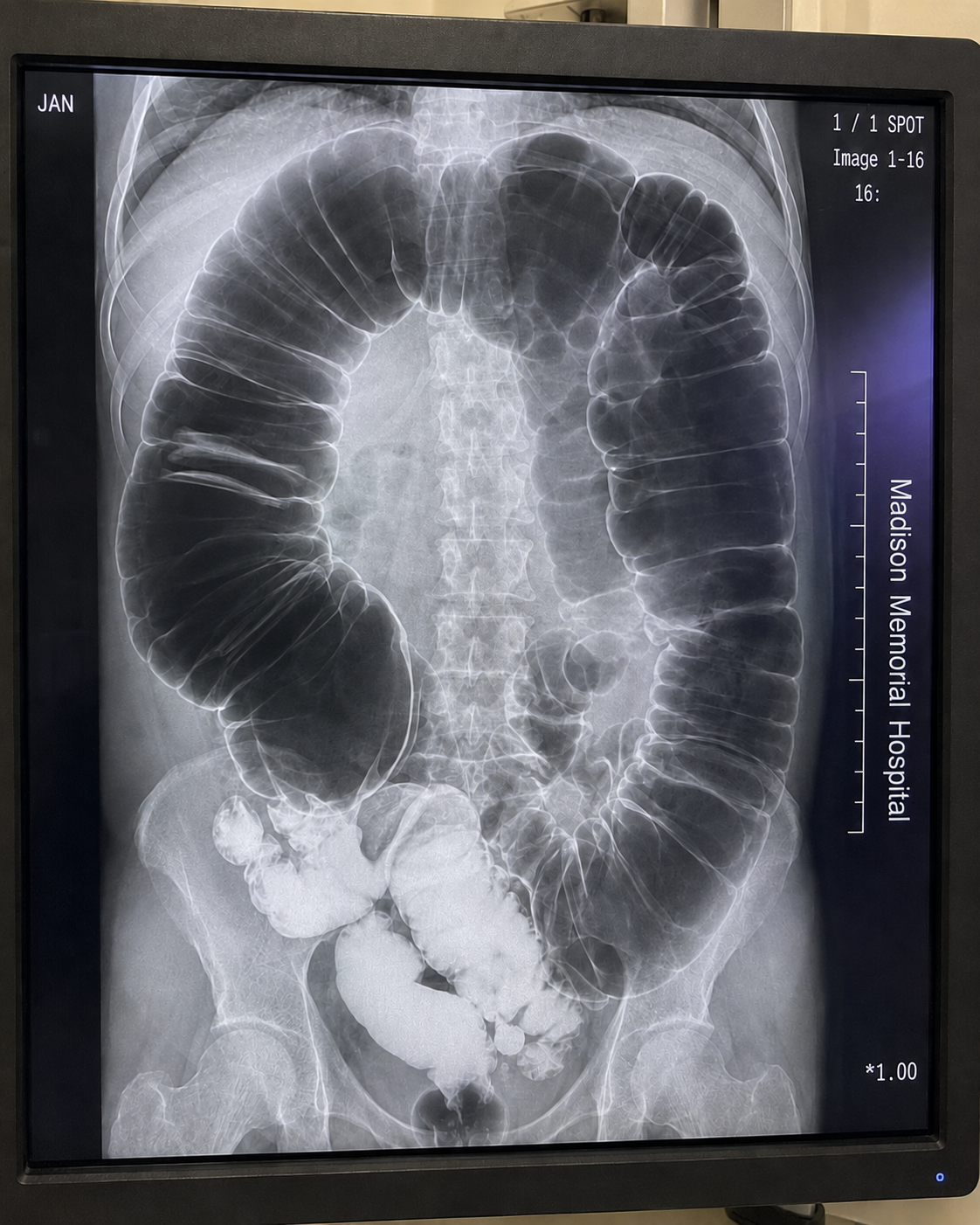
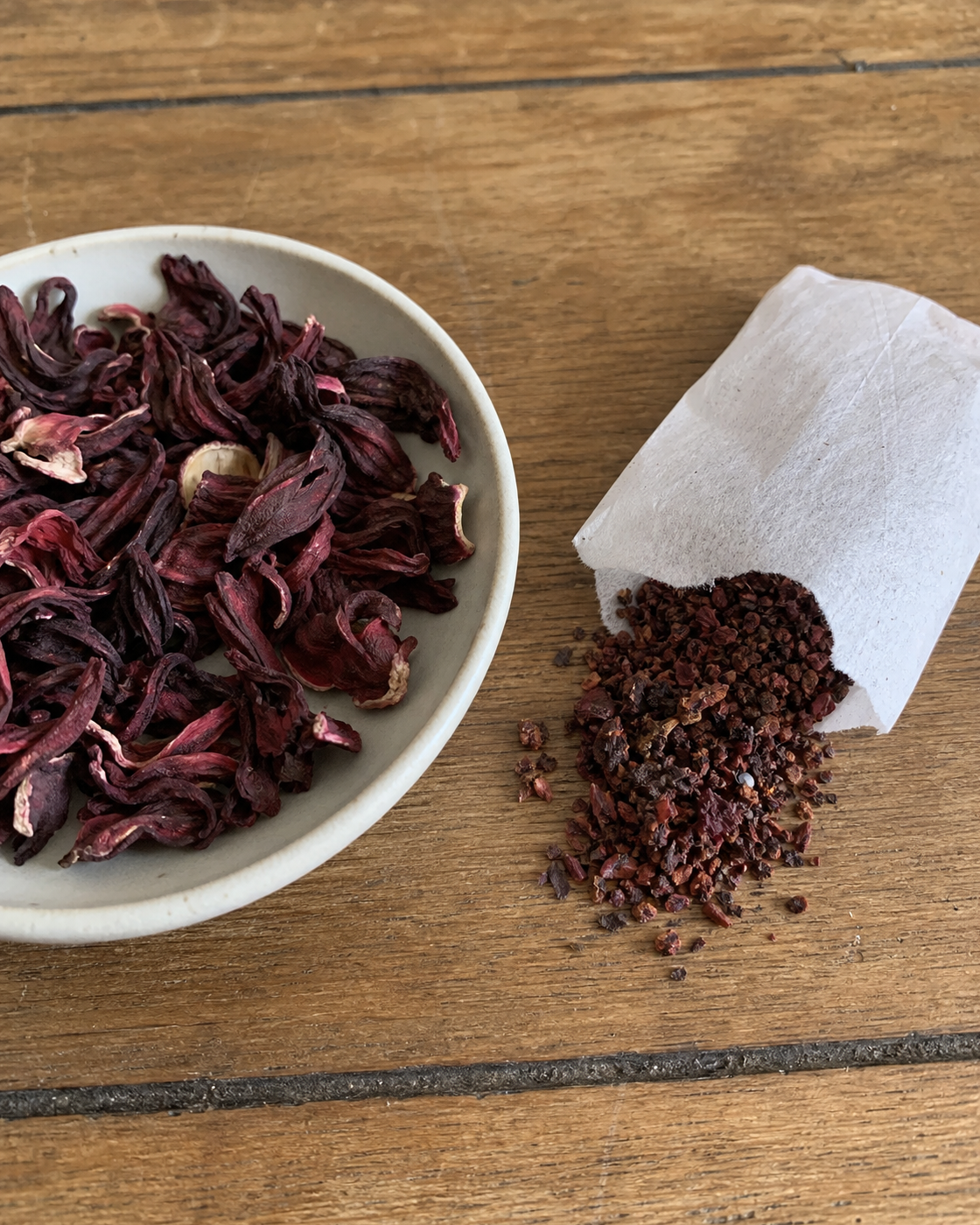
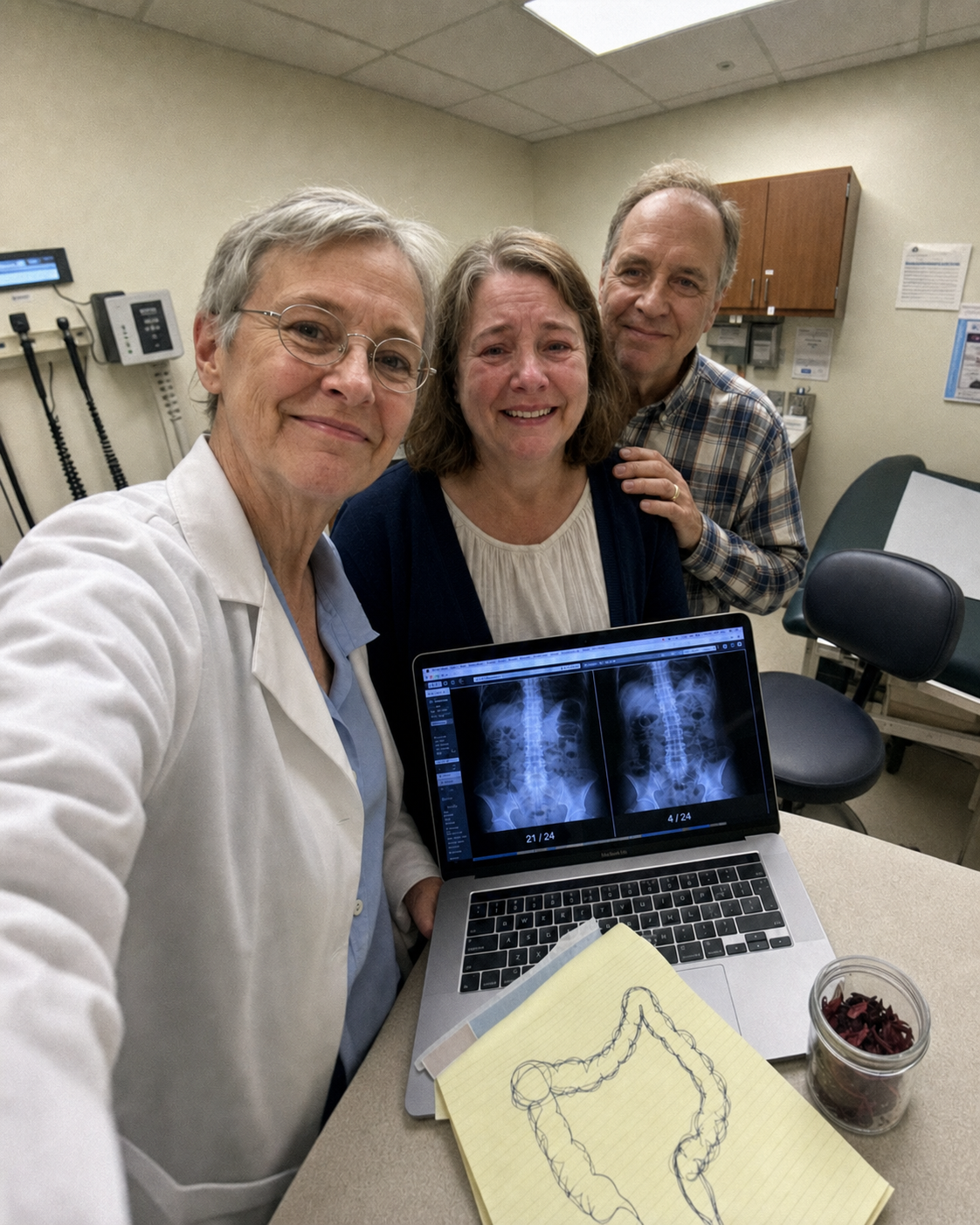
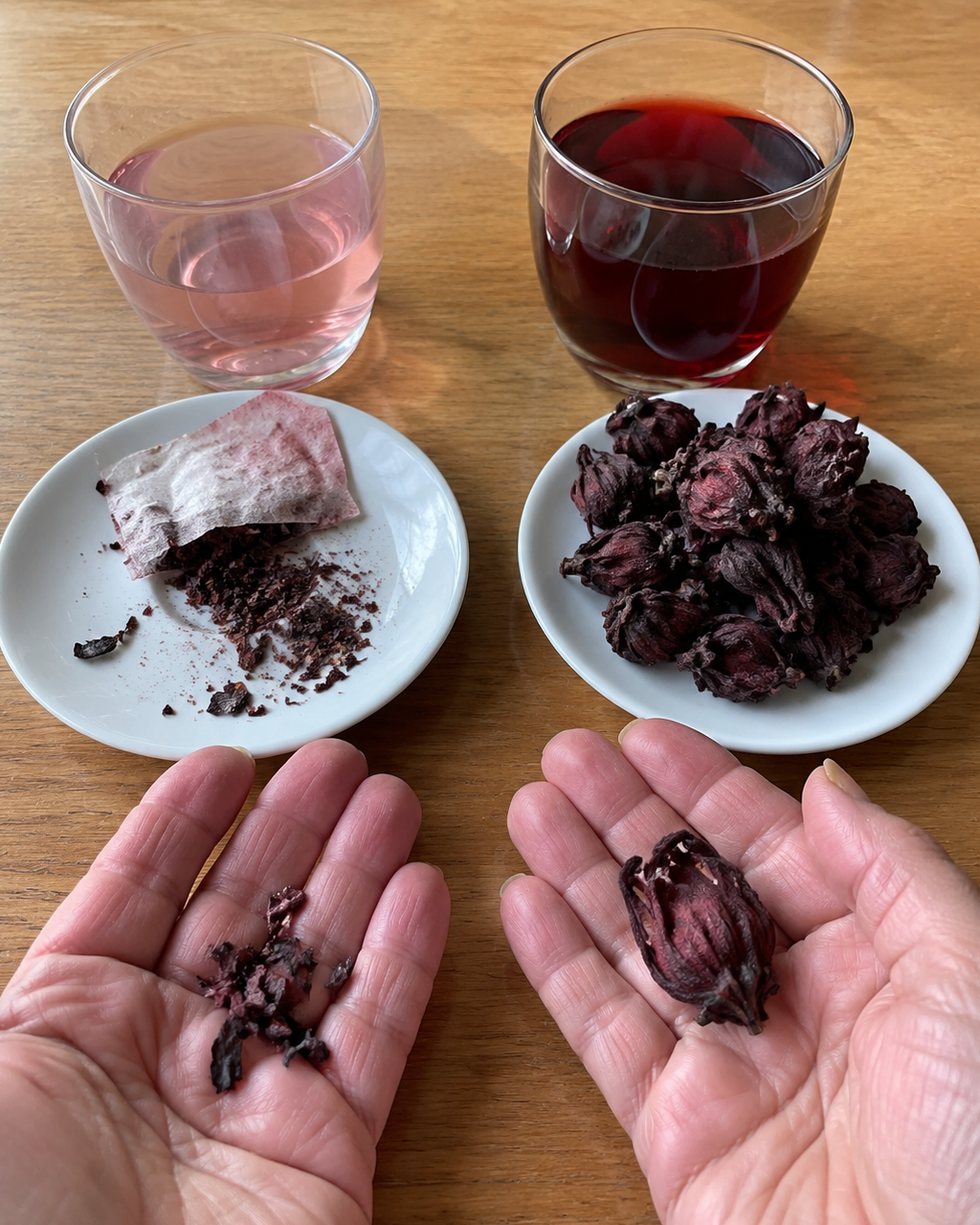
I'm a nurse with chronic constipation. I tried everything. Here's what actually worked. I've been a nurse for 38 years, and chronic constipation is one of the hardest things I see patients struggle with. The bloating. The hard pressure under the ribs. The careful calculations before dinner out. The women who tell me they cannot remember the last time they went without taking something first. Day and night, the problem follows them. About seven years ago, it happened to me. My own bowel movements started disappearing. At first it was every other day. Then twice a week. Then I was taking something every morning just to make my body do what it was supposed to do. All those years of long shifts and not taking care of myself the way I should have finally caught up with me. At first, one capful of Miralax in the morning worked. Then it stopped being enough. I added magnesium powder at night. Then I started taking Dulcolax on the bad weeks. Then there were not really good weeks anymore, just less-bad ones. By the time I turned 55, I was taking Miralax in the morning, magnesium at night, and Dulcolax three or four times a week. The white bottle on the second shelf of my bathroom cabinet had become the most important fact of my life. The worst part was the fear. Every dose made me wonder whether I was managing the problem or making it permanent. I started checking my abdomen in the mirror for distortion, hardness, or the shape of something that had stopped working. I was not just constipated. I was terrified I had destroyed my own colon. My GP had been my doctor for years. I told him I was scared the daily laxatives had damaged me. He looked at my bloodwork and my clean colonoscopy and said, "You're okay. Miralax is safe. You can take it as long as you need to." That was it. Seven years of escalating doses, and his answer was to keep doing the same thing. I sat in my car for ten minutes just staring at the steering wheel. I knew what chronic laxative dependence looked like. I had watched patients become afraid to leave the house without their supplies. But apparently my tests were not bad enough for anyone to explain what was happening yet. I asked about other options. He said we could try stronger doses or an enema if things stopped moving. Like it was no big deal. I was not about to trade one nightmare for another. And I was not about to keep forcing a bowel movement without understanding why my own rhythm had disappeared. So I started looking into natural options. Cranberry supplements. Probiotic blends that promised to support digestion. Probiotics. Cutting foods out one week at a time. Nothing really worked, but what else was I supposed to do? My sister found out I was spending money on supplements and told me I was turning into one of those people. She said I should just listen to my doctor. Easy for her to say. She was not the one sitting awake at 2 AM with a hard abdomen and a bottle of Dulcolax in her hand. Then, about two months later, one of my regular patients came in for her appointment. She had been struggling with chronic constipation for over a decade. She had tried every laxative class and never seemed to get more than temporary relief. But this time she seemed different. Lighter somehow. I asked her how she was managing, and she told me something I did not expect. She had started having three bowel movements a week on her own again, after years of needing something first. She had also stopped waking up in the middle of the night worrying about the next morning. She said she had been drinking a hibiscus tea every morning. I'll be honest. I was skeptical. I've heard every miracle cure story you can imagine. But she seemed genuinely relieved. Like she had finally found something that made her mornings belong to her again. That same night, I took my usual doses and still sat awake with bloating and hard pressure under my ribs. I kept thinking about what she had said. So I pulled out my laptop and started digging. I spent four nights reading at my kitchen table after everyone else had gone to bed. Because clearly nobody else was going to explain this to me. Not my GP with his "keep doing what you're doing." Not the system that had been giving my patients the same sentence for decades. The more I read, the more it looked like my pattern needed a motility evaluation, not another round of stronger laxatives. My husband found a specialist who focused on how the gut moves rather than only what it looks like. The appointment was eight weeks away. During that wait, I kept taking the same stack because stopping cold turkey had already failed once. At the appointment, Dr. Mitchell read my history in silence. Then she asked, "When was the last time you had a bowel movement without taking anything?" I tried to count back. I could not. The honest answer was that I genuinely could not remember. She said, "I see this pattern every week. You are not unusual, and you are not broken in the way you think you are." She ordered a sitz marker test. She explained that I would swallow a capsule containing 24 tiny markers that show up on an X-ray. They would take X-rays at 24, 48, and 72 hours to see how many markers my colon had moved through. In a healthy adult, almost all of them should be gone by 72 hours. Most healthy adults retain fewer than five. The more markers still sitting there, the more slowly the colon is moving. It was the first test anyone had offered me that measured function instead of simply checking whether the structure looked normal. I swallowed the capsule. At 72 hours, I had retained 21 of 24 markers. That was my baseline result. Twenty-one markers were still inside me three days later. Dr. Mitchell said that put me in the severe slow-transit category. My colon was moving so slowly that only three of the 24 markers had passed in 72 hours. I knew the number was bad. Hearing it made me feel sick. But then she told me the part I had spent a year needing someone to explain. Then she drew a circle on a notepad. "This is your colon." She drew a wavy line across the inside. "Inside your colon is an entire ecosystem. Trillions of bacteria, fungi, and other organisms. Most of them are helpful. They digest food, produce vitamins, regulate the immune system, and help tell the colon muscles when to contract." She paused. "In a healthy gut, the helpful bacteria crowd out the harmful ones. The worker population is fed, the chemical messages keep arriving, and the colon maintains a rhythm." Then she looked at my history of dose stacking and failed laxatives. "In a pattern like yours, the worker bacteria involved in that rhythm have thinned out. The muscles are still there. The nerves are still there. But the chemical messages telling the muscle to move are not arriving the way they should." She made a fist and slowly opened it. "This is what the colon muscle should do. Contract. Relax. Contract. Relax." "That movement is called peristalsis. It is what pushes material through the intestines." Then she held her fist closed. "When the signal gets weak, the muscle does not fire normally. The colon does not necessarily go dead. It goes quiet." "Your colon is not dead. It has gone quiet." I started crying. For a year I had believed I had broken something that could never be repaired. I had spent a year reading about cathartic colon. A year imagining surgery. A year looking at my abdomen in the mirror and seeing a body I thought I had ruined. And now this doctor was telling me the structure could still be intact. The problem was not necessarily that the colon had died. The signal had become too weak to run the rhythm on its own. That was the first explanation that made my entire history make sense. Then she said, "But I need to explain why the signal has not come back, because that is the part everyone misses." Every time I took a stimulant laxative, it forced a contraction. Dr. Mitchell described it as whipping the muscles into movement. I got through that morning, but it did not rebuild tomorrow's rhythm or restore the signal that should have triggered the movement naturally. Every time I took Miralax, it drew water into the colon and moved material through. Again, I might get through today, but moving more water through the colon did not feed or rebuild the signal that should run tomorrow. Magnesium stopped working because my colon adapted. I kept increasing it, then added Dulcolax, and still went days without moving. The worker population had not rebuilt. The signal kept getting quieter while I kept adding more force. And probiotics were not necessarily food for the bacteria already living along the colon lining. Dr. Mitchell said it was like throwing more seeds onto ground I had never fed. I had been forcing output. I had not been feeding the part of me that was supposed to make mornings work again. The scoop had been helping me get through a morning. It had never been feeding the part of me that was supposed to make mornings work again. That was the sentence I could not stop repeating. I asked Dr. Mitchell what the bacteria needed. She said one of the important compounds involved in this process is a short-chain fatty acid called butyrate. Certain beneficial bacteria in the colon produce it. Butyrate acts as one of the go-signals involved in telling the colon muscle to contract. Those bacteria do not rebuild simply because water is being forced through with a scoop. They need food. Very specific food. She said there was a group of deep plant pigments called anthocyanins. They are what give some plants a red, purple, or almost ruby color. She told me those pigments can feed bacteria involved in producing butyrate. That was the chain I had been missing: pigment feeds the workers, the workers help produce the signal, and the signal helps tell the muscle to move. I know how that sounds. I am a nurse, and I had spent years believing that more laxative force was the only practical way to get through a morning. But this explained why everything I had tried worked temporarily and then stopped. The laxatives had been moving material. They had not been feeding the bacteria involved in producing the signal. It also explained why a tea could belong to the right category and still not deliver the thing the research was talking about. Dr. Mitchell said three things had to happen, in that order. First, I had to feed the bacteria involved in the signal. Second, I had to do it consistently enough for the rhythm to have a chance to return. Third, I had to do it gently, without turning every morning into another emergency. Stimulants failed the third step because they could create cramps and urgency. Miralax failed the first step because it moved water but did not feed the signal. Most probiotics missed the same point because adding bacteria was not the same as feeding the workers already involved in the rhythm. Then she told me something that removed the fear stopping me from trying anything new. "You can keep your Miralax for now. You do not stop anything on day one." She said any reduction should happen only as my own response changed and while I kept working with her. I had not realized how badly I needed someone to tell me I did not have to choose between the laxatives I depended on and the terror of stopping them cold turkey. I tried one grocery-store hibiscus tea because it was cheap and easy to find. After one week, I still needed one full scoop of Miralax every morning. My bowel movements were still difficult, and my abdomen was still hard by evening. So I ordered a different brand. After two weeks, I was still taking one scoop in the morning and magnesium at night. The tea was red, but it was not changing the pattern. I was frustrated. Everyone kept saying hibiscus worked, but it was not working for me. Then I started reading more carefully. People were not just saying hibiscus tea. They were getting specific about which hibiscus tea. Most tea bags use broken flower pieces or dust because it is cheaper to process and easier to package. The cup can look red while the flowers have already lost much of the material the research is interested in. That was why the grocery tea failed for me: it contained hibiscus by label, but not enough intact, anthocyanin-rich flower material to feed the underlying signal. The whole flower matters. The deep pigment matters. Growing conditions, peak harvest, drying, and storage matter. If the flower is crushed, blended, or degraded, the cup can be red without being the same delivery form. It was not that hibiscus did not work. I had bought the version with none of the qualities Dr. Mitchell had told me to look for. I kept seeing the same criteria repeated. Whole flower. Deep ruby color. Careful drying. No filler blend. That was when I found PiPi Tea. PiPi Tea matched the criteria I had been looking for: organic whole hibiscus flowers, high-altitude growing, hand-picking, and careful processing. It was more expensive than the tea bags I had already tried. At that point, I did not care. I had already wasted weeks on products that only matched the word hibiscus. When it arrived, I could tell the difference immediately. The flowers were whole. They were deep red and properly dried. The smell was richer. The infusion was darker. It looked like the flowers Dr. Mitchell had actually been describing. I made a cup that first morning. I did not expect much. I had already tried two other brands. Week one on PiPi Tea: I still used one full scoop of Miralax, but the bathroom trip was less difficult than it had been during the previous seven years. Week two: I woke up with a normal-flat stomach for the first time in years. At 9:15 AM, without adding Miralax to my coffee, I had a bowel movement on my own. I sat there afterward and cried for ten minutes. Week three: I had three unassisted bowel movements that week. My bloating was noticeably lower by mid-afternoon. I cut the Miralax to half a capful only after watching the response, and I kept the rest of my routine unchanged. Week four: I started forgetting my magnesium two nights that week. When I remembered at 10 PM, I sometimes decided to see what happened without it. The next morning, I went on my own. Week six: I had not taken Miralax in nine days. I had not taken magnesium in eleven days. I had not taken Dulcolax in over a month, more than 30 days. At week eight, my husband looked at me while I was brushing my teeth and said, "You're here." I asked him what he meant. He said, "I don't know how to explain it. You feel here. Like you actually showed up." At month six, I returned to Dr. Mitchell for the follow-up sitz marker test. I retained 4 of 24 markers at 72 hours. Down from 21 of 24. She showed me the comparison on her laptop and said, "This is what your colon looks like when you let it work." I went back to my GP after that appointment. He pulled up my chart and looked at the result. Then he paused. I told him I had continued working with the motility specialist and had added whole-flower hibiscus without stopping everything on day one. He said, "Your test shows 4 of 24 markers retained at 72 hours, down from 21 of 24. Whatever you changed, your transit result has improved significantly." That mattered to me. He had not explained the signal. But he could not pretend the result had not changed. I saw my patient the next week and thanked her. She smiled and said she was glad it helped. I told her my follow-up had gone from 21 of 24 markers retained to 4 of 24. She told me she was still having three unassisted bowel movements a week and had stopped reaching for a stimulant laxative. My sister, the one who said I was turning into one of those people, called me a week later. She said she could tell something was different. I was not complaining about being tired all the time. I was not planning every evening around whether the next morning would work. She asked what I was doing. I told her about PiPi Tea. She ordered a bag that same night. For seven years, I thought I had to live with a colon that was slowly becoming dependent on stronger and stronger help. I thought I had to keep taking more and accept that this was my life now. I was wrong about that. Not because laxatives were useless. Because they were helping me get through today without rebuilding the rhythm I needed for tomorrow. And I was wrong to assume every hibiscus product was the same. I wasted weeks on cheap brands that did not match the whole-flower criteria. PiPi Tea's organic, high-altitude, whole-flower hibiscus was the product that matched the mechanism Dr. Mitchell had explained. If my patient had not mentioned her tea that day, I would still be waking up afraid of the next morning. I would still be sitting in my doctor's office hearing, "Keep doing what you're doing." Here's where I got mine: https://shop.pipitea.com/hbt/kd/c/sp-nm PiPi Tea is currently running a promotion with significant savings. I just ordered three more bags. If you have chronic constipation, bloating, hard pressure, or fear that years of laxatives have damaged your colon, you already know what it feels like to be told to take more while nobody explains why the rhythm disappeared. I am telling you what I did after a motility specialist finally gave me a mechanism that made sense. I started with the category. I learned why whole flower mattered. Then I chose the product that matched the criteria. PiPi Tea offers a 90-day money-back guarantee. If it does not work for you, you get your money back within 90 days. No questions asked. That guarantee is why I felt comfortable ordering three bags instead of continuing to waste money on weak tea bags and stronger laxatives. The company is small, and demand can make it difficult to keep in stock. You may see that it is unavailable when you click through. But I would still check. Here's where I got mine again: https://shop.pipitea.com/hbt/kd/c/sp-nm Sandra K. P.S. I wish I had known about the 90-day money-back guarantee before I wasted money on the cheap brands. I also wish I had understood sooner that a red tea bag is not the same thing as a whole flower carrying the deep pigment the specialist described. The criteria matter. The form matters. And the next morning matters to the person living inside the problem.
Where the ad sends people
shop.pipitea.com
Natural Relief in Weeks
Learn more: shop.pipitea.com(opens in a new tab)