Nick Thompson
Nick Thompson Facebook ad: “The Danish Health Paradox Nobody Talks About”
Ran for 31 days, from May 2 to June 2, 2026, the last day Crush saw it.
Run by Nick Thompson on Facebook. Crush is not the advertiser and does not verify its claims. See this ad in Meta's Ad Library(opens in a new tab)
Want an ad like this for your product?
Crush makes new ad images for your product from this ad: your logo, your product photo, your offer.
Trials from $19.95 USD, then $79.95 USD a month. Cancel anytime.
About this ad
- Meta Ad Library ID
- 1044551714565301
- Platforms
- Facebook, Instagram, Audience Network, Messenger and Threads
- Relaunches
- 0
- Niche
- Food & Beverage
Ad text
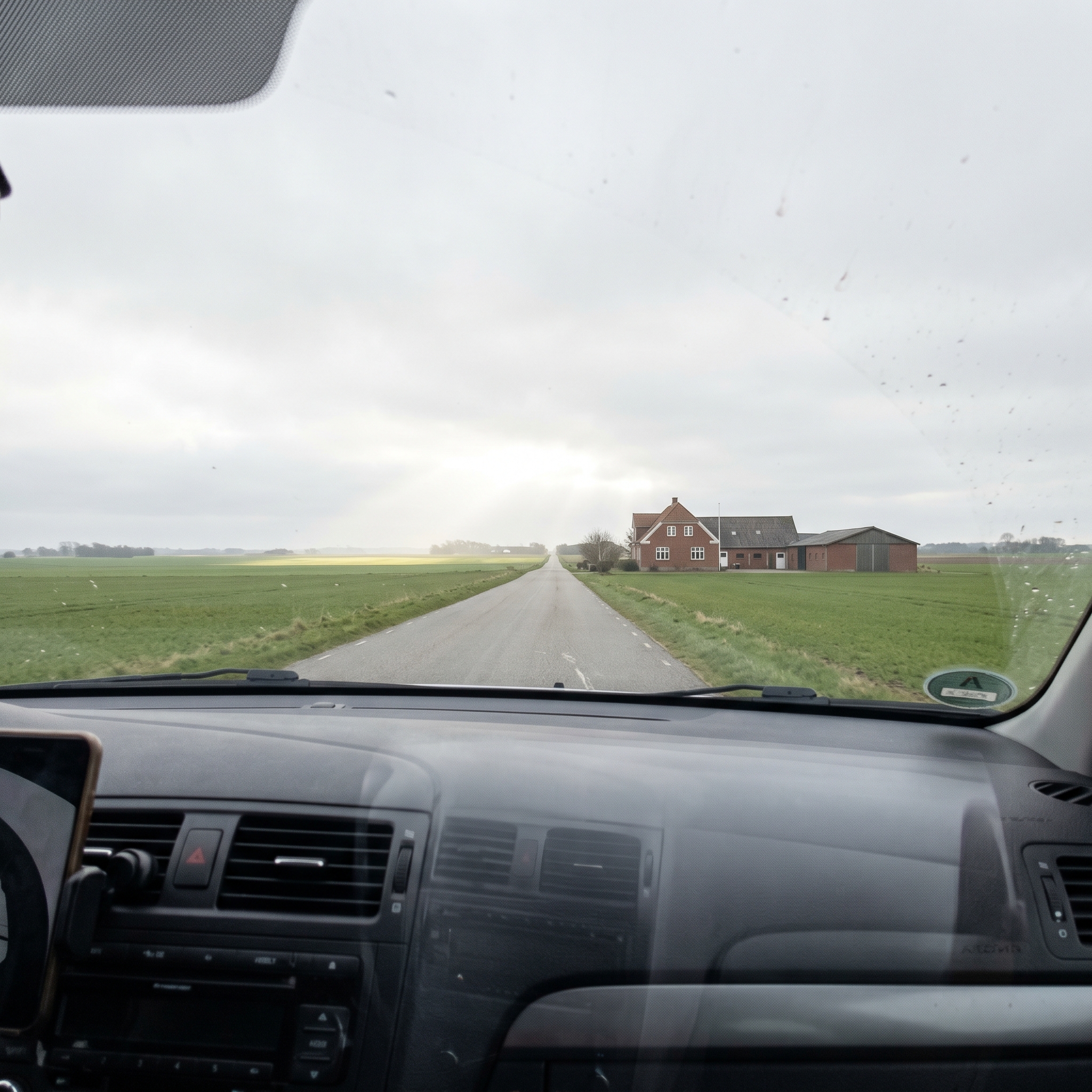
Denmark produces more pork per person than almost any country on earth — roast pork belly, cured meats, liver pâté, fatty sausages, butter on everything — and consistently ranks among the longest-lived, healthiest populations in the entire world. Danish men over 50 have cardiovascular health markers that most American men in their 40s can't match. Researchers have been quietly puzzled by this for years. They said it was the cycling. Then the work-life balance. Then the social equality. Then the universal healthcare. None of it fully held up. Here's what they missed. I'd heard vague things about Danish health before — mostly about happiness rankings and long winters. But I never thought much about it until I visited my old college friend Anders in Aarhus last summer. Anders grew up in Denmark, did an exchange year at our university, went back home after graduation. Married a Danish woman named Lotte, built a life there, had kids, settled in for good. We'd stayed in touch across the years but hadn't seen each other in person since maybe 2018. I flew over last July. Anders is 53. I'm 52. He picked me up from the train station and I did what you always do when you haven't seen someone in a few years — I scanned his face for time. The scan came back confusing. He looked like a man in his early forties. Not in some vague "he aged well" way. Specifically — clear eyes, lean jaw, easy color in his face. He moved through the station the way someone moves when their body isn't fighting anything. Not restless. Just present and functional. I caught us in the reflection of the station's glass doors. I looked like his older brother. Puffy around the jaw and under the eyes in that chronic way that sleep never quite fixed anymore. The gut I'd been unsuccessfully managing for four years pushing against my jacket. The gray, faintly depleted look of someone who'd been tired for a long time and had mostly stopped expecting that to change. We're one year apart. In that reflection, we looked like we belonged to different decades. The next few days made it worse. Because I started watching what Anders and Lotte and their neighbors actually ate. And it was not what I expected. Breakfast: dark rye bread — dense, fermented, heavy — stacked with thick slices of cured pork, liver pâté, or pickled herring sitting in a pool of butter. Dinner the first night: slow-roasted pork belly, the skin crisped into crackling, sitting in a pan of its own fat drippings, served with potatoes cooked in the same fat and a thick brown gravy. Second night: medisterpølse — a fatty Danish pork sausage pan-fried in butter, served with creamed cabbage and more rye bread. Beer with almost every meal. And after dinner, Lotte's father — Bent, who is 74 — poured small glasses of akvavit from a bottle that had been sitting on the kitchen counter like it belonged there. Akvavit is a Scandinavian spirit distilled from caraway, dill, and bitter herbs. Bent has been drinking a small glass of it after dinner every night since his early forties. He then stood at the kitchen sink helping clear up the dishes, moved around the kitchen with no visible effort, had a full conversation about local politics while doing it, and looked like a man in his late fifties. I sat at that table thinking: I know men at home who are 58 and move like they're 75. Meanwhile I'd spent three years before this trip cutting saturated fat because my doctor flagged my cholesterol. Switched from butter to olive oil spread. Replaced red meat with grilled chicken and fish most nights. Took fish oil capsules every morning without fail. Cut my Friday night beers down to one. Walked forty-five minutes every day on my lunch break. My cholesterol moved maybe five points in two and a half years. I was still bloated after most meals — including the clean ones. Still losing my train of thought every afternoon around 2pm. Still waking up somewhere between 2 and 4am for no reason I could explain, lying there for an hour, dragging the next day on fumes. The gut sat there regardless of what I cut. And here were these Danes — eating roast pork belly and pan-fried sausage and crackling — looking lean, sharp, and twenty years younger than the effort should allow. Something was wrong with what I'd been taught about food. The night before I flew home, Anders and I sat on his deck with a beer each. I finally just asked him. "Explain it to me. You eat more fat than I've touched in three years. Bent is 74 and he just out-energied me helping with the dishes. What is going on here?" Anders is not a doctor or a nutritionist. He's an engineer. But he'd clearly thought about this before. "You know what's interesting," he said, "is that in Denmark — and Scandinavia generally — we have this very old medical tradition around the liver. Not as a trendy wellness thing. Just embedded in how people think about staying well. When your digestion is sluggish, when your energy is off, when your weight won't move — the first place a Danish doctor or a Danish grandmother looks is the liver. Not the food. The liver." "We don't think about it that way at all back home," I said. "I know. In America the conversation is always about the food. Cut this, add that, switch to something else. Here the question is different. It's whether the body can handle what you eat. Those are two completely different starting points." He took a sip of his beer. "Think about it like a water filtration system," he said. "You can keep switching to cleaner water — filtered, bottled, whatever. But if the filtration unit itself is clogged and hasn't been maintained in years, the water coming out is still going to be dirty. Doesn't matter how pure the source is. The unit is the problem." He set his beer down. "Your liver is the unit. It processes everything — fat, cholesterol, alcohol, medications, toxins. Everything. When it works, the body handles rich food fine. When it's been neglected and clogged for years, it doesn't matter how clean you eat. The output is going to be poor regardless of the input." He picked up his beer again. "And look at what we eat here without even thinking about it. The rye bread — we've fermented it the same way for a thousand years. It supports digestion in a way white bread never does. The pickled herring and vegetables at every meal. The bitter herbs in the akvavit after dinner. Bent's been drinking that after dinner his whole adult life the same way his father did. None of these people think of it as medicine. It's just how you eat. But all of it is quietly doing the same job — keeping the filter clean enough to handle everything else." He shrugged. "In America you have Tums and fish oil. That's basically it." I didn't say anything for a moment. I was thinking about the fish oil. Three years of fish oil every morning and five points of cholesterol movement. What if the problem had never been the fat? What if the filter had been the problem the whole time? When I got home I went looking for the answer to a question I realized I'd never actually asked properly. What does the liver actually do? And what happens to everything else when it stops doing it well? The answer reframed everything I'd been managing for three years. Your liver is your body's filter. Not as a loose metaphor. As a literal, mechanical description of its function. Every single thing you eat, drink, breathe, or absorb — every meal, every drink, every Advil, every prescription medication, every pesticide on the produce you buy, every chemical compound in the tap water, every exhaust particle you breathe in traffic every morning — makes its way through your liver. Your liver catches all of it. Breaks it down. Neutralizes it. And it flushes the processed waste out of your body using a fluid it produces specifically for this purpose — called bile. When bile flows properly, your body handles everything you eat. Fat. Alcohol. Rich food. Cholesterol. Your liver processes it, bile carries it out, the system runs clean. Here's the part that nobody told me — and that changed the entire picture. Your liver makes bile from cholesterol. That's how your body naturally manages cholesterol levels — it converts cholesterol into bile and eliminates it through your digestive tract. When your liver is functioning the way it's supposed to, it's pulling cholesterol out of your bloodstream every single day and quietly converting it into bile. When your liver gets congested — when years of processed food, alcohol, medications, and accumulated chemical exposure slow its function down — it can no longer make that conversion efficiently. Bile production drops. The cholesterol that should have been converted and flushed stays in the bloodstream instead. That's why three years of cutting saturated fat and taking fish oil barely moved my numbers. The fat was never the primary issue. My liver's ability to process it was. I'd been managing the water source for three years while the filtration unit had been the problem the whole time. And then the rest of it clicked into place in a way it never had before. The bloating after every meal, including the grilled chicken salad, including the "clean" days? Without enough bile, digestion slows. Food sits in the gut longer than it should. Bacteria ferment what isn't moving. Gas builds. The belly stays swollen all day because the problem isn't what you ate, it's that the bile signal telling your intestines to move things along isn't arriving properly. The 2pm mental fog where I'd lose my train of thought mid-sentence and have to reread the same email three times? When the liver can't clear waste efficiently, the toxic byproducts that should have been flushed (including acetaldehyde, the compound your body produces every time it processes alcohol) stop clearing and start recirculating in the bloodstream instead. That's the fog. Not stress. Not screen time. A neurotoxin your liver can't fully remove, circulating through your blood and reaching your brain. The 3am wake-up? Your liver does its deepest processing work at night. When years of backlog have accumulated, the overnight cleaning shift runs heavy. The kidneys get recruited to help flush overflow. Somewhere between 2 and 4am the process partially wakes you. You lie there for an hour with no idea why, get up exhausted, and call it insomnia. The gut that kept growing even though I was eating less? When the liver can't process fat and cholesterol properly, the body stores what it can't handle. The belly grows regardless of caloric intake. The belt doesn't move regardless of what you cut. Four things I'd been treating as four separate, unrelated problems. All coming from one filtration unit that nobody had looked at. — So I went looking for what the actual science says about supporting liver function at the cellular level. Not detox teas. Not juice cleanses. Peer-reviewed research on what helps the liver repair years of accumulated stress. One compound kept appearing across study after study. Silymarin — the active molecule in milk thistle. Milk thistle has been documented for liver support for over two thousand years. The Romans used it. Medieval European herbalists used it. Scandinavian traditional medicine incorporated bitter liver-supportive herbs for centuries, the same tradition Anders described, embedded in the culture so deeply nobody thinks of it as medicine anymore. Here's what silymarin actually does at the cellular level. It boosts the liver's own production of glutathione — the molecule your liver needs to neutralize accumulated toxins and start clearing the backlog that's been building from decades of processing everything modern American life runs through it. It supports the regeneration of hepatocytes — the specific liver cells responsible for producing bile, filtering blood, and converting cholesterol into a form the body can eliminate. It strengthens liver cell membranes, making them more resistant to the ongoing oxidative damage that accumulates from years of alcohol, medications, and chemical exposure. This isn't vague support. It's specific, documented, cellular-level repair. I went to the pharmacy the next morning and grabbed a bottle off the shelf. Took it for three weeks. Nothing. Went back to the research and found the part I'd skipped. Every study showing real, measurable outcomes (meaningful improvements in bile production, cholesterol metabolism, actual liver cell regeneration) used silymarin at 80% concentration or higher. That's the threshold where the compound is concentrated enough to penetrate liver cells and trigger the repair cascade. The pharmacy bottle said "milk thistle extract, 500mg." No silymarin percentage on the label anywhere. I found independent testing data; most American drugstore milk thistle runs between 30 and 50% silymarin. Less than half the concentration where the research shows anything meaningful happening. And here's why that situation isn't going to change on its own. American supplement regulations effectively prevent high-concentration milk thistle from reaching the market, because anything significantly above 40% silymarin begins triggering drug approval requirements — millions of dollars, years of regulatory process — that no supplement company will pursue. So every American milk thistle product is legally stuck below the threshold where the science actually works. Which explains something I'd never understood before: why most people try milk thistle, feel absolutely nothing, and write it off entirely. They were right that nothing happened. They just had the wrong explanation for why. New Zealand operates under a different regulatory structure. Their government permits pharmaceutical-grade supplement concentrations with strict manufacturing oversight — without the American approval barriers that cap everything below the therapeutic threshold. I found Uvora, a company operating under New Zealand pharmaceutical standards. 80% silymarin. Third-party tested. Exact percentage on the label. They also formulate with dandelion root and digestive enzymes — because silymarin is fat-soluble and requires proper digestive support to absorb. Without those, even the right concentration of silymarin passes largely unused through the system. That's the final reason drugstore brands fail even when someone takes them consistently — the absorption mechanism isn't there. 90-day money-back guarantee. Empty bottles included. No forms, no hassle. I'd spent more on fish oil over three years than this three-month supply would cost me. I ordered it. First week, more bathroom activity than usual, and my urine ran darker. From the research I knew exactly what this meant. Bile production picking back up. The liver beginning to flush what it had been holding. The filter starting to clear. Around day 11, my wife and I went out to a new Italian place she'd been wanting to try. I ordered what I actually wanted, the pappardelle with a slow-braised short rib ragù. Something I'd been steering away from for two years because the bloating and heaviness afterward was consistently miserable. An hour later: nothing. No pressure building. No belly expanding against my belt. No quietly undoing the top button in the car on the way home. My body just processed it. Week two — the 2pm shutdown started lifting. I got through full afternoons without losing my place mid-task. Finished things in one sitting. Stopped rereading emails. My wife said I seemed more present in the evenings. Less gone, less depleted, more actually there. The belt moved a notch. Not from cutting anything — from my body metabolizing food the way it was supposed to instead of routing what it couldn't handle to storage. Week three — routine bloodwork. My doctor pulled up the previous results and set them next to the new ones. Total cholesterol down 22 points. LDL down 16. He looked at both sets of numbers without saying anything for a moment. "What changed?" he asked. "Started supporting my liver." He looked at the numbers again. "Whatever you're doing, keep doing it." Six weeks in, a colleague asked if I'd been on vacation. I hadn't. I just didn't look gray and worn down for the first time in years. The gut is still there. Smaller, though — not from eating less, just from my body finally processing things the way it was built to instead of storing what it couldn't handle. I'm not going to tell you I feel 30. But there is a real difference between a body running with a functional filter and one where the filter has been clogged for years without anyone looking at it. You feel it in your digestion. Your energy. Your sleep. Your clarity. The way your face looks in the bathroom mirror in the morning when you're not carrying inflammation you couldn't explain. — I called Anders a few weeks ago to tell him what had happened. He listened, then laughed quietly in the way he does when something confirms what he already thought. "You know what Lotte's grandmother always says," he told me. "She's 81, still sharp, lives alone, cooks her own food. She says: the stomach forgets nothing. Whatever goes through it stays somewhere until the body deals with it. The question is whether you give the body what it needs to deal." "She's basically right," I said. "She's completely right. She's just been right for eighty-one years and nobody wrote a paper about it." He's got a point. The Danish health story gets analyzed through cycling infrastructure and social equality and universal healthcare. Almost nobody looks at the food culture itself — not what they eat, but how centuries of embedded eating habits quietly support the organ processing all of it. The fermented rye bread eaten daily since the Viking Age. The pickled vegetables at every meal. The bitter herbal digestifs after dinner — the akvavit that Bent pours every night the same way his father poured it and his grandfather before that, without ever thinking of it as medicine, because to them it never was medicine. It was just how you ate. But all of it is doing the same quiet job — keeping the filtration unit clean enough to handle rich food, fatty meat, regular drinking, and decades of life. We stopped doing any of that. We replaced it with Tums and fish oil and cutting the butter. And then act surprised when the filter clogs and everything downstream backs up. I didn't move to Denmark. I didn't adopt a Danish diet or start drinking akvavit after dinner. I just started giving my liver what it needed to do the job it was already built to do. One capsule. Same food. Same life. Just a filter that finally works again. You have 90 days to see if it makes a difference. If it doesn't, every dollar comes back. The Danes aren't healthy despite eating pork belly and drinking beer. They're healthy because they never stopped taking care of the organ that makes eating possible. Now you know what's been missing. EDIT: The 80% silymarin formula I switched to is called Uvora. Link is below 👇
Where the ad sends people
getuvora.com
The Danish Health Paradox Nobody Talks About
Your liver is clogged after years of drinking and junk food. This natural formula helps you recover and clear out the junk.
Learn more: getuvora.com(opens in a new tab)