
Active· since Jul 6, 2026
- 73
- days running
- 3
- relaunches
Ad copy
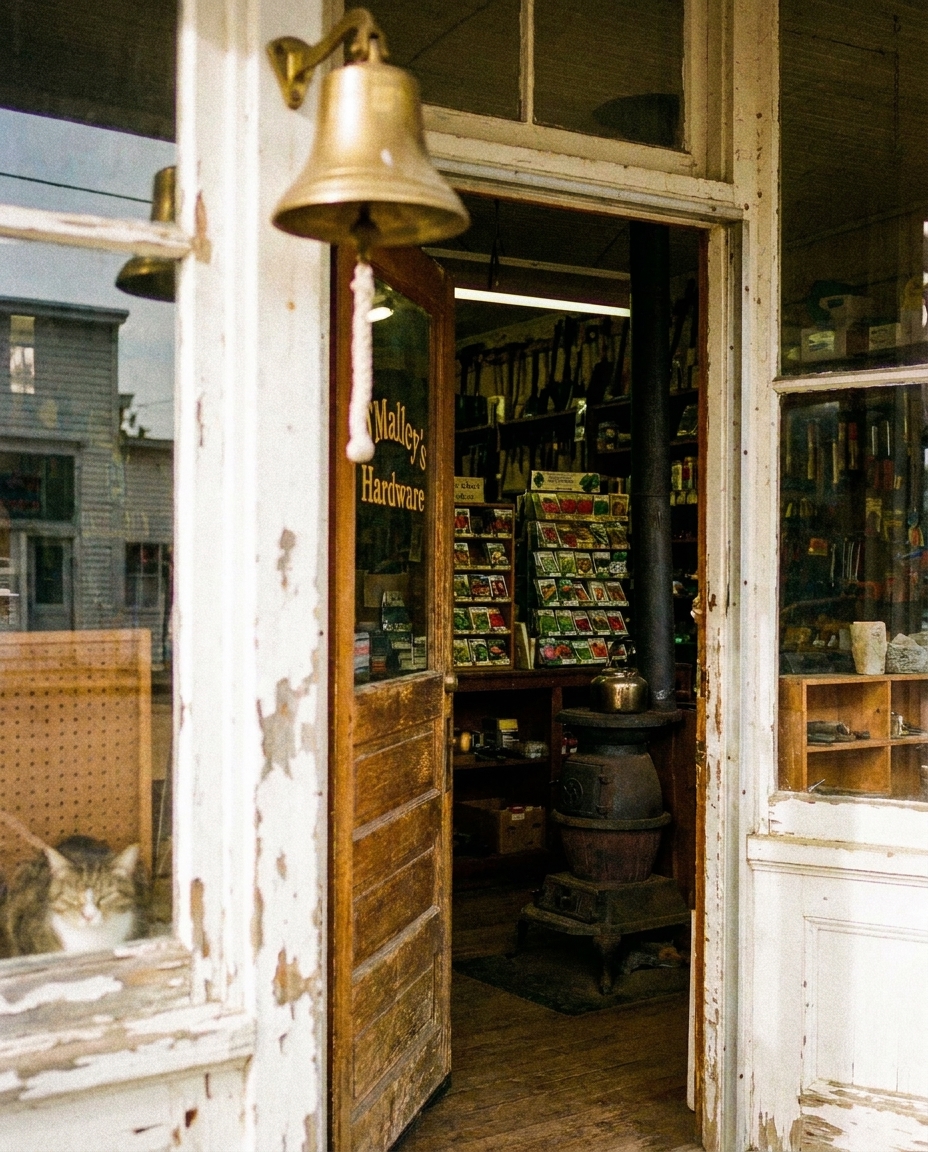
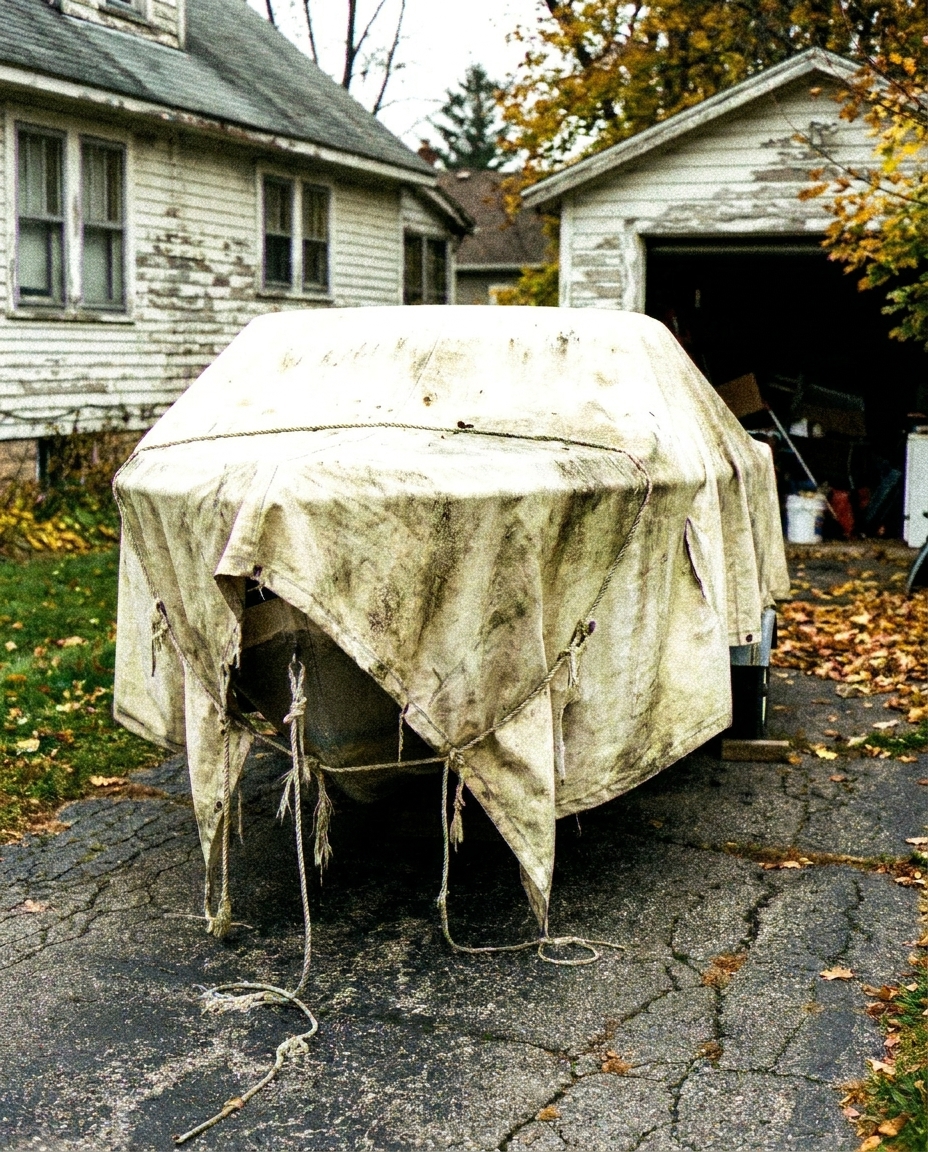
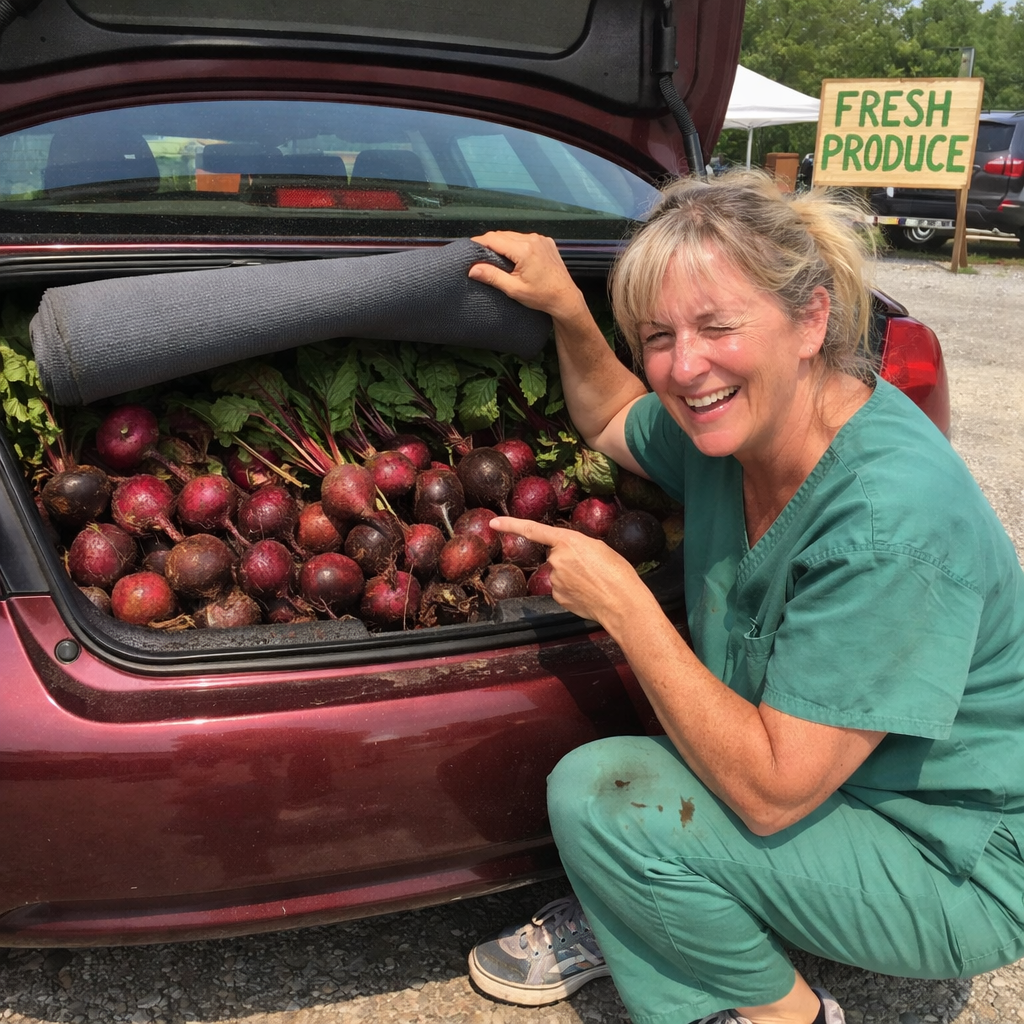
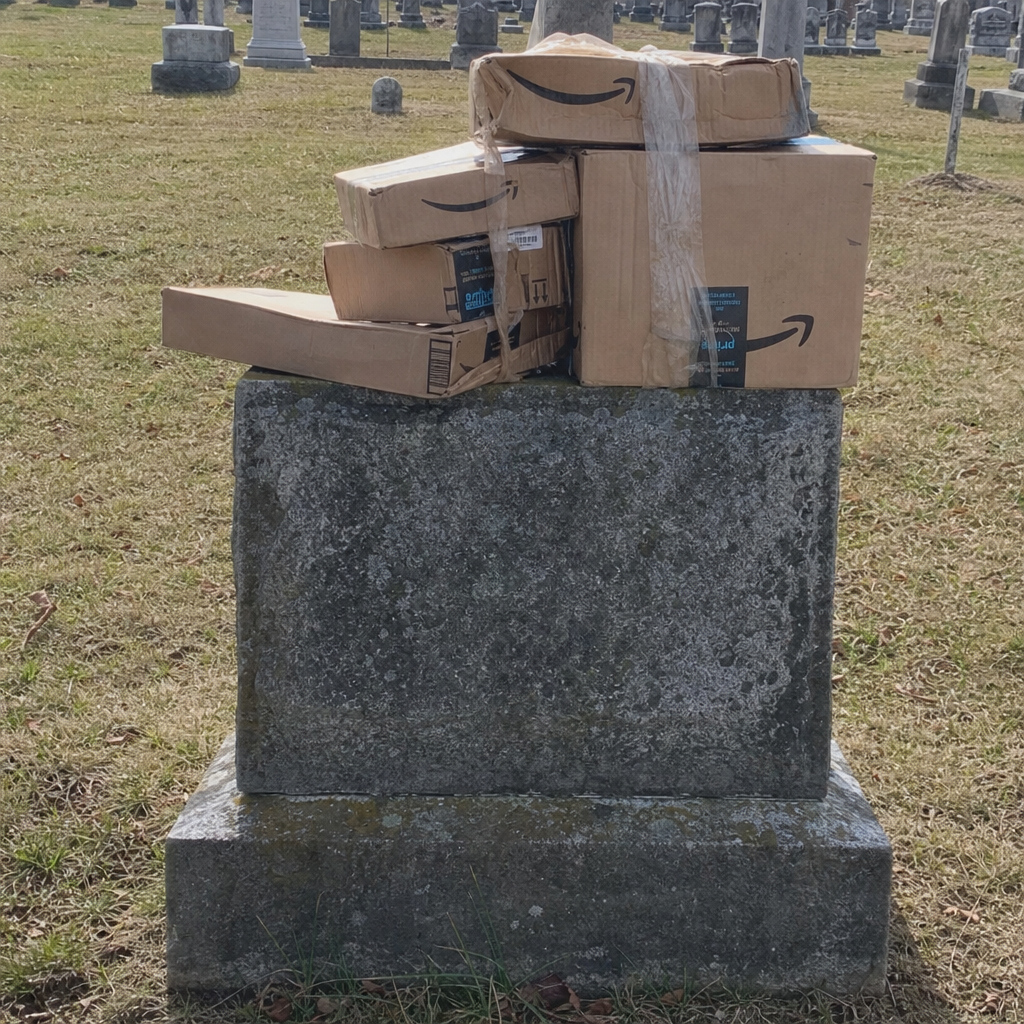
Fifty packages were rotting on a porch on my UPS route. The 71-year-old widow inside hadn't opened her door in months. Her husband had died in May. The automatic deliveries kept arriving on his credit card every week because she couldn't bring herself to come out and cancel them. When she finally opened the door four inches, she looked at me through the gap and said "I know they're there." Then she started to close it. I don't know what made me say what I said next. I just knew that if I let her close that door I was going to drive away and she was going to disappear inside that house and nobody was going to stop it. My name is Donna. I'm 48 years old. I drive a UPS truck Monday through Friday and I've loved almost every day of it. This story starts on a Thursday morning in October. I was running my usual route when I pulled up to a house on Elm Creek Road I'd delivered to a hundred times. White Cape Cod. Green shutters. That morning there were nine packages on the front porch. I added mine and moved on. People go on vacation. It happens. Two weeks later I came back and sat in my truck for a full minute before I got out. The packages covered the entire porch — stacked three and four deep, spilling down the front steps and onto the path. Forty-three packages. Cardboard dissolving in the rain. A dark stain where something had leaked across the porch boards. The porch light on at 10 in the morning. The welcome mat underneath everything perfectly clean — because nobody had stepped on it in months. I knocked. Nobody answered. The following Tuesday I came back with five more. The pile had grown. I knocked again. The door opened four inches. The woman who looked through the gap was somewhere in her early seventies. White hair pulled back. Small. She had the look of someone who had forgotten the outside world existed. "I know about the packages," she said quietly. "I know they're there." "Would it help if I brought some of them around to your garage? Just to get them off the porch." She looked at me for a long second. "The gate is on the side," she said. The garage was packed floor to ceiling. Not with garbage — with things. Clothing on every rack. Shoes in pairs along every wall. Vintage cameras on a shelf. Record crates stacked in the corner. Bags from Goodwill and the Salvation Army everywhere — some opened, some not. Near the door, one bag sat apart from the others. Handles tied. Never opened. I found a three by three foot space near the door and stacked all fifty packages in twelve trips. When I came back around the house Ruth was watching from the front door. "My name's Donna," I said. "I've been delivering here for years." "I know. I recognize your truck. I'm Ruth." She looked at the empty porch for a moment. "Ruth," I said. "I could come by on a Saturday if you'd ever like some help getting things sorted. No pressure." She looked at me carefully. "I'll think about it," she said. The neighbor was in her front yard when I walked back to my truck. Reading glasses on a chain. She waved. Her name was Betty. She'd lived next door to Ruth and Frank for eighteen years. "Frank died in May," Betty told me. "Heart attack. He was 72. Ruth's been alone since then and she won't ask anyone for help. She had a hip replacement two years ago, a cardiac stent three years ago, and she was just starting to feel like herself again when she lost him. The packages are Frank's automatic deliveries — vitamins, coffee, supplements — all still coming on his credit card. She hasn't been able to cancel them. She hasn't been able to do much of anything." She looked at the house. "She didn't say no to you." "She said she'd think about it." Betty typed my number into her phone. "I've been worried about that woman since May," she said. "She needs someone who won't look away. Everyone who's come by since May has looked away." Ruth agreed to that first Saturday. She answered the door in her housecoat and immediately looked embarrassed about it. "I meant to change," she said. "I almost wore mine," I said. She smiled. First real smile I'd seen from her. She stepped back and let me in. The house was full. Books stacked along the floorboards in the hallway. A clothing rack by the staircase hung with coats and dresses. Framed photographs six deep on the walls. A reading chair in the corner with a folded quilt over the arm. A piano with sheet music still propped on the stand. A record player out on the side table with vinyl propped against the wall behind it. It was beautiful in a way that was also heartbreaking — two people who had spent decades finding beauty in things other people had left behind. But the kitchen told a different story. Dishes in the sink too long. Mail piled on the counter. A smell that hadn't been aired out since summer. A bathroom I glimpsed that hadn't been properly cleaned in months. "Tell me about the stuff," I said. "While we work." She ran her hand along the clothing rack. "Frank and I started going to the Goodwill on Saturdays when we were first married," she said. "We couldn't afford much. But we could afford to look. And we got good at looking." She pulled a vintage wool coat from the rack. Held it up. "Found this one at a church sale in Morgantown. Five dollars. Frank said it made me look like a movie star." By 2 PM we'd made a keep pile, a sell pile, and a not-yet pile. The not-yet pile was the biggest. That was right. That was hers to decide. We sat at the kitchen table with cold coffees. Ruth looked at the clean surface of the table. "Frank drank his coffee at this table every morning for thirty-one years," she said. "I haven't sat here since he died. I've been standing at the counter." She looked at the table. "It feels different than I thought it would." "Better or worse?" "Both," she said. "Both at the same time." We sat there for a while without saying anything. I called Betty from my car on the way home. "She let me in," I said. Betty started crying quietly. "What does she need?" she said. "More than just me. A community cleanup day. A proper garage sale — Frank's things going to people who'll love them. Not a throw-everything-out situation." "She'll say no." "She said no to the Saturdays too." Ruth called me that Sunday. "One condition. Frank's things go to good homes. I don't want his records flipped online. I want people who'll actually listen to them." "We'll make sure of it." I started making calls that evening. Pete from the hardware store. My coworker Jeanine and her husband. Carol who ran a small cleaning company and said she wouldn't charge anything. Two of Ruth's former church friends who said they were ashamed they hadn't known how bad things had gotten. I called a bin company on Route 9. A man named Mike answered. "Drop a free bin Friday morning," he said. "And I'll come myself with my wife." I sat at my kitchen table with the phone in my hand. I cried a little. Not because it was sad. Because it wasn't. Fourteen people showed up on a cold Saturday morning in November. Ruth came to the door and looked at the group on her lawn for a long time. "This is too much," she said. "This is too many people." "Ruth. We're already here. And we're all here for Frank's stuff to go somewhere good. Can we come in?" She looked at the group one more time. Then she stepped back from the door. The first hour was careful and quiet. People asked before touching anything. Ruth directed from the hallway. Mike's wife moved through the house pricing everything with the eye of someone who knew what things were worth. Carol cleaned quietly as surfaces appeared. I was carrying a box through the kitchen when I stopped. A shelf near the window. A row of empty pill bottles — ten, maybe twelve — lined up neatly. All the same label. I picked one up. Atorvastatin. "Ruth." She looked over. "These pill bottles. Atorvastatin?" She walked over slowly. Picked one up. Turned it over in her hands. "I've been on it for three years," she said. "Since the stent procedure." She looked at the label. "My husband was on Lipitor for twelve years. Same family of drug. His cardiologist said his cholesterol was excellent. Perfect numbers. He said Frank was a model patient." She set the bottle back. "Frank died of a heart attack in May." She looked at the floor between the counter and the table. "Right there." The kitchen was loud around us. Where we were standing was very quiet. "I've been feeling worse every year I take these," she said. "My energy. My hands. My memory. My doctor keeps showing me my bloodwork and saying everything is fine. But I've been feeling worse. Every year." She turned and looked at me directly. "I think these pills have something to do with how I've been feeling. Frank was on the same family of drug when he died. The same drug that was supposed to be protecting him." She paused. "It feels like I'm next." I held that empty bottle and didn't say anything for a moment. "I'm going to look into this," I said. She looked at me the way she'd looked at me when I first offered to come on Saturdays — deciding whether to believe me. "Okay," she said. Near the end of the day one of Pete's crew picked up the tied Goodwill bag near the garage door. "No," Ruth said from across the room. Sharp and immediate. "That one stays. That one is mine." He set it down. "Sorry. I didn't know." "It's okay," she said. "You didn't know." She looked at the bag for a moment. Then she turned back to the room. "Okay," she said. "Keep going." At the end of the day Ruth stood in the middle of the living room and walked to the window and opened it. Cold November air came in. She stood there with her eyes closed. Then she turned around and looked at all of us. "I forgot this room had a rug," she said. Ruth had priced everything herself the night before the garage sale. She told me she'd stayed up until midnight. Not sadly, she said. Carefully. Deciding what Frank would have wanted people to have. The following Saturday by 9 AM there were twenty-two people in the driveway. Ruth stood at the end with a cash box wearing her good coat. A woman from three streets over bought the vintage wool coat and said it was exactly what she'd been looking for. A young couple bought four boxes of records and carried them to their car like they were carrying something sacred. At noon Ruth looked at the cash box. "Eight hundred and sixty-two dollars," she said. She looked at the number for a long moment. "Frank would have called that a good Saturday." I drove home with the windows down even though it was cold. I needed the air. I'd been carrying Ruth's words since the moment I heard them in the kitchen. It feels like I'm next. A woman on the same drug as her dead husband. Feeling the same way he felt in the years before he died. Her doctor pointing at her bloodwork and saying everything was fine. I thought about the eleven years I'd been driving this route. How many doors I'd knocked on. How many people I'd watched slow down over the years — a little less steady, a little more alone. And then I thought about my husband Gary. Seven years on Atorvastatin. Excellent numbers at every appointment. Four years of slowing down I'd been explaining away. Both hands on his coffee mug now. The pickle jar in the fridge with the cap loosened by me before he'd ever ask. The grocery bags coming inside in two trips instead of one. Asleep in his recliner by 7:30 most nights. Mouth open. The TV still on. I went straight to my kitchen table with my laptop. I typed: "Why do people on statins still have heart attacks." I read until midnight. Then the next night. For four nights straight. Atorvastatin and Lipitor and Crestor and every statin on the market lower cholesterol by blocking an enzyme in the liver. They shut down production across the board — the harmful kind, the useful kind, the kind your brain needs. The number drops. The doctor says "great." But the drug does nothing about OXIDIZED cholesterol. And oxidized cholesterol is what actually causes heart attacks. I read that sentence and I thought about Frank with his perfect LDL dying in May. About Ruth holding an empty pill bottle. About Gary using both hands to lift his coffee mug. Regular LDL isn't inherently dangerous. Your body makes it on purpose. The problem is when it gets attacked by free radicals and oxidized. Oxidized LDL embeds in arterial walls. Forms plaque. Causes the rupture that causes the heart attack. Not cholesterol. OXIDIZED cholesterol. For twelve years Frank's Lipitor had been lowering his number. It had never once addressed the oxidation that built the plaque that killed him. For seven years Gary's had been doing the same thing. For three years Ruth's had been doing the same thing. Then I found the part that explained Gary. Statins block the same biochemical pathway that produces CoQ10 — the energy molecule your mitochondria use to power every cell. Your heart needs it. Your muscles need it to grip. Your brain needs it to think. Statins can reduce CoQ10 production by up to 40%. Gary's grip. Gary's energy gone before dinner. Ruth unable to lift a laundry basket. Ruth navigating a narrow path through her own home because she didn't have the strength to clear it. That's not age. That's not grief. That's pharmacological CoQ10 depletion. Sixty percent of people who quit statins do it because of muscle symptoms — but doctors keep writing "benefits outweigh the risks" while their patients ask their wives to carry the groceries. And here's the part that breaks the whole system: when cells are under oxidative stress the body produces MORE cholesterol as defense. More stress means more cholesterol means more oxidation. A vicious cycle the statin can't break because the statin only addresses the number, not the oxidation driving it. Frank's Lipitor suppressed the number while the actual mechanism kept spinning underneath. For twelve years. Until the plaque ruptured. I sat at my kitchen table at midnight and understood what I was looking at. The second night I found the research on betalains. Betalains are the deep red pigment in beetroot. Not an extract. The pigment IS the betalains. That deep red color that stains the cutting board when you slice one — that's it. What betalains do is something statins can't do and were never designed to do. They get incorporated directly into LDL cholesterol particles. From the inside. They neutralize the free radicals that would oxidize the LDL — before it can embed in arterial walls, before it can form plaque, before it can rupture. In a twelve-week clinical trial, daily betalain supplementation reduced LDL by an average of 15.2 milligrams per deciliter — and reduced oxidized LDL by over 20%. Not by blocking liver enzymes. Not by shutting down the production line your brain and heart depend on. By neutralizing the oxidation that actually causes the damage. Statins target the symptom. Betalains target the cause. The problem is that the beetroot you can buy at the grocery store has been bred for sugar. Decades of agricultural breeding optimized for sweetness — the kind of beets that go into juice and chips. Those modern beets have a fraction of the betalains of the original heirloom varieties. Except for one variety still grown the old way. Made by a small company called Rosabella that sources heirloom beetroot from Amish farmers in Lancaster County, Pennsylvania. The Amish here have some of the lowest heart attack rates in America. Researchers have studied them for decades. Amish families have been saving this seed line — called Blutwurzel — for over 150 years. Hand-harvested every fall. Never crossed with the sugar-bred commercial varieties. Ten times the betalain concentration of grocery store beets. And heat destroys betalains. Almost every beetroot supplement on the shelves is spray-dried at high temperature — which kills the active compound before it ever reaches a capsule. Most of what's on the shelves is red dust. Rosabella shade-dries every batch at low temperature. 1,300 milligrams of betalains per capsule, intact. Hundreds of peer-reviewed studies. Dozens of registered trials. Used clinically in Europe for cardiovascular health. I ordered two bottles that night. One for Gary. One for Ruth. The bottles came on Wednesday. I opened one and counted. Sixty capsules. Two a day. A month's supply. The next morning I set two capsules and a glass of water next to Gary's coffee. He looked at them. He looked at me. "What is it?" "Beetroot. From a small farm in Pennsylvania. I want you to take them for me." He looked at the capsules for a long moment. "Just for me," I said. He took them. Day 4. Gary was at the counter when I came down for coffee. He'd already made it. "You're up early," I said. "Couldn't sleep past 6," he said. "I don't know why." He poured me a cup. Held it out with one hand. I took it without saying anything about it. Week 2. The eleven o'clock news ended and Gary was still in his chair. Eyes open. Watching the late show. He went to bed at 11:30. He hadn't done that in three years. Week 4. I came home from work and Gary was carrying four grocery bags from the trunk into the house in one trip. He didn't see me park. I stood in the driveway watching my husband carry the groceries. Week 6. He opened the pickle jar at dinner. The same pickle jar I'd been loosening for him every week for two years. He didn't say anything about it. He just opened it and set it on the table. I had to look away. I drove to Ruth's the second Saturday after Gary started. I brought a bottle. I brought a sealed envelope with the research I'd printed at the library. She let me in and I sat at her kitchen table and put the bottle and the envelope between us. "Ruth. I want to tell you what I found." She read the envelope for forty minutes while I sat there. She didn't say anything while she read. When she finished she set the pages down and looked at the bottle. "Why didn't my doctor tell me any of this," she said. I didn't have an answer for that. She picked up the bottle. "How many a day." "Two. Same as Gary." She turned it in her hands. "Frank was always researching. Always trying to find something that would actually work. CoQ10 in the morning. Fish oil with dinner. Niacin three times a week. He took them faithfully and quit each one when nothing changed." She paused. "He never found the right thing." She looked at the bottle. "He would have wanted me to try this." She took her first dose at the kitchen table while I was still sitting there. She called me four days later. "Donna. I walked to the mailbox this morning. The whole way. Without stopping." She called me a week after that. "I read for an hour last night. An actual book. I haven't been able to read a book since Frank died." Three weeks in. "I drove to the library. I haven't driven anywhere since June." Week six. "I signed up for a watercolor class at the community center." By week eight Ruth had been to her doctor. She called me from the parking lot. "He said my numbers are the best they've been in five years. Total cholesterol: 192. Down from 245. LDL: 117, down from 158. HDL: 56, up from 41. Triglycerides: 102, down from 211." She paused. "I told him I stopped the Atorvastatin six weeks ago." "What did he say." "He didn't say anything for a long time. Then he said 'Whatever you're doing, keep doing it.'" Gary went the same week. His bloodwork: Total cholesterol: 187. Down from 219. LDL: 111, down from 130. HDL: 59, up from 38. Triglycerides: 118, down from 192. His doctor said: "These are excellent. Whatever supplement you've added — keep taking it." Gary didn't tell him he'd stopped the Atorvastatin two months earlier. It's March now. Ruth has her hands in the dirt of her side yard most afternoons. She's planning the spring garden Frank used to plant. The Goodwill bag by the garage door — the one nobody was allowed to touch the day of the cleanup — she opened it last week. Frank's last sweater. The one he wore to the hospital. She washed it and hung it in the closet. "I wasn't ready to look at it last fall," she told me. "I think I can keep it in the closet now." She drives herself to her watercolor class every Tuesday. She paints beets. Mostly beets. She laughs about it. Gary walks the dog with me every evening. Three quarters of a mile. We talk on the way out and we don't talk on the way back. He has his hand on the small of my back when we cross the street. I think about it sometimes. What I would have done if I'd let her close that door. If I'd believed her when she said she knew about the packages. If I'd been a few minutes behind schedule and skipped knocking. If I hadn't looked at that empty pill bottle on the kitchen shelf and asked. If Gary had stayed on Atorvastatin for three more years. Five more. Twelve. I think about the way Gary's doctor said "your numbers are excellent" for seven years while my husband forgot how to open a pickle jar. I think about Frank with his perfect bloodwork dying on the kitchen floor in May. I think about the day all of this would have ended differently. And then I think about you. Maybe you have a husband whose hands don't do what they used to. Who falls asleep before the news ends. Who carries the bags in two trips. Whose doctor keeps saying his bloodwork is great while you watch him slow down a little more every year. Maybe you ARE that husband. And you've been telling yourself it's just age. Just the work. Just the season. Maybe you're on Atorvastatin or Lipitor or Crestor right now and your bloodwork looks fine and you feel worse every year and your doctor has told you not to worry. The doctor is watching the chart. You're watching the man. You're closer to the truth. Rosabella. Two capsules. One glass of water. The betalains target the oxidative stress the statin ignores. The shade-drying keeps them alive long enough to do their job. No CoQ10 depletion. No muscle wasting. No retired man forgetting how to open a pickle jar. A small company. Heirloom seed. Lancaster County. Hand-harvested. Shade-dried. 1,300 milligrams per capsule, intact. You can find it at the link below. https://track.tryrosabella.com/cdc16426-3e48-40a7-9fad-21098084f6cf P.S — Ruth called me two weeks ago. She'd been at the cemetery to put flowers on Frank's grave. She told me she sat there for an hour. She said "I think Frank would be glad I'm not the next stone over." P.P.S — The first dose is something. Two capsules. One glass of water. You're going to feel something shift in the first 20 minutes. A warmth across your chest. A clarity in your head. A lightness, like someone adjusted the focus on a camera you didn't know was blurry. That first dose isn't doing the deep work yet — the deep work takes weeks. But it's the first signal that something different is finally happening in your body. Intact betalains reaching inside your LDL particles for the first time. P.P.P.S — The 90-day guarantee. You try it for 90 days. If you don't feel a difference in your energy, your stamina, the way you move through your day — you send back the empty bottles and they refund every dollar. Not just the unopened ones. The empty ones too. P.P.P.P.S — Lancaster County's Amish farms produce a limited supply each harvest. There's no way to scale Blutwurzel the way commercial varieties scale. When the season's harvest is gone, it's gone until next fall. Bottles do go out of stock. P.P.P.P.P.S — Gary keeps a Rosabella bottle in the kitchen and one in the cabinet by the bed. He says he likes knowing it's the last thing he sees before sleep. I keep mine in my UPS truck. I take it with me on the route. I think about Ruth every time I open the bottle. https://track.tryrosabella.com/cdc16426-3e48-40a7-9fad-21098084f6cf
Support stamina and heart health every day
LEARN MORELike this ad? Make it yours.
Crush rebuilds this exact creative around your product — your brand, your colors, your offer — in about a minute.