
Inactive· since Jul 24, 2026
- 48
- days it ran
- 0
- relaunches
- 2,385
- EU reach
Ad copy
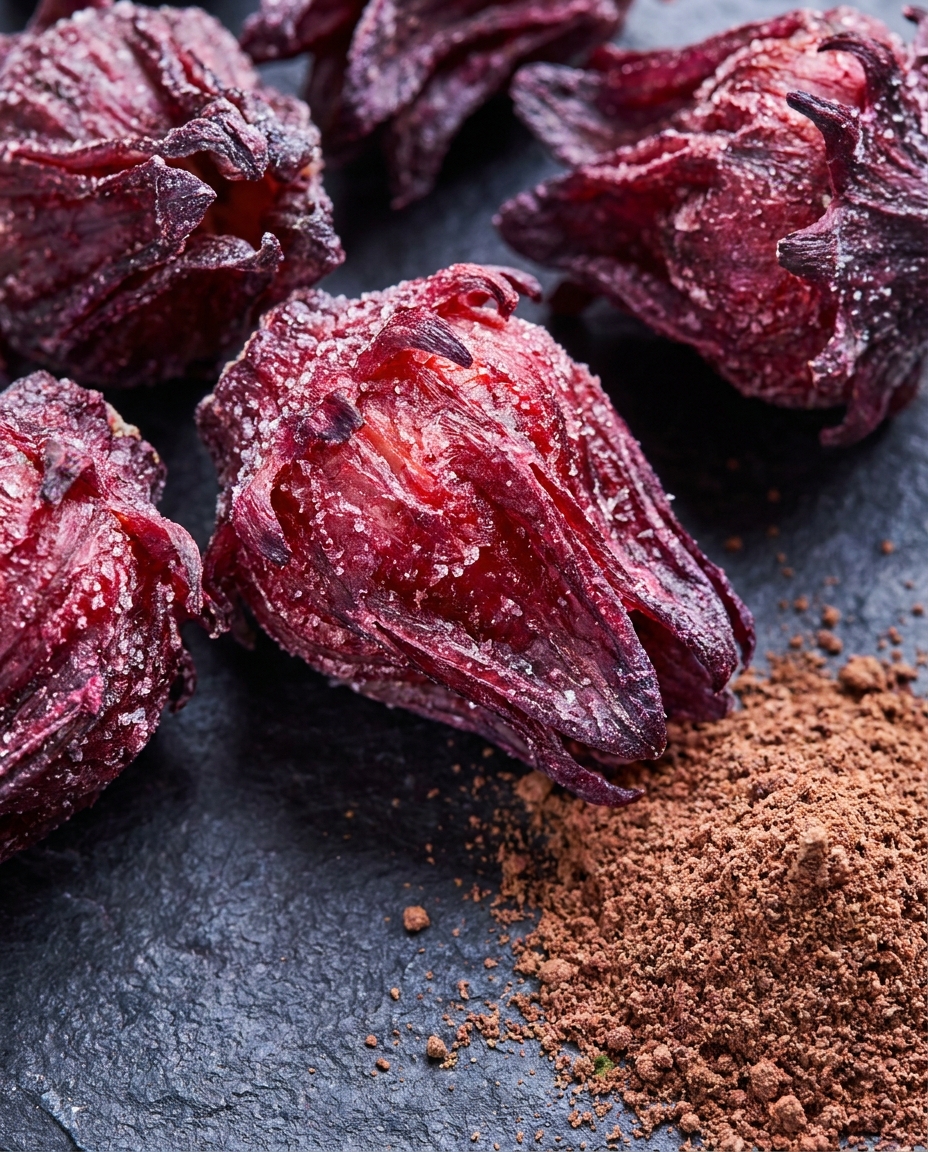
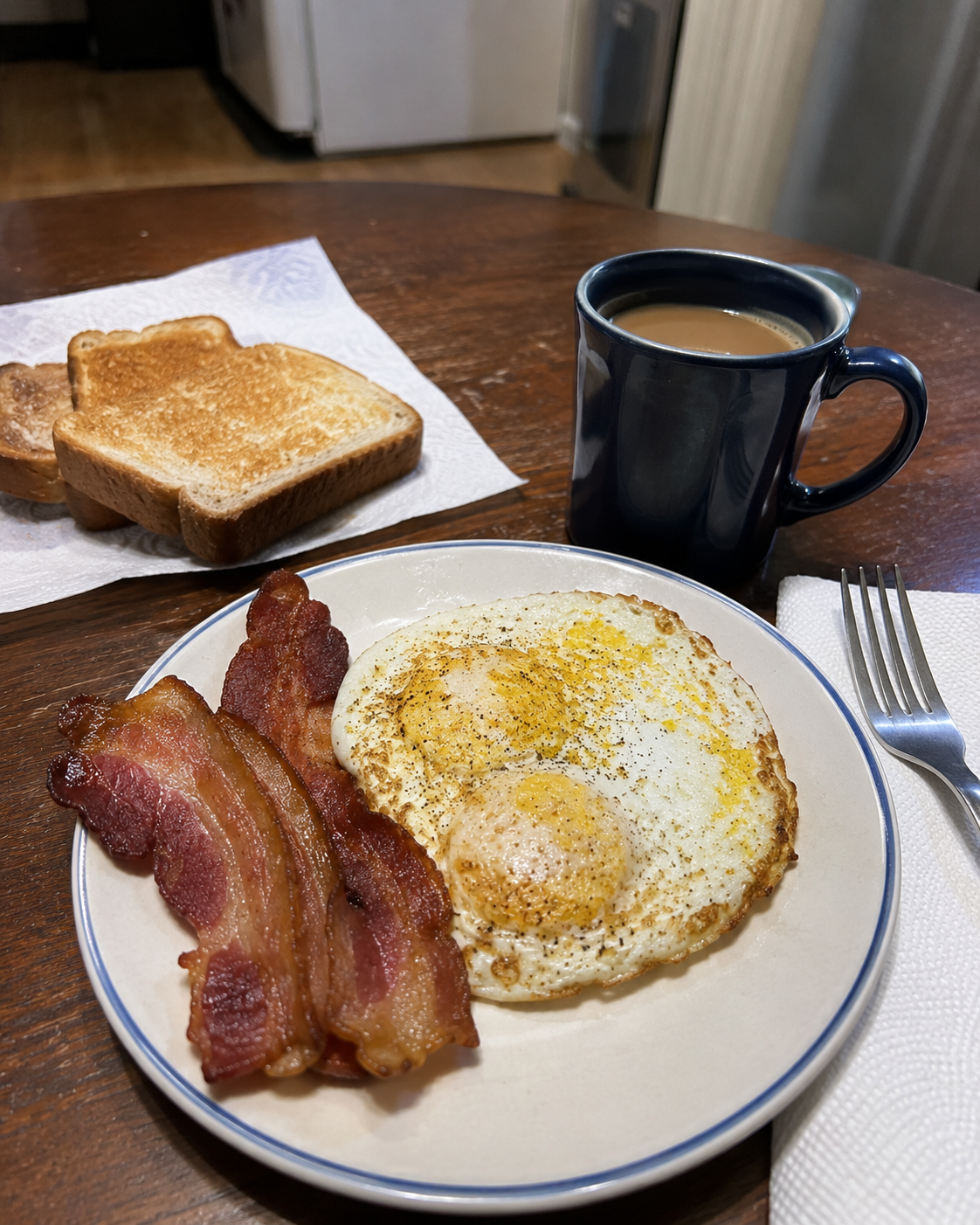
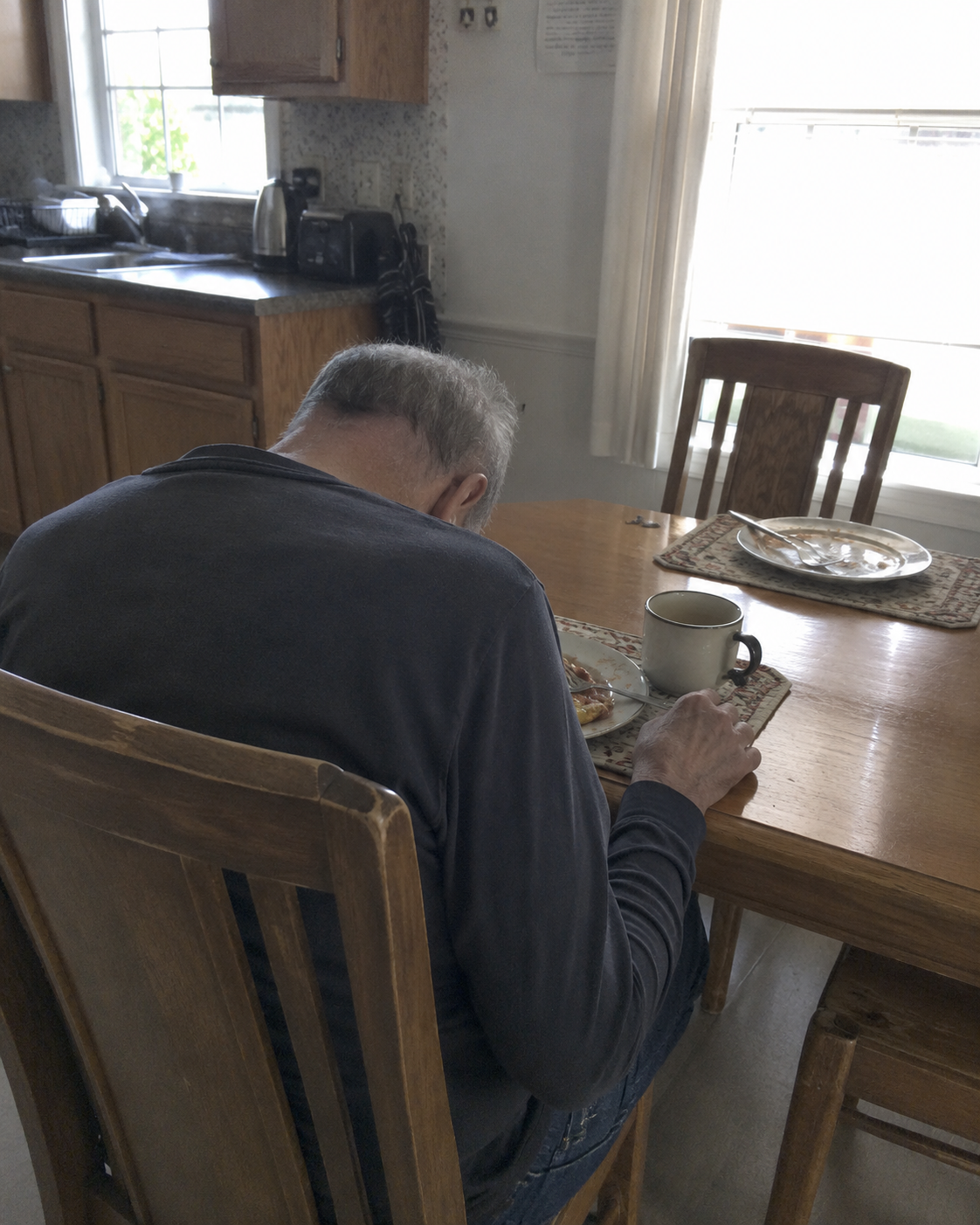
My husband was one of America's most respected kidney doctors. His kidneys failed him last November while he was doing everything he'd spent 31 years telling his patients to do. His name was Dr. Walter Hartwell. Director of nephrology at his hospital for 19 years. He trained the residents who ended up running the dialysis unit he spent his last weeks on. He caught his own falling numbers on a Friday in May and started the textbook plan the same morning — the one he had walked thousands of patients through. He followed every step of it for 162 days. He passed on November 16th at 4:43 AM. He was 63 years old. Walter was 63 years old and felt fine. Better than fine. He still walked four miles every Sunday with our golden, Hattie. He still drove an hour each way to the hospital and worked twelve hour days. He still climbed up on the roof every fall to clean the gutters because he did not trust anyone else to do it right. He had spent 31 years watching other people's kidneys decline and he was certain — clinically, professionally, personally certain — that he would catch it in himself the moment anything started to slip. That is what makes what happened next so hard to write. Walter ran his own labs every Friday morning before clinic. He had done it since the year he lost a patient he thought he had caught in time. A 54-year-old schoolteacher whose bloodwork he had reviewed two weeks before her kidneys gave out. He never trusted a quarterly panel again. So every Friday for as long as I can remember, he was at the lab at 6 AM with his sleeve rolled up. On Friday May 22nd he ran his usual panel. eGFR of 52. Creatinine of 1.6. He came downstairs in his walking clothes and sat at the kitchen table with the printout in his hand. He read it three times. Then he looked at me and said, very calmly: "Margaret. We have a problem." I had been married to this man for 38 years. I had never heard him use that tone before. I asked him what the numbers meant. He said: "It means I have what my patients have. And I need to do exactly what I tell them to do." He went into his study and was in there for an hour. When he came out he had a binder. A real one, the heavy kind from his residency days. He had written the title on the front in his neat block letters: HARTWELL, W. — CASE FILE. He treated himself like a patient from that morning forward. He pulled the KDIGO guidelines. He pulled the nephrology society guidelines. He called Marcus at Cleveland Clinic, the man he had trained with in 1989, and read him the numbers. Marcus said: "Walter, control the pressure, protect the diet, and monitor it. You wrote half of it." Walter took that as a compliment and a sentence at the same time. That night he drove down to the CVS on Reynolds Road and picked up the 10 mg lisinopril Marcus had called in. Then he sat at the kitchen table and cleared out the chest freezer in the garage. A $90 ribeye from Snake River Farms. A bag of oranges and bananas. Two coolers of venison from his November hunt — all of it bagged up and driven down to the food bank the next morning, because the renal diet said cut the potassium and cut the phosphorus and cut the protein. The venison had been a gift from his brother in Denver after their last hunt together. He came back inside, washed his hands at the kitchen sink, and turned off the light. "Margaret," he said. "I'm going to be the most compliant patient I've ever had." And he was. For 162 days, Walter ran the textbook plan on himself the way he had run it on his patients. He kept a log. He weighed himself every Tuesday morning. He measured his portions with a kitchen scale on the same counter every Sunday. He took his own blood pressure twice a day and wrote the numbers in the binder. The binder grew to 287 pages. He took his lisinopril every morning at 7 AM with a glass of water. Set the bottle on the kitchen windowsill where he'd see it every day. I bought him a Sunday-through-Saturday pill organizer and started filling it every weekend. He never missed a dose. He ate nothing he did not prepare himself. He bought a digital scale for the kitchen and weighed his portions. He stopped eating tomatoes and oranges and potatoes because the renal diet flagged the potassium and he was not going to give his kidneys one extra gram of work. He ate the same breakfast every morning for 162 days. Egg whites and white toast, no salt. I cannot eat white toast anymore. He walked five miles every morning before sunrise. He did it on the days it rained and the days it snowed and the day after our son-in-law's father died and he had been up until 1 AM on the phone with the family. He stopped going to the nephrology conference he had keynoted for eleven straight years because he would not sit through the dinner. He stopped going to his Thursday night chess game at the club because the men there ate salted pretzels after the second round and he did not trust himself in the room. He lost a friendship with a colleague who said over coffee that he was "overreacting to his own case." Walter never spoke to him again. He took cranberry because every kidney forum seemed to mention it. He bought a renal multivitamin from the pharmacy because the label said it was made for people watching their kidney numbers. He took CoQ10 because his own paper in 2009 had argued for it as supportive therapy. He took fish oil and probiotics because they were the things people took when they wanted to be proactive. He ordered astragalus after three late nights reading patient forums. And he bought a kidney-support blend online because it promised to put everything in one bottle. He cross-referenced every supplement against every medication for interactions and wrote the schedule out by hand on the inside cover of the binder. He slept four hours a night the last two months. He kept getting up to re-read the journals. He did everything right. He did more than right. He did what the most respected kidney doctor in the state would do if the patient was the man he loved most. The patient was himself. The follow-up labs came back on October 31st. eGFR: 43. Creatinine: 1.9. Walter had run the textbook plan on himself for 162 days and the numbers had slid the wrong way. He stared at the printout for a long time. Then he picked up the phone and called the lab back and asked them to rerun the panel. He thought it was a mistake. It was not a mistake. He called Marcus at Cleveland Clinic. Marcus pulled up the numbers on his end and was quiet for a moment. Then he said: "Walter, you know the answer. Some patients keep declining even doing everything right. We tighten the pressure control and we watch it and we retest in three months." Walter said: "I know. I have given this answer myself probably 400 times. It is the right answer." He paused. "I just have not given it to a patient who was following the plan this hard." Marcus did not have a reply for that. Walter sat at the kitchen table that night. The same table he had sat at five months earlier when he first saw his own numbers. He did not say anything for a long time. Then he said: "Margaret. I do not understand." I asked him what he meant. He said: "I have seen patients decline on this plan before. Of course I have. Plenty of them. But honestly, Margaret, patients drift. Not on purpose." "They round down on the salt. They forget to mention the weekend. They skip the lisinopril three days out of seven. Nobody follows a plan 100%. That is just how it is." "So when I see numbers that keep sliding, I assume the patient is not really doing what they told me they are doing." He looked at the binder on the table. "Margaret. I am doing what I told me to do. I am the one patient I have ever had who is following this plan exactly. And the numbers are still sliding." He picked up his coffee. His hand was shaking a little. "I do not understand." I did what any wife would do. I told him Marcus was right. I told him the numbers would settle with tighter control. I told him to trust the plan. I told him he was the man who had written it. He nodded. He filled the prescription for 20 mg of lisinopril the next morning. He kept the binder. He kept weighing his portions. He kept walking five miles every morning before sunrise. He kept taking the supplements. He kept doing everything right. Over the next weeks the fatigue came for him. Bone-deep, the kind sleep did not fix. His ankles swelled by evening. He fell asleep in his chair before the news was over. I watched him grip the banister on the stairs one step at a time. I put it down to the walking. To the diet. To getting older. To 162 days of a plan that would tire anybody out. Then one night in November he woke me at 1:47 AM and said: "Margaret. I need to go to the hospital." He tried to drive himself. He was sitting on the edge of the bed putting his shoes on when I took the keys out of his hand. That was the moment I understood how bad it was. The man had not let me drive him anywhere in 38 years. He sat in the passenger seat and did not speak for the entire 22-minute drive. By the time the night nurse got him into the chair, his breathing had gone shallow and labored, the kind that comes when fluid is building somewhere it should not be. The attending was a woman in her late thirties. She had trained under Walter eight years earlier. I watched her face change when she pulled up his bloodwork on the screen. "Dr. Hartwell, your creatinine is 4.8 and your potassium is dangerous. Your kidneys have dropped off a cliff. Your eGFR is 14. We need to get the fluid off you and we need to talk about what comes next. We're admitting you now." Walter did not move. He said: "Sarah. Run it again." She ran it again. Same numbers. He said: "Sarah, this could be dehydration. This could be a reaction to one of the supplements I've been taking. Have you ruled out anything reversible?" She let him work the problem. She let him ask every question he would have asked if he were standing on her side of the chair. She ran every test he asked for. Every single one came back consistent with what she had told him in the first place. Walter looked at the screen for a long time. Then he said, very quietly: "I have been following the plan on myself for 162 days, Sarah. I have followed every single step. This is not supposed to happen." She put her hand on his shoulder. "I know, Dr. Hartwell. I know you have." That was when I understood it. The way she said it. The way she did not look surprised. The way she said "I know you have" instead of "are you sure" or "let's go through it together." She had seen this before. Other patients had followed the plan exactly. And ended up in the same chair Walter was sitting in. She just had not been able to say so out loud. Walter spent 11 days in the hospital. I learned things about the kidneys in those 11 days that I had heard Walter say across the dinner table for 38 years. I had never really listened. I am listening now. I learned what it looks like when the toxins the kidneys are supposed to clear start backing up into the blood. It clouds the mind. Your husband looks at you like he is trying to place your face. He says things that do not connect. On Day 6 I saw it in Walter. He asked me three times in twenty minutes if he was going to be late for his shift at the hospital. He had not taken a clinical shift in four years. Our golden retriever Hattie was at home with our daughter, who had flown in from Boston. I had shown him the picture she sent that morning. He still asked. I learned what the unit does when kidneys are failing. The nurse on Walter's overnight shift had been a dialysis-unit nurse for 19 years. She walked me through it on the second night while Walter rested. They had started him on dialysis to do the filtering his kidneys could no longer do. She pointed to the line carrying Walter's blood into the machine. "That machine is doing two things tonight," she said. "It is pulling off the fluid his kidneys can no longer clear. And it is filtering the waste his blood can no longer carry." I asked her if it was going to make him better. She looked at Walter for a long time before she answered. "It can buy time, Mrs. Hartwell. It cannot give him back what his kidneys have lost." Then she said something I did not expect. She said, quietly, that in 19 years she had watched hundreds of patients come through that unit, and the ones who did best were almost never the ones who had followed the numbers the hardest. "They kept giving him numbers to watch," she said, nodding at the chart. "Nobody gave him a way to stop living by them." I did not understand what she meant at the time. I asked her what she meant. She was quiet for a long moment. Then she said: "Mrs. Hartwell, the outpatient plan is what the textbook says. Watch the numbers. Cut the salt. Come back in three months. It is not wrong. It is just that it is all watching. There is nothing in it a person can actually do every morning that makes them feel like they have a hand on the wheel." She paused. "And honestly, I have wondered for years why we do not give people something like that sooner." She looked at me carefully. "I am not blaming your husband. Please understand that. Your husband was following exactly what he was taught. Every doctor in this hospital is following exactly what they were taught. The textbook came from somewhere. We all read the same one." "It is just that the textbook is all monitoring. It does not hand a person a lever." She did not say anything else. She did not have to. That sentence is still in my head. Day 7, his heart was struggling to keep up with the fluid his kidneys could not move. The doctors talked about long-term dialysis. Then they talked about him not being a strong candidate because of how fast he was declining. Then they stopped talking about options altogether. The hardest part was that some of them were his own residents. Sarah from the ER. A young man named David he had taught the previous spring. A woman named Priya he had once told me was the most promising nephrology fellow he had ever worked with. They came in one at a time on Day 8. None of them said what was coming out loud. They just held his hand and told him the things you tell a teacher when there is nothing left to teach. Day 10, his lungs filled up with fluid. They drained two litres of fluid out of his chest with a needle. Two litres. The nurse called it pulmonary edema. I called our daughter in Boston. She got on the next flight. Day 11 — November 16th — I was in the family room down the hall. They had asked me to step out. Our daughter was sitting next to me, holding my hand. At 4:35 AM I heard the long beep. At 4:43 AM, a doctor I did not know walked into the family room. I knew. "Mrs. Hartwell. I am so sorry. We did everything we could." I did not cry. I do not know why. I sat very still and looked at my own hands in my lap. I noticed that I was still wearing the wedding ring he had put on my finger in 1986, and that the skin underneath it had been hidden from the sun for 38 years, and that I had no idea what that skin looked like anymore. That was the thought I had. Not anything about him. About a piece of skin under a ring. Our daughter started crying first. She put her head on my shoulder and made a sound I had never heard her make in 34 years of being her mother. That was when I cried. It came up out of me in a way I cannot describe. I was not crying for Walter. I was not crying for myself. I was crying because my child was making that sound and I could not fix it, and there was a man down the hall who could have fixed anything she ever brought to him, and he was not going to be there to fix this one. After a while she lifted her head off my shoulder and wiped her face with the back of her hand. She looked at me with her father's eyes. She said, very quietly: "Mom. They were treating Dad with what Dad taught them." I have not been able to get that sentence out of my head either. I drove home at 6 AM with our daughter in the passenger seat. The driveway was dark. The motion light Walter had installed three years ago caught the car and switched on, and for one second I almost called out to him to come help us with the bags. Inside, every room was the way he had left it on the morning of November 6th. His binder was on the kitchen table, open to the page he had been on when I called him to come up to bed. HARTWELL, W. — CASE FILE in his neat block letters on the front. The page on the right was a chart he had been keeping of his daily walks. Every day in his handwriting. The last entry was that morning. 5.2 miles. 86 minutes. Cool, dry. Under it, in the margin, in his own hand, was the note the office had given him after his last visit. Monitor. Retest in 3 months. His weighing scale was on the kitchen counter, plugged in, the digital display dark. His supplements and the lisinopril were lined up on the shelf above the coffee maker the way he had always kept them. Cranberry. Renal multivitamin. CoQ10. Astragalus. The kidney-support blend. Fish oil. Probiotics. Seven bottles in a row, lined up by size, the way you would line up cans in a clinic. His pill organizer was on the windowsill above the sink. Sunday empty — he had taken that pill at 7 AM the morning he woke me. Monday through Saturday still full. Six doses of the lisinopril that was supposed to hold the line. His white coat was on the back of the bedroom door. Dr. Walter Hartwell, MD embroidered on the breast pocket. Still smelling faintly of the cologne he had been wearing the morning we drove to the hospital. It is still there now. I cannot move it. If I move it, he is really gone. I sat in his chair in the study and did not move for the rest of the day. Our daughter brought me tea and I did not drink it. She brought me a sandwich and I did not eat it. At some point in the late afternoon she sat on the floor next to the chair with her head against my knee, the way she used to when she was small, and we sat like that until the room got dark. 38 years. And the only sound in the room was the clock on his desk. The funeral was December 8th. Marcus flew in from Cleveland. Sarah from the ER came in her scrubs because she had come straight from a shift. Three of Walter's former residents flew in from three different states. The chapel was full of people I did not know — patients, I realised slowly, people Walter had treated over 31 years who had read the obituary and driven hours to come. Our four-year-old grandson asked me at the reception: "Grammy, when is Grandpa coming back from the hospital?" I told him Grandpa was in heaven now. He thought about it for a moment. Then he said: "Did the hospital not have what he needed?" I had to walk out of the room. After the funeral, I tried to go back to normal. I couldn't. The first week home, our daughter went back to Boston and I was alone in the house for the first time in 38 years. I did not know what to do with my hands. I started scrolling Facebook because there was nothing else to do with my eyes either. That is when I started seeing them. Not one or two. Dozens. Then hundreds. "My husband's kidney numbers came back a little low, any tips?" "Annual physical, eGFR is 55, doctor said cut the salt and retest in three months." "Anyone here had luck with kidney detox tea?" "Doctor wants to just monitor my husband, any advice?" Every single one of those posts had thirty answers underneath it, and every single answer was a version of the same advice. Cut the salt. Cut the protein. Watch the potassium. Try a kidney blend. Walk more. Come back in three months. The same plan. Word for word. The same advice my husband had given thousands of patients for 31 years. The same advice he gave himself. And it left him with nothing to do but wait. I sat on the kitchen floor in my robe and read those threads for four hours. Some of those husbands are already sliding. They just don't know how far. That is the sentence that came into my head and would not leave. Because what I knew now, from sitting next to Walter's bed for 11 days and listening to a nurse with 19 years in that unit — what I knew was that the plan in those Facebook threads is the plan the textbook gives you, and the textbook is all watching, and nobody in any of those comment sections has a single thing to do every morning that makes them feel like they have a hand on the wheel. I am the only widow in this country who knows this from where I am sitting. Because I am the only widow in this country whose husband was the man writing the plan. And if I do not tell somebody what I know now, then the system gets to keep doing it. To other people's husbands. The way it did it to mine. And I cannot live with that. I read for six weeks straight. Medical journals I could barely understand. Nephrology textbooks Walter had on the study shelf. Studies out of Japan and Germany and the Netherlands. PubMed at three in the morning. I taught English for 30 years. I had not read this much science since I was 19 years old. And one thing kept coming up, in study after study, that Walter had never once mentioned at the dinner table in 38 years: Everybody watches the numbers. eGFR. Creatinine. The doctor watches them, the patient watches them, the whole plan is built around watching them slide and reacting. Keep them from dropping too fast and they tell you you're managed. But watching a number is not the same as doing something. Here is what I mean. Your kidneys are not passive. They are working filters under real, daily strain — from blood pressure, from the food, from the ordinary wear of the years. The strain is what wears them down. And the plan Walter followed did one thing about that strain: it told him to remove things. Cut the salt. Cut the protein. Cut the potassium. Come back in three months. And there is another kind of wear Walter had never explained to me: oxidative stress. Not one dramatic injury. More like rust in a pipe — the daily buildup of strain that makes already-working filters work harder than they should. It never gave him one single thing to add. One supportive thing to do every morning that took some of the daily pressure off the filters instead of just subtracting from his plate. I read it three times. I sat at the kitchen table with the laptop open at 2 AM and read it three times. And here is the part that made me sit up straight. The literature outside the American outpatient plan was not empty. There was a whole body of it — on supporting healthy blood pressure gently, every day, and on the antioxidant load the kidneys carry — that Walter had never brought home. Not because he was careless. Because it sat outside the textbook, and the textbook is all he was trained to read. The lisinopril Walter took every morning did what it was built to do. It was part of the plan. But the plan could only tell him what to cut and what to watch. It could not give him back the feeling that he had a hand on the wheel. He had spent 162 days weighing protein, avoiding potassium, checking his pressure, and waiting for the next number. The numbers were being watched. Walter was still losing ground. Read that again. He had not failed because he ignored the plan. He had followed it so perfectly that he exposed its limit: it had made his life smaller without giving him one small thing to add every morning. His morning fatigue. The swollen ankles by evening. The way he had started gripping the banister. I had put all of it down to the walking, the diet, getting older. It was the decline itself. The kidneys losing ground while the only plan he had was to keep subtracting and keep watching. He gave up everything he loved for 162 days to keep two numbers from sliding. And the whole time, nobody — not him, not Marcus, not the guidelines — had handed him one small supportive thing he could actually do each morning. I sat with that for three days. There are two things a person watching their kidney numbers needs that the monitoring plan does not give them. The first is a daily lever. Something to do every morning — not another thing to cut, but one supportive thing to add — that gently supports healthy blood pressure, which is the single biggest daily strain on the filters. The plan tells you to watch the pressure. It does not hand you a pleasant, sustainable ritual for supporting it. The second is agency. Not a number on a chart. The feeling that you are participating in your own care instead of sitting in a chair every three months waiting for a verdict. The nurse had named it at the bedside. A way to stop living by the numbers. A lever for the pressure. A hand on the wheel. Two things. That is what the dialysis nurse told me on the second night. That is what the literature kept circling back to. That is what the monitoring plan leaves out. I went back through the binder that night and looked at everything Walter had been doing against those two things. Walter took cranberry, which does nothing for the daily strain on the filters. He took CoQ10 in capsule form. The literature was blunt about this — I had read it in one of the journals: capsule CoQ10 absorbs at maybe 10 to 15 percent. Most of it never gets where it needs to go. He took five other supplements that each did some version of nothing measurable for the pressure or the strain. A renal multivitamin. A kidney-support blend that was mostly filler. Fish oil. Probiotics. Astragalus. And the plan his own guidelines told him to follow was pure subtraction. Cut, cut, cut, and wait. He gave up everything he loved for 162 days to keep two numbers from sliding while nobody handed him one supportive thing to do each morning. I sat with what I had learned for two days. Then I went looking for myself. Because I am 61. Because my own labs had come back "borderline" at my last physical. Because I had spent 38 years married to a man who knew the difference between borderline and fine and now there was nobody in my house who could tell me what borderline meant for me. I went to the pharmacy the following morning. I stood in the kidney-and-heart-support aisle for almost an hour. I bought four things. A kidney detox tea, because every woman in my book club had a box of it. CoQ10, because Walter had taken CoQ10. A cranberry capsule, because by then I was reading labels and it was the compound the shelf kept naming for kidneys. And a box of dusty herbal tea bags that said "cleansing blend" on the front and listed six things aimed at exactly what I was looking for and I wanted to believe somebody had figured this out. I drank and swallowed all four of them every morning for three weeks. After three weeks of using all four of them every morning, I had no clear sense of whether any of it was doing anything. Then I called Walter's office. Walter had practised nephrology with three other doctors at the same group for 22 years. The senior partner was a woman named Diane Wolcott. She had trained at Johns Hopkins. She had been at Walter's bedside on day 9 in the hospital. She had cried at his funeral. She was the closest thing to a sister Walter had in his profession. I told her I needed to ask her some questions. She said she would come to the house that Saturday. She arrived with a bottle of red wine and a folder of Walter's clinical notes she had brought from the office. We sat at the kitchen table where Walter had read his own labs back in May. The four things from the pharmacy were lined up on the windowsill behind me. I had been using them every morning for three weeks. I asked her if they were doing anything. Diane looked at them for a long moment. Then she said, very gently: "Margaret, I am going to be honest with you. The detox tea is mostly a diuretic and a marketing word. It makes you go to the bathroom. It does nothing supportive for the filters or the daily strain on them." "The capsule CoQ10 is the right idea but the absorption is maybe 10 or 15 percent in capsule form. Most of it never gets where you need it." "The cranberry — that is for urinary infections. It has almost nothing to do with the strain that was sliding Walter's numbers." She picked up the dusty box of tea bags and turned it over to read the label. "These are the closest to a real idea. Somebody thought about a daily ritual, which is the right instinct. But Margaret, look at this. It is chopped stems and dust, sitting in a box on a shelf who knows how long. Whatever active compounds a plant like this can offer, they are gone by the time it is ground into bag dust and left to sit." She put the box back down. "You bought four things that any drugstore shopper would grab. Three of them do nothing for the actual daily strain. The fourth had the right instinct — a daily ritual — built from the wrong material. There is nothing in any of these your body can actually use." I asked her to walk me back through what the right answer would look like. She walked me back through the two things. The daily lever. The agency. The pressure strain. Then she said: "Margaret. You have read this correctly. You are not making it up. This is real." I asked her why none of it was in Walter's plan. She poured herself a glass of wine and looked at the kitchen window for what must have been thirty seconds. Then she said: "Margaret. I am going to tell you something that I would not say out loud at a conference." She told me that the outpatient nephrology textbook in this country was written to monitor and to subtract, by people who all trained under each other. She told me that the textbook is built around the numbers, because that is what the trials were built around, and the numbers are what the office is set up to track. She told me that the plan has never been seriously reconsidered at the level of giving a patient something supportive and sustainable to do every day, because that is not what the system was ever built to hand out. She told me that the idea Walter missed is not controversial science. It is well-established. It just sits outside what the standard plan was built to address. I asked her why she had not told Walter when he was sick. She put her glass down. "Margaret. Walter and I had this conversation in 2017. I brought it up at our partners' meeting. He was the one who said the evidence was not strong enough to change practice." "He was right by the standard the textbook uses. He was wrong by the standard his own body needed. I did not push it. I should have." She started crying. Then she said something I will not forget for the rest of my life. "Margaret. If you can find a daily ritual that gently supports the pressure, that a person can actually keep doing every morning, made from real material your body can use — you would have something worth having. The four things on your windowsill do not do that." "I do not know if anything on the shelves in this country does. But if you find it, Margaret, you tell me." That was the day I started looking. About a week after Diane left the house I was up at 3 AM again, reading. By then I had a stack of bookmarks on my laptop that had stopped being about grief and started being about how to actually live with a number sliding. I was inside a thread on a nephrology research forum. Not Facebook this time. An actual peer-reviewed-papers forum where doctors argue with each other about studies. I had been lurking on it for two weeks because Walter's password was still saved in his browser. A retired nephrologist in Portland had posted a long thread about his own falling numbers. He had been the head of nephrology at a hospital out there for 31 years. The same as Walter. He had retired, his eGFR had come back at 48 at his post-retirement physical, and he had run himself through the standard plan. Blood pressure control. Renal diet. Supplements. The whole textbook. Numbers kept sliding. He felt worse, not better. Sound familiar? Then he wrote this: "I retired in 2024 after 31 years as head of nephrology at a teaching hospital out here. My eGFR came back at 48 at my post-retirement physical. I did what we are all trained to do. Control the pressure. The renal diet. The supplements. The standard outpatient plan I had been giving my own patients for three decades." "Six months later I was more tired, more swollen, and my number had slid to 41. The plan said I was managed. I did not feel managed. I felt like I was sitting in a chair waiting." "I want to say something to the other doctors on this forum, because I think it is important." "For 31 years I treated the textbook as the holy grail. We all do. That is what training does to us. The textbook is the source of truth and anything outside it is fringe, alternative, embarrassing to be caught reading." "I knew there was literature outside it. I never read it. I told myself the evidence was not strong enough to justify the time. The truth is I was protecting my own standing." "You cannot bring up a daily botanical ritual in a partners' meeting without losing the room." "The day I retired, that pressure was gone. Six months after that, sitting in that chair waiting, I finally let myself look." "The literature on hibiscus, healthy blood pressure, and oxidative stress is extensive. Far more extensive than I had let myself believe while I was practising. The effect on supporting healthy pressure — the single biggest daily strain on the filters — is reproducible across peer-reviewed studies out of the Netherlands, Nigeria, and Japan over the last fifteen years." "None of it is in the American outpatient nephrology textbook. None of it was in my training. None of it was in what I taught my own residents." "I began drinking hibiscus every morning. Not because I wanted another supplement. Because I wanted one daily thing a patient could actually do while the clinic told him to watch and wait." "My blood pressure came down into a range I had not seen in years without another medication. My eGFR stopped sliding — it held at 41 for the first time in eighteen months, and my energy came back enough that I stopped falling asleep in the afternoon. I made no other changes." "I am sharing this because I am no longer in a position where my reputation depends on pretending the textbook is complete." "To my former colleagues still in practice: please look at the hibiscus literature. Give your patients something to do, not just something to watch." I stopped scrolling. Hibiscus. I had not heard the word in any of Walter's reading. I had not heard it in any of Diane's explanations. The only time I had ever heard it in a health context was for blood pressure. That was when I understood that blood pressure and daily kidney strain were the same conversation. I read until I understood enough to think “hibiscus tea” was the answer. I did not yet understand that knowing the plant and knowing what to buy were two different things. I did what any tired, hopeful person would do. I opened a new tab, searched for hibiscus tea, and bought the one that looked the nicest. It arrived three days later in a beautiful box. Kraft paper, a botanical drawing of a red flower, the word HIBISCUS in warm hand-lettering. I actually felt hopeful carrying it into the kitchen. Then I opened it. Inside were pale, dusty fragments: chopped stem and calyx, something close to powder that stained my fingers a thin pink when I pinched it. I steeped it anyway. The water went a weak, washed-out rose. It tasted faint and thin, like water from a cup that had once held tea. I drank it for four mornings because I had paid for it and because I wanted so badly for one of these things to be the thing. But the box gave me nothing to hold onto. No whole flowers I could see. No farm. No region. No country of origin. Just a distributor's address in New Jersey and a label that had sold me a picture of care. That failure sent me back to the Portland doctor's post. This time I read beyond the word hibiscus and asked the question I should have asked before I bought anything: what, exactly, was the material in the studies? The American kidney textbook just had not made the connection yet. I sat at the kitchen table for an hour with my laptop open and read everything I could find on whole-flower hibiscus and healthy blood pressure. It is both things at once. The deep-red compounds in whole hibiscus flower — the pigment that stains everything — are among the more studied natural supports for healthy blood pressure. And blood pressure is the single biggest daily strain on the filters. Ease the strain, gently, every day, and you have done the one thing the subtract-and-watch plan never does. And it gives you the second thing at the same time. A ritual. A warm cup every morning that is not another restriction, not another pill, not another thing to cut. Something to add. A hand on the wheel. The studies coming out of the Netherlands and Nigeria and Japan over the last decade have been measuring something the American kidney textbook does not treat as a daily lever: how gently supporting healthy blood pressure, every single day, eases the strain the filters live under. The answer is that the strain is not a side variable. It is the thing the whole plan is built to watch and never built to help you carry. Without a daily lever, the plan is all subtraction and all waiting. With one, the person watching their numbers has something to do every morning that supports the biggest daily strain and lets them stop feeling empty-handed. The whole flower does both jobs at once. The deep-red compounds gently support healthy pressure. The warm ritual gives back the agency the monitoring plan takes away. A lever for the pressure. A hand on the wheel. The two things Diane had named at my kitchen table the previous Saturday. A retired nephrologist in Portland had drunk one flower every morning. His blood pressure came down without another pill and his number held for the first time in eighteen months. I read his post six times. I sat with what the Portland doctor had written for a long time. Then I went back through everything I had read for six weeks, every conversation I had had with Diane, everything the nurse had said to me at the bedside, and I made myself a list. I needed to know what the right ritual actually had to be, in plain language, so I could measure anything I found against it. Here is the list I ended up with. One. It has to gently support healthy blood pressure, which is the biggest daily strain on the filters, in a form the body can actually use. The literature is clear on this. CoQ10 capsules absorb at 10 to 15 percent. Cranberry is for something else entirely. Detox tea is a diuretic with a marketing word on the box. The support has to come from something real, that a person will actually keep drinking every day, that carries the deep-red compounds the studies were built on. Whole-flower hibiscus does exactly this. The compounds are in the intact flower, and they are strongest when the flower is kept whole instead of ground to dust. That covers the first thing. Two. It has to be a ritual, not another restriction. The plan Walter followed was all subtraction. Cut, cut, cut, wait. That is exactly why it wore him down and gave him nothing back. A warm cup every morning is the opposite of subtraction. It is one thing you add. One thing that is pleasant to do. One thing that lets a tired, scared person feel they have a hand on the wheel instead of sitting in a chair waiting for a verdict. The only daily support I could find in the literature that a person will genuinely keep doing, that carries a real effect on healthy blood pressure, is whole-flower hibiscus tea. The studies were built around the flower itself. Three. It has to do both at the same time. This was the part that ruled out everything I had bought at the pharmacy. Detox tea does the wrong thing entirely. CoQ10 capsules are the wrong form. Cranberry is for a different problem. The dusty herbal box had the ritual instinct but nothing real inside it. None of them did both. Whole-flower hibiscus is the one thing I could find that is both a real daily support for healthy pressure and a genuine ritual a person will keep — from a single warm cup. Four. And this is the part that most people miss. It has to be the whole flower, grown right. I want to be blunt with you here because it is the single easiest place to waste your money. The hibiscus in a supermarket tea bag is not the hibiscus in these studies. It is chopped calyx dust and stems and filler. It has to be whole flowers, hand-picked and kept intact, grown at high altitude where the plant is stressed in the way that concentrates the deep-red compounds. Whole flower is what the studies were measuring. Not the mass-market commercial hibiscus, which is grown low and fast for volume and has thinned out the compounds in the process. Not the generic bagged tea that most companies buy in bulk and grind to dust. Whole, intact, high-altitude hibiscus specifically. The reason is the material. Whole, hand-picked, high-altitude flowers carry the deep-red compounds at strengths that ground shelf dust simply does not. If you buy a bag of chopped hibiscus dust, you are getting a shadow of what the studies were built on. The label says hibiscus. The effect the studies documented is not there because the material the studies were built on is not what is in the bag. If it is not the whole flower, grown right, it is not what the literature was measuring, and you cannot expect what the literature reported. Five. It has to be organic and processed correctly. The studies used the intact flower, not an extract and not a fraction. It has to be grown clean, because a filter under strain does not need pesticide residue added to its daily work. And it has to be kept whole and dried gently, not ground and heat-blasted, because grinding and heat are exactly what strip the deep-red compounds the whole thing depends on. Any product that is not the whole flower, grown clean at altitude and kept intact, is functionally red dust with the good part cooked and crushed out of it. Five things. All five. Whole flower, high-altitude, hand-picked, organic, kept intact. Then I went back through every aisle I had walked, every product I had bought, every product Diane had brought up, and the pale box on my counter. Not one met all five. Most were chopped commercial dust in a bag. A few were “premium,” but still ground, still vague about source, still impossible to trace back to a field. Only then did I find PiPi Tea. It was the only one I could find that met all five: organic whole-flower hibiscus, high-altitude grown, hand-picked and kept intact, not ground to dust. Made from whole flowers, packed whole, so the deep-red compounds are still in the cup when you pour the water. And a 90-day money-back guarantee. If it does nothing for you, you send it back—used or full—and every penny comes back with it. I almost did not order it. After Walter's seven-bottle stack. After the four things from the pharmacy. After the beautiful box of red dust. After 38 years of watching my husband follow the plan that gave him nothing to hold onto. After everything. I sat with the browser open on the PiPi Tea page for a long time. I was not looking for another tea. I was looking for one small thing we could still do every morning. Then I made the list on a piece of paper. My brother in Cincinnati, whose last physical came back with an eGFR of 54 and a doctor who told him to watch it. Marcus at Cleveland Clinic, Walter's oldest friend, who had watched Walter decline and had said nothing when his own doctor flagged his own numbers. My son-in-law in Boston, 46, who works ninety-hour weeks in finance and had "borderline" kidney numbers at his last annual. My own labs, which had been "borderline" at the last physical and which I had not gone back to check because I was afraid of what they would say. Four names. Four people I loved. Four numbers the same monitoring plan was going to watch slide the same way it watched Walter's. I ordered five boxes the following week, after I had read enough to know what I was looking for. Marcus was the first one who called me back. He had put the box I sent him on his desk at Cleveland Clinic. He had not told anyone at the practice what he was doing. He had not written it in his own chart. He had run his own labs at 4 weeks, 8 weeks, and 12 weeks and kept the numbers on a piece of paper he did not show anyone. When he called me it was a Sunday evening in June. He was in his study. I could hear his wife in the kitchen behind him. He said: "Margaret. I need to tell you something and I need you to be sitting down." I was already sitting. "My eGFR was 51 when Walter died. My blood pressure was creeping the whole last year, even on the medication. I did not tell him. I did not tell you. I told myself I would deal with it after the funeral. I started drinking PiPi Tea the week you sent it." He paused. "My pressure is back in range on the same medication. And I no longer drag through the afternoon the way I had been — some days I could barely keep my eyes open after lunch, and that has been gone for weeks now." I did not say anything. He said: "Margaret. Three months. And I did not change one other thing. I still have the same dinner. I still have the same glass of red. I still work the same hours. The only thing I added was the cup in the morning." Then Marcus, who has been Walter's oldest friend for 36 years, who was in our wedding party in 1986, who stood next to Walter's casket in December and did not say a word — Marcus started crying. He said: "Margaret. I was in the room when Walter declined. I was in the room when he wrote the paper on supportive therapy in 2009. I have known this man since I was 24 years old and I could not give him one thing to hold onto." "And I could have. If any of us had looked one inch outside the textbook, we could have handed him something to do every morning. He sat in a chair waiting for three months because we all read the same book and none of us questioned it." "Margaret. Walter died with nothing in his hands but a plan that told him to wait. And I am the doctor who was supposed to be his second opinion." I had to put the phone down. I sat at the kitchen table for a long time after he hung up. Because if Marcus at Cleveland Clinic — one of the top three kidney doctors in the country — did not give Walter a lever, and Marcus needed one himself, then nobody currently practising nephrology in this country is handing their patients one. And neither is anyone they are treating giving it to themselves. Then there was my son-in-law in Boston. 46, two young kids, works ninety-hour weeks at a hedge fund. His last annual had come back with "mildly reduced kidney function, nothing to worry about, keep an eye on it." He had been waking in the night and dragging through his afternoons for over a year, which his doctor had brushed off as "probably stress." I sent him a box before he asked. My daughter told him it was not a request. He started drinking it in early April. By late June the night waking had eased and the afternoon fog had lifted. He told me on the phone that he had not realised how long he had been dragging until he wasn't. His most recent annual came back with his kidney number no longer moving in the direction it had been going. Then there was my neighbour Ellen. Her husband had declined the same way Walter did, four months before Walter. Two widows on the same block. She started drinking it two days after I told her. She said it was the first time since her husband died that she felt like she was doing something for herself in the morning instead of just waiting for her own next appointment. I told my sister in Michigan. I told Walter's brother in Denver. I told the three women in my Wednesday book club whose husbands had "borderline" numbers. I told Marcus to tell his own residents at Cleveland Clinic, quietly, off the record, if he could. I have lost count of the number of boxes I have sent. My daughter has stopped asking me to keep the receipts. I should be grateful. Every one of these people has something to do every morning now. Their wives are not going to sit where I am sitting feeling like they never got to try. But this is not gratitude I am feeling. What I am feeling, every time somebody tells me their number held, is that I spent 38 years in a house with the most respected kidney doctor in the state and neither of us thought to look outside the book he was handed for one small thing he could do. I had a laptop. I had time. Any Sunday afternoon in the last ten years I could have sat next to Walter at this table and asked him one question about a daily lever. I did not. He did not. And he sat in a chair waiting until there was nothing left to do. Marcus has something to hold onto because a widow with too much time and a laptop finally asked the question nobody asked while my husband was alive. And that is why I am writing this to you. Because you still have time. Your husband is still alive. Your brother is still alive. Your father is still alive. The question I did not ask until it was too late — you can ask it tonight. I am not a doctor. I am not a scientist. I am not selling anything and I do not get a penny from any of this. I am a 61-year-old widow sitting in my husband's chair at 2 in the morning because I cannot sleep and I cannot stop thinking about my son-in-law in Boston and the mornings he struggled through that his doctor said were probably stress and how many other people are sitting in a chair every three months waiting for a verdict tonight and how many of them have wives who are reading things exactly like this and deciding whether or not to trust them. Here is what I know because I lived it. The textbook watches the numbers. It hands you nothing to do. Walter's plan was all subtraction and all waiting. Detox tea is a diuretic with a marketing word on the box. Capsule CoQ10 is the right idea in the wrong form. Most of the dose never gets where it needs to go. The two things that actually let a person watching their kidney numbers stop feeling helpless are a daily lever that gently supports healthy blood pressure and the agency of a ritual you can keep every morning. The outpatient plan gives neither. It watches, it subtracts, and it waits. Walter followed the best plan any doctor in America could give him and he sat in a chair waiting for three months while nobody handed him one thing to do. I still watched the numbers. But I was no longer empty-handed. I wish somebody had told us before May 22nd. Before he ran his own labs at 6 AM. Before he sat at the kitchen table with the printout in his hand and told me we had a problem. Before the 162 days of egg whites and white toast. Before the seven bottles lined up on the shelf above the coffee maker. Before November 16th at 4:43 AM. I cannot go back. Walter cannot come back. His white coat is still on the back of the bedroom door and it is going to stay there. But you can still go forward. Your husband can. Your brother can. Your father can. You can. Everything I have told you about PiPi Tea — the whole hibiscus flower, the high-altitude growing, the hand-picking, the organic sourcing, the intact flower instead of ground dust — you can see for yourself right now. This is the tea Marcus keeps on his desk at Cleveland Clinic. This is the tea my son-in-law in Boston drinks every morning. This is the tea I ordered five boxes of the week I found the Portland doctor's post. A lever for the pressure. A hand on the wheel. That is the whole answer. I want you to look at it. Not for me. For whoever you would leave behind. https://shop.pipitea.com/hbt/kd/sp-nm Walter used to say something at the end of every consultation. He said it to thousands of patients over 31 years. "The best time to have started supporting this was ten years ago. The second best time is right now." Right now is what you have. — Margaret Hartwell, age 61, Ann Arbor MI https://shop.pipitea.com/hbt/kd/sp-nm P.S. The white coat is still on the back of the bedroom door. I still cannot move it. Every morning I walk past it and for one second I forget. The hospital bills. The funeral. 162 days of him giving up everything for a plan that only ever told him to watch and wait while nobody handed him one small thing to do. And a box of PiPi Tea that costs less than what Walter used to spend on lunch at the hospital cafeteria in a week. If someone had given us one small daily lever in May, I do not know that it would have saved him — no one can promise that — but he would not have spent his last months feeling empty-handed. And that alone I would give anything for. Please. Do not sit in that chair waiting. Do not let someone you love sit in it either. One more thing. PiPi Tea is not on Amazon. It is not in stores. The whole-flower harvest is limited to what can be hand-picked at altitude each season, which is why the company sells it direct from the site and nowhere else. If you see a "PiPi Tea" listing on Amazon or eBay, it is not the real product. The whole flower is the whole point. The link below is the only place the actual product is available. https://shop.pipitea.com/hbt/kd/sp-nm
Natural Relief in Weeks
LEARN MORELike this ad? Make it yours.
Crush rebuilds this exact creative around your product — your brand, your colors, your offer — in about a minute.