
Active· since Jun 27, 2026
- 75
- days running
- 2
- relaunches
Ad copy
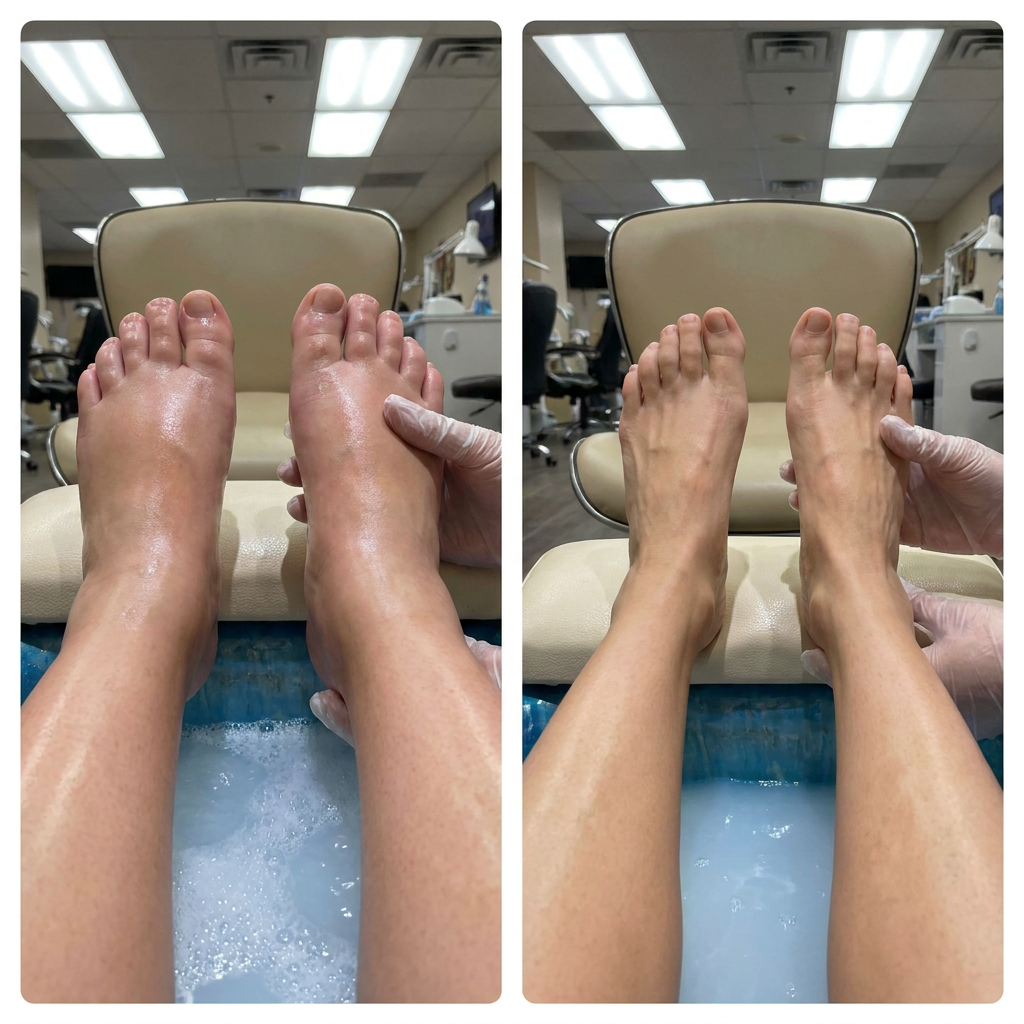
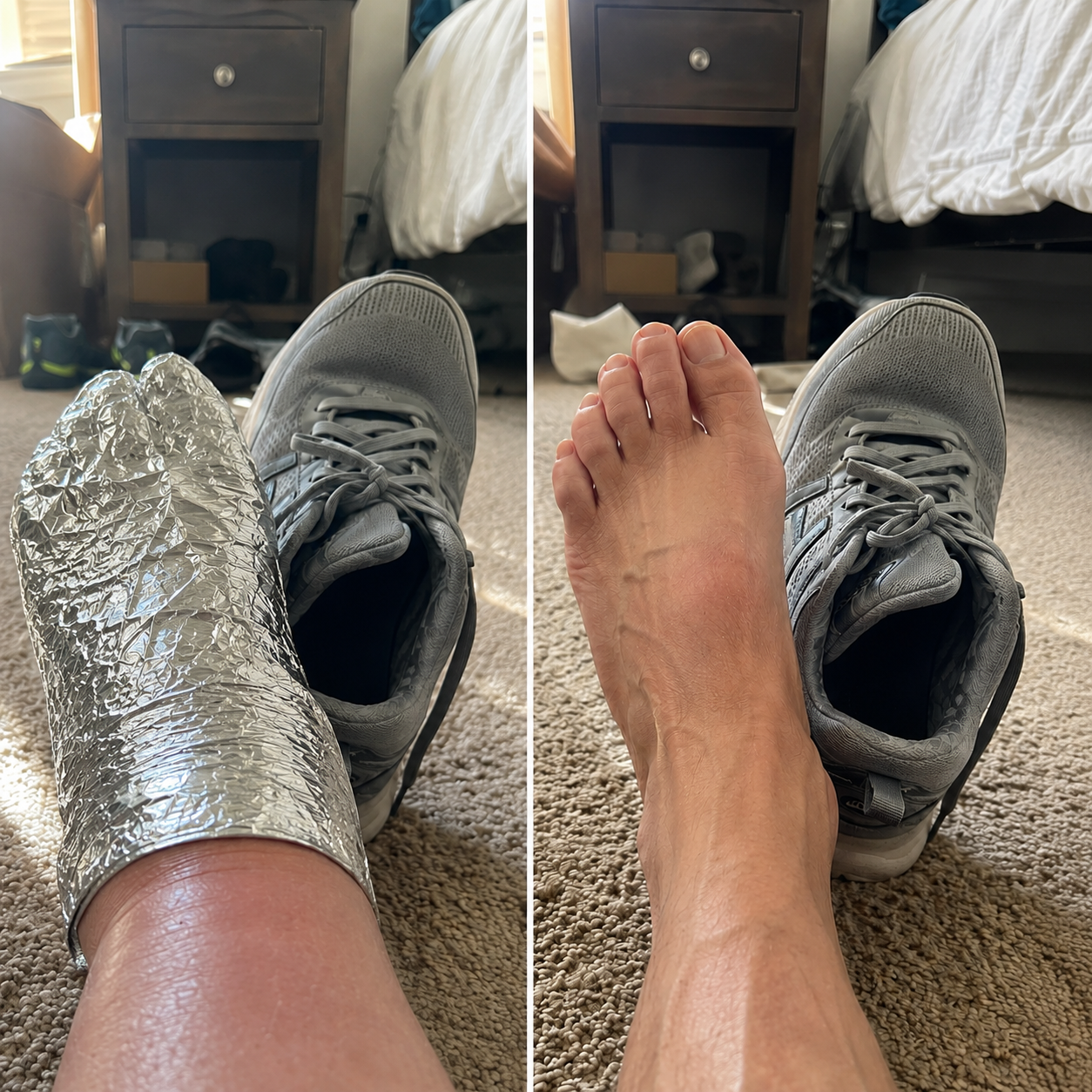
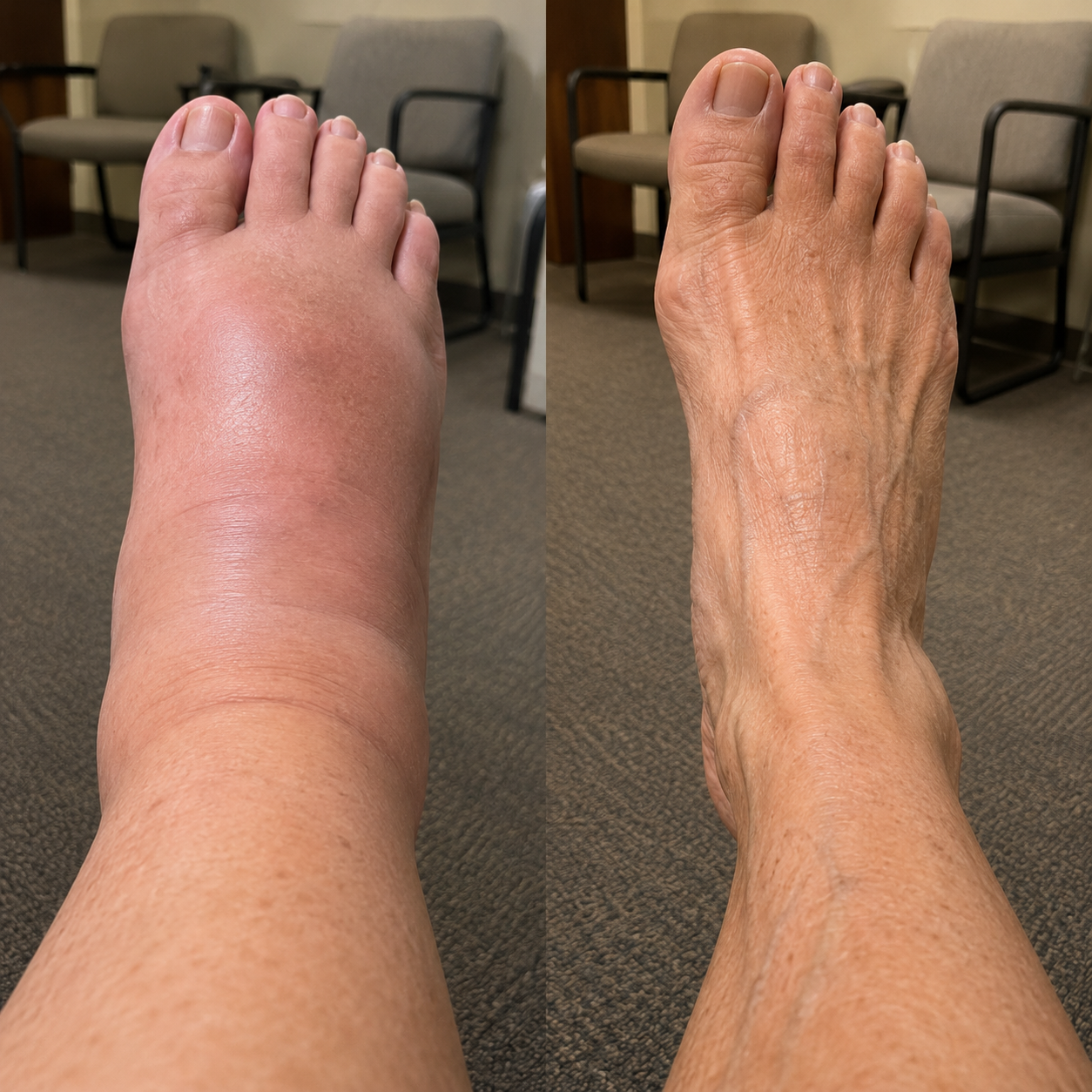
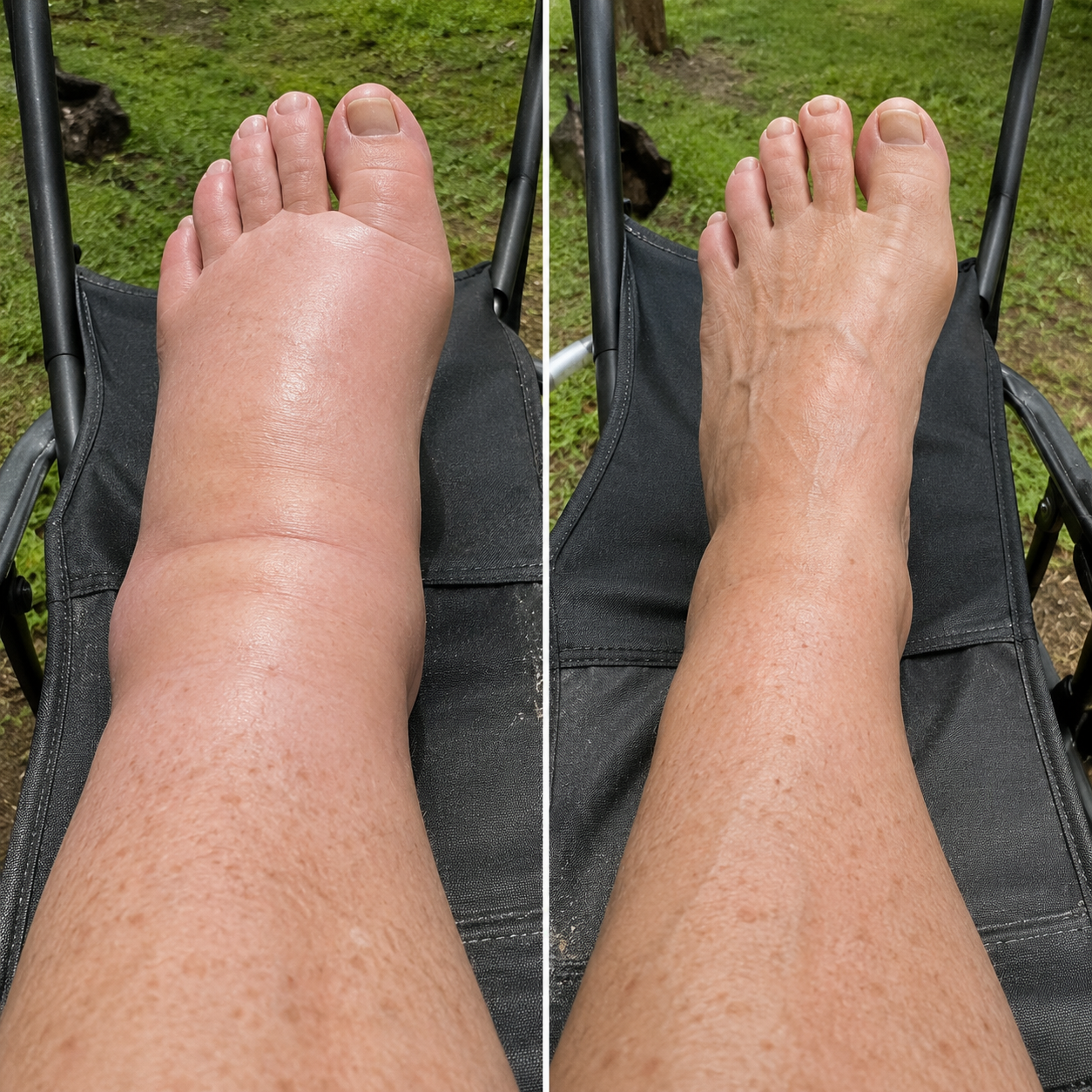
𝐈 𝐡𝐚𝐯𝐞 𝐛𝐞𝐞𝐧 𝐚 𝐞𝐝𝐞𝐦𝐚 𝐬𝐩𝐞𝐜𝐢𝐚𝐥𝐢𝐬𝐭 𝐟𝐨𝐫 𝟏𝟗 𝐲𝐞𝐚𝐫𝐬. 𝐀𝐧𝐝 𝐢𝐟 𝐲𝐨𝐮𝐫 𝐥𝐞𝐠𝐬 𝐚𝐫𝐞 𝐬𝐰𝐞𝐥𝐥𝐢𝐧𝐠 𝐮𝐩... I am about to tell you exactly what they are hiding from you and why they will never tell you the truth. And by the end of this, you are going to be outraged. My name is Dr. Blane. Board-certified pain management specialist. Nineteen years treating chronic inflammation, musculoskeletal pain, and persistent leg swelling that nobody could explain. And I am breaking ranks with my own profession to tell you this. Because there are three things happening right now. One. Your body is screaming at you that something is wrong. Two. The medical system is gaslighting you into thinking it is normal. And three. There is a billion-dollar industry that profits every single day you stay swollen and in pain. So let me tell you what happened with one of my patients. Because her story is going to open your eyes to how messed up this really is. Her name was Margaret. 72 years old. For three straight years, she dealt with this. Her legs swollen to the point where she could not fit into any of her shoes. Her ankles looked like rising dough by noon. She had been active her whole life, gardened every morning, walked her neighborhood, and suddenly she had the legs of someone 20 years older. By the end of every day, her feet were so swollen she was wearing her husband's oversized house shoes. The sock indentations were so deep they took hours to fade. She stopped wearing her favorite slacks. Stopped going to her book club. Started making excuses to avoid anything where people might see her legs. And the pain on top of the swelling. A constant dull throb. A burning heaviness that started by mid-morning and never let up. She described it as walking around with sandbags strapped to her calves all day, every day. And here is what makes me sick to my stomach. She came through my office. Multiple doctors. Her GP. A cardiologist. Me, the pain specialist. Thousands of dollars in appointments, tests, bloodwork, ultrasounds. And you know what every single one of us told her? "Your heart looks fine." "It is just fluid retention. Normal for your age." "Wear compression stockings." "Cut back on salt." Cut back on salt. This woman's legs looked like water balloons and we were telling her to eat less chips. Then we put her on water pills. Diuretics. You know what happened? She was running to the bathroom every 20 minutes. Could not leave the house without mapping out every restroom first. Got dehydrated. Felt like garbage. And her legs? Still swollen. Still throbbing. The pills made her pee. But the swelling did not go down. The pain did not go away. I watched this woman do everything I told her, spend thousands of dollars, take my prescriptions, and get worse. Not better. Worse. And I did not understand why. Until a neurovascular inflammation researcher stopped me in my tracks at a conference and taught me more about swollen, aching legs in 30 minutes than I had learned in two decades of practice. October 2023. Chicago. The Annual Pain and Musculoskeletal Medicine Symposium. I was standing alone during a coffee break, shifting my weight between my feet, trying to relieve the familiar aching heaviness in my own legs. Because 14 months earlier, my own legs had started swelling. And nothing I had been prescribing to patients for 19 years worked on me either. That is when I noticed him. Dr. Leonard Voss. Neurovascular inflammation researcher. Standing for hours in the exhibit hall. Fitted trousers. Ankles that looked like they belonged to a man decades younger. No puffiness. No swelling. No visible discomfort after a full morning on his feet. I walked over. "Excuse me. At your age, after standing all morning, how are your legs not swollen?" He smiled. The kind of smile that knows something you do not. He looked down at my legs and did not need to ask. "Dr. Andy, may I show you something? It will take thirty minutes. But it will change how you understand this completely." He pulled out a notepad and drew a simple diagram. "Your treatment model treats edema as a fluid problem. So you squeeze it with stockings. Drain it with pills. That is like bailing water out of a flooded basement with a bucket while the pipe in the wall keeps leaking." He tapped the notepad. "This is not a fluid problem. It is an inflammation problem at the capillary wall. And the reason your pills are not working is because you are treating the flood. Not the broken pipe." Here is what is actually going on. When the tiny capillary walls in your legs become chronically inflamed, they lose their ability to hold fluid inside the vessels. The walls become porous. Fluid leaks out into the surrounding tissue. Gravity pulls it down to your ankles and calves by the end of every day. And the pain comes from pressure. Nerve endings in that swollen tissue getting compressed and irritated by the fluid that has nowhere to go. But here is what nobody ever told me in two decades of pain management training. The inflammation breaking down those capillary walls is driven by a specific enzyme pathway. And that pathway is directly suppressed by one compound that the body already knows how to use. Niacinamide. Not a drug. Not a synthetic compound. A form of vitamin that has been studied for decades, but almost never discussed in the context of vascular inflammation and leg swelling. Dr. Voss pulled up research on his phone. Study after study pointing to the same mechanism. Niacinamide inhibits the specific inflammatory enzymes that degrade capillary wall integrity. When those enzymes are quieted, the walls stop leaking. Fluid stops accumulating in the tissue. The pressure on the nerve endings releases. The swelling goes down. The pain follows it. "But here is the critical piece," he said. "Oral niacinamide has to survive digestion, get absorbed through the gut, enter circulation, and still arrive at the capillary walls in your legs in a meaningful concentration. For a lot of people, especially those with any gut inflammation, almost none of it makes it to the target tissue." He leaned forward. "But applied topically? Directly over the affected tissue? The niacinamide absorbs transdermally, bypasses the gut entirely, and reaches the inflamed capillary walls at the site. That is where the research gets interesting." Then he said something that made my stomach drop. "Paired with topical magnesium, which acts as a natural muscle relaxant and supports healthy vascular tone, you get a dual mechanism. The niacinamide quiets the inflammatory enzymes degrading the capillary walls. The magnesium helps the surrounding muscle and vascular tissue relax and stop compressing the already struggling vessels. Two problems addressed at the same location at the same time." I sat there thinking about every patient I had put on water pills. Pulling fluid from the blood. Not touching the inflammation destroying the walls that were leaking it out. Here is what makes my blood boil. The medical system knows about niacinamide's anti-inflammatory mechanisms. Researchers publish on it. But the connection between topical niacinamide, capillary wall inflammation, and chronic leg swelling? Nobody is joining those dots in a clinical setting. Because there is no profit in it. Pharmaceutical companies cannot patent a topical cream built around a naturally occurring vitamin and a mineral that has existed for centuries. So it never makes it into the treatment conversation. The money is in keeping you on pills that manage the fluid after it leaks. Not in sealing the walls that are letting it out. Every prescription I had written for 19 years worked downstream. Not one of them touched what was happening at the capillary wall. After that conversation I went looking for a topical product that matched what the research pointed to. The niacinamide. The magnesium. The right delivery format to actually reach the tissue. Most products I found were one or the other. Magnesium creams with no meaningful anti-inflammatory compound. Or niacinamide skincare products with no vascular application. Until I found Magnesium Freeze. A topical magnesium and niacinamide relief cream built around exactly the dual mechanism Dr. Voss had described. Not a fluid management product. Not a symptom masker. Something that actually went after the capillary wall inflammation at the site, with the magnesium working alongside it to support healthy vascular and muscle tone. When I looked at the formulation it mapped directly onto what the research pointed to. They understood the mechanism. They built the product to match it. I started using it myself first. Week 1: Applied it each morning and evening directly over my calves and ankles. The heaviness when I woke up was noticeably less by day four. Day 9: Slept through the night without the aching that had been waking me up. Week 3: Pressed my thumb into my ankle. The indent that used to stay for 8 seconds cleared in under 3. Week 8: My ankle circumference was down almost an inch. I could see the definition in my lower leg again. Then I called Margaret. And every other patient I had failed. "I need to tell you something. The treatments I prescribed were wrong. I was treating your fluid when I should have been treating the inflammation in your capillary walls. I did not know the difference. But I do now." Margaret, week 6: "Dr. Andy, I put on real shoes this morning for the first time in over a year. I did not think that was ever going to happen again." The throbbing? Gone by week four. She went back to her book club. Walked her neighborhood again. Stopped counting down the hours until she could put her feet up. She got her life back. This is the mechanism they do not want you to know about. Because the second you address the inflammation breaking down your capillary walls, you do not need their water pills anymore. You do not need their symptom-masking prescriptions. Your capillary walls start holding fluid the way they are supposed to. The swelling comes down. The pain follows. And here is what I need you to understand about timing. Capillary wall inflammation compounds over time. The longer those tight junction proteins have been breaking down, the harder it is to reverse the damage. Early stages respond faster. Longer-term cases take more time and see lower success rates. If you have been dealing with this for over a year, do not wait longer. If you have been dealing with swollen legs, swollen ankles, feet that barely fit in your shoes by the end of the day, and nothing has worked — it is not because you are eating too much salt. It is not because you are on your feet too much. It is because the inflammation in your capillary walls has never been addressed. And nobody is talking about it. Magnesium Freeze has a 180-day money-back guarantee. If it does not work, you pay nothing. And honestly? Even if you are skeptical, try it for a month. See if your body responds the way mine did. The way Margaret's did. Because the medical system is not coming to save you. We profit too much from keeping you on pills that treat the fluid and never fix the walls. A neurovascular inflammation researcher taught me more in 30 minutes than I learned in two decades of practice. It is about time I passed that lesson on. Go get it. P.S. I have stopped recommending diuretics as a first-line treatment for chronic leg swelling in my practice. I recommend addressing capillary wall inflammation topically first. My colleagues think I have lost my mind. But my patients' ankles are going down instead of getting worse. P.P.S. The fluid your water pills are draining from your blood is just being replaced by the fluid leaking through your inflamed capillary walls. You are bailing a sinking boat without plugging the hole. Stop bailing. Plug the hole. P.P.P.S. Margaret: "Three years on compression stockings and water pills and my ankles never changed. Two months of this cream and I can see my ankle bone again. I wish someone had told me sooner."
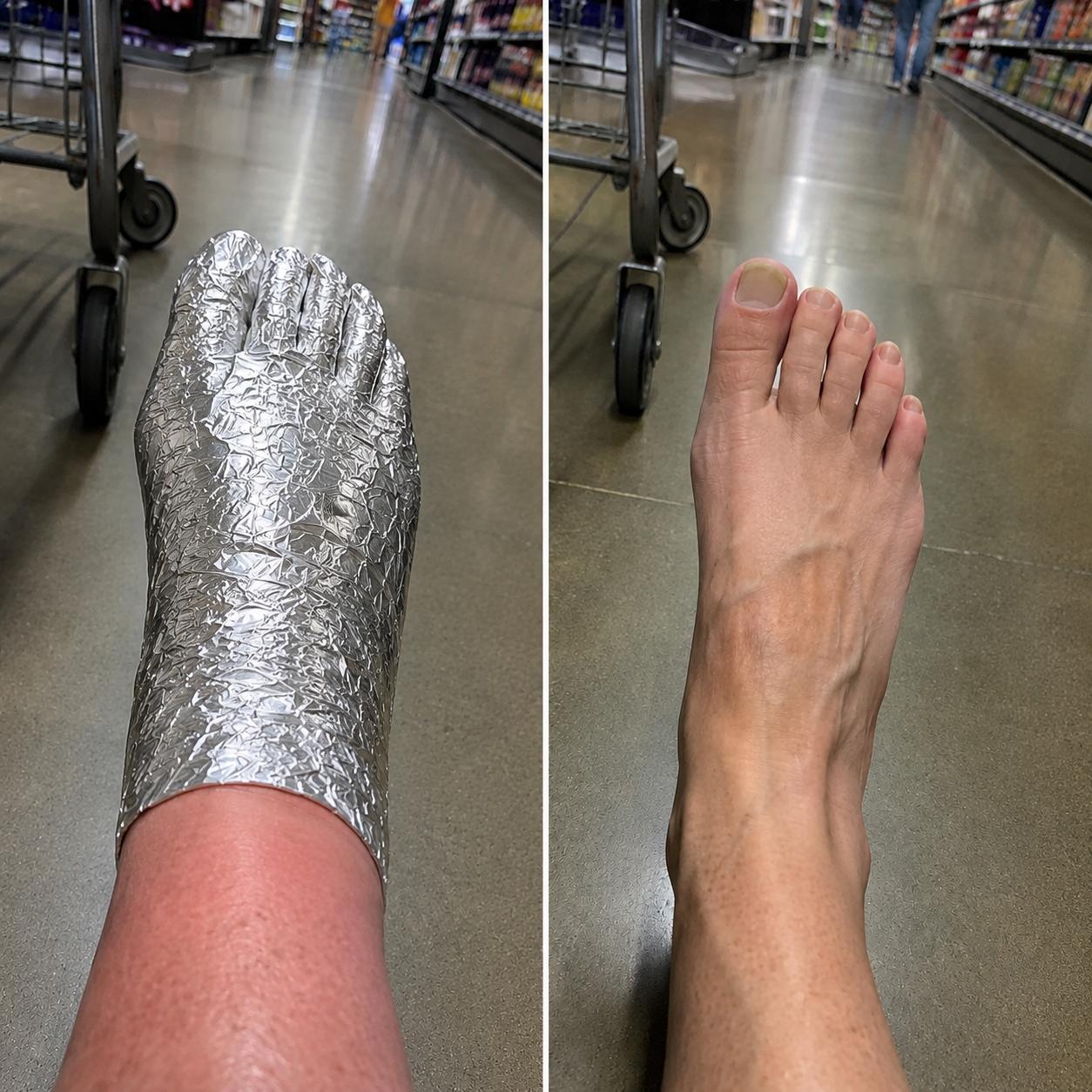
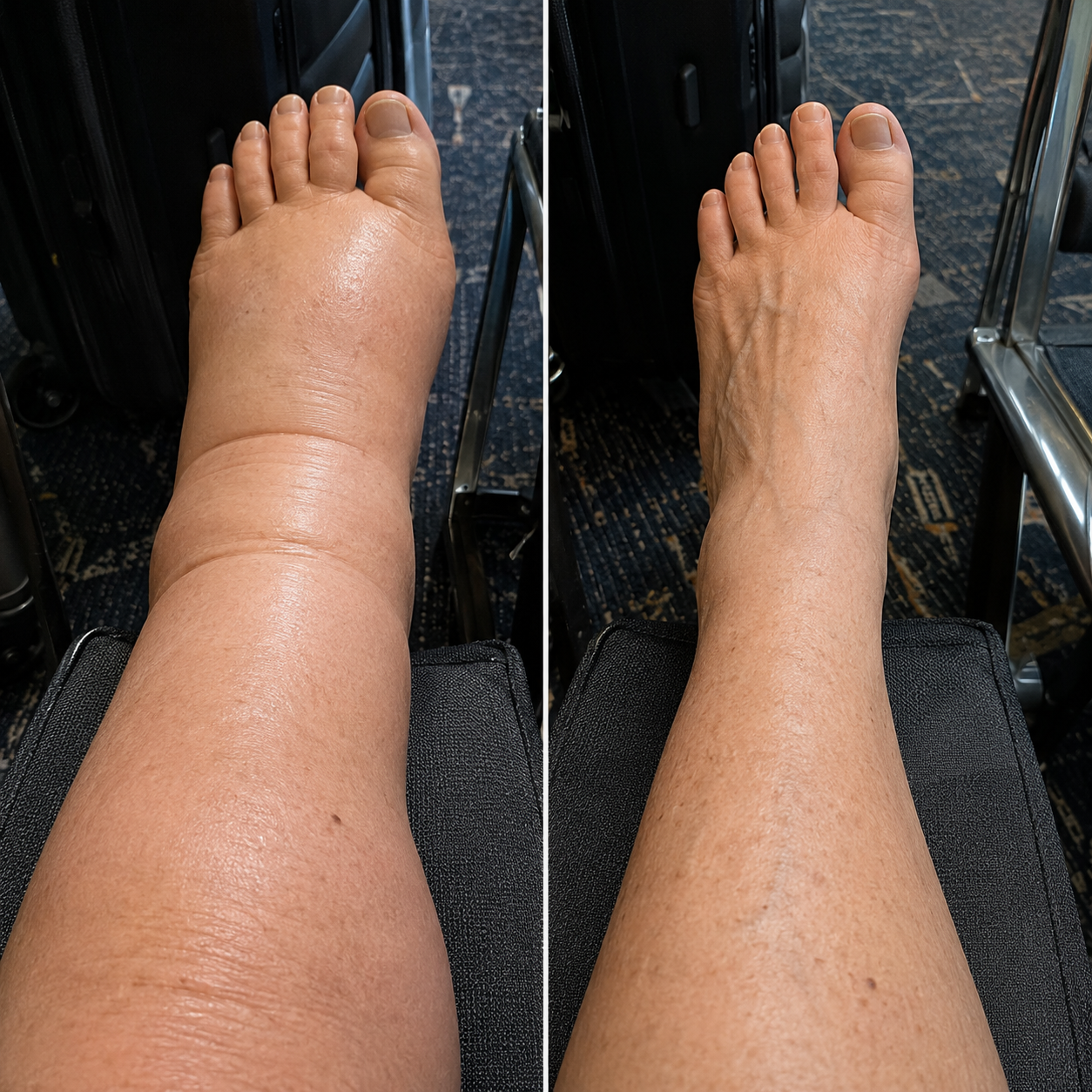
"12 years of edema swelling gone in 2 days?"
After seeing her describe sitting at her daughter's wedding reception... ankles so swollen her shoes had split at the seams... trying to hide her legs under the tablecloth because they looked like they belonged to someone twice her size...
SHOP NOWLike this ad? Make it yours.
Crush rebuilds this exact creative around your product — your brand, your colors, your offer — in about a minute.