Dr. Harrison Sam
Dr. Harrison Sam Facebook ad: “Osaka hospitals has a low BPH diagnosis rate.”
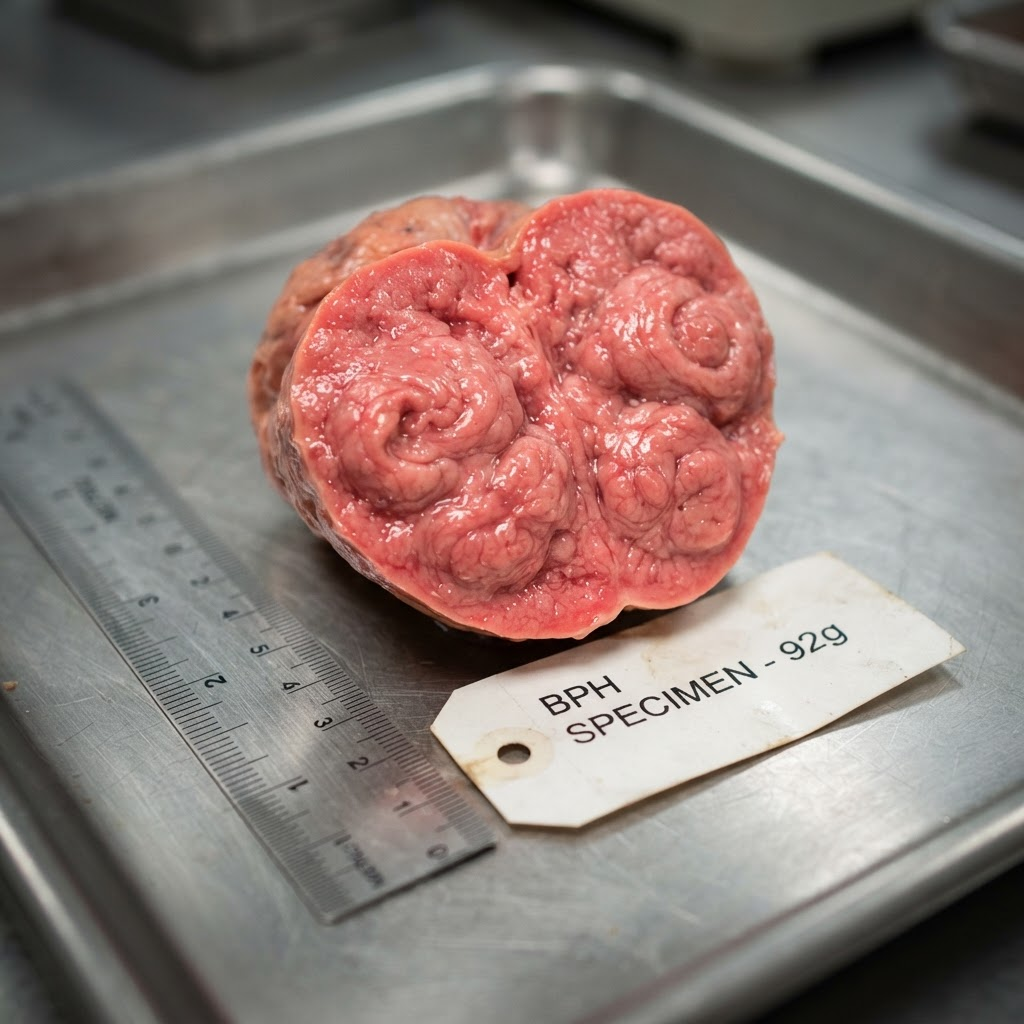
Ran for 1 day, from July 14 to July 15, 2026, the last day Crush saw it.
Run by Dr. Harrison Sam on Facebook. Crush is not the advertiser and does not verify its claims. See this ad in Meta's Ad Library(opens in a new tab)
Want an ad like this for your product?
Crush makes new ad images for your product from this ad: your logo, your product photo, your offer.
Trials from $19.95 USD, then $79.95 USD a month. Cancel anytime.
About this ad
- Meta Ad Library ID
- 1050833347390379
- Platforms
- Facebook, Instagram, Messenger and Threads
- Relaunches
- 2
Ad text
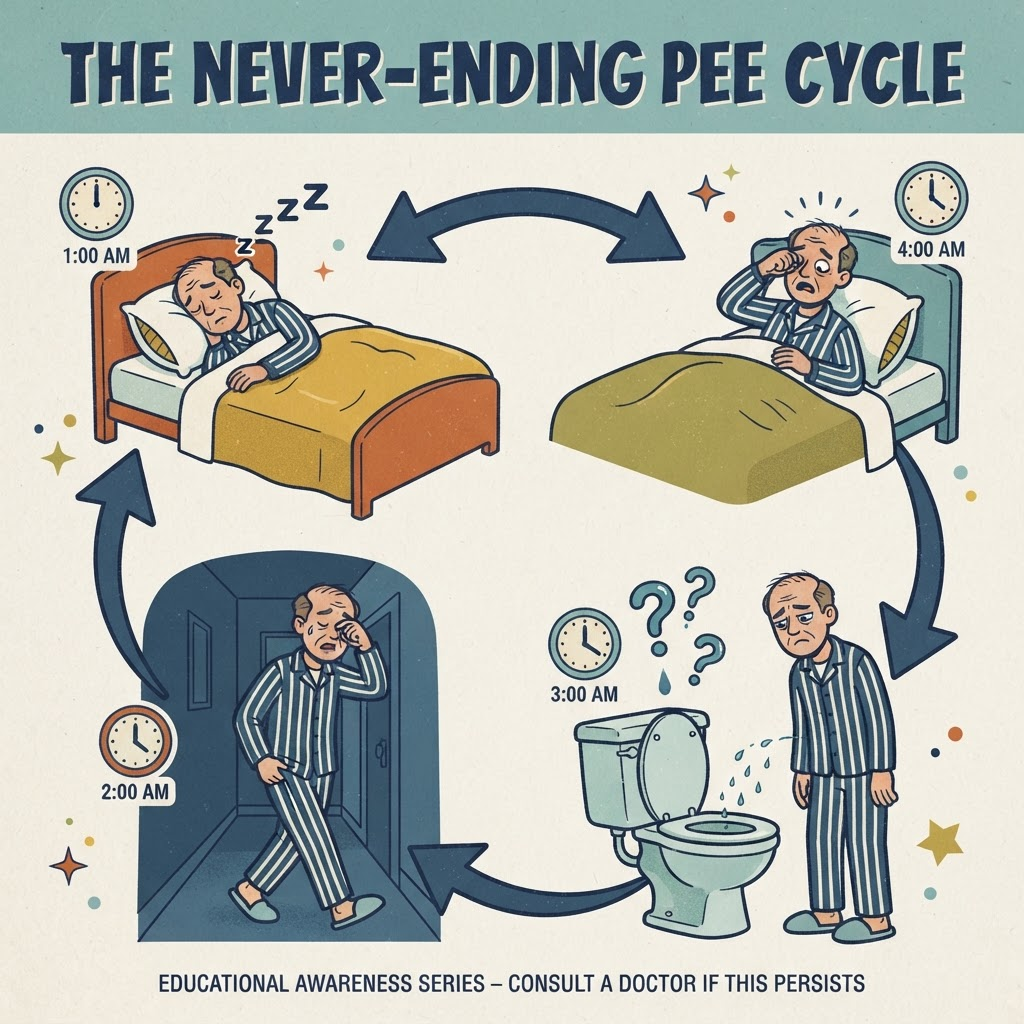
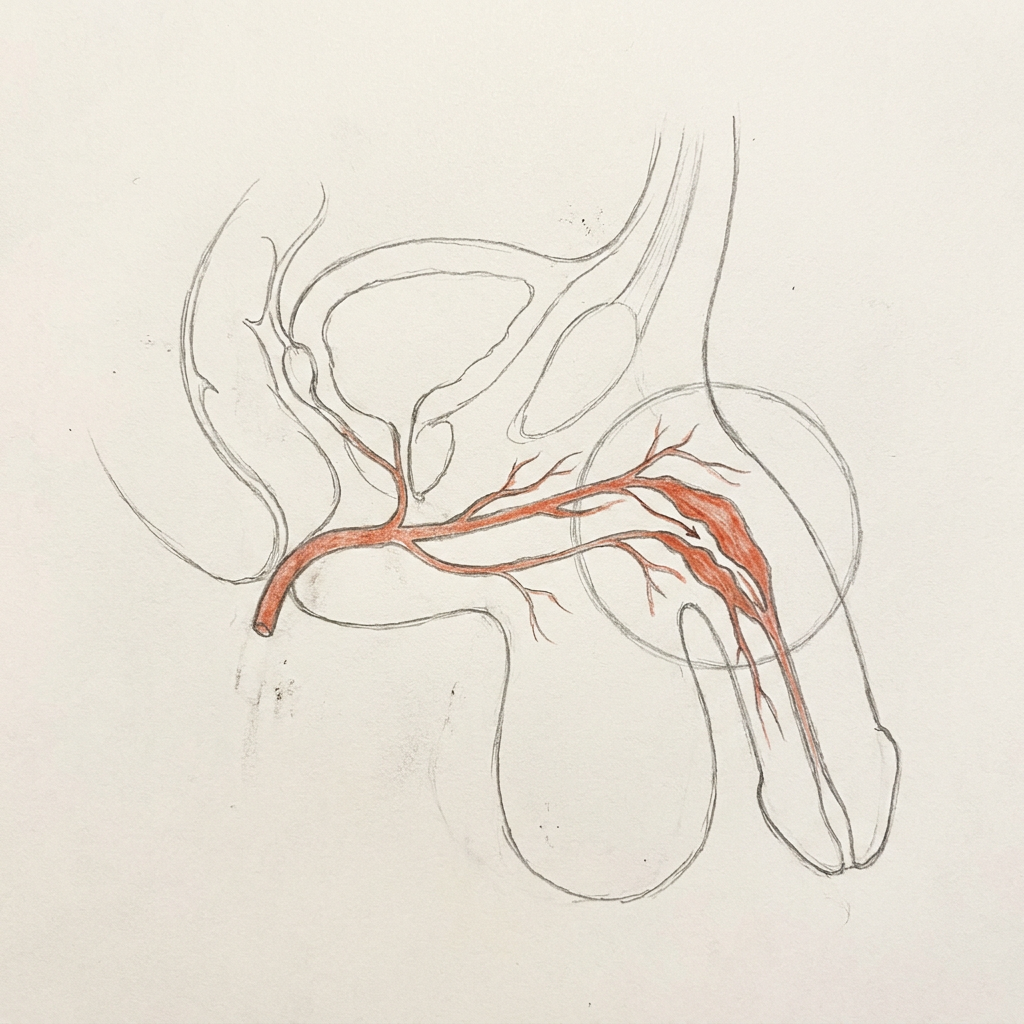
I worked 3 years at a hospital in Osaka. The BPH clinic saw 4 men a week. My urology colleague back in Ohio sees 40. Same age. Same anatomy. I'm an internal medicine doctor. 27 years in practice. I did a fellowship exchange in Japan from 2019 to 2022. The first month there, I asked the head of urology to walk me through his BPH cases. I wanted to compare notes. He looked at me like I'd asked something odd. "We don't see much of it here," he said. I thought he was joking. In the US, benign prostatic hyperplasia is a small industry. Every man I know over 60 has been asked about his stream. Every one. But he wasn't joking. Their whole hospital, a major regional center, saw fewer BPH cases in a month than my old clinic in Cleveland saw in a week. I spent the next two and a half years trying to figure out why. I want to tell you what I found. Because if you're an American man over 55, and you've already been handed a Flomax prescription, you deserve to hear it. Especially if you're starting to feel the trade you signed up for. You know the one I mean. The one where the nights got better but the mornings got dizzy. Where you stand up from the couch and the room takes a second to catch up. Where sex changed and you haven't quite explained it to your wife because you don't fully understand it yourself. Where you're tired by 2 PM in a way that isn't just age. Where you accepted a deal to fix your bladder and slowly noticed the price was your body. I'm going to tell you what I saw in Japan. But first I need to tell you what Flomax actually does. Because most doctors don't. Flomax is an alpha-blocker. It works on the muscle tone of your prostate and bladder neck. It relaxes them. That's why your stream gets better and you stop waking up as much. It does not stop your prostate from growing. Let me say that again slower. The pill in your medicine cabinet does nothing about the actual enlargement of the tissue. It only relaxes the muscle around it so urine can pass more easily. Your prostate keeps getting bigger. That's why the dose stops working for a lot of men after 18 to 24 months. That's why the next conversation with your urologist is often about a procedure. TURP, laser, UroLift. Something with a scalpel or a laser or a metal clip. You are on a treatment escalator. Flomax is the first step. Surgery is the last. I saw the top of that staircase for 22 years in Ohio. Now let me tell you what I saw in Osaka. Japanese men over 60 have prostate volumes on ultrasound that are, on average, significantly smaller than American men the same age. Their nocturia rates, waking up at night to urinate, are lower. Their rates of BPH surgery are a fraction of ours. It isn't genetics. When Japanese men move to Hawaii or California and adopt a Western diet, their BPH rates climb toward American norms within a generation. That's been in the literature since the 1980s. It's something they eat. I want to tell you the specific thing. There's a traditional Japanese food called natto. It's fermented soybeans. Most Westerners find it disgusting. It smells strong and looks worse. But older Japanese men, especially the ones from the Kanto region, eat it for breakfast almost every day. In the 1980s, a Japanese researcher named Dr. Hiroyuki Sumi identified an enzyme inside natto that had a remarkable effect on blood. He called it nattokinase. Here's what it does. Your blood contains a protein called fibrin. It's what forms clots when you cut yourself. It's supposed to be there. But as you age, your fibrin levels drift up. Your blood gets a little thicker. A little sludgier. It moves through your smaller vessels more slowly. Nattokinase breaks down excess fibrin. It thins the blood by clearing that protein, not the fluid. Now here's the part that changed how I think about the prostate. The prostate is a small organ with a very high blood supply requirement per gram of tissue. It needs a lot of oxygen for its size. When your blood is thick and sluggish, the tiny arteries feeding your prostate deliver less oxygen. That low-oxygen state, chronic mild ischemia, is not silent. Your prostate cells sense it. And when they sense it, they release two growth factors called FGF and VEGF. FGF tells prostate cells to multiply. VEGF tells the body to build new blood vessels into the tissue. That is the enlargement. That is BPH. Your prostate is getting bigger because it's slowly suffocating. This is not new science. It's been in the urology literature for over a decade. The hypoxia and growth-factor connection has been demonstrated in tissue studies and imaging studies. But it isn't what your urologist was trained to treat. Your urologist was trained to relax the muscle around the enlargement. Not to fix the enlargement. That is why the drug never solves the problem. That is why the Japanese men in Osaka, whose blood has been kept thin by natto for 50 years, don't need the drug. I brought this observation home in 2022. I presented it at our practice's monthly meeting. My colleagues laughed. One of them, a urologist I've known for 15 years, said, "Come on, Harrison. It's a fermented bean." I let it go. I don't argue with people who've already made up their minds. But I started paying attention to the research. And I started, quietly, taking a nattokinase supplement myself. I'm 61. I'd been waking up twice a night for the past two years. I hadn't told my wife. I want to describe what happened. Because I think it's close to what you'd experience. The first three weeks, almost nothing. A little more energy in the afternoon. That was it. I almost stopped. Week 4, I noticed I was sleeping through most of the night. Getting up once instead of twice. Week 6, my stream was measurably stronger. I was fully emptying. Week 10, I ran a repeat set of labs on myself. My fibrinogen had dropped. My d-dimer was in a healthier range. My blood pressure was down 8 points on both numbers. Week 14, my wife told me I looked younger. She didn't say why. I knew why. Now let me tell you what I use. Because this is the part I want to be careful with. Most nattokinase supplements sold in the US are underpowered or unstandardized. Fibrinolytic enzymes are measured in fibrin units, or FU. A lot of the products on Amazon have 2000 FU or don't list a unit at all. Some of them have degraded enzyme by the time you swallow them, because they're in dry capsules that don't protect against stomach acid. The one I use is called Vesterial Nattokinase Complex. It's 4000 FU, which is at the higher end of the doses used in the research I read. It's suspended in MCT oil, which protects the enzyme through the stomach so more of it actually reaches the bloodstream intact. It also has a small amount of CoQ10, which supports the cells lining your blood vessels, plus turmeric and ginger extracts for the low-grade inflammation that comes with poor circulation. Two softgels a day. That's it. I want to say something to a few different men reading this. If you're on Flomax right now and it's still working, please don't stop it without talking to your doctor. That isn't how this works. What I'd suggest is starting to address the underlying cause while you're still on the drug. Give it 12 weeks. Watch what happens to your morning stream, your afternoon energy, your dizziness. Then have the conversation with your urologist about whether you still need the same dose. If Flomax has already stopped working well and your urologist is talking about a procedure, I'd ask him for 90 days before you schedule anything. Surgery is not reversible. This is. If you've been told the side effects are just what happens, they're not. They're what happens when you use a muscle relaxant to treat a tissue growth problem. Fix the growth, and you don't need the muscle relaxant. If you're one of the men who's been quietly not telling his wife what changed in bed, I understand. I did the same thing. I'll just say this. The change is not permanent. It comes back when you address the actual cause and your body has room to recover. If you're not on any of this yet, but you're waking up at night and reading this because you're worried, this is the window. The prostate is a slow-growing organ. Whatever's in there today is easier to reverse than what will be there in three years. I want to close with a quick word about the guarantee. Vesterial offers 60 days money back. No questions. I mention it because most of what men my age try comes with no promise attached. If you take it for two months and nothing changes, you send it back. There is no version of this where you lose money. That is not the same as saying it works for every man. It won't. Nothing does. But the mechanism is real and the trial costs you nothing. I'm sharing the link I use because a few men who read my last post asked for it. Here it is. https://vesterial.com/products/nattokinase-complex I'm not paid to say any of this. I'm a physician who watched an entire population age without the same prostate problem we treat as inevitable. I wanted to find out why. I found out. And I use what I found. That's it. If it was useful to you, pass it to a friend. There are a lot of men in our age bracket walking around dizzy, tired, quietly humiliated, thinking that's just what 60 looks like now. It isn't. PS. If you want the honest timeline again. Week 1 to 3, not much. Week 4 to 6, nights start to change. Week 8 to 12, energy and stream. Week 12 to 16, if you want to see it on paper, ask your doctor for a fibrinogen and d-dimer. You will see the numbers move. And if none of that happens, you send the bottle back. You are not stuck with this. You never were.
Where the ad sends people
vesterial.com
Osaka hospitals has a low BPH diagnosis rate.
Learn more: vesterial.com(opens in a new tab)