Thomas Hudson
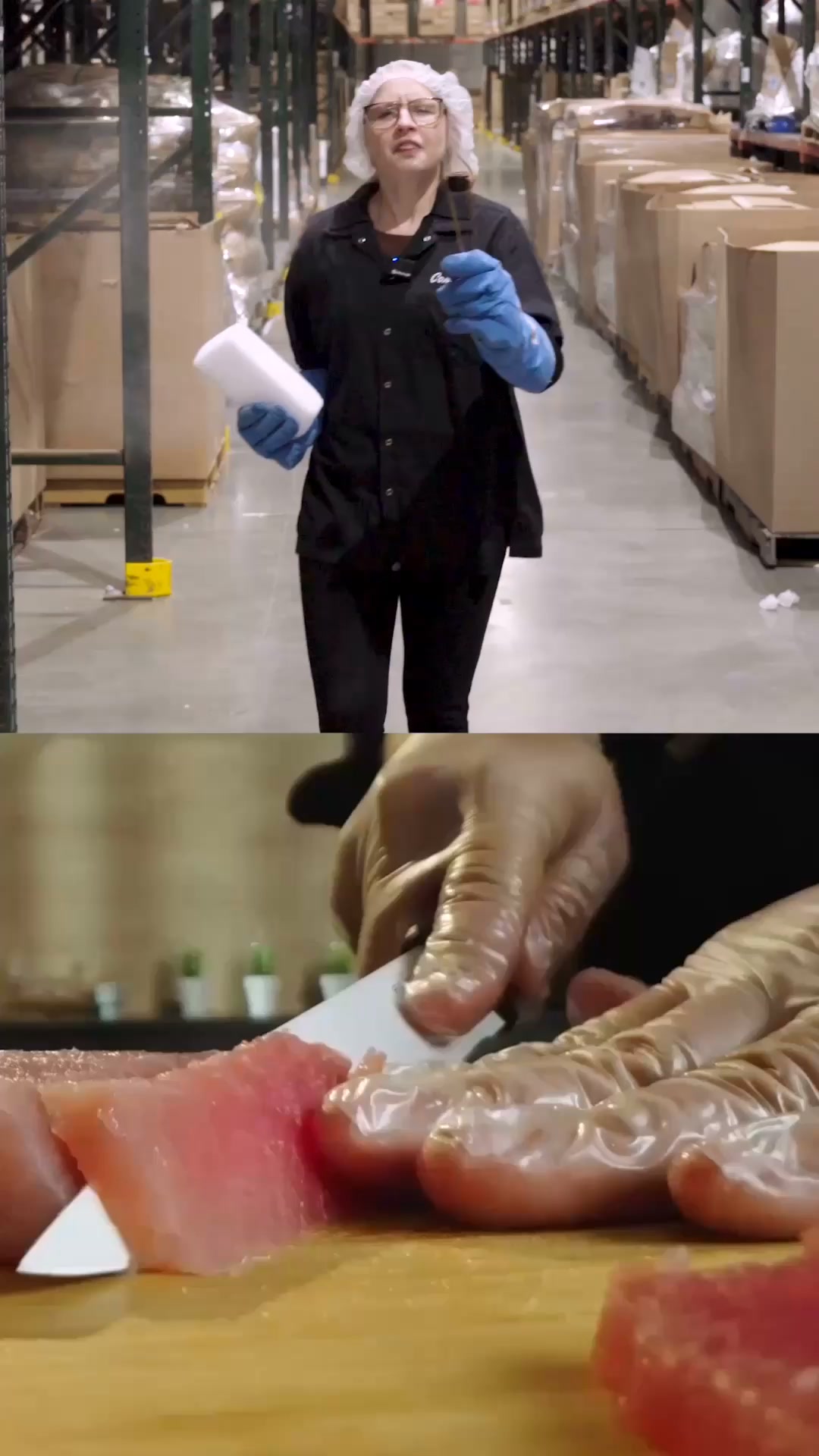
Thomas Hudson Facebook ad: “A Leather Bladder. That's bad.”
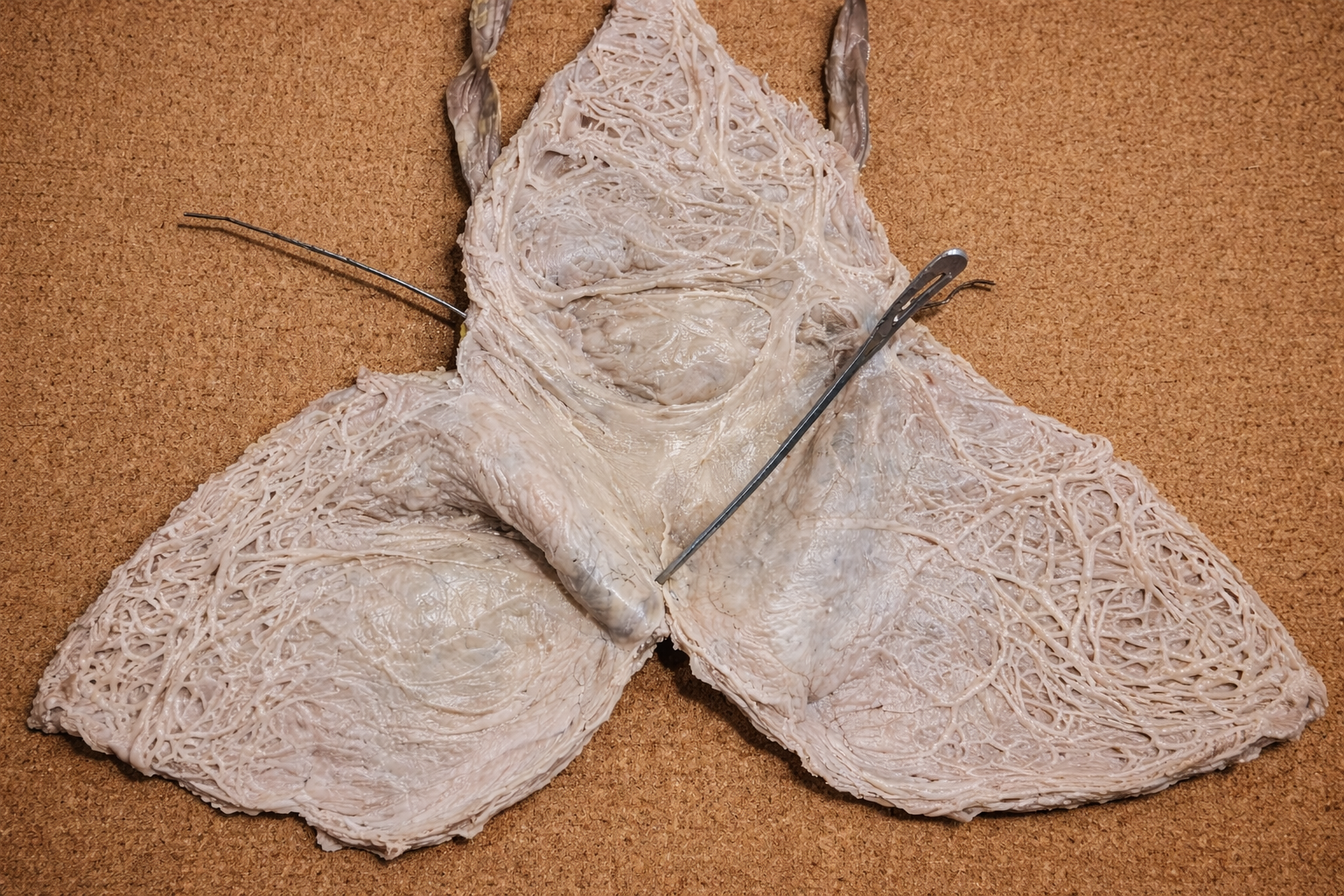
Ran for 14 days, from February 5 to February 19, 2026, the last day Crush saw it.
Run by Thomas Hudson on Facebook. Crush is not the advertiser and does not verify its claims. See this ad in Meta's Ad Library(opens in a new tab)
Want an ad like this for your product?
Crush makes new ad images for your product from this ad: your logo, your product photo, your offer.
Trials from $19.95 USD, then $79.95 USD a month. Cancel anytime.
About this ad
- Meta Ad Library ID
- 1051020787241022
- Platforms
- Facebook, Instagram, Audience Network, Messenger and Threads
- Relaunches
- 2
- Niche
- Food & Beverage
Ad text
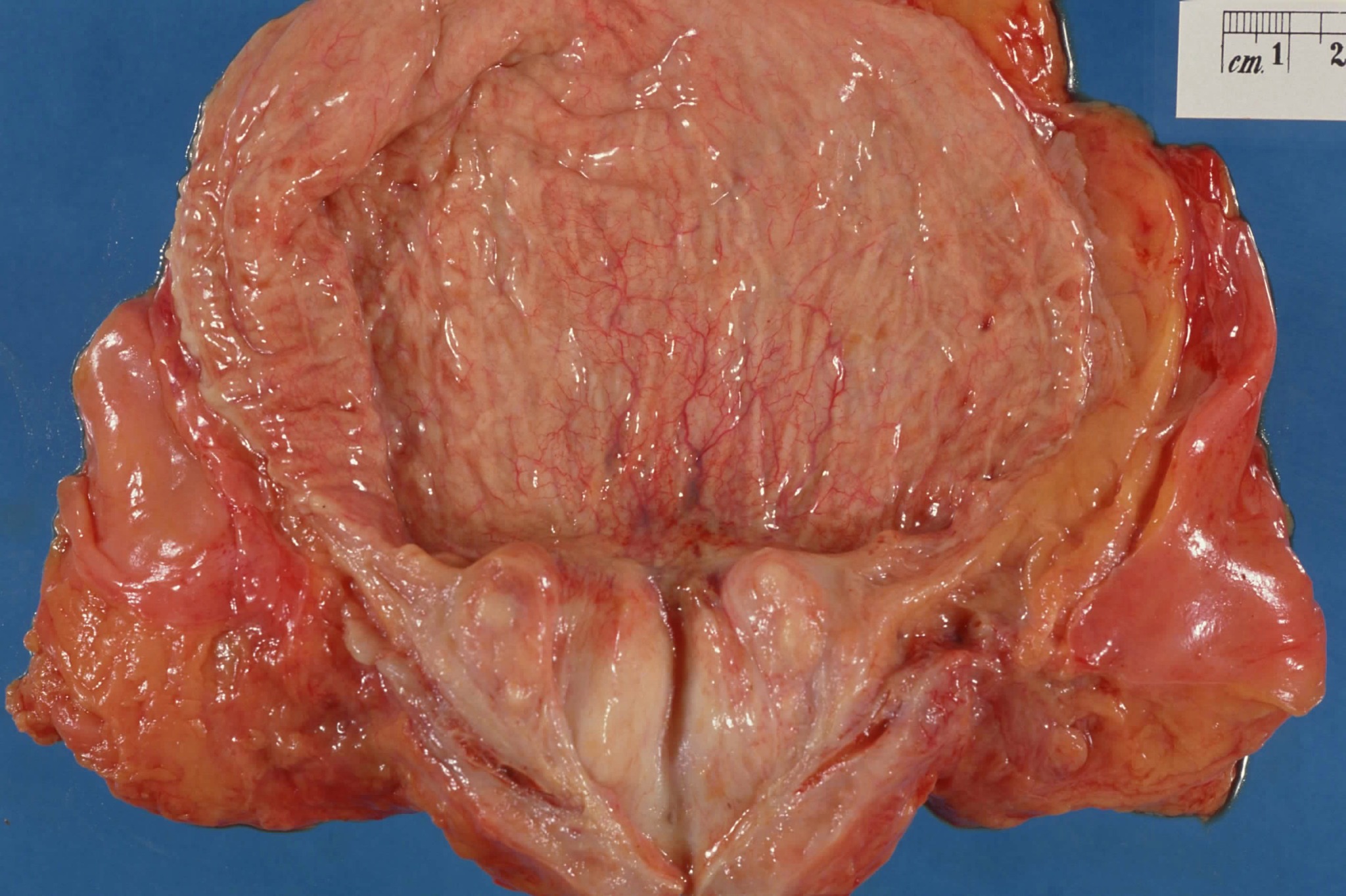
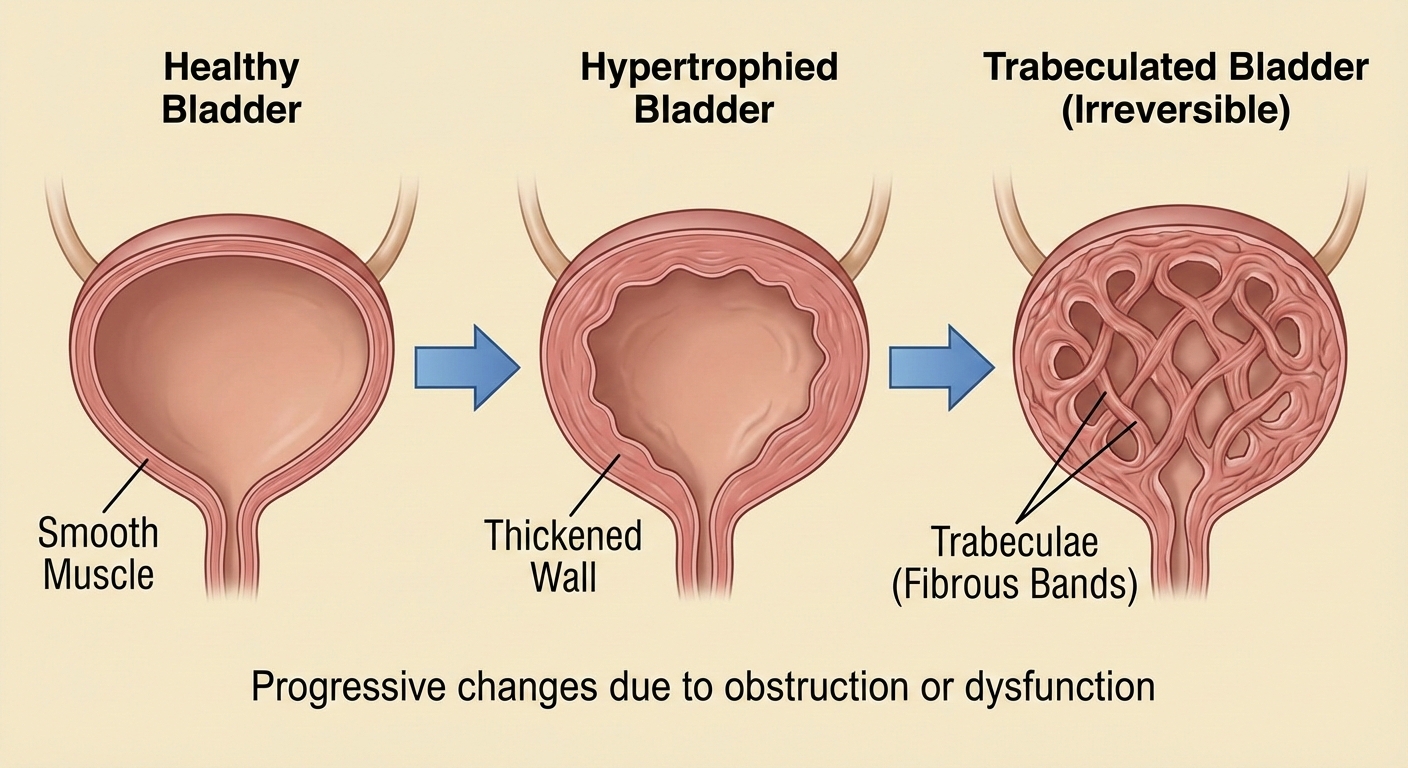
I refused Flomax. My urologist said I'd regret it. Here's what happened instead. Dr. Johnson looked at me like I was making the biggest mistake of my life. "You're being foolish," he said. "The prostate is enlarged. BPH is clear on the ultrasound. The longer you wait, the more damage you're risking to your bladder." He pointed at the screen. The thickened prostate. The narrowed channel. The backup of urine. "Flomax is the standard of care," he said. "We relax the muscle around the prostate, improve the flow. Most men feel better within a week." I'd heard the pitch before. I'd also read the forums. Retrograde ejaculation. "Shooting blanks." Dry orgasms. "It ruined my sex life." "I'd rather wake up at night." "My wife noticed immediately." Forty percent of men on tamsulosin experience some form of sexual dysfunction. That's not a fringe statistic. That's from the medical literature. I looked at him. "What are my other options?" He shrugged. "Lifestyle changes. Fluid restriction. Double voiding. But you've already tried those. At some point, you have to accept that medication is the answer. Or we talk about surgery." I didn't accept it. I walked out of that office and made a decision. I would try everything. Every damn thing. Before I let someone prescribe me a drug that would paralyze my bladder neck and turn my orgasms into a humiliating magic trick. Dr. Johnson said I'd regret it. I was determined to prove him wrong. I threw myself into conservative management. Fluid restriction. No water after 6 PM. I'd go to bed with my mouth dry, my throat scratchy. Still woke up at 2 AM. Still had to pee. Dehydrated and exhausted. Double voiding. I'd stand there at the toilet for ten minutes before bed, trying to squeeze every last drop out. Went back five minutes later. Did it again. Still woke up at 3 AM with an urgent need that felt like my bladder was bursting. The forums swore by certain supplements. Saw palmetto from CVS. $19.99 for a bottle. Took it religiously for four months. Nothing changed. Still woke up three, four, five times a night. Still had that burning urgency every time I stood up. I tried pumpkin seed oil capsules from Whole Foods. Beta-sitosterol powder from Amazon. Zinc. Pygeum. Lycopene. Every "prostate support" formula I could find. Nothing lasted. Meanwhile, Dr. Johnson's nurse kept calling. "Have you reconsidered the Flomax? We can write the prescription today. The longer you wait..." I ignored them. But privately, the doubt crept in at 3 AM. That's the hour. The one where you can't fall back asleep. Where you lie there staring at the ceiling, listening to your wife breathe, knowing you've disrupted her sleep again. Knowing you have a meeting at 9 AM and you're going to be a zombie. What if he was right? What if I was just delaying the inevitable? What if I'd end up taking Flomax anyway, just with more damage done? I wasn't ready to give up. But I was running out of options. Eleven months. Hundreds of dollars on supplements that didn't work. Dozens of sleepless nights. Nothing that gave me more than a few hours of relief. Dr. Johnson's words echoed in my head at 3 AM. "You'll regret it." Maybe he was right. Maybe refusing medication was the mistake. But something in me wouldn't accept it. The body can heal itself. I'd seen it happen. I just couldn't figure out what was missing. That was two weeks before my follow-up appointment with Dr. Johnson. I expected the usual. Another lecture about Flomax. Another warning about "irreversible damage." Another referral to a surgeon for TURP. But this time, he closed my file and looked at me directly. "I need to show you something," he said. He pulled up an ultrasound image on his screen. My bladder. But this time, he zoomed in on the wall. "See this?" He pointed at the thickened, ridged texture. "This is trabeculation. Your bladder wall has been thickening. Getting stiffer. Like scar tissue forming between the muscle fibers." I stared at the screen. I'd never seen this explained before. "This is what I was worried about," he said. "And why I pushed you on Flomax. It's not just about the prostate. It's about what happens to the bladder while you wait." He explained something nobody had ever told me. Something that changed everything. When your prostate blocks the flow, your bladder has to push harder. Like any muscle lifting heavy weights, it gets bigger and thicker. But in the bladder, this causes collagen deposits to form between the muscle fibers. The medical term is trabeculation. "Think of it like leather," Dr. Johnson said. "Your bladder starts out like a balloon—soft, elastic, able to stretch and hold. But as trabeculation sets in, it becomes stiff. Thick. Like a leather bag." He leaned forward. "And here's the critical part most urologists don't emphasize enough: trabeculation is often irreversible." I felt something cold settle in my stomach. "Even if we fix the prostate later—with surgery or medication—the bladder damage can be permanent. The muscle becomes so thick and rigid it can't hold urine properly anymore. You end up with urgency, frequency, and in severe cases, complete bladder failure requiring catheterization." "You're saying... the waiting is causing permanent damage?" "Yes. Every night you wake up to push urine through a blocked channel, you're remodeling your bladder into a non-functional organ. The window to preserve your bladder elasticity is closing." I'd been so focused on avoiding the side effects of Flomax. I hadn't realized I was trading one problem for an irreversible one. "So what do I do?" He paused. "I still think Flomax is the fastest option. But I understand your concerns about the side effects. There's one other thing I've been recommending to patients who want to avoid pharmaceuticals." I braced myself for another supplement pitch. "I need to explain something first," he said. "Something most urologists don't talk about because we're trained to think in terms of drugs and surgery." He pulled up another image. A cross-section of prostate tissue. "Your prostate grows because of an enzyme called 5-alpha-reductase. It converts testosterone into DHT—dihydrotestosterone. DHT is what drives the cellular proliferation. The tissue swells, the channel narrows, the bladder struggles." He looked at me. "Flomax doesn't shrink the prostate. It just paralyzes the muscle around it. That's why you get retrograde ejaculation. The muscle that should close during orgasm stays floppy." Finally. Someone explaining the mechanism instead of just prescribing. "But there's a natural way to actually reduce the DHT production and shrink the gland without paralyzing the bladder neck." He reached into his desk and pulled out a pack. "I've been recommending this to patients who want to avoid Flomax," he said. "It's from MeridEase Labs. It's a combination of pumpkin seed oil and saw palmetto. But it's not like the garbage from CVS." He told me about five patients he'd recommended it to. Four had avoided Flomax entirely. The fifth had used it alongside a reduced dose and avoided the sexual side effects. "One came back last month with a follow-up ultrasound," he said. "The trabeculation had stopped progressing. The prostate had measurably reduced in size. I was honestly surprised at the imaging." I wrote down the name. "You refused Flomax because you didn't want the side effects," Dr. Johnson said. "Give this ninety days. Then we'll scan again and see who was right." I was skeptical. I'd tried saw palmetto before. From CVS. It didn't do anything. But Dr. Johnson's explanation stuck with me. Bladder trabeculation. Irreversible. A leather bag forming in real-time while I slept. So I started researching. And that's when everything finally made sense. The saw palmetto I'd tried before wasn't real saw palmetto. It was whole berry powder. Ground-up dried berries with maybe 10-12% fatty acid content. The active compounds—the ones that actually inhibit 5-alpha-reductase—were barely present. Clinical studies use something completely different: supercritical CO2 lipidosterolic extract. It concentrates the fatty acids and beta-sitosterol to 80-85%. That's seven times more potent than what I'd been taking. This is why the drugstore stuff never worked. It was like taking a homeopathic dose and expecting pharmaceutical results. And pumpkin seed oil wasn't just "another ingredient." It worked through two completely different pathways. First, it contains delta-7-sterols—spinasterol and avenasterol. These compounds also inhibit 5-alpha-reductase, but through a different binding mechanism than saw palmetto. Double blockade of DHT production. Second—and this was the part Dr. Johnson emphasized—pumpkin seed oil has an anabolic effect on pelvic floor muscles. Including the bladder sphincter. The water-soluble fractions bind to androgen receptors in the muscle tissue, providing a strengthening signal. Thickening the sphincter seal without thickening the bladder wall. This wasn't just about reducing prostate size. This was about protecting the bladder from trabeculation while the prostate shrank. The third mechanism was nitric oxide. Pumpkin seed oil is rich in arginine, the precursor to nitric oxide. NO relaxes smooth muscle in the bladder neck, reducing that panicked urgency I felt every time I stood up. I'd been taking weak powder from CVS and wondering why nothing worked. No wonder. This formula was engineered specifically for the mechanism. High-potency CO2 extract. Dual 5-AR inhibition. Bladder protection. Sphincter support. I ordered it that night. First week: subtle. The 3 AM urgency wasn't quite as violent. I still woke up, but I didn't feel like I was about to burst. I could lie there for a few minutes before getting up. By week two, I noticed I wasn't waking up at 1 AM anymore. Just 3 AM and 5 AM. Two trips instead of four. I didn't trust it. I'd felt "better" before. Many times. Then it would all come back. By week three, I slept from 11 PM to 4 AM without waking. Five straight hours. I couldn't remember the last time that happened. Week four, I realized I wasn't planning my day around bathroom locations anymore. I wasn't mapping gas stations on road trips. I wasn't scanning for restrooms the moment I walked into a building. Week six, I slept through the night. Completely. 11 PM to 6 AM. My wife noticed before I said anything. "You haven't been getting up," she said one morning. "Are you okay?" I was better than okay. It's been four months now. I sleep through the night. I wake up rested. I don't have that zombie exhaustion where every decision feels impossible. The "latchkey urgency"—that panicked need to pee the moment I put my key in the front door—is gone. I can drive past my exit without worrying I won't make it home. No Flomax. No surgery. No dry orgasms. Last month, I went back to Dr. Johnson for a follow-up ultrasound. He pulled up the images. Compared them to the ones from five months ago. "The trabeculation has stopped progressing," he said. "The bladder wall thickness is stable. And your prostate has reduced measurably." He looked at me. "Whatever you're doing, it's working." I smiled. A few weeks later, I ran into my former boss at a coffee shop. He'd been pushing Flomax on me for a year, told me I was being stubborn for refusing it. He recognized me. Asked how the prostate was doing. "Great," I said. "Never went on Flomax." He looked surprised. "And you're not waking up anymore?" "Haven't woken up to pee in three months." He didn't say anything. Just nodded slowly. I walked away smiling. Dr. Johnson said I'd regret refusing Flomax. I don't. If any of this sounds familiar... The urologist pushing Flomax. The ultrasound that looks like a verdict. The forty percent sexual dysfunction rate you can't stop thinking about. The forums full of men describing their dry orgasms like a joke that isn't funny. The fluid restriction that doesn't work past 2 AM. The double voiding ritual that makes you feel ridiculous. The CVS saw palmetto that did absolutely nothing. The Amazon supplements with five-star reviews that might as well be sugar pills. The voice in your head at 3 AM asking: What if refusing medication is the mistake? You're not crazy. You're not being stubborn. You're not in denial. You're right to be skeptical of drugs that paralyze your bladder neck. You're right to want another way. And now you know there is one. Your bladder has been turning to leather. Every night you wake up, you're pushing harder against a closed door, thickening the muscle, depositing collagen, losing elasticity. That's not just "annoying." That's irreversible remodeling. The drugstore saw palmetto failed you because it was sawdust. Whole berry powder with 10% active compounds. You weren't taking enough to move the needle. That's not a failure of the herb. That's a failure of extraction. The body can heal itself. But only if you give it the specific compounds it needs in the concentrations that actually work. MeridEase Labs delivers high-potency CO2 extract saw palmetto and pumpkin seed oil. In ratios calibrated for DHT inhibition, bladder protection, and sphincter support. At home. No urologist. No prescriptions that fog your brain. No pills that ruin your sex life. They offer a 60-day money-back guarantee. Two full months to test it yourself. Because real prostate shrinkage and bladder protection take time. You're reversing what took years to develop. They know it works, so they give you the time to prove it to yourself. Track it yourself. The way you already track everything. Are you waking up less? Is the 3 AM urgency quieter? Can you sleep past 4 AM without that panicked need? Does the latchkey feeling finally calm down? You'll feel the first shifts within the first two weeks. You'll know within the first two months. If you are interested, they are offering up to 55% off: https://merideaselabs.com/pages/l1. I highly recommend their product. You've refused to accept Flomax as your only option. You were right to refuse. Now prove them wrong.
Where the ad sends people
merideaselabs.com
A Leather Bladder... That's bad.
Unlock the Secret to Nature's Secrets with Pumpkin Seed Oil And Saw Palmetto
Learn more: merideaselabs.com(opens in a new tab)