Top Tips for Better Living - Group
Top Tips for Better Living - Group Facebook ad: “Natural Improvement, Fast”
Ran for 34 days, from August 21 to September 23, 2026, the last day Crush saw it.
Run by Top Tips for Better Living - Group on Facebook. Crush is not the advertiser and does not verify its claims. See this ad in Meta's Ad Library(opens in a new tab)
Want an ad like this for your product?
Crush makes new ad images for your product from this ad: your logo, your product photo, your offer.
Trials from $19.95 USD, then $79.95 USD a month. Cancel anytime.
About this ad
- Meta Ad Library ID
- 1054033187444527
- Platforms
- Facebook, Instagram, Audience Network, Messenger and Threads
- Relaunches
- 0
Ad text
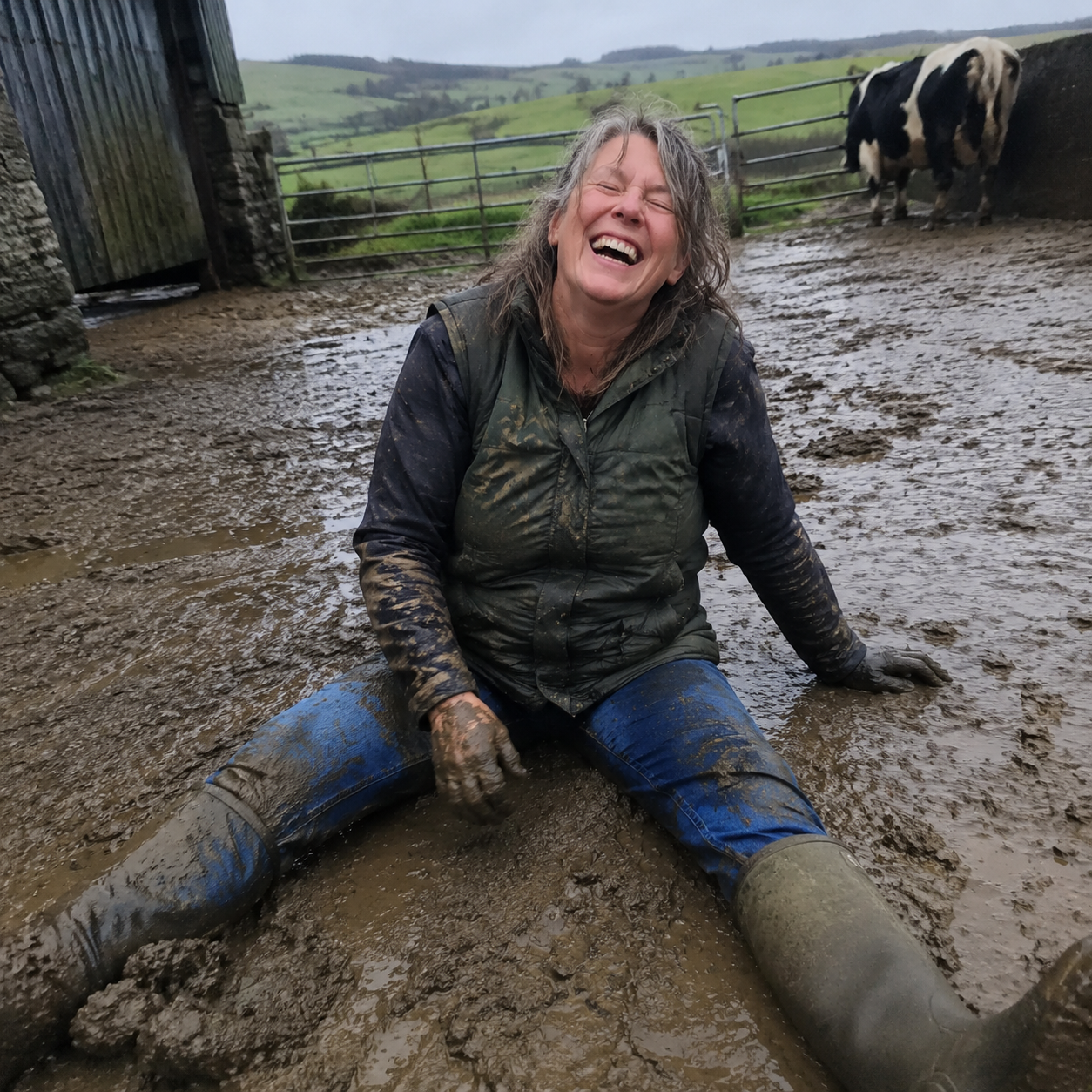
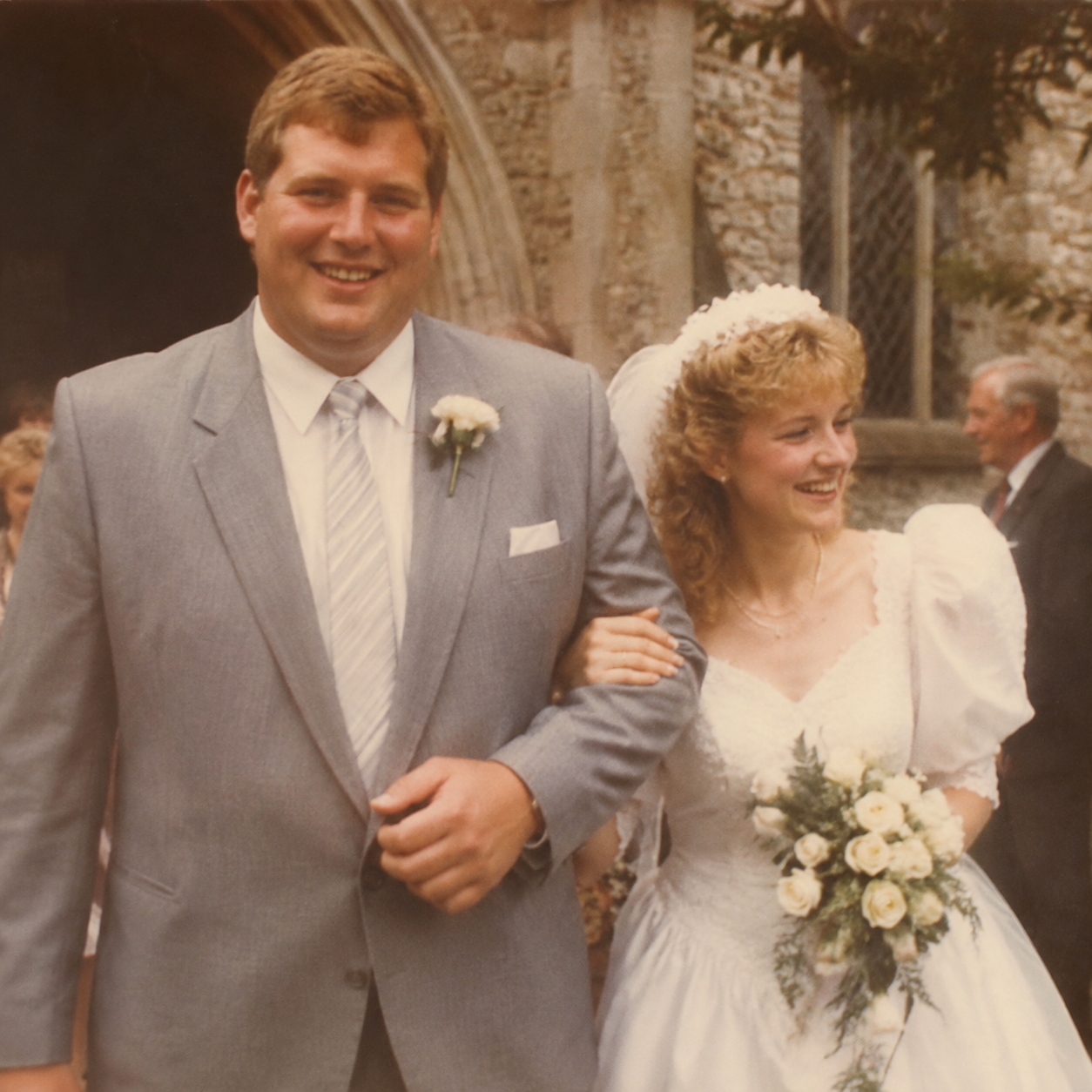
My sister married a sheep farmer from the Scottish Highlands. At the reception, her husband's 82-year-old grandfather stood during the toasts and looked at my family's side of the table – and said something none of us has forgiven him for. My sister Claire married Callum MacLeod on September 23rd in a stone church outside Fort William. But you won't understand the wedding if you don't understand what led up to it. Claire is a neuropsychologist. Was a neuropsychologist. Royal College certified, top of her class, the kind of doctor other doctors sent their parents to. She'd spent four years of medical school and six years of postdoctoral research learning how memory works. She was supposed to take a senior position at Edinburgh's Centre. That was the plan. That had always been the plan. The plan changed because of a research project. Claire was studying cognitive preservation in rural Scottish populations. The data had always puzzled researchers – Rural farming families show significantly lower rates of memory decline despite no regular GP visits and no medications. Claire wanted to understand why. Her department approved a field study. She needed to spend time in the Scottish Highlands interviewing families, collecting health histories, observing lifestyle patterns. A colleague connected her with the MacLeod family. She came home from her first visit talking about cognitive markers and neural networks and a man named Callum who had walked her through three generations of family health history from memory. No charts. No electronic records. Just a man who knew that his grandfather's father lived to 91 and died in his sleep and his grandmother's mother lived to 88 and was reciting Robert Burns from memory the week before she passed. None of us thought anything of it. My sister has always been passionate about whatever she's studying. She once explained brain wave patterns for forty-five minutes at Sunday lunch until our father fell asleep with his fork still in his hand. The second visit she mentioned Callum again. The third visit she didn't mention him at all, which is when I knew. By Christmas she told the family she was seeing him. By Easter she told us it was serious. By July she told us he'd asked her to marry him and she'd said yes. My father David sat at the kitchen table and said nothing for a very long time. Then he said: "She went to university for ten years." That was his way of saying everything he couldn't say. That his daughter – who was Royal College certified in neuropsychology, who had £85,000 in student loans, who had a job offer from one of the top research centres in Scotland – was going to live on a sheep farm in the Highlands with no phone signal. No shops. No next-day delivery. Was going to wear overalls and drive a tractor and learn to farm. Was going to leave behind everything she'd trained for. My aunt Margaret is a Nurse. She rang my mother the night the family was told and said: "Jennifer, this is temporary insanity. She'll come back." My uncle Andrew, who is a dentist, said: "She's throwing away a career most people would kill for." My grandmother said: "At least he's not unemployed." Which was her way of trying to be supportive. Nobody in my family understood it. I didn't understand it either. But I watched Claire's face when she talked about Callum and I saw something I recognised – the same look my mother says she had when she met my father at 21 years old and knew before she had any right to know. You can't argue with that look. We tried. It didn't work. My parents met the MacLeods in August, and I drove up with them. David and Mum were in the front, and Dad was tense the whole drive. Kept adjusting the mirrors and changing the radio station, which is what he does when he's anxious and doesn't want to admit it. The farm was breathtaking. I'll say that first because everything else I'm about to tell you might make it sound like I didn't notice, but I noticed. Eighty acres of green hills. A barn that looked like it had been standing for a hundred and fifty years and would stand for a hundred and fifty more. Sheep dotting the hillsides like clouds. Washing on a line – flannel shirts, work trousers, a wool blanket that caught the wind and billowed like a flag. Callum met us in the yard. He was tall. Broad shoulders. Clean-shaven. He shook Dad's hand and I watched my father smile, start to say something, then pause. Just half a second. The word wasn't there. He recovered with "Good to meet you" instead of whatever he'd meant to say. I saw it. Callum didn't. Callum introduced us to his parents – his father Hamish, 58, and his mother Fiona, 55. Hamish was built like the barn behind him. Square. Solid. He'd been working since before dawn and he looked like he could work until midnight. Fiona was small, warm, direct. She took my mother's hand in both of hers and said: "Your daughter is a blessing. We love her already." Then Angus came out of the barn. Callum's grandfather. Eighty-two years old. He walked toward us across the yard carrying a toolbox in one hand. He'd been fixing something in the barn. At 82, at 9 AM on a Saturday, he was still working. He shook Dad's hand and introduced himself without hesitation. "Angus MacLeod. You raised a fine daughter." His voice was steady. No searching for words. No hesitation. He looked at you when he spoke, held eye contact, and said exactly what he meant to say. Everything about him was clear in a way that made you notice it because you weren't used to seeing it in a man his age. We sat in the kitchen. Fiona served lamb stew. She mentioned the liver was from their own sheep, said they had it twice a week. We talked for three hours. I learned that Hamish had been farming this land since he was 13. That Angus could tell you every detail of the last fifty years without pausing to think. "That section there," he said, pointing through the window at the stone wall, "I laid in '63. Worst winter we'd had in twenty years. Snow didn't clear until April. I remember because I couldn't get the cement to set properly in the cold." "The north wall, that was '71. Year we lost half the flock to disease. I remember pricing out the stone and thinking we couldn't afford it, but we did it anyway." "The gate section, that was '85. Our grandson was born that summer. I finished it the week Fiona brought him home. The 14th of July. It was a Saturday." I looked at my dad. He wasn't smiling anymore. He was watching Angus the way you watch someone doing something you used to be able to do. The same thing I'd been noticing in him, but obvious now. Because he was sitting across from living proof of what he'd lost. We left in the late afternoon. On the drive home Dad was quiet. Then he said: "That old man's mind is sharper than mine." I didn't know what to say to that. Because it was true. The wedding was in September. Two months of planning that felt like two years. The church had been standing since 1847. Stone walls. Wooden pews. Claire wore a simple cream dress with Fiona's mother's brooch. Callum stood across from her in a kilt. They exchanged vows. I cried. Not because I was sad. Because my sister had chosen a life I didn't understand and I could see she was exactly where she was supposed to be. The reception was at the farm. Long tables in the barn. Home cooked food from the farm – roast lamb, tatties, neeps, cranachan, whisky. Just people eating and talking, laughing and drinking in a barn that smelled like hay and wood. The speeches came after the meal. People stood up when they felt moved to speak. Hamish spoke first. Then Fiona. Then my aunt Margaret, who kept it short and polite and didn't say any of the things I knew she was thinking. Then my dad stood up. My father is not a public speaker. But he stood at that table and he tried to give a speech about Claire. About the day she was born. About – and then he stopped. Mid-sentence. The word wasn't there. He stood there for three seconds that felt like thirty. "Teaching her to swim," my mother whispered. "Teaching her to swim," he continued, "and watching her..." Another pause. He'd lost the thread. I could see him searching for it. His eyes had that look, embarrassed, lost. "...and knowing she was going to make us proud." He sat down. People clapped. But I knew. That wasn't the speech he'd planned. That wasn't even half of it. He'd lost it somewhere between standing up and getting the words out. Then Angus stood up. The room went still. You could hear the wind rattling the barn doors. He looked at Claire first. Smiled at her. Then he looked at my family's side of the table – me, my mum, my dad, Margaret, Andrew, my grandmother. He looked at us the way you look at people you're about to say something difficult to. Not with anger. With the kind of care that comes before hard words. "I want to welcome Claire's family into ours," he said. "You raised a daughter who chose us. That means something. It means she saw something here worth giving up her world for." He paused. Took a breath. "But I'm 82 years old and I'm not going to waste whatever time God gives me being polite when I should be honest. So I'm going to say something to you because your daughter is my granddaughter now and your family is my family now and I don't let family walk around blind when I can see. And I'm saying this with your daughter sitting right there — and she's a brain scientist, so she can tell me if I'm wrong." The room was completely still. "I'm 82 years old. I can tell you what happened on this farm every winter going back sixty years. I can tell you what my wife said to me the morning we got married in 1962. I remember what I had for breakfast this morning – porridge with honey, two slices of toast." He looked at my dad. Not unkindly. But directly. "Your son-in-law's father is 58. He knows the history of this land going back fifty years. Every detail. Doesn't write anything down. Doesn't need to." Then he said it. "I watched you give your speech. You stopped mid-sentence. Not because you were nervous. Because the words slipped away from you. You're 64 years old. I'm 82. And you couldn't finish a two-minute speech about your own daughter." I heard Margaret inhale sharply beside me. Andrew put his hand on her arm. "Your wife is looking at me right now the way a woman looks when she's heard the truth she's been carrying alone for years. I know that look. My wife had it before she died – the look of a woman who's been watching and worrying and not saying anything because nobody told her she was allowed to see what she was seeing." He was looking at my mother. And he was right. She was looking at him exactly like that. "I don't know what your doctor's told you. But I know what I'm seeing. It starts with words. Then names. Then everything." He paused. "I'm watching it start in you. And your wife sees it too. She's been seeing it. And nobody's telling either of you that what you're seeing is real." He sat down. Nobody spoke. For a long time, nobody spoke. Fiona touched Angus's arm gently. Claire was looking at Dad with tears running down her face. Callum had his hand on her back. Margaret was staring at the table. My father was staring at his hands. I was staring at my father. The man who used to remember everything. Every birthday. Every anniversary. Every story. Every detail. Now he couldn't remember my nephew's name without checking his phone. Couldn't finish a sentence without searching for words. Couldn't tell my mother what they'd talked about that morning. An 82-year-old man had just said out loud the thing our whole family had been swallowing for three years. My parents left the next morning. The drive home was four hours. Mum told me Dad didn't speak for the first hour. Then he said: "The old man was out of order." "Was he wrong?" she asked. Dad didn't answer. She drove. He sat in the passenger seat looking out the window. He had that look, she said, when he knows something's true and doesn't want to admit it. That night my mother stood in their bedroom doorway and watched Dad get ready for bed. He picked up his multivitamin from the nightstand. The same bottle he'd been taking every morning for three years. His GP had suggested it at a check-up. Said it might help with the memory lapses. It hadn't. The fridge downstairs was covered in notes. His handwriting. "Bins out Thursday." "Ring the dentist." "Oliver's birthday 14th." Reminders for things he used to just remember. Things that used to stay in his head without needing to be written down. She thought of those notes stuck to the fridge and she heard Angus's voice: I can tell you what my wife said to me the morning we got married in 1962. For three years my father had been fading. Mum had been calling it aging. Until she saw him next to Angus. Next to an 82-year-old man who was sharper than her 64-year-old husband. The wedding put Dad in a room with a man who still had what he'd lost. And now none of us could look at him without seeing the gap. The words. Every day he loses them mid-sentence. Not obscure words. Simple ones. "Can you pass me the – the thing – you know, for the tea." "The spoon?" "Yes. The spoon." Three months ago he couldn't remember the word "museum." Last month he called a plate a "dish thing." One evening he stood in the living room and said "I need the... the..." and gestured at the remote control for fifteen seconds before the word came back to him. The names. He called my mother "Margaret" two weeks ago. Margaret is her sister. My parents have been married 39 years. He called Claire "Sarah." Sarah is his sister. He didn't realise he'd done it until Mum gently corrected him. The look on his face. The conversations. Mum would tell him something in the morning. By evening he'd forgotten they talked about it. She'd remind him and he'd say "you never told me that." Not in a defensive way. In a genuinely confused way. Because in his mind, they never had that conversation. It's gone. Deleted. Like it never happened. The fog. He told her the same story about a colleague three times in one week and didn't realise it until she gently said "you told me about that one, love." He missed their exit on a drive they've taken a hundred times. He stood in the kitchen last month holding a coffee filter and staring at the machine like he'd never seen one before. Thirty seconds. Then he blinked and made the coffee and didn't mention it. She didn't mention it either. His GP had been calling it "normal for your age." Three years of "nothing to worry about" while the father I grew up with disappeared a little more every month. I saw it too, every time I visited. Standing in their kitchen watching my father stick another note to the fridge. I saw the parallel so clearly it made my chest ache. And I couldn't unsee it. I didn't sleep the night of the wedding. I lay awake in the farmhouse guest room and thought about Angus standing in that barn. About the way he recited history like he was reading it. About every word that old man said and how none of it was wrong. For three weeks I carried it. I didn't tell my parents what I was thinking. I didn't tell anyone. I just watched. Watched him lose words mid-sentence. Watched him add notes to the fridge. Watched him move through their house like a man walking through fog. Then Claire rang our mother. "Mum, I need to come see you. I have something I want to show you. It's important." She drove down on a Saturday. I wasn't there for what happened at that kitchen table – it was between the two of them – but Mum told me all of it afterwards, more than once, and I'm going to give it to you the way she gave it to me. Mum made tea. Claire sat at the kitchen table – the same table where she and Dad ate dinner in silence most nights now, where Mum drank her tea worried. "Mum, I need to talk to you about Dad." "I know." "You know?" "Angus said it at the reception. I've been seeing it since we got home. I've been seeing it for three years. I just didn't have a name for it." Claire nodded slowly. Then she opened her bag and pulled out a folder. Not a thin one. Thick. Papers, printouts, highlighted articles. Mum recognised the way she organised research – the same way she'd organised it during her time at university. Colour-coded tabs. Notes in the margins. "Mum, I'm a neuropsychologist. I spent ten years studying cognitive decline. I know what healthy brain function looks like. I know what decline looks like. And I didn't see it happening to my own father. His GP didn't see it either. We both kept saying it was normal." She paused. "And then I moved in with Callum. And I watched Angus recite fifty years of history. And Hamish remember the names of everyone who'd worked the land since he was a boy. And the research question I'd come here to answer suddenly wasn't academic anymore. It was about Dad." She smiled. But her eyes were serious. "I kept researching after the wedding. Not for a paper anymore. For Dad." She slid a printout across the table. "Mum – It's not easy for me to say what I'm about to tell you, because it means I didn't see this. I'm a neuropsychologist and I didn't see it happening right in front of me." Her voice caught. My sister – our composed, brilliant Claire – had tears in her eyes. "Dad's GP has been telling him he's fine for three years. That word-finding problems are normal. That forgetting conversations is normal. That losing names is normal. That not knowing why you walked into a room is normal. That everyone forgets things. That's just aging." "But it's not age. It's starvation." She took a breath. "There's a protective coating around the nerves in your brain. When it's healthy, signals move properly. Words arrive when you reach for them. Memories stay filed. When the coating thins, signals misfire. That's what causes the word-finding gaps. The forgotten conversations. The names that disappear. Standing in a room with no idea what you came for. All of it." "The coating needs B vitamins to maintain itself. After fifty, stomach acid and digestive enzymes decline naturally. Without them, you can't extract B vitamins from food. The conversion process fails. Your body can't unlock them." She paused. "Dad went to his GP three years ago. Told him about the memory lapses, the word-finding problems. The GP suggested a multivitamin. Said it might help and that it was nothing unusual for a man his age. Dad's been taking it every morning for three years. Hoping it would work. "But here's the problem. The B12 in that multivitamin – in almost every multivitamin – is cyanocobalamin. Synthetic. Your body has to convert it into the active form before your brain can use it. And that conversion requires the same stomach acid and enzymes Dad doesn't have anymore." "So he can't get B vitamins from food. And the supplement his GP gave him – the one thing that was supposed to help – does not work either. Nothing was getting through. For three years his brain has been starving while his GP kept saying the memory problems were normal for his age." She pulled out another page. "There's a clinical trial from Oxford University. The VITACOG trial. They gave people with early memory concerns active B vitamins for two years. Then they scanned their brains." She paused. "In the memory-critical regions, the people taking active B vitamins lost brain tissue seven times slower than the people taking nothing. Not a small margin. Seven times." The kitchen was quiet. Mum thought about Dad writing notes on the fridge. About him losing the word "spoon." About him calling her by her sister's name. For three years. And every doctor – including his own daughter – calling it normal. "Since I moved in with Callum, I've watched what they eat. Organ meat. Liver from their own sheep. Whole animals. They've been eating active B12 their whole lives. Building stores in their bodies since childhood. You can't go back and redo sixty years of diet. But you can give Dad the active forms he needs now." She reached into her bag and set a bottle on the table. "This is what I found. This is an Active B-Complex. Every B vitamin is in its active form. The form the body can use directly. The form that was used in the Oxford trial." She pushed the bottle toward Mum. "The forms that don't need conversion. The forms that actually reach your brain." "You can't give Dad a 'farmer' life. But you can give him this…" Mum looked at the notes stuck to the fridge with Dad's reminders. Things a man with a working memory doesn't need to write down. And she looked at Claire – the daughter who'd left her career, married a farmer, and driven four hours to sit at her mother's kitchen table and say the thing her training never taught her to say. Mum picked up the bottle. "Does Callum know you're here?" she asked. "He drove me. He's in the car. He said this was between you and me." That night, after Dad fell asleep, my mother opened the bottle. One capsule. Set it on the kitchen counter next to his tea mug. The next morning he came downstairs. Kissed the top of her head the way he always does. Sat down. Looked at the capsule. "What's this?" "Something new. Just take it. For me." "What is it?" "David. Just take it. Please." He looked at her. They'd been married 39 years. He knows when she's asking something that matters. He picked up the capsule and swallowed it with his tea. Day eight – Mum rang me. Dad had told her a story. Not a two-sentence story. A proper story. About something that happened at work. With names. With details. With the punchline in the right place. He didn't stop mid-sentence searching for a word. He didn't call his colleague by the wrong name. He just... told the story. The way he used to. She'd stood at the sink with her back to him so he couldn't see her face. Week two. The notes on the fridge stayed up. But he stopped adding new ones. Week three. They were watching TV. A quiz show. The question was about a film from the '80s. Dad answered it before the contestant did. Got it right. Then he said the name of the director. And the actor. And told Mum they'd seen it at the cinema in Edinburgh in 1986 and she'd spilled Coke on her dress. She remembered the dress. She'd forgotten the film. He remembered both. Week four. Dad said: "What was that thing Claire told us? About the wedding venue?" Mum froze. He was asking her to remember something from three months ago. A detail. A small one. "The church," she said carefully. "Built in 1847." "That's it. 1847. I was trying to remember that this morning." He was trying to remember it. Which meant he still had it. Which meant it had been stored properly in the first place. Week six, Mum told him what she'd been watching for three years. What Claire found in the Oxford trial. The protective coating. The starvation. All of it. He listened. Really listened. For the first time in three years, he didn't say "I'm fine." He said: "I thought I was losing my mind." His voice cracked when he said it. "I thought it was early dementia and I was too scared to say it out loud." She reached across the table and took his hand. "It's not dementia. Your brain was starving." He started crying. Not small tears. Proper crying. The kind of crying that comes from three years of fear finally being named. Week eight, Mum took Dad back to his GP for one of his regular checkups. His GP studied the results for a long time. "You seem different, David. What's changed?" Dad glanced at Mum before answering. Then he told him. Everything. The active forms. The difference Claire had explained – between what the body can use and what it can't. He spoke about the Oxford trial she'd shown them. About Callum's family. About Angus – an 82-year-old man who could recite fifty years of history without pausing for a single word. About the difference he'd felt in his own mind. About remembering conversations from morning to evening. About not needing notes stuck to the fridge to remember his own grandson's birthday. The doctor was quiet for a moment, looking at the notes, then back at Dad. "I'm not familiar enough with this research to comment." He tapped Dad's file on the desk. "But your cognitive scores are better than they were at your last review. And you seem... sharper. More present than you've been in a while." He paused. Looked at Dad properly. Not at the chart. At him. "Actually, you're the clearest I've seen you in three years." It was the first time in three years anyone in a white coat had looked at my father and said he was getting better instead of telling him decline was normal. Week twelve. We drove up to Fort William to see Claire. She met us at the end of the lane. She was wearing her overalls and wellies covered in mud. Callum shook Dad's hand. "How are you?" "Sharp. For the first time in years." Angus was in the barn. Because Angus is always in the barn. He was sorting through old farm records, calling out dates and prices to Hamish. He looked up when we walked in. "You came back." "I came back." Angus set the papers down. Walked over. Looked at my dad for a long moment. "You're sharper." "Getting there." Angus nodded. "You listened. Most people don't." Dad's eyes were wet. He didn't try to hide it. "Claire saved my life," he said. "And you said the thing at the wedding that made it possible. The thing nobody else would say." Angus looked at him. "I said it because Claire is family now." Fiona made tea. We sat in the kitchen – the same kitchen where Angus had recited fifty years of history the first time we met. And I listened to my father tell a story. About something that happened last week. With names. With details. With the timeline in the right order. No pauses. No word-searching. No blanks. Just a man telling a story the way men tell stories when their brains still work. I'm telling you this because I think you might be where my mother was the night of that wedding. Watching your husband lose words mid-sentence. Watching him forget conversations you just had. Watching him leave notes to himself for things he used to just know. Watching him call you by the wrong name. If you've been watching someone you love fade and you've been told it's just what happens when you get older – it's not. It's fixable. My father is proof. An 82-year-old Scottish farmer stood up at my sister's wedding and told my father the truth. His mind was sharp. His memory was clear. My father – 18 years younger – couldn't finish a two-minute speech about his own daughter. The product Claire found is called The Vitamin B-Complex by rynw. One capsule. Once a day. It contains all eight B vitamins, but in their active forms. The forms your body can use directly without needing to convert them. The forms that don't require the stomach acid and enzymes that start to decline every year after fifty. These are the exact same active forms used in the Oxford VITACOG trial. The trial that showed brain tissue loss slowing seven times compared to nothing. The trial where memory function improved. Where word recall came back. My sister married a Scottish farmer. My family thought she was throwing her career away. A neuropsychologist who walked away from academia to live on a farm. She saved our father's mind instead. This is where Claire found it: https://rynw.com/products/b-complex P.S. If you're the wife reading this and your husband is losing words mid-sentence and forgetting conversations and everyone's telling you it's normal – you're not imagining it. You're not being dramatic. You've been watching something real. The GP has been watching nothing. You've been watching the man. You're closer to the truth than the GP is. It took an 82-year-old man who's never seen a doctor to say out loud what my mother already knew – and what my sister, a neuropsychologist, couldn't bring herself to see in her own father. I'm telling you now so you don't need to wait for your own Angus. P.P.S. Dad told my mother last week he feels like himself again. Not a better version. Just himself. The version that remembers things. That finishes sentences. That can tell a story without losing half of it between his brain and his mouth. Claire watched him tell Angus a story about something that happened in 1987 – with dates, with names, with details – and she cried. Because the last time she saw him try to tell a story he lost it halfway through. My sister the neuropsychologist. Who left her practice, married a farmer, and found the answer her training never gave her. She told us last week she doesn't regret a single thing. I believe her. I can see the proof every time my father speaks without searching for words. P.P.P.S. rynw has a 30-day money-back guarantee. If you don't feel a meaningful difference, they don't want your money. In three years of Dad's GP telling him he was fine, nobody ever offered him anything when the answer was "just normal ageing" while he lost more words every month. Think about what that tells you about who's confident in their product and who's just confident in saying "nothing to worry about." P.P.P.P.S. Stock comes and goes. My mother keeps two bottles now – one for Dad, one for herself. Because after what she learned about starvation, she started taking it too. If you're in your 50s or 60s and you've noticed your own word-finding isn't what it was, this is for you too. They currently have 20% OFF special offer. If you've seen him pause mid-sentence searching for words, call people by the wrong names, or forget what he came into a room for – and you want him sharp again – check availability now. Not next week. Now. Every day without the active forms is another day the protective coating thins. Every day without feeding it is another day words get harder to find. My father had three years. Don't let your husband have another month. P.P.P.P.P.S. — Do not forget about their 30-day money-back guarantee. https://rynw.com/products/b-complex
Where the ad sends people
rynw.com
Natural Improvement, Fast
rynw
Learn more: rynw.com(opens in a new tab)