
Inactive· since Jun 15, 2026
- 77
- days it ran
- 0
- relaunches
Ad copy
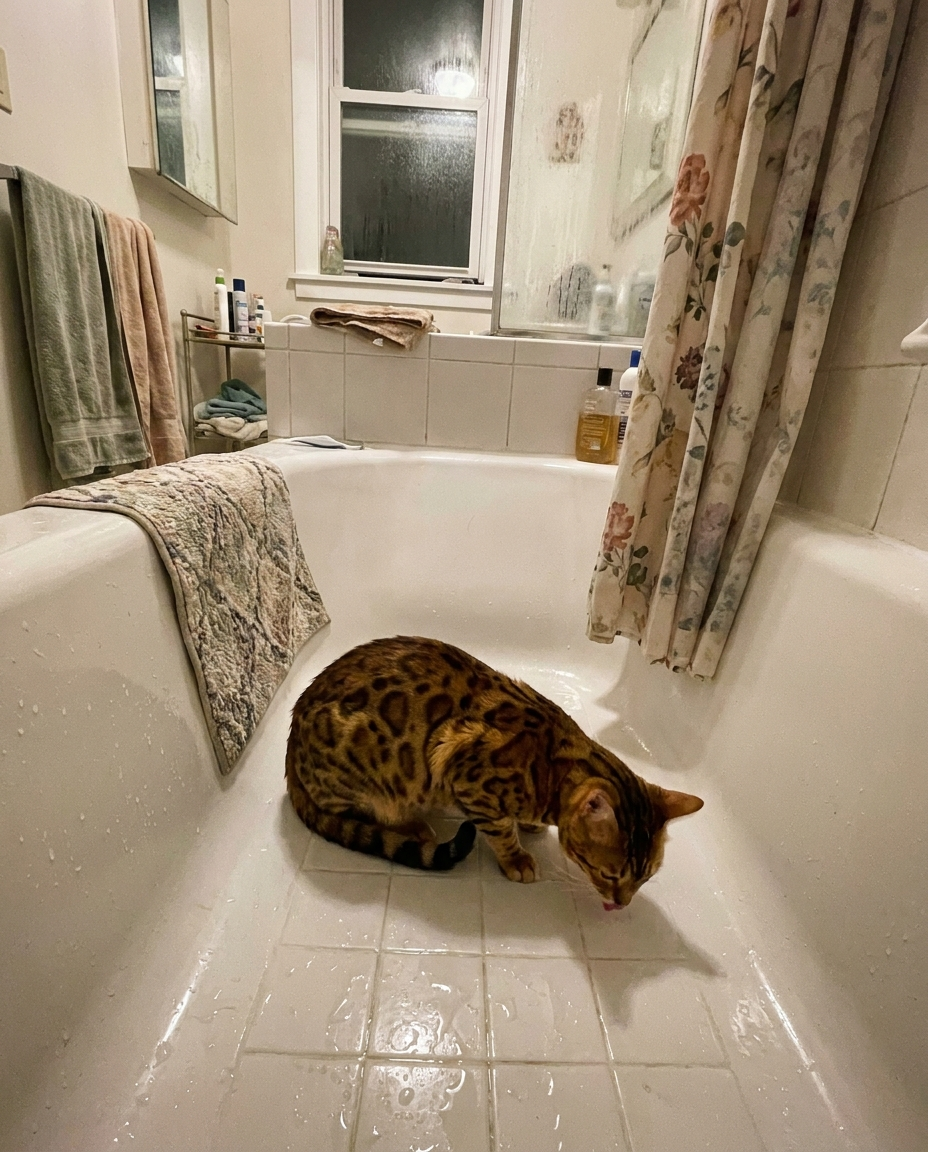
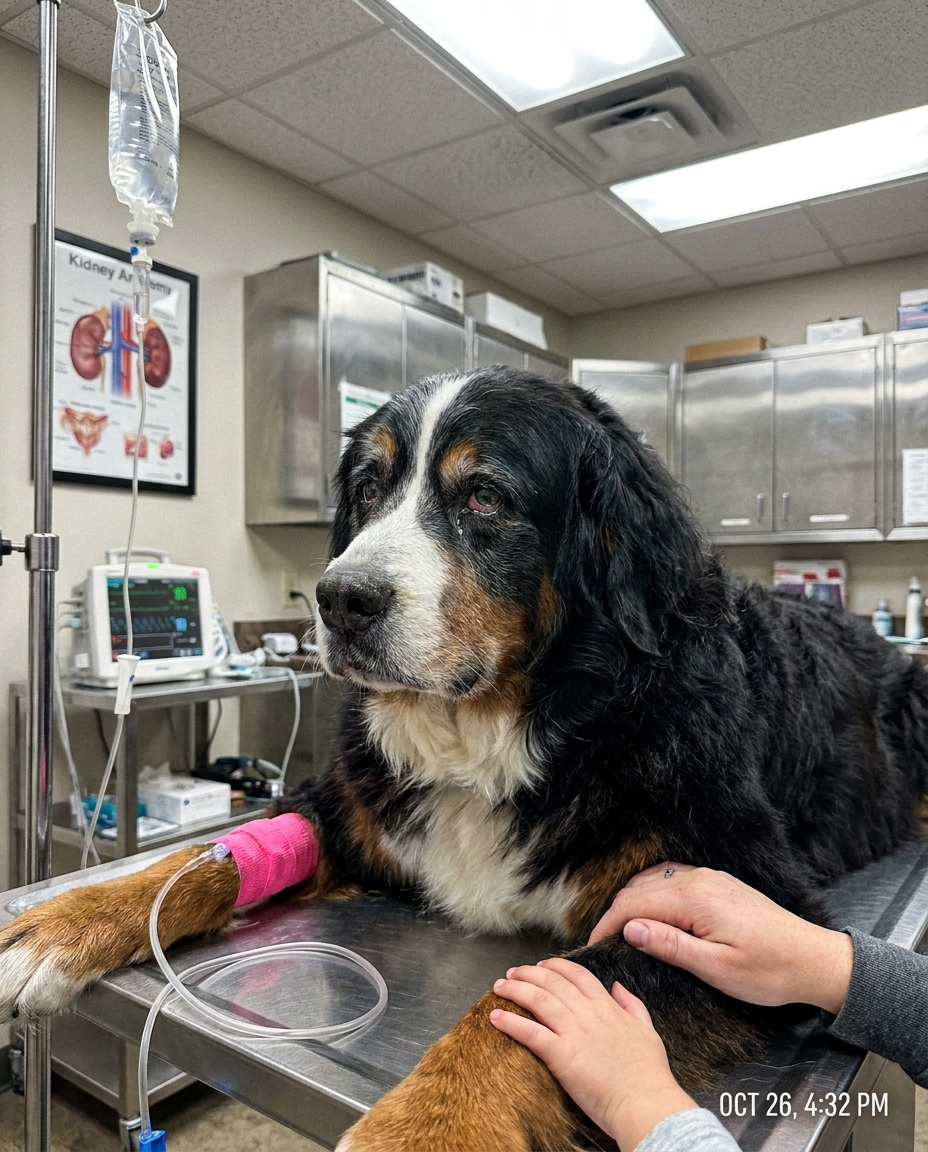
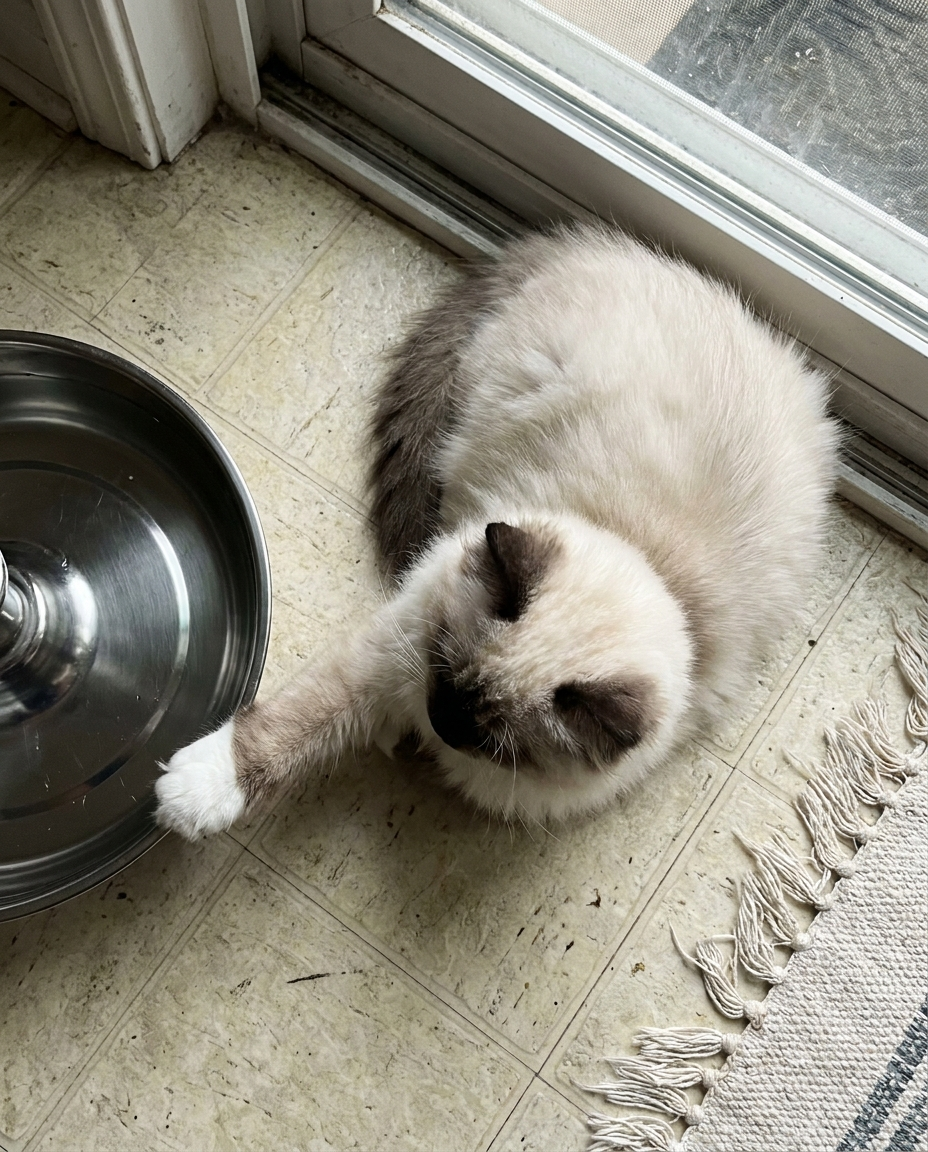
My cat seemed completely fine on Tuesday. She was dying the entire time. She had been dying, the vet told me, for about two years. If your cat "seems fine," I need you to keep reading, because that sentence is the exact reason I no longer have her. My name is Grace Lindqvist. I'm 49. And I am going to tell you the single worst fact I have ever learned about cats, the one fact that explains why they die "suddenly" when nothing was ever wrong. Cats hide illness. Not occasionally. Structurally. It is a survival instinct from a hundred thousand years of being both predator and prey. A sick animal that shows weakness gets picked off, so cats evolved to mask pain, mask fatigue, mask nausea, mask everything, until masking is physically impossible. Which means "she seems fine" is not information. It is the absence of information. A cat will seem fine at 90 percent health and seem fine at 40 percent health, and the difference is invisible from the couch. I learned this in a fluorescent hallway at 11 PM from an emergency vet with kind eyes and terrible news. Pearl was my Ragdoll. Enormous, blue-eyed, floppy as a stuffed animal when you picked her up, which is the whole point of a Ragdoll. For ten years she was, by every observable measure, the picture of health. Glossy coat. Good appetite. Used her box. Purred like an engine. She seemed fine. She seemed fine for years. Looking back, with what I know now, there were exactly three tells, and all three were so small I filed them as personality. She drank almost nothing. I genuinely believed she barely needed water. Her bowl went down so slowly I joked she was a camel. She'd gotten quieter about jumping. Not unable. Just, increasingly, choosing the chair to get to the windowsill instead of the direct leap. Cats get dignified with age, I thought. And she slept more. Sixteen hours, then eighteen. Cats sleep, I thought. On Tuesday she ate breakfast and sat in her sunbeam. On Wednesday morning she did not come to breakfast at all, and I found her under the bed, completely flat, barely responsive, and the floor dropped out of my life. At the emergency clinic they ran her bloodwork in twenty minutes, and the vet came out and asked me to sit down, and I will give you the conversation as exactly as I can bear to, because it is the conversation this entire post exists to spare you. "Pearl is in end-stage kidney failure. Her values are some of the highest I've seen. I'm so sorry, but I have to be honest with you, this is not survivable." "That's not possible. She was fine yesterday. She ate. She purred. She was fine." And the vet said, gently, the sentence that rearranged everything I thought I knew about the animal I'd lived with for ten years: "Cats are never fine yesterday. Kidney disease takes years. She has been compensating for a very long time, probably two years or more. Cats hide it. By the time they can't hide it anymore, the disease is usually near its end, not its beginning. The fact that she seemed fine is not evidence it came on suddenly. It's evidence of how good she was at hiding it." I asked, because I had to, whether I could have caught it. She asked me three questions. Did Pearl drink very little? Yes. I'd thought it was charming. Had she gradually reduced her jumping? Yes. I'd called it dignity. Had her sleep crept up over the years? Yes. I'd called it being a cat. "Those were the symptoms," she said. "That's what feline kidney decline looks like from the outside. It doesn't look like sickness. It looks like personality. It looks like aging gracefully. The loudest symptom a cat will ever show you is a quiet one." Pearl died that night with my hands in her fur. I went home to an apartment that still had her water bowl in it, nearly full, like it always was, and I stood in the kitchen and understood that the full bowl I had found charming for ten years had been the entire story, sitting in plain sight, every single day. Here is the part I need you to take with you. Two months later, the emergency vet called to check on me. They do that. And I told her the thing that was eating me alive: my sister had just given me a Ragdoll kitten, Mochi, because she could not stand my empty apartment, and I was now watching this kitten with a fear I cannot describe. Because Mochi also barely drinks. Mochi also seems fine. And the vet said, "Can I send you something? Because 'seems fine' is the thing we have to retire, and there's an article that explains the actual cause better than I can on the phone." It was by a feline medicine specialist named Dr. Helen Park. Eleven years in a cats-only practice. It opened with a cat named Biscuit whose owner did everything right, and who arrived at her clinic in crisis anyway, having seemed fine until he wasn't, and who did not make it. And then Dr. Park explained why my camel joke had been a death sentence in slow motion. Cats are desert animals. They evolved getting nearly all their water from prey, so their thirst drive is suppressed by design. A cat does not feel thirst the way we do. It will not seek water proportionate to its need. Given dry food and a water bowl, almost every domestic cat runs chronically dehydrated, silently, by default. The barely-touched bowl is not a quirk. It is the species. And the bowl makes a bad situation worse. A cat's nose detects the biofilm growing in the microscopic pores of any bowl within hours. Their whiskers resent deep bowls. And the ancient instinct rates still water as suspect while moving water reads as safe, which is why the same cat that ignores a full bowl will stare at a dripping faucet like it's a religious experience. So the cat drinks a fraction of its need. The urine concentrates. The concentrated urine grinds the kidneys, quietly, for years. And the cat hides every minute of it, because hiding is what cats are built to do, until one Wednesday morning there is nothing left to hide with. Seventy-five percent of kidney function, Dr. Park wrote, is typically gone before the first symptom an owner can recognize. In a species that hides symptoms. Read those two facts together and you understand why every cat owner you have ever met has a "she was fine yesterday" story. The answer is not vigilance. You cannot out-watch an animal designed to deceive you. The answer is removing the cause before there is anything to hide. Dr. Park explained what actually gets a desert animal drinking. Moving water, which the instinct reads as safe. Real 304 food-grade stainless steel through the entire fountain, tank included, because the plastic-tank fountains everywhere grow the same biofilm the nose rejects. Proper filtration. A wide shallow surface that spares the whiskers. She built one around all of it. Mochi's fountain arrived four days later. This kitten, who I had already begun cataloguing as "barely drinks, seems fine," sat in front of the moving water, watched it like television, and then drank for half a minute. She goes back constantly. The reservoir actually empties now. I refill it the way I used to top off Pearl's bowl, except this time the water is actually going into the cat. Her first junior wellness panel: perfect. Urine beautifully dilute. The vet's note actually says "excellent hydration," three words I did not know could make a person cry in a parking lot. I will never know exactly when Pearl crossed the line she could not hide anymore. That is the cruelty of it. There was no moment to catch, because she spent two years making sure there wasn't. But I know this. Mochi will never have anything to hide, because the thing that gave Pearl something to hide is not in this apartment anymore. So here is my one question for you, and I want you to actually answer it: Does your cat seem fine? Because if your answer includes a barely-touched water bowl you find charming, a cat who jumps a little less than she used to, who sleeps a little more every year, who stares at the faucet but ignores her bowl, then your cat seems fine in exactly the way Pearl seemed fine, and I am writing this from the other side of that sentence. Dr. Park's article explains all of it. Why cats hide everything, why they don't feel their own thirst, why the bowl is the silent cause, and the fountain she built around it. It is the article an emergency vet sends to the people she has had to sit down in hallways. I've linked it below. P.S. The hardest part of losing a cat this way is that everyone tells you there was nothing you could have seen, and they are right, and that is precisely the problem. You cannot see it. You can only remove the cause. Ten minutes of reading versus a hallway at 11 PM. Linked below. P.P.S. Pearl's bowl is gone now. Mochi has never used one and never will. Some mornings she falls asleep next to the fountain mid-loaf, one paw almost in the water, hiding absolutely nothing, because she has absolutely nothing to hide. That is the whole goal. That is everything. Linked below.
Your cat seems fine. So did mine.
Home to award-winning pet products. Shop premium, vet-approved items that both you and your pets will love. Quality you can trust, for pets that deserve the best.
LEARN MORELike this ad? Make it yours.
Crush rebuilds this exact creative around your product — your brand, your colors, your offer — in about a minute.