Dr. Katherine Mercer
 Facebook ad: “If Your Dog Keeps Going Back to the Vet, Read This”
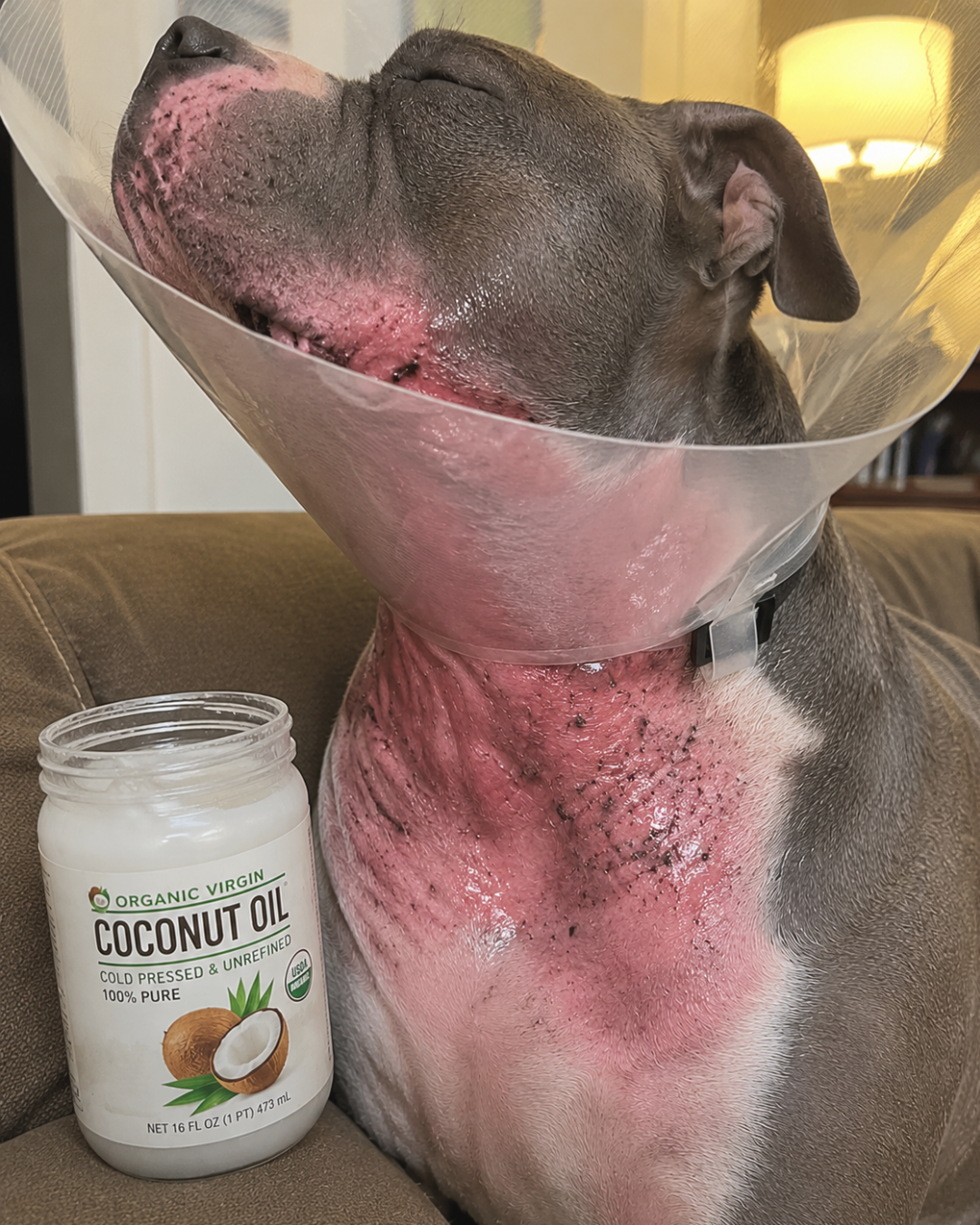
Running for 78 days since August 20, 2026. Crush last saw it on November 6, 2026.
Run by Dr. Katherine Mercer on Facebook. Crush is not the advertiser and does not verify its claims. See this ad in Meta's Ad Library(opens in a new tab)
Make your own version of this ad
Crush makes it, launches it in your own Meta ad account, scales the winners and pauses the losers.
About this ad
- Meta Ad Library ID
- 1057478773722856
- Platforms
- Facebook, Instagram, Audience Network, Messenger and Threads
- Relaunches
- 0
- Niche
- Pets
Ad text
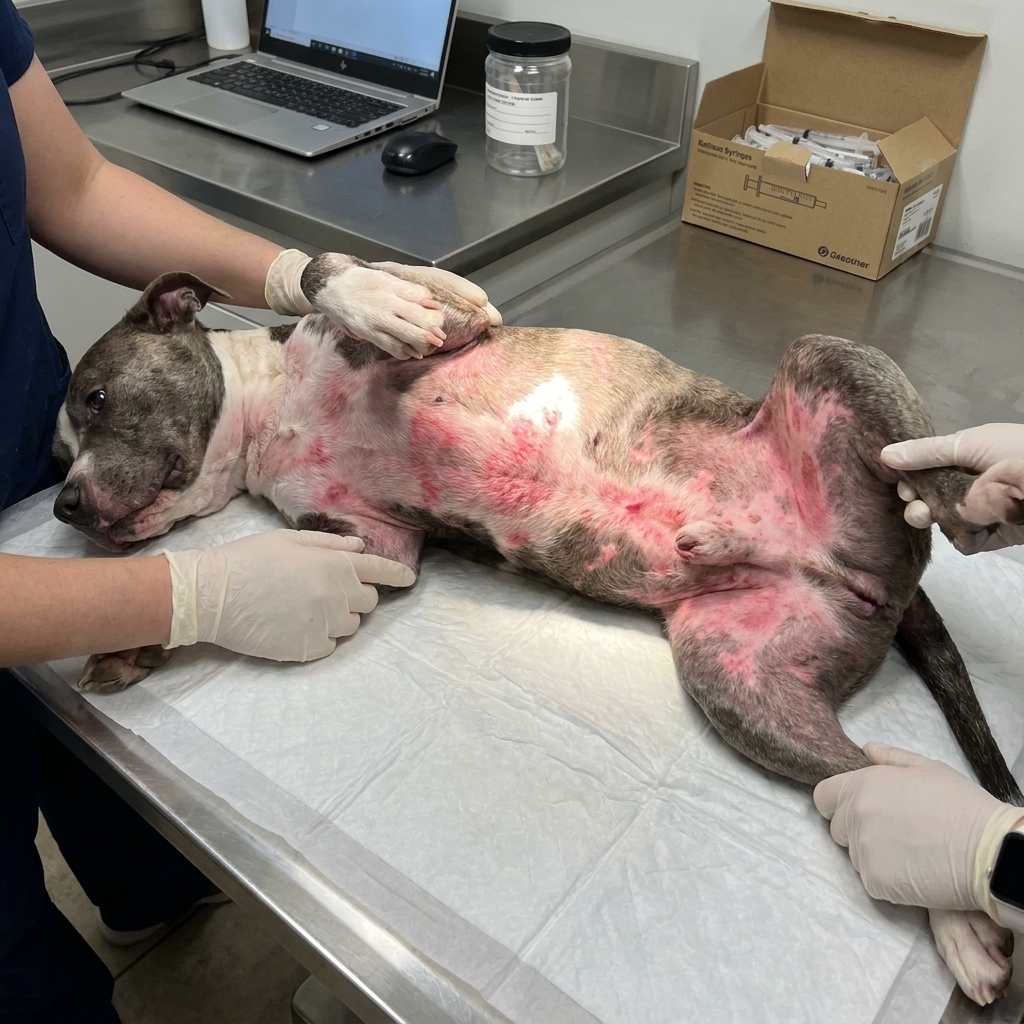
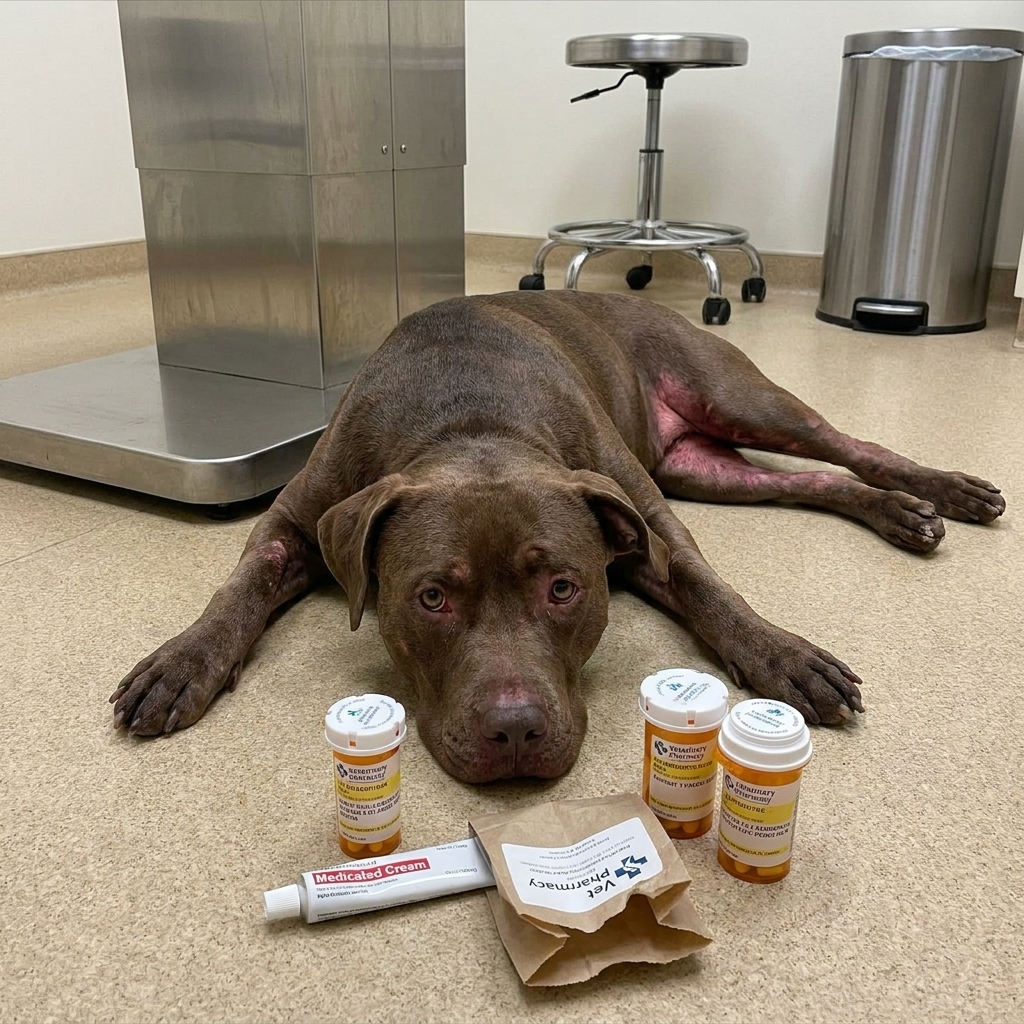
I'm a veterinary dermatologist, and last Tuesday a client of mine canceled her dog's Cytopoint appointment. Not because she gave up. Because of something that happened during the skin check that I haven't been able to stop thinking about. I've been treating dog skin allergies for 19 years. I've seen every stage of atopic dermatitis. Every level of damage. Every breed predisposition. Every natural remedy a devoted dog owner has tried before they end up in my office. The coconut oil. The oatmeal baths. The fish oil. The quercetin. The apple cider vinegar rinse. I can tell within 30 seconds of looking at a dog's skin what trajectory they're on. Last Tuesday, I couldn't. A woman brought in her golden retriever expecting the worst. Rosie had been scratching for three years straight. Raw paws. Belly that had been darkening for months. Up every night licking, chewing, dragging herself across the carpet. Six months ago, Rosie's skin was so inflamed I'd recommended increasing her Cytopoint to every four weeks and adding Apoquel on top. The owner was spending over $350 a month on medications. Plus coconut oil on the paws and belly every single day for two years. She'd read that coconut oil had antibacterial and anti-inflammatory properties. She believed in it. She had been applying it religiously. She walked in bracing for the conversation about stronger immunosuppressants. I lifted Rosie's ear flap. And I just... stopped. The skin I expected to see — inflamed, thickened, that papery quality that tells me the barrier has been compromised for years — wasn't there. I checked the belly. The darkening that had been advancing for six months had lightened. The skin had a texture I hadn't seen in Rosie's records before. The paws. Still slightly stained from the rust discoloration, but the raw cracked tissue between the toes was closing. I looked at the owner. "What did you change?" She said she had started giving Rosie cold pressed liquid collagen with all three types. One drizzle on her existing food every morning. Continued the coconut oil on the surface alongside it. Continued the Cytopoint on its existing schedule. She had added the one thing the coconut oil was never able to do. She had given the wall something to rebuild with. I sat down. Because here is the thing about coconut oil that I had never explained clearly enough to my patients in 19 years of practice. Coconut oil does real things. Lauric acid has genuine antibacterial properties. The lipid content provides a temporary surface moisture barrier. Applied topically it reduces surface inflammation and supports the microbiome at the skin surface. I have never told a patient not to use coconut oil. I still won't. But here is what coconut oil cannot do. It cannot rebuild the structural collagen wall. Your dog's skin has a structural collagen barrier underneath the surface. Three types — Type I, II and III — working together to keep every allergen on the outside. When that wall is intact allergens bounce off. The immune system never encounters them. No histamine. No immune attack. No hot spot. No scratching. No Cytopoint needed. After age two that wall loses collagen every year. The food is supposed to replace it. But commercial dog food is manufactured at temperatures that destroy between 60 and 80 percent of the collagen before the bag is sealed. So the wall thins. Gaps form. Allergens flood through wherever a gap exists. The immune system attacks wherever they penetrate. The coconut oil sits on the surface above that wall. It soothes what is happening at the surface. It reduces the bacterial load that takes advantage of compromised skin. It does all of that correctly and it was worth giving. But the wall was still open. Allergens were still flooding through wherever the gaps formed. The Cytopoint was still suppressing the immune attack on what was flooding through. And Rosie was still getting worse every month because the wall underneath the coconut oil and the medication was still losing ground. The coconut oil was a surface remedy aimed at the consequence of the broken wall. It was never going to close the wall. Here is the mechanism that Rosie's owner understood before most of my colleagues do. Closing the wall requires structural collagen. All three types at therapeutic doses. In a form that survives delivery to the barrier intact. Type I and III to physically rebuild the structural matrix of the wall. Type II to address the inflammatory layer at the barrier level — the layer specifically responsible for the immune amplification that the Cytopoint was suppressing. Without type II the wall cannot fully close even if type I and III are present at adequate doses. Most supplements skip it entirely. And the form matters as much as the type. Coconut oil absorbs through the skin surface at varying rates depending on the thickness of the skin. Collagen in chew or powder form absorbs at around 20 to 30 percent because stomach acid damages it before it reaches the gut lining. Cold pressed liquid collagen is pre-dissolved. It absorbs at up to 98 percent directly through the gut lining. The barrier gets what it needs instead of getting a fraction of what was stated on the label. Rosie's owner had been giving the right surface support for two years. She just hadn't been giving the wall what it needed from the inside. One drizzle of cold pressed liquid collagen with all three types alongside the coconut oil she was already applying. The surface continued to be supported. The wall finally had what it needed to rebuild from within. That is why Rosie's skin looked different when I lifted the ear flap. Not because the coconut oil stopped working. Because the wall underneath the coconut oil had finally started closing. I ordered a bottle that night. Not for a patient — for my own dog. Duke is 11. He's a lab mix I've had since he was a puppy. His skin has been getting drier and itchier for the last two years. I'd been telling myself it was just age. But I knew what it really was. The same collagen degradation I see in my patients every day. He had been getting coconut oil on his dry elbow patches for eighteen months. It helped with the surface dryness. The wall underneath was still thinning. Week one: Duke scratched less at night. Subtle, but I noticed. Week two: the dry patches on his elbows that the coconut oil had been soothing started actually changing underneath. Not just moisturised on the surface. Different texture underneath. Week three: his coat had a sheen I hadn't seen in over a year. Week five: my wife said, "What did you do to Duke? He looks like a younger dog." She was right. His skin had regained something I didn't realise he'd lost. That tight, hydrated, resilient quality. The barrier doing its job. Not from the coconut oil alone. Because the wall underneath the coconut oil finally had the structural collagen to rebuild itself. If your dog has been getting coconut oil for months and the scratching keeps coming back the moment it dries... If the paws stay raw underneath the oil no matter how consistently you apply it... If the belly skin keeps darkening despite everything you put on the surface... If the hot spots keep cycling to new locations every three weeks despite every surface remedy... The coconut oil is not failing. It is doing what it was designed to do. It was never designed to close the wall. The wall needs cold pressed liquid collagen with all three types from the inside. The brand I trust after testing everything I could find as a practitioner is Healthy Petz. Cold pressed confirmed. All three types at verified therapeutic doses. Type I and III at 900mg. Type II at 40mg — specifically included, the type most products skip. MSM at 400mg to convert the collagen into actual barrier tissue. Hyaluronic acid at 50mg to seal it. Vitamin C. Third party tested every single batch before it ships. Zero fillers. One drizzle on existing food every morning. Keep the coconut oil on the surface. Both together for the first time give the skin what it needs at every layer. It takes about one to two weeks to notice less scratching. Real barrier rebuilding happens over four to eight weeks. I spent 19 years helping dogs manage symptoms. Four months ago I started rebuilding the barrier underneath the surface remedy that had been doing its job correctly the whole time. The difference showed up in Duke's coat before I noticed it in his behavior. Not because I stopped the coconut oil. Because his wall finally had the collagen to close underneath it. That's all. Only from their website. Not Amazon — I tested what is on Amazon. Single type. Heat processed. A fraction of one type in a form the barrier cannot efficiently use. The same problem as the food. Different bottle. shophealthypetz.com/products/liquidcollagen 🐕 P.S. The coconut oil was working correctly the entire time. Lauric acid at the surface. Temporary moisture barrier. Surface microbiome support. All of it real. All of it aimed at the surface above the broken wall. The wall needed structural collagen with all three types from the inside to close. Once it got that the coconut oil had a restored barrier to support instead of an open one to manage. That is the difference between soothing the consequence and closing the cause. shophealthypetz.com/products/liquidcollagen P.P.S. If your dog is already on coconut oil and the surface looks managed but the scratching keeps coming back — the coconut oil found its ceiling. It reached the surface. The wall is what is below the ceiling. One drizzle of cold pressed liquid collagen with all three types gives the wall what the coconut oil was never aimed at. Keep both. Start the drizzle. Let the surface remedy finally have a closing wall to work with. shophealthypetz.com/products/liquidcollagen 🐕 — Dr. Katherine Mercer, DVM, Veterinary Dermatologist, 19 years in practice
Where the ad sends people
shophealthypetz.com
If Your Dog Keeps Going Back to the Vet, Read This
Learn more: shophealthypetz.com(opens in a new tab)