Emily Miller
Emily Miller Facebook ad: “Over 50 and Gaining Belly Fat? The Liver Connection Nobody…”
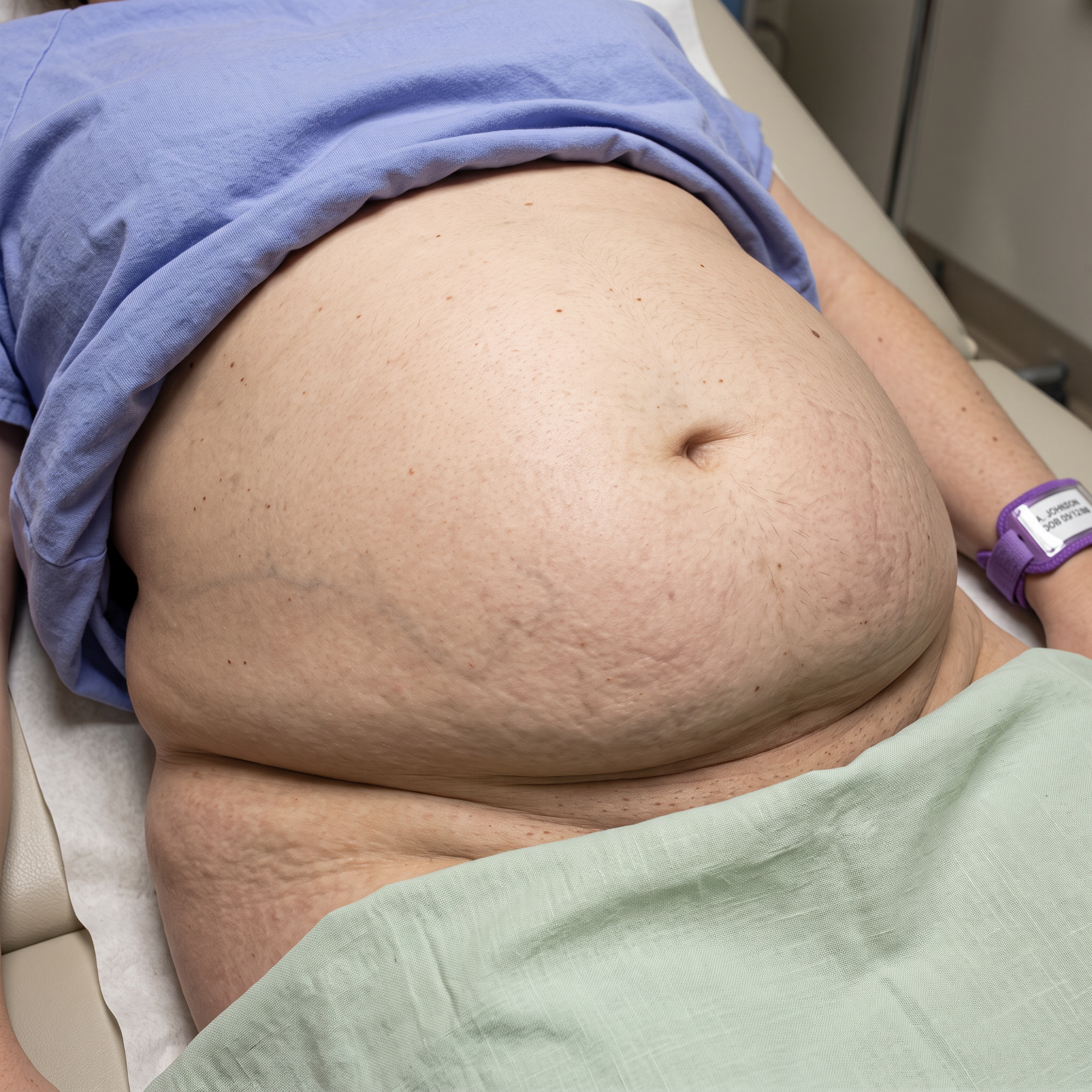
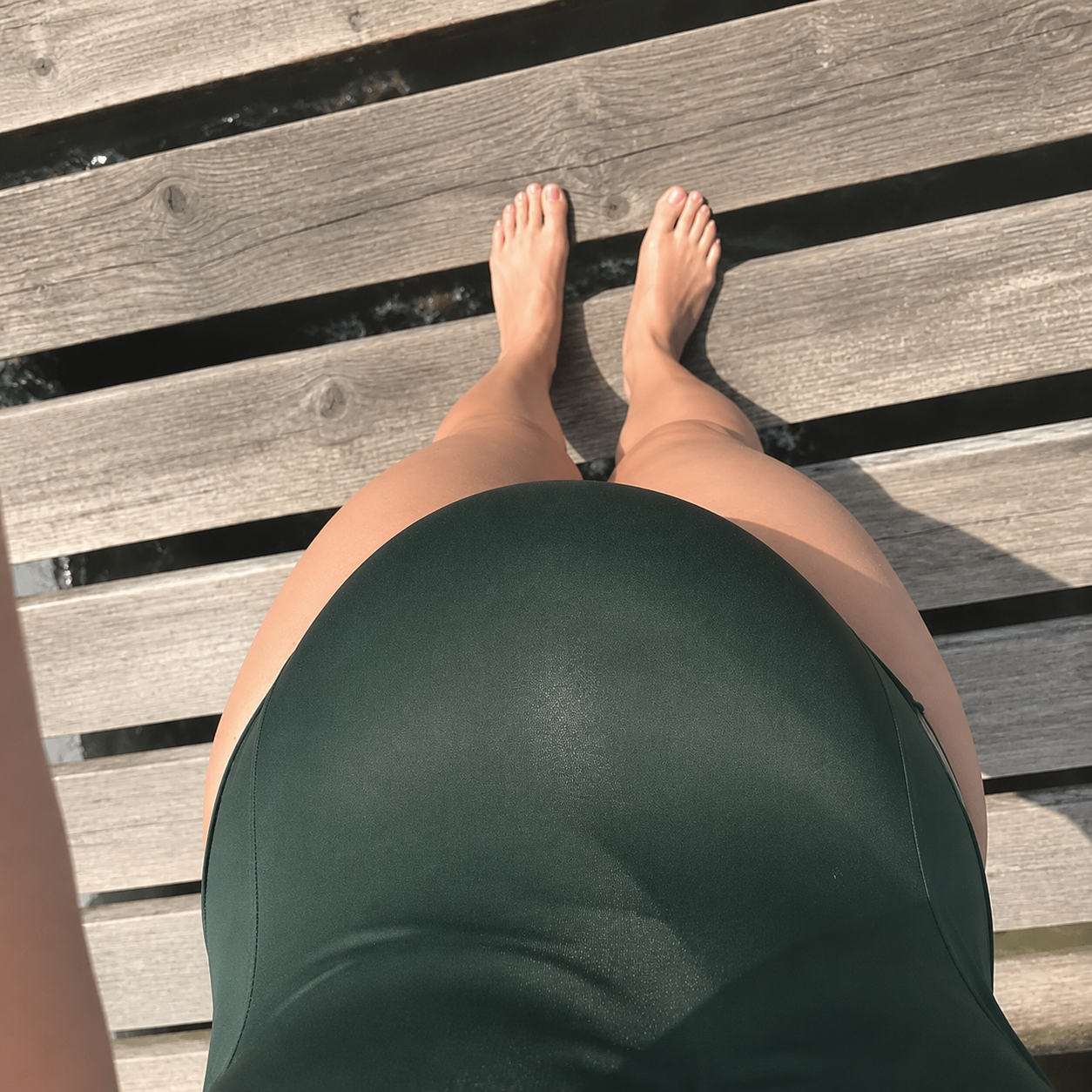
Ran for 4 days, from July 30 to August 3, 2026, the last day Crush saw it.
Run by Emily Miller on Facebook. Crush is not the advertiser and does not verify its claims. See this ad in Meta's Ad Library(opens in a new tab)
Want an ad like this for your product?
Crush makes new ad images for your product from this ad: your logo, your product photo, your offer.
Trials from $19.95 USD, then $79.95 USD a month. Cancel anytime.
About this ad
- Meta Ad Library ID
- 1059454176737645
- Platforms
- Facebook, Instagram, Messenger and Threads
- Relaunches
- 0
Ad text
Your doctor says the liver enzymes are only mildly elevated, but the belly keeps growing. The milk thistle makes the supplement shelf look impressive, but the scale keeps climbing. If you are over 50, carrying more weight around your middle, and being told to “just lose ten percent” without anyone explaining how to make that possible, this is the story I wish my sister had heard three years earlier. For three years, my sister Laura watched her body become unfamiliar. She was 52 when an ultrasound first showed excess fat in her liver. The scan had been ordered after a few weeks of discomfort under her ribs. The doctor told her it was common, not an immediate emergency, and something she should take seriously. His advice was straightforward: lose some weight, eat more vegetables, walk regularly, and come back for repeat bloodwork. Laura left with a printed handout and one question nobody had really answered: How was she supposed to lose the weight when she had already been trying for years? Within the first twelve months after that appointment, she gained 17 pounds—not while ignoring the advice, but while following it more closely than ever. By the second year, her stomach was the first thing she thought about every morning. She would stand in front of the closet for ten minutes, pulling one blouse after another over her head and checking whether the fabric clung to the lower part of her belly. She stopped wearing belts. She stopped tucking in shirts. She bought longer cardigans in three colors because they created two vertical lines that made her feel less visible. The clothes she loved moved slowly toward the back of the closet. A green wrap dress she had worn to her daughter’s graduation. White jeans she once considered her “good legs” jeans. A fitted navy jacket that made her look confident even when she did not feel confident. She could no longer button any of them, but she could not donate them either. Giving them away would have felt like signing a document that said this version of her body was permanent. By the third year, she was tracking around 1,250 calories a day in an app. She measured the milk in her coffee, weighed chicken after cooking, and entered the olive oil used in the pan. She walked before work, followed strength videos in the spare bedroom, and declined desserts so often that the family stopped offering them. The scale still moved in the wrong direction. And with the growing waist came everything else. The afternoon exhaustion arrived around 2:30 almost every day. Laura would finish work, drive home, and sit in the car for several minutes because carrying her bag from the driveway to the kitchen felt like one task too many. Her husband, Mark, used to suggest taking a walk after dinner. She said, “Maybe tomorrow,” so many times that he eventually stopped asking. She had once been the person who made plans. Weekend markets, theater tickets, Sunday lunches, last-minute road trips. Now she evaluated every invitation by three questions: What will I wear? How far will I have to walk? Will someone take pictures? There was also the heaviness after meals. Not sharp pain, not something dramatic enough to send her to an emergency room—just a dense, uncomfortable feeling that made her want to unbutton her pants and lie down. Some mornings her rings felt tight. Some evenings her stomach looked several months pregnant. She did not know which symptoms were connected, which were age, and which were simply the result of carrying more weight. She only knew that her body seemed to demand more effort while giving her less energy in return. Then came the cravings. Around 4:00 p.m., she wanted something sweet. Around 9:00 p.m., she wanted something crunchy. She could spend the entire day eating exactly what she had planned, then stand in the pantry after everyone went to bed and eat handfuls of crackers without putting them on a plate. The part that frightened her was how automatic it felt. She could hear herself thinking, “You are not hungry,” while her hand reached back into the bag. She was a capable woman who managed a department, helped care for her grandchildren, remembered every birthday, and handled the family finances. Yet a package of crackers could make her feel as though she had no authority over her own body. Her marriage was not falling apart. Mark never insulted her, never commented on her weight, and never told her she had let herself go. But when confidence disappears, the mind fills silence with its cruelest guesses. If he did not initiate affection, she assumed he was no longer attracted to her. If he complimented her, she wondered whether he was trying to be kind. She began changing clothes in the bathroom and turning off the light before getting into bed. They took a trip to Charleston for their twenty-eighth anniversary. Laura photographed the hotel, the harbor, the food, the pastel houses, and Mark standing beside the water. When they came home, he asked why there were almost no pictures of the two of them together. She said she had forgotten. She had not forgotten. She had volunteered to take every photograph so she would not have to be in one. At each follow-up appointment, the conversation sounded almost identical. Her liver enzymes were not described as catastrophic. Her blood sugar was something to watch. Her ultrasound still showed fat in the liver. She needed to lose weight. “Try a Mediterranean-style diet.” “Aim for thirty minutes of activity most days.” “Reduce refined carbohydrates.” “Even modest weight loss can help.” None of that advice was unreasonable. The problem was that Laura had already turned those instructions into a full-time job and still felt as though she was losing ground. One clinician suggested a weight-management clinic. Another mentioned that medication might be an option if lifestyle changes were not enough. A third asked whether she was certain she was logging everything she ate. That question stayed with her for days. She was weighing strawberries. She was counting the splash of milk in her coffee. She had a spreadsheet showing her weekly averages. Yet she left the appointment feeling as though the hidden explanation must be that she was lying to everyone, including herself. So here is what “trying everything” actually looked like: She tried low carb three separate times. The first time she lost eight pounds and regained ten. The second time lasted five weeks. The third ended with her eating peanut butter directly from the jar because she was so hungry and tired of pretending cauliflower tasted like rice. She tried keto and bought the strips, the cookbooks, the electrolyte packets, and a breath meter that promised to confirm whether she was burning fat. She told everyone she felt fantastic. In reality, she was irritable, constipated, and thinking about toast all day. She tried intermittent fasting. She skipped breakfast, spent the morning watching the clock, and reached dinner hungry enough to eat while cooking, eat the meal, and then continue picking at leftovers while cleaning the kitchen. She tried a low-fat plan because she thought eating fat must be the reason fat had collected in her liver. She bought products with labels that said “light” and “zero percent,” then felt hungry an hour later and blamed herself for lacking discipline. She completed two juice cleanses. One lasted three days and left her with a headache. The other lasted until lunchtime on day two, when she became dizzy during a meeting and ate a sandwich in her car. She bought milk thistle, turmeric, dandelion tea, beet powder, green powders, apple cider vinegar gummies, and a bottle labeled “liver cleanse” that made her spend most of one Saturday close to the bathroom. The label said she was releasing toxins. Laura said it felt more like losing a weekend. She joined a gym near work and went at 6:15 every morning for four months. She hired a trainer who was enthusiastic, twenty-six years old, and unable to understand why a 55-year-old woman with sore knees did not feel inspired by burpees. She bought a smartwatch, a food scale, portion-control containers, compression leggings, resistance bands, a walking pad, and a journal with the words “Choose Yourself” stamped on the cover. She chose herself every Monday. By Thursday, she was exhausted. Between appointments, supplements, meal programs, gym fees, coaching, and equipment, she spent thousands of dollars. She was still gaining. Still bloated. Still tired. Still avoiding photographs. Still moving more clothes toward the back of the closet. At that point, I stopped feeling merely concerned. I became angry, although not at her doctors in the dramatic way internet advertisements often suggest. None of them were hiding a secret cure. None of them wanted her to fail. Most appointments were simply short, and the advice ended at the exact place where Laura needed help beginning: Lose weight to support your liver. But what do you do when the hunger, fatigue, stress, and discouragement keep making weight loss feel impossible? That was the circular problem nobody had explained in a way she could use. I began reading because Laura had stopped. She was tired of being told there was always one more thing she had not done correctly. At first, I found the same recycled advice everywhere: eat better, move more, sleep, manage stress, and be patient. Then I started reading about metabolic dysfunction-associated steatotic liver disease, the newer name often used for what many people still call nonalcoholic fatty liver disease. I learned that excess fat can build up in the liver with few or no obvious symptoms and that it commonly appears alongside obesity, metabolic syndrome, and type 2 diabetes. That did not mean the liver was secretly causing every pound Laura had gained. It did not mean one organ explained every craving, every tired afternoon, or every difficult meal. The relationship was more complicated than that. But it did mean the ultrasound finding was not just a moral consequence of her weight that belonged in a drawer. It was part of a broader metabolic picture that deserved ongoing medical attention. I also learned why her clinicians kept talking about weight loss. Losing weight can reduce fat in the liver, and sustainable lifestyle changes are central to medical care for fatty liver disease. The information was useful, but it brought me back to the same question: What could help Laura build a routine she could actually continue after the first perfect week ended? I stopped searching for a dramatic cure and started searching for support. Support for normal liver function. Support for the body’s natural detoxification processes. Support for the daily choices that make healthy weight management possible. Not a replacement for medical care, not permission to ignore her ultrasound, and not another punishment disguised as a plan. Late one night, I found a post in a private group for women over 50. The woman writing it was not claiming that she had “flushed” fat from her liver or cured a disease with capsules. She described something much less theatrical. She said she had started using a product called Colasential as one part of a routine she had discussed with her healthcare professional. She took it consistently, simplified her meals, walked after dinner, and stopped approaching every day as a test she had to pass perfectly. Over time, her weight began moving in the right direction and the heaviness she felt after meals became less noticeable. The sentence that caught my attention was this: “The first thing Colasential gave me was not a smaller dress. It gave me a routine I did not hate.” I sent the post to Laura. She replied with one word: “Detox?” I knew what she meant. The word had been abused so often that it sounded like a warning label. It brought to mind green juice, starvation cleanses, laxative teas, and advertisements promising that years of health problems could disappear before the weekend. Laura had already tried products that made her feel foolish for believing the label. She did not need another one. So we did not order it that night. We looked at the product information. We read the directions, warnings, and ingredient panel. She wrote down questions and brought them to a healthcare professional because she had an existing liver finding and took prescription medication. She did not stop any treatment, cancel any follow-up, or replace medical advice with a sales page. Only after that conversation did she decide to try Colasential as directed. A bottle arrived a few days later. Laura placed it beside the coffee maker, where she would see it every morning. She did not post a before photograph. She did not announce a new challenge. She did not clear the cupboards, ban bread, or write a goal weight on the bathroom mirror. She made three promises instead: She would take Colasential consistently according to the label. She would eat regular, reasonably balanced meals instead of starving all day and unraveling at night. And she would walk for ten minutes after dinner whenever her body allowed it. That was all. No perfect Monday. No punishment. No deadline for becoming a different woman. After the first week, nothing dramatic had happened. The scale did not drop overnight. Her stomach did not suddenly flatten. She still wanted something sweet after a stressful day, and she still felt tired some afternoons. But one evening she called me and said: “I ate dinner and I don’t feel like I swallowed a brick.” She was laughing when she said it because it sounded too small to report. For her, it was not small. By the end of the second week, she noticed that the 4:00 p.m. slump felt less absolute. It still arrived, but it did not erase the rest of the day. On Thursday, she came home, changed her clothes, and made dinner instead of sitting on the couch until Mark took over. She texted me a photograph of a sheet pan with salmon, potatoes, and vegetables. “I cooked on a Thursday,” she wrote. That message affected me more than a dramatic scale number would have. Thursday had been the point where every plan collapsed. Thursday was when the prepared meals ran out, the meetings piled up, and she decided she had already failed. This time, Thursday was simply another day. During the third week, Mark asked whether she wanted to walk around the block after dinner. Laura almost said no out of habit. Then she put on her shoes. They walked for twelve minutes. Not five miles. Not a fitness transformation. Twelve ordinary minutes while they talked about their granddaughter’s school play. The next evening, they did it again. Around the same time, Laura noticed something about the pantry. The food was still there, but it no longer seemed to call her name every time she passed. She still ate snacks. She still enjoyed dessert. The difference was that one serving began to feel like an option instead of an opening statement in an argument. One night, she put two cookies on a plate, made tea, and sat at the table. When the cookies were gone, she washed the plate and left the kitchen. She waited for the familiar thought: “You already ate cookies, so the day is ruined.” It never became loud enough to control the evening. At four weeks, her waistband felt looser late in the day. She was not sure whether she had lost weight or was simply less bloated, and she refused to step on the scale yet. She had let that number determine her mood for too many years. Instead, she measured progress differently. She could remove her rings in the morning without soap. She no longer needed to unbutton her jeans during the drive home. She had taken seven evening walks in ten days. She had cooked dinner twice on Thursdays. These were not the kinds of results that appear in giant yellow letters on an advertisement. They were the kinds that made a life feel possible again. At six weeks, Laura finally stepped on the scale. She was down seven pounds. She checked three times, moved the scale to another part of the bathroom, and checked again. Then she called me and began the conversation by saying: “I know seven pounds is not a miracle.” I told her seven pounds did not need to be a miracle. It only needed to be progress she could live with. She had not counted every calorie. She had not removed an entire food group. She had not completed punishing workouts or spent Sunday filling twenty identical containers with chicken and broccoli. Colasential had not prepared her meals, taken her walks, or made every decision for her. It had become a consistent part of a routine aimed at supporting normal liver function, the body’s natural cleansing processes, and her weight-management efforts. The routine did the quiet work: regular meals, more movement, fewer all-or-nothing decisions, and continued medical follow-up. At eight weeks, she was down eleven pounds. The navy jacket from the back of the closet buttoned again. Not comfortably enough to wear all day, but it buttoned. Laura stood in front of the mirror for several minutes, looking at the jacket rather than immediately inspecting her stomach. Then she sent me a photograph. There was no caption. I knew exactly what it meant. The woman in the photograph was not posing sideways, hiding behind a handbag, or holding the phone above her head. She was standing straight in the bedroom, wearing the jacket she had once believed belonged to a version of herself that was gone. At ten weeks, she had a difficult stretch at work. Two employees called out, a project missed its deadline, and she spent most of Friday fixing problems she had not created. On the way home, she pulled into the parking lot of the bakery where she used to buy pastries after stressful days. She sat in the car and watched people go in and out. She still wanted relief. She simply understood that what she wanted was relief, not necessarily food. Laura called Mark and asked whether he wanted to meet her for a walk by the river. Then she drove away without going into the bakery. She told me about it later and said: “I don’t want this to sound like I suddenly have perfect willpower. I just had enough space to make a choice.” That was the change. Not perfection. Space. At twelve weeks, she was down eighteen pounds and a little over three inches at her waist. Her progress had not been perfectly linear. There were weeks when the scale barely moved and one weekend when it went up two pounds after a family celebration. The old Laura would have called the weekend a failure and spent Monday starving herself. This Laura ate breakfast, took Colasential as directed, packed a normal lunch, and continued. No punishment. No dramatic restart. No promise to become perfect by the end of the month. Just the next ordinary decision. At her next medical follow-up, Laura brought the bottle with her. She brought her food notes too, although they no longer looked like evidence for a trial. They were simply a record of what she had been doing. Her clinician reviewed her weight trend, waist change, activity, symptoms, medications, and the follow-up plan for her liver health. Nobody declared that her liver had been “detoxed.” Nobody said the ultrasound no longer mattered or that a supplement had treated a disease. The conversation was more grounded than that. Laura was making sustainable progress. She should continue the habits that were helping, keep monitoring her health, and return for the recommended tests. She walked out of the office without feeling accused. Five months after beginning, Laura was down 27 pounds. The green wrap dress fit again. It was still snug in places, and she wore different shoes because her feet hurt in the old heels. But the dress closed. Mark took her to dinner for her fifty-sixth birthday. Before they left, he stood in the bedroom doorway and looked at her for a few seconds. Laura immediately became nervous. She adjusted the fabric over her stomach and asked: “What?” He said: “You look like yourself again.” Not younger. Not skinny. Not fixed. Like herself. At dinner, someone offered to take their photograph. Laura’s automatic response rose in her throat: “No, that’s okay.” Then she handed over the phone and stood beside her husband. When the picture came back, she did not zoom in on her stomach first. She looked at Mark’s hand around her waist. She looked at her own face. She looked present. That photograph is still the favorite on her phone. The total change after several more months was not just a number. She was down about two clothing sizes. Her energy held later into the evening. She walked most days because walking no longer felt like repayment for eating. The pantry was no longer the center of every night. She accepted invitations without first calculating how to hide in the photographs. She still had difficult days. She still ate dessert. She still became tired, stressed, and discouraged. Her weight still fluctuated, and her liver health still belonged in conversations with qualified medical professionals. Colasential did not make her invincible. It did not replace medical care, erase years of habits, or give her permission to ignore her health. It became one repeatable daily anchor inside a broader routine. For years, Laura believed the answer had to hurt enough to count. If she was not hungry, exhausted, sore, or saying no to everything she enjoyed, she assumed she was not trying hard enough. But punishment never created consistency. It created short periods of perfection followed by longer periods of shame. What finally helped was a routine gentle enough to survive real life: taking Colasential as directed, eating regular meals, walking when she could, recovering from imperfect days without abandoning the week, and staying connected to medical care. I am telling you this because you may recognize the same circular conversation. Your doctor may have mentioned fat in the liver, elevated metabolic risk, or the need to lose weight. You may have left the appointment understanding the destination but having no idea how to reach it. You may be eating less than your family, thinking about food more than anyone realizes, and watching your waistline change anyway. You may own three sizes of clothing, avoid photographs, and tell people you are too tired to go out when the real reason is that you do not feel comfortable in your body. You may have tried milk thistle, detox teas, green powders, keto, fasting, calorie apps, expensive coaching, and another Monday restart. That does not mean you are lazy. It does not mean your body is broken. And it does not mean a supplement can diagnose or treat fatty liver disease. It may mean you need a more complete conversation with your healthcare professional and a routine built around support rather than punishment. Fatty liver disease is often silent, and weight loss is a standard part of medical management because it can reduce liver fat. Any diagnosis, treatment plan, medication change, or follow-up testing belongs with a qualified clinician. Colasential is designed to support normal liver function, the body’s natural detoxification processes, and healthy weight-management efforts as part of a consistent routine. It is not a substitute for professional medical advice or evidence-based treatment. Laura wishes someone had explained that distinction when she was 52. She spent three years treating the ultrasound result as a sentence and every failed diet as proof that she lacked discipline. What she needed was not another promise to lose thirty pounds in thirty days. She needed one routine she could still follow on a Thursday. If this story feels familiar, watch the short Colasential presentation and review the product information for yourself. Speak with your healthcare provider, especially if you have a diagnosed liver condition, take medication, are preparing for a procedure, or have unexplained symptoms. Then decide whether Colasential belongs in your own liver-support and weight-management routine. See how Colasential works at: https://colasential.com/short
Where the ad sends people
colasential.com
Over 50 and Gaining Belly Fat? The Liver Connection Nobody Explained
Colasential
Learn more: colasential.com(opens in a new tab)