
Active· since Jul 3, 2026
- 73
- days running
- 0
- relaunches
Ad copy
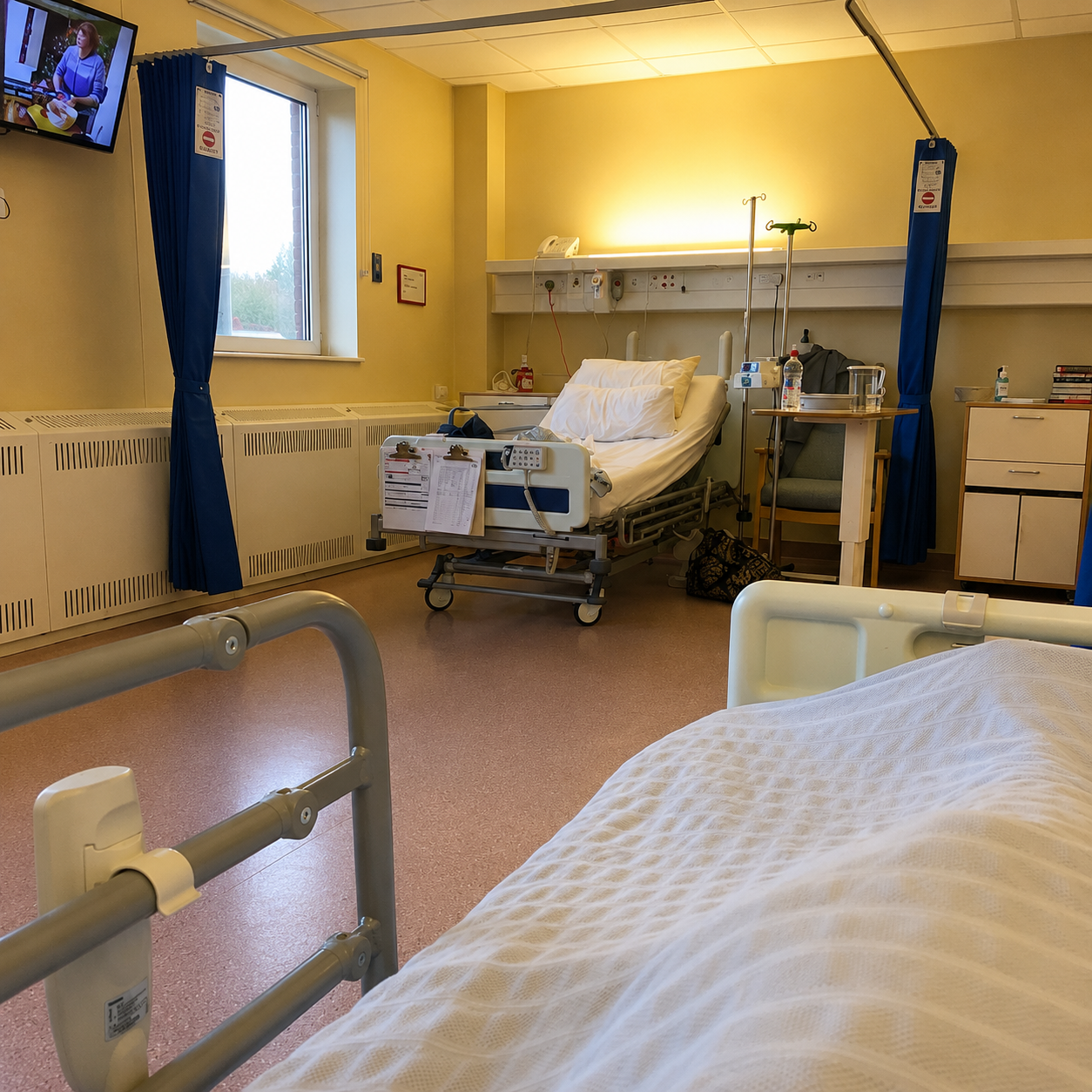
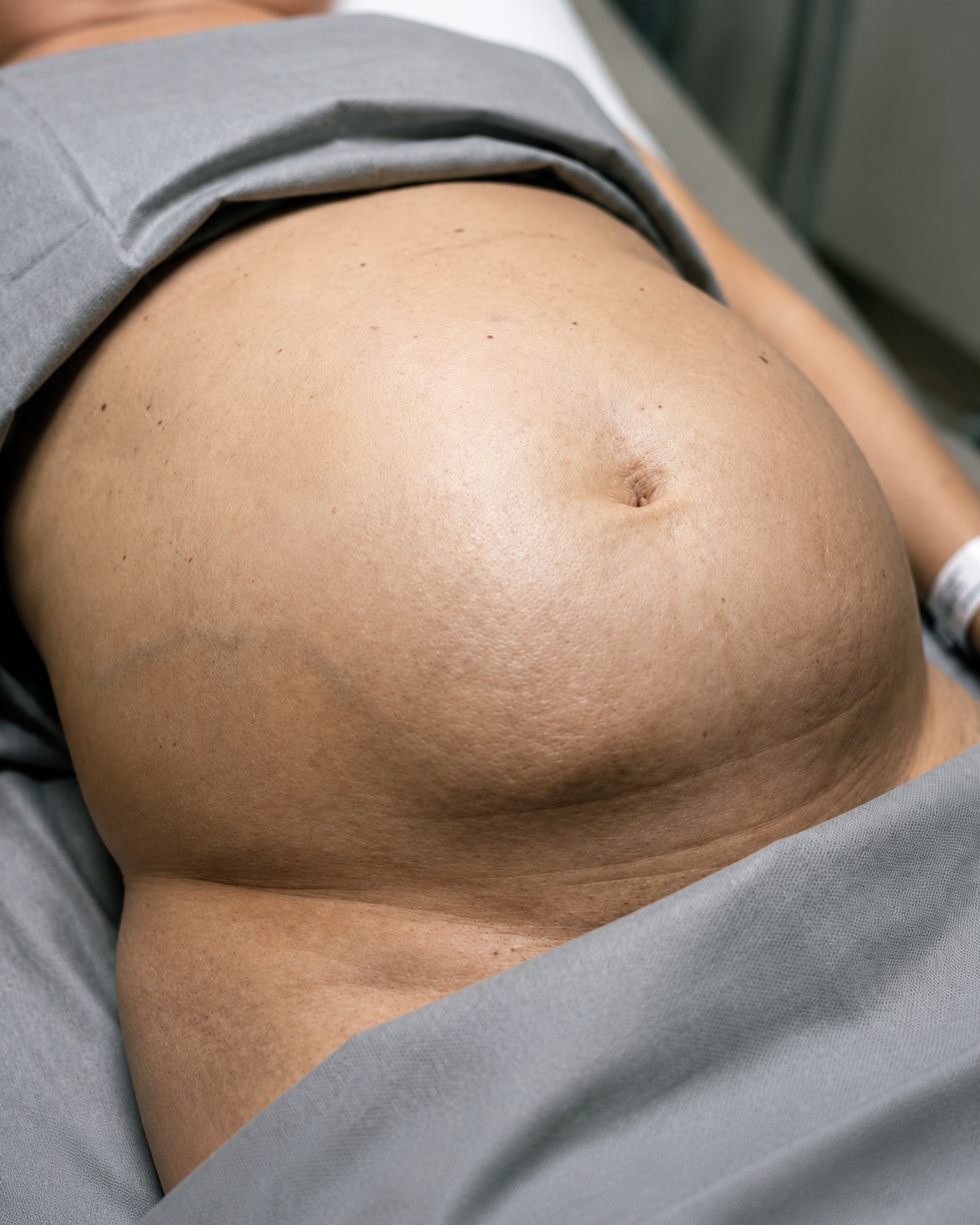
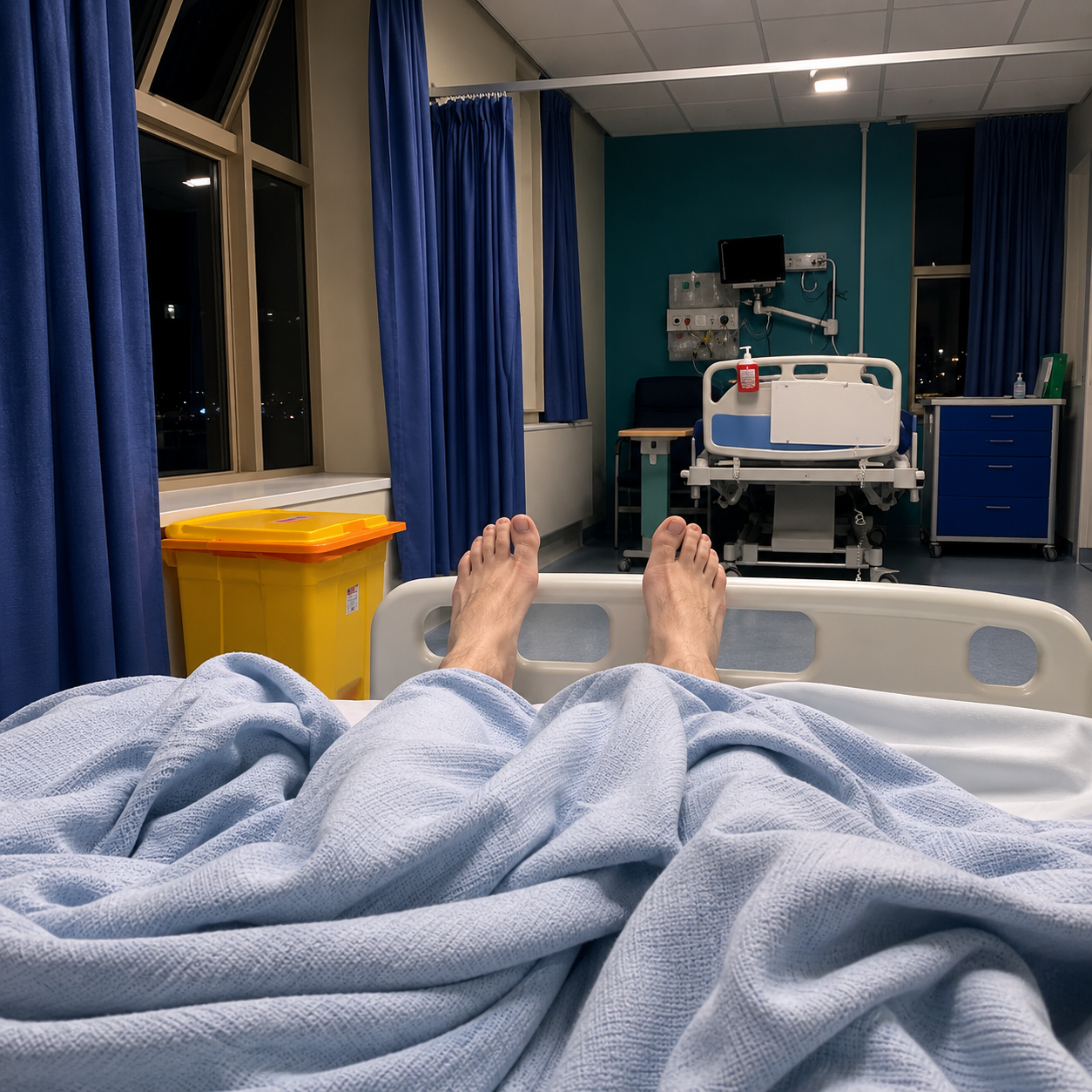
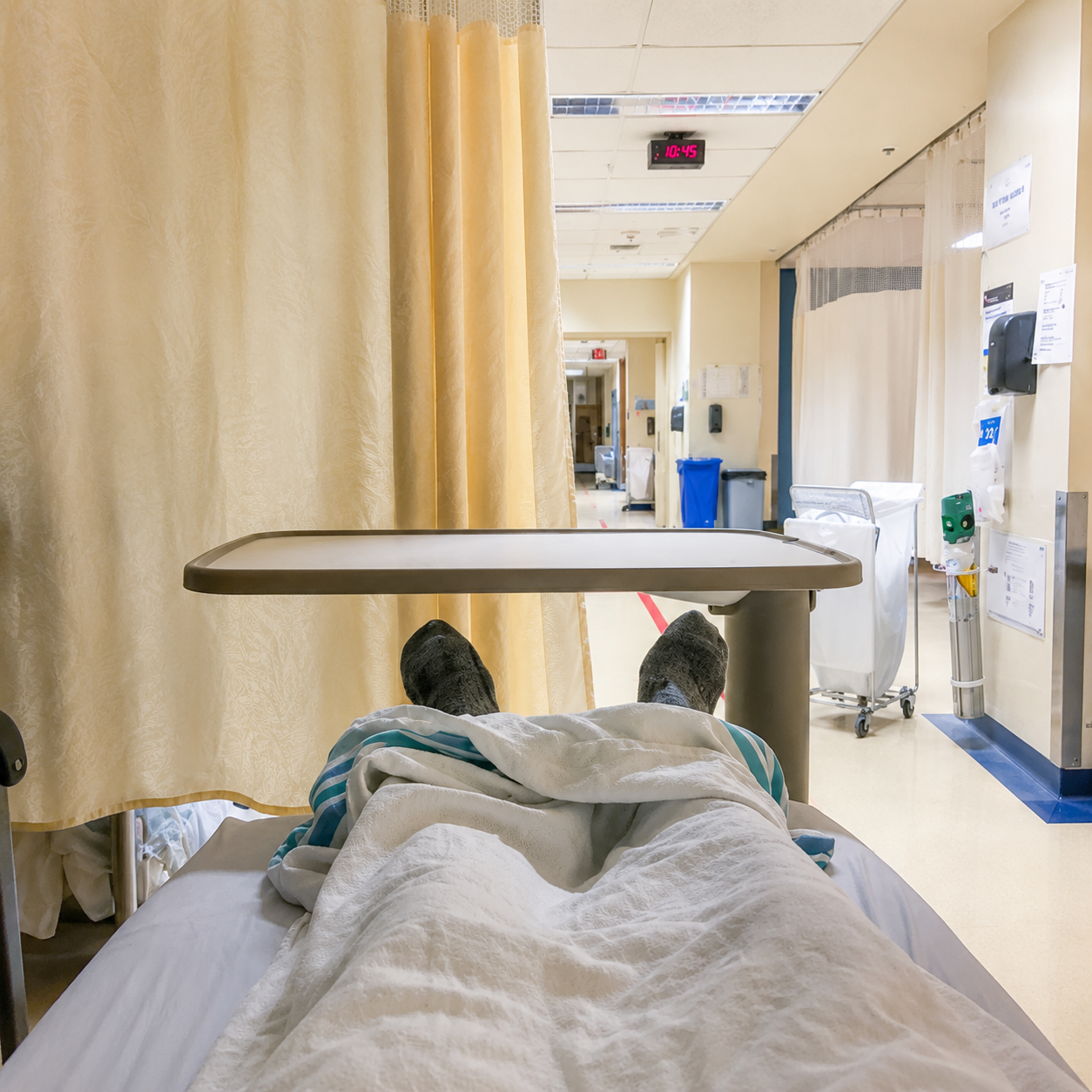
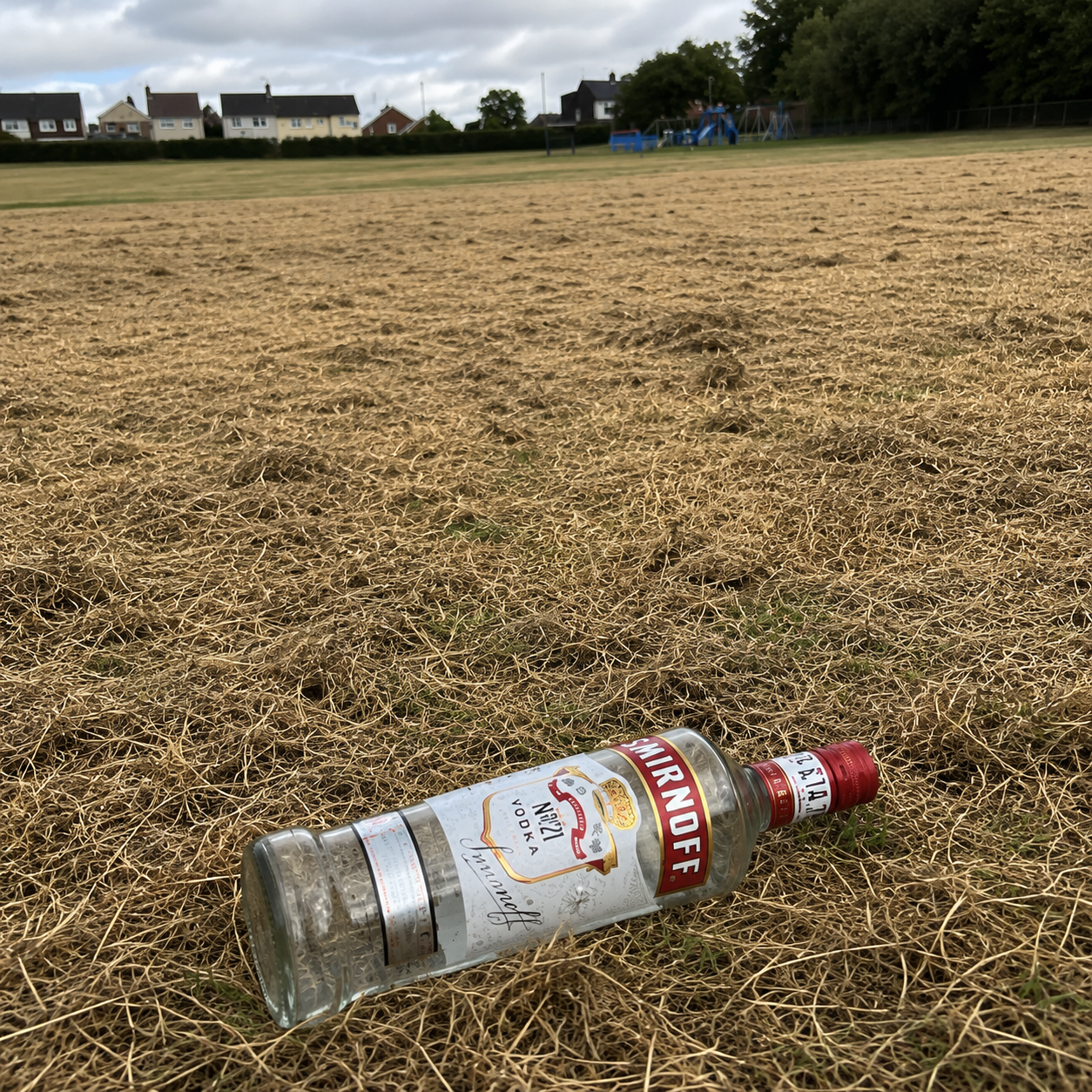
My husband quit drinking on August 8th, 2024. Poured every bottle down the sink. Went on the Mediterranean diet the same week his doctor told him to. Walked three miles a day. Started juicing kale, of all things. He did everything the doctors told him. He did everything six different Facebook groups told him. He died of liver failure on October 19th at 4:17 AM. He was 61 years old. Quit drinking on August 8th. Ate nothing that wasn’t approved. Lost 22 pounds. Walked three miles a day, rain or shine. The hospital bill was $63,000. The funeral was $11,200. Our grocery bill over those 103 days was $4,187. I still have every receipt. His favorite Norlan glass is still on the shelf above the sink. I can’t move it. If I move it, he’s really gone. That’s it. I need to tell you what happened to Michael. Because I’m seeing the same posts on Facebook that I was making just months before he died. “My husband’s doctor told him his fatty liver was serious, anyone had luck with keto?” “My husband is six weeks Mediterranean and his ALT went UP, do we switch to carnivore?” “Milk thistle, TUDCA, or NAC, which one actually works?” And it makes me physically ill. If you’re over 50, or someone you love is, and a doctor has ever used the words “elevated liver enzymes” or “fatty liver” in the same sentence as their name, please read this entire thing. I know it’s long. I know you’re scrolling. I know you have things to do. Fifteen months ago I would have given anything, everything, for someone to tell me what I’m about to tell you. Michael went in for a routine physical on July 28th, 2024. He felt fine. Better than fine. He’d just turned 60. He still split his own firewood. He still rode his motorcycle on the weekends. He thought he was indestructible and honestly so did I. Two days later his doctor called. ALT of 198. AST of 187. The ultrasound had picked up fat in his liver. The doctor called it “moderate steatosis.” Michael was quiet on the call. I was in the kitchen pretending not to listen. “How much do you drink?” “Couple bourbons a few nights a week. Beer at the game on Sundays. Maybe whiskey at a wedding.” “That’s part of it. You need to cut the alcohol out. But the fat in the liver, that’s the bigger issue. You need to lose some weight and clean up your diet. Mediterranean is a good place to start. Cut sugar. Cut refined carbs. We’ll retest in three months.” Michael asked if he should see anyone. A dietitian. A specialist. “Each person’s needs are different. Focus on the basics first. We’ll see where the numbers are in three months.” That was the appointment. Six minutes on the phone. No plan. No referral. No callback. Michael hung up and sat at the kitchen table for forty minutes without saying anything. Then he stood up, walked to the bar cart, and took everything out. I watched him pour out a $180 bottle of Blanton’s. A $90 bottle of Buffalo Trace. A $40 bottle of Maker’s Mark. Two cases of beer down the kitchen sink. The whole bourbon shelf, gone in under an hour. “That’s it,” he said. “I’m done. All of it. Whatever they want.” And he was. For 103 days, he didn’t touch a drop. No bourbon. No beer. No whiskey. Not at his nephew’s wedding in August. Not at the Bears game in September. Not at his own 61st birthday dinner in October where his brother ordered an old fashioned right in front of him and Michael drank seltzer water with a lime. He stopped going to his Tuesday night poker game because he couldn’t sit there sober while everyone else got loose. He lost his buddy Mike, who told him “you’re no fun anymore” and stopped inviting him. He lost the Friday bar night at the country club. He lost a piece of himself he’d been carrying for 35 years. And that was the easy part. The diet is what broke him. That first week we drove to Whole Foods and I stood in the aisle with a list Michael had printed off a Mayo Clinic PDF. Wild-caught salmon. Extra virgin olive oil, the real kind, cold-pressed. Walnuts. Chickpeas. Blueberries in January in central Illinois, God knows where they were flown in from. Our weekly grocery bill went from $340 to just under $1,400 a month. I still have the receipts. I keep them in the same drawer as the funeral invoice. I started cooking two dinners every night. Michael’s dinner, and mine, and whichever grandkid was staying over. Our five-year-old wanted spaghetti and I couldn’t put the spaghetti on Michael’s plate because his printout said no refined carbs. So there were two pots on the stove. Two cutting boards. Two of everything. Every night. For six weeks. Michael lost 8 pounds in the first three weeks. He was proud. He showed me on the scale like a kid. Then at week five he came home from the plant, sat down at the kitchen table, and said, “Marie, if I have plain salmon and rice one more night this week I’m going to lose my mind.” I told him I understood. I told him we’d figure something else out. That night after he went to bed I found him at 11 PM on the couch with his phone. He’d joined three Facebook groups. Fatty Liver Warriors. NAFLD Recovery. Liver Health Community. He was reading posts from strangers. One of them told him the Mediterranean diet was outdated and the real culprit was carbohydrates. That he needed to switch to keto. Someone else said keto was dangerous for the liver and he should try carnivore. Someone else said carnivore was going to kill him and he should try whole-food plant-based. Someone else said he needed to fast for 18 hours a day. Michael switched to keto the next morning. Three weeks of keto. He was miserable. He said his brain felt like it was full of wet sand. He wasn’t sleeping. He was down another 6 pounds but his skin looked gray. At the week-three mark he happened to have an unrelated appointment for a shoulder issue and his primary pulled a panel. His ALT had gone up. From 198 to 224. In three weeks. On a diet a Facebook stranger had told him was the answer to fatty liver. His primary told him to stop keto immediately. Return to Mediterranean. Michael sat in the truck in the parking lot and I could hear him crying through the phone. He went back to Mediterranean. Then he added intermittent fasting because someone said it was the missing piece. Then he added beetroot juice, because a woman in one of the groups swore by it. Then turmeric capsules. Then dandelion root tea. Then artichoke extract. Then milk thistle, because his primary had said she “wasn’t against it.” By day 85 there were six supplement bottles on the windowsill above the sink. Six. He took a handful every morning with the juice and a handful every night with whatever variation of grilled chicken and roasted vegetables I’d made. Three diets. Six supplements. Quit drinking entirely. Walking three miles a day. Down 22 pounds in 103 days. The follow-up labs came back on October 7th. ALT: 184. AST: 176. He’d quit drinking for 90 days, given up the food he loved, spent $340 on supplements, and the numbers had moved eight points. Eight points. The doctor said, “Give it more time. The liver heals slowly. Keep doing what you’re doing. We’ll retest in 6 months.” Michael came home that night and sat at the kitchen table again. The same table he’d sat at after the first call. He didn’t say anything for a long time. Then he said: “Marie. I quit bourbon. I ate every leaf they told me to eat. I tried three different diets. I lost 22 pounds. And the number moved eight points. Eight. What are we even doing?” I told him to give it time. I told him the doctor said six months. I told him to trust the process. He nodded. He kept walking. He kept juicing. He kept swallowing six pills a day. Five days later, five days, he woke up at 2 AM with a pain in his right side that doubled him over. I drove him to the ER. By the time they admitted him at 4:30 AM, the whites of his eyes were yellow. Not “a little off.” Yellow. Like a highlighter. Like someone had switched the lights out behind them. The ER doctor, a young guy, couldn’t have been 35, looked at Michael’s bloodwork and his face did this thing. “Mr. Baker, your bilirubin is 8.2. Your ALT is now 847. Your liver is in acute decompensation. We’re admitting you to the ICU.” “But I quit drinking three months ago,” Michael said. “I’ve been on three different diets. I’ve been taking everything. I’ve done everything they told me to do.” The doctor just looked at him. “I know, Mr. Baker. I’m sorry.” Michael spent 11 days in the ICU. I learned things about the liver I never wanted to know. I learned that when a liver shuts down, the toxins your body produces every single day, ammonia mostly, start building up in your blood and crossing into your brain. They call it hepatic encephalopathy. It means your husband stops being your husband. He looks at you like he’s trying to remember who you are. He says things that don’t connect. On day 6, Michael asked me three times in twenty minutes if I’d fed the dog. We don’t have a dog. We haven’t had a dog since 2010. I learned that they inject something called NAC intravenously when a liver is shutting down. The nurse told me it’s the same compound they use for acetaminophen overdoses. She said it forces the liver to start rebuilding the master antioxidant it uses to protect itself, something called glutathione. She said it’s the only thing they’ve got, and at this stage they were hoping it could buy him time. It bought him 11 days. Day 8, his kidneys started failing. The doctors talked about a transplant. Then they talked about him not being a candidate because of how fast he was declining. Then they stopped talking about transplants altogether. Day 10, his belly swelled up like he was nine months pregnant. They drained 4 liters of fluid out of his abdomen. Four liters. The nurse called it ascites. I called my daughter. Day 11, October 19th, I was in the family room down the hall. They’d asked me to step out while they intubated him. At 4:09 AM I heard the long beep. At 4:17 AM, a doctor I’d never seen walked into the family room. I knew. “I’m so sorry. We did everything we could.” I drove home at 6 AM. The juicer was still on the counter. The walking shoes were by the back door. The six supplement bottles were still lined up on the windowsill above the sink. His printout of “Mediterranean Diet: 30-Day Meal Plan” was still magneted to the fridge, the corners curled from steam. His favorite Norlan glass, the one he loved because it was his favorite, was still on the shelf above the sink. Where it sits today. I sat in his recliner. I didn’t move for six hours. The house was so quiet I could hear the refrigerator hum. 38 years. And now the only sound in my house was the refrigerator. The funeral was December 9th. Michael’s brother flew in from Arizona. Our daughter drove up from Bloomington. The grandkids wore suits that were too big for them. My five-year-old granddaughter asked me: “Grammy, when is Pop-Pop coming home?” I told her Pop-Pop was in heaven now. She said: “Can we call him there?” I had to walk out of the room. After the funeral, I tried to go back to normal. I couldn’t. Because every time I opened my phone I saw people my age, men Michael’s age, posting things like “doctor said my numbers are a little elevated, anyone tried milk thistle?” or “6 weeks Mediterranean, my ALT went UP, should I try keto?” or “annual physical, slightly fatty liver, no big deal, right?” And I knew, I KNEW, some of them were doing exactly what Michael did. Quitting. Eating clean. Bouncing between three diets. Buying six supplements. Walking. Juicing. Taking the milk thistle. And dying anyway. I couldn’t just sit there and watch it happen. So I started researching. Not because I wanted to. Because I had to. Because if Michael gave up everything for nothing, if I can’t save even one person from what happened to him, then I can’t live with that. I read for weeks. Medical journals I barely understood. Hepatology forums. Studies out of Japan and Germany and Italy. And one thing kept coming up, over and over, that no doctor ever told us, that no Facebook group ever mentioned: The reason Michael’s numbers didn’t come down is that quitting drinking and switching diets only stops the damage. It doesn’t clear what’s already built up. Specifically: lipophagy. Lipophagy is the process your liver uses to break down and remove the fat stored inside its own cells. The slow, quiet cleanup that’s supposed to run in the background, clearing droplets of fat before they accumulate. Every cell in your liver depends on it working. And here’s what no one told us. When fat starts collecting in the liver, that cleanup process doesn’t just slow down. It gets switched off. The more fat accumulates, the quieter lipophagy goes, and the quieter it goes, the more fat accumulates. The liver stops clearing itself. And because there are almost no nerve endings inside it, you feel none of it happening. And here’s the part that made me sit up straight: The fat wasn’t building because of one bad meal or one lazy season or one bottle of bourbon. It was building because the system designed to clear it had gone dormant. And nothing in the diet, the walking, the cutting back, the supplement stack was switching it back on. Read that again. The liver wasn’t failing to lose the fat. It had lost the ability to clear it. That’s where bergamot comes in. The polyphenols in bergamot activate an enzyme called AMPK, the same energy sensor your cells use to decide when to store fat and when to burn it. And when AMPK comes back online, it does something the diets couldn’t: it reactivates lipophagy. The dormant cleanup process switches back on, and the liver starts doing what it was always supposed to do. Clearing the fat out of its own cells, one droplet at a time. His liver wasn’t clogged by the fat. It was clogged because the system that clears the fat had gone empty, and everything kept getting poured into a tank that could no longer drain. And here’s why cutting back on drinking alone didn’t turn it around. Here’s why bouncing between Mediterranean and keto and fasting didn’t turn it around. Here’s why milk thistle and turmeric and beetroot and artichoke didn’t turn it around. Stopping the bad habits stops more fat from piling on. Switching diets changes what’s coming in. Supplements sit on the surface. None of them switch the cleanup back on. By the time the panel came back, lipophagy had already gone dormant, and the fat was already accumulating faster than anything was clearing it. Eating clean, cutting carbs, juicing kale, those things slow how fast more fat builds up. They do not restart the process that clears what’s already there. That’s why his numbers wouldn’t move. He gave up everything he loved to stop the bleeding from a wound that was already inside him. I sat with that for three days. And then I started looking at what I’d been doing. I’d thrown out Michael’s six supplement bottles the week after the funeral. But I bought a new bottle of milk thistle for myself. Because I’m 59. Because my own labs were “borderline” at my last physical. Because I was scared. I took it for three weeks. My doctor, a different one from Michael’s, one I called because I trusted her, laughed when I told her. “Marie. There’s an actual clinical trial. Over a year of milk thistle at high dose. It didn’t move ALT. It didn’t move AST. It sits on the surface. It doesn’t refill anything.” Then she said something I’ll never forget: “If Michael had been on something that actually helped switch the liver’s fat clearing system back on, the picture might have been very different.” I stopped breathing for a second. “Why didn’t his doctor tell us about that?” She was quiet for a long time. “Because we don’t prescribe supplements. And the ones that work aren’t the ones on the shelf at CVS.” I went to CVS the next day. I stood in that aisle for forty minutes. Milk thistle. Silymarin. TUDCA. NAC. Dandelion root. Artichoke extract. Beetroot powder. Choline. “Liver Detox 30-Day Cleanse.” Turmeric. “Hepatic Support Complex.” “Advanced Liver Formula.” Multivitamins with “liver support.” Twelve bottles. Twelve versions of the same six supplements Michael had been rotating through in the last month of his life. I bought the milk thistle first because it’s what he’d taken. Then, at home, I started Googling. And what I found made me throw the bottle in the trash. A compromised liver can’t absorb a capsule properly. The capsule passes through the organ that’s already failing before the active ingredients reach the bloodstream. Most of what you’re paying for never makes it where it needs to go. You’re peeing out $14.99. Liquid, held under the tongue, absorbs directly into the bloodstream. It doesn’t have to pass through the gut. It doesn’t have to pass through a compromised liver to get where it’s needed. I had been doing the right thing in the wrong form. Michael had spent 103 days doing that. Six bottles of the wrong form. I was furious. I’m still furious. About a week later I was reading a thread on Facebook, one of those liver health groups Michael had been in, still full of people like he was. “Elevated enzymes” people. “Borderline NAFLD” people. People bouncing between three diets and six supplements. And a woman posted something that stopped me cold. She said her husband had been told to quit drinking at 58. He quit. Went full Mediterranean. Numbers barely moved for six months. Sound familiar? Then he found a liquid formula built around bergamot polyphenols. The same compounds that a group of Italian researchers at the University of Catanzaro had studied over 120 days in a group of 107 patients. What they found is that these polyphenols switched AMPK back on and reopened the drainage pathway. On average the patients’ ALT came down and their liver fat went down on the ultrasound. She said her husband’s last two panels came back better than they had in years. Without going back to drinking. Without swapping to a different diet. Without adding a seventh supplement. I read that post six times. I started looking into the formula she mentioned. And what I learned is that there are four things serious liver support actually has to do, at the same time, or it’s a waste of your money. It has to switch the cleanup back on. The fat sitting in your liver cells doesn’t leave on its own once lipophagy has gone dormant. Something has to reactivate it. That’s what the AMPK pathway controls. Bergamot’s polyphenols switch AMPK back online, which is what restarts the process that breaks down the fat already stored inside the cells. It has to keep working once that fat is broken down. Moving it. Clearing it. Not just loosening it and leaving it to resettle. AMPK reactivation drives the whole sequence, not a single step, so the fat that gets broken down keeps moving instead of hardening in place. It has to protect the liver cells that are still trying to work. Olive leaf and soursop help buffer the oxidative stress those cells are under while the cleanup is happening. Milk thistle tries to do this alone. That’s the equivalent of putting sandbags around a house that’s still flooding from the pipes. And it has to be in a form your liver can actually use. A capsule gets broken down in the gut before most of it ever arrives. A sublingual liquid, held under the tongue, absorbs directly into the bloodstream. Black pepper extract in the formula boosts that absorption further. So the bergamot reaches the tissue intact, at a fraction of what a pill would deliver. Four things. All four. At the same time. In liquid form. I went through every product I’d looked at in CVS. Not one of them did all four. Most did one. The expensive ones did two. None of them were liquid. That’s when I found Pura. It was the only formula I could find that hit all four. Bergamot as the main ingredient. Olive leaf and soursop for cellular protection. Black pepper extract for absorption. Liquid dropper, one dropper in the morning under the tongue. Made in the US. 90-day money-back guarantee tied to your actual labs. If your numbers don’t improve, you get every penny back, no questions asked. I almost didn’t order it. After the CVS aisle. After the milk thistle. After Michael. After everything. But I had a brother who was still drinking like Michael used to drink and had just come back from a routine appointment with an ALT of 168. I had a son-in-law with “borderline” fatty liver who was already on the Mediterranean-then-keto merry-go-round. I had myself. I ordered it. My brother. I sent him a bottle. I didn’t ask. I just sent it. Wrote a note that said “If you don’t take this every day I will never speak to you again, Frank, I mean it.” He took it. He kept drinking, he wouldn’t quit, he’s stubborn the way Michael was stubborn, but he took it every morning. He went back to his doctor last month for a follow-up. His panel came back better than it had in years. Well within normal range. His doctor asked him what he’d changed. He hadn’t quit drinking. He hadn’t changed his diet. He hadn’t started exercising. The only thing he’d changed was the liquid he took in the morning. He called me crying. My brother. 57 years old. Crying on the phone like a kid. He said: “Marie, I think Michael died because nobody told him about this.” I had to hang up. Then there’s my son-in-law. 44, two kids, “borderline fatty liver” at his last physical. Been bouncing between Mediterranean and low-carb for a year, none of it moving the needle. Started taking it six weeks ago. He says his afternoon energy is back. He says the dull ache he’d been feeling under his right rib for two years, the one his doctor said was “probably nothing,” is gone. My neighbor Karen. Her husband died of cirrhosis four months before Michael. Two widows on the same street. She started taking it two days after I told her. She says it’s the first time since he died that she doesn’t feel like she’s waiting for a phone call. I told my sister. I told Michael’s brother. I told the women in my book club. I told the guys at Michael’s old poker game when I went to drop off a casserole. I’m not a doctor. I’m not a scientist. I’m not selling anything and I don’t get a penny from any of this. I’m a 59-year-old widow sitting in my dead husband’s chair at 2 in the morning because I can’t sleep and I can’t stop thinking about my brother and whether he’s going to end up where Michael ended up. Here’s what I know because I lived it: Quitting drinking stops the damage. It doesn’t refill what’s been depleted. It doesn’t switch the cleanup back on. Bouncing between Mediterranean and keto and fasting doesn’t turn it around either. Different food in. Same broken system. Milk thistle, turmeric, dandelion, beetroot, artichoke. They protect the cells you have left. They don’t rebuild the system those cells are running on. And a compromised liver can’t even absorb them properly through the gut. Michael gave up everything he loved for 103 days and it didn’t save him because nobody told him what was actually broken. His body was still doing what it could. But the cleanup system had gone dark, and nothing he was doing was turning the lights back on. I wish someone had told us before October 19th, 2024. Before the routine physical. Before the bourbon down the sink. Before the $1,400-a-month grocery bills. Before the two dinners every night. Before the three diets and the six supplements. Before he left me. I can’t go back. Michael can’t come back. His Norlan glass is still on the shelf and it’s going to stay there. But you can still go forward. Your husband can. Your brother can. You can. The page that explains all of this, the AMPK mechanism, why the numbers don’t move when you quit, why they don’t move when you switch diets, why the capsules don’t work, and what the formula actually contains, is the page I found at 3 AM. Not protecting. Restoring. That’s the line that finally made it click for me. I want you to read it. Not for me. For whoever you’d leave behind. 👇 https://purasculpt.com/products/bergamot-fatty-liver-cleanse-formula Michael used to say: “You can’t unring the bell, but you can stop ringing it.” You can stop ringing it. — Marie Sullivan, age 59, Springfield, IL P.S. The Norlan glass is still on the shelf. I still can’t move it. Every morning I walk past it and for one second I forget. For one second I think he’s about to come down the stairs and tell me he’s going for a walk before work. He’s not. $63,000 in hospital bills. $11,200 for the funeral. $4,187 in groceries. Six supplement bottles I threw in the trash. 103 days of him giving up everything he loved for eight lousy points. And a liquid that costs less than his Tuesday night poker buy-in. A liquid his own doctor told me could have changed everything if we’d known. Please. Don’t end up here. Don’t let someone you love end up here. 👇 https://purasculpt.com/products/bergamot-fatty-liver-cleanse-formula P.P.S. I don’t work for Pura. I don’t get a penny from this. I’m writing this at 2:14 AM because I can’t sleep and Michael’s side of the bed is cold and my brother is 57 and stubborn and I’m scared every time the phone rings. Share this with anyone you love whose doctor has ever said “just clean up your diet” or “we’ll retest in three months.” Share it with anyone bouncing between Mediterranean and keto. Share it with anyone whose windowsill has more than three supplement bottles on it. Even if they already quit drinking. Even if they think they’re “doing everything right.” Especially then.
Like this ad? Make it yours.
Crush rebuilds this exact creative around your product — your brand, your colors, your offer — in about a minute.