Conny Brown
 Facebook ad: “Read If Your Home Drains You”
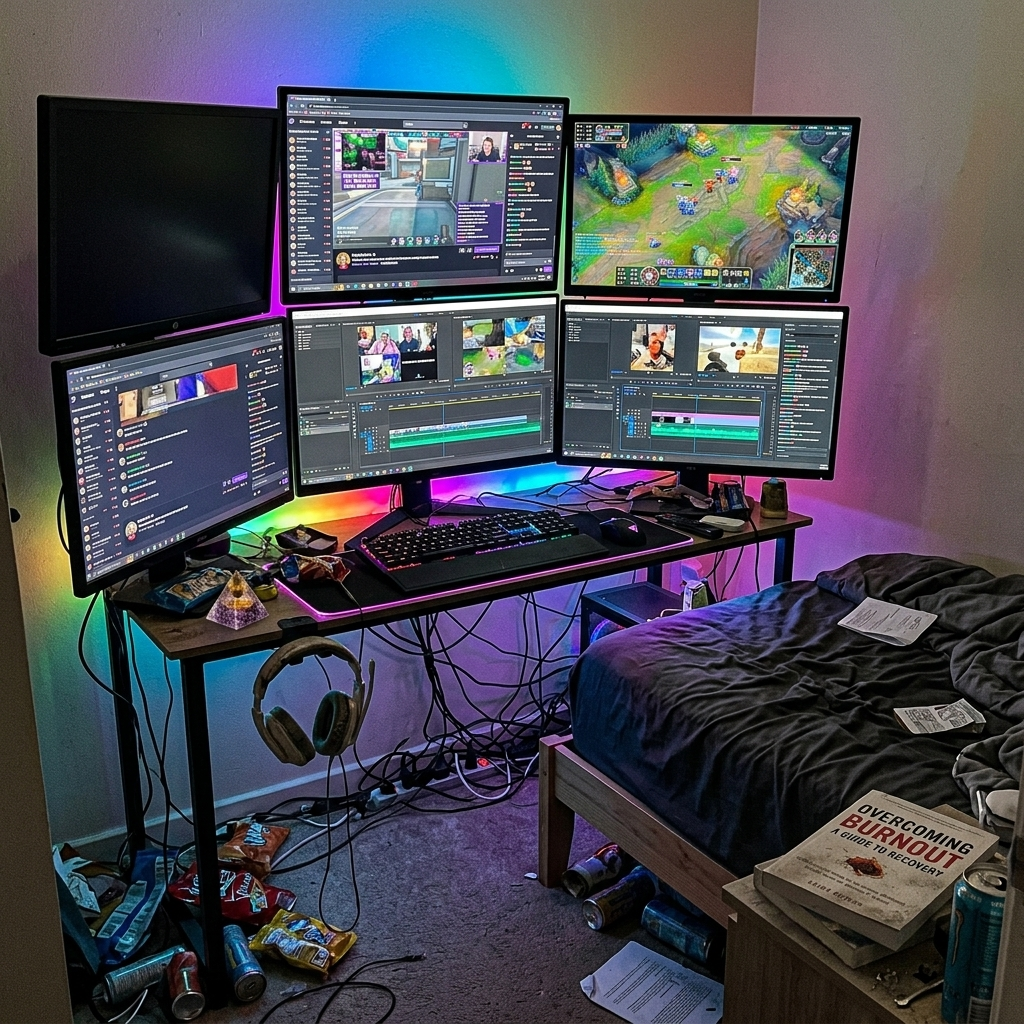
Ran for 6 days, from August 25 to August 31, 2026, the last day Crush saw it.
Run by Conny Brown on Facebook. Crush is not the advertiser and does not verify its claims. See this ad in Meta's Ad Library(opens in a new tab)
Make your own version of this ad
Crush makes it, launches it in your own Meta ad account, scales the winners and pauses the losers.
About this ad
- Meta Ad Library ID
- 1060595126362739
- Platforms
- Facebook, Instagram, Audience Network, Messenger, WhatsApp and Threads
- Relaunches
- 0
Ad text
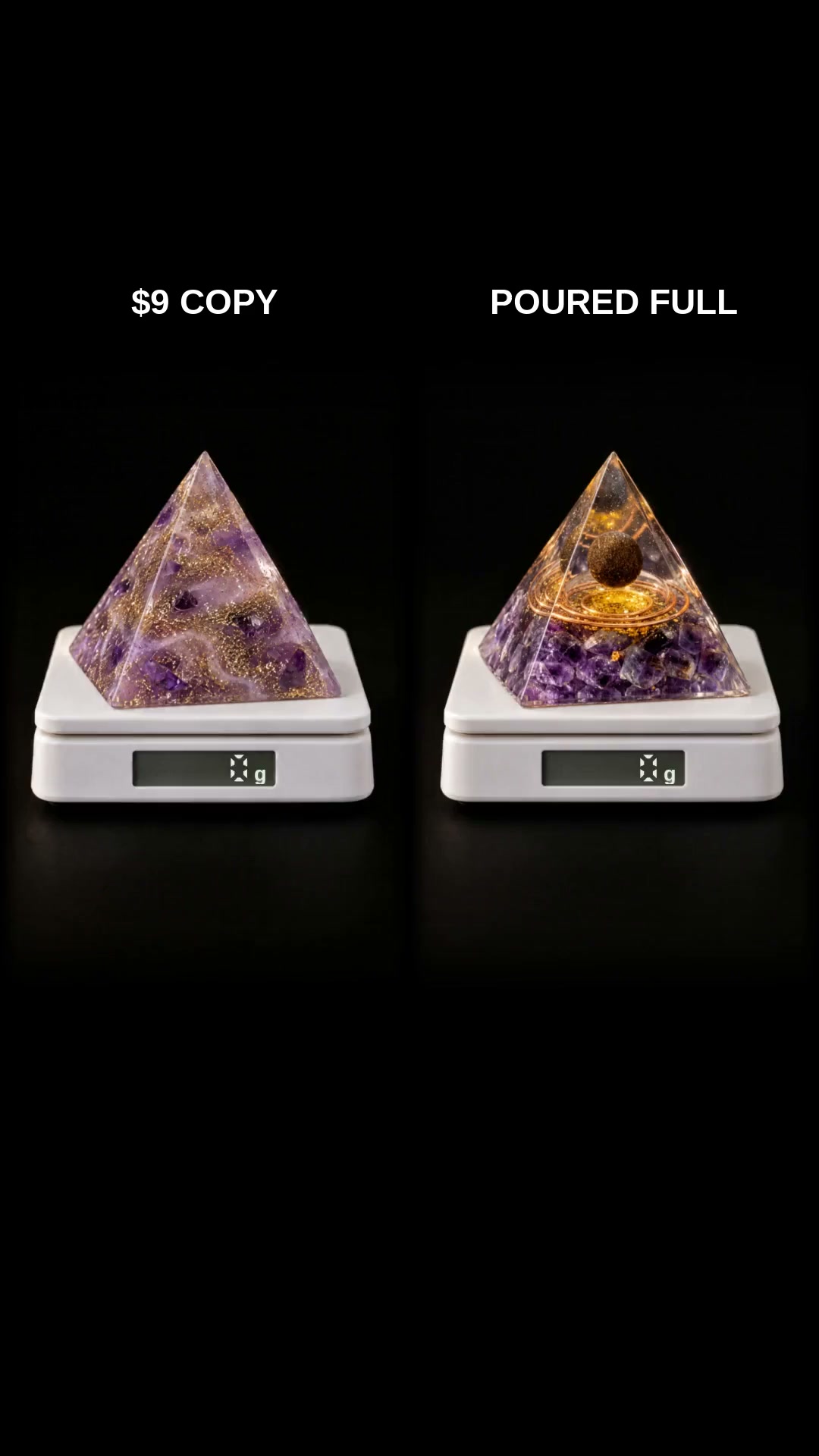
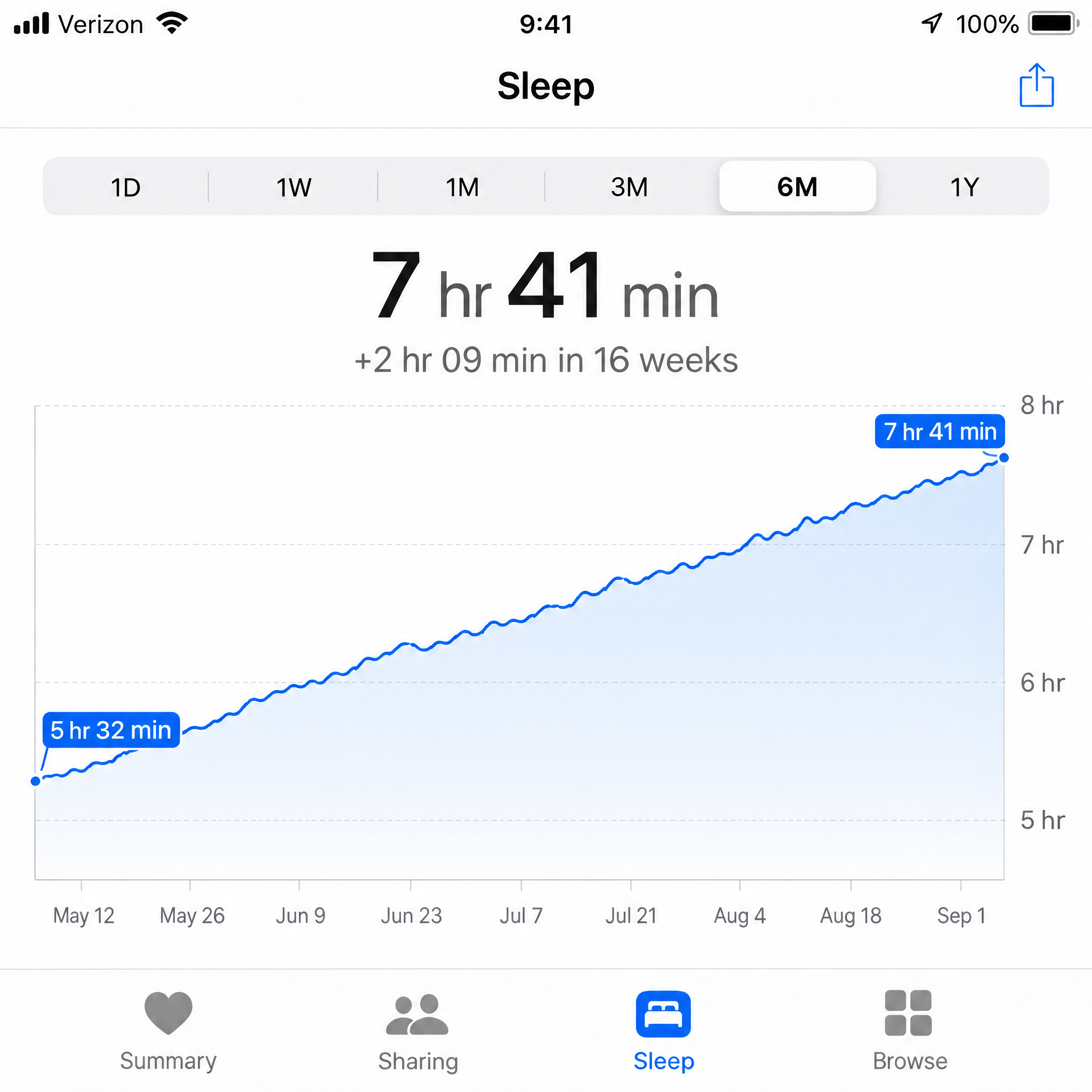
I almost quit the job I loved because I thought the industry was breaking me. Everyone in esports talks about burnout. It's the explanation that's always available, always socially acceptable, always believable — the 60-hour weeks, the late-night matches, the pressure of coaching players half a decade younger than you who are convinced, the way you were at their age, that they're going to make it. I had internalised burnout as the obvious explanation for a year of increasing irritability, memory lapses during team strategy sessions, and an inability to sleep after matches that ran past midnight. I journaled about burnout. I took a week off specifically framed as a burnout reset. It didn't help. I came back from that week and within four days I was exactly where I'd been before I left. My name is Tyler Nakamura. I am 28. I live in Grand Rapids, Michigan. I'm an assistant coach for a competitive esports team, working remotely from a home setup I built specifically to give my players the lowest possible latency during matches — because in competitive play, twenty milliseconds is the difference between a coaching call landing in time to matter and landing too late to matter at all. Six monitors. A dedicated gigabit router. A mesh network extender I added specifically because the team's matches demanded sub-20-millisecond latency and my apartment's original WiFi coverage wasn't consistent enough in the room I work from. My phone, always on, always connected, because a player needing a call mid-match doesn't wait for you to find your phone. A second laptop running match monitoring software continuously. All of it, built entirely in service of doing my job well, concentrated in a one-bedroom apartment where the home office and the bedroom are the same room, because that's what a one-bedroom apartment in this industry on this salary looks like at 28. I had built one of the densest EMF environments imaginable, entirely by accident, entirely in pursuit of professional excellence, and I had spent a year blaming an entire industry's culture for symptoms my own room was actively amplifying. I found out because of a teammate — not on my team, a friend who coaches for a different org, who I was venting to over a late-night call about the burnout thing, the memory lapses, the way I'd start explaining a strategic read to my players and lose the thread mid-sentence in a way that genuinely scared me at 28. "Have you measured your setup?" he said. "Like, actually measured it?" I hadn't. I didn't know that was a thing you measured. I bought a meter. I measured my room. 103 V/m. The highest reading in this entire collection of stories, and I say that having read a lot of them since, because once I started looking into it I fell into the same rabbit hole everyone else clearly falls into. Organic resin contracting permanently around copper shavings and Brazilian amethyst crystal under permanent mechanical compression generates a continuous coherent piezoelectric electrical charge. Pierre and Jacques Curie. 1880. Every quartz oscillator on earth. The coherent output converts the ambient field character from chaotic incoherence to coherent energy — the six monitors stay on, the mesh extender stays on, the latency my players need stays exactly the same, and the field character in the room changes regardless. I placed the Spirad pyramid on the one open corner of my desk that wasn't already occupied by equipment. Week 1–2: Room field before pyramid: 103 V/m. After: 27 V/m. Sleep, tracked via a wearable I'd bought during the burnout week and mostly stopped checking because the data was too depressing: deep sleep from 19 minutes to 58 minutes per night. I coached four matches in that stretch. Zero memory lapses during strategic calls, the first time in a year I could say that about a full week. Week 3–4: Field: 25 V/m. I called the friend who'd asked the original question. "103 to 25," I said. "That's insane," he said. "What was it before you measured?" "I was calling it burnout," I said. "Everyone calls everything burnout," he said. "That's kind of the problem with the word." He measured his own setup. 91 V/m. He ordered one for his desk. Week 5–12: Field: 24 V/m. Cognitive battery at week twelve: processing speed 22 percentile points above a baseline I'd taken, half-jokingly, during a mental-health-at-work seminar our org ran the previous year. Morning energy: 7.4 out of 10, up from an average of 3.4 across the burnout year. I didn't quit. I'm coaching the same team, same hours, same late-night matches. The industry didn't get less demanding. My setup didn't get any smaller — I still need every device on that desk to do my job the way my players deserve. What changed is the field character in the one room where all of it lives. Burnout is real. It's just not always the explanation, and it was never going to be fixed by a week off from a job I was never actually burned out on. I'll leave the link below. https://sanctuary.spirad.com/amethyst-emf/sales
Where the ad sends people
sanctuary.spirad.com
Read If Your Home Drains You
Only 47 pyramids remaining in this batch
Learn more: sanctuary.spirad.com(opens in a new tab)