Daily Health Journal
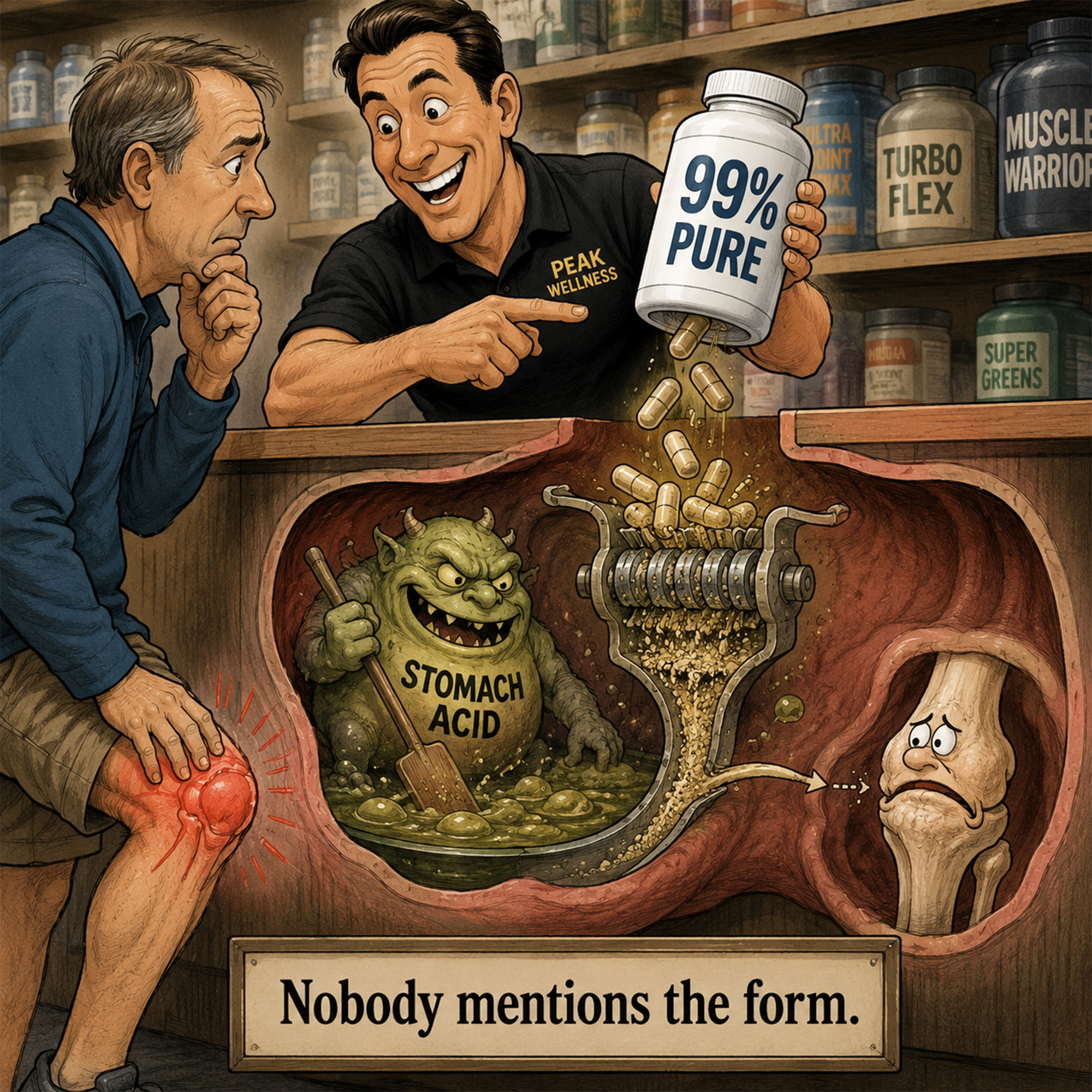
Daily Health Journal Facebook ad: “One number moves. The real cause stays.”
Ran for 10 days, from August 6 to August 16, 2026, the last day Crush saw it.
Run by Daily Health Journal on Facebook. Crush is not the advertiser and does not verify its claims. See this ad in Meta's Ad Library(opens in a new tab)
Want an ad like this for your product?
Crush makes new ad images for your product from this ad: your logo, your product photo, your offer.
Trials from $19.95 USD, then $79.95 USD a month. Cancel anytime.
About this ad
- Meta Ad Library ID
- 1065398119191702
- Platforms
- Facebook, Instagram, Audience Network, Messenger and Threads
- Relaunches
- 0
Ad text
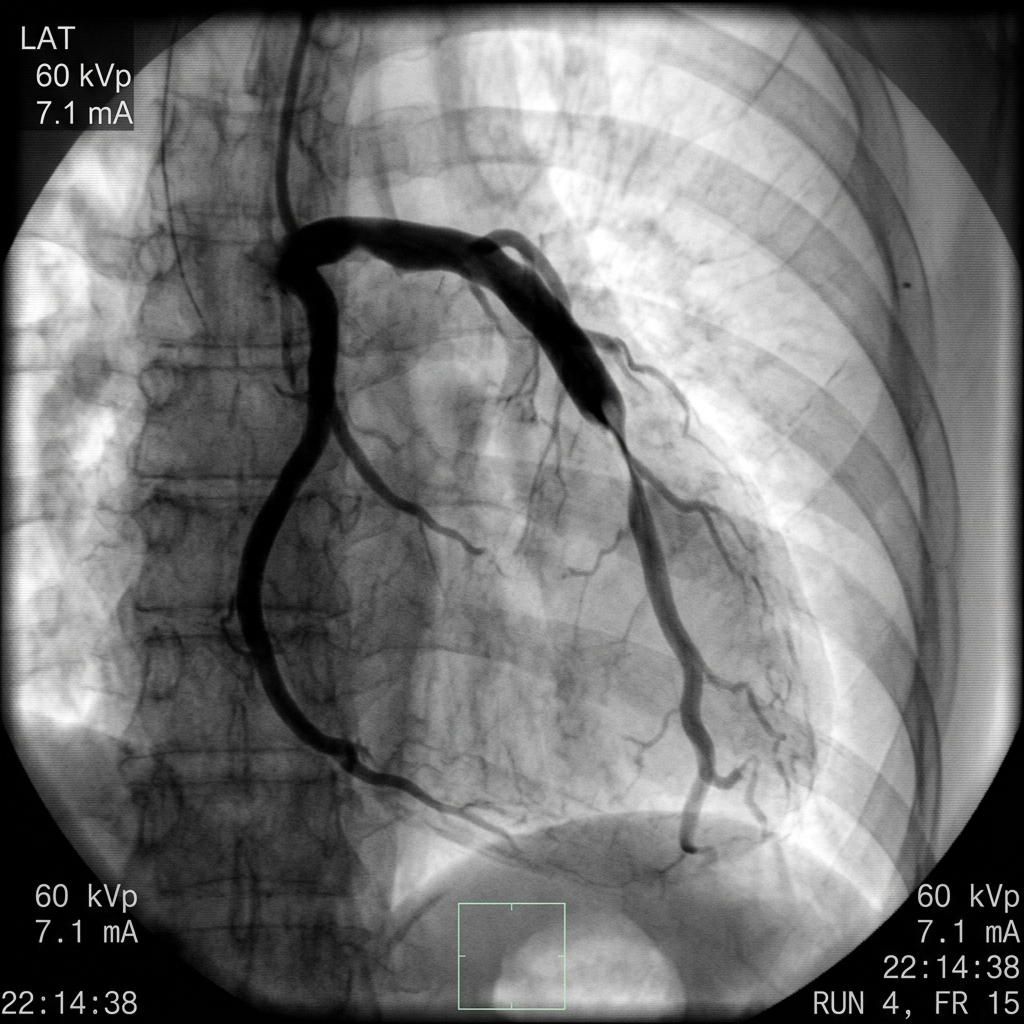
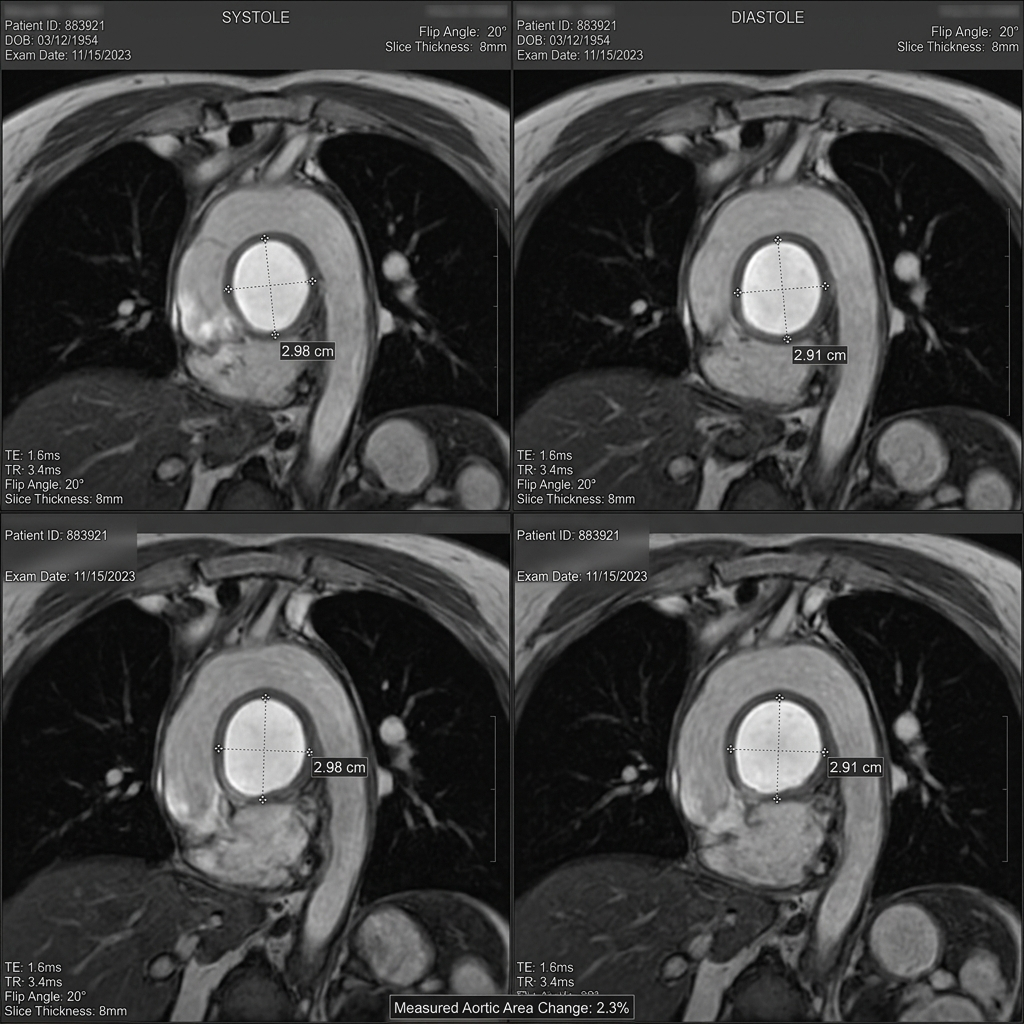
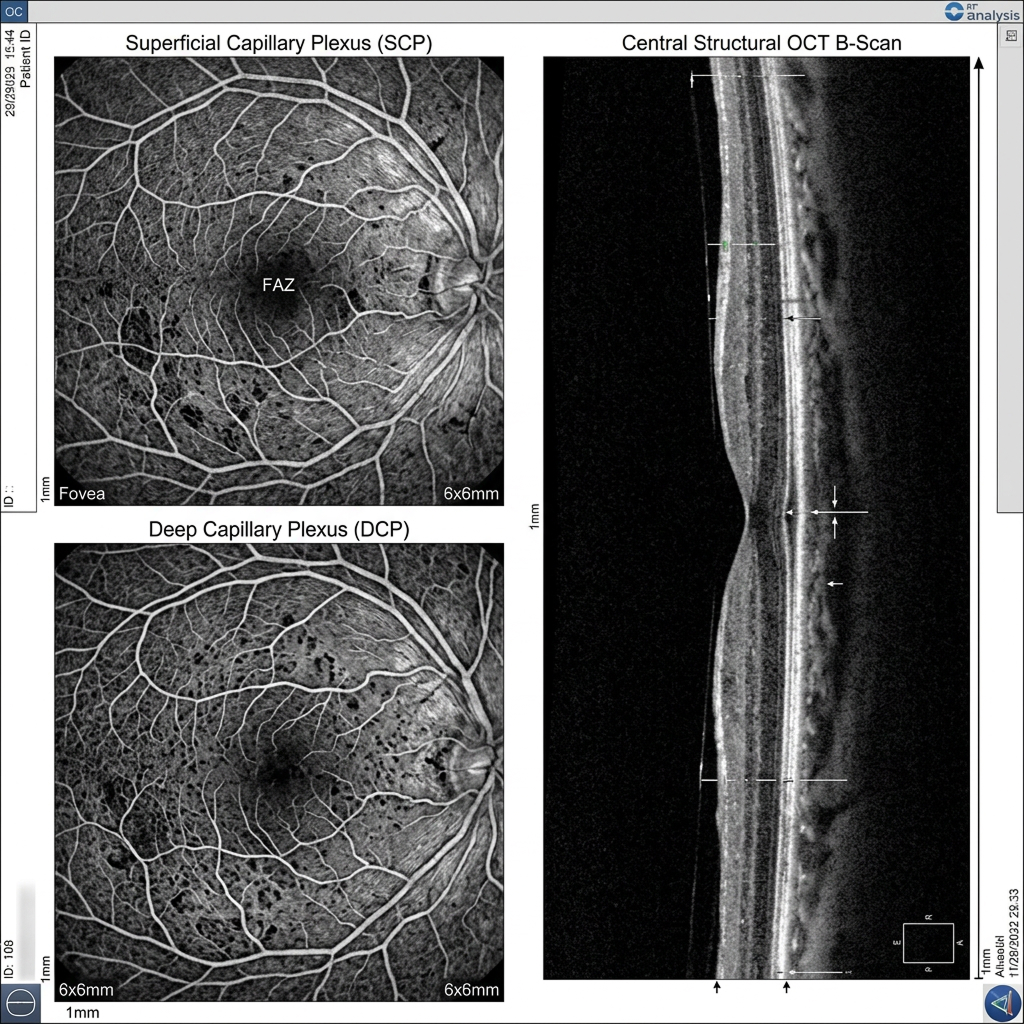
I've been administering blood pressure medications and statins for 18 years, but last month I refused to let my husband fill the prescription his doctor wrote. I want to explain why. Because there's a sentence I've been professionally unable to say out loud for almost two decades. And until three months ago, I kept my mouth shut. I'm not keeping it shut anymore. My name is Diane. I work the cardiac step-down unit at a hospital I'm not going to name. 18 years on the same floor. I've stood next to the bed of more men in post-cardiac-event recovery than I can count. I have watched men who started on a blood pressure pill at 54 end up needing stents at 63 and bypass surgery at 66. Most of them were on a statin too. Most of them had "controlled" blood pressure and "controlled" cholesterol written into their charts at every single visit, the entire time they were quietly getting worse underneath both numbers. And they kept ending up on my floor. Here's what my job looks like. A patient gets admitted post-procedure or with chest pain that turns out to be something worse. I pull up his chart. Blood pressure "controlled" on medication for the last nine years. Started at 54. Now 63. The statin added at year two when his LDL climbed past guideline range. Now he's on two medications, both dutifully logged as controlled at every visit, and he's on my floor because something has finally given out underneath both numbers at once. I keep a number in my head. I'm not going to share it because it would sound like I'm making it up. Just trust me when I say it's a lot of husbands. A lot of fathers. A lot of grandfathers. All of them "controlled" for years. All of them ending up on my floor anyway, every single one of them surprised. And I never said anything. I'm a nurse who took an oath, who has a license to protect, who has a mortgage to pay, and who has been told for 18 years that if I question a cardiologist's prescription out loud in front of a patient I will lose all three. So I learned to nod. To smile. To explain the dosing schedule. To go home and try to forget. And then I'd come back the next shift and do it again. That was the deal I made for 18 years. Three months ago the deal blew up. My husband Mark went in for his annual physical. He is 54, active, exercises three times a week, watches what he eats. His blood pressure had been creeping for three years — 132, 138, 144, now 148 over 92. His LDL had climbed right alongside it to 166. His doctor wrote him a statin prescription on the spot. Mark came home and put the prescription on the kitchen counter. "Doc says it's time. He wants me starting tomorrow." I stared at the prescription on the counter. I had been handing that exact same prescription to men for 18 years. Watching them come back three years later with numbers still climbing, six years later needing a second medication added, nine years later in my step-down unit post-stent. I knew exactly what was coming. I told Mark not to fill it. "Give me one week." He looked at me. "Diane." "One week. Please." Mark is a firefighter. He has seen the same things I have. He didn't argue. That week is when everything changed for me. I started doing what I'd never let myself do as a working nurse. I started actually reading. Not the drug company pamphlets. Not the guidelines. The original studies. The stuff buried in the back of cardiology journals. The research nobody hands you on the floor because it complicates the story you're being paid to tell. And I learned something that I now cannot believe I didn't know. High blood pressure and high cholesterol are not two diseases. They are two symptoms of one disease expressing itself twice. I want to say that again. The BP reading, the LDL number, they are both downstream symptoms of one underlying problem. The walls of every artery in your body sustain constant microscopic wear, and the body patches that wear with fibrin, a sticky clotting protein. That's normal on its own. But as fibrin clearance slows down with age, the patches stop fully dissolving the way they used to. They stack up, year after year, into a scaffolding along the vessel wall. You see the BP number rise first because the scaffolding physically narrows the vessel and the heart has to push harder against it. The LDL number climbs at the same time because that same scaffolding is what traps circulating cholesterol against the wall in the first place, turning it into hardened plaque. Two numbers. One structure underneath both of them, sitting there the entire time. It is all the same problem. One vascular process expressing itself on two separate chart lines. Sumi's original 1987 research first identified nattokinase's fibrinolytic activity in human blood samples, and it sat mostly ignored outside Japan for decades. A 2008 study in Hypertension Research documented measurable blood pressure reductions in supplemented subjects within a matter of weeks, without any change to diet or exercise. The numbers Mark's doctor was about to medicate separately were both coming from the exact same place, and nobody had ever once mentioned that to either of us. Mark was 54. By 63 he would be where the men on my floor are. I had watched this run hundreds of times over eighteen years. And the statin? A statin reduces how much new cholesterol the liver produces. That's its entire mechanism, and it's a real one. It does not touch the fibrin scaffolding already sitting inside the vessel wall. It does not free the vessel that's been narrowing for years underneath it. The LDL number can drop on a lab report while the actual structure driving both numbers stays exactly where it was the whole time. The drug moves one number while the underlying vascular problem keeps building toward whatever organ finally cracks first. I read it three times. I have been administering this incomplete picture for 18 years. That week at our kitchen table, I went looking for the alternative. I had seen the rest of the menu fail too. CoQ10, red yeast rice, fish oil. None of them addressed the fibrin scaffolding driving both numbers. They worked on cholesterol as an isolated measurement. Then I found research I had never paid attention to in my career. A 2009 study in Nutrition Research confirmed the same fibrin-clearing effect independently, in a completely different research group working from a completely different angle, and arrived at the same conclusion. And the Takayama study, with 29,000 participants tracked over years, showed the association held at scale across a population large enough that it stopped being a coincidence and started being a pattern nobody in my field had ever mentioned to me. Two separate lines of research converging on one enzyme. Nattokinase, from fermented soybeans, is the most direct way to actually clear that scaffolding. When nattokinase dissolves the scaffolding, the vessel wall stops being narrowed by it and the LDL trapped inside it stops being held against the wall at all. Both numbers start moving together, in the same direction, at the same time, because the same underlying structure is finally being addressed instead of managed from two separate directions. Not the statin's chemical override of one number. The body's own fibrin-clearing system, given what it actually needs to work. I checked the product. Not all nattokinase supplements are equivalent. Most are a fraction of the dose the research actually used, and heat processing during manufacture destroys the enzyme before the capsule is even sealed. Nattokinase only forms in soybeans under very specific conditions. Soaked to hydrate, steamed soft, fermented in a chamber held between 38 and 42 degrees for 24 hours, then aged in the refrigerator. Skip any step, and you don't get the enzyme. I went with Healthletic Nattokinase. 10,800 FU per capsule, the dose used in the research. Low-temperature processed. Third-party tested for actual enzyme activity, not just label claims. I gave it to Mark. Told him to take one capsule every morning with breakfast. Told him to not fill the statin. He took the first dose, did not feel different, did not expect to. End of week one. He came down for breakfast and said, "I slept through the night. First time in over a year." Week two. "I have more energy in the afternoons, Diane. I haven't felt like this in a while." That's the first phase. The fibrin starting to clear. The vessel walls beginning to receive normal blood flow again. Week three. He checked his home BP cuff without me even asking him to. 134 over 86. Down from 148 over 92 at the physical. Week four. He went up our stairs and wasn't breathing hard at the top. That's the second phase. The vessel actually widening as the scaffolding clears, easing the pressure his heart has to generate. Week six. He got his lipid panel drawn early, ahead of his scheduled recheck. LDL 128. Down from 166. Week eleven. Blood pressure 118 over 76. LDL 94. Both numbers moving together, without the statin. His doctor called me directly two days later. He knows me, my floor, my license. "Diane, did Mark start the statin?" "No." Four seconds of silence. The kind of silence I have heard from doctors recalibrating before. "What did he do?" I told him. The fibrin mechanism. The way one scaffolding sitting in the vessel wall was driving both numbers at once, for years before either of us noticed. The fact that his BP and his LDL were never two separate problems — they were always two symptoms of the same underlying vascular process, on two different lines of the same chart. He was quiet for a long time. Then he said, "Diane, I don't know much about this fibrin mechanism. But his numbers are remarkably improved. Keep doing what you're doing. Back in three months." 18 years of biting my tongue. And my husband's doctor just said the words I had been waiting to hear my entire career. I held it together until I got off the phone. Then I sat at our kitchen table and cried. Because every single one of the patients I have seen come through my step-down unit in 18 years should have been off the hook too. The answer was a nattokinase capsule. And nobody had told them. That's why I'm writing this. I cannot keep doing this anymore. I cannot keep handing prescriptions to husbands and fathers whose only crime was trusting their doctor to give them the full picture. If your husband, your father, or your brother is sitting in a doctor's office being told it's time to start a statin or a new blood pressure medication, read this twice. High blood pressure and high cholesterol are not two problems. They are one vascular process expressing itself on two separate chart lines. The medications move both numbers independently while the fibrin scaffolding driving both of them stays exactly where it was, for years, until something finally cracks. Healthletic Nattokinase clears the fibrin scaffolding directly, at 10,800 FU per dose, third-party verified for actual enzyme activity, not just a label claim. Blood pressure eases as the vessel widens back out. LDL drops as the trapped cholesterol loses the foundation it was sitting on. Both numbers, one mechanism, all at once. Mark's blood pressure dropped from 148 over 92 to 118 over 76. His LDL from 166 to 94. We're climbing stairs together again without him stopping to catch his breath. Healthletic offers a 60-day money-back guarantee. If your numbers don't move, full refund. In 18 years of nursing, I have never seen a pharmaceutical company offer that. If your husband has a checkup coming up in the next 30 to 60 days, this is worth looking into before that appointment happens, not after he's already walked out with a new prescription in hand. healthletic.io/products/nattokinase He does not have to be the chart I read at 6 AM on the step-down floor. Diane Foster, RN, Cardiac Step-Down, 18 years P.S. I want to be clear. I am not telling your husband to stop a statin he is already on. That conversation is between him and his doctor. What I am telling you is that the medication only moves the number while the underlying fibrin scaffolding keeps building. If you want to give his body a real chance at addressing the actual structure driving both numbers, this is what worked for Mark. He never filled the prescription. P.P.S. The 60-day guarantee is the part I keep coming back to. I have administered thousands of statin and blood pressure prescriptions. None of them came with "if this does not work we will refund you." Not one. Whatever you decide, that detail is worth thinking about. healthletic.io/products/nattokinase
Where the ad sends people
healthletic.io
One number moves. The real cause stays.
Clinical-grade 10,800 FU nattokinase formula proven in studies on 30,000+ people
Learn more: healthletic.io(opens in a new tab)