
Active· since Jul 3, 2026
- 25
- days running
- 0
- relaunches
Ad copy
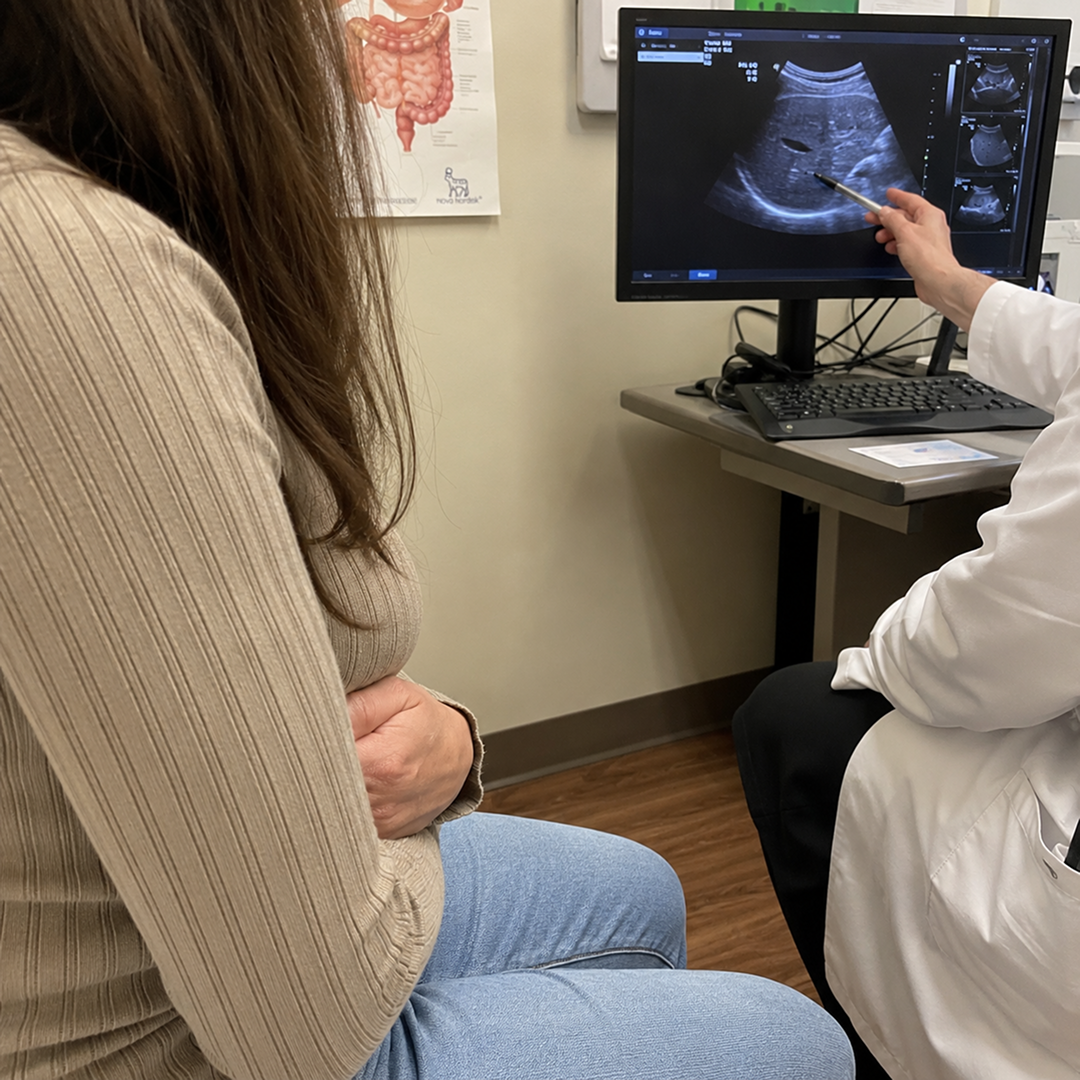
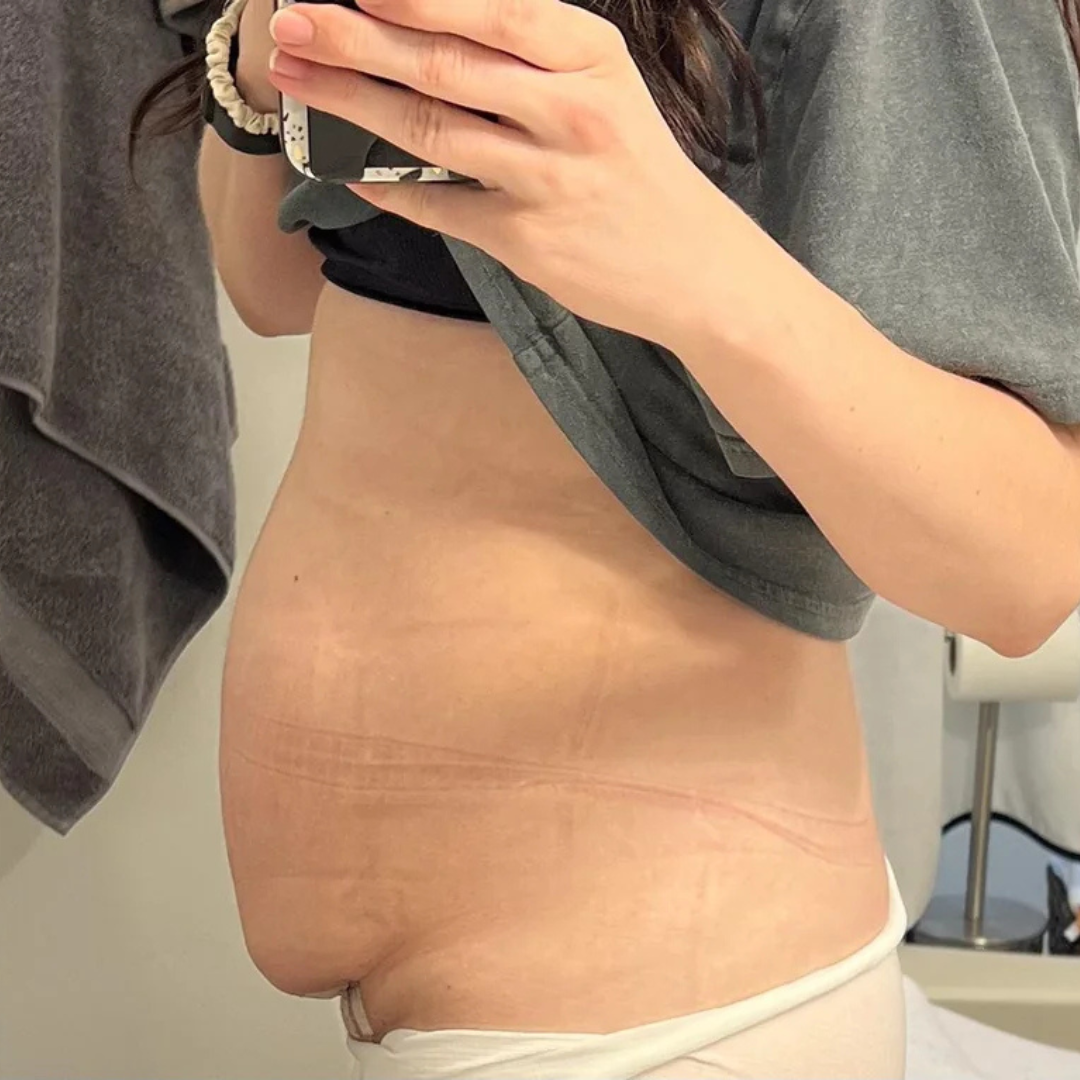
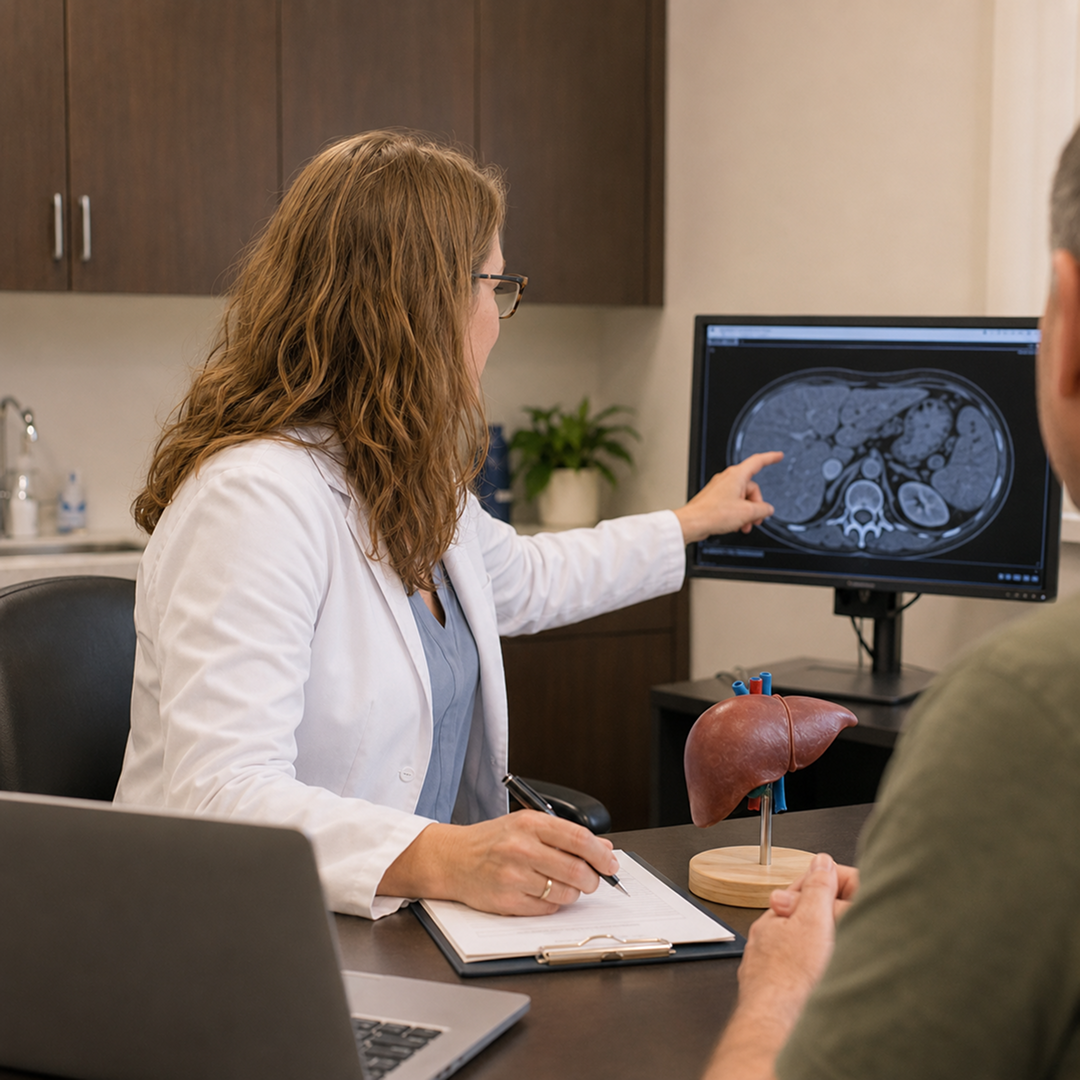
If your enzymes have been "stable" on milk thistle for years and you still feel terrible, I'm a hepatologist and I will answer the 12 most common questions I get. Question 1, when does fatty liver actually become serious? A single elevated ALT panel, probably nothing. Labs fluctuate. A bad week of eating, a virus, a stretch of poor sleep, all of it can nudge an enzyme. But ALT staying in the elevated range every time you test, that means hepatocytes are rupturing faster than your liver can regenerate them. And the longer it sits there, the more fibrosis lays down where the dead cells used to be. The bar is not "did the number go high once." The bar is "has the number been telling me the same story for 6 months or longer." Question 2, I read fatty liver comes from inside the hepatocyte itself, is this true? Yes, and this is the part of the conversation most patients never get. Two things are happening inside the cell at the same time. The mitochondria in your hepatocytes are leaking damaging molecules called reactive oxygen species, because they are overloaded by years of processed food, environmental toxins, prescriptions, alcohol, and the slow background accumulation of fat. That is the fire. At the same time, the fat that is supposed to be exported out of the cell stays trapped, because the export pump has stalled. The pump needs choline to run, and the standard American diet stopped supplying enough of it three generations ago. The trapped fat physically stresses the mitochondria from the inside. The stressed mitochondria leak harder. The cell wall takes hit after hit. Eventually the membrane fails, the cell ruptures, ALT shows up in your blood, and fibrosis lays down where the cell used to be. That is the cycle. Food on your plate today is not the real driver. The machinery inside the cell is. Question 3, what symptoms should I look for? A bloated belly that will not go down by 7 PM no matter how clean you ate. The dull press under your right ribcage that you reach for without realizing you are doing it. The 2 PM crash that puts you in the supply closet. Brain fog that makes you lose words mid-sentence. Waking up at 2 AM with a dry mouth and a racing heart. Puffy face in the bathroom mirror at 6 AM. Skin that itches in patches with no rash behind it. Most patients think these are separate problems. They come into my clinic with a list. The bloat goes to GI. The fog goes to primary care. The fatigue goes to the endocrinologist. None of them are wrong individually. None of them see that it is the same organ running on broken machinery. Question 4, my doctor says my ALT is borderline, am I fine? Borderline means the number is heading the wrong way. By the time it crosses into clearly elevated, your hepatocytes have been rupturing for years. The bloodwork is the last thing to catch up. The fibroscan usually moves before the labs do, and your primary care doctor probably has not ordered a fibroscan. I see patients whose ALT was "borderline" for 4 years before anyone ordered imaging. By the time they got it, they were already F2. Question 5, I've been eating clean and exercising, why isn't it working? Because diet only addresses what is going in. The fat already trapped inside your hepatocytes does not come out just because you ate a salad today. The export pump still needs choline to run, and you cannot eat your way back to functional choline status overnight after decades of low intake. You can drop 20 pounds and your liver still holds onto everything that was already inside it before you started losing weight. Diet works as prevention. It is slow as restoration. I have patients who lost 30 pounds and their ALT moved 8 points in a year. That is the gap I am describing. Question 6, what happens if I just leave it alone? It does not stay where it is. F1 progresses to F2. F2 progresses to F3. The conversation in your hepatologist's office shifts from "let's monitor" to "let's talk about workup." Eventually the word is cirrhosis. Then the word is transplant. Then the word is waitlist. Most fatty liver patients do not believe this is going to happen to them. I have seen this trajectory hundreds of times. The ones who change it are the ones who do something different before F3. Question 7, why isn't this taught more? Because the standard protocol is milk thistle and monitor. That is what is in our training. The research on mitochondrial damage and choline depletion exists. It sits in the journals. But the compounds I am about to talk about are not patented and no pharmaceutical rep is walking into your primary care doctor's office to brief him on real silymarin grading or clinical NAC dosing. The treatment side of hepatology stayed focused on monitoring the decline rather than restoring the cell. I am not blaming the doctors. The system trained us to watch a number. Question 8, so what actually works? You need to address what is happening inside the cell. Three compounds keep coming up across the research. European pharmaceutical-grade silymarin, fresh-harvested and standardized to the active compound, stabilizes the hepatocyte membrane and slows the mitochondrial leak. This is critical, because the American milk thistle on most shelves is degraded silymarin. The active compound oxidizes between harvest and the bottle in your bathroom. What most patients are swallowing is mostly inactive plant material. NAC restores glutathione, the master antioxidant your liver uses to neutralize the damaging molecules the mitochondria leak. It is the same compound the ICU pushes through an IV line when somebody is in acute liver failure. The dose has to match what research uses, not the sub-clinical sprinkle most combination bottles put in to print the word on the label. And choline gives the liver the raw material it needs to package the trapped fat and ship it out of the cell. Without it, the export pump stays stalled and the cycle keeps running. A healthy liver repairs itself automatically when those three compounds are present at clinical doses. Take any one of them out and the system stalls. Question 9, how long until my numbers move? It varies depending on where you start, but here is the pattern I see in clinic. Week one to two, the bloat is the first thing to drop. Patients tell me their waistband fits at 7 PM again. The right-rib press habit, the one they did not even know they had, usually dies in this window. I had a patient last month, woman in her late 50s, ALT 94 for three years on standard milk thistle. By week two she sent me a photo of her stomach at 9 PM, flat in a way she said she had not seen in five years. Week three to four, the fog lifts. The 2 PM crash softens. The 2 AM thirst usually stops. That is when I order bloodwork, because that is when the changes start showing up in the labs. By week six to eight, most patients I have followed are seeing a meaningful drop in ALT. The patient I just described, ALT 94 at baseline, came back at 38 at her 8-week recheck. AST dropped from 71 to 29. By week 12 her repeat fibroscan moved from F2 to borderline F1. That timeline is not unusual. I have a male patient, mid 60s, history of social drinking, ALT 112 for years on the standard protocol, his came back at 41 at the 9-week mark. He told me at that visit it was the first time in a decade he had walked into a hepatology appointment without dreading the conversation. Some patients move faster than that, some take a little longer if they have been sitting at elevated numbers for more than a decade, but the direction is consistent across the patients I have followed. Question 10, does this work for men too? Yes. Hepatocytes are hepatocytes. The mitochondrial leak, the trapped fat, the rupture cycle, all the same. If anything the men I see progress faster because they tend to under-report symptoms longer and walk in with higher baseline ALT. The mechanism does not care about sex. The patients who get the best results are the ones who start before F3. Question 11, what brand do you recommend? Most liver supplements in the US are not doing much. The milk thistle is oxidized or underdosed. Most do not include NAC at clinical strength. They sprinkle a sub-clinical dose so they can print the word on the front. Almost none have meaningful choline. You look at three "liver complex" bottles next to each other on the shelf and they look similar. The actual amount of active compound in each one is wildly different. The one I usually point patients to is Happy Liver from Ritual Labs. European pharmaceutical-grade silymarin, NAC and choline at clinical doses, 2 capsules in the morning. They third-party test every batch. The capsules deliver the same ingredients I would prescribe if any of them came as a prescription, which they don't. Question 12, how can I be sure it's going to work? Honestly, you can't be sure of anything before you try it. That goes for any protocol I write. What I tell my patients is that this one comes with a 60-day money-back guarantee tied to your actual bloodwork, which is the main reason I am comfortable mentioning a specific brand at all. If your numbers don't move, you send it back and get every dollar back. That is not nothing. Most of the things your doctor will hand you do not come with that. They are also running a buy two get one free right now. Take it alongside your regular monitoring and your hepatologist appointments. Not instead of either. This goes on top of your medical care, not in place of it. I will drop the link below if you want to check it out. Those are the questions I answer in clinic every week. If you have other questions about your liver, drop them in the comments and I will do my best to get to all of them. 👉 https://rituallabs.shop/products/happy-liver
Like this ad? Make it yours.
Crush rebuilds this exact creative around your product — your brand, your colors, your offer — in about a minute.