Susan Brown
Susan Brown Facebook ad: “Sale Ends Tonight”
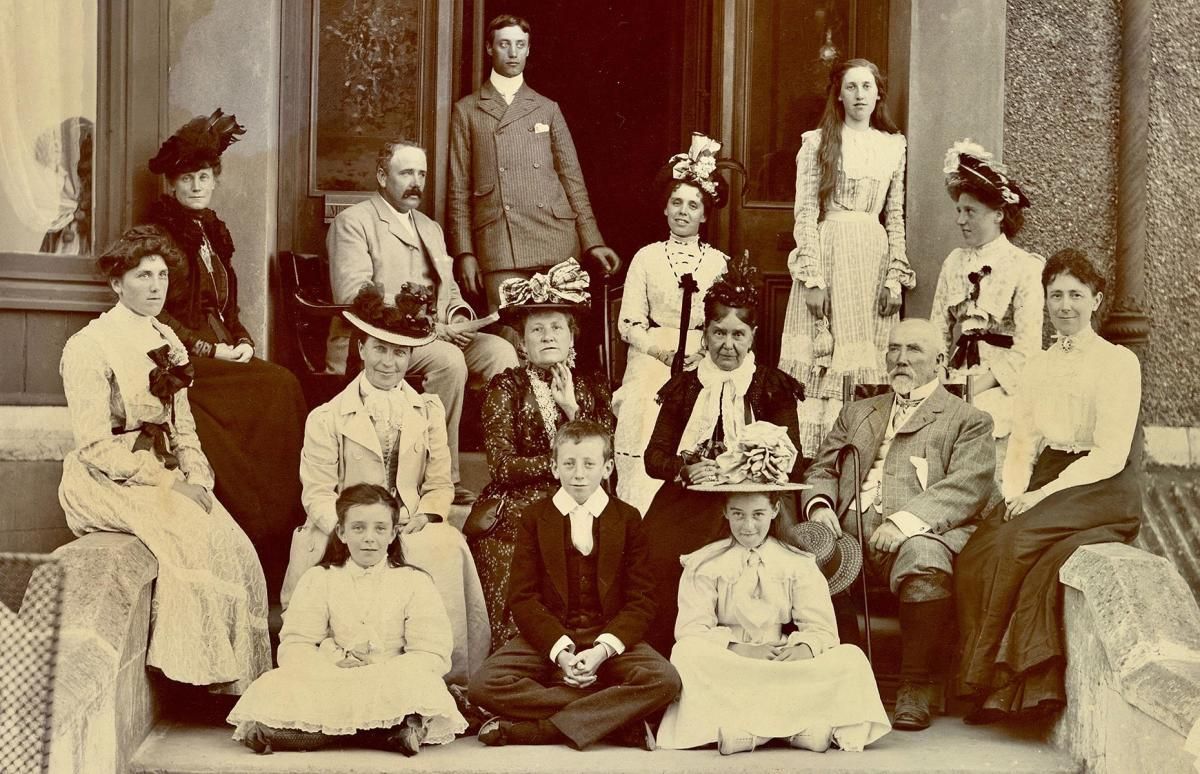
Ran for 2 days, from September 24 to September 26, 2026, the last day Crush saw it.
Run by Susan Brown on Facebook. Crush is not the advertiser and does not verify its claims. See this ad in Meta's Ad Library(opens in a new tab)
Want an ad like this for your product?
Crush makes new ad images for your product from this ad: your logo, your product photo, your offer.
Trials from $19.95 USD, then $79.95 USD a month. Cancel anytime.
About this ad
- Meta Ad Library ID
- 1069199595732238
- Platforms
- Facebook, Instagram, Audience Network, WhatsApp and Threads
- Relaunches
- 0
- Niche
- Pets
Ad text
I restore castles for a living. I've worked on 14th-century estates in France, Tudor manors in England, and Gilded Age mansions across America. What I found inside every single one would shock you. I'm an interior designer who specializes in castle and estate restorations. For the last twelve years, I've been hired by private owners, preservation societies, and luxury hotels to bring historic properties back to their original standard. Not just how they looked. How they felt. I've matched marble from quarries in Carrara that haven't been commercially mined in decades. I've sourced hand-forged ironwork from the same foundries that supplied French châteaux in the 1800s. I've spent six months tracking down the exact pigment used on a ceiling in a Newport mansion because the family wanted it restored to the original shade, not something close. I walk through these properties every day. And after twelve years, I can tell you the thing that surprises me most about every historic estate I've ever restored is not the architecture. Not the art. Not the marble or the chandeliers or the hand-painted ceilings. It's the bathrooms. Because in every single castle, manor, and estate I've worked on, from the Gilded Age to pre-war Europe, the bathrooms were treated as the most important private rooms in the house. Not the ballroom. Not the dining hall. The bathroom. The wealthiest families in history understood something we've completely forgotten. The things nobody sees are the things that matter most. The ballroom was for guests. The bathroom was for them. And the detail they obsessed over most in those bathrooms was not the tile or the fixtures or the marble. It was the towels. I used to think that was a quirk. A footnote in restoration notes. I don't think that anymore. A kid on a house tour, maybe ten years old, looked at a bathroom I'd just restored in a Gilded Age mansion and asked, dead serious, "If they had gold everything, did they have gold towels too?" Everyone laughed. But I stood there realizing I'd spent twelve years restoring bathrooms and never once asked what actually went on the towel rack. So I looked. And what I found changed how I see every property I've ever worked on. And honestly, changed my own bathroom at home. Every historic estate I've restored had the same specification in the archives. The towels were woven from long-staple cotton, fibers kept loose and lofted, in a dense pile designed to absorb water and get softer with use instead of rougher. Heavy. Substantial. Built to be used every day for decades and only get better. That wasn't a luxury. It was a standard. From Newport to the Loire Valley. From English country houses to Manhattan townhouses. The same principle. The same construction. Across centuries. Across continents. The wealthiest people in history all agreed on one thing in their private bathrooms. And it wasn't the marble. And then I did the thing you shouldn't do when you restore castles for a living. I went home that night and picked up my own towel. A Pottery Barn towel I'd bought maybe eight months ago because it looked beautiful on the shelf. Thin. Starting to pill. That scratchy feeling where you dry off as fast as you can just to be done with it. Twelve years restoring the most beautiful bathrooms in the world. And my own towel was falling apart. How did we go backwards? The answer is the 1950s. That's when mass manufacturing found the shortcut. Factories learned they could twist cotton fibers tight together during production. Faster. Cheaper. And here's the trick. Twisted fibers feel dense and plush on the store shelf. You hold one against your face in the aisle and think this is nice. You take it home. And every single wash tightens those twisted fibers further. Rougher. Stiffer. Harder. The short weak fibers snap loose. That's the lint on your skin. The fuzz on the floor. The shedding that never stops. The families who built castles built a towel to last a lifetime. The factories built one to last a year, so you'd buy another. And nobody noticed, because nobody alive remembered what a real towel was supposed to feel like. I had one question left. Does the old construction still exist anywhere? Or did it die with the castles? Hotels. That's the answer. The best hotels in the world never switched to the twisted-weave shortcut, because their guests would feel the difference in a single shower. It's the exact reason you stand in a nice hotel bathroom wrapped in a towel and think, why doesn't mine feel like this. Now you know why. They use the old principle. Your bathroom uses the 1950s shortcut. But you can't buy a hotel's towels. So I searched. Tried every brand people name. Pottery Barn, twisted, stiff in a month. Frontgate, plush at first, flat by month two. Restoration Hardware, $52 a towel that declines from day one. Brooklinen, so dense it never dries, musty by day two. Then I was working on a restoration for a luxury hotel group. Converting a 19th-century estate into a boutique property. I asked their procurement director what towels they were specifying for the bathrooms. He said, "Onuia. They supply luxury hotels and spas. That's literally all they do. Same principle as what was originally in these estates. We won't use anything else." "Does everyone know about them?" I asked. He said, "The hotels do. Regular people don't." That sentence sat in my stomach the rest of the day. I looked them up that night. They supply luxury hotels and spas. That's the whole company. 600 to 800 GSM premium cotton in a refined terry weave. The same principle I'd been reading about in restoration archives for twelve years. Long fibers, loose construction, fabric that gets softer with every wash instead of harder. The thing that castles understood and factories threw away. Available to anyone. On a website. To an interior designer making restoration money in Connecticut. I ordered a set. They arrived a few days later in a white box. I pulled one out and my hands knew immediately. Heavy. Dense. That deep softness that lives inside the fiber instead of sitting on the surface. The same feeling I'd read about in hundred-year-old household records. In my hands. In my kitchen. I took a shower that night specifically to use it. Stepped out. Wrapped myself up. And I just stood there. Bare feet on the tile. Steam in the air. In my little bathroom that is the furthest thing from a castle you could imagine. And for the first time it didn't feel like the worst room in my apartment. It felt like something. Wrapped in the same kind of thing the wealthiest families in history put in their private bathrooms, standing in my own, on an ordinary night. First week. No lint. Not a fiber left on my skin. That tight dry feeling I'd had for years just disappeared. Second week. My husband came out of the shower and stopped in the doorway. "What are these towels." Not a question. A statement. This is a man who has never once commented on anything in our bathroom. Third week. My mom visited. Used the bathroom. Came out, sat down, and said, "Those towels." And she started crying. Quiet crying. The kind where someone has dried off with rough cheap towels for 40 years and never knew it could feel like that. I ordered her a set that night. She called me when they came and said she wrapped herself up and stood there with her eyes closed. She said, "I finally understand why those old houses feel different." Fourth week. Washed mine for the fourth time. Softer than the day they arrived. Getting better with time. Exactly the way the archives described. It's been a little over a year. They have not thinned. Not gone grey. Not gone stiff. No bobbling on any edge. Every towel I've ever owned died within a year. These are the first ones that didn't. Here's what I think about now, on every single restoration. I stand in a bathroom that someone built two hundred years ago with more care than most people put into their entire house. And I think about the towel rack. Because that was always the point. Not the marble. Not the fixtures. The thing that touched their skin when nobody was watching. They weren't excessive. They were precise. They understood that the things nobody sees are the things that matter most. The castle is for the photographs. The towel was for them. You don't need a castle. You don't need a manor house. You don't need a twelve-year restoration. You just need what they put in the bathrooms. They're running up to 60% off right now with free shipping. And a 30-day money-back guarantee. It took the families who built castles to get the bathroom right. It took a factory in the 1950s to make everyone forget what went in it. And it takes one shower to remember. onuia.com
Where the ad sends people
onuia.com
Sale Ends Tonight
The softest, thickest towels you'll ever own. Hotel luxury without the hotel price. This is the biggest discount we'll ever offer, up to 60% off, only for the labor day sale.
Learn more: onuia.com(opens in a new tab)