Science of Strength
 Facebook ad: “So last fall I went to the one Blue Zone nobody can say…”
Ran for 26 days, from September 20 to October 16, 2026, the last day Crush saw it.
Run by Science of Strength on Facebook. Crush is not the advertiser and does not verify its claims. See this ad in Meta's Ad Library(opens in a new tab)
Make your own version of this ad
Crush makes it, launches it in your own Meta ad account, scales the winners and pauses the losers.
About this ad
- Meta Ad Library ID
- 1069446392136919
- Platforms
- Facebook, Instagram, Audience Network and Threads
- Relaunches
- 0
Ad text
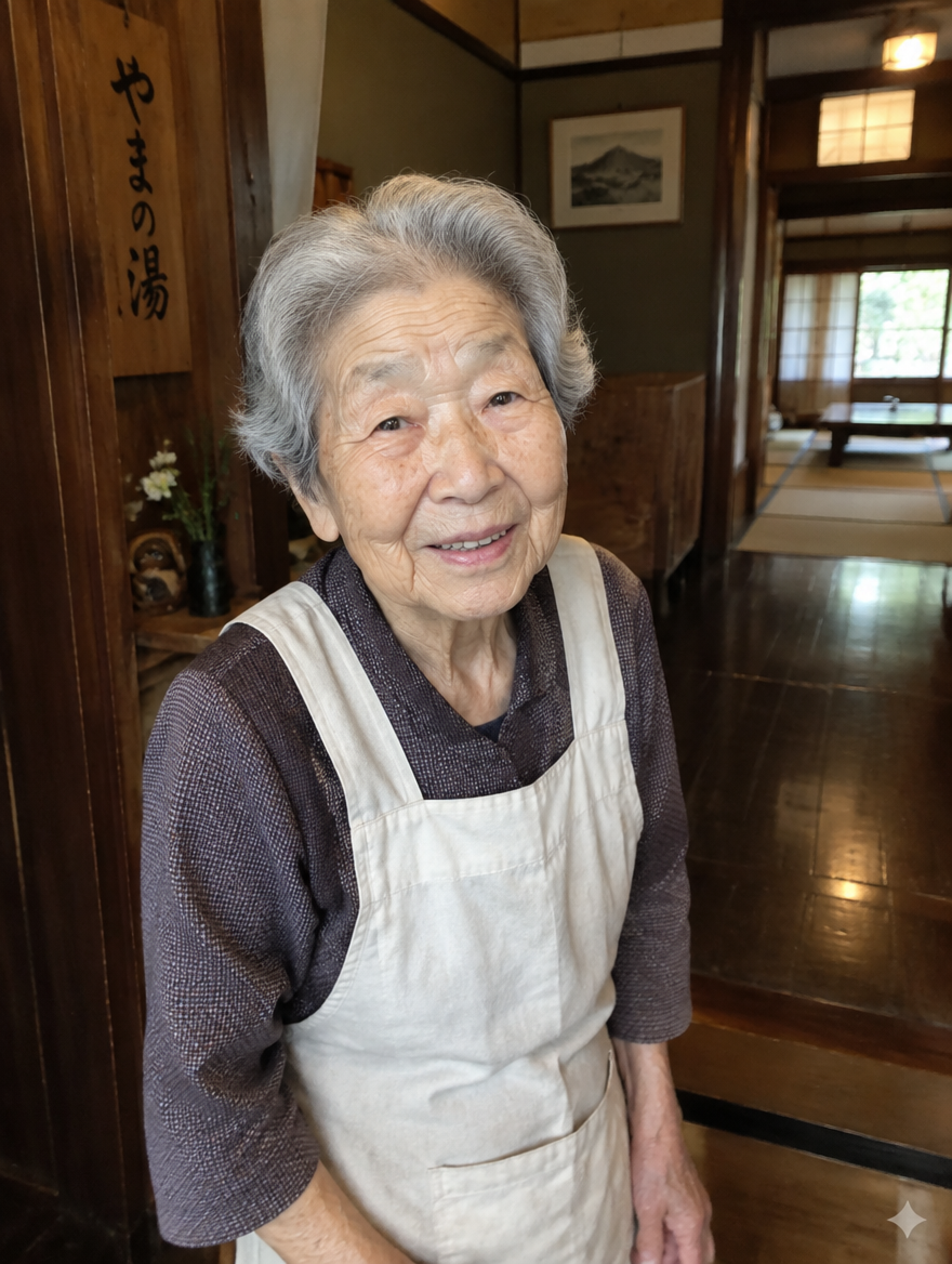
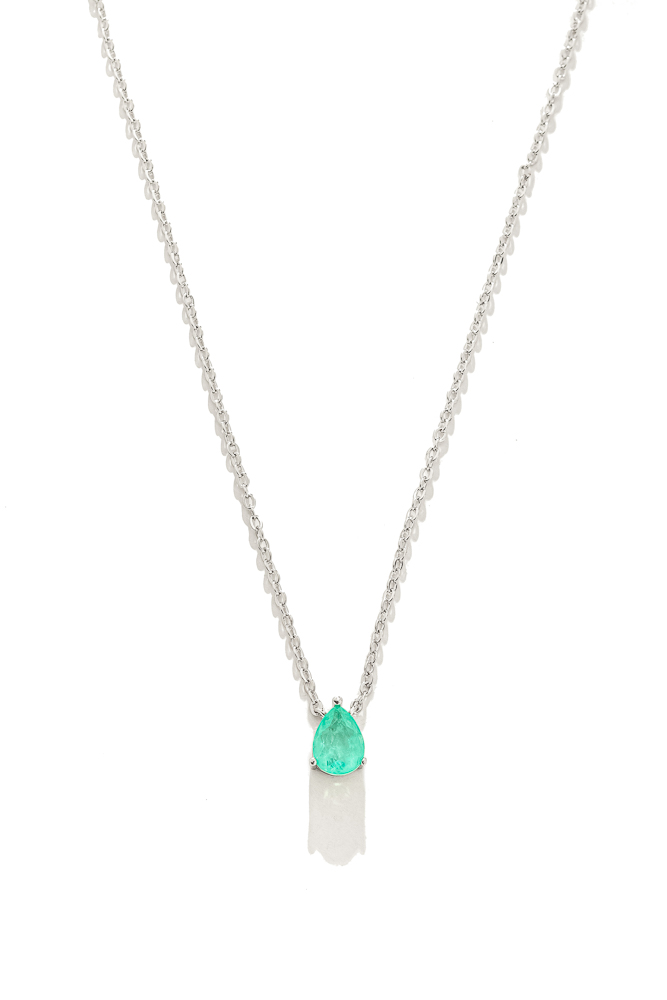
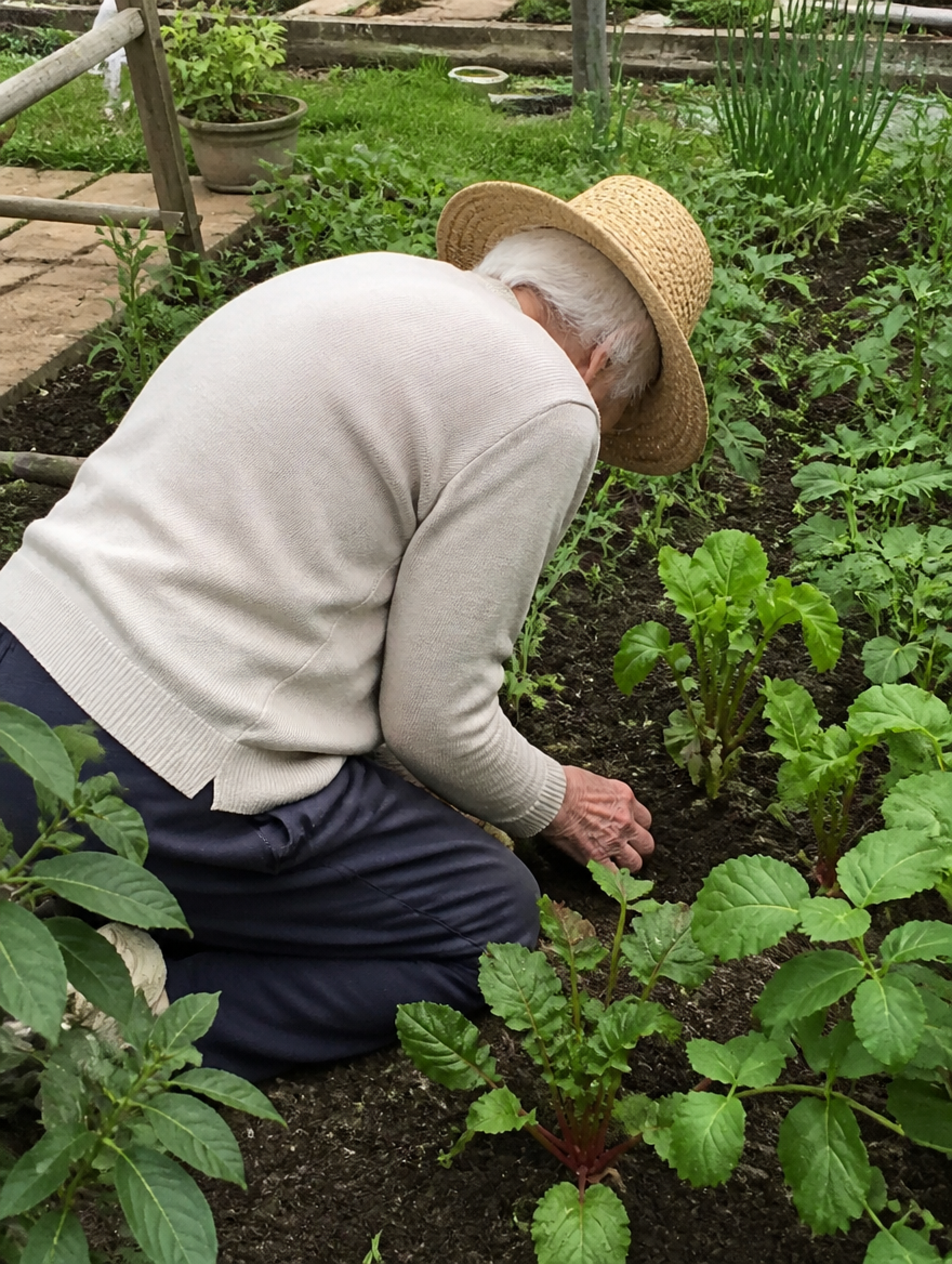
The only Blue Zone in America is 60 miles from Los Angeles. The people who live there outlive the rest of us by a decade. And when I asked a 96-year-old woman how she's healthier than anyone I know back in the city, her answer had nothing to do with diet. I study longevity. I've spent the last eight years researching why certain populations live dramatically longer than others. I've visited four of the five Blue Zones — the places on earth where people routinely live past 100. Okinawa. Sardinia. Ikaria. Costa Rica's Nicoya Peninsula. Every time I came home, people said the same thing. "Well sure, but those are isolated villages. Different food. Different water. Different genetics. That doesn't apply here." So last fall I went to the one Blue Zone nobody can say that about. Loma Linda, California. San Bernardino County. An hour east of downtown LA on the 10 freeway. The people in this community live roughly 10 years longer than the average American. They have a fraction of the heart disease. A fraction of the diabetes. A fraction of the cancers that are now considered normal in this country. And they live right next to everyone else. Same freeways. Same supermarkets. Same California tap water. Same air — actually worse air, because San Bernardino has some of the worst air quality in the state. Same medical system. Same insurance companies. Same pharmacies on every corner. The only thing separating them from the rest of Southern California is what they do with their bodies. I arranged a homestay through a community outreach program. The woman I stayed with was named Ruth. She's 96 years old. Lives in a small house with a garden that wraps around the entire property. Grows her own vegetables. Walks two miles every morning before breakfast. Reads without glasses. She has outlived her doctor. That detail hit me the first time she mentioned it. Her primary care physician — the one who told her to take calcium supplements and watch her cholesterol — died of a heart attack at 61. Ruth sent flowers to the funeral and then went home and pulled weeds in her garden. She's 96 and hasn't filled a prescription in over 15 years. The first thing everyone asks about Loma Linda is the diet. The community is largely Seventh-day Adventist. Plant-based eating. No alcohol. No smoking. It's been written about in every health magazine, every longevity book, every documentary about Blue Zones. I've read all of them. I've cited them in my own research. So when I sat down with Ruth on day two and asked what her secret was, I expected her to talk about vegetables. She didn't. "Everyone who comes here asks me about the food. Reporters. Researchers. Doctors from universities. They fly across the country to ask me about vegetables." She shakes her head. "You know how many Americans eat plant-based diets now? Millions. They eat their salads and drink their green juice and take their vitamins and they're still weak. Still exhausted. Still falling. Still watching their bodies get smaller and softer every year while their doctors tell them it's normal. While they lose the ability to stand up from a chair without using their hands." She leans forward. "The food helps. I won't lie about that. But the food is not why I'm 96. The food is not why my husband lived to 99. The food is not why the women in my Bible study group are all in their 80s and 90s and still strong enough to walk to church every single Wednesday." "Then what is it?" "It's the fuel. What my mother understood. What her mother understood before her. What the women in this community have known quietly for generations while the researchers write about our salads." She gets up from the chair in one motion. No hands on the armrests. No bracing. Just stands up the way people stand up when standing up is simply something their body does. I'm 44. I noticed. "My mother lived to 101," she said, walking to the kitchen counter. "Her legs worked until the week she died. She was gardening at 98. Not sitting in a chair watching someone else garden. On her knees in the soil." She turned to look at me. "You know what killed most of the women I grew up with who didn't live long? Not their hearts. Not cancer. Their legs went first. They got weak. They fell. They stopped moving. And once you stop moving, everything else follows. The heart. The lungs. The mind. Everything." "How do you keep your legs from going?" I asked. She looked at me the way a teacher looks at a student who missed something obvious. "You keep the fuel. The specific fuel your muscles run on. Not protein. Not vitamins. The fuel inside the cells themselves that makes everything else work." She explained it the way her mother had explained it to her. Simply. Without any of the language I would have used. Your muscles don't run on food. They run on something the body makes from food — a molecule produced inside the muscle cells themselves. When you have enough of it, your muscles stay strong. They respond when you use them. They hold their mass year after year. They let you stand up from a chair without thinking about it at 96. When you don't have enough of it, nothing you eat or do fully compensates. You can walk every day. You can eat your protein. You can take every supplement on the shelf. And your muscles still quietly get smaller. Still quietly get weaker. Because the fuel that allows them to respond to everything you're doing isn't there. "My mother called it the fire inside the muscle," Ruth said. "She said when you're young the fire burns hot. Everything you do makes you stronger. Then after a certain age, the fire starts to go low. And if you don't tend to it, it goes out. And once the fire goes out in the muscles, the person starts going out too." I sat there staring at her. "Americans take vitamins in the morning for muscles that are losing their fire at midnight," she said. "Then they wonder why nothing works." I need to explain why that sentence stopped me. Because in eight years of longevity research, I've read the studies. The 5,472 women followed for eight years, published in JAMA Network Open in 2026. Women who could stand up from a chair fastest were 37% less likely to die during the follow-up period than women who were slowest. Not a small number. Thirty-seven percent. From leg strength. Measured with a chair and a stopwatch. And the 28-country study of nearly 2,000 people over 90. Same finding. Lower muscle strength, higher mortality. The relationship gradual — a slope, not a cliff. Every increment of strength you hold onto matters. Every increment you lose costs you. I'd read those studies. I'd cited them. I'd written about them. And here was a 96-year-old woman in Loma Linda who had never read a research paper in her life, describing the mechanism behind all of it in the language her mother had given her. The fire inside the muscle. That fire is creatine. When I got back from Loma Linda, I pulled every study I could find on what Ruth was describing without knowing the name. Creatine is stored inside muscle cells. It's what muscle cells use to produce the rapid energy that powers every contraction — every step, every stand, every moment of grip or lift or pushing yourself up from a chair. When creatine stores are adequate, muscles respond to activity, maintain their mass, stay strong year after year. After your mid-forties, your body produces creatine more slowly. Every year. Quietly. No blood test flags it. No doctor checks it. The stores inside your muscle cells decline — and as they decline, the muscles' ability to maintain strength declines with them. Even when you're walking every day. Even when your protein intake is good. Even when your bloodwork comes back normal. Women start with lower creatine stores than men. The decline hits harder and earlier. By your early sixties, most women are running their muscles on a fraction of the creatine they had at forty-five. And muscles running on depleted creatine can't hold their strength the way muscles with adequate stores can. The walking helps but doesn't fully compensate. The protein helps but doesn't fully compensate. The fire is going low, and nothing you're doing is tending to it. That's why Ruth's community doesn't fall apart the way everyone else does. Not because of the vegetables. Because somewhere in their history, their grandmothers figured out that you have to tend the fire directly. Ruth called it fuel. The researchers call it creatine. The 28-country study of 2,000 nonagenarians calls it the strongest predictor of survival they measured. PMID 39472080 if you want to read it yourself. I went back to Ruth the next morning. Told her what I'd found. The name for the fire. The research behind it. The studies. She listened. Then she said: "So there's proof now. Good. We always knew. We just didn't have the papers." I asked her what she took. How her community tended the fire. She walked to a cabinet in the kitchen. Pulled out a small bag. Inside were gummies. Small. Orange. The kind of thing you'd see on a kitchen counter and think nothing of. "My granddaughter found these for me two years ago," she said. "I told her what my mother had told me about the fuel. She went and looked. She came back with these." She held one up. "Three every morning. With water. That's all." She set the bag on the table between us. "The women in my community who are still strong at 90, still getting up from chairs without thinking about it, still walking to church — they tend the fire. The ones who stopped tending it in their sixties are the ones who ended up in chairs by 75." Ruth introduced me to her community over the next two days. Her neighbor Helen is 91. Takes creatine every morning. Has for four years, since her daughter found the research. Gets up from the floor without help. Her hands are strong enough to open every jar in her kitchen. Her husband passed last year at 97 — he'd started taking it too, a few years after Helen. A retired schoolteacher named James is 94. His wife started him on it when he was in his late sixties, after he noticed that the walks that used to be effortless were starting to cost him something. He was skeptical. He tried it anyway. He's been walking two miles every morning since. The woman who runs the community garden is 88. She told me she's watched three waves of researchers come through Loma Linda over the decades. "They count our vegetables and measure our nuts and publish their papers. Nobody ever asks what else we do. We don't volunteer it either. It sounds too simple." And then she said something Ruth had already told me, almost word for word. "The food keeps you fed. Tending the fire keeps you standing." I kept thinking about the contrast. Thirty miles west of Loma Linda, women in their fifties and sixties are barely holding on. Weak by afternoon. Tired after a flight of stairs. Reaching for the armrests to get out of a chair. Going to the doctor and being told their bloodwork looks fine. Being told it's just age. Being told to keep walking and eat more protein. They are walking. They are eating protein. The fire is still going low. Thirty miles east, Ruth is 96. Gets up from a chair in one motion. Walks two miles before breakfast. Pulls weeds in her garden on her knees. The only difference between Ruth and the rest of Southern California is that someone tended the fire. When I got home, I looked into the specific product Ruth's granddaughter had found. OMNI creatine gummies. Three gummies gives you three grams of creatine monohydrate — the dose that appears consistently in the research on muscle strength and aging. Doctor-formulated. Made in the US. Third-party tested by Eurofins, an independent lab, every batch before it ships. One gram per gummy, verified. No powder. No shaker. No measuring. Just three gummies with a glass of water in the morning. Creatine has been studied in older women specifically. Research shows it supports muscle strength and lean muscle preservation. OMNI supports lean muscle as you age — with a dose that's real, verified, and consistent with what the research actually uses. Nearly half of creatine gummies on the market fail third-party testing. The amount on the label and the amount in the product are different numbers for a lot of brands. An underdosed gummy feels exactly like one that contains nothing. You take it for two months, feel nothing, conclude creatine doesn't work. It works. You just weren't getting enough of it. Ruth's granddaughter did the work. Found the brand that publishes its lab results. That you can verify yourself. I started that evening. Week one and two. Nothing dramatic. I kept going. Week three. I did the chair test from the JAMA study. Sat down. Crossed my arms over my chest. Stood up five times without using my hands. Faster than I'd done it three weeks earlier. I noted it. Kept going. Week four. I was in a three-hour research meeting — the kind that used to leave me foggy and useless by hour two. I was sharp the whole way through. I caught something in the data that two colleagues had missed. Month two. I flew back to Loma Linda. Sat across from Ruth. I told her what had happened. The chair test. The meeting. The energy that had stopped disappearing by afternoon. She just nodded. The same nod from the first morning. The one that meant: of course. This is what happens when you tend the fire. "You know what makes me sad?" she said. "I can see the city from the hills behind my house. All those lights. All those people. Seeing their doctors. Taking their pills. Getting weaker every year. And the answer is right here. Sixty miles away. It's always been right here." The studies are there if you want them. Muscular Strength and Mortality in Women Aged 63 to 99 Years — JAMA Network Open, 2026. PMID 39921872. Association of Muscle Strength With All-Cause Mortality in the Oldest Old — Journal of Cachexia, Sarcopenia and Muscle, 2024. PMID 39472080. Read them. Then go sit in a chair. Cross your arms over your chest. Stand up without your hands. See where you are. If you're where I was — or where Ruth's neighbors were before their daughters started paying attention — the fire is going low. It's addressable. It's been addressable the whole time. Ruth's community figured it out generations ago and they've been living a decade longer than the rest of us ever since. You don't need to drive to Loma Linda. You don't need a grandmother who passed down the knowledge. Three gummies in the morning. That's all it is. 👉 omnicreatine.com Have you ever visited a place where the people just seemed to age differently — and wondered why? I'd love to hear about it in the comments. 👇
Where the ad sends people
omnicreatine.com
So last fall I went to the one Blue Zone nobody can say that about.
You can now finally taking creatine without bloating, puffiness or going bald. OMNI is specifically designed for optimized creatine absorption.
Shop now: omnicreatine.com(opens in a new tab)